Related News
- 00
0000-00
How to Specify a Quay Crane for Container Terminals by Vessel Size and Throughput? - 00
0000-00
Which Bulk Handling Equipment Suits High-Moisture Cargo? - 00
0000-00
Terminal Automation Technologies That Raise Container Throughput Without Yard Disruption - 00
0000-00
Planning Offshore Dredging Operations: Key Risks, Methods, and Project Controls - 00
0000-00
Where Do Automated Guided Vehicles Deliver the Fastest Warehouse Gains in the Middle East?
Is container terminal automation worth the investment?
Is container terminal automation worth the investment? The answer depends on throughput pressure, labor structure, yard complexity, and long-term strategy.
For ports facing congestion, fuel volatility, and stricter service windows, container terminal automation can improve consistency, visibility, and asset use.
Still, automation is capital-intensive. It requires system integration, process redesign, workforce transition, and a clear return model.
This guide explains what container terminal automation really delivers, where it fits, what it costs, and how to judge investment value with discipline.
What does container terminal automation actually include?
Container terminal automation is not one machine. It is a coordinated operating model combining equipment, software, communications, and safety logic.
Typical elements include automated stacking cranes, remote-controlled quay cranes, automated guided vehicles, OCR gates, and terminal operating systems.
The goal is simple: move containers faster, reduce unplanned delays, and make yard decisions with real-time data rather than manual judgment.
At advanced sites, container terminal automation also includes digital twins, predictive maintenance, traffic orchestration, and energy management tools.
How is it different from partial digitalization?
Many terminals already use software dashboards and smart gates. That does not mean they are fully automated.
Partial digitalization improves visibility. Container terminal automation changes execution by letting systems dispatch, route, and coordinate equipment automatically.
That distinction matters. Visibility alone rarely unlocks major labor savings or major cycle-time stability.
Why are ports investing in container terminal automation now?
The investment case has become stronger because operating conditions are harsher than before.
- Labor costs are rising in many port regions.
- Schedule reliability remains under pressure.
- Bigger vessels create sharper peak loads.
- Yard space must be used more efficiently.
- Emission goals favor electric and optimized operations.
Container terminal automation helps stabilize output during peaks. It also supports standardized workflows across shifts and operating zones.
For intelligence-led platforms such as PS-Nexus, this trend reflects a broader shift in maritime logistics toward connected, low-latency, algorithm-driven infrastructure.
That shift is not only technical. It is strategic because terminal performance increasingly shapes shipping network preference and inland flow efficiency.
When is container terminal automation worth the investment?
Container terminal automation is usually worth the investment when demand volatility is high, land is constrained, and service reliability has commercial value.
It tends to fit large gateway terminals, transshipment hubs, and new greenfield projects better than small, low-volume, highly variable sites.
Strong-fit conditions
- Annual volume is high enough to spread capital cost.
- Yard density and rehandling rates are hurting productivity.
- Berth windows are tight and penalties matter.
- Existing labor availability is uncertain.
- Energy transition goals require cleaner operating profiles.
Weak-fit conditions
- Throughput is low or highly seasonal.
- Cargo mix changes constantly and exceptions dominate.
- Infrastructure cannot support stable communications and power.
- Management expects payback without process change.
A useful rule is this: if operational inconsistency is the main problem, container terminal automation may create strong value.
If the main problem is weak cargo demand, automation alone will not fix economics.
What financial returns can container terminal automation generate?
The return model is broader than direct labor reduction. The best cases combine productivity gains, asset efficiency, lower incidents, and stronger revenue retention.
Main value drivers
- Higher moves per hour through synchronized equipment dispatch.
- Lower truck turn time through gate and yard coordination.
- Better land use through precise stack planning.
- Reduced damage and safety events.
- Lower energy waste from optimized travel patterns.
However, payback periods differ widely. Greenfield automated terminals often outperform retrofits because layouts, traffic lanes, and software architecture are designed from the start.
Retrofits can still work well, but hidden integration costs are common. Legacy systems, mixed fleets, and phased shutdowns reduce financial certainty.
Some operators study external intelligence sources before planning procurement paths, including references like 无 for market context.
What are the biggest risks and misconceptions?
The most common mistake is treating container terminal automation as an equipment purchase instead of an operating-system transformation.
Machines can be installed quickly. Stable automated performance cannot. It depends on clean data, rule design, exception handling, and operator training.
Common risks
- Underestimating software integration complexity.
- Ignoring cyber resilience and network redundancy.
- Overpromising labor savings in early phases.
- Failing to redesign exception workflows.
- Choosing automation where process variability is excessive.
Another misconception is that all automated terminals look the same. In reality, container terminal automation can be partial, phased, or hybrid.
Remote-controlled cranes, automated yard blocks, and smart gate systems can be introduced step by step rather than all at once.
How should a terminal evaluate automation before investing?
A sound decision starts with process mapping, not vendor brochures. Terminals need to identify bottlenecks, exception patterns, and value leakage first.
Practical evaluation checklist
- Measure current berth, yard, and gate bottlenecks.
- Model volume scenarios for five to ten years.
- Estimate full lifecycle cost, not just purchase price.
- Test communications, power, and data architecture readiness.
- Define fallback procedures for outages and exceptions.
- Plan workforce transition and control-room competencies.
It is also wise to compare a full automation roadmap with a phased modernization roadmap.
Sometimes, 60 percent of the value comes from 30 percent of the automation scope.
In complex cases, terminals review technology signals, scheduling logic trends, and equipment benchmarks through sector resources such as 无.
FAQ summary table: how to judge if container terminal automation makes sense
So, is container terminal automation worth the investment? In many cases, yes—but only when the business case is tied to real operational pain and long-term network positioning.
The strongest decisions balance engineering reality, financial discipline, and implementation maturity. Automation should serve terminal strategy, not replace it.
Start with bottlenecks, model the future state, and test phased options carefully. That approach turns container terminal automation from a costly experiment into a durable competitive asset.
Related News
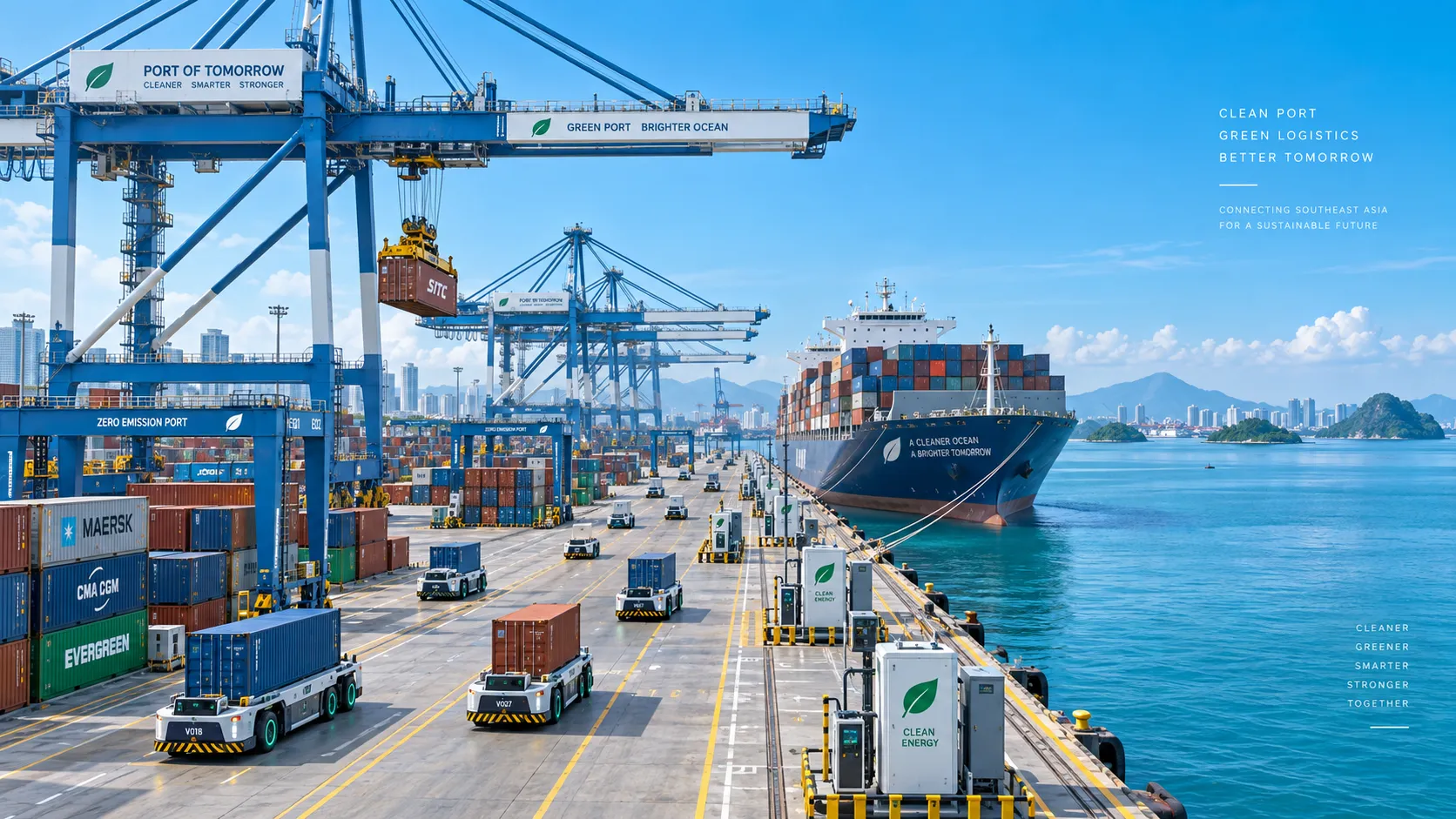
Smart Port Systems in Southeast Asia: Investment Priorities and Adoption Barriers
Smart port systems Southeast Asia: discover investment priorities, adoption barriers, and practical steps to build resilient, connected, high-performing terminals.
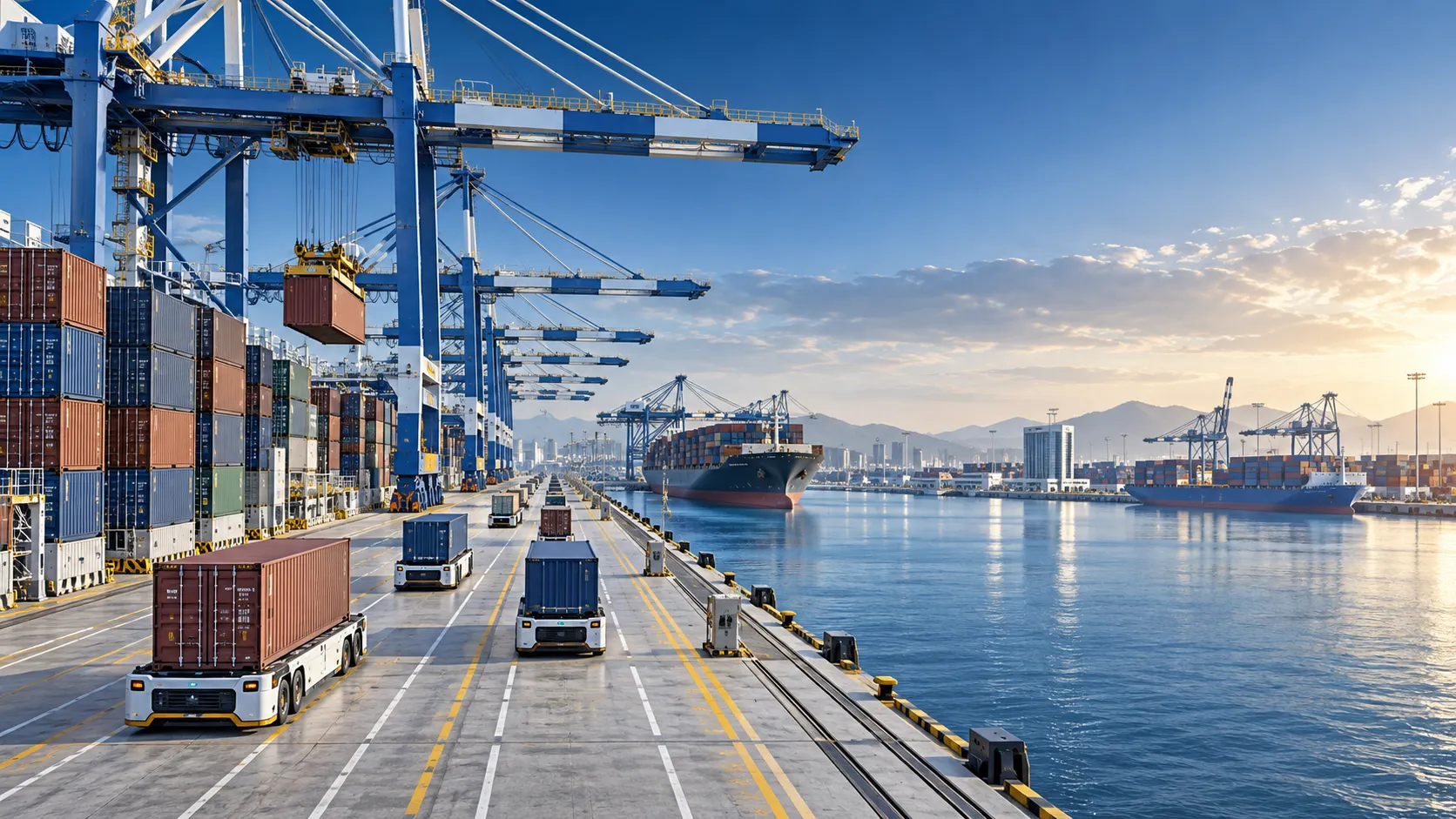
How to Evaluate Terminal Efficiency Solution Suppliers for High-Throughput Operations
Choose a terminal efficiency solutions supplier with confidence. Explore proven criteria for throughput, integration, lifecycle cost, safety, and reliable delivery.
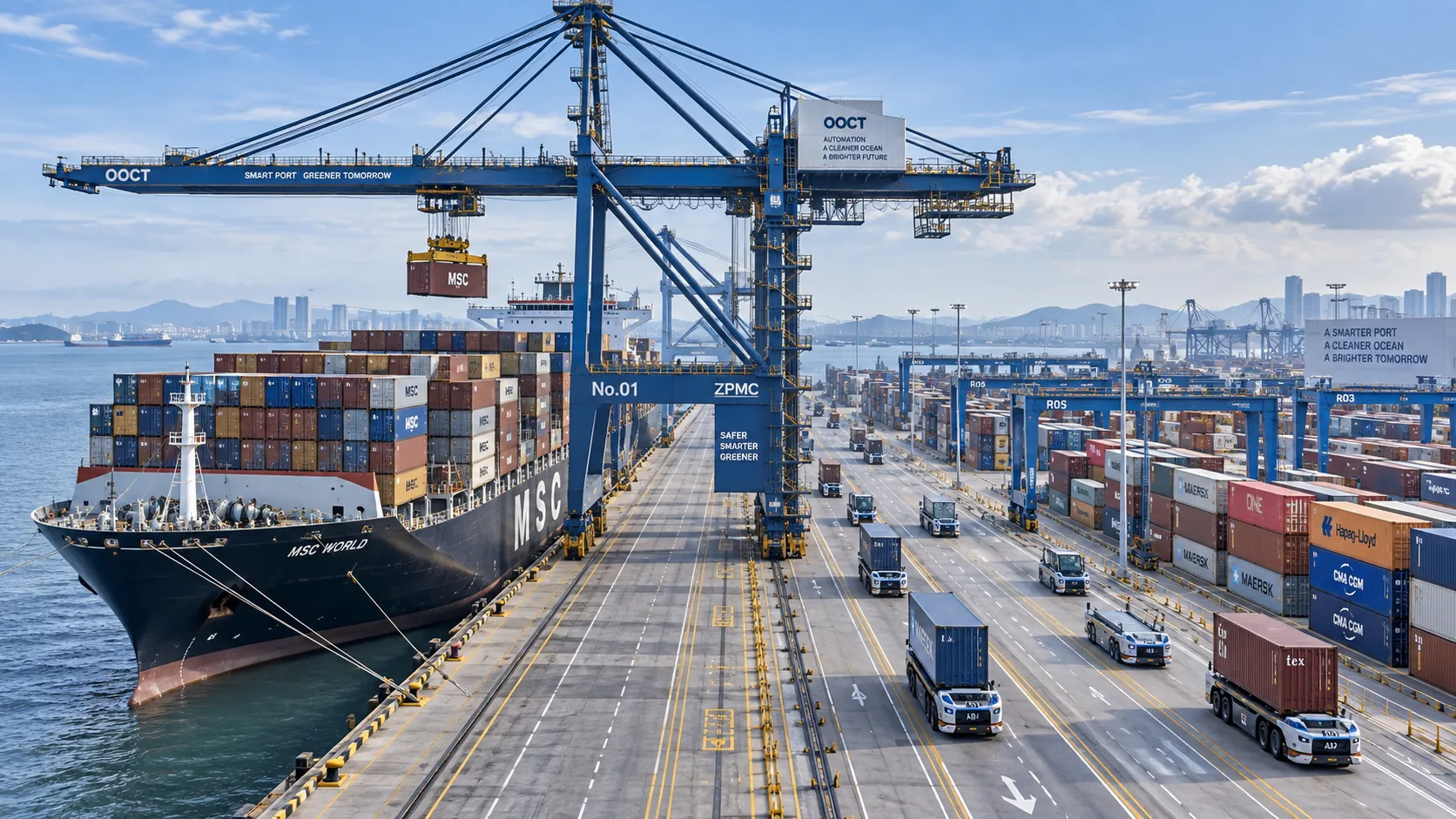
How to Specify a Quay Crane for Container Terminals by Vessel Size and Throughput?
Quay crane for container terminals: learn how to match outreach, lift height, capacity, automation, and cycle performance to vessel size and throughput goals.
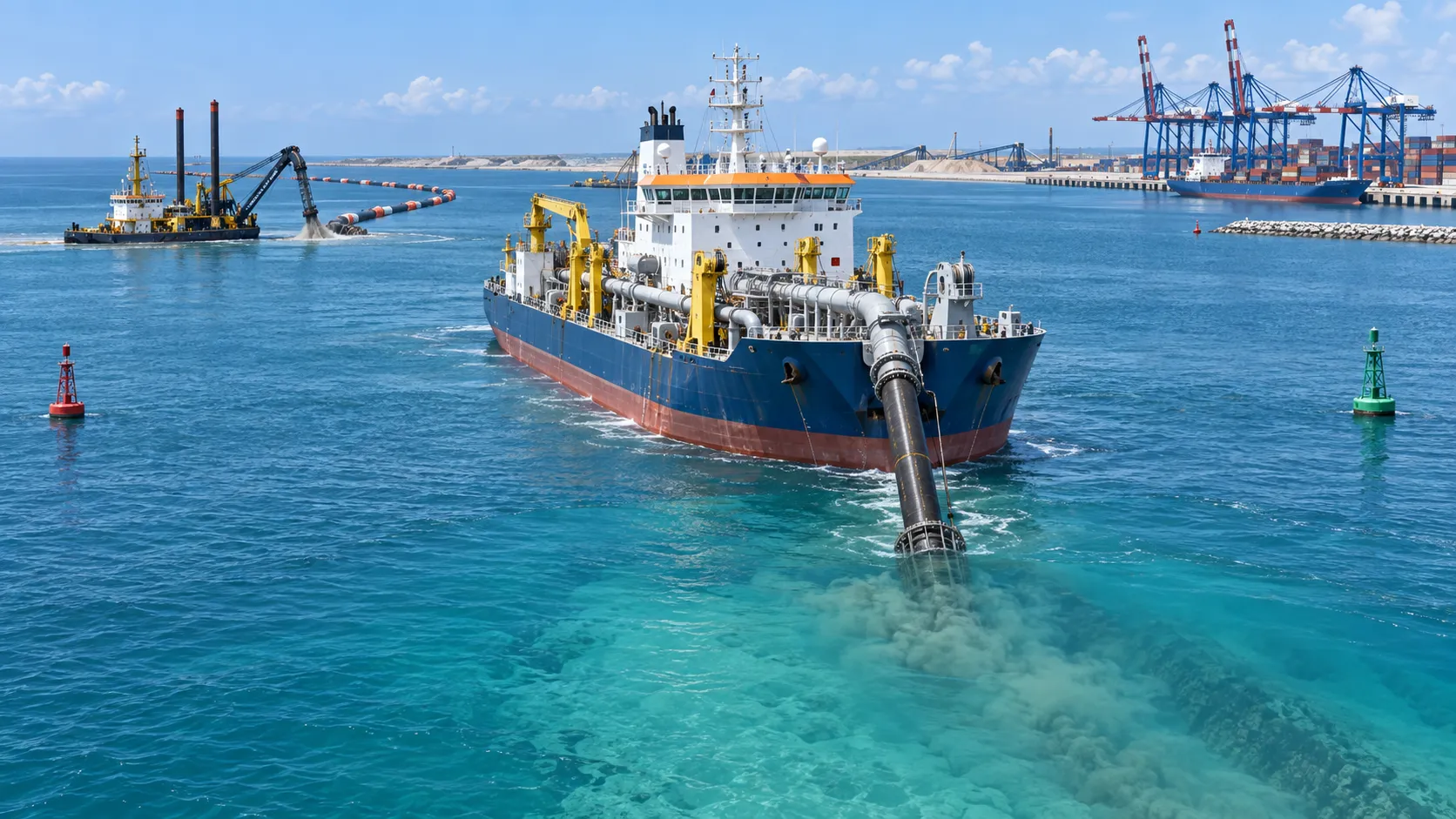
What Dredging Equipment Is Needed for Channel Deepening?
What dredging equipment is needed for channel deepening? Explore dredgers, pipelines, survey tools, and planning strategies for safer, more efficient port access.
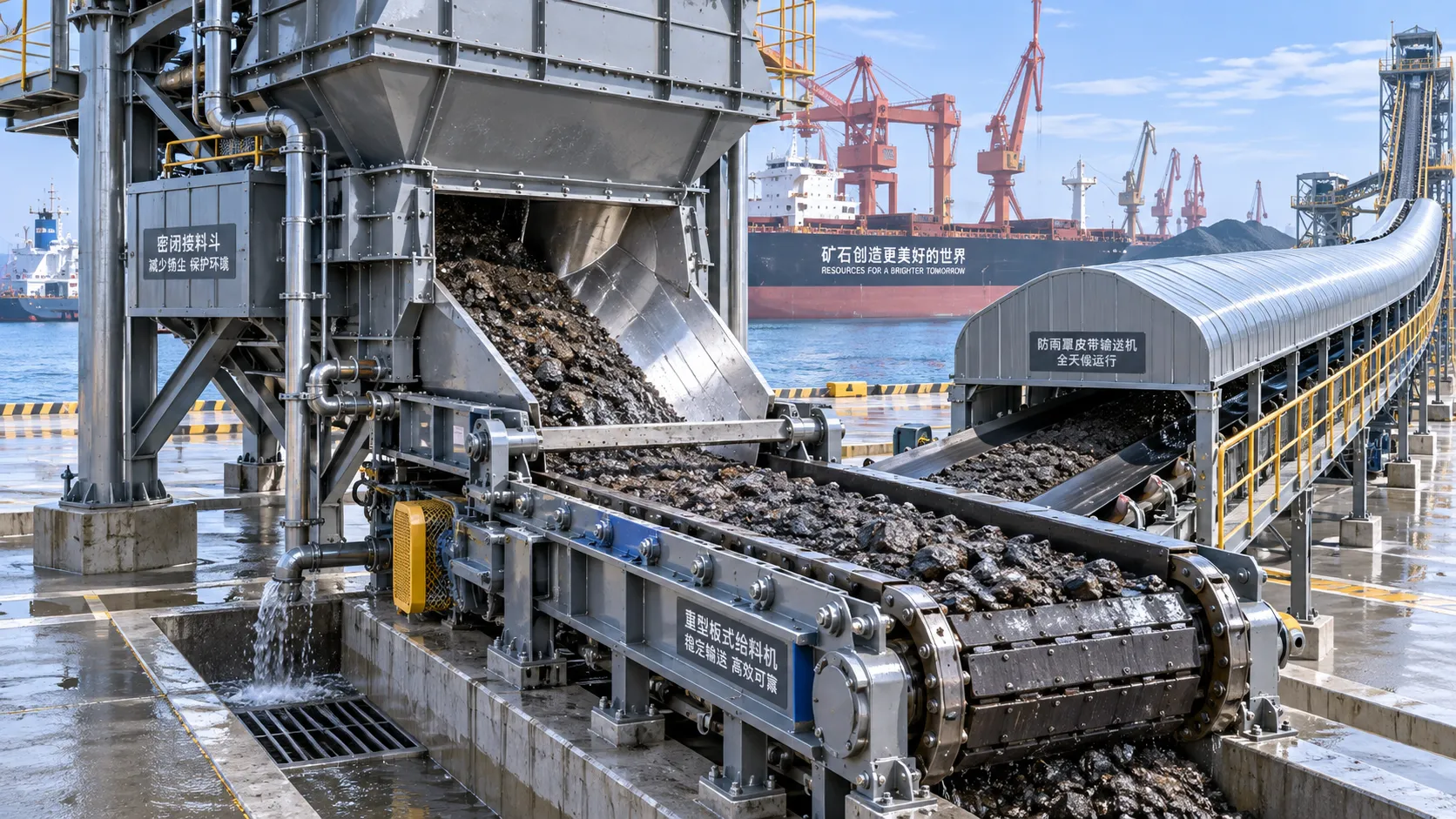
Which Bulk Handling Equipment Suits High-Moisture Cargo?
Which bulk handling equipment suits high-moisture cargo? Compare belt, apron, screw, drag, and slurry systems for reliable flow, less carryback, and higher terminal uptime.
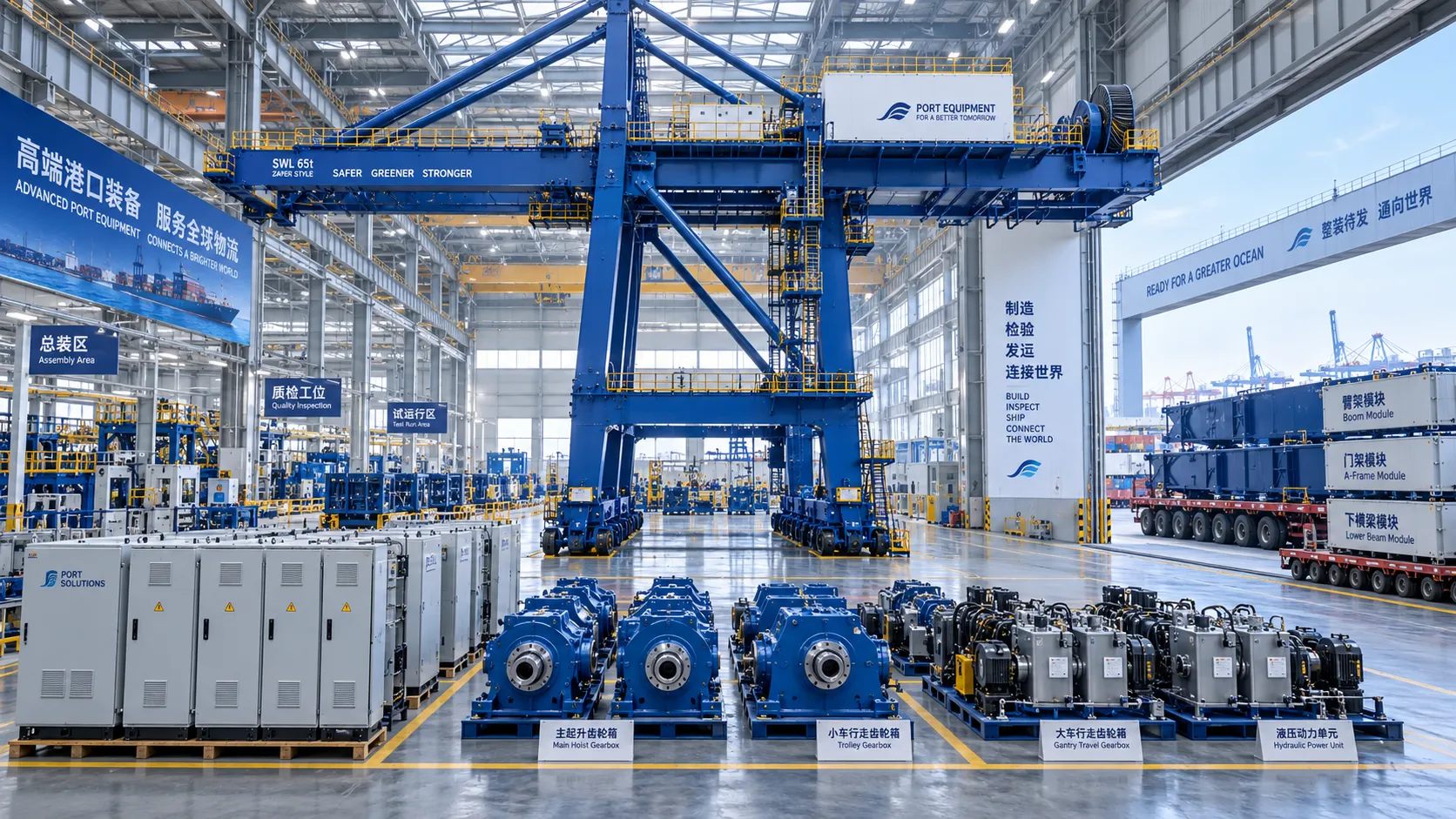
How Can Port Equipment Lead-Time Risk Be Managed?
How can port equipment lead-time risk be managed? Explore practical strategies to control critical paths, suppliers, transport, site readiness, and commissioning delays.
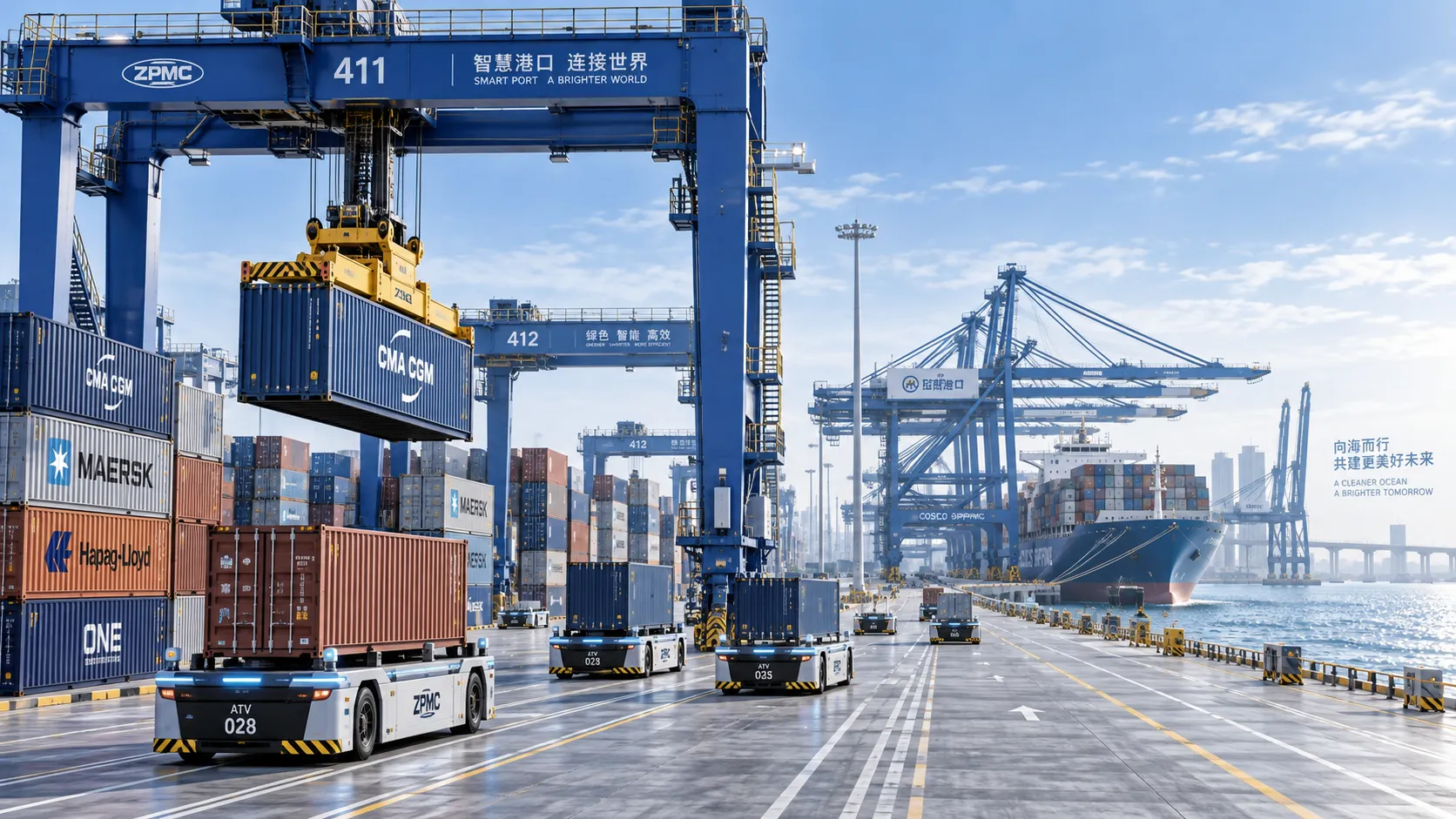
Terminal Automation Technologies That Raise Container Throughput Without Yard Disruption
Terminal automation technology that increases container throughput without disrupting yard flow. Explore smarter integration, resilient workflows, and phased deployment strategies.
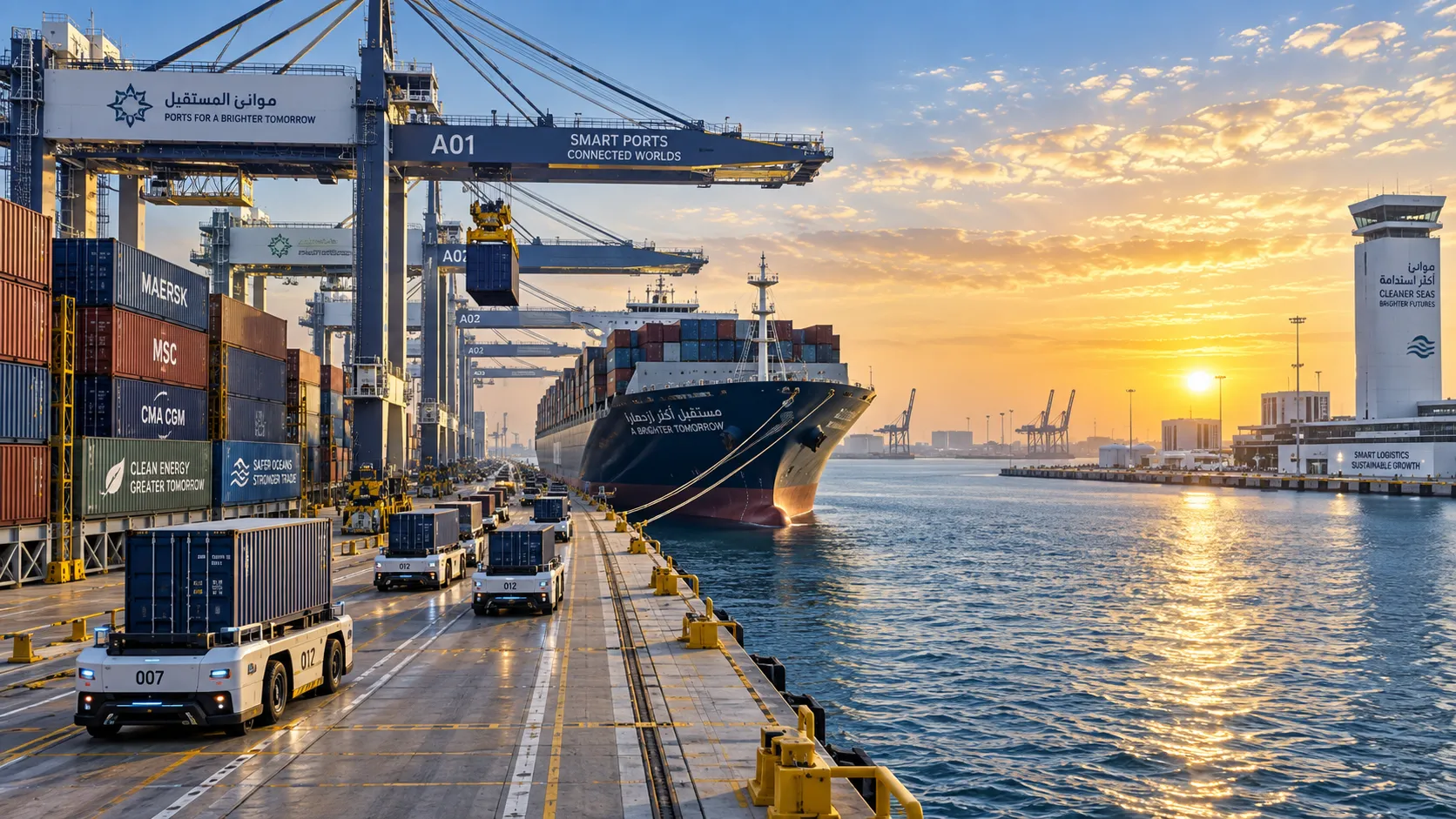
Middle East Port Automation: Key Market Drivers, Projects, and Investment Risks
Port automation systems Middle East: explore market drivers, flagship projects, integration challenges, and investment risks shaping smarter, resilient terminals.
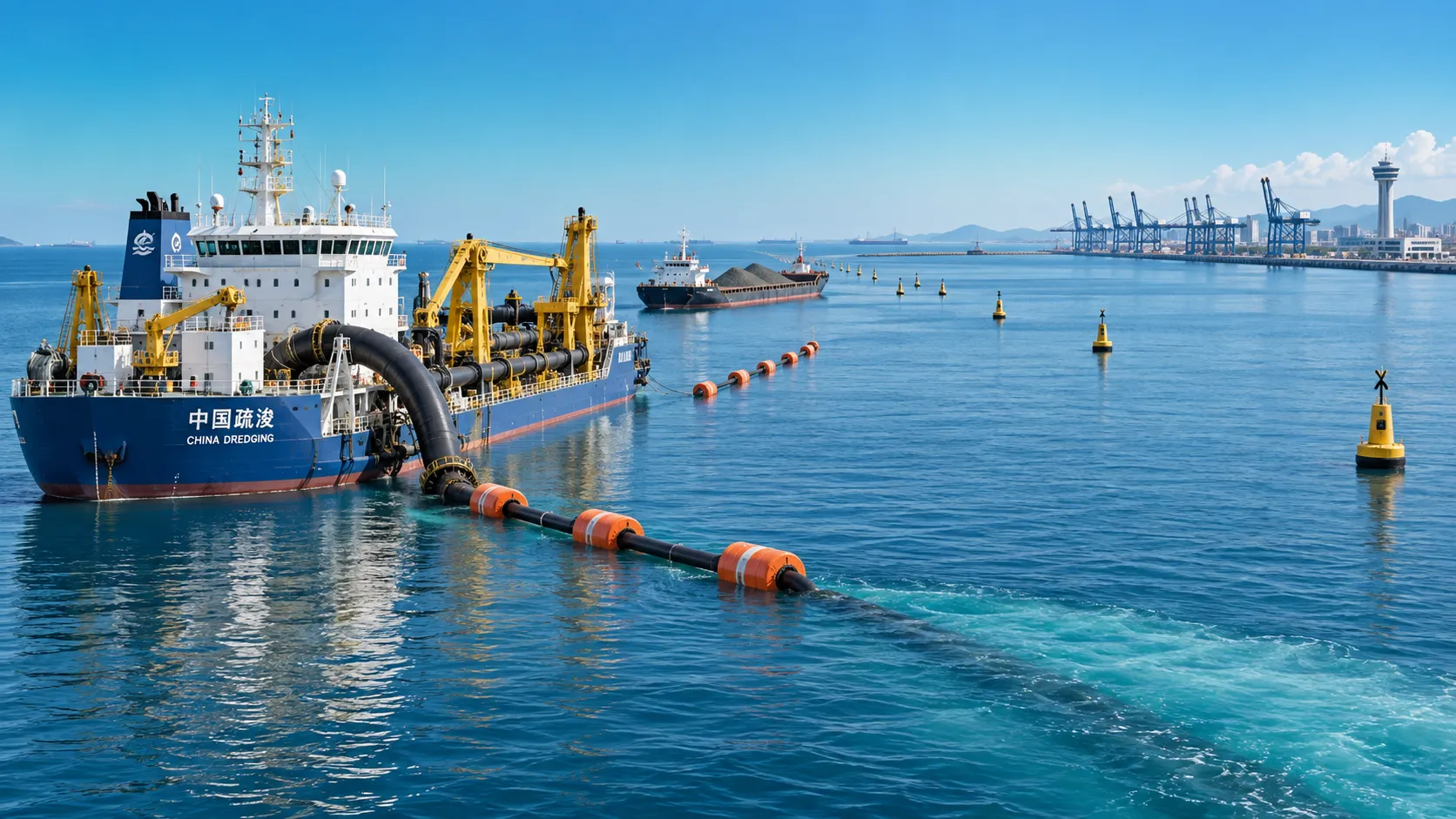
Planning Offshore Dredging Operations: Key Risks, Methods, and Project Controls
Offshore dredging operations demand smart planning. Explore key risks, proven methods, environmental controls, and project strategies for reliable delivery.