Related News
- 00
0000-00
How to Specify a Quay Crane for Container Terminals by Vessel Size and Throughput? - 00
0000-00
Which Bulk Handling Equipment Suits High-Moisture Cargo? - 00
0000-00
Terminal Automation Technologies That Raise Container Throughput Without Yard Disruption - 00
0000-00
Planning Offshore Dredging Operations: Key Risks, Methods, and Project Controls - 00
0000-00
Where Do Automated Guided Vehicles Deliver the Fastest Warehouse Gains in the Middle East?
What full automation port equipment really cuts in costs
For finance-led capital reviews, full automation port equipment earns attention because it changes several cost lines at once. Labor is the visible part, but the larger gains often come from steadier throughput, lower incident losses, better energy control, and tighter use of expensive quay and yard assets. The real question is not whether automation removes people from repetitive moves. It is whether the full system reduces total operating cost without creating hidden reliability, integration, or utilization penalties.
Why a checklist matters before estimating savings
Cost claims around full automation port equipment are often overstated when they focus on headcount alone. In practice, ports save money only when software, equipment, traffic rules, maintenance planning, and terminal design work together.
A checklist approach helps separate structural savings from temporary gains. It also prevents a common mistake: approving automated equipment based on benchmark terminals with very different cargo mix, berth windows, labor agreements, or grid prices.
Core checklist: where full automation port equipment really cuts costs
- Measure labor by process, not payroll totals. Split quay, horizontal transport, yard stacking, control room, maintenance, and gate operations before claiming labor savings from full automation port equipment.
- Track overtime compression. Automated scheduling reduces shift overlap, idle standby, and recovery hours after vessel delays, which can save more than base wages in volatile terminals.
- Quantify energy per move. Regenerative drives, optimized acceleration, and reduced empty travel can lower electricity use, especially when cranes and AGVs operate under coordinated dispatch logic.
- Price downtime correctly. One hour of system interruption affects berth productivity, truck queues, vessel departure windows, and contract exposure. Downtime cost usually dominates maintenance line items.
- Test asset utilization improvements. Full automation port equipment should increase moves per crane, container density per hectare, and AGV fleet efficiency rather than simply replacing manual machines.
- Include safety economics. Fewer collision events, fewer injury claims, lower insurance pressure, and less cargo damage are direct financial benefits, even if they are missing from initial business cases.
- Check maintenance predictability. Sensor-rich systems can cut emergency repair costs, but only if spare parts planning, remote diagnostics, and software support are contractually secured.
- Review yard rehandling effects. Better slotting and automated stacking reduce unproductive box touches, which lowers cycle time, energy consumption, and wear across the handling chain.
- Verify gate and landside synchronization. Savings disappear when automated yard performance creates truck congestion, rail mismatch, or customs bottlenecks outside the equipment control domain.
- Model utilization at low and peak volume. Full automation port equipment performs best with stable rule sets, but underused systems can stretch payback if throughput remains below design assumptions.
The biggest cost buckets affected by automation
1. Labor cost becomes more stable, not simply smaller
Manual terminals carry variable labor costs through shift changes, overtime, weather recovery, and uneven productivity between crews. Full automation port equipment converts part of that variability into a more predictable staffing model.
The headcount profile changes rather than vanishes. Fewer field operators may be needed, but more control specialists, software support, and condition-based maintenance skills are required. Real savings come from reducing volatility and idle labor hours.
2. Energy savings are meaningful when traffic is coordinated
Electrified yard equipment, automated routing, and smoother crane cycles can reduce wasted motion. That matters most where tariff structures punish peak demand or where diesel replacement is still part of the transition path.
However, automation does not guarantee lower bills. Poor dispatch logic, excess idling, and oversized fleets can increase energy per move. This is why simulation and live operating data matter more than brochure claims.
3. Downtime reduction often drives the strongest return
When full automation port equipment is properly engineered, it can cut human error, reduce collision exposure, and standardize move execution. That lowers disruption frequency and makes performance easier to recover after exceptions.
Still, integrated systems can fail in more complex ways. A network issue, software bug, or sensor outage may affect many machines at once. Savings depend on redundancy design, fallback procedures, and vendor response times.
Scenario notes: where cost reduction appears fastest
High-volume container hubs
Large hubs usually capture the clearest benefits from full automation port equipment because utilization is high and process variation can be standardized. Every improvement in cycle consistency is multiplied across huge move volumes.
These sites also gain from better yard density. Avoiding terminal expansion or delaying land acquisition can be a major hidden saving, especially in coastal zones with expensive footprint constraints.
Brownfield terminal upgrades
Brownfield projects can save through selective automation rather than full replacement. Automated stacking blocks, remote crane control, and integrated operating systems may deliver a better payback than a complete terminal rebuild.
Yet integration costs are higher here. Legacy interfaces, civil limitations, and mixed fleets often erode savings if migration is rushed. Technical intelligence from platforms such as 无 can help frame these trade-offs against actual operating conditions.
Energy-transition focused ports
Ports under emissions pressure may justify automation partly through electricity optimization and diesel displacement. In such cases, full automation port equipment reduces cost by improving power discipline while supporting compliance goals.
This scenario works best when charging infrastructure, grid reliability, and dispatch software are planned together. Otherwise, energy savings are offset by waiting time and poor equipment availability.
Commonly ignored cost drivers and risks
- Underestimate software lifecycle cost. Licenses, cybersecurity updates, algorithm tuning, and interface maintenance continue long after commissioning and can materially affect long-term savings.
- Ignore exception handling labor. Reefers, out-of-gauge cargo, damaged containers, and weather interruptions still need skilled intervention, even in highly automated flows.
- Miss commissioning drag. Ramp-up periods can last longer than planned, reducing early-year productivity and shifting payback if digital twins and training are incomplete.
- Assume benchmark KPIs transfer directly. Terminal layout, labor rules, truck appointment discipline, and vessel mix can make one automation case very different from another.
- Forget vendor dependency risk. If critical systems rely on one supplier, support delays or proprietary interfaces may raise operating cost over the asset life.
How to calculate payback more realistically
Build the business case around cost per container move, not headline labor reduction. Include baseline throughput, peak delay penalties, equipment availability, energy tariff sensitivity, and expected rehandling changes.
Run three cases: conservative, target, and stressed. The stressed case should assume slower ramp-up, lower volume, and one major integration issue. If the project only works under perfect conditions, the estimate is too fragile.
It also helps to separate hard savings from strategic value. Hard savings include wages, fuel, maintenance events, and incident costs. Strategic value includes capacity release, service reliability, and better berth attractiveness.
Practical execution steps
- Map current cost per move across quay, yard, gate, and support systems.
- Define which savings are expected from process logic versus machine replacement.
- Simulate volume, vessel mix, and landside variability before choosing fleet size.
- Negotiate uptime guarantees, cybersecurity scope, and spare support in supplier contracts.
- Stage implementation so each automation layer proves value before full-scale rollout.
Conclusion: the real financial case for full automation port equipment
Full automation port equipment cuts costs most effectively when it reduces variability. The strongest returns usually come from lower downtime, better asset use, steadier labor deployment, improved safety, and cleaner energy performance.
The next step is simple: audit present cost per move, test savings under realistic operating scenarios, and challenge every assumption that depends on perfect utilization. When evaluated this way, automation becomes less a technology purchase and more a disciplined operating-cost strategy.
Related News
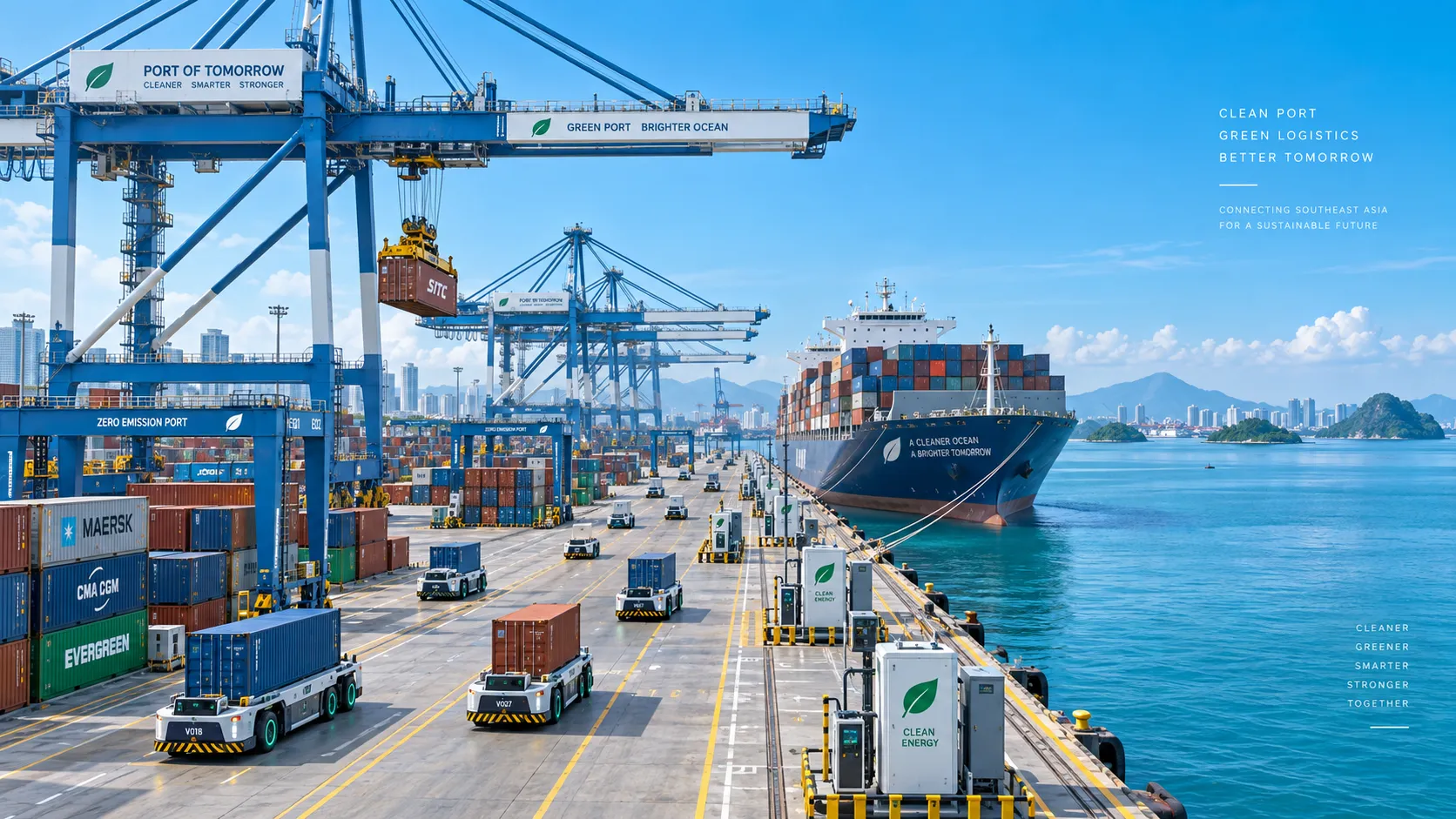
Smart Port Systems in Southeast Asia: Investment Priorities and Adoption Barriers
Smart port systems Southeast Asia: discover investment priorities, adoption barriers, and practical steps to build resilient, connected, high-performing terminals.
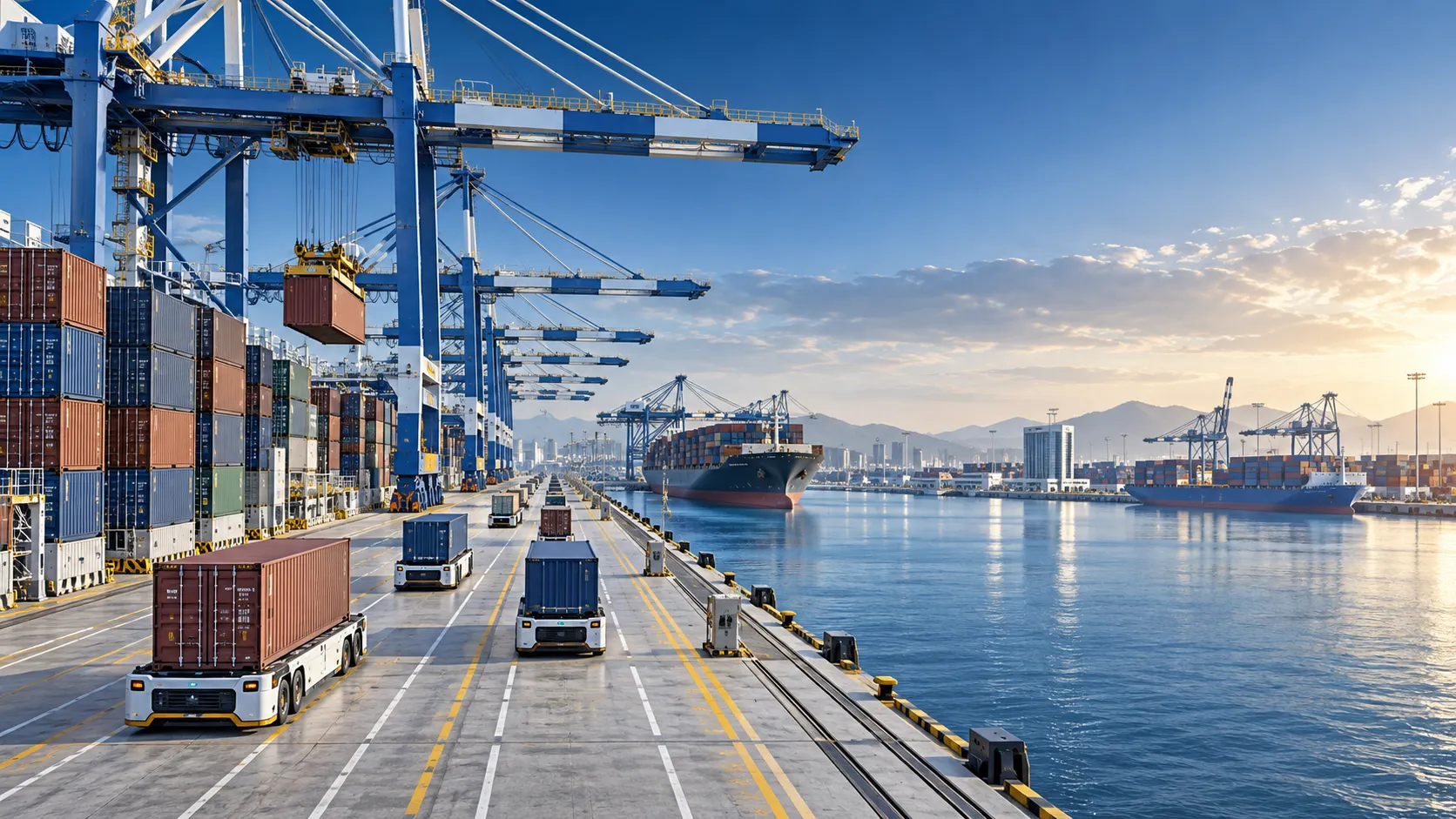
How to Evaluate Terminal Efficiency Solution Suppliers for High-Throughput Operations
Choose a terminal efficiency solutions supplier with confidence. Explore proven criteria for throughput, integration, lifecycle cost, safety, and reliable delivery.
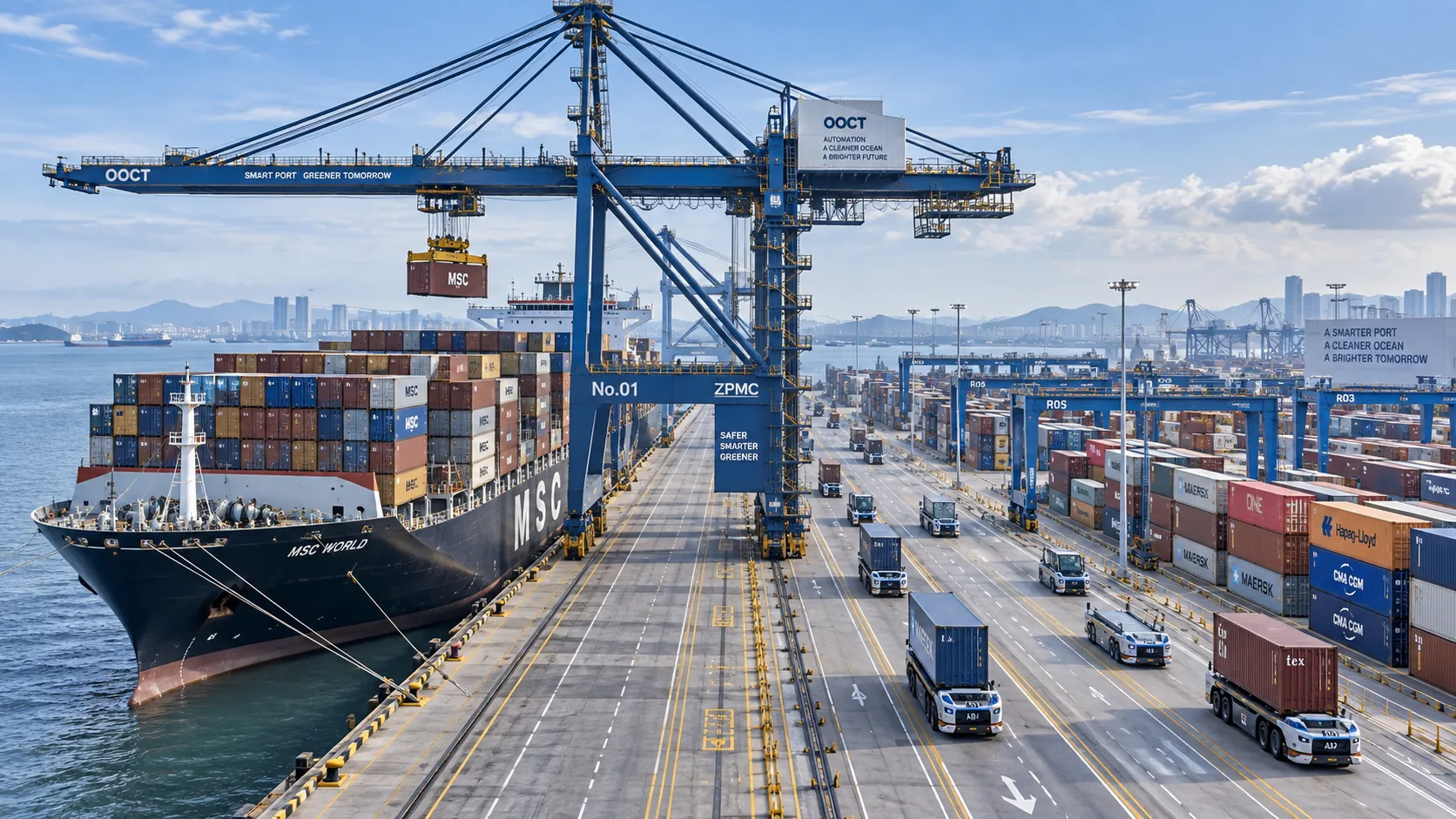
How to Specify a Quay Crane for Container Terminals by Vessel Size and Throughput?
Quay crane for container terminals: learn how to match outreach, lift height, capacity, automation, and cycle performance to vessel size and throughput goals.
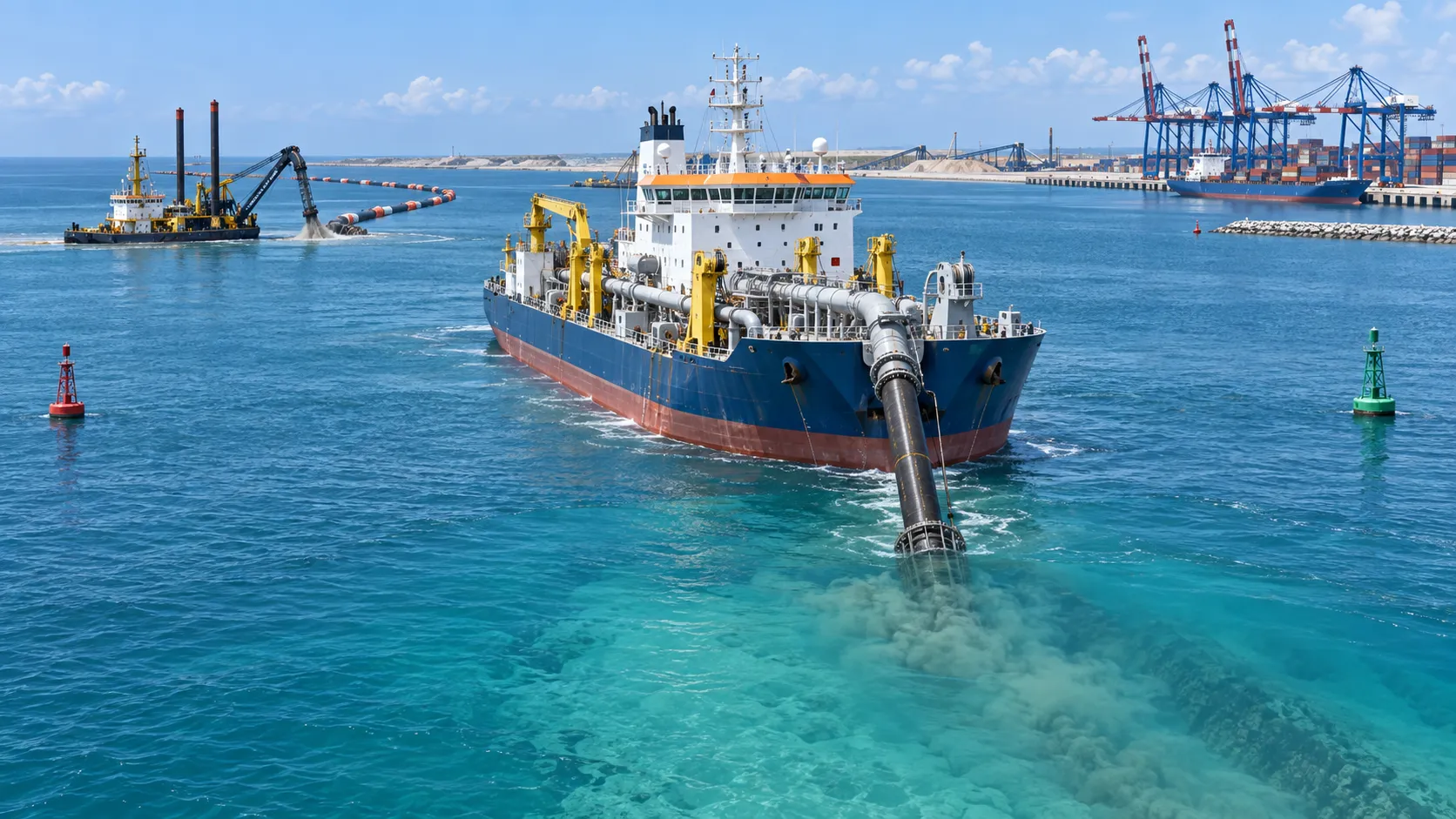
What Dredging Equipment Is Needed for Channel Deepening?
What dredging equipment is needed for channel deepening? Explore dredgers, pipelines, survey tools, and planning strategies for safer, more efficient port access.
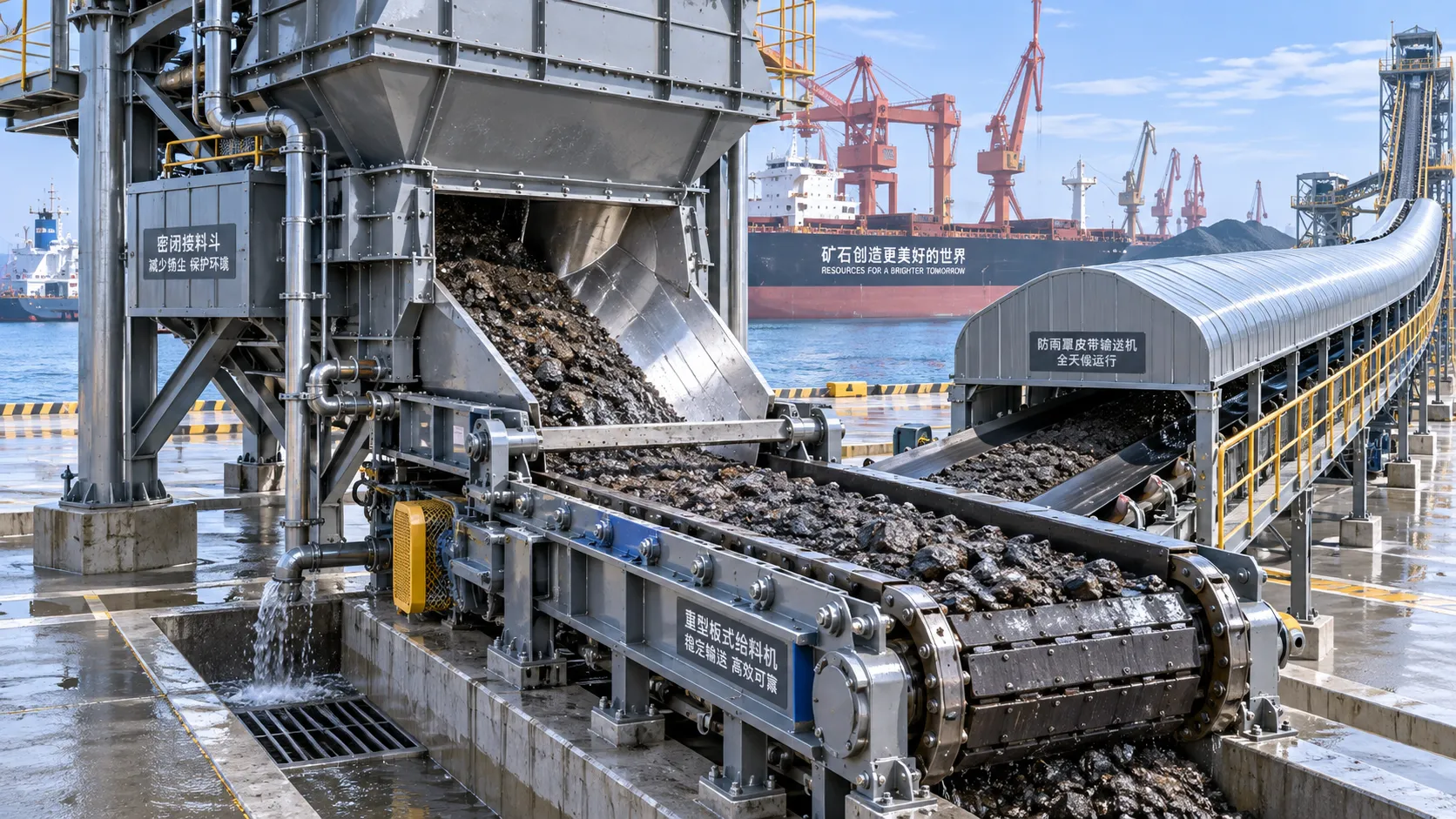
Which Bulk Handling Equipment Suits High-Moisture Cargo?
Which bulk handling equipment suits high-moisture cargo? Compare belt, apron, screw, drag, and slurry systems for reliable flow, less carryback, and higher terminal uptime.
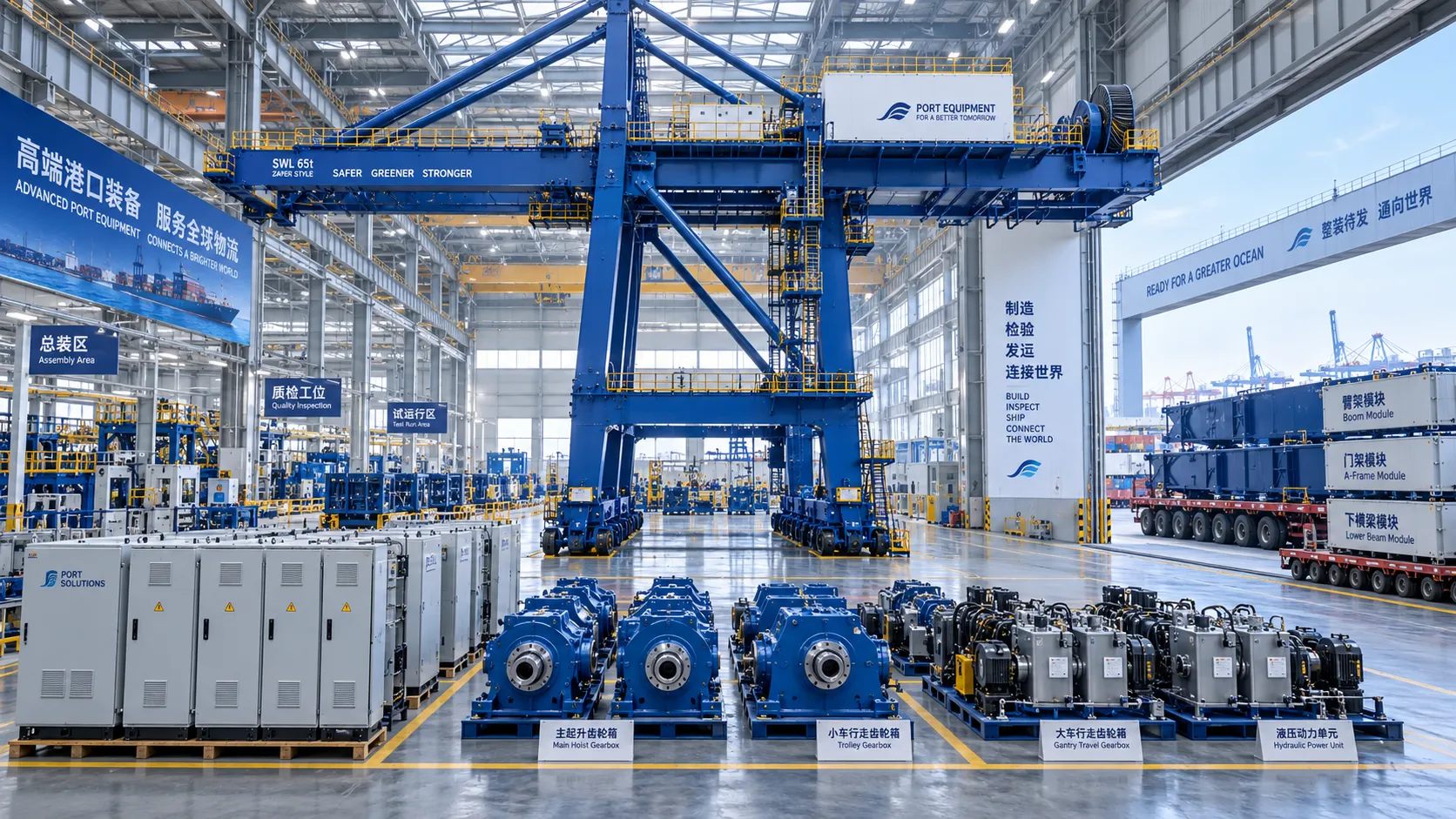
How Can Port Equipment Lead-Time Risk Be Managed?
How can port equipment lead-time risk be managed? Explore practical strategies to control critical paths, suppliers, transport, site readiness, and commissioning delays.
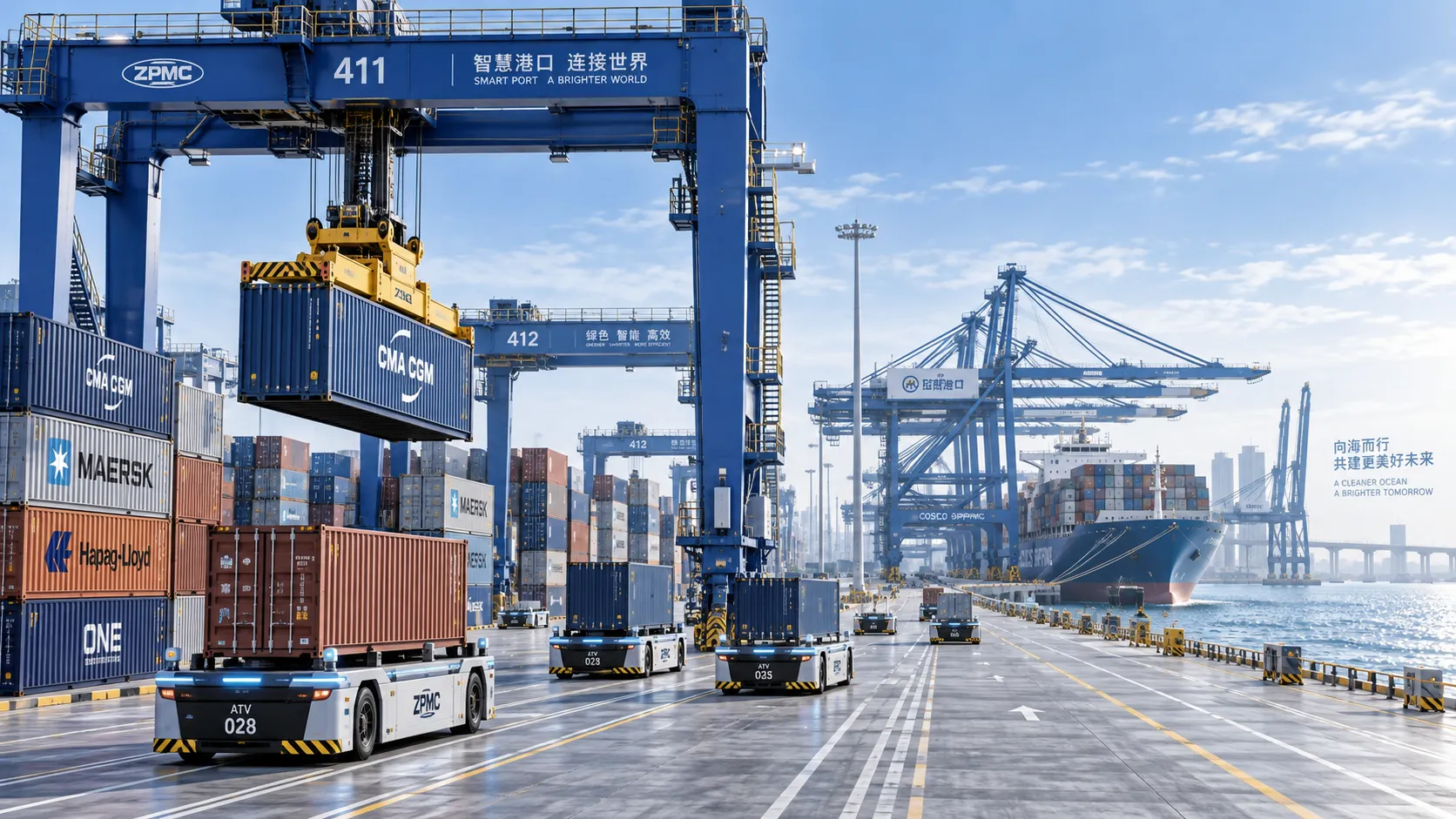
Terminal Automation Technologies That Raise Container Throughput Without Yard Disruption
Terminal automation technology that increases container throughput without disrupting yard flow. Explore smarter integration, resilient workflows, and phased deployment strategies.
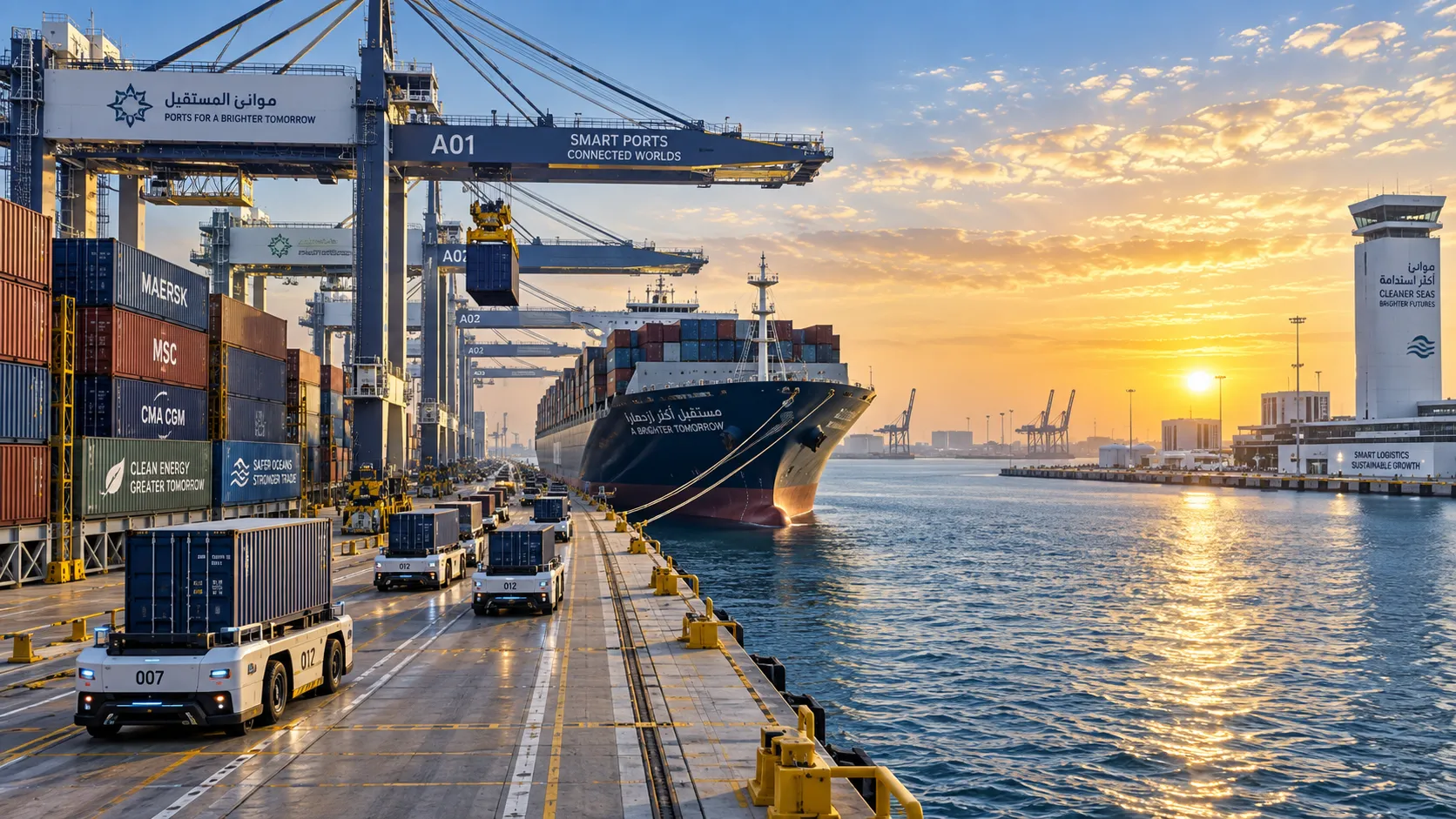
Middle East Port Automation: Key Market Drivers, Projects, and Investment Risks
Port automation systems Middle East: explore market drivers, flagship projects, integration challenges, and investment risks shaping smarter, resilient terminals.
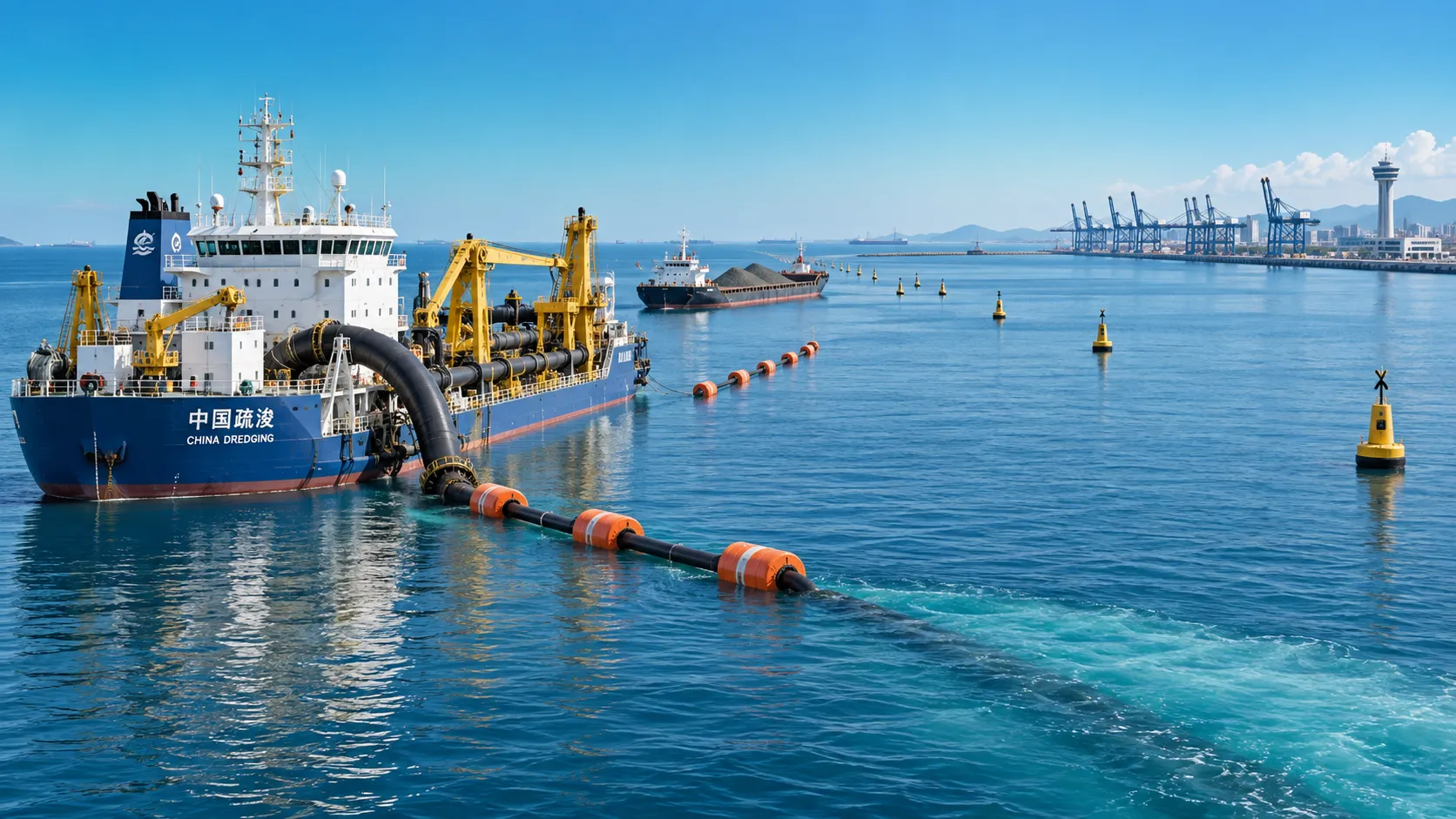
Planning Offshore Dredging Operations: Key Risks, Methods, and Project Controls
Offshore dredging operations demand smart planning. Explore key risks, proven methods, environmental controls, and project strategies for reliable delivery.