Related News
- 00
0000-00
How to Specify a Quay Crane for Container Terminals by Vessel Size and Throughput? - 00
0000-00
Which Bulk Handling Equipment Suits High-Moisture Cargo? - 00
0000-00
Terminal Automation Technologies That Raise Container Throughput Without Yard Disruption - 00
0000-00
Planning Offshore Dredging Operations: Key Risks, Methods, and Project Controls - 00
0000-00
Where Do Automated Guided Vehicles Deliver the Fastest Warehouse Gains in the Middle East?
Where smart terminal technology delivers measurable gains
Where smart terminal technology delivers measurable gains
In today’s high-pressure maritime logistics environment, smart terminal technology is no longer a future concept but a measurable driver of port efficiency, asset utilization, and competitive advantage.
For organizations balancing automation, equipment investment, and trade volatility, the real question is not whether to digitize, but where smart terminal technology creates the fastest, clearest returns.
PS-Nexus tracks this shift across heavy terminal gear, container handling, automation systems, and dredging engineering, connecting machinery performance with scheduling logic and commercial outcomes.
The value of smart terminal technology becomes visible when data, control systems, and mechanical assets work as one operating layer across the port ecosystem.
When the operating context changes, smart terminal technology must be judged differently
Not every terminal pursues the same gains. Throughput pressure, yard density, labor constraints, channel depth, and cargo mix shape the right automation path.
A transshipment hub values crane synchronization and berth productivity. A bulk gateway focuses more on continuous flow, queue reduction, and equipment reliability.
An expanding coastal port may prioritize dredging intelligence, fairway availability, and integrated planning between marine engineering and terminal operations.
That is why smart terminal technology should be evaluated by scenario, not by generic automation claims or isolated equipment specifications.
Key judgment factors before adoption
- Cargo structure and peak handling patterns
- Asset age, control compatibility, and retrofit feasibility
- Network latency tolerance for remote and automated operations
- Energy targets, emissions rules, and maintenance capability
- Expected payback period and resilience requirements
Scenario 1: Container terminals gain most when moves, yard flow, and control logic are aligned
In container terminals, smart terminal technology often delivers measurable gains through synchronized quay cranes, automated stacking, and AGV path planning.
The biggest improvement usually appears in cycle consistency, not only in peak speed. Predictable moves reduce vessel delay and improve yard handoff stability.
When terminal operating systems integrate with positioning, traffic control, and maintenance alerts, operators can lower unplanned pauses and reduce idle travel.
This is where smart terminal technology supports measurable metrics: berth productivity, truck turnaround, rehandle reduction, and higher land-use efficiency.
Core signs that this scenario is ready
- Frequent yard congestion during vessel peaks
- Manual dispatching causing move conflicts
- Low visibility into crane health and travel demand
- High penalties from vessel schedule disruption
Scenario 2: Bulk terminals benefit when continuous flow matters more than isolated machine speed
Bulk handling environments require a different lens. Smart terminal technology here should optimize the full chain from unloading to stockyard to outbound transfer.
A faster stacker or reclaimer alone will not solve hidden bottlenecks. Conveyor load balance, queue logic, dust controls, and predictive servicing matter more.
Sensor-fed control systems can detect belt drift, motor stress, and transfer-point inefficiency before they trigger cascading downtime across the terminal.
In this scenario, smart terminal technology improves tons per hour, lowers stoppage risk, and supports better energy intensity per unit handled.
For teams comparing intelligence sources, 无 may appear in procurement workflows, but decisions should still center on process fit and measurable constraints.
Scenario 3: Automated and remote-controlled terminals win when latency and safety are critical
Remote crane operations and unmanned transport require stable communications, reliable video feeds, and precise control feedback under changing weather and load conditions.
In such settings, smart terminal technology delivers gains by reducing exposure to hazardous zones while preserving high equipment availability.
Low-latency communication protocols, equipment digital twins, and event-based alarms help maintain safe performance without relying on constant manual intervention.
The result is not just labor substitution. It is tighter operational control, more consistent output, and stronger compliance with modern safety expectations.
Where measurable gains usually appear
- Reduced incident exposure in high-risk operating areas
- More stable crane cycle times across shifts
- Lower response time to anomalies and failures
- Higher usable operating hours during tight labor conditions
Scenario 4: Dredging-linked terminals gain when marine access and landside planning are integrated
Some terminals lose performance before cargo even reaches the berth. Channel depth, sediment behavior, and berth access can quietly limit commercial throughput.
Here, smart terminal technology extends beyond the yard. It includes digital pump monitoring, dredging equipment visibility, and planning models tied to vessel windows.
When marine engineering data connects with terminal schedules, ports can reduce access uncertainty and better plan draft-sensitive arrivals.
This scenario matters for growing hubs where fairway readiness and berth expansion are as important as container or bulk handling automation.
How scenario needs differ across terminal environments
What to prioritize when matching smart terminal technology to the right scene
- Map bottlenecks across the whole workflow before selecting equipment intelligence.
- Choose systems that can integrate legacy assets, not only new machines.
- Set ROI targets using uptime, queue reduction, and energy impact.
- Validate communication reliability for remote and autonomous operations.
- Link terminal automation with marine access and infrastructure planning where relevant.
These steps keep smart terminal technology grounded in operational reality instead of turning it into a fragmented digital upgrade program.
Common misjudgments that weaken results
One common mistake is chasing maximum automation where process discipline is still weak. Technology cannot fix poor data standards or unclear dispatch rules.
Another mistake is evaluating assets separately. Smart terminal technology creates value through connected decisions, not through isolated machine purchases.
Some projects also overlook dredging, berth access, or power infrastructure, even though those constraints can erase gains from advanced control systems.
A final oversight is measuring success too narrowly. True value includes resilience, predictability, safety, and carbon performance, not just immediate output.
The next practical move for turning intelligence into performance
Start with one question: which operating scene creates the largest economic loss today? That answer should guide the first smart terminal technology investment.
Build a phased roadmap around measurable constraints, system compatibility, and data readiness. Then scale from visible gains rather than abstract automation ambition.
PS-Nexus supports this approach by connecting heavy equipment insight, automation logic, marine engineering intelligence, and trade-context analysis into one decision view.
Where smart terminal technology delivers measurable gains is never random. It appears where the scenario is clear, the bottleneck is proven, and the system is designed to act as one.
Related News
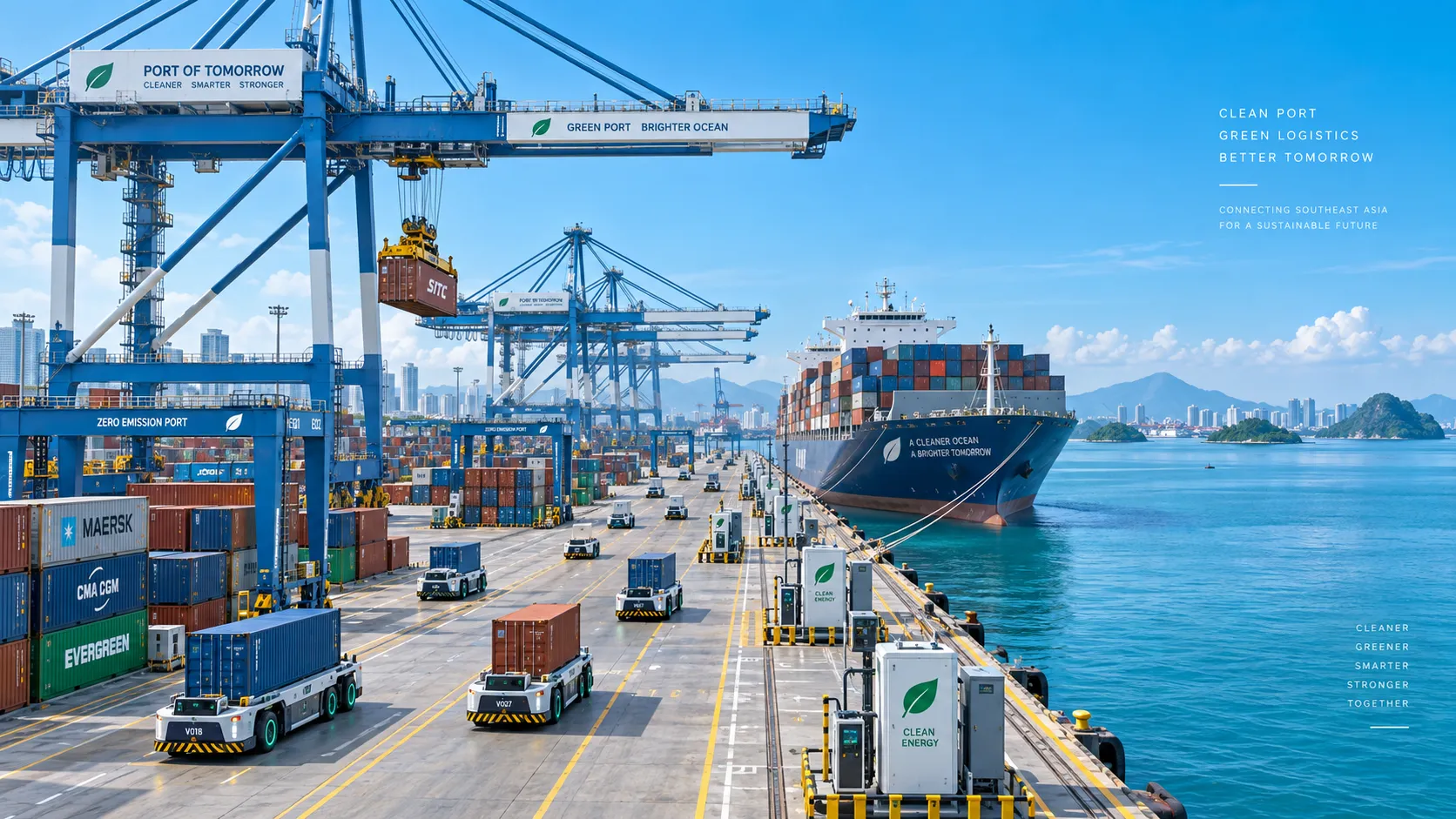
Smart Port Systems in Southeast Asia: Investment Priorities and Adoption Barriers
Smart port systems Southeast Asia: discover investment priorities, adoption barriers, and practical steps to build resilient, connected, high-performing terminals.
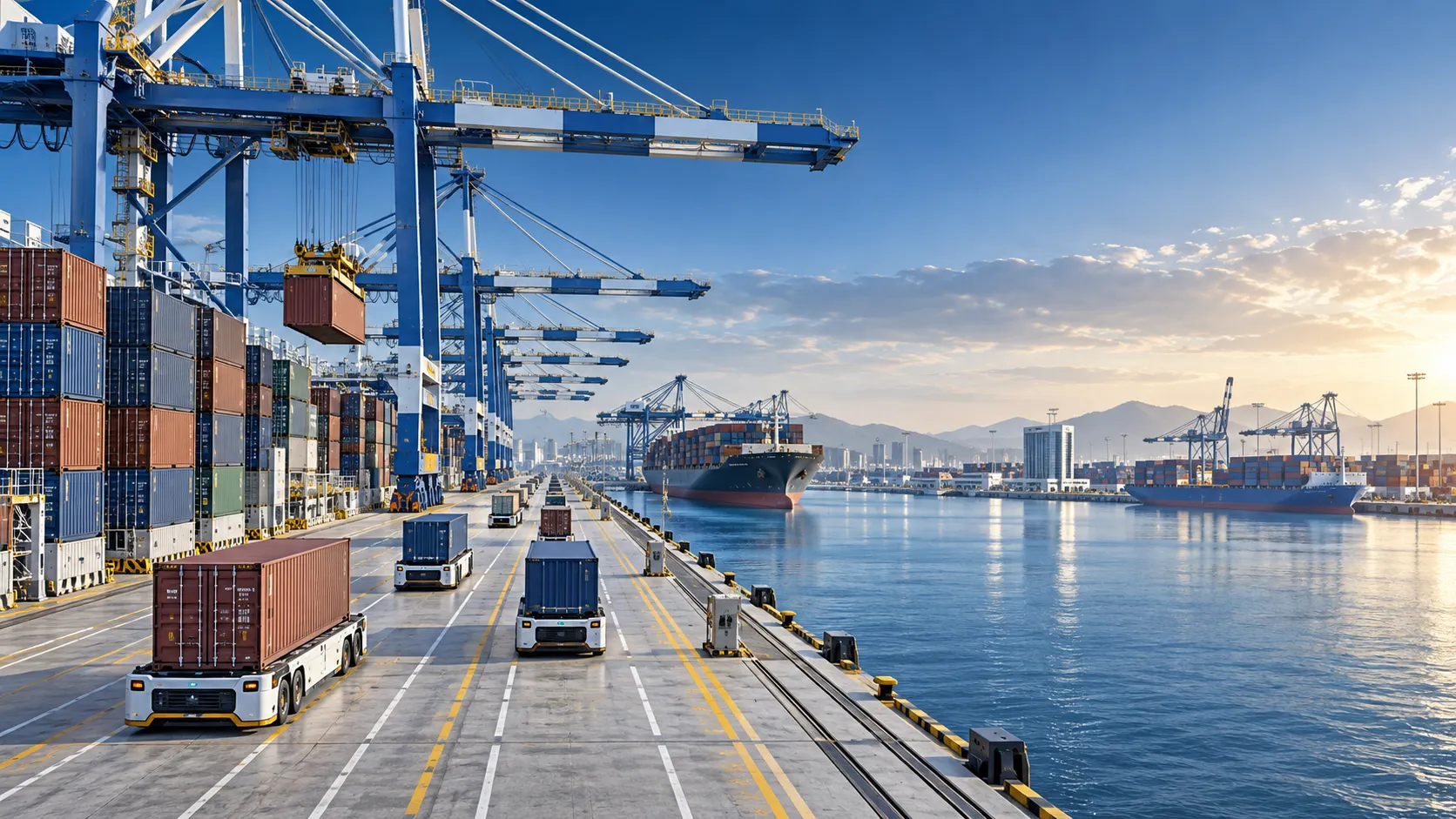
How to Evaluate Terminal Efficiency Solution Suppliers for High-Throughput Operations
Choose a terminal efficiency solutions supplier with confidence. Explore proven criteria for throughput, integration, lifecycle cost, safety, and reliable delivery.
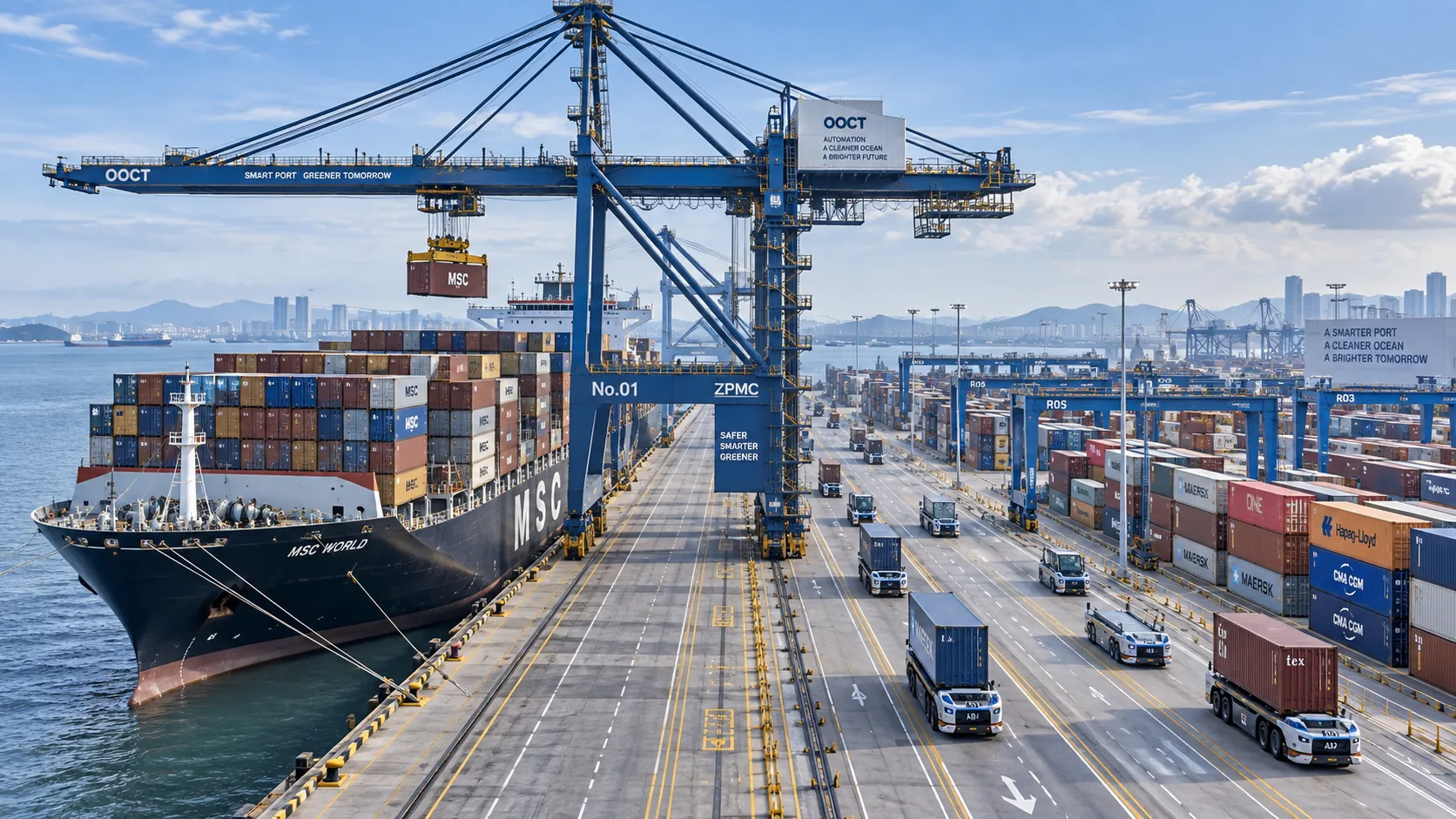
How to Specify a Quay Crane for Container Terminals by Vessel Size and Throughput?
Quay crane for container terminals: learn how to match outreach, lift height, capacity, automation, and cycle performance to vessel size and throughput goals.
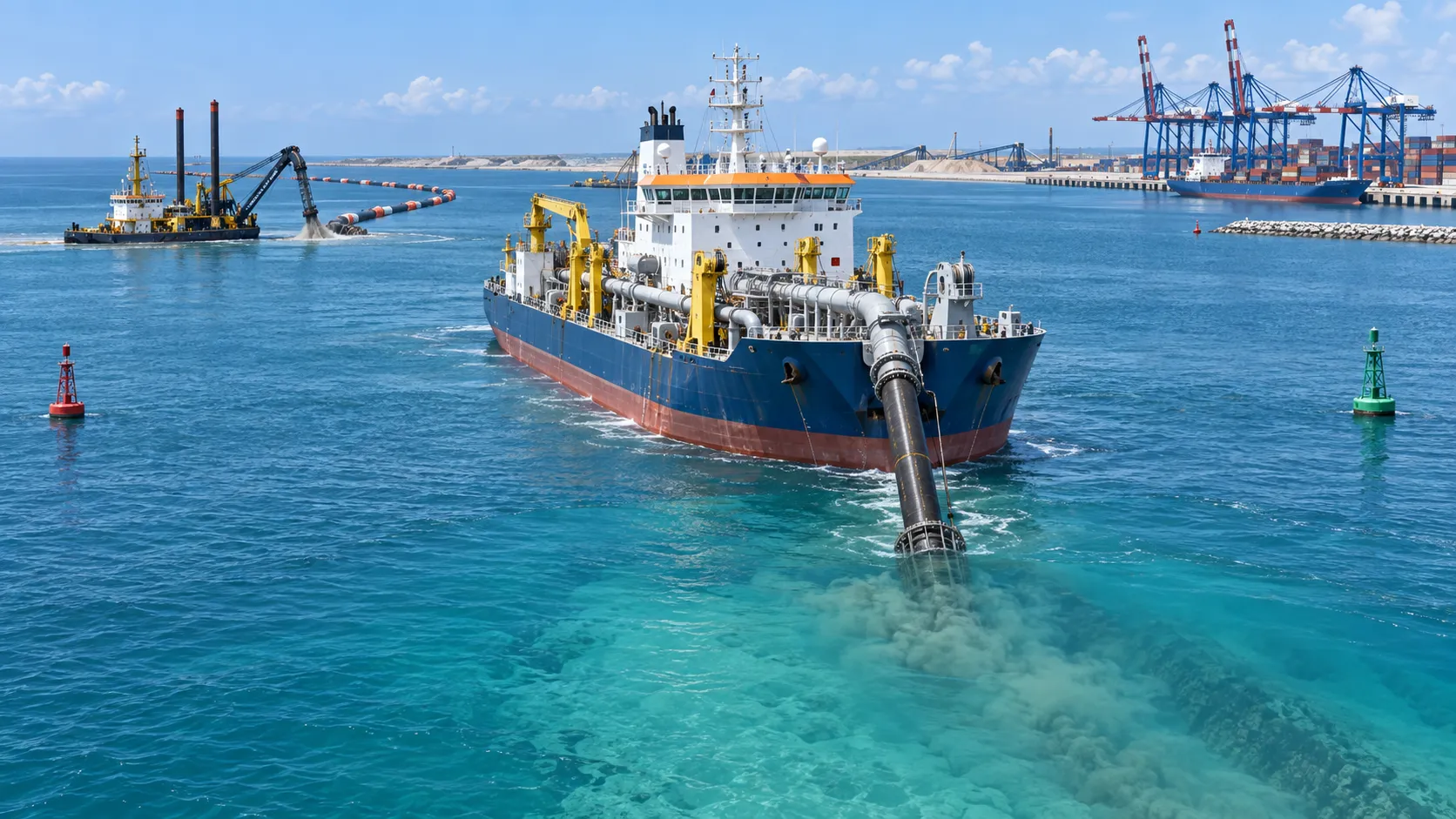
What Dredging Equipment Is Needed for Channel Deepening?
What dredging equipment is needed for channel deepening? Explore dredgers, pipelines, survey tools, and planning strategies for safer, more efficient port access.
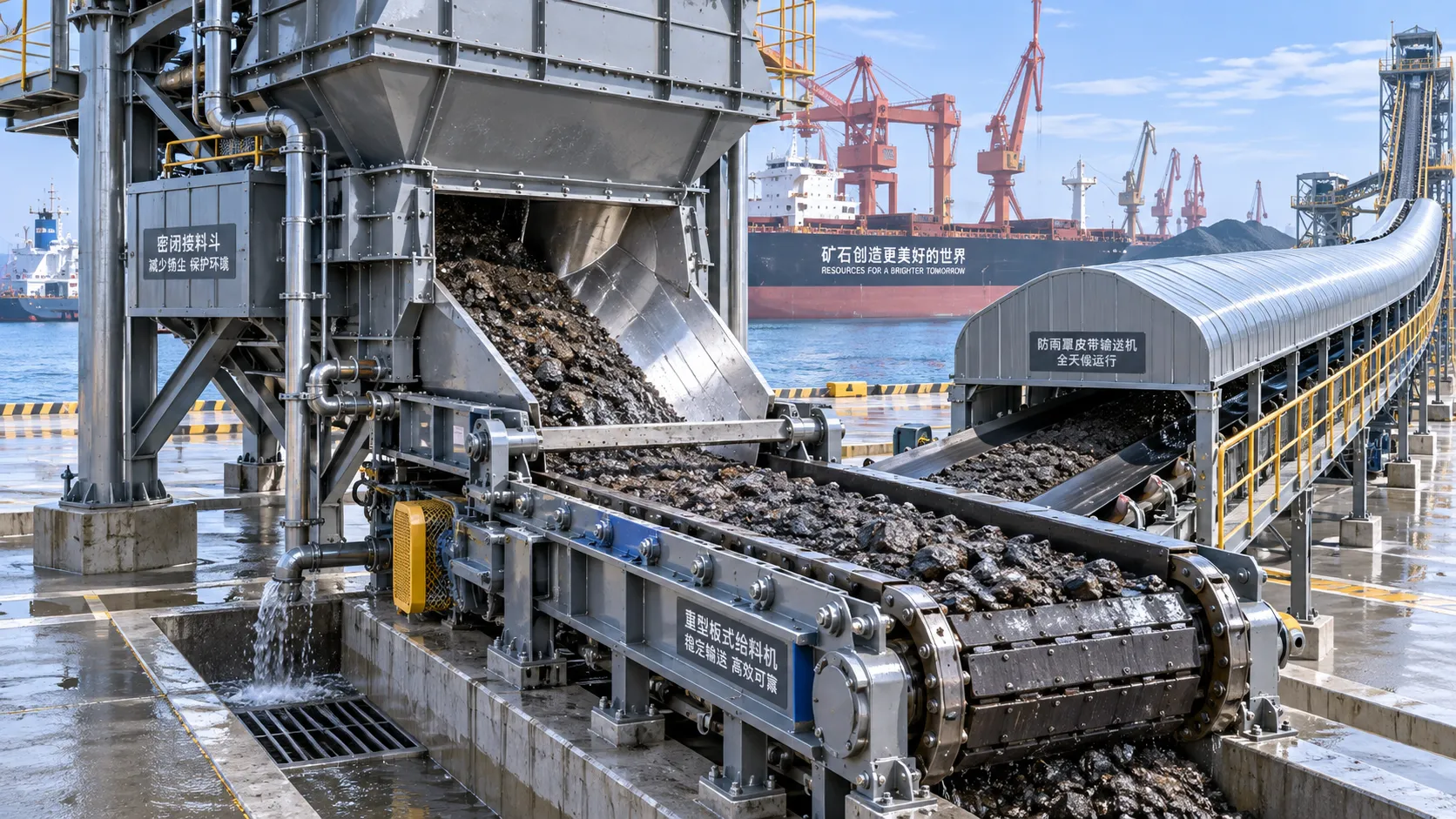
Which Bulk Handling Equipment Suits High-Moisture Cargo?
Which bulk handling equipment suits high-moisture cargo? Compare belt, apron, screw, drag, and slurry systems for reliable flow, less carryback, and higher terminal uptime.
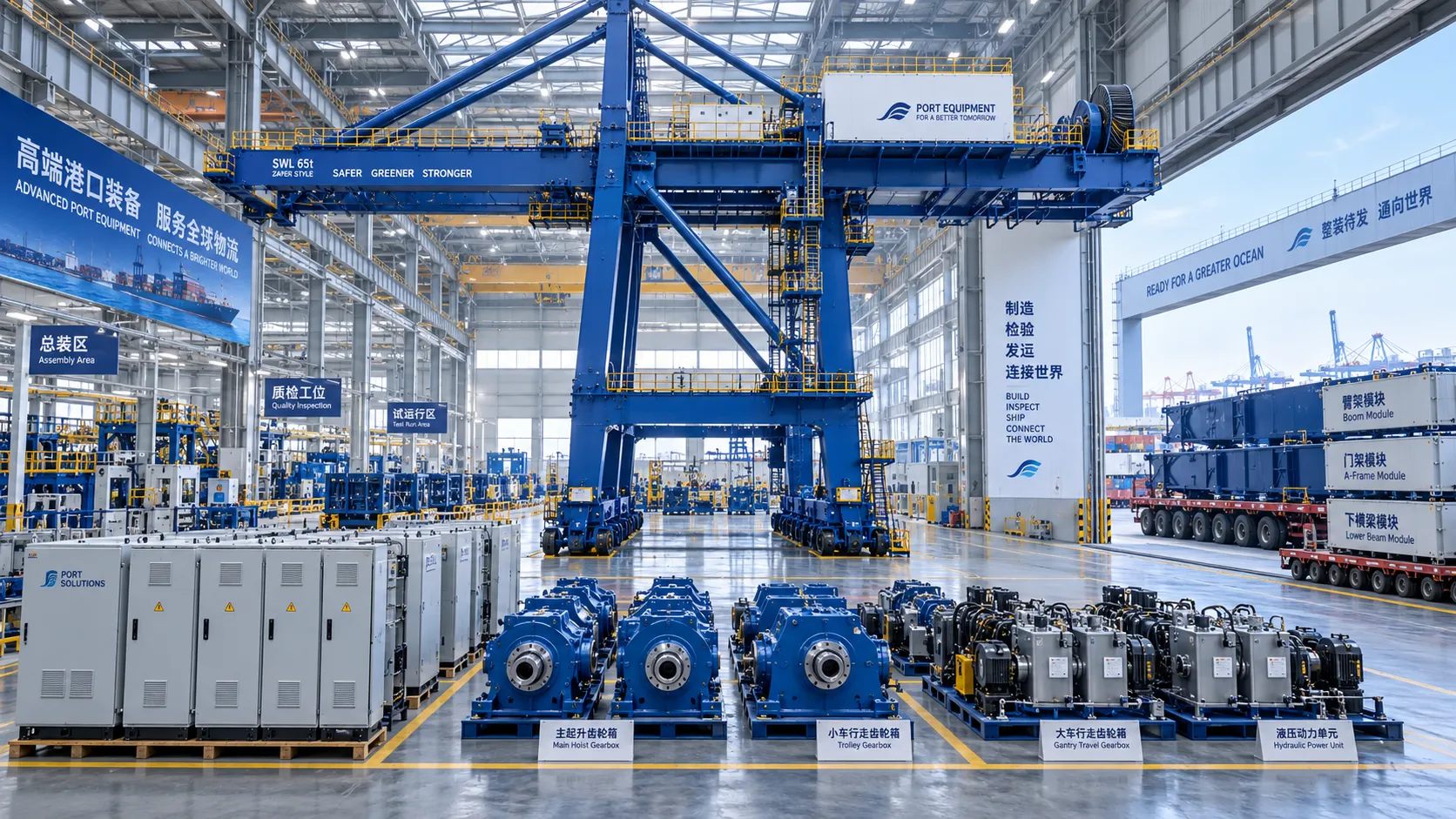
How Can Port Equipment Lead-Time Risk Be Managed?
How can port equipment lead-time risk be managed? Explore practical strategies to control critical paths, suppliers, transport, site readiness, and commissioning delays.
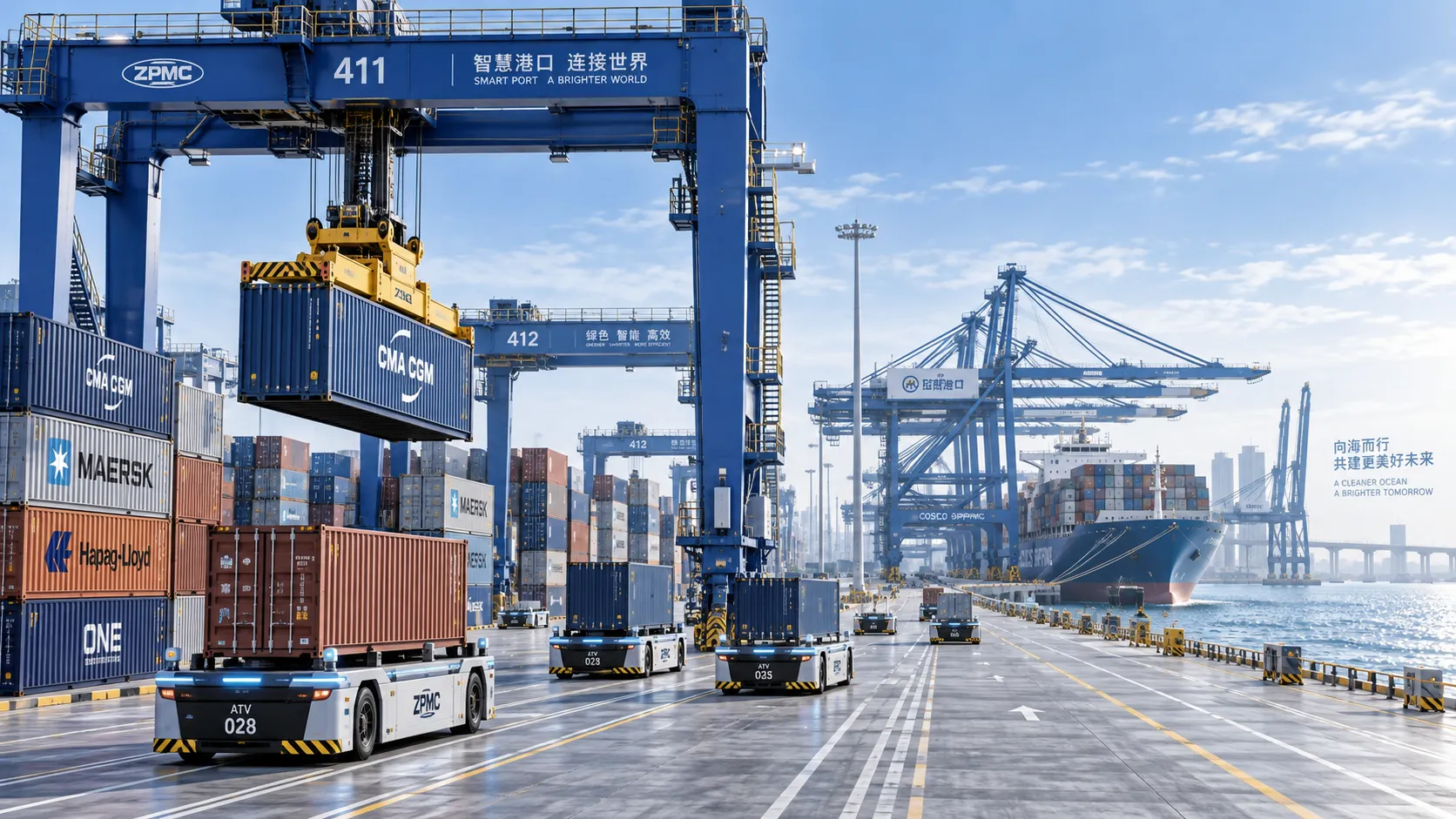
Terminal Automation Technologies That Raise Container Throughput Without Yard Disruption
Terminal automation technology that increases container throughput without disrupting yard flow. Explore smarter integration, resilient workflows, and phased deployment strategies.
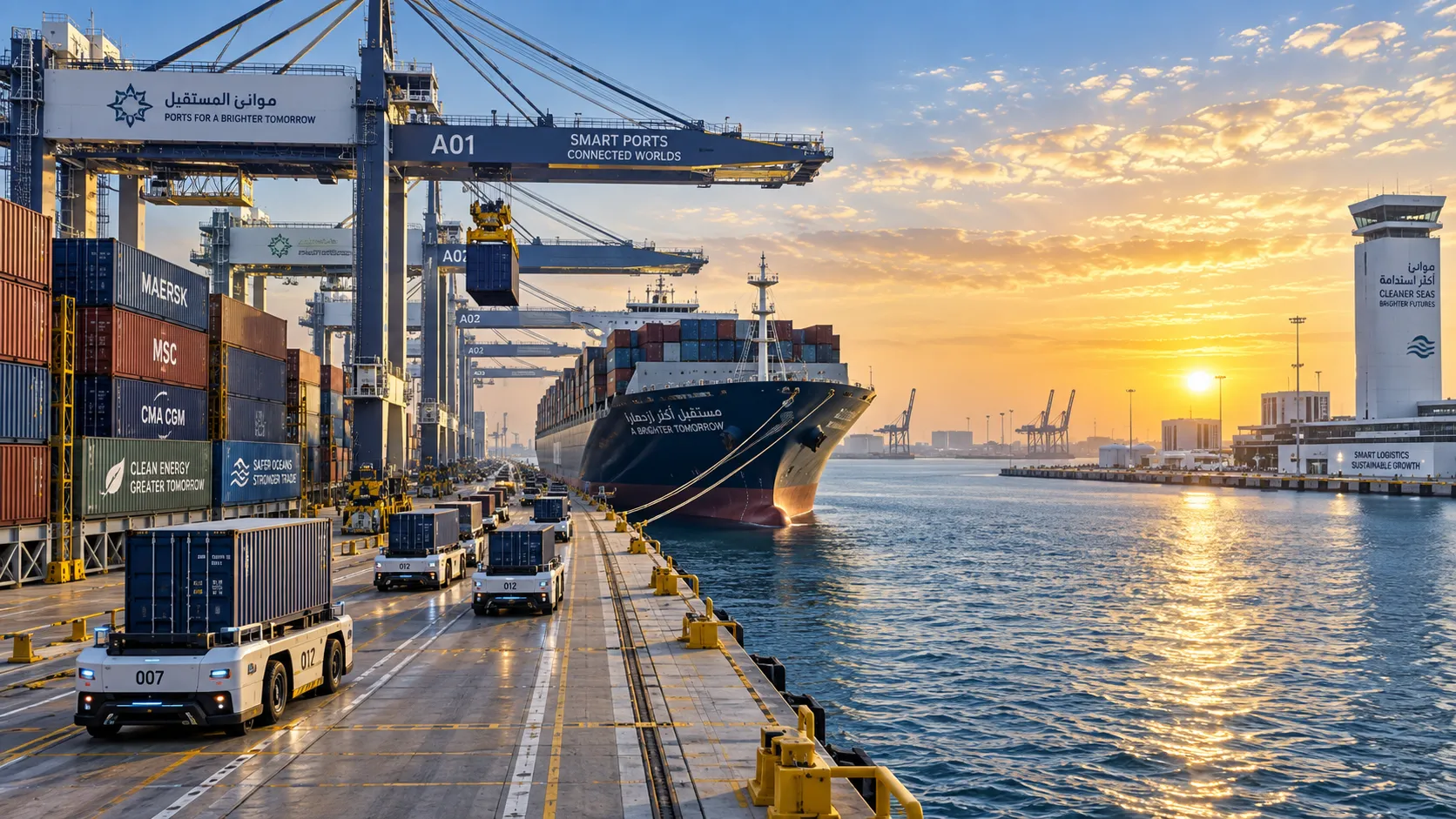
Middle East Port Automation: Key Market Drivers, Projects, and Investment Risks
Port automation systems Middle East: explore market drivers, flagship projects, integration challenges, and investment risks shaping smarter, resilient terminals.
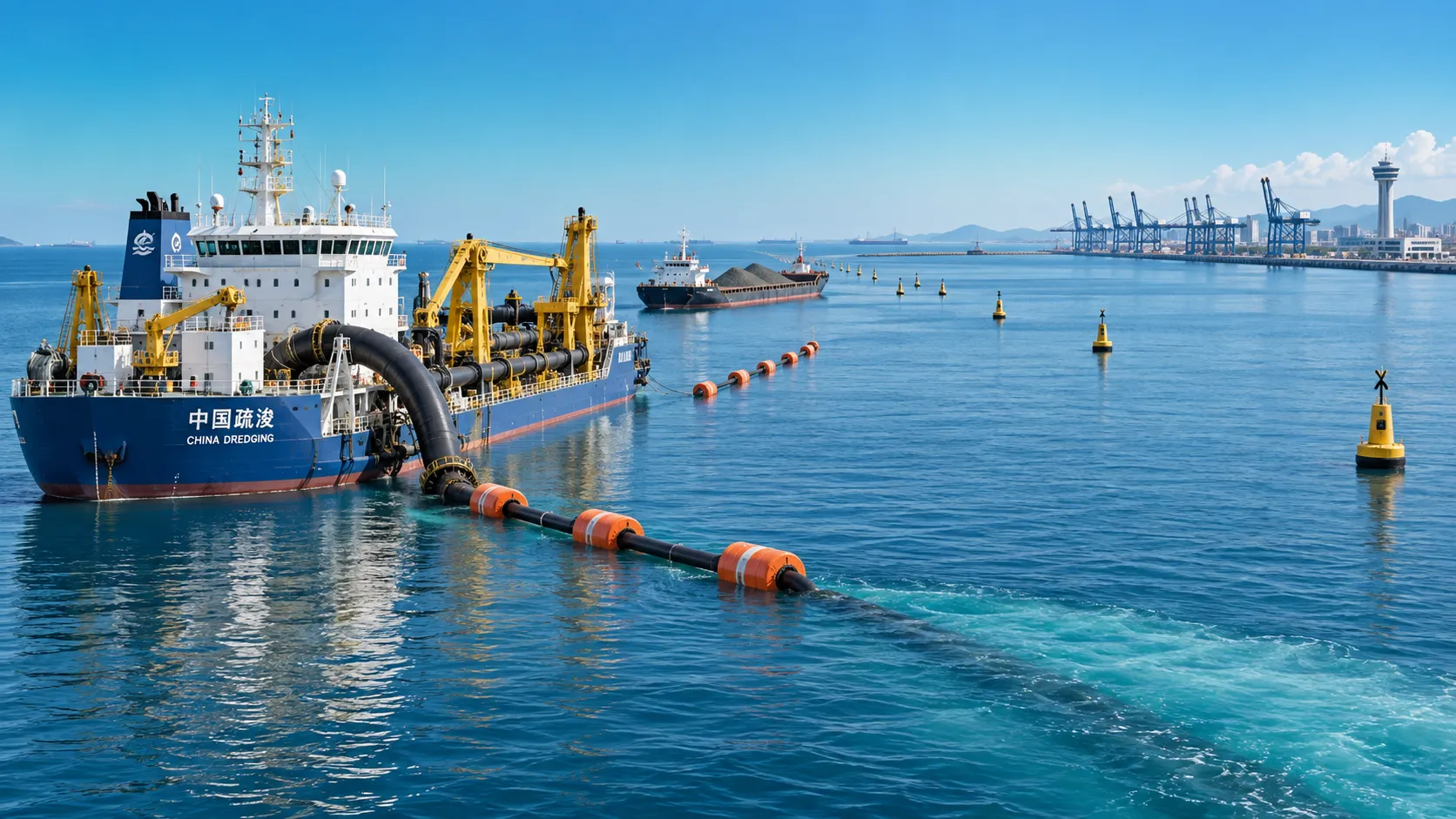
Planning Offshore Dredging Operations: Key Risks, Methods, and Project Controls
Offshore dredging operations demand smart planning. Explore key risks, proven methods, environmental controls, and project strategies for reliable delivery.