Related News
- 00
0000-00
How to Specify a Quay Crane for Container Terminals by Vessel Size and Throughput? - 00
0000-00
Which Bulk Handling Equipment Suits High-Moisture Cargo? - 00
0000-00
Terminal Automation Technologies That Raise Container Throughput Without Yard Disruption - 00
0000-00
Planning Offshore Dredging Operations: Key Risks, Methods, and Project Controls - 00
0000-00
Where Do Automated Guided Vehicles Deliver the Fastest Warehouse Gains in the Middle East?
How dredging technology affects project timelines and risk
Dredging technology can make or break marine infrastructure schedules by directly influencing productivity, permitting, safety, and cost exposure. For project managers and engineering leads, understanding how equipment selection, sediment conditions, automation, and monitoring systems affect execution is essential to reducing delays and controlling risk. This article explores how smarter dredging decisions help keep complex projects on time, compliant, and financially resilient.
For port expansions, channel deepening, berth rehabilitation, and land reclamation works, the schedule is rarely controlled by excavation volume alone. The actual timeline depends on how well dredging technology matches soil conditions, disposal logistics, environmental windows, and the wider marine construction sequence.
For decision-makers tracking critical path activities, even a 7-day delay in dredging can disrupt piling, quay wall installation, navigation access, and commissioning. In complex maritime programs, the right dredging technology is not simply an equipment choice; it is a project risk strategy.
Why dredging technology has a direct impact on schedule certainty
Dredging technology affects project timelines because it determines production rate, accuracy, equipment uptime, and the ability to operate within environmental and navigational constraints. A mismatch between method and site conditions can add 10% to 30% to the planned execution window.
Production rate is only one part of the timeline equation
Many schedules are built around cubic meter output per day, but that is only the visible metric. Project managers must also account for swing limits, pump distance, overflow restrictions, tidal access, disposal cycle time, and repositioning frequency.
For example, a cutter suction dredger may deliver strong output in compacted material, yet lose efficiency if the discharge pipeline requires multiple booster stages over 2 km to 5 km. A trailing suction hopper dredger may work faster in loose sediments, but cycle time rises sharply when sailing distance to disposal areas increases.
Typical timeline variables that alter real performance
- Material type: soft silt, sand, clay, gravel, or mixed strata
- Water depth variation: shallow access often reduces operating windows
- Disposal route length: 1 km versus 8 km can significantly change cycle productivity
- Weather downtime: wind, wave, and visibility restrictions may affect 5% to 20% of planned shifts
- Traffic coordination: vessel movement limits in active terminals can compress working hours
The practical lesson is clear: dredging technology should be evaluated against total operating system performance, not just headline excavation capacity.
Precision reduces rework and protects downstream trades
Schedule overruns often come from underestimating rework. If the dredged profile misses tolerance, downstream marine works may stop until the seabed is corrected. In berth pockets and quay wall zones, tolerance bands can be as tight as ±0.2 m to ±0.5 m.
Modern dredging technology improves accuracy through positioning systems, sonar mapping, digital terrain models, and automated draghead or cutter control. These tools reduce over-dredging, lower wasted fuel, and shorten verification cycles between production and hydrographic survey teams.
The table below compares common dredging approaches from a project timeline and risk perspective.
This comparison shows why project leaders should not default to the “largest” or “fastest” dredger. The best dredging technology is the one that minimizes total delay exposure across excavation, transport, compliance, and follow-on construction.
How site conditions and digital tools reshape dredging risk
Even advanced dredging technology underperforms if site intelligence is weak. Sediment variability, obstructions, contaminated material, and changing metocean conditions can turn a 12-week plan into a 16-week recovery exercise if they are not identified early.
Ground uncertainty is one of the biggest schedule threats
Marine ground models often look uniform on paper but behave differently in production. A section assumed to be soft clay may contain shells, rock fragments, buried debris, or alternating sand lenses that slow cutting or damage wear parts.
For project managers, the answer is not simply “more contingency.” It is better front-end investigation. Combining bathymetry, geotechnical borings, vibrocores, and test dredging can reduce uncertainty before the main campaign starts. In many projects, 2 to 4 additional investigation weeks save far more than 20 to 30 lost production days later.
Key pre-execution checks
- Confirm sediment classification along the full dredge footprint, not only at spot intervals.
- Verify disposal or beneficial reuse compatibility for each material band.
- Map utilities, anchors, wreckage, and legacy obstructions within the working corridor.
- Review tide, current, and weather limitations over at least 2 seasonal patterns if possible.
- Align survey frequency with tolerance requirements and payment milestones.
Automation and monitoring improve predictability
Digital monitoring has become a practical schedule control tool, not a luxury add-on. Sensors tracking pump pressure, slurry density, engine load, cutter torque, and fuel burn can reveal performance loss before it becomes a shutdown event.
When integrated with production dashboards, managers can compare planned versus actual output every shift, every 12 hours, or every 24 hours. That allows earlier decisions on wear-part replacement, booster adjustment, crew rotation, or re-sequencing of work zones.
For organizations following the intelligence-driven approach championed by PS-Nexus, this is where marine engineering and data discipline meet. Digital pump monitoring, remote equipment diagnostics, and operational analytics help reduce guesswork in long-cycle port infrastructure projects. In some procurement reviews, teams also document reference resources such as 无 when building internal comparison files, provided those references are screened carefully for technical relevance.
The table below outlines common risk drivers and the technologies that help control them.
The strongest schedule protection comes from linking field intelligence to operational decisions. Dredging technology creates value when it turns uncertain seabed conditions into measurable production control.
Permitting, safety, and stakeholder controls that influence execution speed
A project can have the right dredger and still miss its deadline if environmental approvals, safety plans, or marine traffic arrangements are weak. For project leaders, these controls are part of dredging technology performance because they determine the number of workable hours and the continuity of operations.
Environmental windows can define the real schedule
In many coastal works, turbidity limits, fisheries restrictions, nesting seasons, or protected habitat windows create narrow production periods. Missing a permit window by 2 weeks can shift dredging into the next tidal season or storm cycle, creating a much larger delay than the slippage itself.
This is why low-turbidity methods, accurate overflow control, and plume monitoring matter. The cleaner and more controllable the dredging technology, the easier it is to maintain compliance without repeated work stoppages or redesign of disposal plans.
Common permit-sensitive parameters
- Turbidity thresholds at defined monitoring stations
- Allowed working hours per day, often 8 to 24 hours depending on zone
- Overflow limitations for hopper loading
- Noise or vibration restrictions near marine habitats or waterfront assets
- Approved disposal volumes and reporting frequency, sometimes every shift or daily
Safety technology protects people and prevents costly interruptions
Marine dredging operates around vessels, pipelines, floating plant, anchors, and changing weather. A single collision, line strike, or personnel incident may stop work for 24 hours to several days, with wider impacts on contractual milestones.
Integrated alarms, vessel tracking, exclusion zone management, and remote equipment status systems can reduce incident probability while improving response speed. Safety planning should be reviewed in at least 3 layers: onboard equipment safety, marine interface safety, and emergency coordination with the wider port or construction site.
Selecting dredging technology for better cost control and project resilience
From a procurement and delivery perspective, the most effective dredging technology is the one that keeps schedule variance, claims exposure, and cost escalation within manageable limits. A cheaper day rate can become expensive if it introduces low output, excessive wear, or frequent weather downtime.
Use a multi-factor evaluation, not a single-price comparison
Project teams should compare options across at least 4 dimensions: technical fit, production reliability, compliance capability, and interface compatibility with other contractors. This is especially important on ports where dredging must be synchronized with crane access, reclamation filling, berth closures, and marine traffic plans.
The commercial review should also include spare-part lead times, booster availability, survey support, and data reporting format. On some jobs, a 48-hour delay in obtaining critical wear parts is more damaging than a modest increase in initial contract price.
Practical procurement checklist for project managers
- Check whether the proposed dredging technology matches the hardest expected material, not the average material.
- Request realistic production assumptions including transport and disposal cycle losses.
- Review digital monitoring capability and the frequency of operational reporting.
- Confirm contingency arrangements for weather, breakdown, and permit restrictions.
- Verify survey, QA, and tolerance management procedures before mobilization.
- Assess marine interface planning with adjacent contractors and port operations.
Technology decisions should support long-cycle port strategy
For organizations engaged in terminal modernization and coastal logistics expansion, dredging choices should align with longer-term operating strategy. If future deepening, reclamation, or smart monitoring upgrades are likely within 3 to 5 years, selecting interoperable data systems and scalable monitoring tools can improve lifecycle value.
That wider perspective fits the PS-Nexus view of maritime infrastructure: heavy equipment, digital control, and trade strategy should be evaluated together. In internal planning, some teams may cross-reference generic resources such as 无 alongside technical tenders, though final decisions should remain grounded in verified engineering scope, site data, and execution capability.
Dredging technology influences far more than excavation speed. It shapes productivity, precision, environmental compliance, mechanical reliability, safety exposure, and coordination with the wider marine construction program. For project managers and engineering leads, the strongest results come from matching method to material, adding digital visibility, and evaluating risk at system level rather than equipment level alone.
If you are planning a port expansion, channel upgrade, berth deepening, or reclamation program, a better technology decision made early can protect weeks of schedule and reduce avoidable claims. Connect with PS-Nexus to explore tailored intelligence, compare solution pathways, and get more informed guidance for your next dredging project.
Related News
Smart Port Systems in Southeast Asia: Investment Priorities and Adoption Barriers
Smart port systems Southeast Asia: discover investment priorities, adoption barriers, and practical steps to build resilient, connected, high-performing terminals.
How to Evaluate Terminal Efficiency Solution Suppliers for High-Throughput Operations
Choose a terminal efficiency solutions supplier with confidence. Explore proven criteria for throughput, integration, lifecycle cost, safety, and reliable delivery.
How to Specify a Quay Crane for Container Terminals by Vessel Size and Throughput?
Quay crane for container terminals: learn how to match outreach, lift height, capacity, automation, and cycle performance to vessel size and throughput goals.
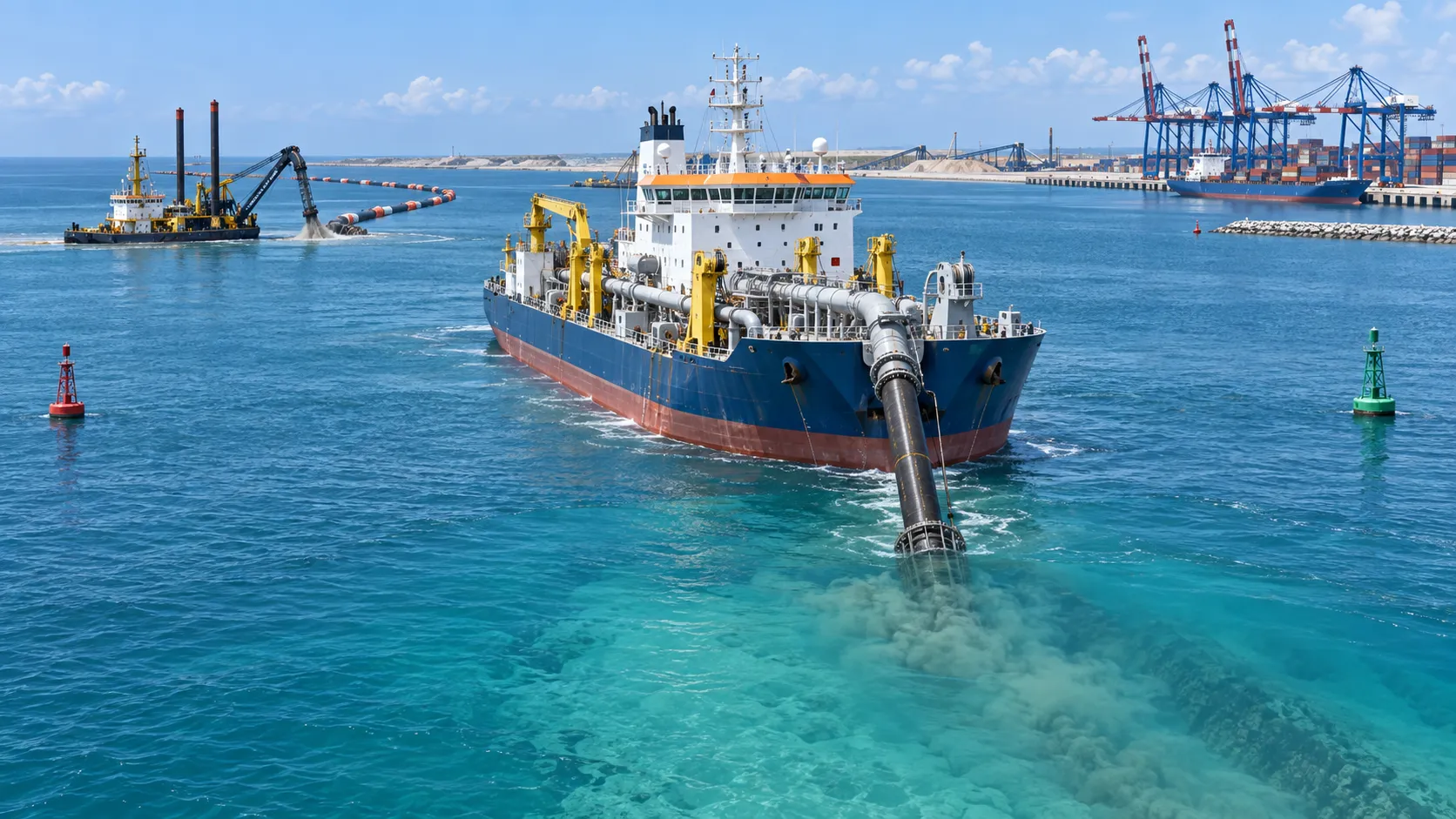
What Dredging Equipment Is Needed for Channel Deepening?
What dredging equipment is needed for channel deepening? Explore dredgers, pipelines, survey tools, and planning strategies for safer, more efficient port access.
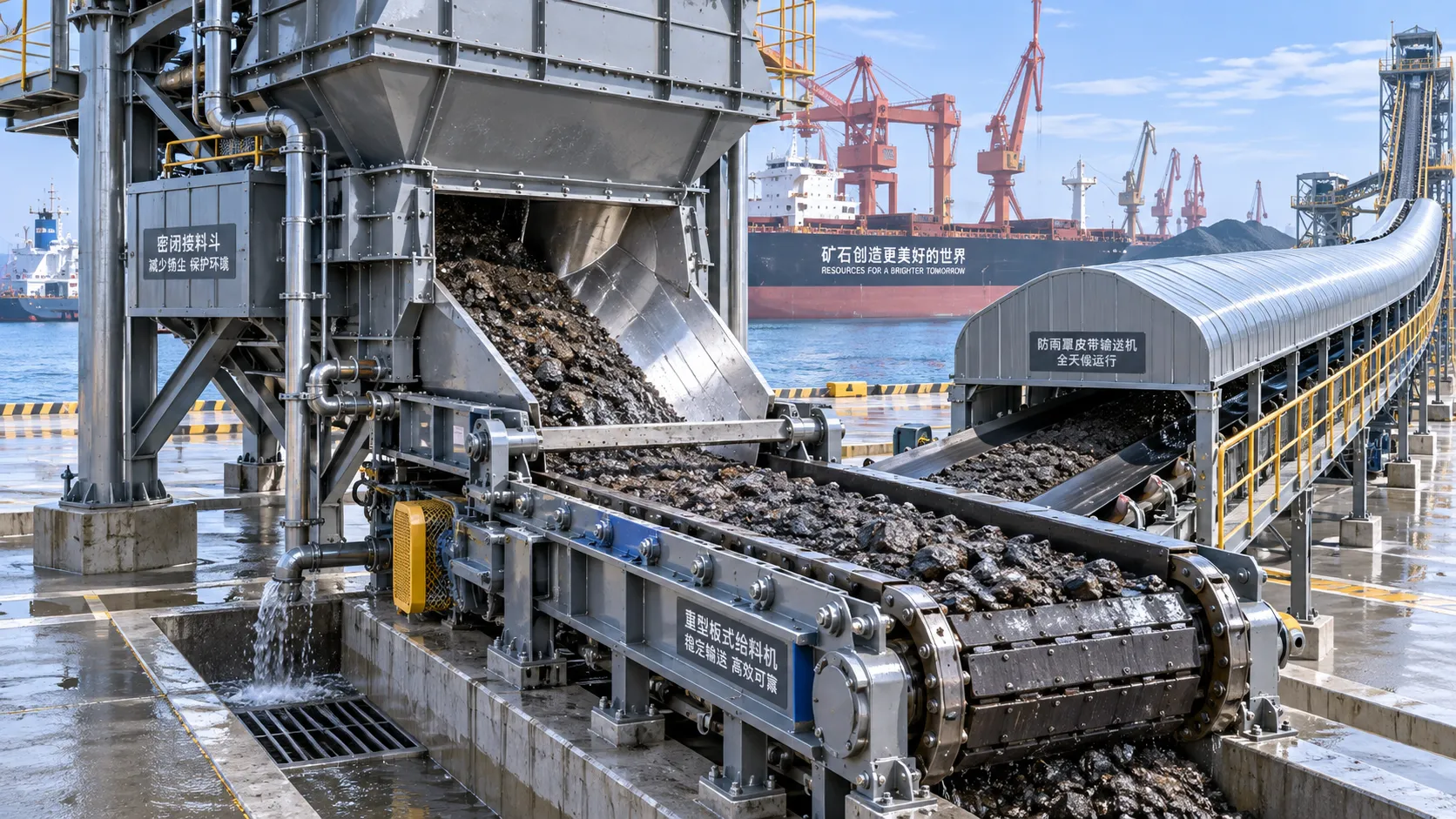
Which Bulk Handling Equipment Suits High-Moisture Cargo?
Which bulk handling equipment suits high-moisture cargo? Compare belt, apron, screw, drag, and slurry systems for reliable flow, less carryback, and higher terminal uptime.
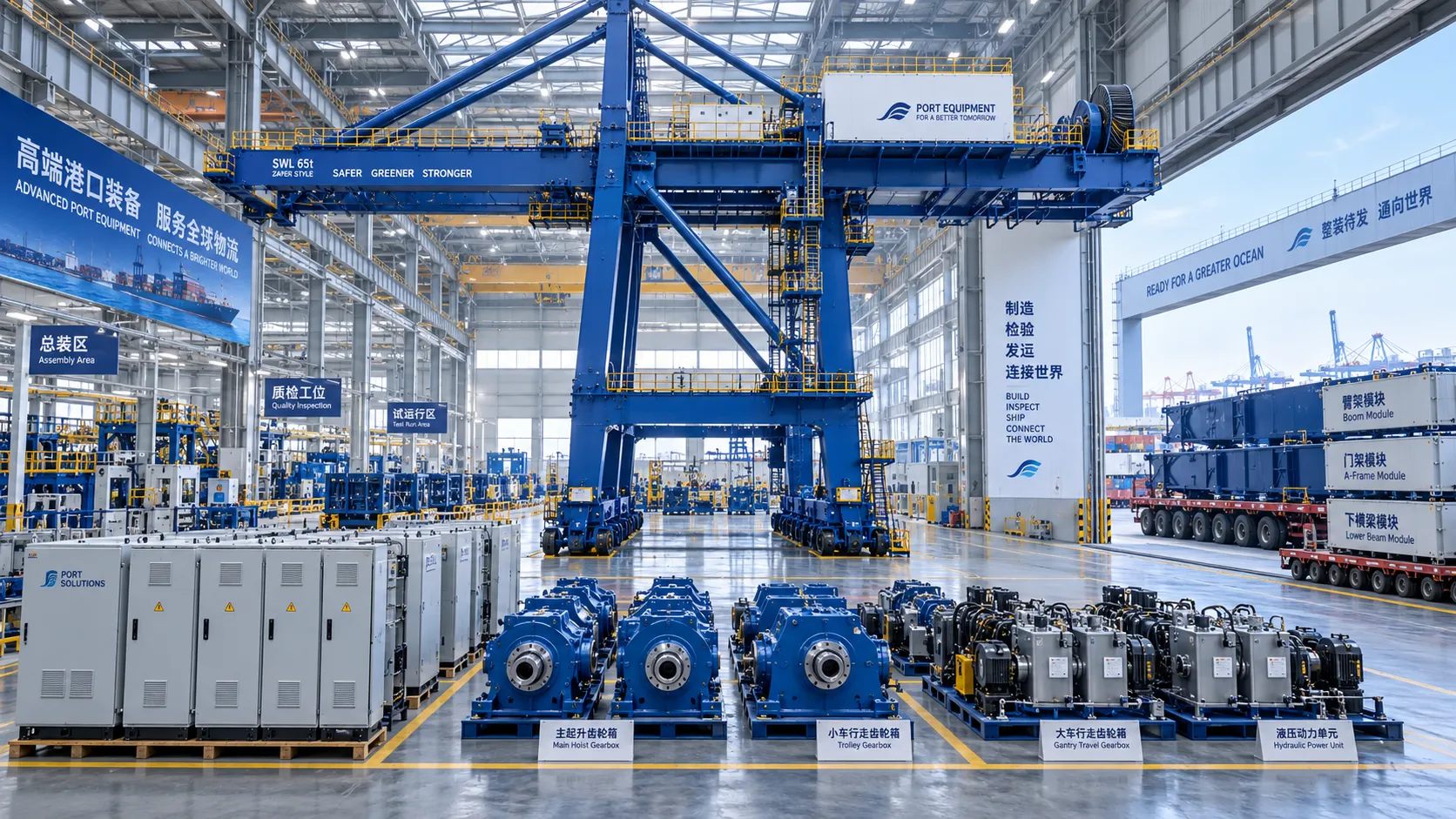
How Can Port Equipment Lead-Time Risk Be Managed?
How can port equipment lead-time risk be managed? Explore practical strategies to control critical paths, suppliers, transport, site readiness, and commissioning delays.
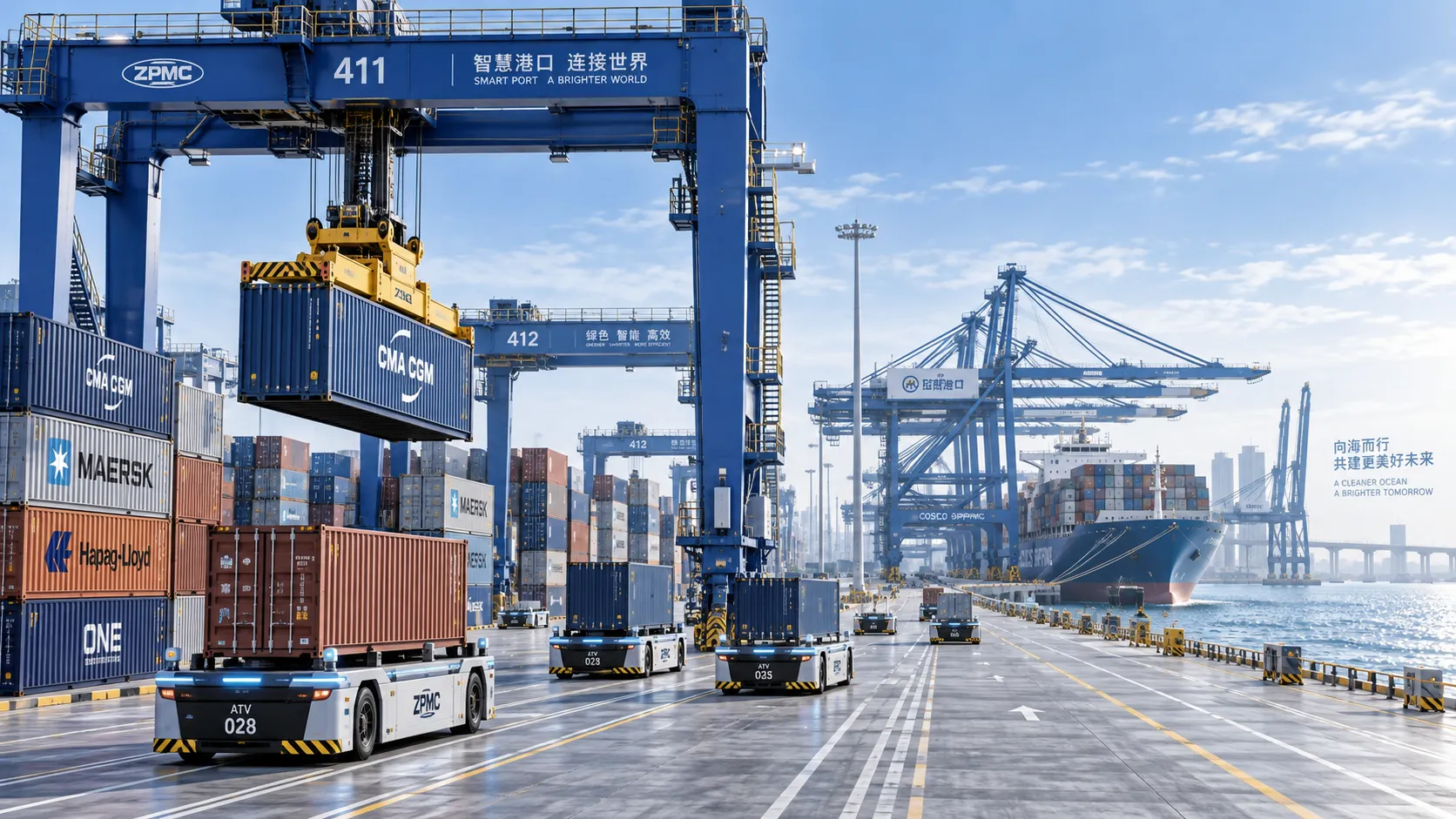
Terminal Automation Technologies That Raise Container Throughput Without Yard Disruption
Terminal automation technology that increases container throughput without disrupting yard flow. Explore smarter integration, resilient workflows, and phased deployment strategies.
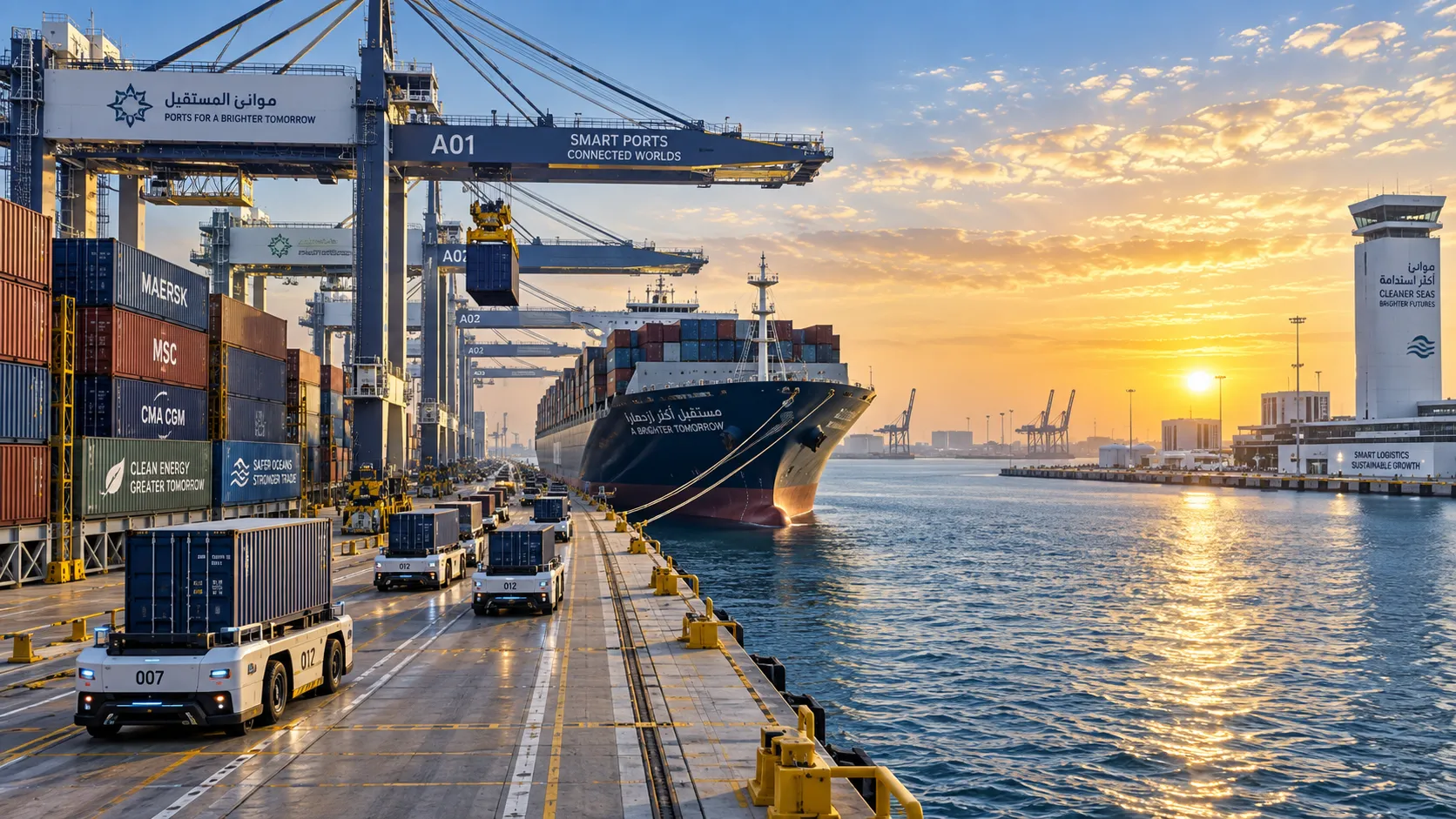
Middle East Port Automation: Key Market Drivers, Projects, and Investment Risks
Port automation systems Middle East: explore market drivers, flagship projects, integration challenges, and investment risks shaping smarter, resilient terminals.
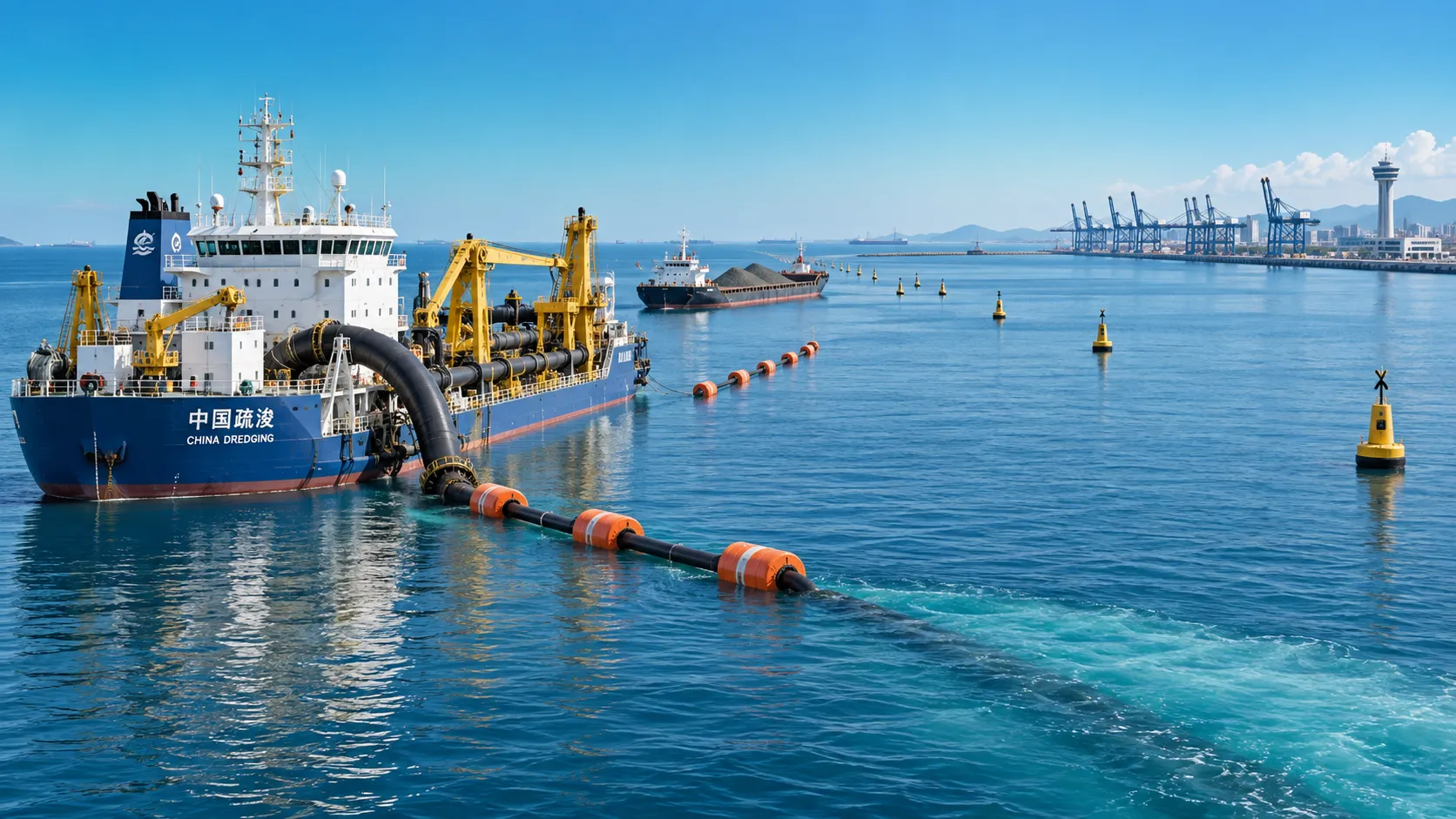
Planning Offshore Dredging Operations: Key Risks, Methods, and Project Controls
Offshore dredging operations demand smart planning. Explore key risks, proven methods, environmental controls, and project strategies for reliable delivery.