Related News
- 00
0000-00
How to Specify a Quay Crane for Container Terminals by Vessel Size and Throughput? - 00
0000-00
Which Bulk Handling Equipment Suits High-Moisture Cargo? - 00
0000-00
Terminal Automation Technologies That Raise Container Throughput Without Yard Disruption - 00
0000-00
Planning Offshore Dredging Operations: Key Risks, Methods, and Project Controls - 00
0000-00
Where Do Automated Guided Vehicles Deliver the Fastest Warehouse Gains in the Middle East?
Where smart oceans technology is changing port visibility
As global ports accelerate automation, smart oceans technology is becoming the backbone of real-time visibility. It connects terminal gear, yard systems, vessel movements, and dredging assets into one operational picture.
For port infrastructure programs, better visibility improves scheduling, reduces idle time, and supports safer decisions. It also helps balance heavy equipment performance with trade volatility, weather risk, and coastal engineering demands.
In the PS-Nexus view, smart oceans technology matters because visibility is no longer a dashboard feature. It is now a strategic capability for synchronized maritime logistics, automated handling, and marine asset control.
Why port visibility changes by scenario
Not every port needs the same visibility model. A bulk export hub, an automated container terminal, and a dredging-intensive coastal gateway face different timing, risk, and data priorities.
That is where smart oceans technology creates value. It adapts sensing, control, and analytics to specific workflows instead of forcing one reporting logic across every marine operation.
The key question is simple. Which operational blind spots create the highest cost, delay, or safety exposure in a given maritime environment?
When vessel congestion drives the problem
Some ports struggle most at the seaside interface. Berth windows shift, pilotage timing changes, and crane plans become unstable when arrival data lacks accuracy.
In this case, smart oceans technology should prioritize AIS fusion, tide data, berth occupancy modeling, and predictive ETA updates. Visibility starts before the vessel reaches the harbor.
When yard imbalance causes hidden losses
Other terminals look efficient at the berth but lose time inside the yard. Containers stack poorly, AGV routes overlap, and transfer points create repeated congestion.
Here, smart oceans technology must unify equipment telemetry, yard inventory mapping, and dispatch logic. Visibility is about movement quality, not just location awareness.
When dredging and channel depth affect uptime
For coastal gateways, visibility extends beyond the terminal fence. Siltation, draft restrictions, and dredger status directly affect ship calls and throughput reliability.
In these environments, smart oceans technology combines hydrographic monitoring, pump condition signals, and channel maintenance planning. Port visibility becomes an engineering issue as much as a logistics one.
Typical application scenarios where smart oceans technology delivers the most value
Scenario 1: Automated container terminals need synchronized asset visibility
Automated terminals rely on tight coordination between quay cranes, AGVs, yard cranes, and gate systems. A delay in one node spreads quickly across the entire workflow.
This is where smart oceans technology supports live task orchestration. It links sensor data, equipment health, and scheduling signals into a single decision environment.
The core judgment point is whether the terminal can detect conflicts before they become queue events. Predictive visibility matters more than retrospective reporting.
Scenario 2: Bulk handling ports need flow visibility across long cycles
Bulk terminals manage large-volume cargo with extended unloading, storage, and transfer sequences. Conveyor utilization, stockpile position, and ship-loader readiness are critical.
In this setting, smart oceans technology improves continuity. It reveals bottlenecks between marine arrival, shore transfer, and outbound logistics before capacity drops appear.
A useful judgment point is whether visibility includes material state, not only machine status. Throughput depends on cargo flow integrity as much as equipment uptime.
Scenario 3: Dredging-linked ports need underwater operational visibility
Ports with frequent dredging must manage fairway depth, sediment movement, and equipment performance together. Surface-level dashboards cannot show these risks clearly.
With smart oceans technology, ports can align bathymetric data, dredger telemetry, fuel trends, and maintenance alerts. This strengthens planning for access reliability and capital efficiency.
The main judgment point is whether channel data is current enough to influence scheduling decisions. Delayed depth visibility creates avoidable commercial and safety exposure.
Scenario 4: Multi-tenant ports need shared but controlled visibility
Large ports often include different operators, contractors, and public stakeholders. Each party needs visibility, but not all data should be shared equally.
In this case, smart oceans technology must support layered access, common operational views, and event-based coordination. Visibility should accelerate trust without weakening governance.
How scenario needs differ in practice
The table below shows how visibility priorities shift across maritime operating environments. This helps define where smart oceans technology should be applied first.
Scenario-fit recommendations for better port visibility
A strong visibility strategy starts with operational fit. The following actions help align smart oceans technology with real port conditions.
- Map the highest-value blind spots first, such as berth delays, yard congestion, or channel restrictions.
- Prioritize data streams that influence immediate action, not just executive reporting.
- Connect marine, terminal, and engineering systems instead of optimizing one layer in isolation.
- Use predictive alerts for queue risks, asset fatigue, and access limitations.
- Build role-based visibility to support collaboration without exposing unnecessary operational data.
- Measure success through cycle time, berth productivity, equipment availability, and access reliability.
What PS-Nexus-style intelligence adds
Technology alone does not create clarity. Ports also need interpretation of equipment trends, automation logic, marine engineering signals, and global trade shifts.
That is why intelligence platforms matter. They help translate smart oceans technology from raw data into operational judgment across cranes, control systems, and dredging assets.
Common visibility mistakes that weaken smart oceans technology results
Many port programs invest in sensors and dashboards but still lack actionable visibility. The problem usually comes from scenario mismatch rather than lack of hardware.
- Treating vessel, yard, and dredging visibility as separate programs with no shared logic.
- Focusing on historical utilization while ignoring real-time exception management.
- Deploying automation without validating communication latency across control points.
- Overlooking underwater and coastal variables that disrupt terminal reliability.
- Collecting too much low-value data and missing the few signals that change decisions.
The best smart oceans technology programs avoid these traps by starting with operational consequences. They ask which delay, failure, or uncertainty matters most.
Next steps for building decision-ready port ecosystems
Ports moving toward higher automation should assess visibility by scenario, not by software category alone. That creates a clearer path for integration and measurable returns.
A practical next step is to review one operating chain end to end. Start with berth arrival, equipment dispatch, yard flow, or channel access maintenance.
Then identify where smart oceans technology can reduce uncertainty fastest. In many cases, the first win comes from synchronizing existing systems rather than buying entirely new infrastructure.
As maritime logistics grows more complex, visibility will define resilience. Ports that combine automation, engineering intelligence, and scenario-fit data will operate with stronger control and better long-term efficiency.
Related News
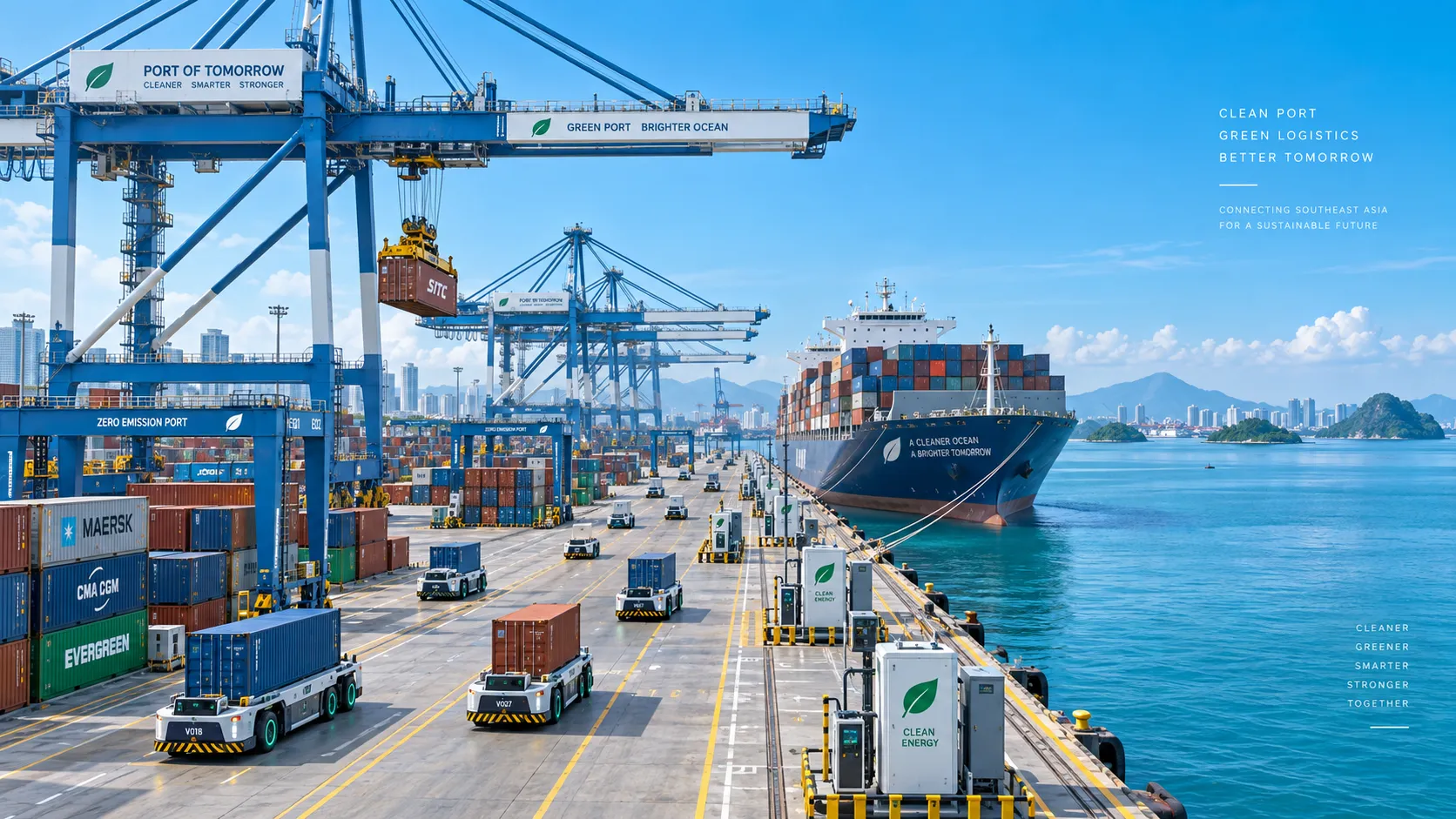
Smart Port Systems in Southeast Asia: Investment Priorities and Adoption Barriers
Smart port systems Southeast Asia: discover investment priorities, adoption barriers, and practical steps to build resilient, connected, high-performing terminals.
How to Evaluate Terminal Efficiency Solution Suppliers for High-Throughput Operations
Choose a terminal efficiency solutions supplier with confidence. Explore proven criteria for throughput, integration, lifecycle cost, safety, and reliable delivery.
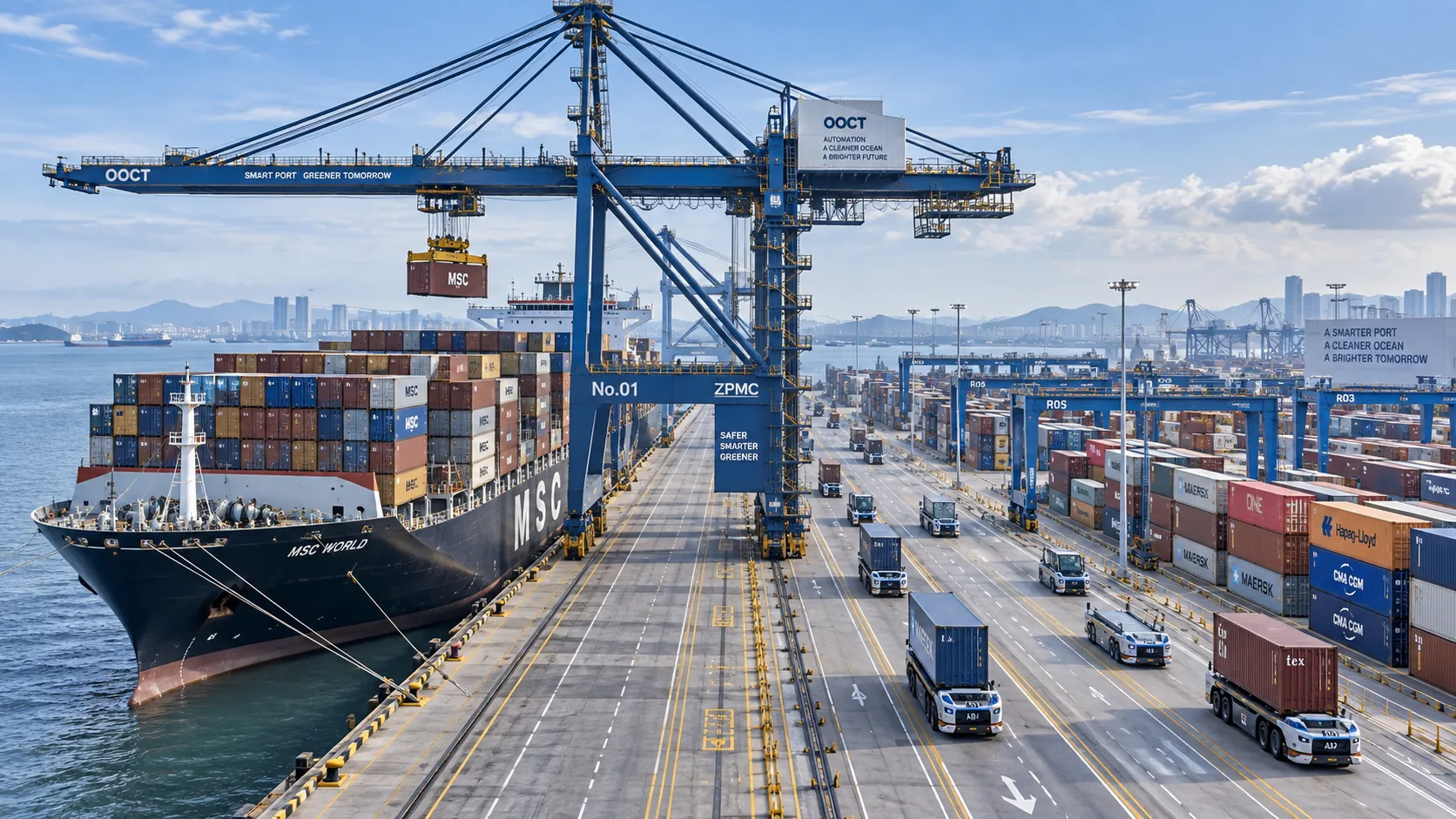
How to Specify a Quay Crane for Container Terminals by Vessel Size and Throughput?
Quay crane for container terminals: learn how to match outreach, lift height, capacity, automation, and cycle performance to vessel size and throughput goals.
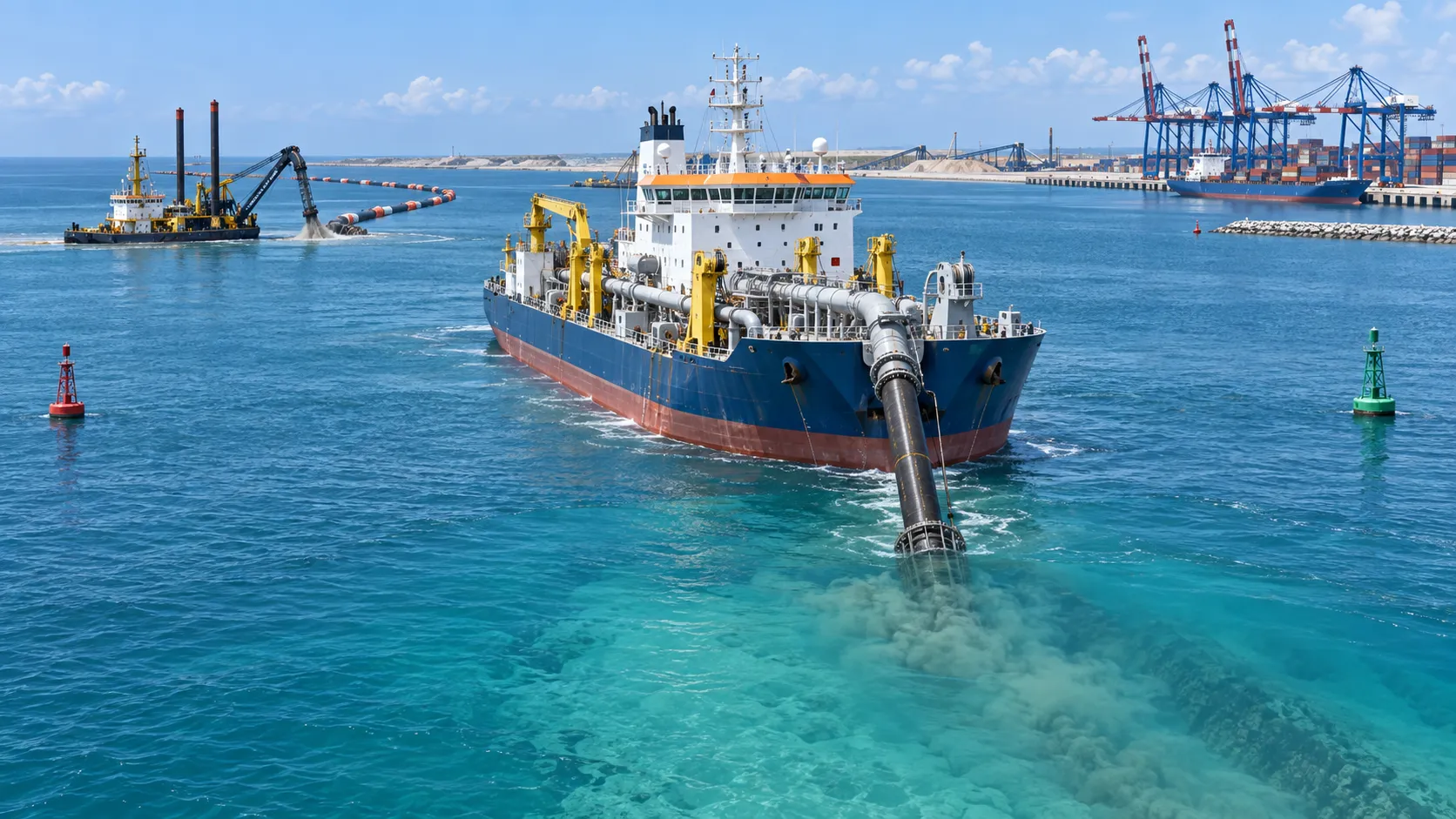
What Dredging Equipment Is Needed for Channel Deepening?
What dredging equipment is needed for channel deepening? Explore dredgers, pipelines, survey tools, and planning strategies for safer, more efficient port access.
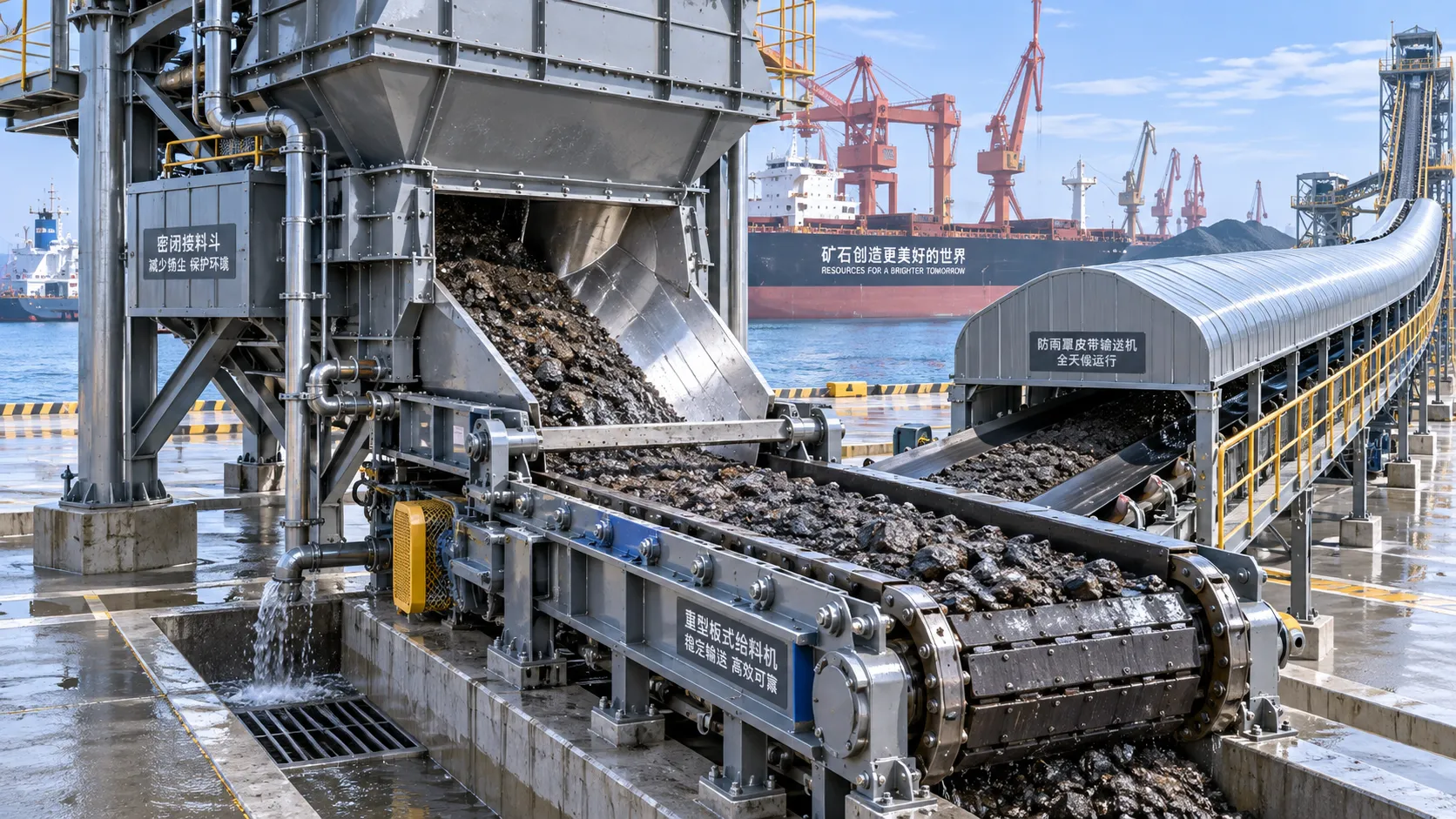
Which Bulk Handling Equipment Suits High-Moisture Cargo?
Which bulk handling equipment suits high-moisture cargo? Compare belt, apron, screw, drag, and slurry systems for reliable flow, less carryback, and higher terminal uptime.
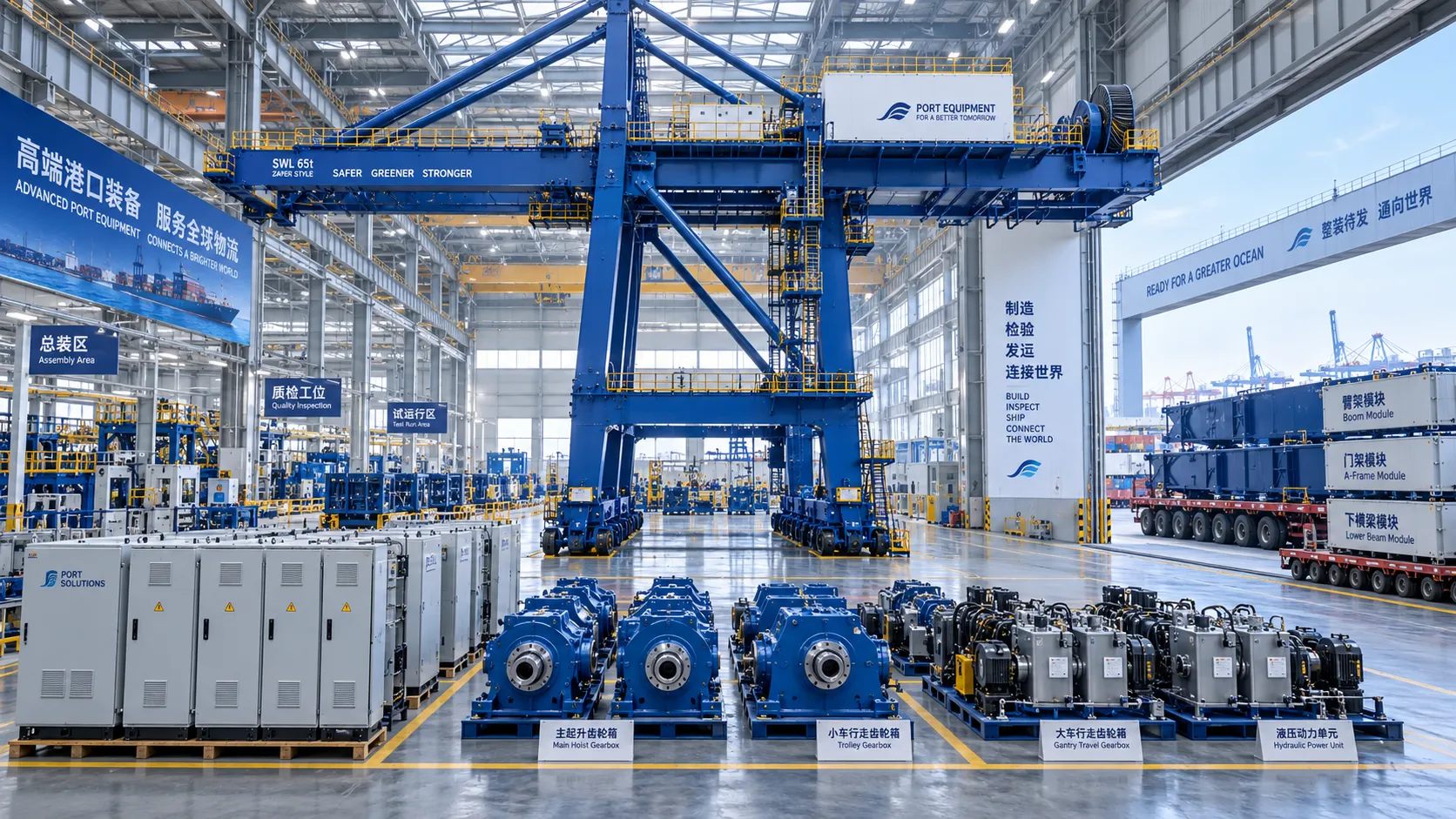
How Can Port Equipment Lead-Time Risk Be Managed?
How can port equipment lead-time risk be managed? Explore practical strategies to control critical paths, suppliers, transport, site readiness, and commissioning delays.
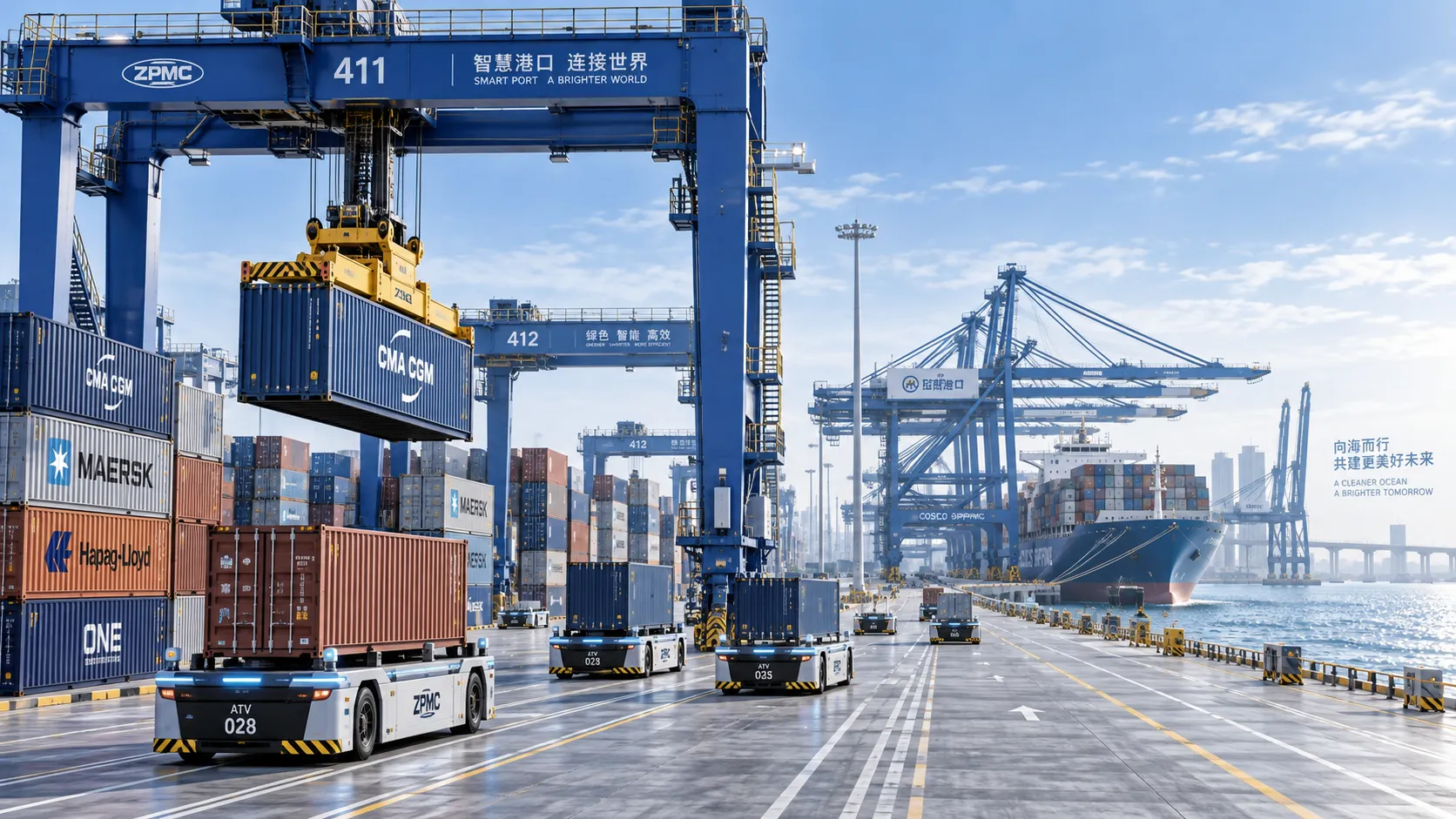
Terminal Automation Technologies That Raise Container Throughput Without Yard Disruption
Terminal automation technology that increases container throughput without disrupting yard flow. Explore smarter integration, resilient workflows, and phased deployment strategies.
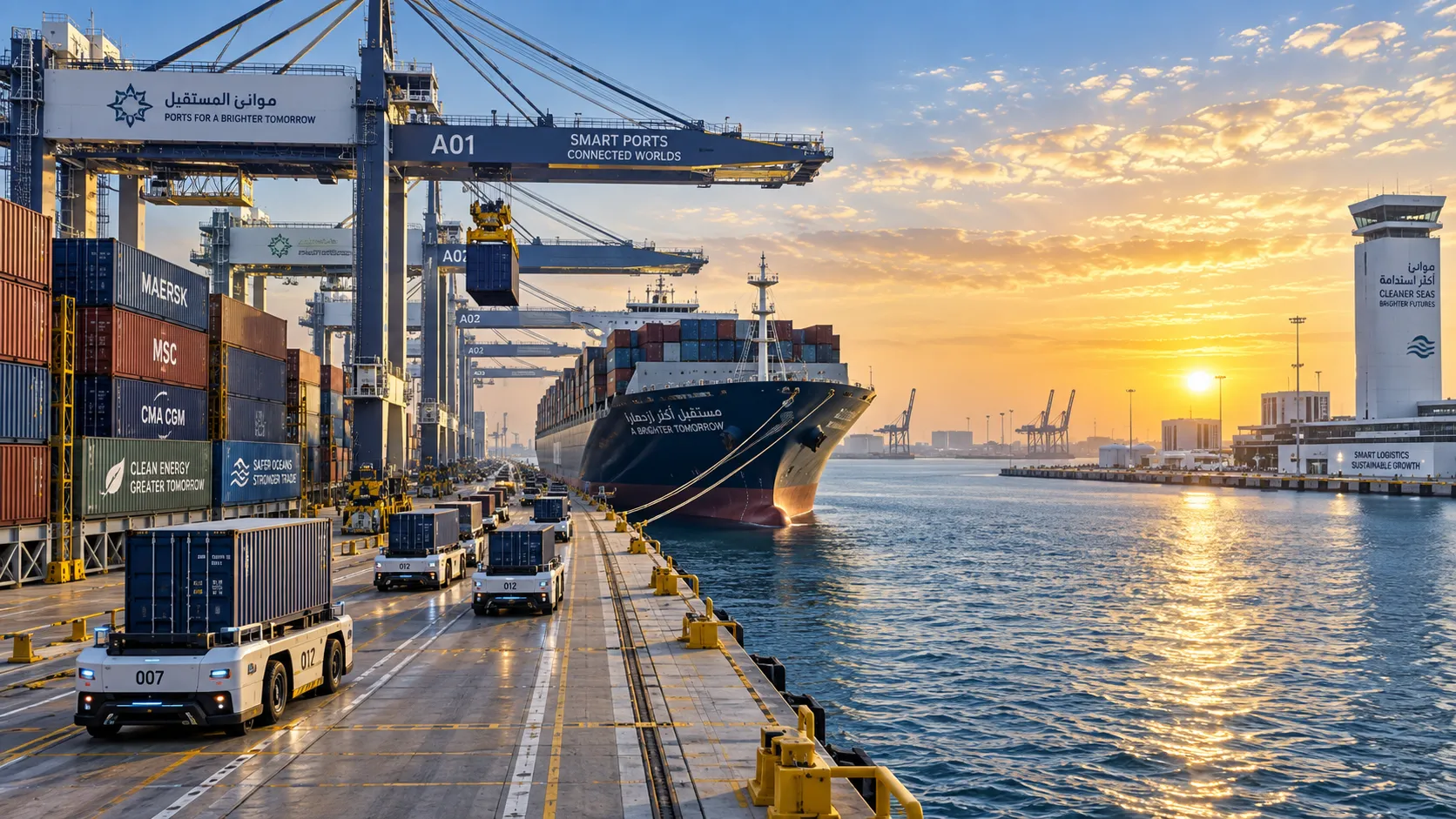
Middle East Port Automation: Key Market Drivers, Projects, and Investment Risks
Port automation systems Middle East: explore market drivers, flagship projects, integration challenges, and investment risks shaping smarter, resilient terminals.
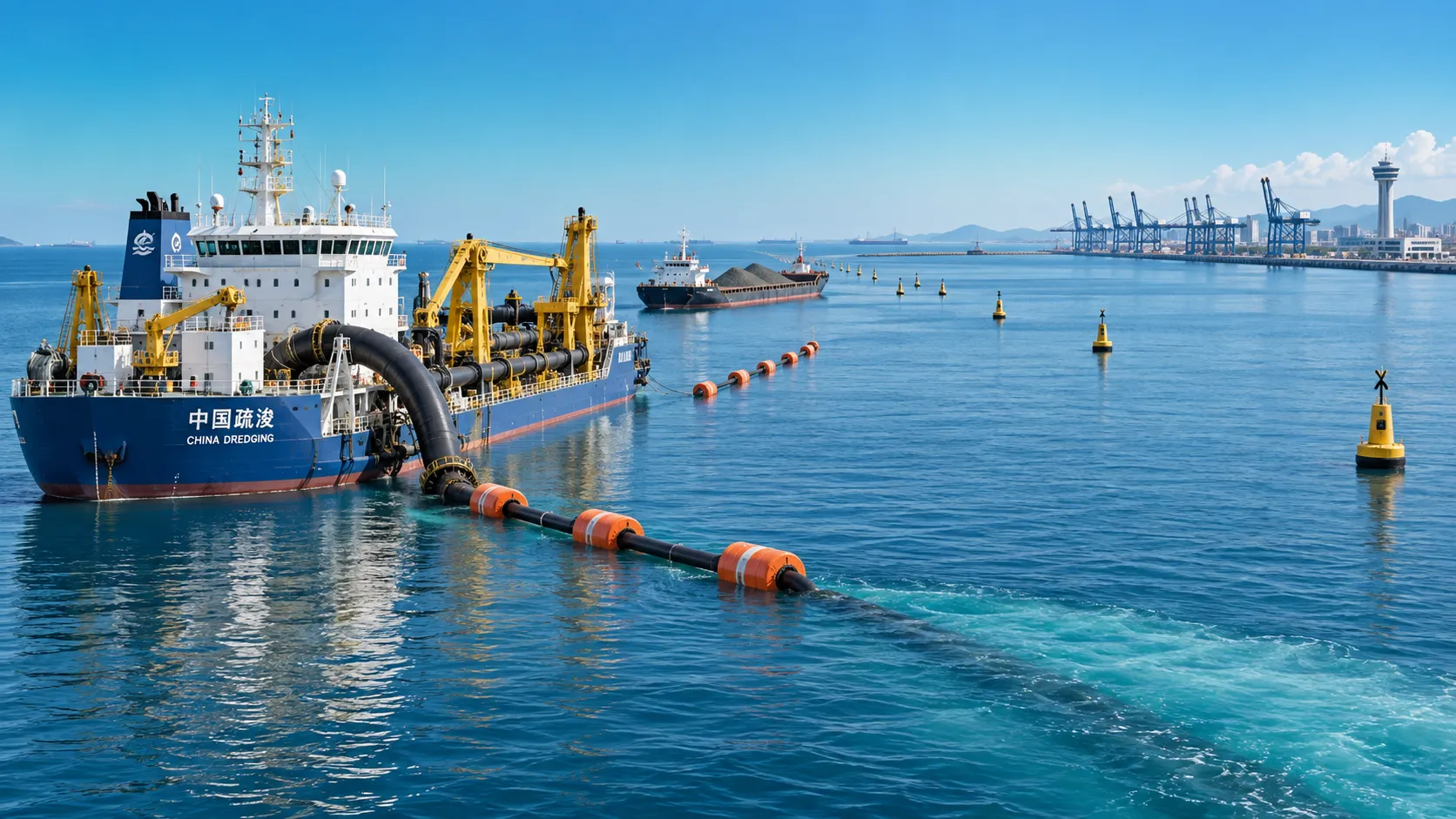
Planning Offshore Dredging Operations: Key Risks, Methods, and Project Controls
Offshore dredging operations demand smart planning. Explore key risks, proven methods, environmental controls, and project strategies for reliable delivery.