Related News
- 00
0000-00
How to Specify a Quay Crane for Container Terminals by Vessel Size and Throughput? - 00
0000-00
Which Bulk Handling Equipment Suits High-Moisture Cargo? - 00
0000-00
Terminal Automation Technologies That Raise Container Throughput Without Yard Disruption - 00
0000-00
Planning Offshore Dredging Operations: Key Risks, Methods, and Project Controls - 00
0000-00
Where Do Automated Guided Vehicles Deliver the Fastest Warehouse Gains in the Middle East?
When does logic architecture become a scaling bottleneck?
As terminals add automation, edge devices, and real-time scheduling layers, logic architecture can quietly shift from enabler to bottleneck.
In port systems, that shift rarely appears as one dramatic failure.
It usually emerges through slower decisions, fragile integrations, rising exception handling, and declining scaling efficiency.
For PS-Nexus and similar intelligence-driven operations, understanding when logic architecture limits growth is essential.
The answer affects crane control, AGV routing, dredging telemetry, yard orchestration, and cross-terminal visibility.
This guide uses a question-driven structure to show the signals, risks, and decision points behind a scaling bottleneck.
What does logic architecture mean in large-scale operational systems?
Logic architecture is the decision structure that connects inputs, rules, priorities, and actions across a system.
It determines how software interprets sensor data, allocates resources, resolves conflicts, and triggers machine behavior.
In automated terminals, logic architecture sits between physical equipment and strategic control objectives.
It may coordinate quay cranes, yard cranes, AGVs, gate systems, and edge controllers under shared timing constraints.
A strong logic architecture supports modular growth, clear dependencies, and predictable performance under variable loads.
A weak one creates hidden coupling, duplicated rules, and exception pathways that expand faster than throughput.
That is why logic architecture matters beyond software teams.
It directly influences berth productivity, asset utilization, recovery speed, and expansion economics.
Why is it especially important in ports and marine logistics?
Ports combine heavy equipment, weather exposure, safety constraints, variable cargo profiles, and strict service windows.
That environment punishes brittle control logic.
When the logic architecture cannot absorb volume spikes or routing conflicts, the whole chain slows down.
The result may look operational, but the root cause is architectural.
When does logic architecture become a scaling bottleneck?
Logic architecture becomes a scaling bottleneck when additional assets, workflows, or data streams increase coordination costs faster than output.
At first, performance may still seem acceptable.
However, each new integration, rule set, or automation layer requires disproportionate tuning and manual oversight.
This is the turning point where growth stops being linear.
In practical terms, the architecture is no longer scaling with the business system it controls.
Common signals that the bottleneck has started
- Dispatch decisions take longer as more devices join the network.
- Exception cases rise faster than transaction volume.
- New automation zones require custom logic rather than reusable modules.
- A local change breaks unrelated workflows in another subsystem.
- Operators create workarounds because official orchestration reacts too slowly.
- Data arrives quickly, but useful decisions still lag.
These signs are more serious than temporary software defects.
They indicate that the logic architecture itself is constraining system expansion.
Which operational scenarios reveal a logic architecture bottleneck fastest?
Some environments expose architectural weakness sooner than others.
High-frequency coordination and mixed automation maturity are especially revealing.
Scenario 1: Automated container yards
As AGV fleets grow, path-planning logic can become congested before roads or chargers do.
If task assignment, traffic arbitration, and crane handoff rely on tightly coupled rules, scale suffers quickly.
Scenario 2: Remote-controlled heavy terminal gear
Low-latency links help, but communication speed alone does not solve poor logic architecture.
If control decisions depend on too many centralized approvals, operator productivity declines under multi-crane loads.
Scenario 3: Bulk handling with changing cargo patterns
Bulk systems often face shifting sequences, equipment wear, and variable vessel timing.
A rigid logic architecture struggles to rebalance conveyors, stackers, reclaimers, and berth priorities in real time.
Scenario 4: Dredging fleets with live equipment monitoring
Digital pump monitoring generates actionable telemetry only when decision logic can classify and prioritize signals correctly.
Without scalable rules, alert noise increases while meaningful intervention slows.
How can you tell whether the problem is architecture, not just hardware or staffing?
This distinction is critical because the wrong diagnosis leads to expensive but ineffective upgrades.
More servers, more devices, or more personnel cannot fix a flawed logic architecture.
Look for these patterns
- Capacity exists physically, but orchestration cannot release it consistently.
- Response times worsen mainly during coordination conflicts, not raw processing peaks.
- Incidents repeat after each expansion phase.
- Rule changes require broad regression testing across unrelated processes.
- System behavior becomes less predictable as data quality improves.
Hardware bottlenecks usually show measurable saturation in compute, bandwidth, energy, or mechanical duty cycles.
Architectural bottlenecks show up as coordination inefficiency, dependency sprawl, and decision latency under complexity.
A quick comparison table
What risks appear if a logic architecture bottleneck is ignored?
Ignoring the issue usually raises cost before it visibly reduces output.
That makes it dangerous.
The business may still grow, yet every expansion becomes harder to stabilize and slower to monetize.
Key risks
- Throughput gains flatten despite additional capital investment.
- Resilience weakens because failure paths are poorly isolated.
- Cyber-physical safety margins narrow under conflicting commands.
- Integration schedules slip as each vendor interface needs special treatment.
- Energy optimization and net-zero goals become harder to operationalize.
In heavy terminal gear and marine engineering, these risks can also affect compliance, insurance posture, and customer confidence.
A delayed architectural correction is usually more disruptive than an early redesign.
How should logic architecture be evaluated before scaling further?
A useful evaluation combines technical metrics with operational behavior.
The goal is not architectural elegance alone.
The goal is sustainable scale across assets, software layers, and business variation.
Five practical checks
- Measure decision latency, not only data latency.
- Map rule dependencies across subsystems and identify hidden coupling.
- Test expansion using simulated load, exceptions, and degraded communications.
- Check whether local autonomy exists when central orchestration is delayed.
- Review how often manual overrides are needed during normal operations.
A scalable logic architecture usually has bounded complexity.
It allows new assets or workflows to be added without rewriting existing decision logic extensively.
Recommended evaluation priorities
What is the smartest next step once logic architecture limits scale?
The smartest step is rarely a full replacement.
In most industrial environments, phased correction is safer and faster.
Start with the highest-friction decision loops and the most coupled orchestration layers.
A practical action path
- Identify where logic architecture causes decision delay or unstable exceptions.
- Separate local control logic from global optimization logic where feasible.
- Standardize interfaces before adding new automation domains.
- Use digital simulation to test scaling assumptions before field deployment.
- Track improvement with throughput, recovery time, and override frequency metrics.
For intelligence platforms such as PS-Nexus, this approach also improves the quality of strategic forecasting.
Architectural signals often predict operational limits earlier than equipment statistics do.
In the end, logic architecture becomes a scaling bottleneck when coordination complexity grows faster than controlled output.
That moment can be detected through latency, coupling, exception growth, and fragile expansion behavior.
Reviewing logic architecture early helps protect throughput, resilience, and long-term automation value.
If scaling plans involve heavier terminal gear, wider automation, or denser edge intelligence, now is the right time to assess the architecture beneath them.
Related News
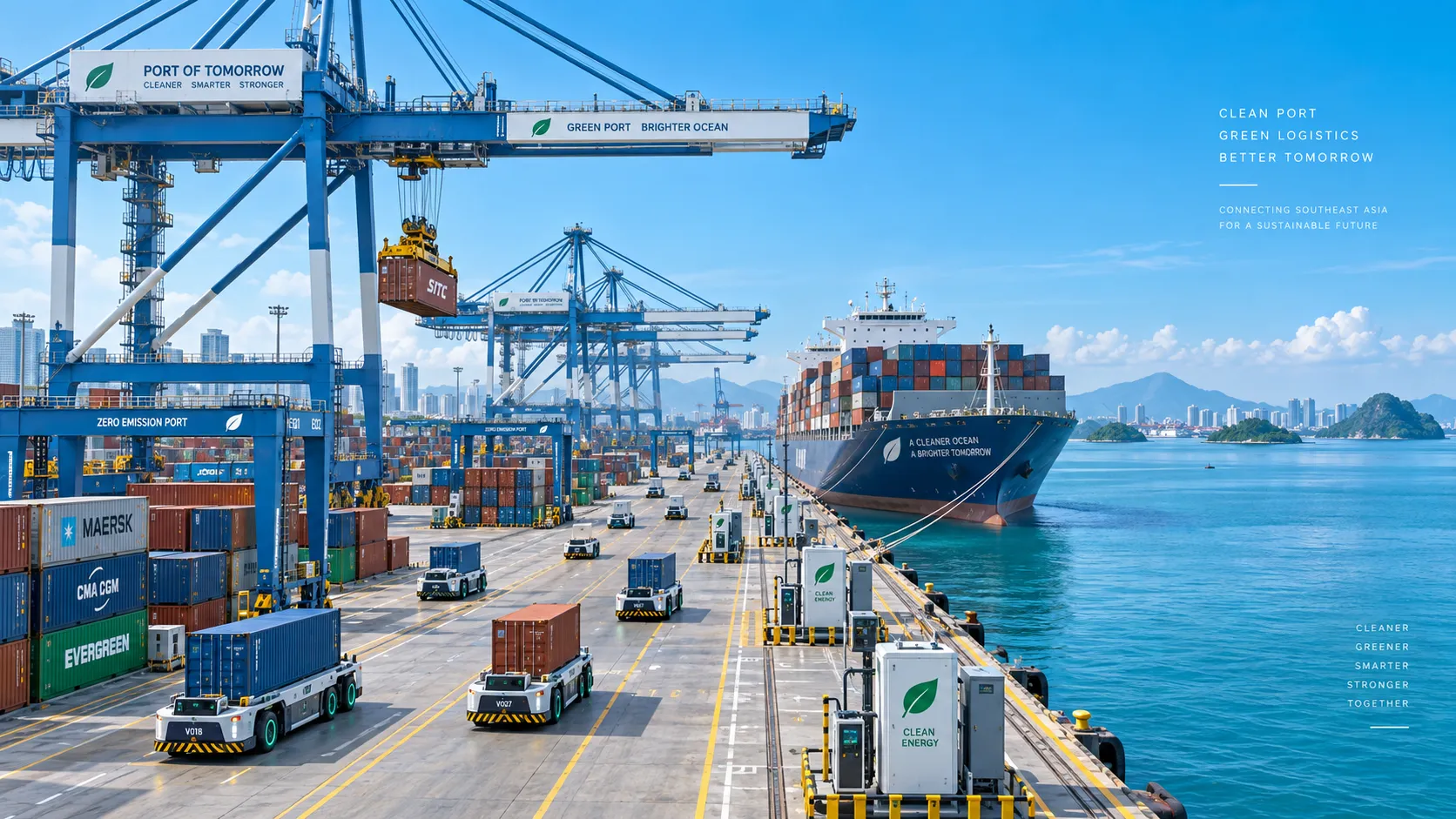
Smart Port Systems in Southeast Asia: Investment Priorities and Adoption Barriers
Smart port systems Southeast Asia: discover investment priorities, adoption barriers, and practical steps to build resilient, connected, high-performing terminals.

How to Evaluate Terminal Efficiency Solution Suppliers for High-Throughput Operations
Choose a terminal efficiency solutions supplier with confidence. Explore proven criteria for throughput, integration, lifecycle cost, safety, and reliable delivery.
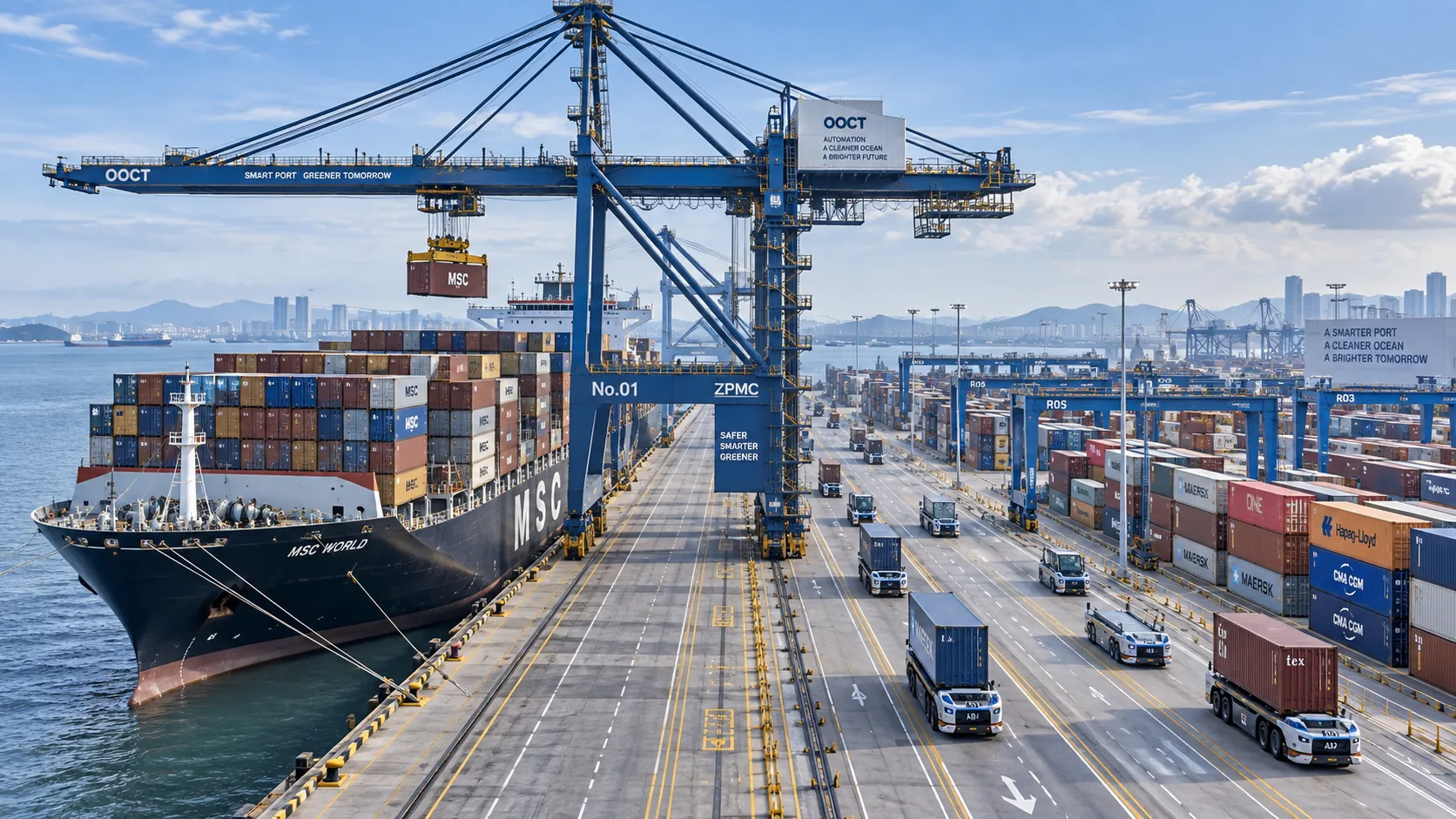
How to Specify a Quay Crane for Container Terminals by Vessel Size and Throughput?
Quay crane for container terminals: learn how to match outreach, lift height, capacity, automation, and cycle performance to vessel size and throughput goals.
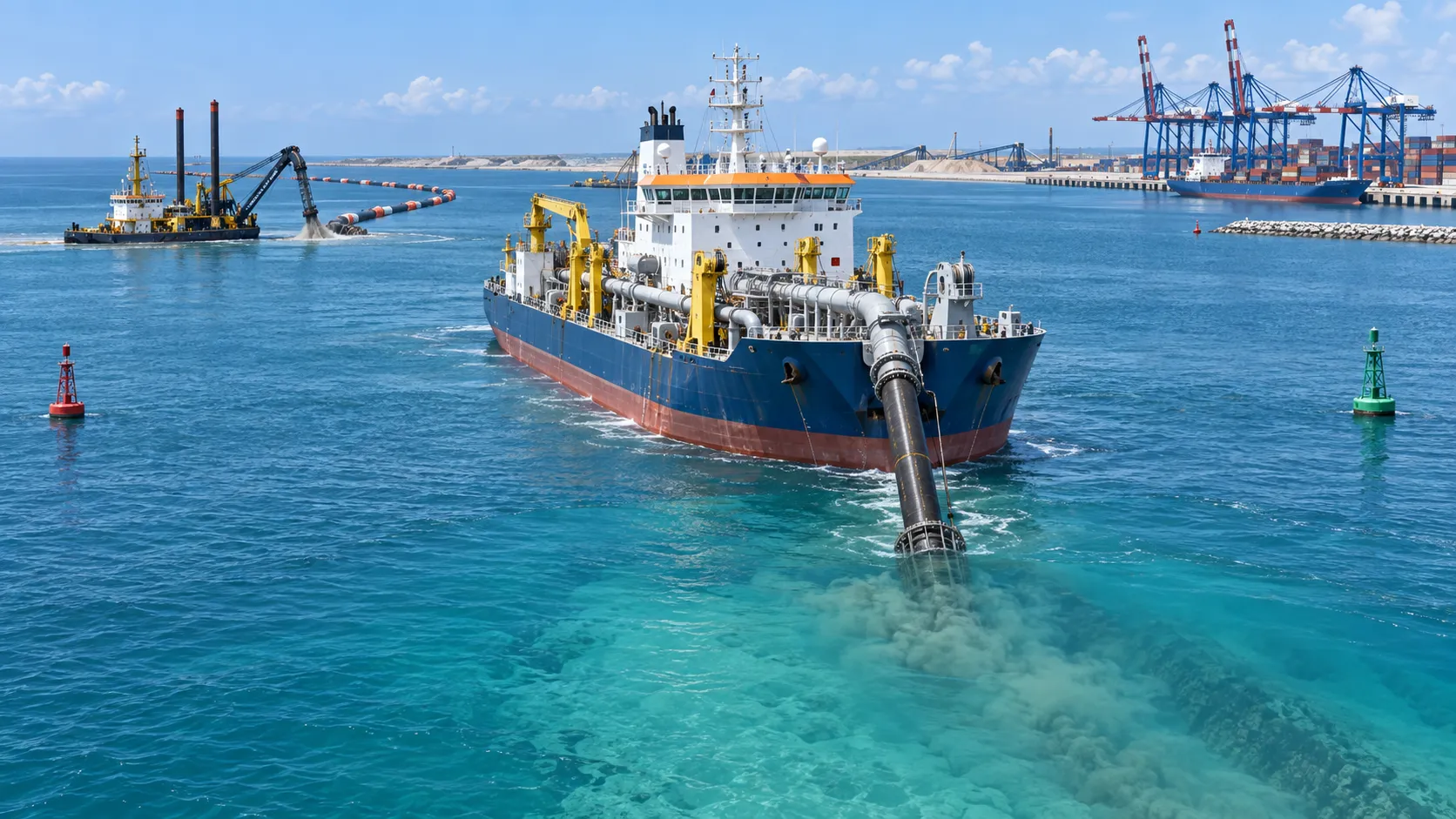
What Dredging Equipment Is Needed for Channel Deepening?
What dredging equipment is needed for channel deepening? Explore dredgers, pipelines, survey tools, and planning strategies for safer, more efficient port access.
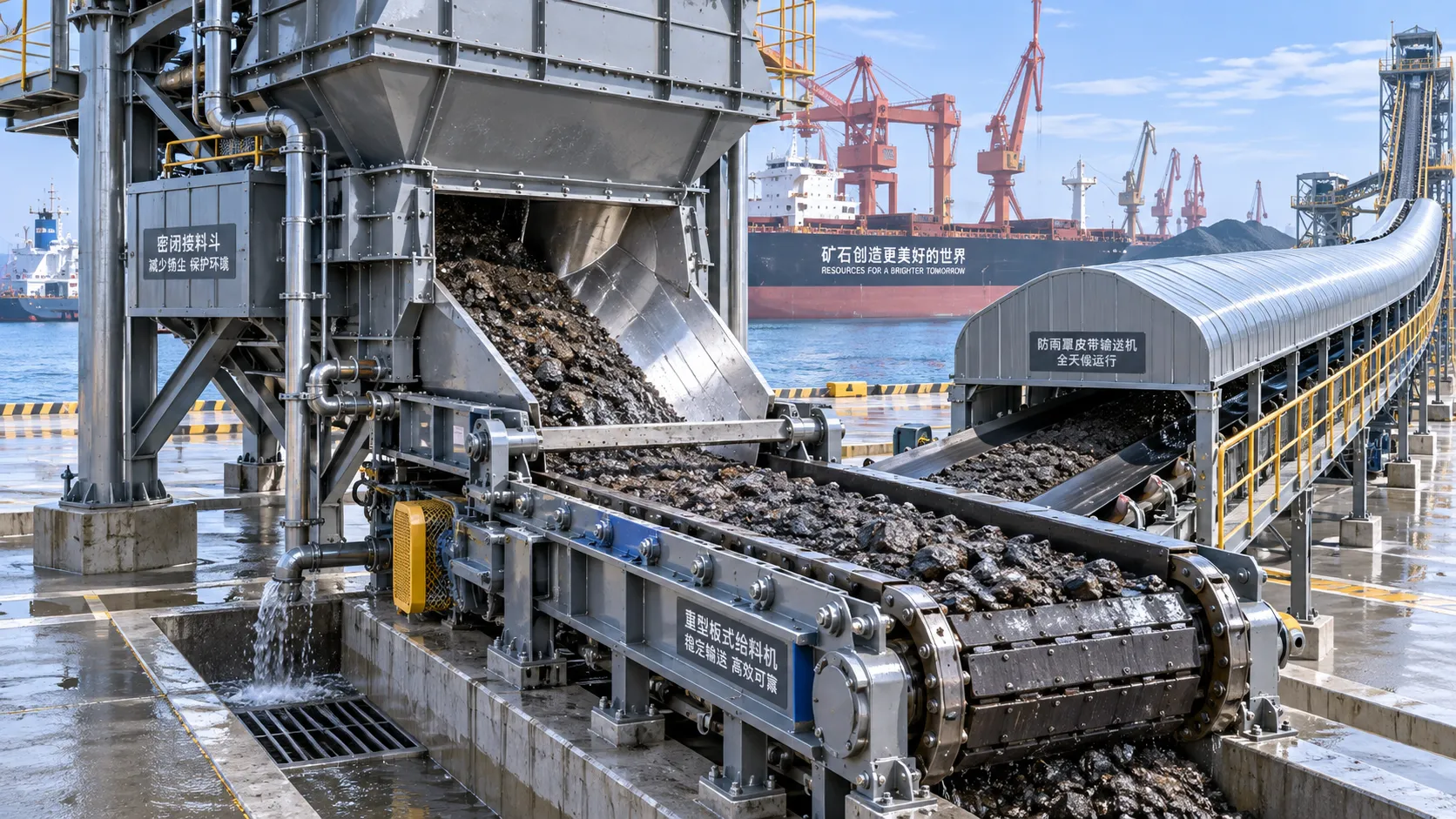
Which Bulk Handling Equipment Suits High-Moisture Cargo?
Which bulk handling equipment suits high-moisture cargo? Compare belt, apron, screw, drag, and slurry systems for reliable flow, less carryback, and higher terminal uptime.
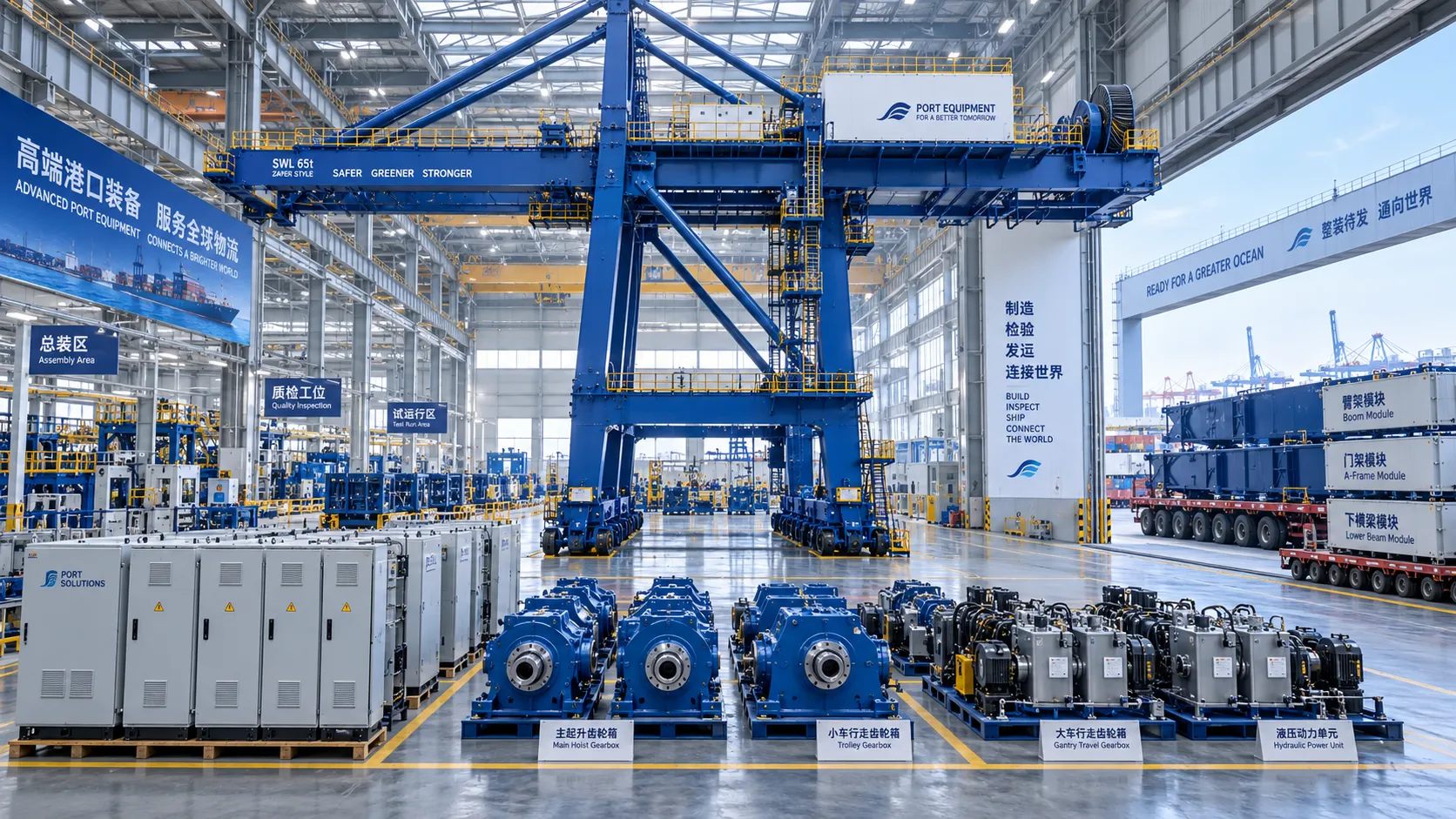
How Can Port Equipment Lead-Time Risk Be Managed?
How can port equipment lead-time risk be managed? Explore practical strategies to control critical paths, suppliers, transport, site readiness, and commissioning delays.
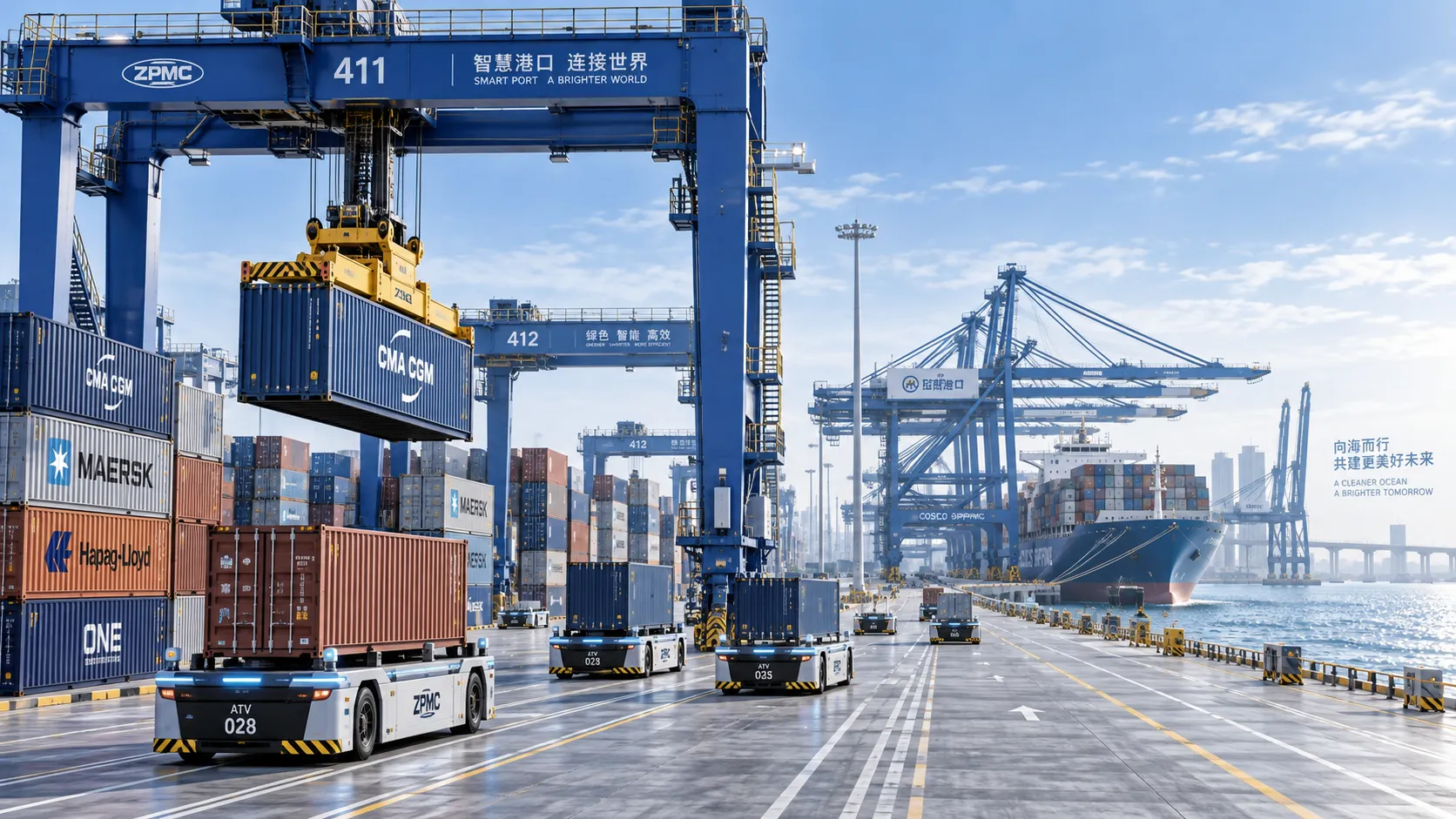
Terminal Automation Technologies That Raise Container Throughput Without Yard Disruption
Terminal automation technology that increases container throughput without disrupting yard flow. Explore smarter integration, resilient workflows, and phased deployment strategies.
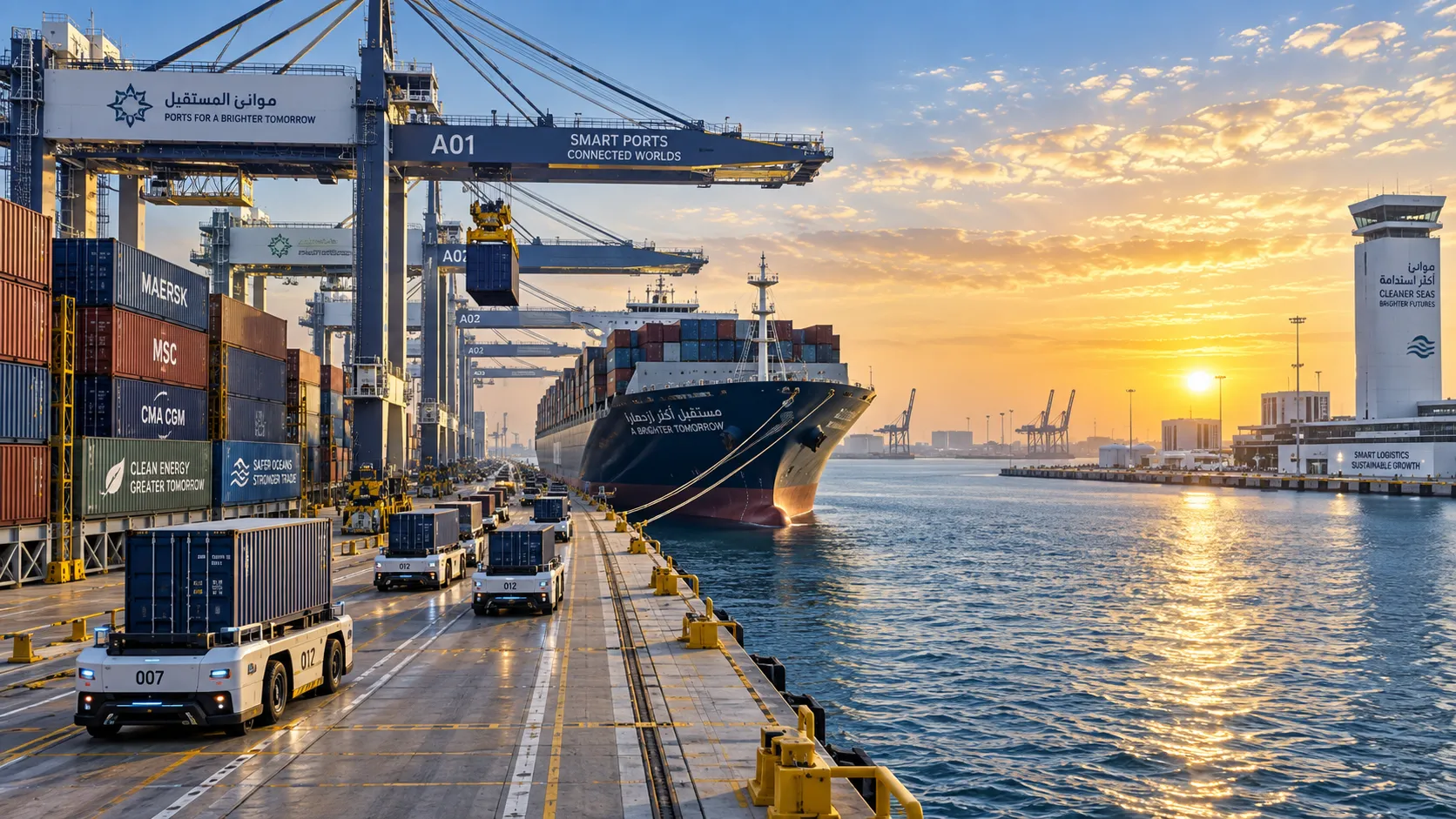
Middle East Port Automation: Key Market Drivers, Projects, and Investment Risks
Port automation systems Middle East: explore market drivers, flagship projects, integration challenges, and investment risks shaping smarter, resilient terminals.
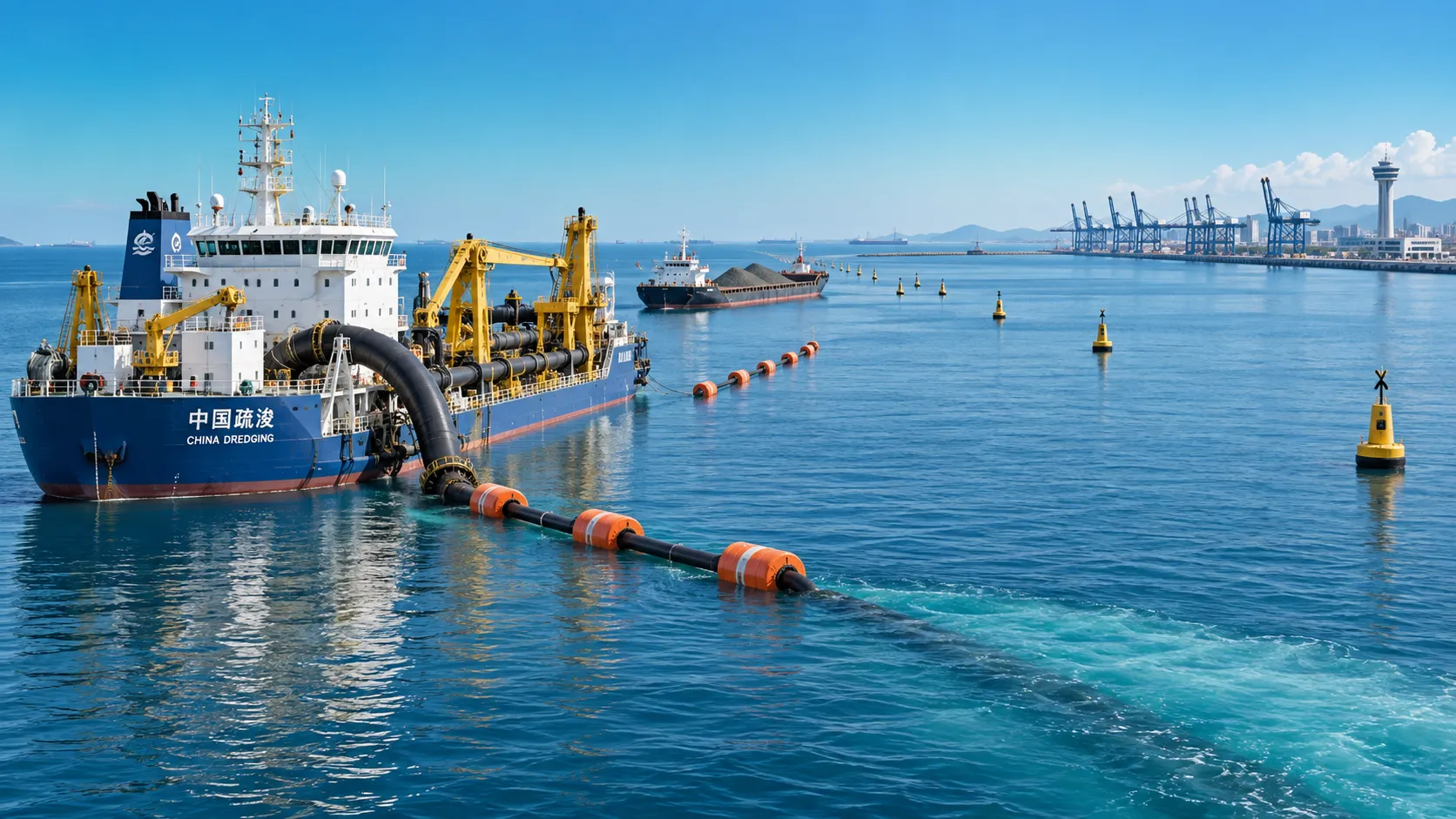
Planning Offshore Dredging Operations: Key Risks, Methods, and Project Controls
Offshore dredging operations demand smart planning. Explore key risks, proven methods, environmental controls, and project strategies for reliable delivery.