Related News
- 00
0000-00
How to Specify a Quay Crane for Container Terminals by Vessel Size and Throughput? - 00
0000-00
Which Bulk Handling Equipment Suits High-Moisture Cargo? - 00
0000-00
Terminal Automation Technologies That Raise Container Throughput Without Yard Disruption - 00
0000-00
Planning Offshore Dredging Operations: Key Risks, Methods, and Project Controls - 00
0000-00
Where Do Automated Guided Vehicles Deliver the Fastest Warehouse Gains in the Middle East?
Is full automation port equipment worth the upfront cost?
For finance decision-makers, the debate around full automation port equipment has moved beyond novelty. The core issue is whether high capital spending can translate into durable, measurable returns. In an era shaped by supply chain volatility, labor pressure, emissions targets, and vessel size growth, ports are being pushed to modernize faster than before. The right answer depends less on technology hype and more on throughput economics, operating stability, asset utilization, and the long-term structure of port demand.
Why full automation port equipment is gaining strategic attention now
The market context has changed significantly. Larger ships arrive in tighter windows. Yard density is rising. Service reliability matters more than simple crane count. Under these conditions, full automation port equipment is increasingly viewed as infrastructure, not experimentation.
At advanced terminals, automation is no longer limited to a single machine type. It now links quay cranes, automated stacking cranes, AGVs, traffic control, energy systems, and scheduling software into one coordinated operating model.
This shift matters because the business case is changing. Returns no longer come only from labor substitution. They also come from reduced variability, better land use, lower idle time, safer operations, and stronger berth productivity.
The strongest trend signals behind investment in full automation port equipment
Several signals explain why interest in full automation port equipment keeps rising across global port development and terminal upgrading plans.
These signals do not guarantee success. They do show why the discussion around full automation port equipment has become more strategic than optional.
What actually creates value beyond labor savings
The most common mistake is reducing the business case to payroll reduction. That approach often understates the total value of full automation port equipment and can distort investment evaluation.
1. Throughput stability
Automated systems can maintain more consistent cycle times. This improves berth planning, truck turnaround, yard flow, and vessel service reliability.
2. Better asset utilization
Integrated control platforms help cranes, vehicles, and yard blocks work as one system. That reduces unproductive moves and increases useful machine hours.
3. Higher yard density
Automated stacking often supports tighter, more disciplined layouts. For constrained terminals, this can delay expensive land acquisition or civil expansion.
4. Safety and risk reduction
Fewer people in active equipment zones can reduce collision risk and injury exposure. Lower incident rates also support insurance and compliance outcomes.
5. Energy and maintenance efficiency
Digitally managed fleets offer better monitoring of battery use, peak load, and component wear. Predictive maintenance can reduce downtime and parts waste.
Where the upfront cost of full automation port equipment becomes difficult
The high initial cost is real. Full automation port equipment often requires more than machines. It usually includes civil works, grid upgrades, software integration, network architecture, cybersecurity, simulation, and training.
Implementation risk is another major factor. If process design is weak, automation can lock in inefficiency at scale. A terminal may spend heavily yet fail to achieve expected moves per hour.
- Demand uncertainty can delay payback if throughput remains below modeled assumptions.
- Legacy systems may increase integration cost and project complexity.
- Operational transition can temporarily reduce performance during ramp-up.
- Vendor dependency may grow if architecture lacks interoperability.
- Cybersecurity exposure expands as more assets become connected and remotely controlled.
This is why some ports overpay for automation while others capture strong returns. The difference usually lies in system design, traffic profile, and execution discipline.
How to judge whether full automation port equipment is worth it
A practical evaluation should compare baseline performance with future-state economics. It should test multiple scenarios, not one optimistic model.
If most answers are weak, the project may be premature. If most are strong, full automation port equipment can become a long-term competitive asset.
Which operations benefit most from full automation port equipment
Not every terminal gains equally. The return profile depends on cargo mix, call pattern, layout, and existing maturity.
High-volume container terminals with repetitive workflows usually capture the clearest value. They benefit from synchronized horizontal transport, automated stacking, and centralized control logic.
Terminals facing labor instability or tight urban land constraints may also justify full automation port equipment sooner. The avoided cost of disruption or expansion can be substantial.
By contrast, smaller or highly variable operations may see slower payback. In these cases, partial automation or modular upgrades may outperform a full transformation.
What businesses should watch before committing capital
- Model total lifecycle cost, not only purchase price.
- Test realistic ramp-up periods and productivity curves.
- Require interoperability across control systems and equipment brands.
- Evaluate cybersecurity, remote operations resilience, and data ownership.
- Include maintenance strategy, spare parts access, and software support terms.
- Check whether layout redesign is needed to unlock automation benefits.
- Compare full automation against phased automation scenarios.
These factors often determine whether full automation port equipment delivers a finance-grade return or becomes a long payback burden.
A practical path forward: phase, verify, then scale
The most effective response is usually not an all-or-nothing decision. A phased roadmap can reduce risk while preserving strategic direction.
- Benchmark current berth, yard, truck, and energy performance.
- Run simulation models for demand, weather, and peak-call scenarios.
- Prioritize bottlenecks with the highest financial impact.
- Pilot interoperable automation modules before full rollout.
- Track KPIs including moves per hour, dwell time, incidents, and energy use.
- Expand only after verified operational and financial improvement.
So, is full automation port equipment worth the upfront cost? In the right terminal, yes. But value appears when automation matches volume profile, layout logic, energy strategy, and execution capability. The smartest next step is not to chase automation for its own sake. It is to build a data-backed investment case, validate assumptions early, and scale only where measurable performance gains are clear.
For organizations tracking port modernization, PS-Nexus highlights one consistent pattern: the winners are not those who automate fastest, but those who connect heavy equipment, digital control, and trade intelligence into one financially coherent operating model.
Related News
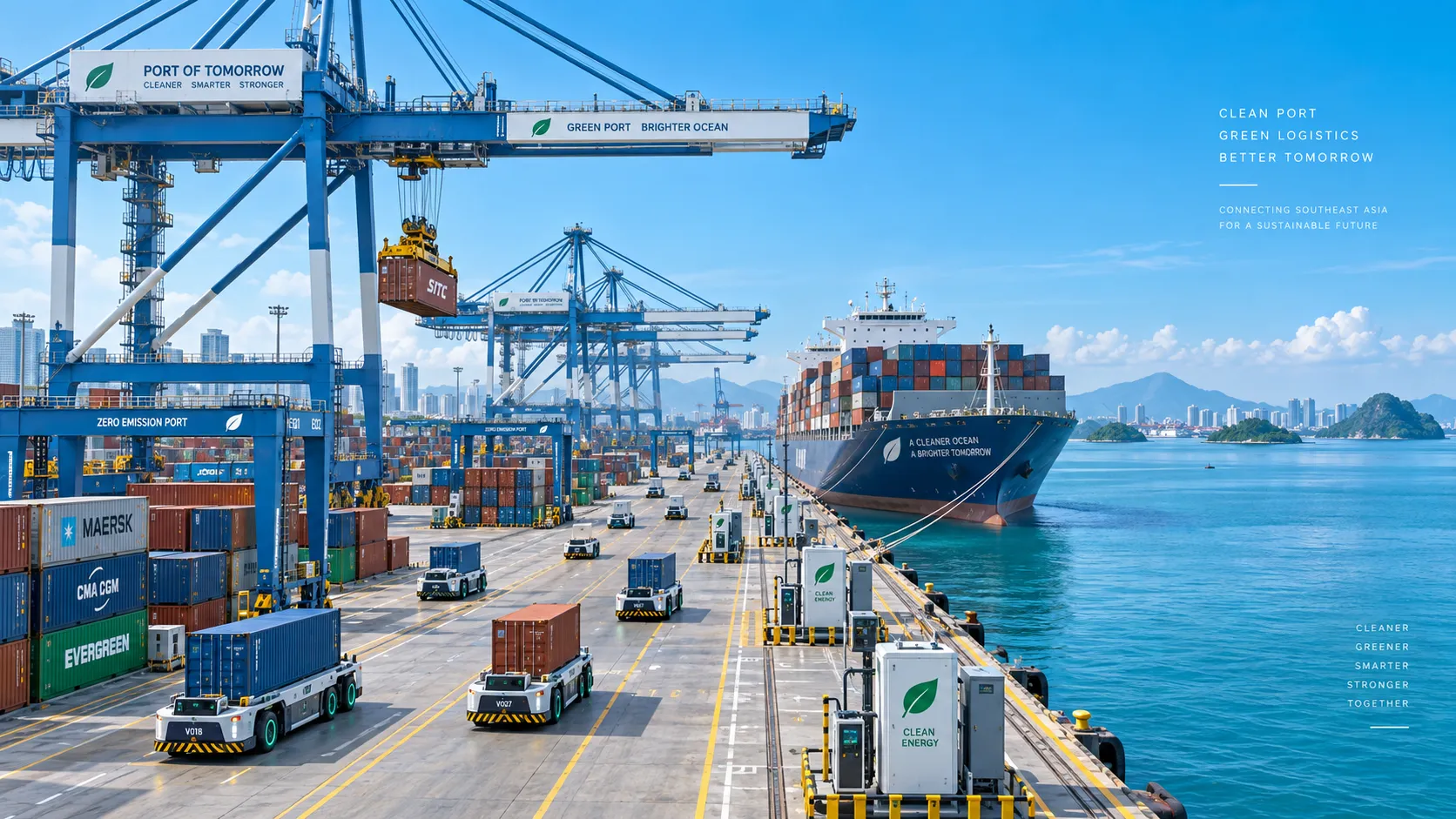
Smart Port Systems in Southeast Asia: Investment Priorities and Adoption Barriers
Smart port systems Southeast Asia: discover investment priorities, adoption barriers, and practical steps to build resilient, connected, high-performing terminals.
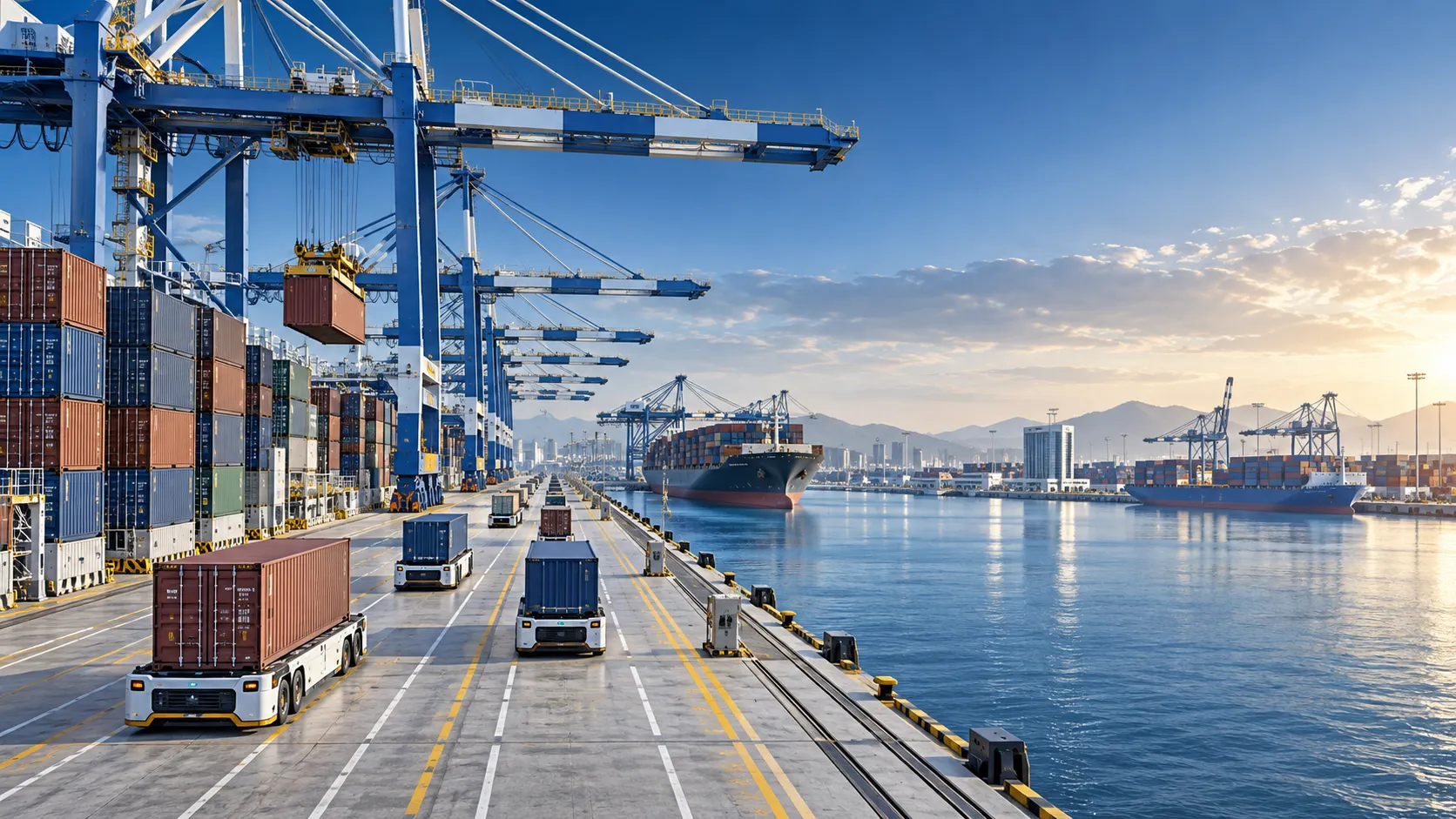
How to Evaluate Terminal Efficiency Solution Suppliers for High-Throughput Operations
Choose a terminal efficiency solutions supplier with confidence. Explore proven criteria for throughput, integration, lifecycle cost, safety, and reliable delivery.
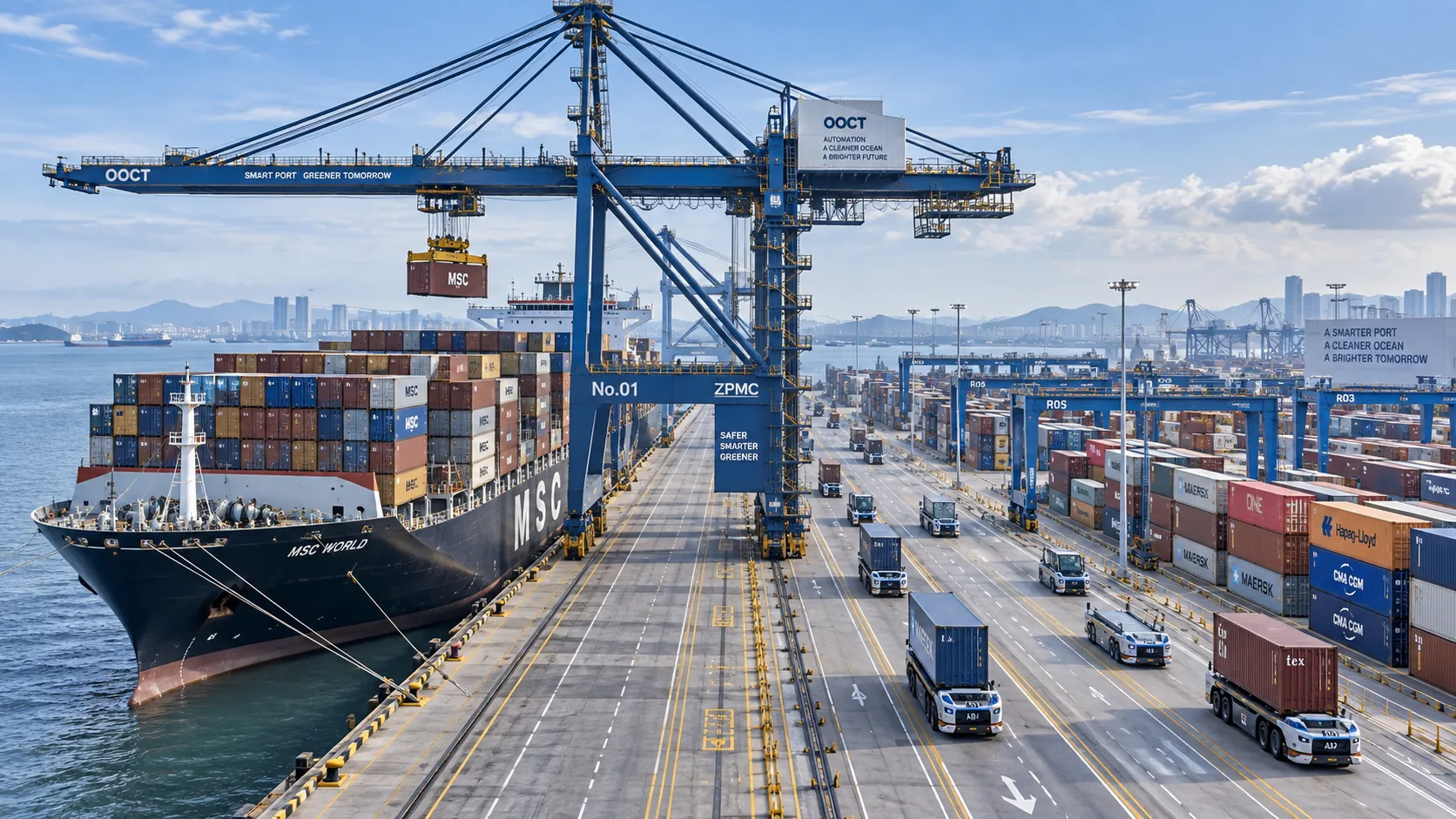
How to Specify a Quay Crane for Container Terminals by Vessel Size and Throughput?
Quay crane for container terminals: learn how to match outreach, lift height, capacity, automation, and cycle performance to vessel size and throughput goals.
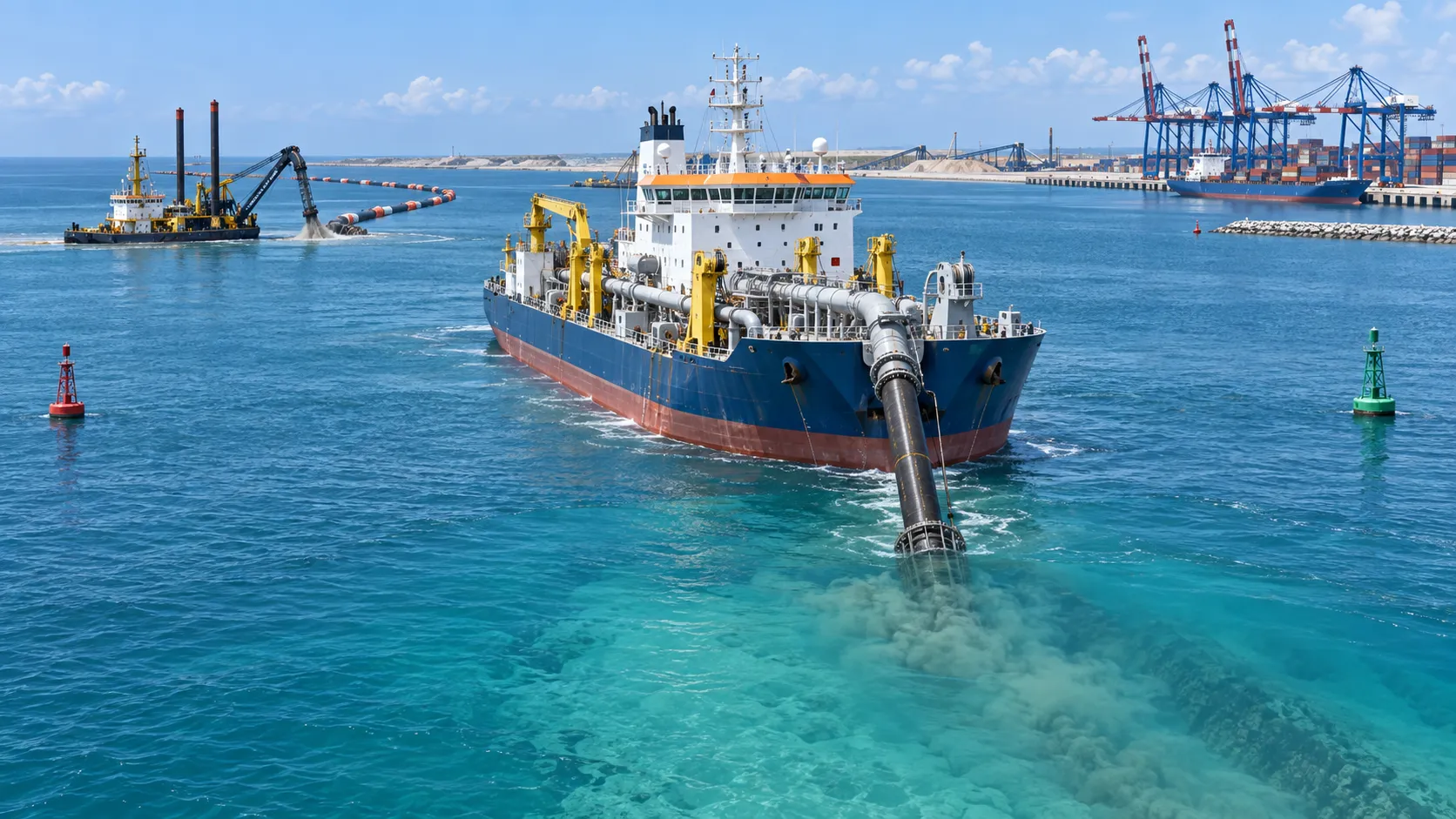
What Dredging Equipment Is Needed for Channel Deepening?
What dredging equipment is needed for channel deepening? Explore dredgers, pipelines, survey tools, and planning strategies for safer, more efficient port access.
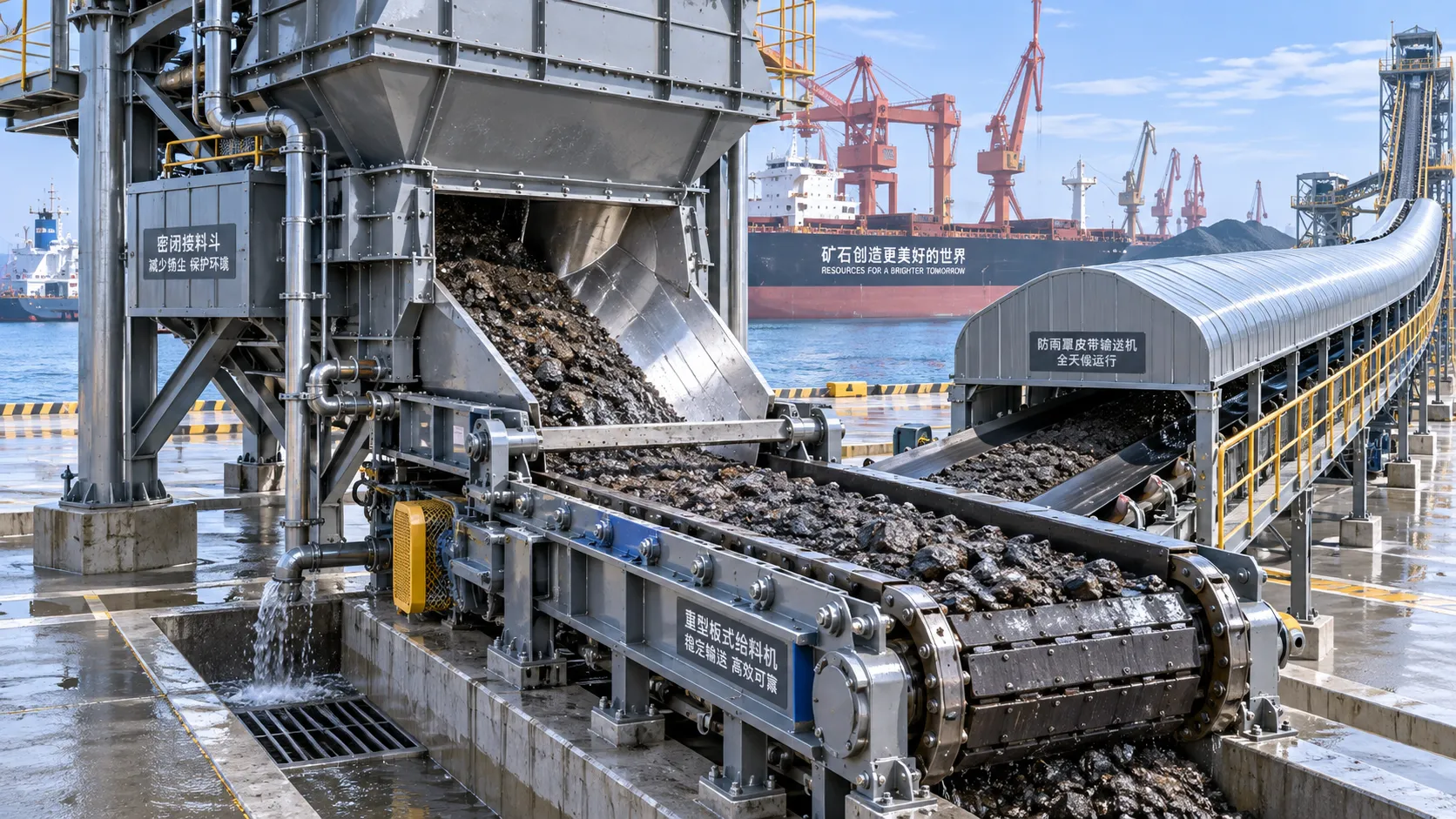
Which Bulk Handling Equipment Suits High-Moisture Cargo?
Which bulk handling equipment suits high-moisture cargo? Compare belt, apron, screw, drag, and slurry systems for reliable flow, less carryback, and higher terminal uptime.
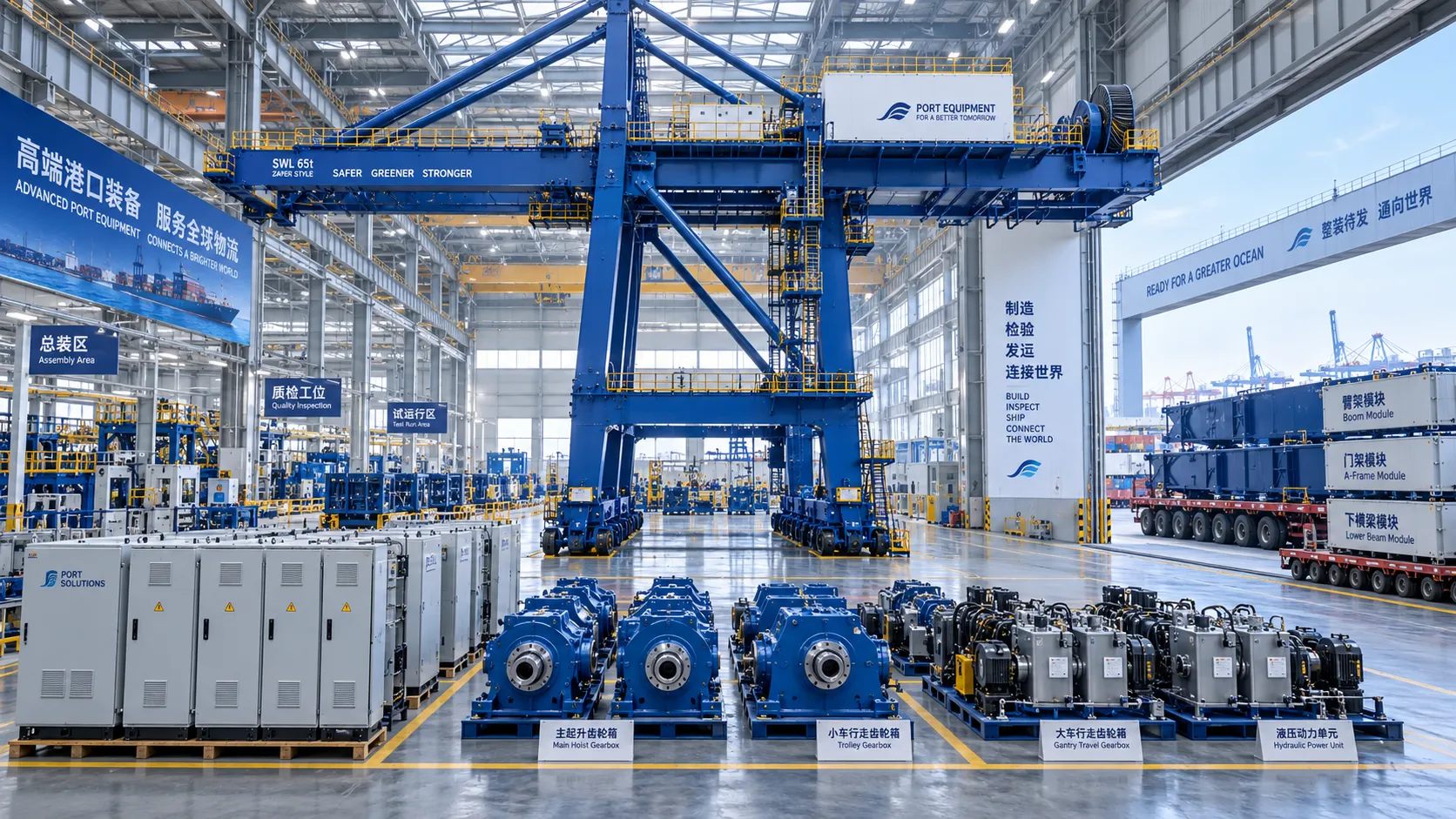
How Can Port Equipment Lead-Time Risk Be Managed?
How can port equipment lead-time risk be managed? Explore practical strategies to control critical paths, suppliers, transport, site readiness, and commissioning delays.
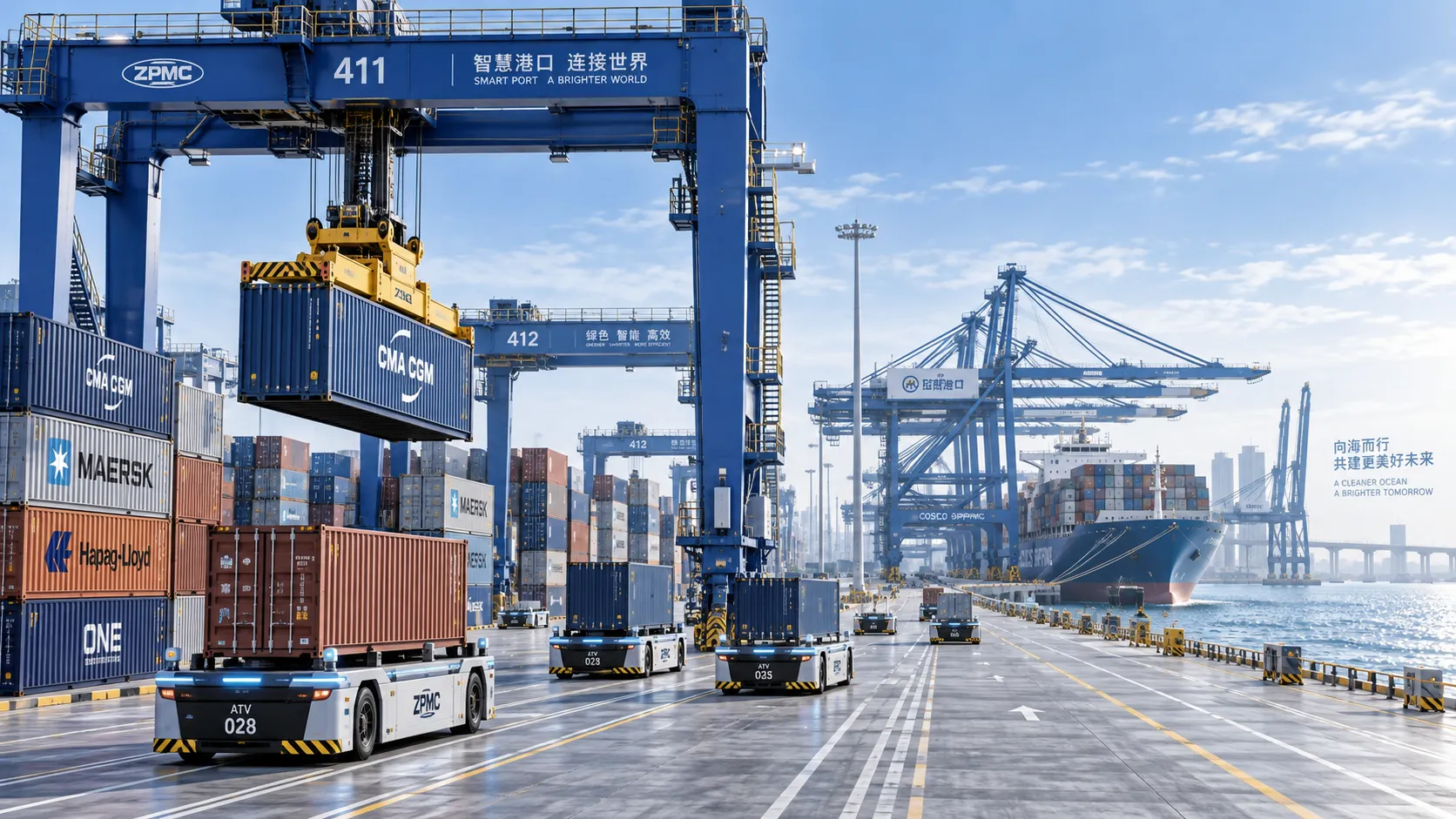
Terminal Automation Technologies That Raise Container Throughput Without Yard Disruption
Terminal automation technology that increases container throughput without disrupting yard flow. Explore smarter integration, resilient workflows, and phased deployment strategies.
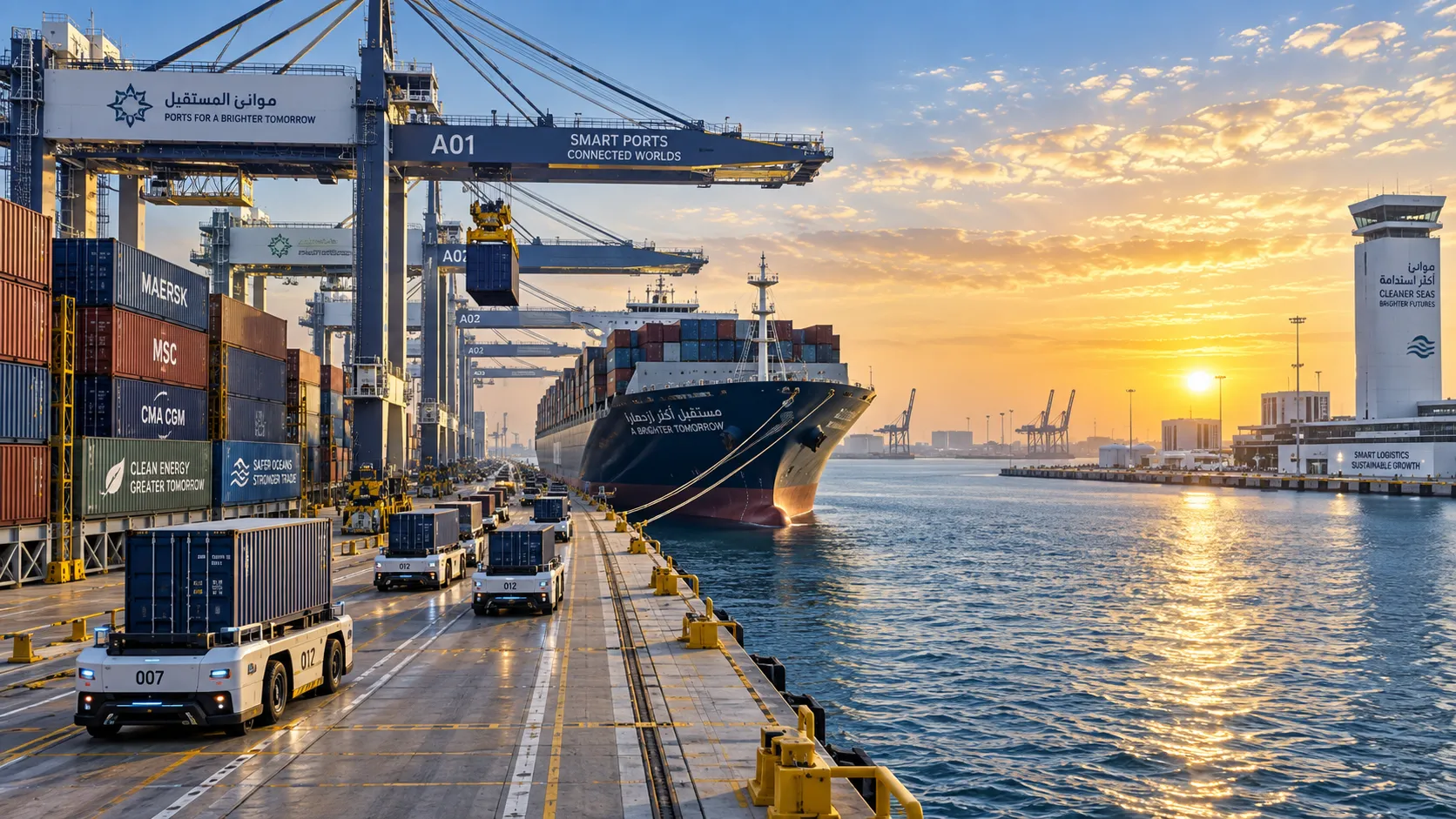
Middle East Port Automation: Key Market Drivers, Projects, and Investment Risks
Port automation systems Middle East: explore market drivers, flagship projects, integration challenges, and investment risks shaping smarter, resilient terminals.
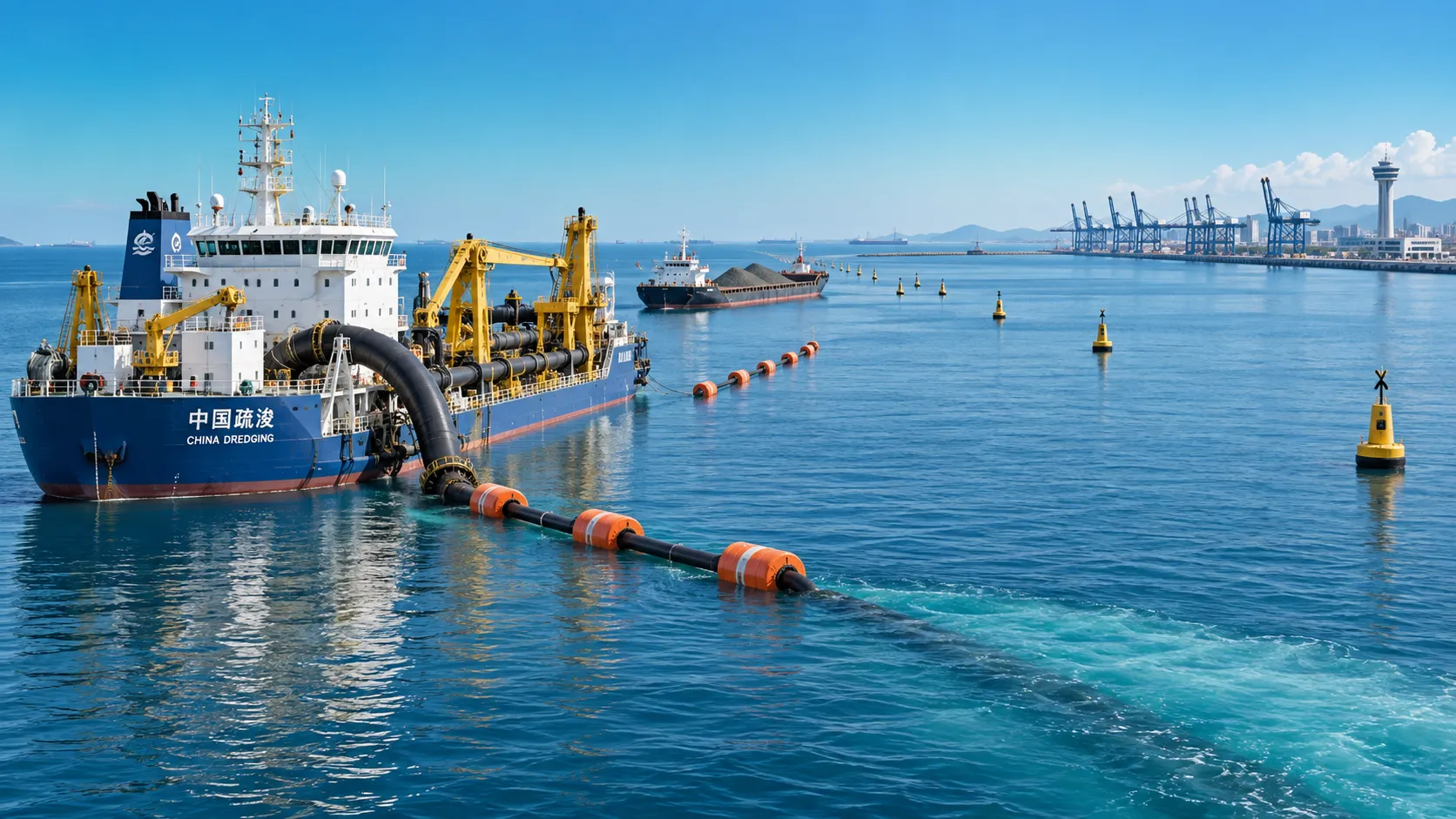
Planning Offshore Dredging Operations: Key Risks, Methods, and Project Controls
Offshore dredging operations demand smart planning. Explore key risks, proven methods, environmental controls, and project strategies for reliable delivery.