Related News
- 00
0000-00
How Can Port Equipment Lead-Time Risk Be Managed? - 00
0000-00
Maritime Logistics Operations: How Ports Can Reduce Container Dwell Time - 00
0000-00
What Does Logistics Node Monitoring Cost Across Warehouses and Transport Hubs? - 00
0000-00
How Can IoT Smart Port Solutions Improve Container Tracking and Yard Efficiency? - 00
0000-00
How Real-Time Port Logistics Intelligence Improves Container Yard Efficiency
Why port machinery downtime often costs more than expected
Why port machinery downtime now creates wider losses than most estimates show
Unexpected port machinery downtime rarely stops at a repair invoice. In modern terminals, one failed crane, reach stacker, conveyor, or dredging unit can disturb an entire logistics chain.
The direct repair cost is usually visible. The larger losses often stay hidden inside berth delays, yard imbalance, labor rescheduling, fuel waste, and service disruption.
That is why port machinery reliability has become a strategic issue, not only a maintenance issue. As port systems become more automated, every interruption carries more operational consequences.
For intelligence platforms such as PS-Nexus, the key question is simple. Why does port machinery downtime so often cost more than expected, and what signals should operations teams monitor earlier?
Current signals show downtime is becoming more expensive across port machinery networks
Several industry changes are amplifying the real cost of port machinery downtime. Larger vessels, tighter berth windows, higher automation density, and leaner inventories leave less room for disruption.
A decade ago, many terminals could absorb short outages with manual workarounds. Today, integrated control systems connect cranes, AGVs, yard blocks, gate flows, and maintenance software.
When one critical asset fails, the impact can spread fast. Equipment no longer works as isolated hardware. It functions inside a synchronized operating environment.
This shift changes the economic logic of downtime. The cost of lost time may exceed the cost of replacing failed components.
Why the old way of estimating downtime misses the real exposure
Traditional estimates often count labor hours, spare parts, and contractor fees. They may ignore cascading losses created by delayed vessel operations and lower equipment utilization.
That gap matters because port machinery supports time-sensitive trade flows. Every hour lost can create a chain of secondary costs across marine, yard, and landside activities.
The hidden cost drivers behind port machinery downtime are multiplying
The table below shows why port machinery failures often create losses far beyond the workshop budget.
Five forces are making port machinery outages more damaging
- Bigger ships concentrate more cargo moves into shorter operating windows.
- Automated systems reduce slack and increase interdependence among assets.
- Parts lead times remain volatile for specialized port machinery components.
- Energy and labor costs make recovery actions more expensive.
- Data-rich operations expose performance gaps faster, increasing pressure to restore uptime.
Different business links feel port machinery downtime in different ways
The impact of port machinery downtime is not uniform. It changes by equipment type, operational role, and the level of system integration around the failed asset.
At the berth
Quay crane failure can immediately reduce ship productivity. That extends berth occupancy and compresses the next vessel schedule, especially during peak arrival clusters.
For bulk handling machinery, a conveyor or ship loader failure may halt transfer rates, affecting stockpile balance and vessel demurrage exposure.
Inside the yard
A failed RTG, ASC, straddle carrier, or terminal tractor can create hidden rehandles. Yard plans become less efficient, and truck turn times often increase.
In automated container handling, software-linked port machinery failures can also affect dispatch logic, travel paths, and block availability.
Across support and engineering functions
After-sales teams face pressure to diagnose faults quickly, source uncommon parts, and coordinate access without extending downtime for neighboring assets.
Dredging engineering equipment adds another layer. If a dredger or pump system fails, channel maintenance delays may reduce draft availability and limit vessel movements.
What the trend means for maintenance planning and asset strategy
The rising cost of port machinery downtime changes how maintenance should be planned. Repair speed still matters, but response strategy now matters just as much.
Organizations can no longer rely only on reactive maintenance. The economics favor earlier detection, criticality mapping, and stronger linkage between engineering and operations data.
Priority areas worth close attention
- Identify which port machinery creates the highest throughput dependency.
- Measure downtime cost by operational impact, not only by repair expense.
- Track fault patterns across electrical, hydraulic, structural, and control layers.
- Build spare-parts strategy around failure criticality and replenishment time.
- Use condition monitoring to catch weak signals before functional failure.
- Improve restart procedures to reduce hidden recovery hours.
A practical framework for judging future port machinery downtime risk
A useful next step is to evaluate port machinery through both technical risk and operational consequence. This gives a more realistic picture of business exposure.
How intelligence-led operations can reduce surprises
This is where sector intelligence becomes valuable. Monitoring vessel patterns, equipment trends, component lead times, and automation upgrades helps explain where port machinery risk is rising.
PS-Nexus focuses on those connected signals. The most useful insights often come from linking mechanical performance with scheduling logic and trade flow changes.
The most effective response is to treat port machinery uptime as a trade performance issue
The central lesson is clear. Port machinery downtime is expensive because it interrupts synchronized value creation, not because parts are costly.
A stronger response starts with better visibility. Measure the full consequence of each failure, including vessel delay, yard disruption, lost moves, and recovery time.
Then align maintenance priorities with operational bottlenecks. The goal is not only to fix port machinery faster, but to prevent the most damaging failures from spreading.
For ports, service networks, and engineering teams, the next move is practical. Review high-impact assets, update downtime valuation, and use intelligence-led planning to protect uptime where it matters most.
In a market shaped by smart ports, automation, and tighter shipping schedules, resilient port machinery is no longer optional. It is a core condition for reliable global trade performance.
Related News
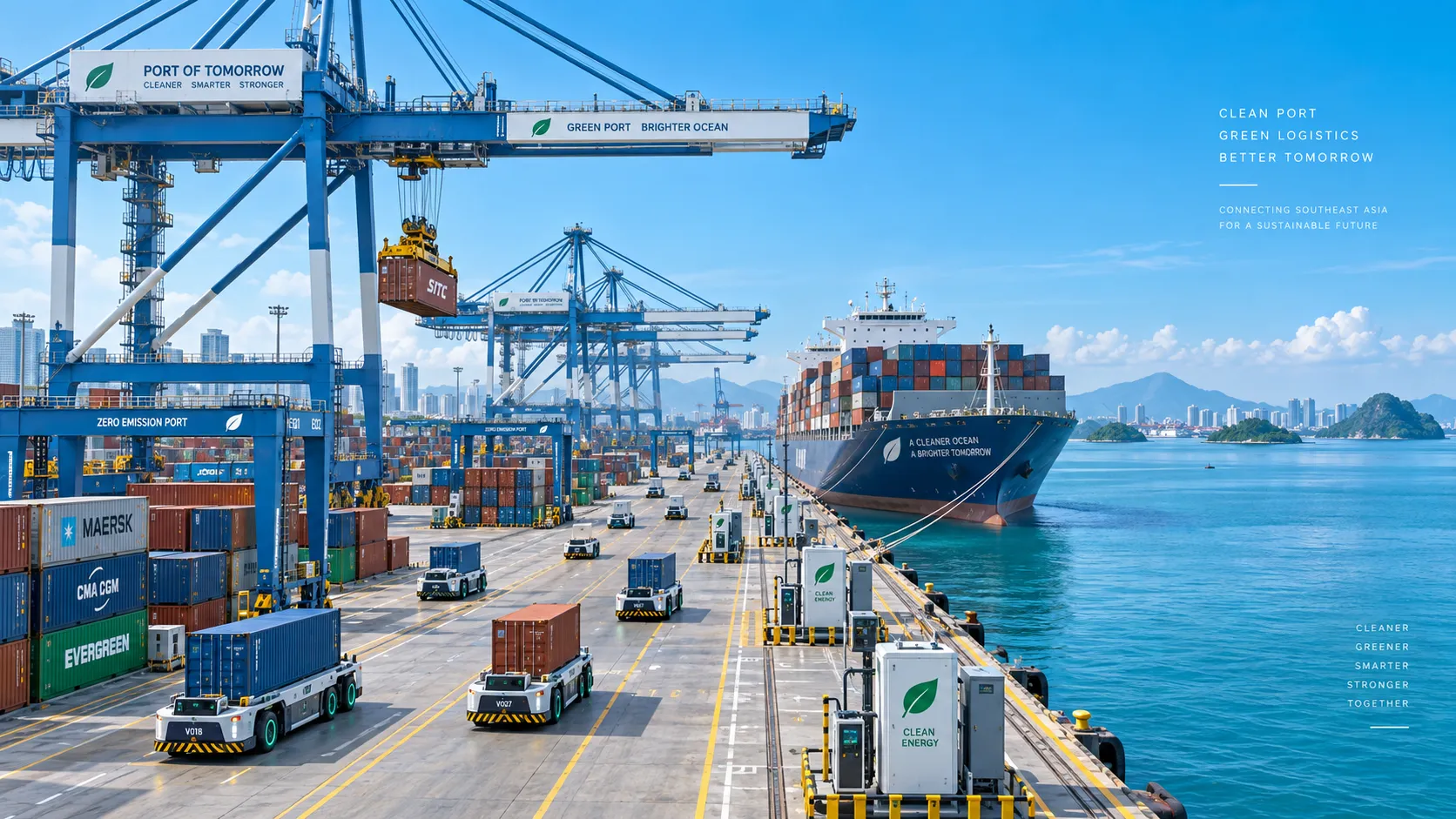
Smart Port Systems in Southeast Asia: Investment Priorities and Adoption Barriers
Smart port systems Southeast Asia: discover investment priorities, adoption barriers, and practical steps to build resilient, connected, high-performing terminals.
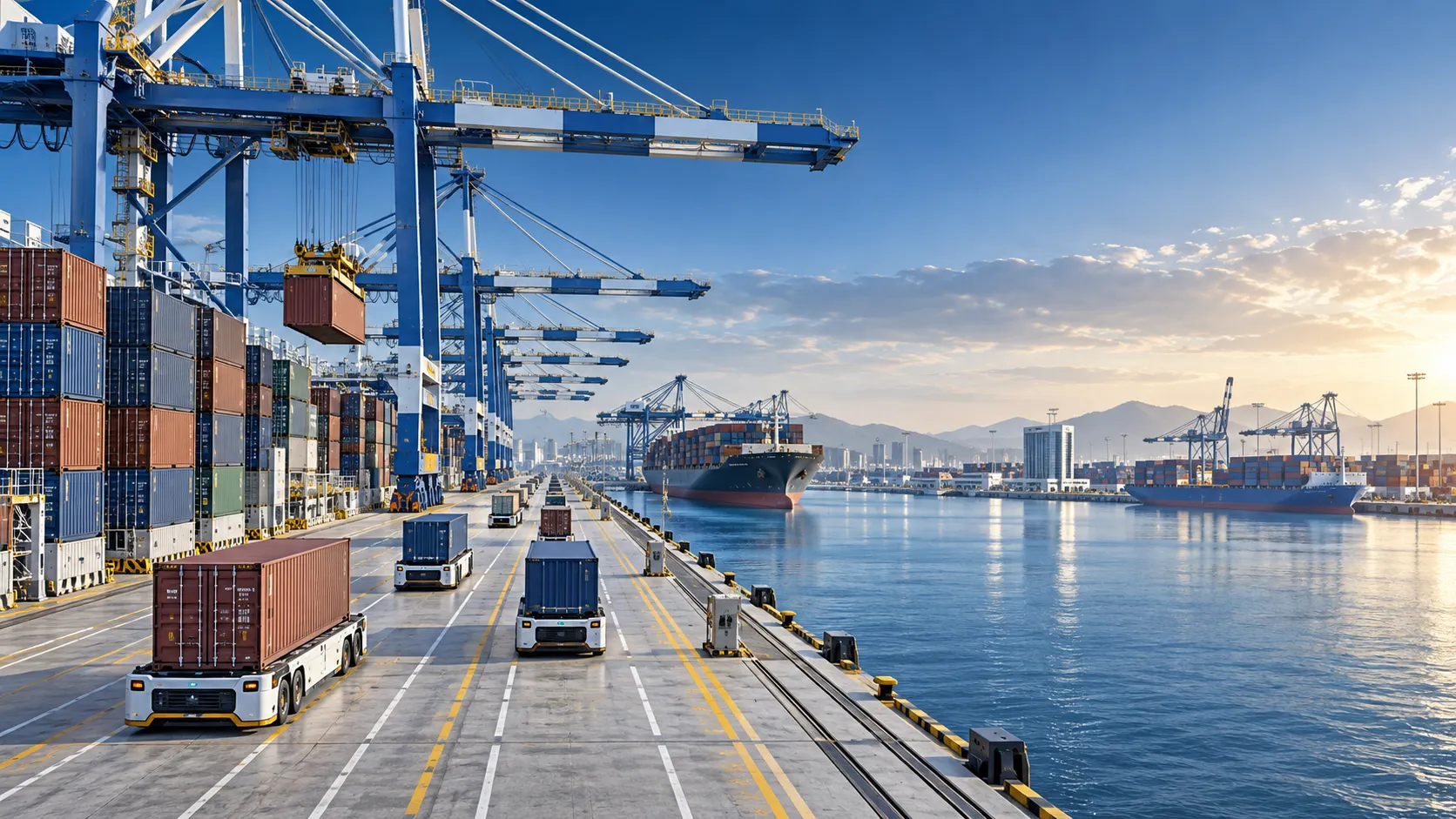
How to Evaluate Terminal Efficiency Solution Suppliers for High-Throughput Operations
Choose a terminal efficiency solutions supplier with confidence. Explore proven criteria for throughput, integration, lifecycle cost, safety, and reliable delivery.
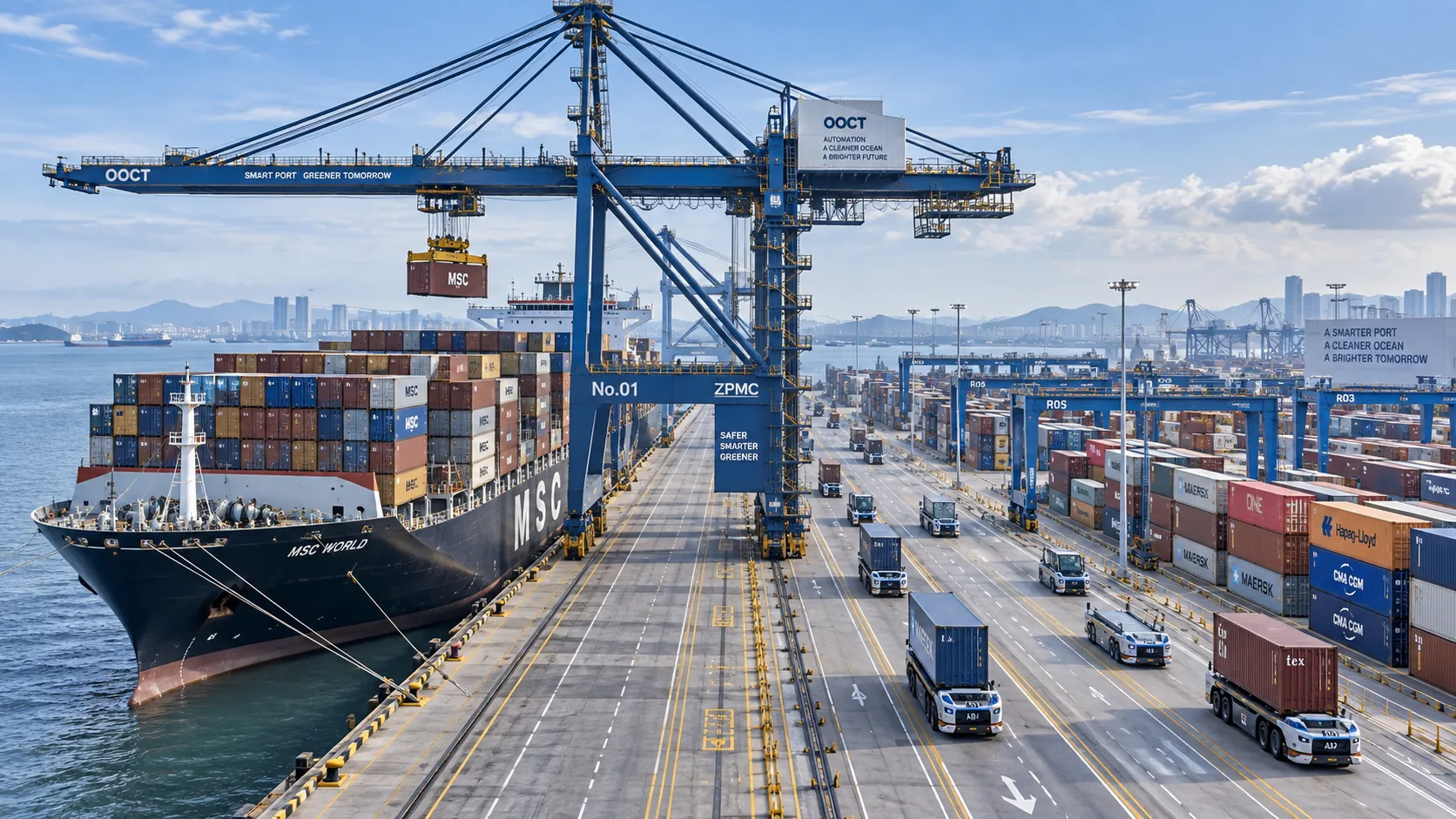
How to Specify a Quay Crane for Container Terminals by Vessel Size and Throughput?
Quay crane for container terminals: learn how to match outreach, lift height, capacity, automation, and cycle performance to vessel size and throughput goals.
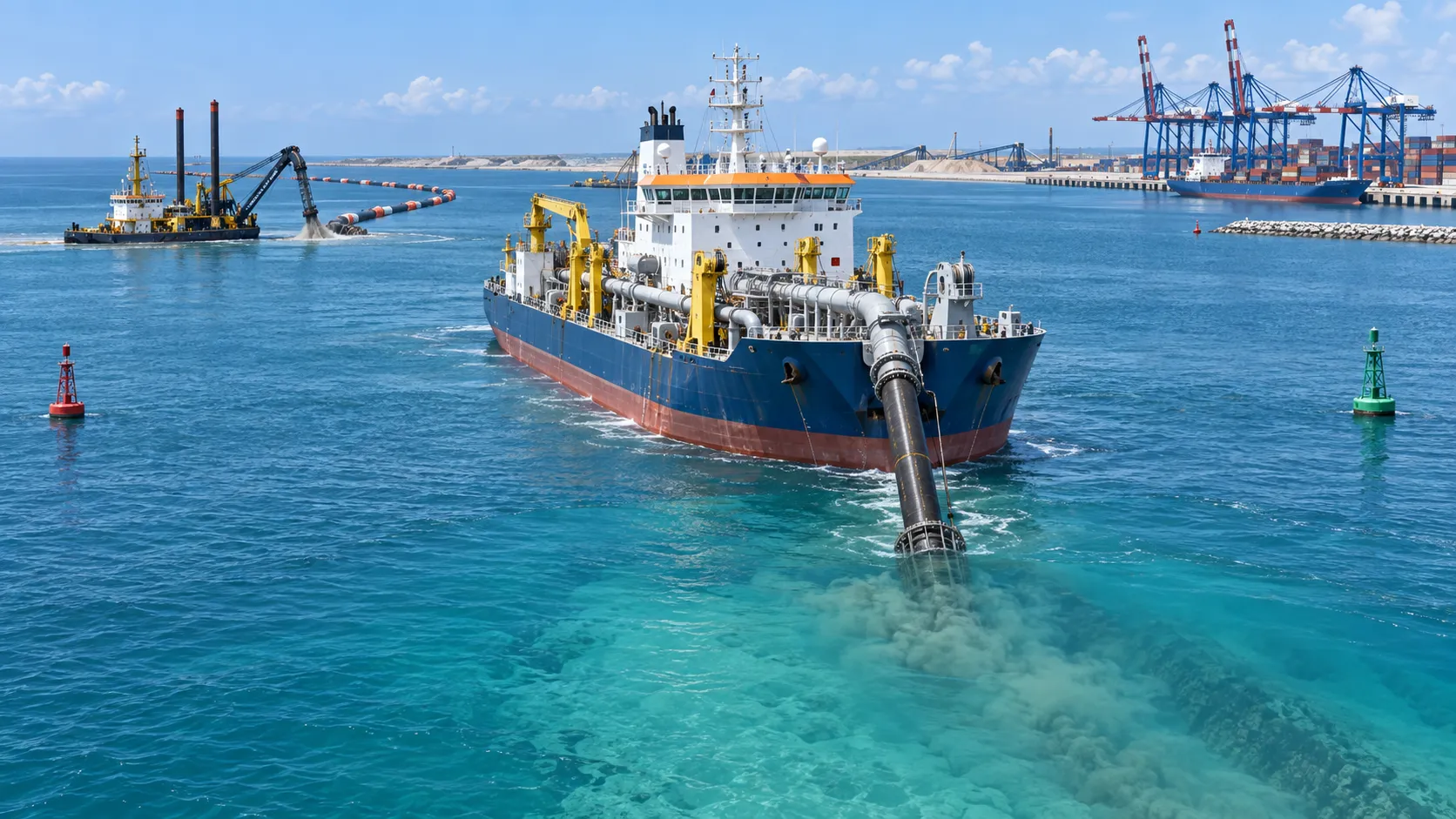
What Dredging Equipment Is Needed for Channel Deepening?
What dredging equipment is needed for channel deepening? Explore dredgers, pipelines, survey tools, and planning strategies for safer, more efficient port access.
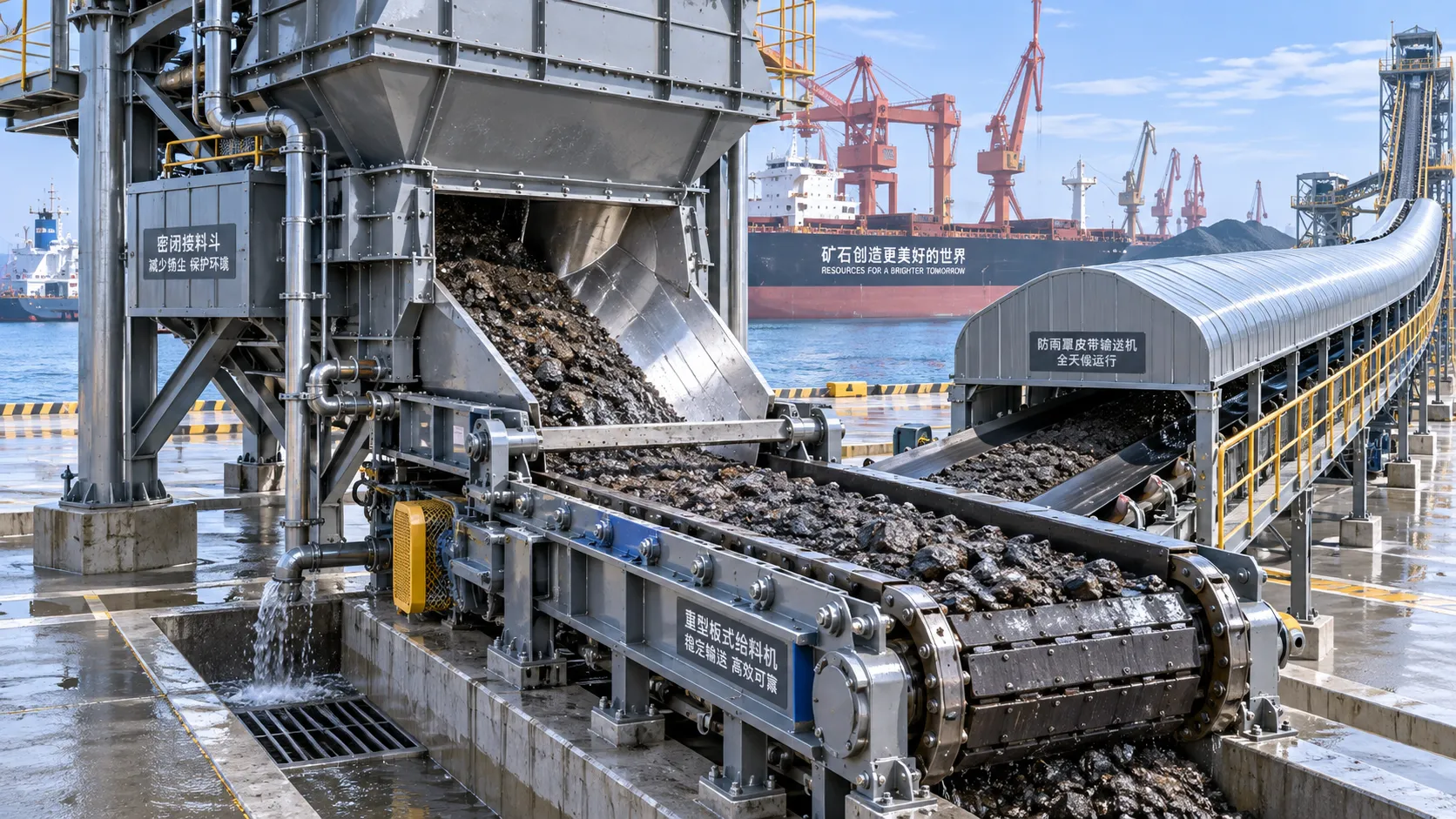
Which Bulk Handling Equipment Suits High-Moisture Cargo?
Which bulk handling equipment suits high-moisture cargo? Compare belt, apron, screw, drag, and slurry systems for reliable flow, less carryback, and higher terminal uptime.
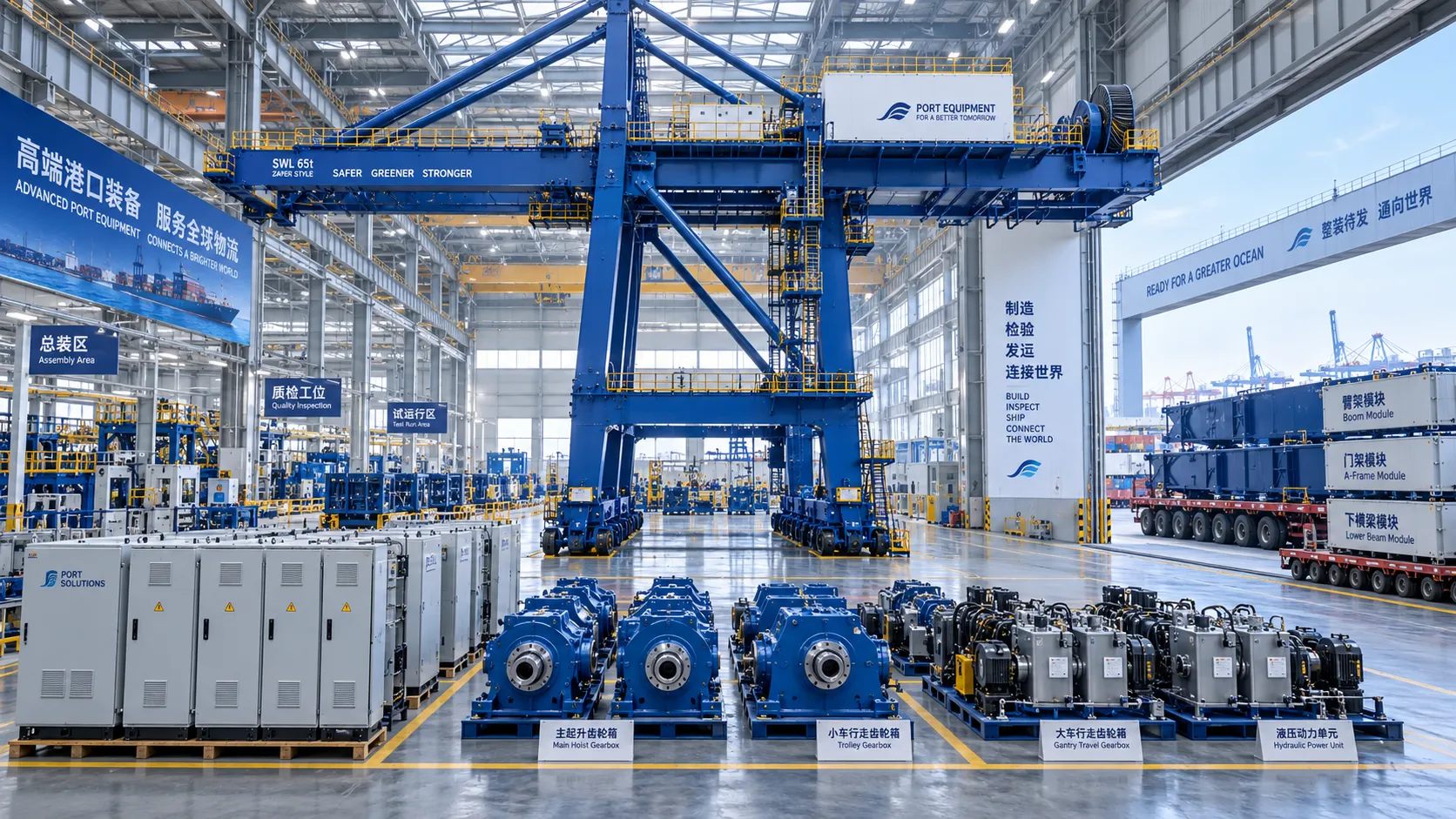
How Can Port Equipment Lead-Time Risk Be Managed?
How can port equipment lead-time risk be managed? Explore practical strategies to control critical paths, suppliers, transport, site readiness, and commissioning delays.
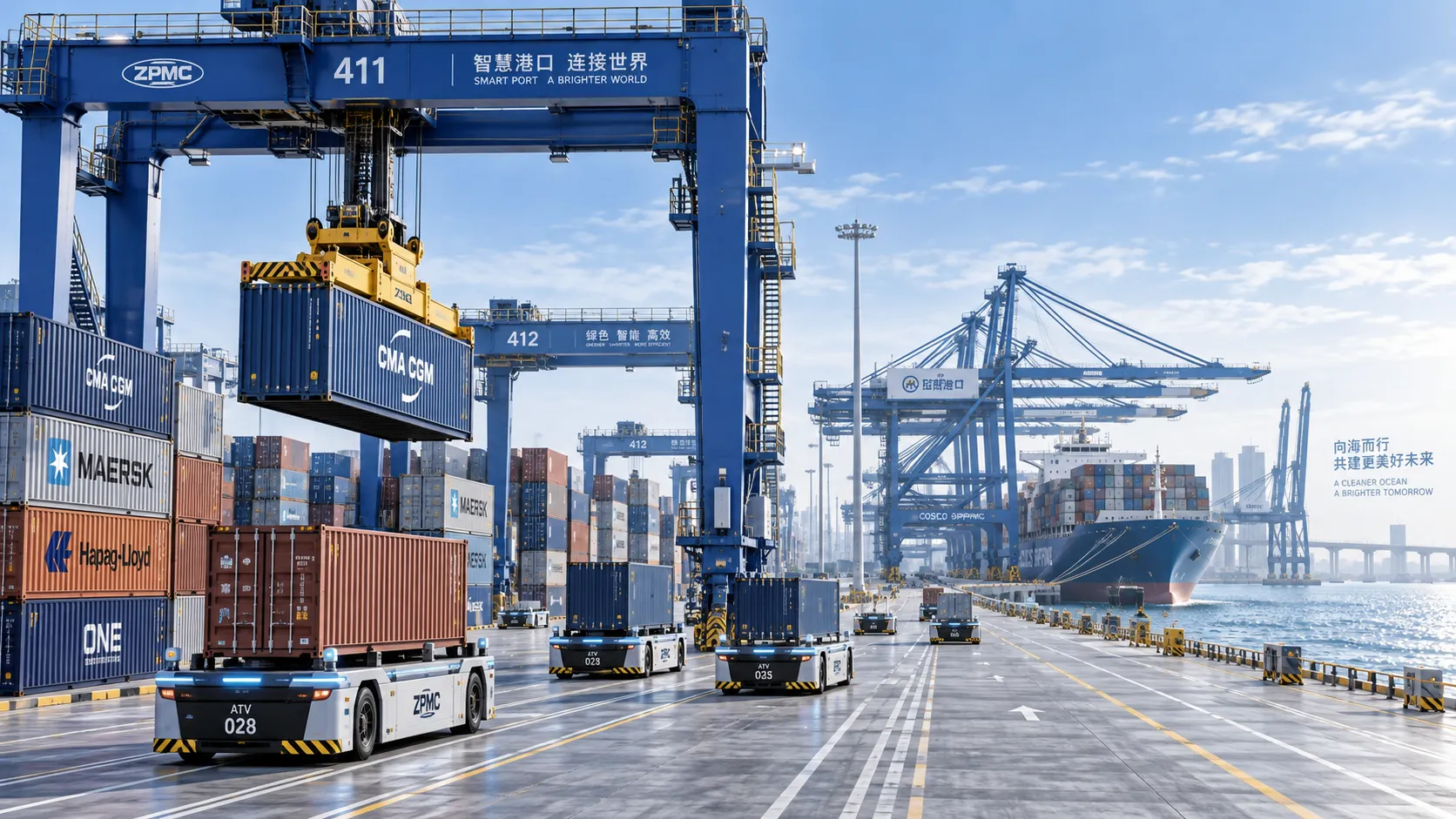
Terminal Automation Technologies That Raise Container Throughput Without Yard Disruption
Terminal automation technology that increases container throughput without disrupting yard flow. Explore smarter integration, resilient workflows, and phased deployment strategies.
Middle East Port Automation: Key Market Drivers, Projects, and Investment Risks
Port automation systems Middle East: explore market drivers, flagship projects, integration challenges, and investment risks shaping smarter, resilient terminals.
Planning Offshore Dredging Operations: Key Risks, Methods, and Project Controls
Offshore dredging operations demand smart planning. Explore key risks, proven methods, environmental controls, and project strategies for reliable delivery.