Related News
- 00
0000-00
How Can Port Equipment Lead-Time Risk Be Managed? - 00
0000-00
Maritime Logistics Operations: How Ports Can Reduce Container Dwell Time - 00
0000-00
What Does Logistics Node Monitoring Cost Across Warehouses and Transport Hubs? - 00
0000-00
How Can IoT Smart Port Solutions Improve Container Tracking and Yard Efficiency? - 00
0000-00
How Real-Time Port Logistics Intelligence Improves Container Yard Efficiency
What bulk cargo handling mistakes cause the most delays?
In bulk cargo handling, small mistakes rarely stay small. A missed handoff, poor cargo sequencing, or a delayed inspection can quickly slow berthing, unloading, storage, and inland dispatch.
Across modern terminals, the biggest delays no longer come from one single machine failure. They usually come from coordination gaps between equipment, planning systems, cargo information, and yard execution.
That is why understanding what bulk cargo handling mistakes cause the most delays matters now. Better decisions at each transfer point protect vessel turnaround, labor productivity, and schedule reliability.
Bulk cargo handling delays are becoming more visible across connected port chains
Bulk cargo handling used to be judged mainly by crane speed or conveyor capacity. Today, performance is measured across the full chain, from berth window to stockyard release.
This shift reflects broader maritime logistics pressure. Vessel schedules are tighter, inland transport slots are more constrained, and demurrage exposure is less tolerable than before.
As a result, operational mistakes that once seemed manageable now create visible network effects. A delay in sampling, trimming, weighing, or route allocation can block several downstream movements.
For heavy terminals, bulk cargo handling efficiency is now a systems issue. Throughput depends on synchronized machines, accurate data, safe access, and realistic scheduling under changing cargo conditions.
The most common bulk cargo handling mistakes that trigger major delays
The most damaging bulk cargo handling mistakes are often basic. They repeat across coal, ore, grain, clinker, fertilizer, and aggregates when planning and execution drift apart.
Poor berth and equipment coordination
A vessel may arrive on time, but unloaders, hoppers, mobile loaders, or conveyor lines may not be ready in the correct sequence. That mismatch creates idle hours immediately.
In bulk cargo handling, equipment readiness is not only about availability. It also includes positioning, maintenance clearance, power status, operator assignment, and transfer route compatibility.
Inaccurate cargo flow planning
Many delays begin when stockyard capacity, blending needs, and outbound timing are estimated poorly. Cargo moves in, but the next storage or transfer location is not truly ready.
This is a classic bulk cargo handling failure. Material accumulates at one node, while another node waits. Congestion then spreads from quay to yard and finally to truck or rail gates.
Weak communication between control room and field teams
Dispatch instructions may change faster than crews receive them. If radio protocols are unclear or digital updates lag, operators execute outdated movement plans.
In bulk cargo handling, even short communication gaps can stop a line. A blocked chute, wrong stacking location, or delayed safety clearance often starts with incomplete information.
Ignoring cargo characteristics
Moisture, particle size, density, dust behavior, and flowability all affect performance. When these variables are underestimated, hoppers bridge, conveyors overload, and reclaim rates fall sharply.
Different commodities demand different bulk cargo handling logic. Wet ore, fragile grain, dusty cementitious material, and mixed aggregates should never be treated with one generic plan.
Delayed maintenance and reactive repairs
When critical components are repaired only after failure, downtime expands beyond the machine itself. One damaged belt, grab, feeder, or dust system can stop several linked operations.
Reactive maintenance remains one of the most expensive bulk cargo handling mistakes because it disrupts schedules, labor allocation, and vessel planning at the same time.
Slow documentation, weighing, and compliance checks
Cargo can physically move faster than paperwork, quality verification, or customs-related release. When data does not match physical operations, trucks or rail wagons wait unnecessarily.
In bulk cargo handling, administrative friction is often underestimated. Yet release delays can erase all gains made by faster unloading equipment.
Why these mistakes are increasing under current operating conditions
Bulk terminals are operating in a more variable environment. Cargo parcels are changing, weather disruptions are stronger, and network schedules are less predictable than in stable trade cycles.
At the same time, operators are expected to deliver cleaner, safer, and more transparent bulk cargo handling performance. That raises the cost of every planning or execution error.
The operational impact goes beyond the quay
When bulk cargo handling slows down, the first visible effect is vessel delay. But the second-order impact is often greater, especially in interconnected port and industrial supply chains.
Stockyard overflow can force rehandling. Rail dispatch may lose allocated slots. Truck turnaround worsens. Industrial receivers may face feedstock shortages or production interruptions.
- Higher demurrage and berth occupancy pressure
- More rehandling and fuel consumption inside the terminal
- Reduced confidence in schedule promises
- Greater safety exposure during rushed recovery actions
- Lower asset utilization across conveyors, reclaimers, and mobile gear
This is why bulk cargo handling delay analysis should not stop at machine productivity. The real question is how one mistake affects the total movement chain.
The most important warning signs deserve earlier attention
Many severe delays are predictable. They are usually preceded by repeated small signs that frontline operations and planners can track before performance drops.
- Frequent last-minute equipment substitutions
- Recurring queue buildup at transfer points
- Mismatch between declared and actual cargo condition
- Repeated manual overrides in bulk cargo handling schedules
- Slow permit, sampling, or weighbridge release cycles
- High rehandling rates in yard allocation records
These signs matter because they reveal process instability. If ignored, they usually turn into longer vessel stays and lower bulk cargo handling consistency.
What should be prioritized to reduce bulk cargo handling delays
The best response is not one universal upgrade. It is a focused combination of planning discipline, operational visibility, maintenance reliability, and cargo-specific execution rules.
1. Build cargo flow planning around real constraints
Map berth, transfer, storage, and outbound capacity together. Bulk cargo handling plans should reflect realistic yard space, blending logic, weather risk, and release timing.
2. Synchronize field execution with live operational data
Use shared status visibility for unloaders, conveyors, hoppers, mobile equipment, and gate flows. Better timing reduces idle handoffs throughout bulk cargo handling operations.
3. Strengthen preventive and predictive maintenance
Critical assets need condition monitoring, spare readiness, and planned intervention windows. Reliable machines protect bulk cargo handling continuity more effectively than emergency repair teams.
4. Standardize communication and exception response
Control room instructions, field acknowledgments, and escalation paths should be unambiguous. Clear protocols shorten response time when bulk cargo handling conditions suddenly change.
5. Treat cargo properties as a planning input, not an afterthought
Commodity behavior must shape feeder settings, dust suppression, stacking angles, reclaim methods, and loading rates. This reduces avoidable interruptions in bulk cargo handling flow.
A practical decision framework helps separate urgent fixes from long-term improvements
The next step is to make delay prevention measurable
Reducing bulk cargo handling delays starts with tracking the right indicators. Focus on queue time, rehandling rate, unplanned stoppages, release cycle time, and deviation from planned cargo paths.
From there, review where delays start most often. Is it equipment readiness, cargo data accuracy, yard congestion, or compliance timing? The answer should guide improvement priorities.
For organizations following port intelligence closely, PS-Nexus highlights a clear direction: future bulk cargo handling leaders will combine heavy mechanical capability with synchronized operational decision-making.
If the goal is faster turnaround and more resilient marine logistics, start by identifying the smallest recurring mistakes. In bulk cargo handling, those are often the delays that cost the most.
Related News
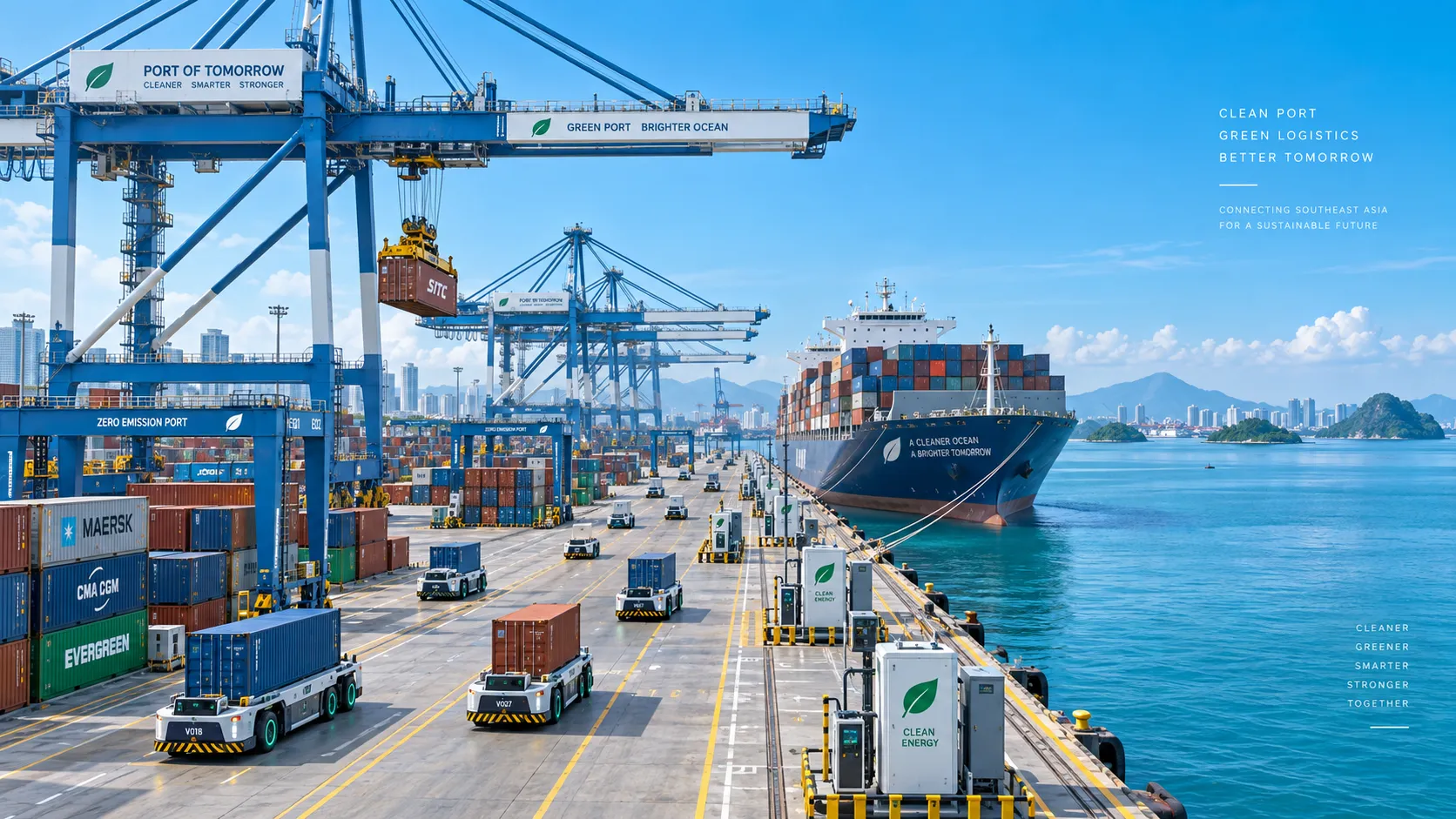
Smart Port Systems in Southeast Asia: Investment Priorities and Adoption Barriers
Smart port systems Southeast Asia: discover investment priorities, adoption barriers, and practical steps to build resilient, connected, high-performing terminals.
How to Evaluate Terminal Efficiency Solution Suppliers for High-Throughput Operations
Choose a terminal efficiency solutions supplier with confidence. Explore proven criteria for throughput, integration, lifecycle cost, safety, and reliable delivery.
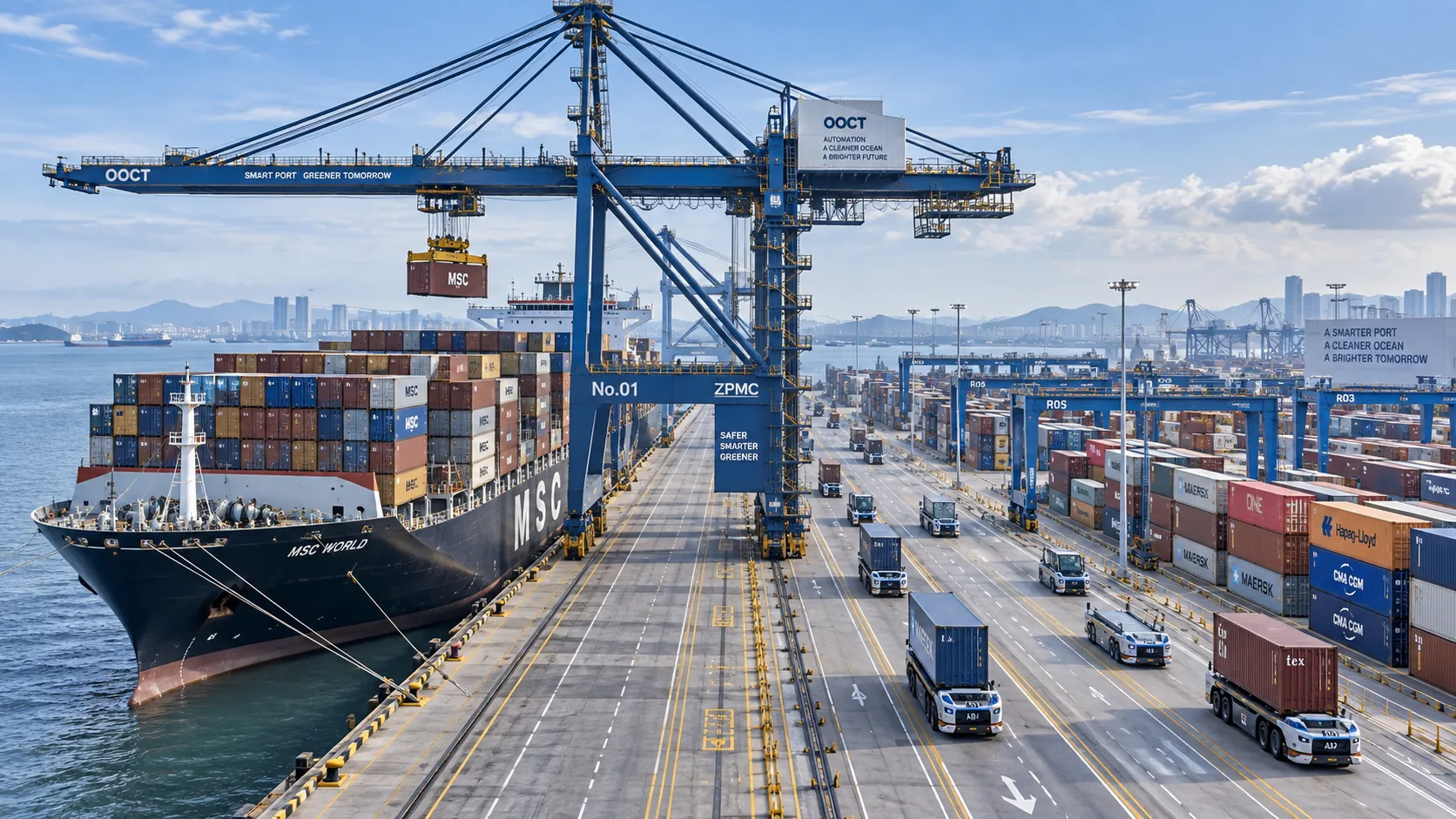
How to Specify a Quay Crane for Container Terminals by Vessel Size and Throughput?
Quay crane for container terminals: learn how to match outreach, lift height, capacity, automation, and cycle performance to vessel size and throughput goals.

What Dredging Equipment Is Needed for Channel Deepening?
What dredging equipment is needed for channel deepening? Explore dredgers, pipelines, survey tools, and planning strategies for safer, more efficient port access.
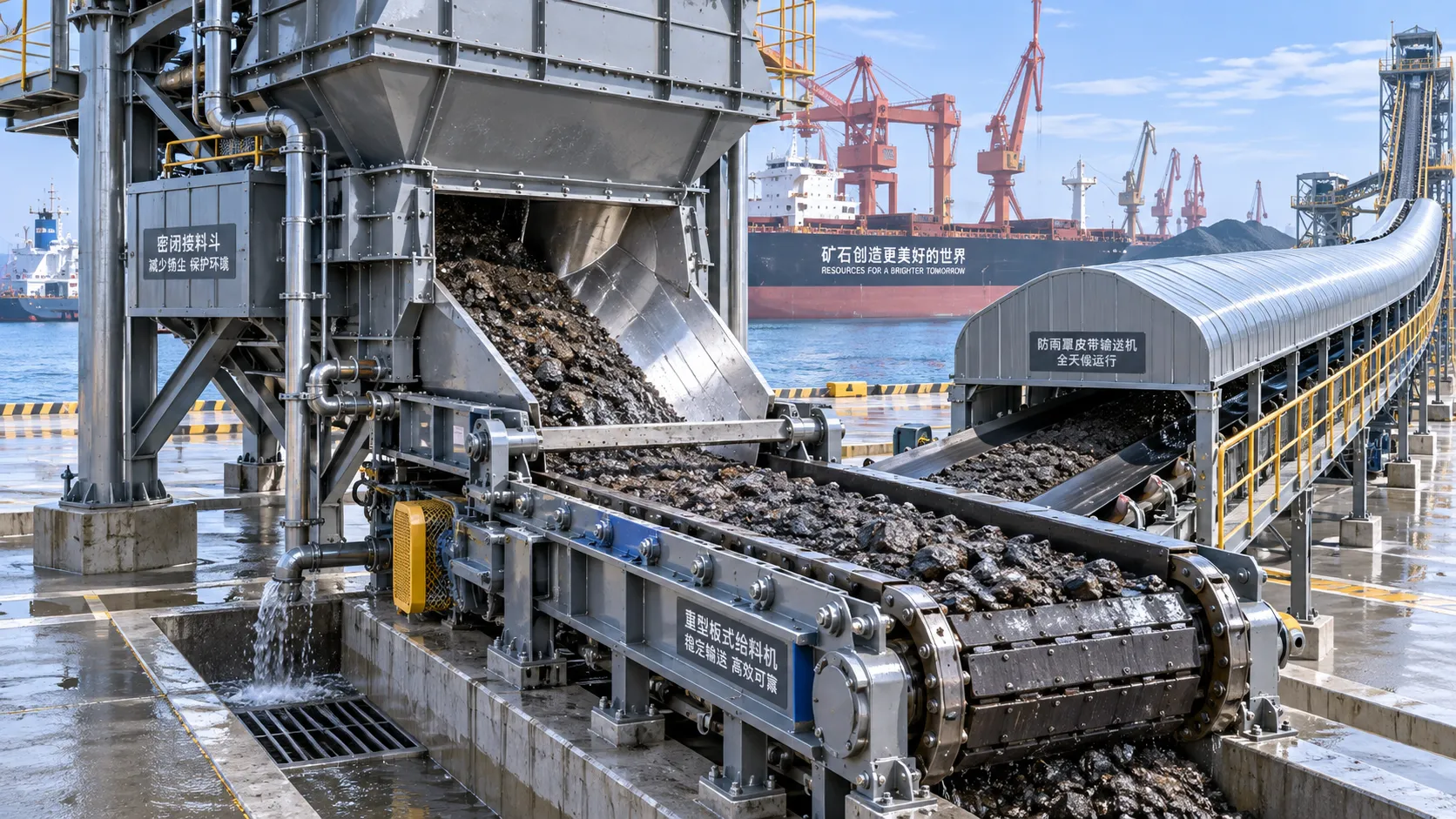
Which Bulk Handling Equipment Suits High-Moisture Cargo?
Which bulk handling equipment suits high-moisture cargo? Compare belt, apron, screw, drag, and slurry systems for reliable flow, less carryback, and higher terminal uptime.
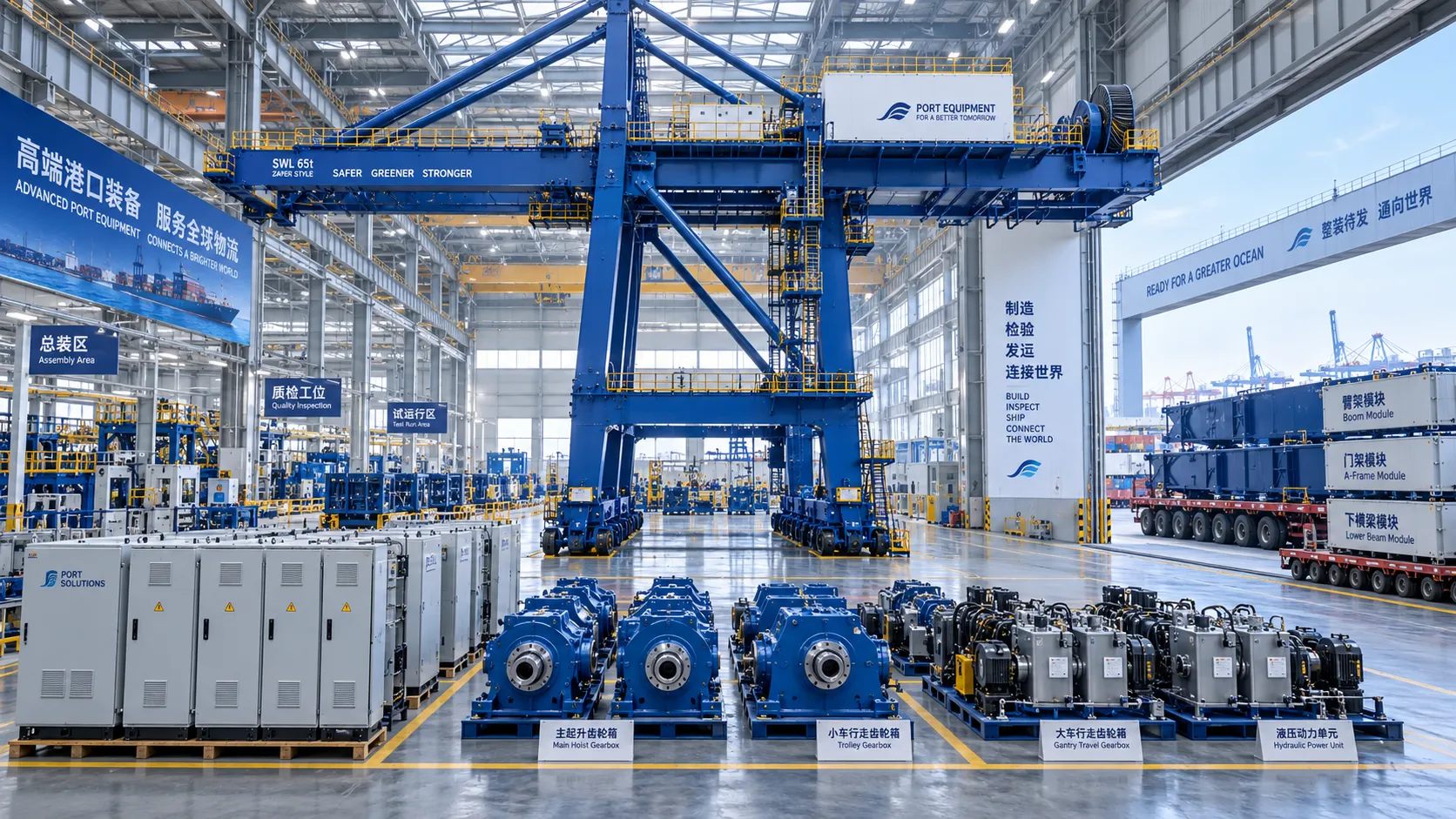
How Can Port Equipment Lead-Time Risk Be Managed?
How can port equipment lead-time risk be managed? Explore practical strategies to control critical paths, suppliers, transport, site readiness, and commissioning delays.
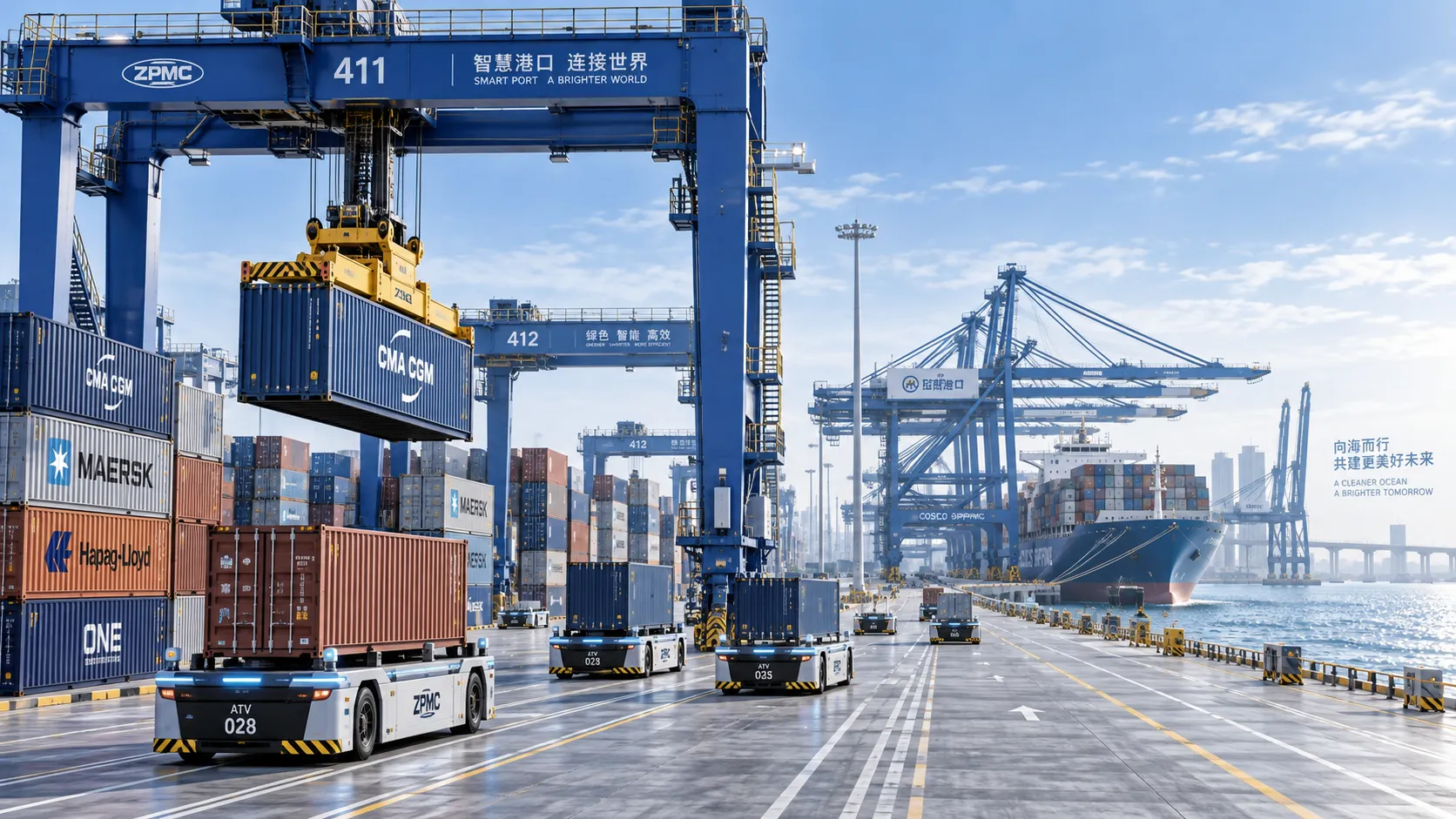
Terminal Automation Technologies That Raise Container Throughput Without Yard Disruption
Terminal automation technology that increases container throughput without disrupting yard flow. Explore smarter integration, resilient workflows, and phased deployment strategies.
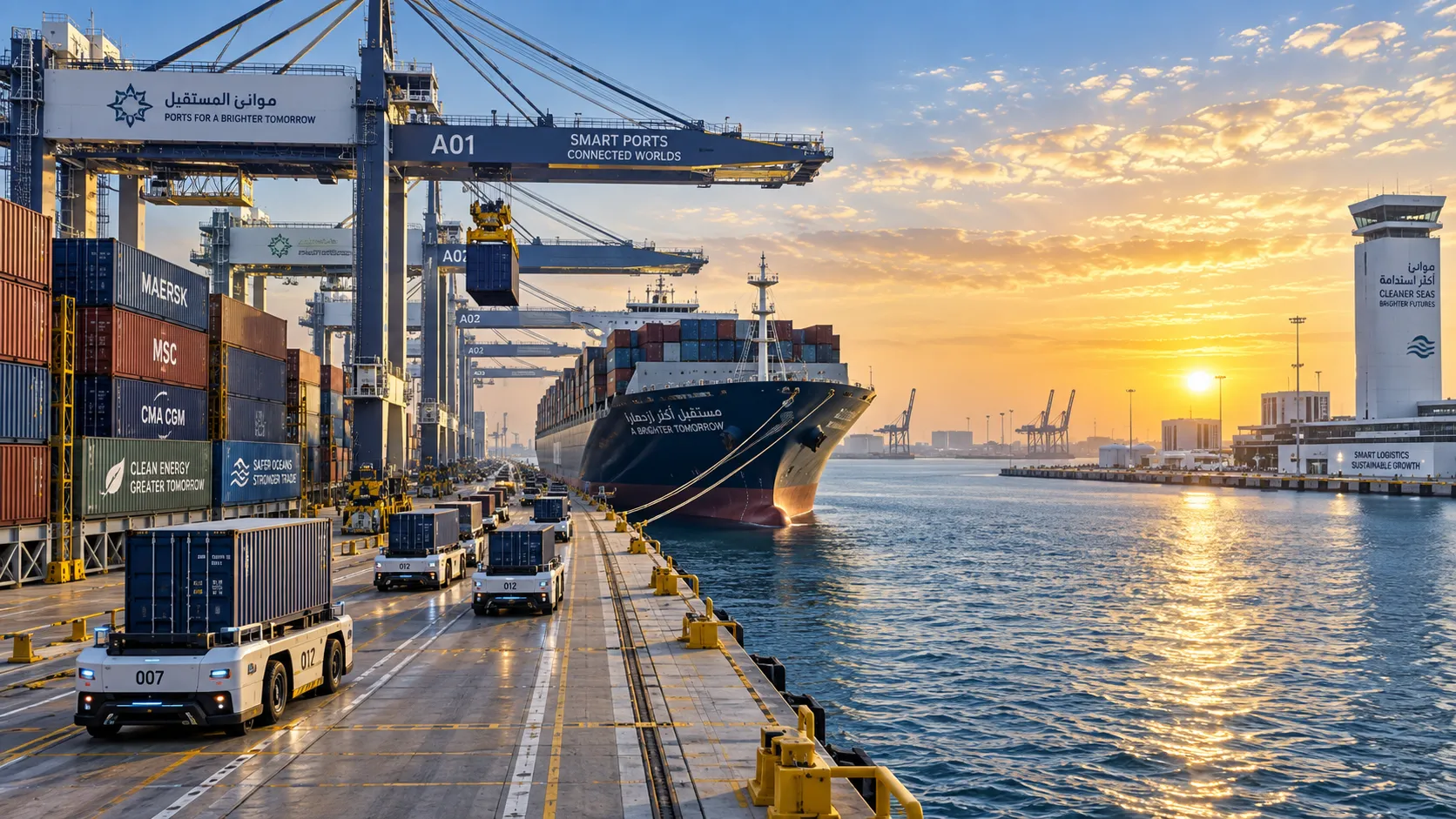
Middle East Port Automation: Key Market Drivers, Projects, and Investment Risks
Port automation systems Middle East: explore market drivers, flagship projects, integration challenges, and investment risks shaping smarter, resilient terminals.
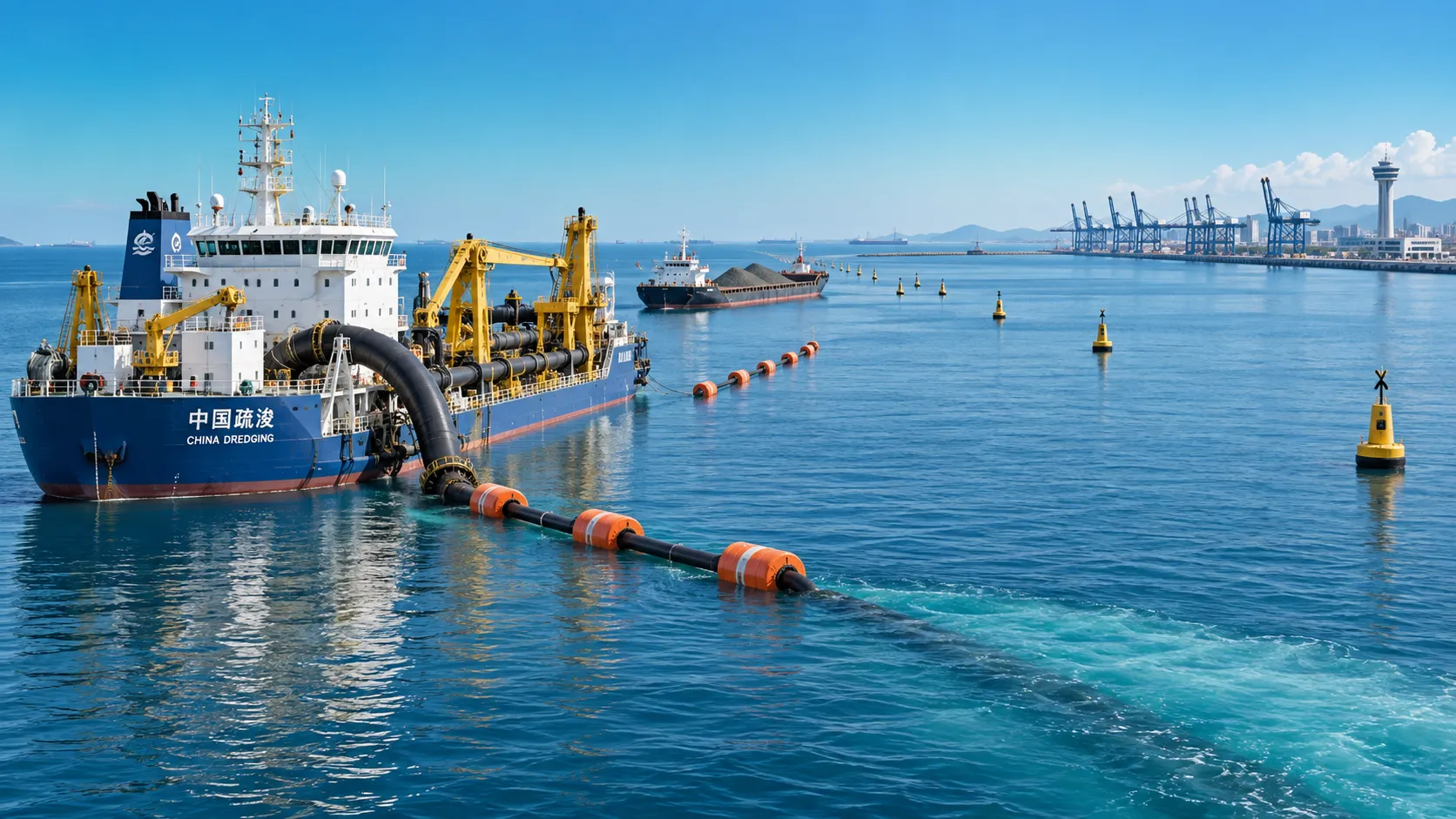
Planning Offshore Dredging Operations: Key Risks, Methods, and Project Controls
Offshore dredging operations demand smart planning. Explore key risks, proven methods, environmental controls, and project strategies for reliable delivery.