Related News
- 00
0000-00
How Can Port Equipment Lead-Time Risk Be Managed? - 00
0000-00
Maritime Logistics Operations: How Ports Can Reduce Container Dwell Time - 00
0000-00
What Does Logistics Node Monitoring Cost Across Warehouses and Transport Hubs? - 00
0000-00
How Can IoT Smart Port Solutions Improve Container Tracking and Yard Efficiency? - 00
0000-00
How Real-Time Port Logistics Intelligence Improves Container Yard Efficiency
Why heavy machinery logistics often fails on timing
Why does heavy machinery logistics so often miss critical deadlines despite advanced planning? The short answer is that timing risk does not sit in one place. It accumulates across permits, port slots, cargo preparation, inland routing, customs control, equipment matching, and handoff discipline. In large-project transport, one weak link can push the whole movement off schedule. That is why heavy machinery logistics often fails on timing even when every stakeholder believes the plan is sound.
For global trade infrastructure, this matters far beyond a single shipment. Delays affect installation windows, charter costs, crane availability, civil works sequencing, and contract exposure. In sectors tied to ports, bulk handling, automation, and dredging engineering, timing is not a convenience metric. It is a cost multiplier and a strategic reliability signal.
Why a checklist approach matters in heavy machinery logistics
Heavy machinery logistics involves oversized, high-value, and often non-standard cargo. Standard freight workflows fail because they assume predictable dimensions, normal loading gear, and flexible route access. Heavy lifts rarely enjoy that simplicity.
A checklist reduces hidden assumptions. It forces every timing dependency into view before cargo moves. That discipline is especially useful in cross-border moves linked to terminal cranes, AGVs, stackers, ship unloaders, dredging pumps, or modular port systems.
When heavy machinery logistics is evaluated through a timing checklist, decision-makers can separate controllable delay from structural delay. That distinction supports better contracts, stronger sequencing, and more realistic delivery commitments.
Core timing checklist for heavy machinery logistics
- Confirm actual cargo readiness, not planned readiness, including final assembly status, test completion, preservation, lifting points, and export packing before transport resources are booked.
- Verify dimensions and weight from signed engineering data, because outdated drawings often trigger wrong trailer selection, route rejection, and crane mismatch at transfer points.
- Map permit lead times by country and region, including police escort rules, bridge crossing limits, holiday restrictions, and night movement conditions for oversized cargo.
- Reserve port handling windows early, then recheck berth congestion, crane allocation, labor availability, and cut-off compliance one week and forty-eight hours before arrival.
- Align customs documentation with commercial invoices, HS codes, serial numbers, and temporary import conditions to prevent inspection holds or valuation disputes.
- Inspect loading gear compatibility, including spreader bars, shackles, slings, saddles, and lashing plans, because substitution at the last minute usually causes major schedule drift.
- Check route intelligence against live constraints such as roadworks, seasonal weather, low bridges, port gate congestion, and local curfews affecting heavy haulage timing.
- Sequence intermodal handoffs tightly between factory, staging yard, port terminal, vessel, and destination site so idle time does not become cascading delay.
- Define single-point accountability for schedule changes, since heavy machinery logistics often fails on timing when updates pass through too many disconnected parties.
- Build contingency days by risk class, not by habit, using cargo complexity, route sensitivity, customs volatility, and transshipment dependence as planning variables.
Where timing usually breaks down
1. Port congestion hides behind “on schedule” milestones
A vessel ETA may look stable while terminal reality changes hourly. Berth reassignment, crane shortages, slow discharge, or labor shifts can erase a delivery window that seemed protected. For oversized cargo, missed handling priority is harder to recover than for containerized freight.
This is especially relevant in port equipment projects. A quay crane component or bulk handling module may require specific lifting capacity and yard positioning. If the port cannot provide those assets on time, the shipment effectively stalls inside the terminal ecosystem.
2. Customs friction appears small until it stops movement entirely
Heavy machinery logistics often depends on technical descriptions, split consignments, and mixed-origin components. If one serial number differs, or one package list conflicts with transport marks, customs may hold the entire lot.
The timing impact grows when cargo also needs temporary import treatment, bonded transfer, or project-based exemptions. A paperwork error can delay movement longer than a weather event.
3. Inland route constraints are underestimated in planning
Many schedules are built around sailing dates, yet the real bottleneck sits inland. Bridge reinforcement approvals, turning radius limitations, axle-load restrictions, and local escort rules can change after route surveys.
For dredging equipment, terminal cranes, or automated yard modules, dimensions may exceed standard assumptions by a small margin that still changes the entire road strategy. That is a classic reason heavy machinery logistics fails on timing.
4. Equipment readiness is treated as a shipping detail, not a schedule gate
Projects often declare cargo “ready” before preservation, disassembly, lifting certification, or center-of-gravity confirmation is complete. Transport teams then wait for technical closure while expensive resources remain booked.
This failure is common in engineered systems tied to port automation or bulk handling. Mechanical completion does not equal transport readiness. Timing plans must recognize that difference.
Scenario notes across common applications
Port terminal gear deliveries
Large terminal gear moves depend on synchronized marine and landside resources. Components may arrive in sequence, not as one shipment. If booms, trolley assemblies, or power modules land out of order, installation crews lose productive time.
In this setting, heavy machinery logistics should be tied to erection logic, not only transport logic. Delivery timing must match site lifting plans and berth-side access windows.
Automated container handling systems
Automation projects introduce a digital dependency. Hardware may arrive on time, but commissioning can slip if control cabinets, sensors, batteries, or communication units are delayed in a separate lane.
That means heavy machinery logistics cannot be judged by main equipment delivery alone. Timing success requires synchronized arrival of mechanical, electrical, and control subsystems.
Dredging and marine engineering equipment
Dredging assets often move into difficult coastal environments with tidal limits, draft constraints, and remote staging conditions. Weather windows matter, but so do barge availability, launch methods, and marine permit timing.
Here, heavy machinery logistics often fails on timing when planners treat marine access as flexible. In reality, coastal operations can be more restrictive than inland heavy haul.
Commonly ignored timing risks
Packaging compliance is often overlooked. Poor skid design, weak sea-fastening preparation, or missing weather protection can trigger port refusal or rework before loading.
Terminal communication gaps are another problem. A booking confirmation does not guarantee operational readiness if cargo data, lift plans, or special handling notes never reach shift-level execution teams.
Insurance assumptions also distort timing. If survey attendance, lifting witness requirements, or damage-prevention endorsements are not scheduled, cargo may wait for compliance before movement.
Finally, contract language can create delay by design. Vague definitions of delivery, transfer of risk, or site acceptance leave room for disputes exactly when schedule recovery is needed most.
Practical execution steps to improve timing reliability
- Create a milestone map that separates engineering completion, cargo readiness, transport release, customs clearance, port handling, vessel loading, and site receipt.
- Use one master data sheet for dimensions, weight, lift points, package counts, and serial references to avoid conflicting shipment records.
- Run a pre-move review seven to ten days before dispatch, then repeat a short operational confirmation forty-eight hours before each handoff.
- Assign schedule ownership clearly across all borders and modes, with authority to freeze changes that threaten permit, route, or terminal alignment.
- Model delay cost openly, including crane standby, vessel detention, labor resequencing, and site idle exposure, so timing risk receives proper attention.
Conclusion and next actions
Heavy machinery logistics fails on timing not because the sector lacks experience, but because timing depends on many technical and institutional gates that are rarely managed as one chain. Port congestion, customs friction, route limitations, readiness gaps, and weak coordination all compress schedule certainty.
The most effective response is disciplined visibility. Use a checklist, test every assumption, and connect transport timing to operational reality at ports, terminals, and project sites. In heavy machinery logistics, schedule reliability is earned before cargo starts moving.
As a practical next step, review the next planned move against the ten-point checklist above. Any unresolved item should be treated as a timing risk, not a minor detail. That shift alone can prevent avoidable delay and improve decision quality across the full logistics chain.
Related News
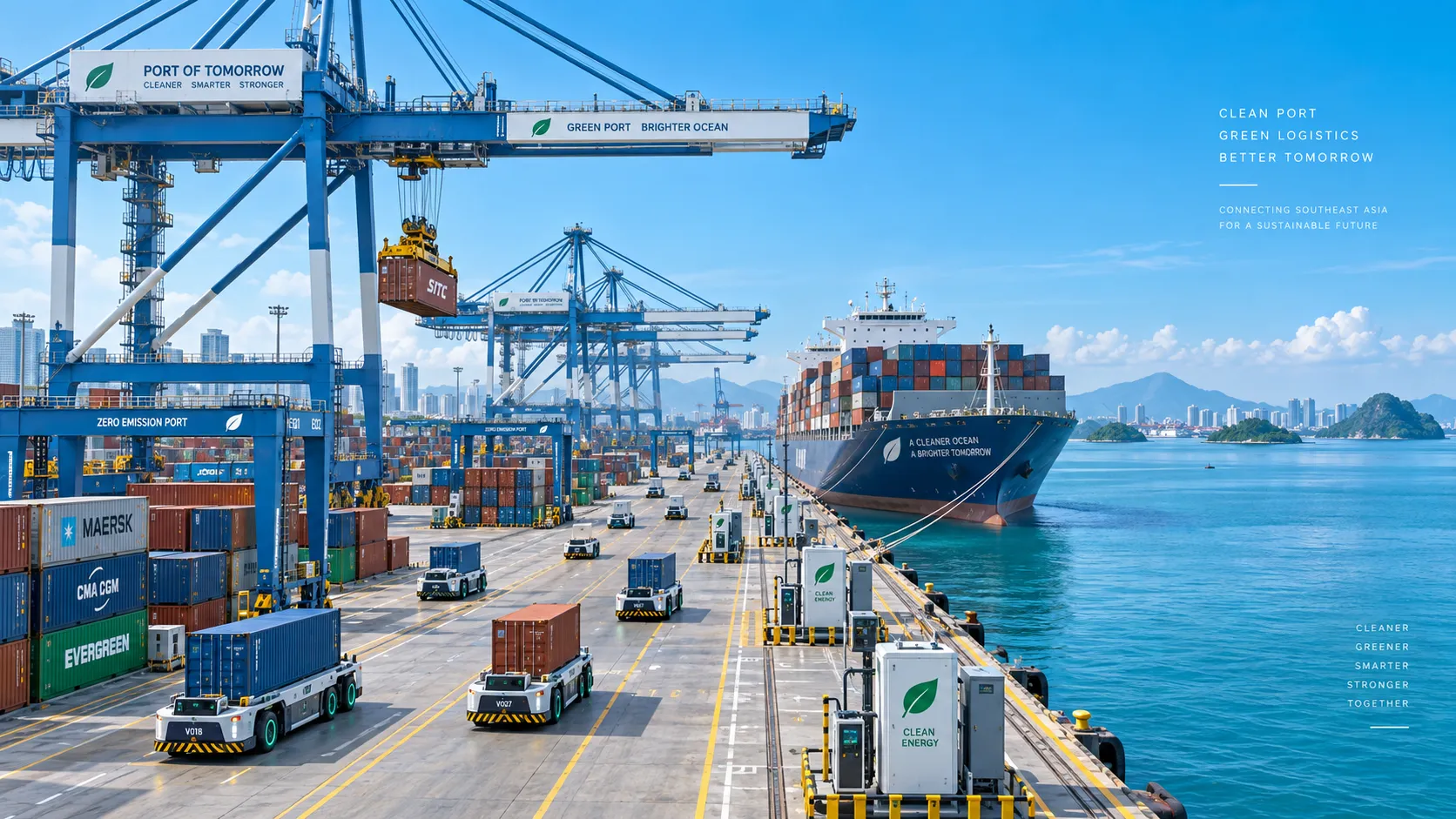
Smart Port Systems in Southeast Asia: Investment Priorities and Adoption Barriers
Smart port systems Southeast Asia: discover investment priorities, adoption barriers, and practical steps to build resilient, connected, high-performing terminals.

How to Evaluate Terminal Efficiency Solution Suppliers for High-Throughput Operations
Choose a terminal efficiency solutions supplier with confidence. Explore proven criteria for throughput, integration, lifecycle cost, safety, and reliable delivery.
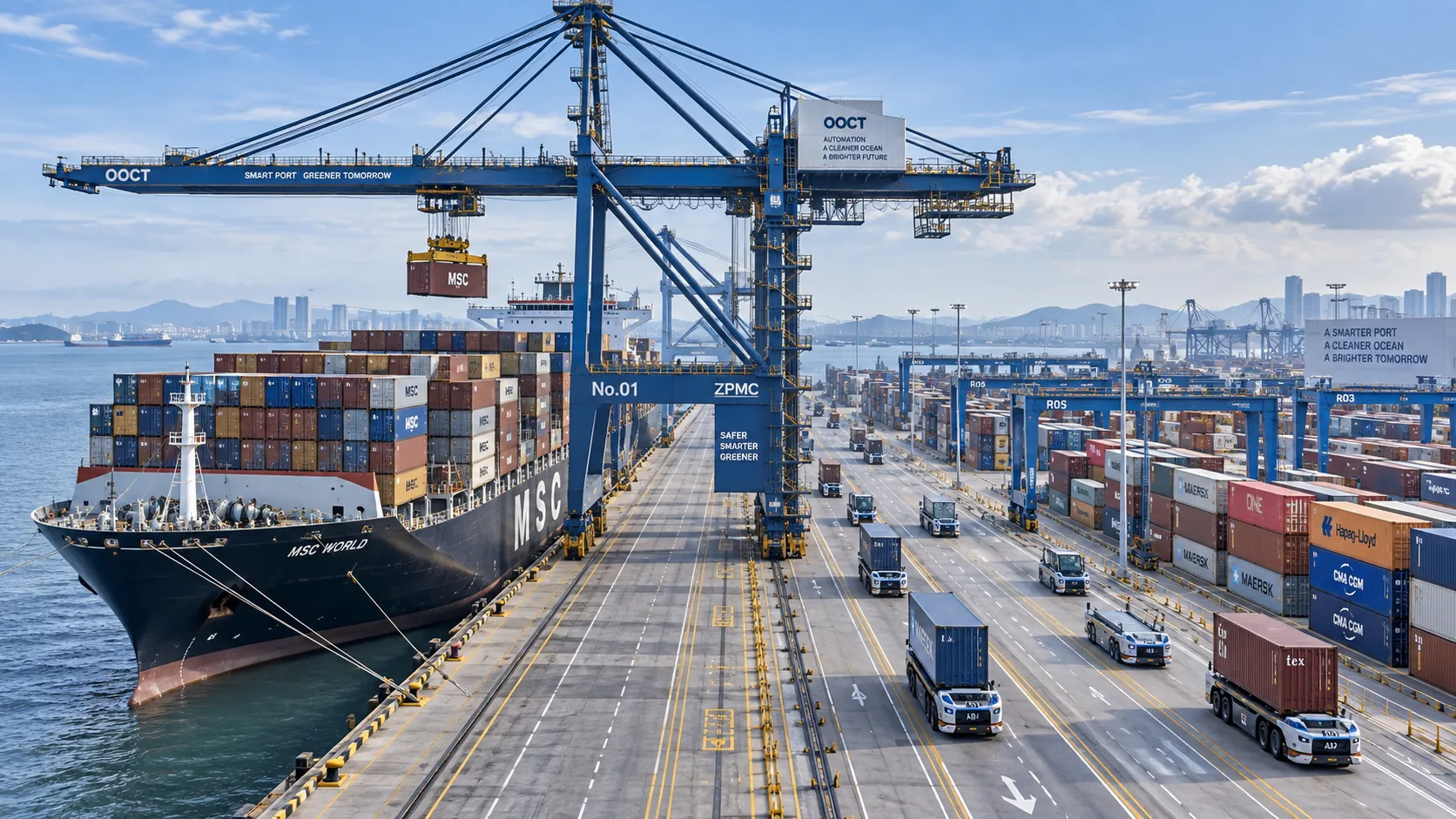
How to Specify a Quay Crane for Container Terminals by Vessel Size and Throughput?
Quay crane for container terminals: learn how to match outreach, lift height, capacity, automation, and cycle performance to vessel size and throughput goals.
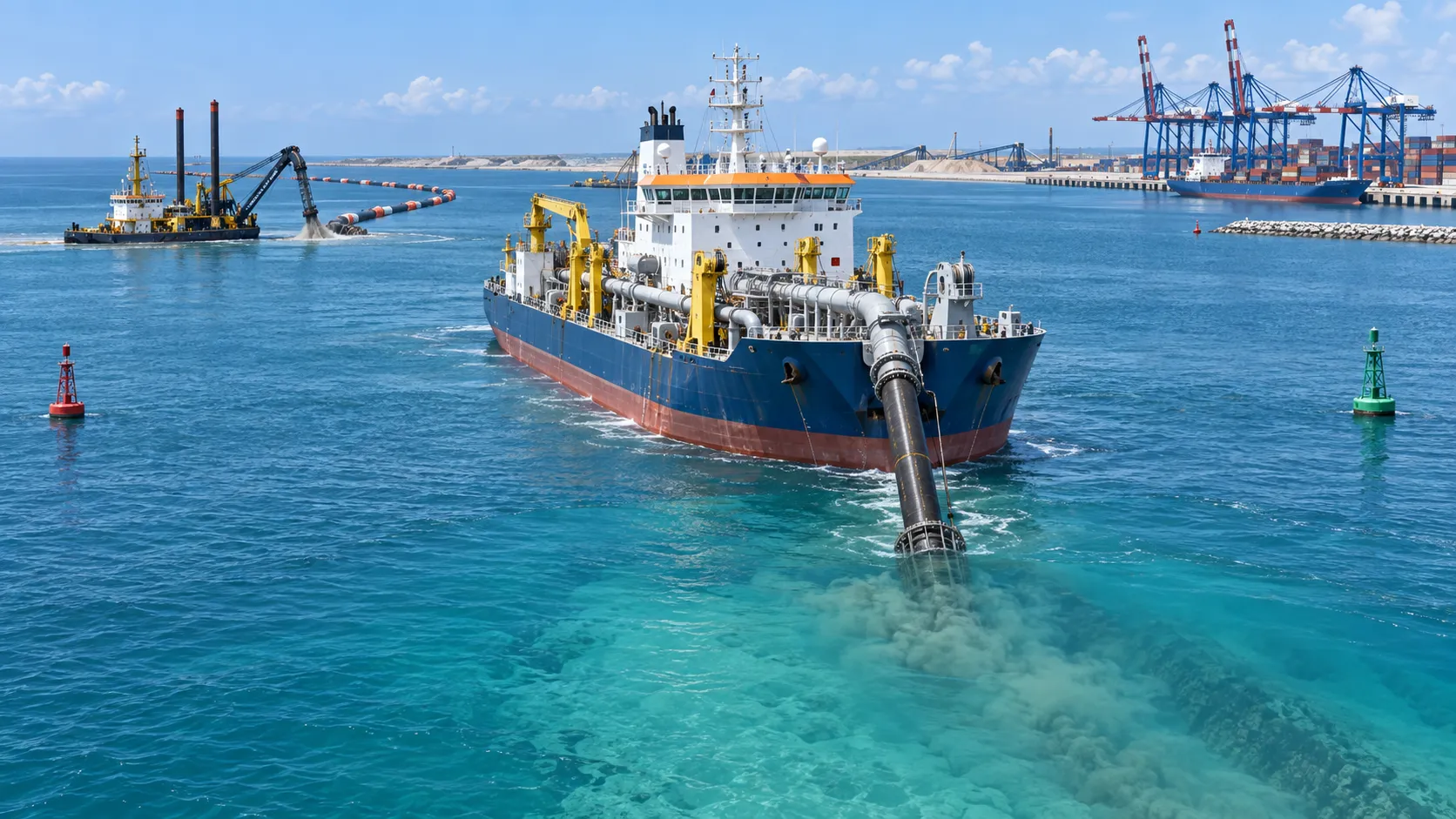
What Dredging Equipment Is Needed for Channel Deepening?
What dredging equipment is needed for channel deepening? Explore dredgers, pipelines, survey tools, and planning strategies for safer, more efficient port access.
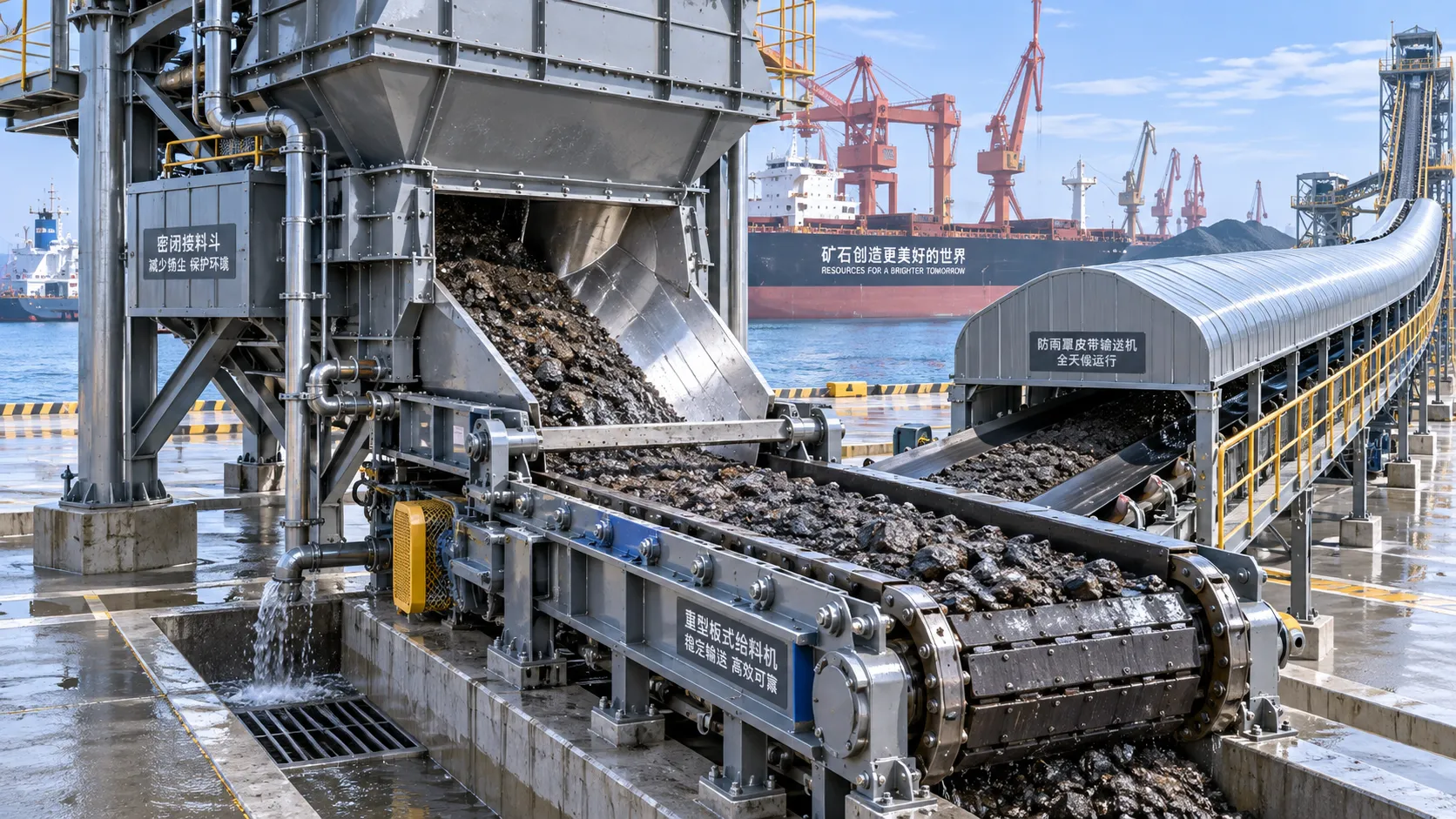
Which Bulk Handling Equipment Suits High-Moisture Cargo?
Which bulk handling equipment suits high-moisture cargo? Compare belt, apron, screw, drag, and slurry systems for reliable flow, less carryback, and higher terminal uptime.
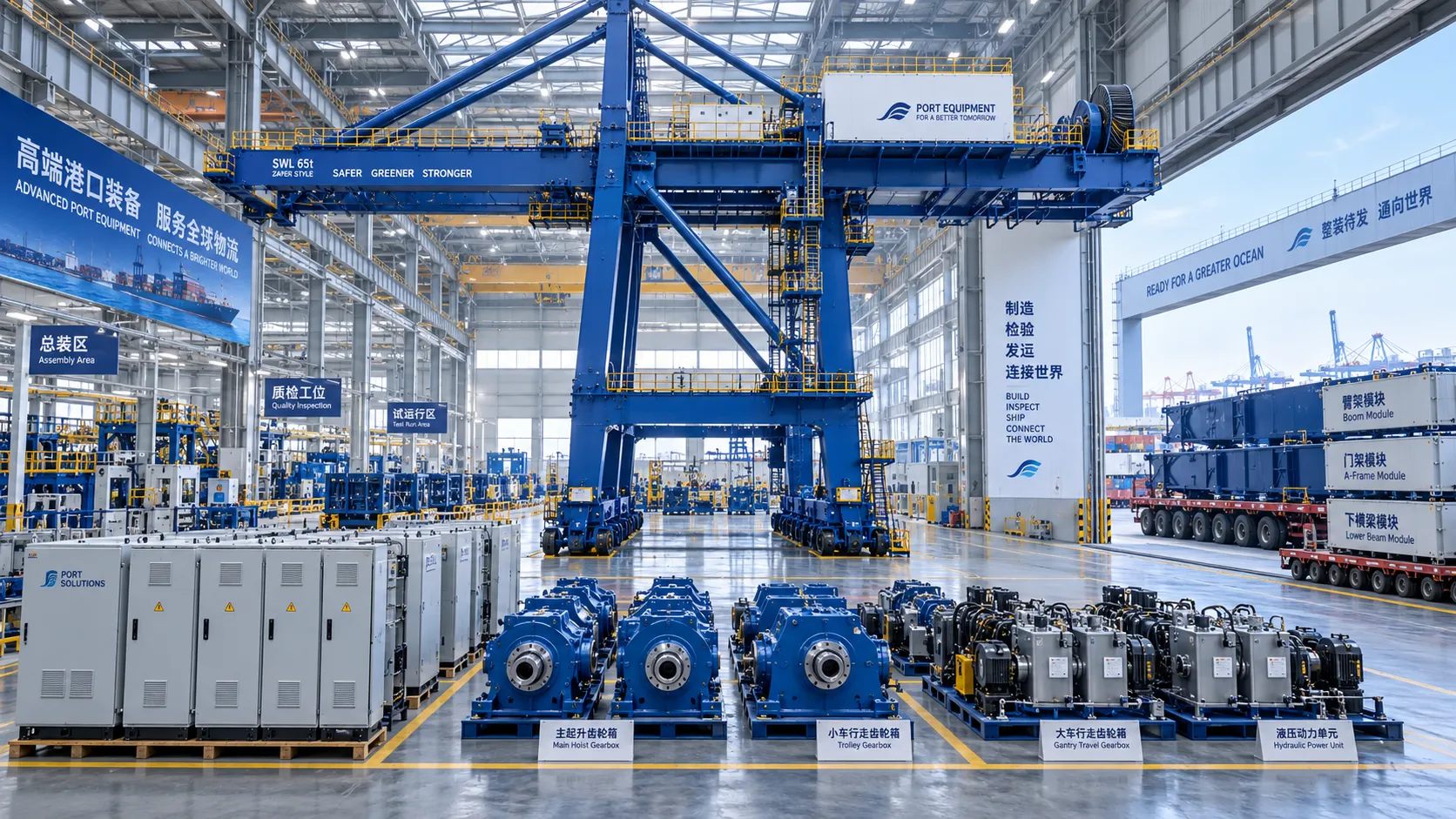
How Can Port Equipment Lead-Time Risk Be Managed?
How can port equipment lead-time risk be managed? Explore practical strategies to control critical paths, suppliers, transport, site readiness, and commissioning delays.
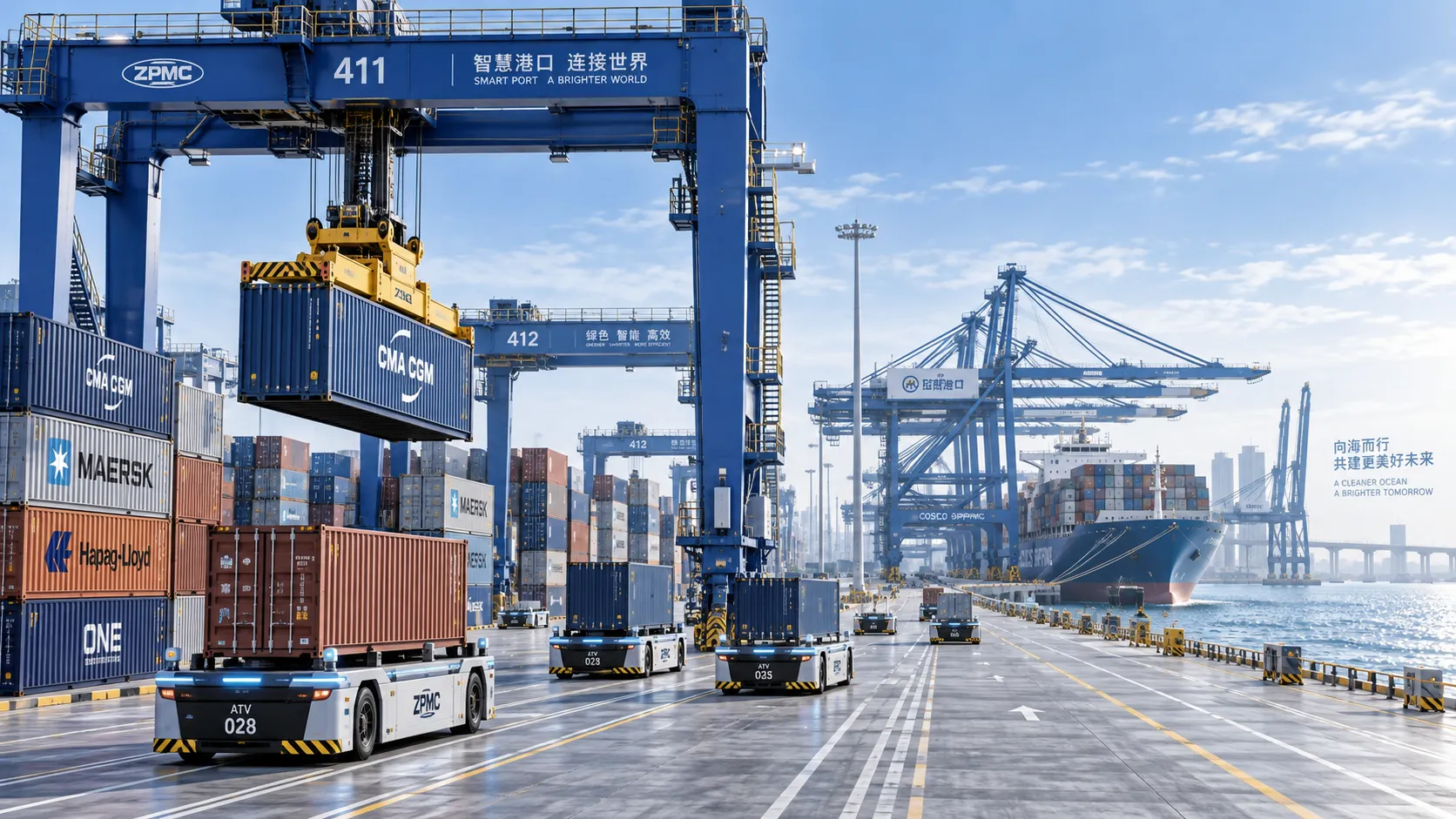
Terminal Automation Technologies That Raise Container Throughput Without Yard Disruption
Terminal automation technology that increases container throughput without disrupting yard flow. Explore smarter integration, resilient workflows, and phased deployment strategies.
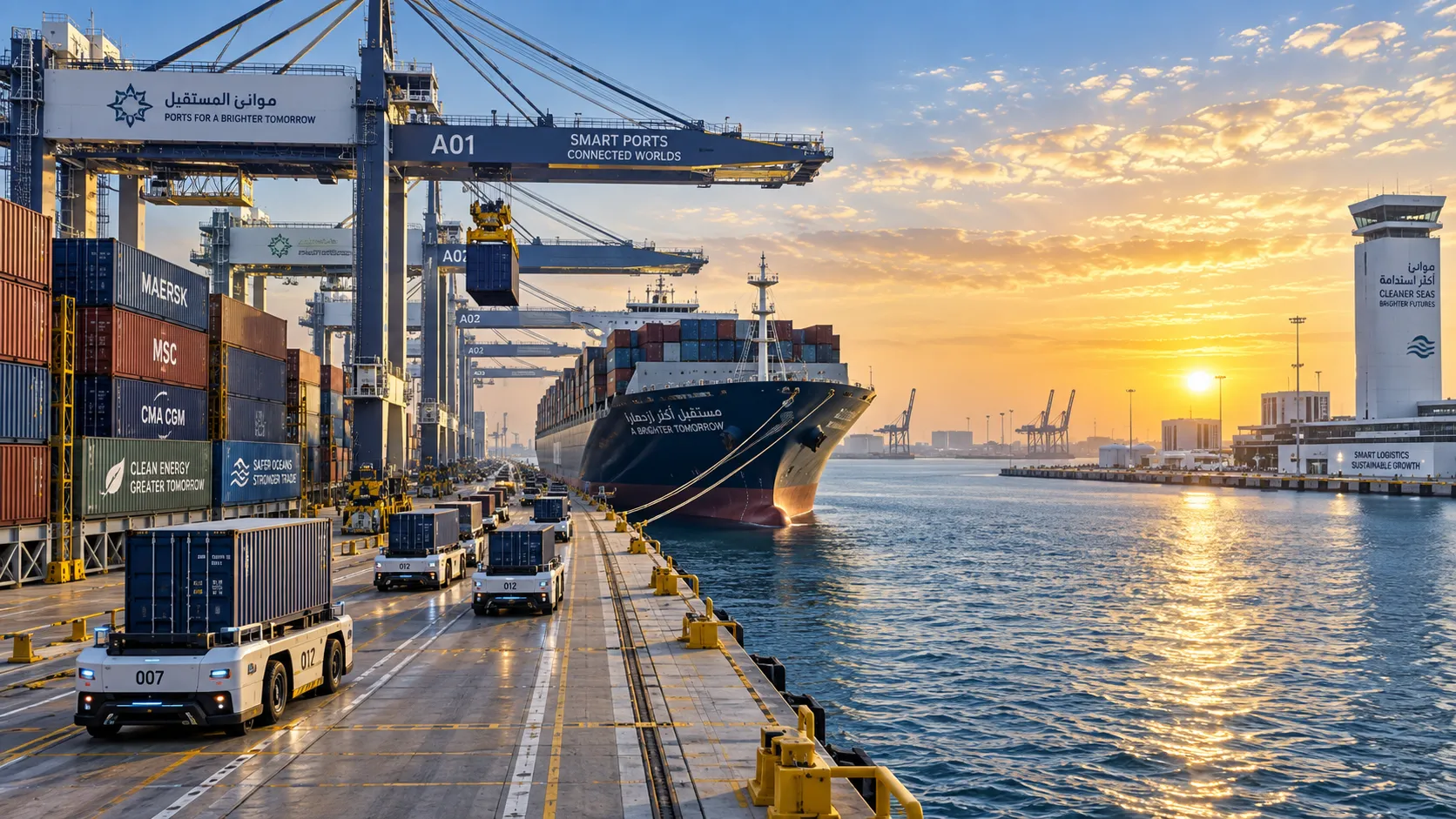
Middle East Port Automation: Key Market Drivers, Projects, and Investment Risks
Port automation systems Middle East: explore market drivers, flagship projects, integration challenges, and investment risks shaping smarter, resilient terminals.
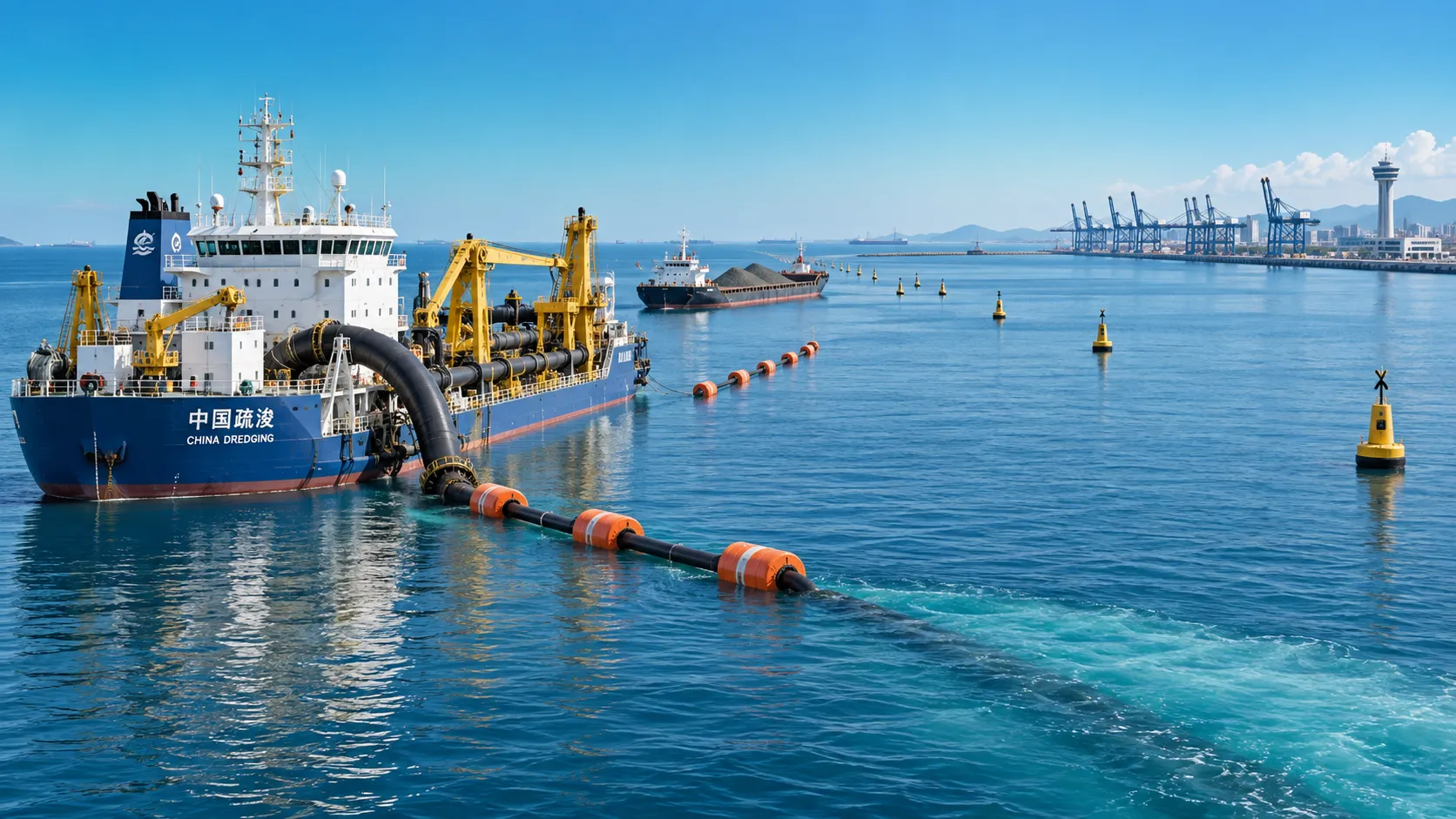
Planning Offshore Dredging Operations: Key Risks, Methods, and Project Controls
Offshore dredging operations demand smart planning. Explore key risks, proven methods, environmental controls, and project strategies for reliable delivery.