Related News
- 00
0000-00
How Can Port Equipment Lead-Time Risk Be Managed? - 00
0000-00
Maritime Logistics Operations: How Ports Can Reduce Container Dwell Time - 00
0000-00
What Does Logistics Node Monitoring Cost Across Warehouses and Transport Hubs? - 00
0000-00
How Can IoT Smart Port Solutions Improve Container Tracking and Yard Efficiency? - 00
0000-00
How Real-Time Port Logistics Intelligence Improves Container Yard Efficiency
Why logistics node dynamics matter in network planning
In modern network planning, understanding logistics node dynamics is essential for balancing throughput, resilience, and investment efficiency. In maritime logistics, each terminal, yard, channel, and transfer point shapes cargo flow, scheduling accuracy, and long-term asset value.
For PS-Nexus, logistics node dynamics are not abstract metrics. They reflect how quay cranes, AGVs, bulk systems, automation platforms, and dredging-supported access routes perform under real trade pressure.
When node behavior changes, network plans must change too. Better visibility into logistics node dynamics helps improve route design, capital timing, and service continuity across global supply chains.
Why logistics node dynamics are becoming a decisive planning signal
Global freight networks no longer operate in stable patterns. Port congestion, seasonal trade shifts, fuel cost swings, weather disruption, and geopolitical rerouting now reshape cargo paths more often.
That is why logistics node dynamics matter in network planning. A node is not only a location. It is a living operating point with changing capacity, dwell time, queue length, and coordination quality.
In maritime systems, logistics node dynamics include berth productivity, yard density, crane availability, draft reliability, gate velocity, and digital control responsiveness. These indicators reveal whether a network can absorb pressure or amplify delay.
Static planning often assumes average conditions. Real networks behave differently. One overloaded node can push vessels off schedule, reduce equipment utilization, and increase inland transfer costs across multiple connected corridors.
Current trend signals show nodes are shifting faster than network models
Several signals show why logistics node dynamics now deserve constant monitoring. The first is the widening gap between installed capacity and usable capacity at many ports.
A terminal may own advanced handling gear yet still underperform because yard sequencing, labor allocation, or access channel conditions restrict actual throughput during peak periods.
The second signal is automation variability. Automated systems improve consistency, but only when communication latency, control logic, and maintenance planning remain aligned across the full node.
The third signal is infrastructure sensitivity. Dredging cycles, tidal restrictions, and berth expansion timing increasingly affect whether larger vessels can enter, turn, and depart without hidden delays.
These patterns make logistics node dynamics a leading indicator, not a lagging report. Strong network planning depends on watching node behavior before disruption spreads.
The forces behind logistics node dynamics in maritime and integrated networks
The main drivers can be grouped into operational, technical, commercial, and environmental forces. Together, they explain why logistics node dynamics change across short and long planning cycles.
These drivers often overlap. For example, a bigger vessel class may require dredging, denser yard coordination, more reliable remote crane control, and revised inland evacuation plans.
How logistics node dynamics affect performance across the network
The direct effect is on throughput quality. A network may appear balanced on paper, yet unstable logistics node dynamics can create uneven cargo release and unpredictable waiting time.
The second effect is on resilience. Nodes with fragile operating windows fail faster during shocks. Once queues rise, recovery costs increase across shipping, storage, and landside transport.
The third effect is on capital efficiency. Expanding one node without understanding connected node behavior may shift the bottleneck instead of removing it.
- Terminal gear planning becomes less accurate when berth and yard dynamics are modeled separately.
- Bulk handling schedules weaken when storage, conveyor, and vessel arrival nodes are not dynamically linked.
- Container mobility suffers when AGV routing ignores congestion cycles at transfer nodes.
- Marine access planning fails when dredging status is disconnected from berth assignment logic.
This is why logistics node dynamics should inform both daily operating decisions and multi-year infrastructure planning. The same data can guide dispatching now and asset allocation later.
What to monitor when evaluating logistics node dynamics
Not every data point has equal value. Effective network planning focuses on indicators that explain flow stability, response speed, and hidden capacity loss.
Core operational indicators
- Berth occupancy versus effective berth productivity
- Yard dwell time by cargo type and peak period
- Crane cycle consistency instead of average moves only
- Gate and rail release synchronization
- Queue build-up at transfer and interchange points
Core technical indicators
- Control system latency for automated handling equipment
- AGV path conflict frequency and reroute time
- Predictive maintenance signals for cranes, pumps, and conveyors
- Channel depth confidence and dredging cycle reliability
By combining these signals, logistics node dynamics become measurable and actionable. That enables planners to detect stress before service levels visibly deteriorate.
Priority areas where organizations should focus now
The best response is not simply collecting more data. It is building a node-centered planning discipline that connects equipment reality, algorithmic scheduling, and trade pattern shifts.
- Map critical nodes by influence, not just by volume.
- Separate nominal capacity from usable capacity under disruption conditions.
- Align automation KPIs with actual flow outcomes, not isolated machine output.
- Integrate dredging, berth access, and vessel planning into one timing model.
- Use scenario analysis for rerouting, weather shocks, and trade lane shifts.
- Review node dependencies across terminal, yard, gate, rail, and marine interfaces.
This approach strengthens strategic visibility. It also supports better decisions about expansion sequencing, technology upgrades, and risk buffering across complex networks.
A practical framework for responding to changing logistics node dynamics
For organizations following maritime infrastructure and smart port evolution, this framework turns logistics node dynamics into a strategic asset rather than a reporting burden.
The next step is clear: audit high-impact nodes, compare actual and assumed performance, and update network plans using dynamic evidence. In a volatile trade environment, logistics node dynamics are no longer optional to monitor. They are central to smarter planning, stronger resilience, and better long-term infrastructure outcomes.
Related News
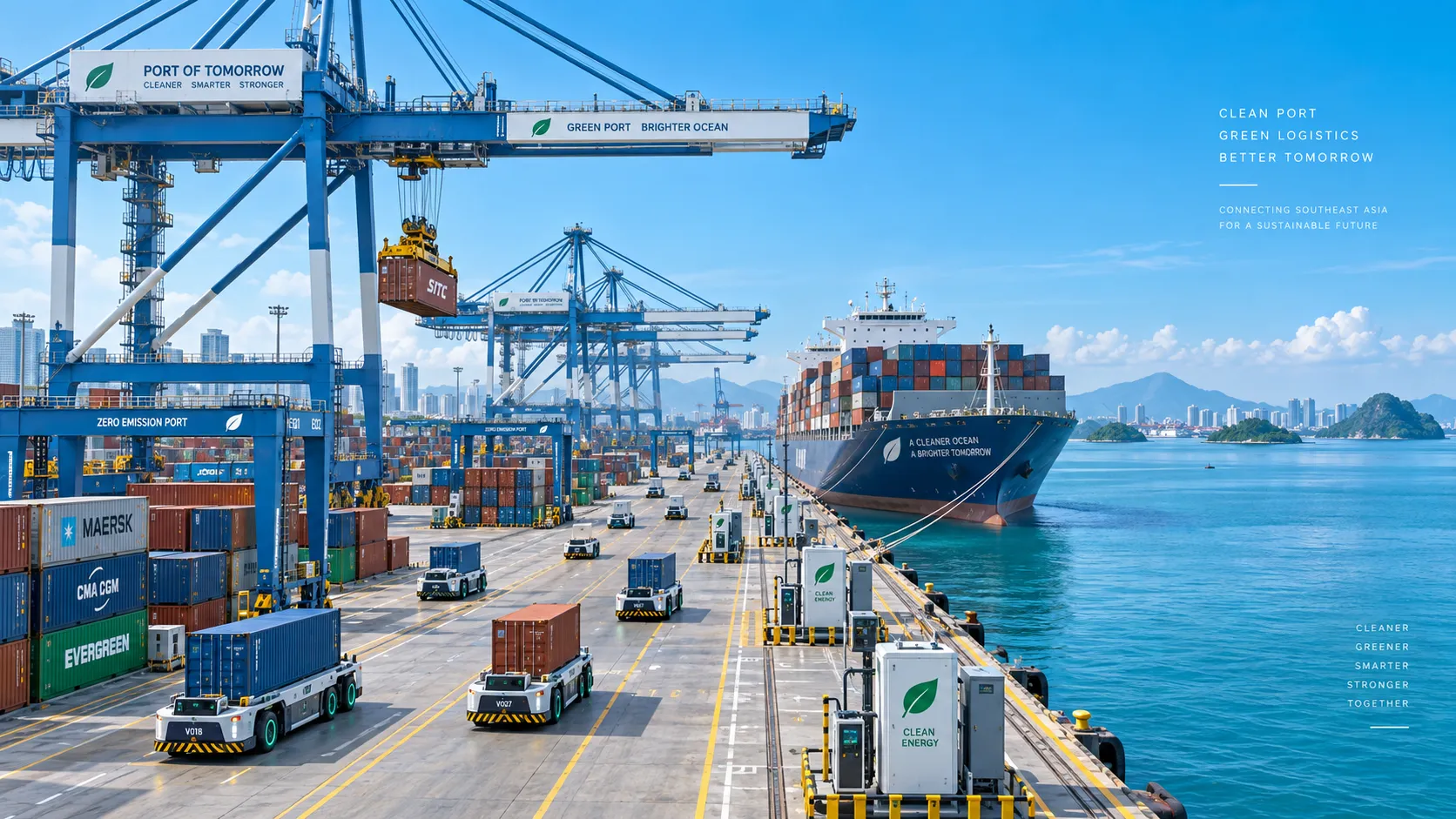
Smart Port Systems in Southeast Asia: Investment Priorities and Adoption Barriers
Smart port systems Southeast Asia: discover investment priorities, adoption barriers, and practical steps to build resilient, connected, high-performing terminals.
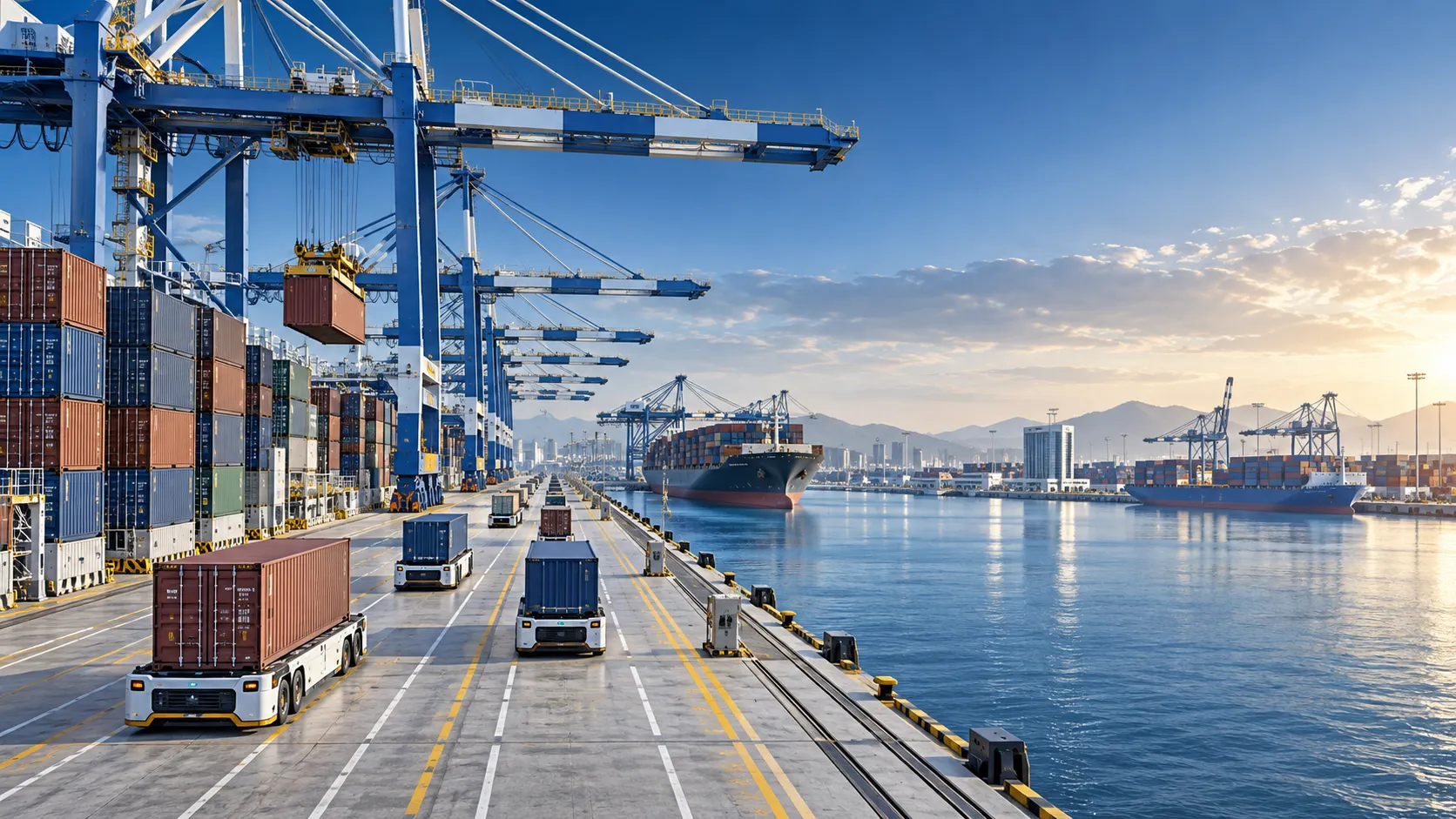
How to Evaluate Terminal Efficiency Solution Suppliers for High-Throughput Operations
Choose a terminal efficiency solutions supplier with confidence. Explore proven criteria for throughput, integration, lifecycle cost, safety, and reliable delivery.
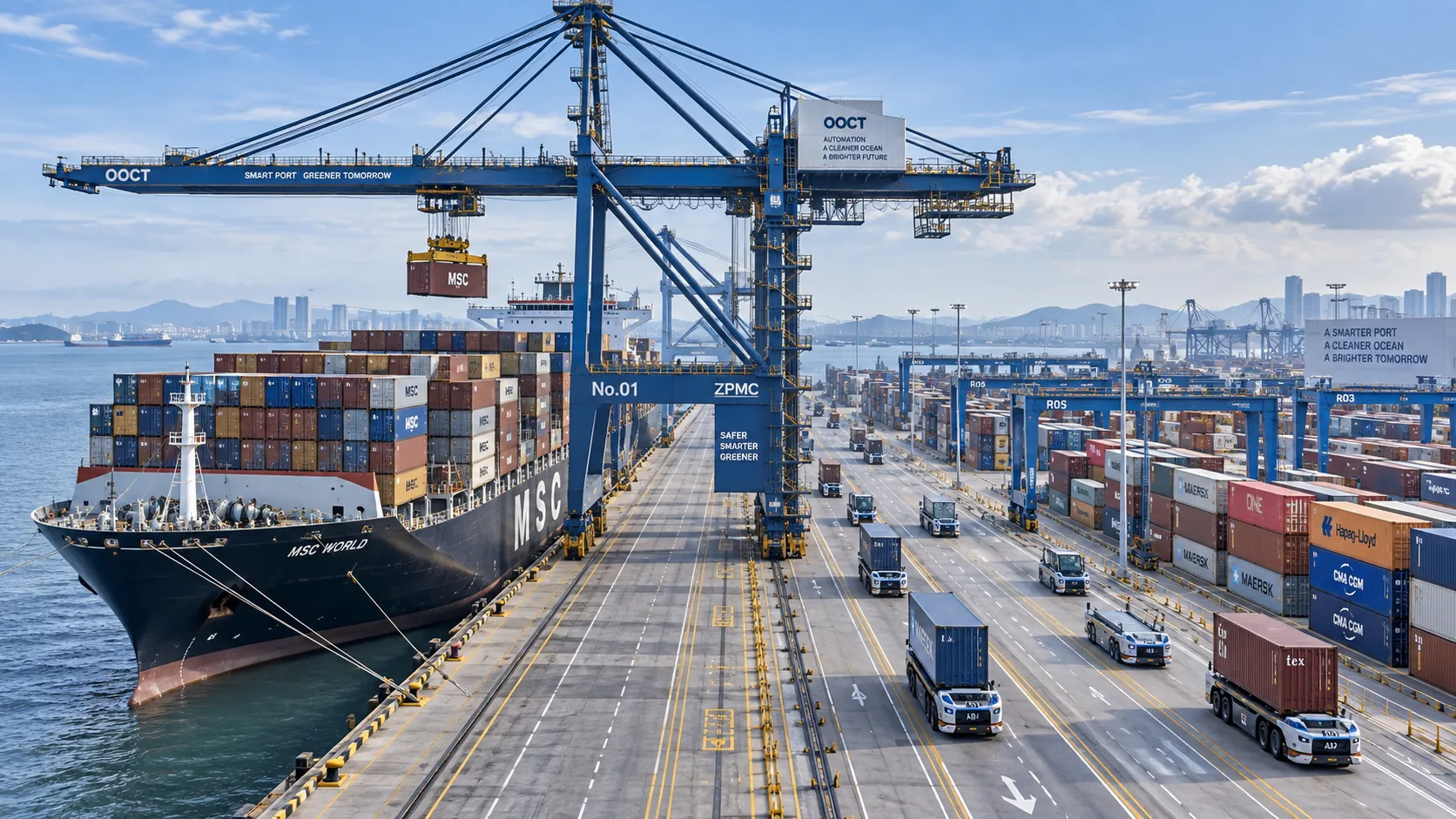
How to Specify a Quay Crane for Container Terminals by Vessel Size and Throughput?
Quay crane for container terminals: learn how to match outreach, lift height, capacity, automation, and cycle performance to vessel size and throughput goals.
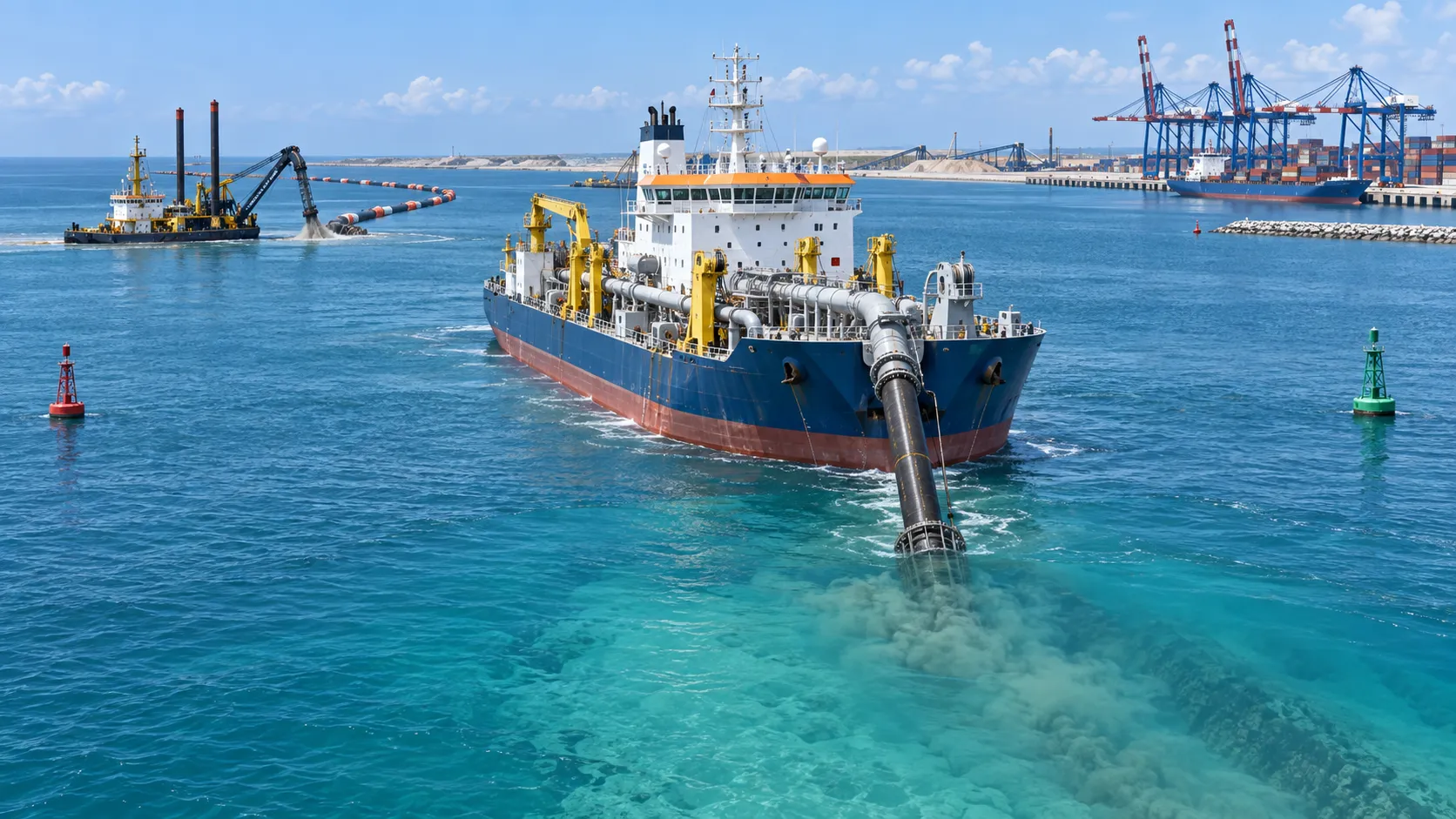
What Dredging Equipment Is Needed for Channel Deepening?
What dredging equipment is needed for channel deepening? Explore dredgers, pipelines, survey tools, and planning strategies for safer, more efficient port access.
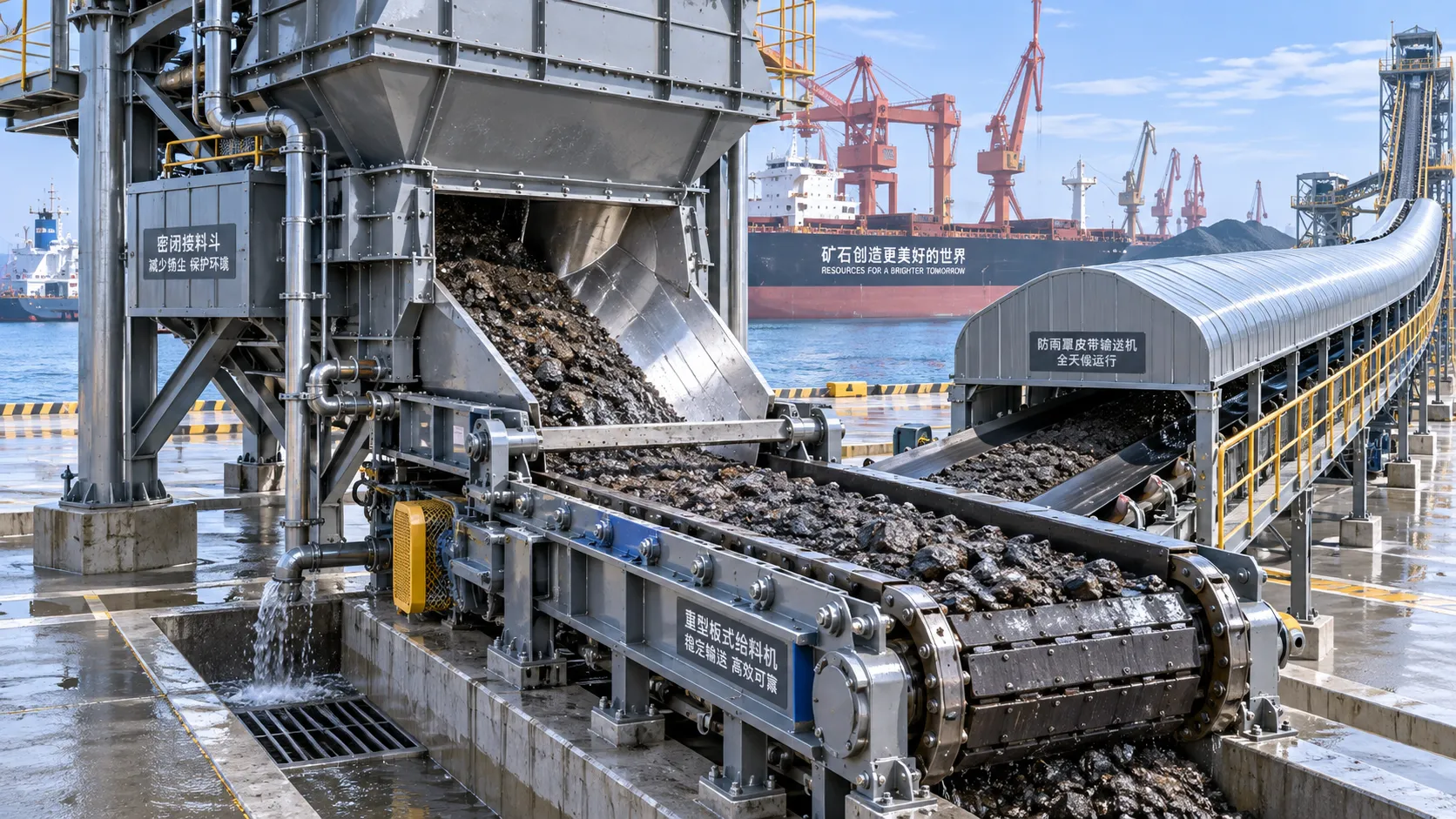
Which Bulk Handling Equipment Suits High-Moisture Cargo?
Which bulk handling equipment suits high-moisture cargo? Compare belt, apron, screw, drag, and slurry systems for reliable flow, less carryback, and higher terminal uptime.
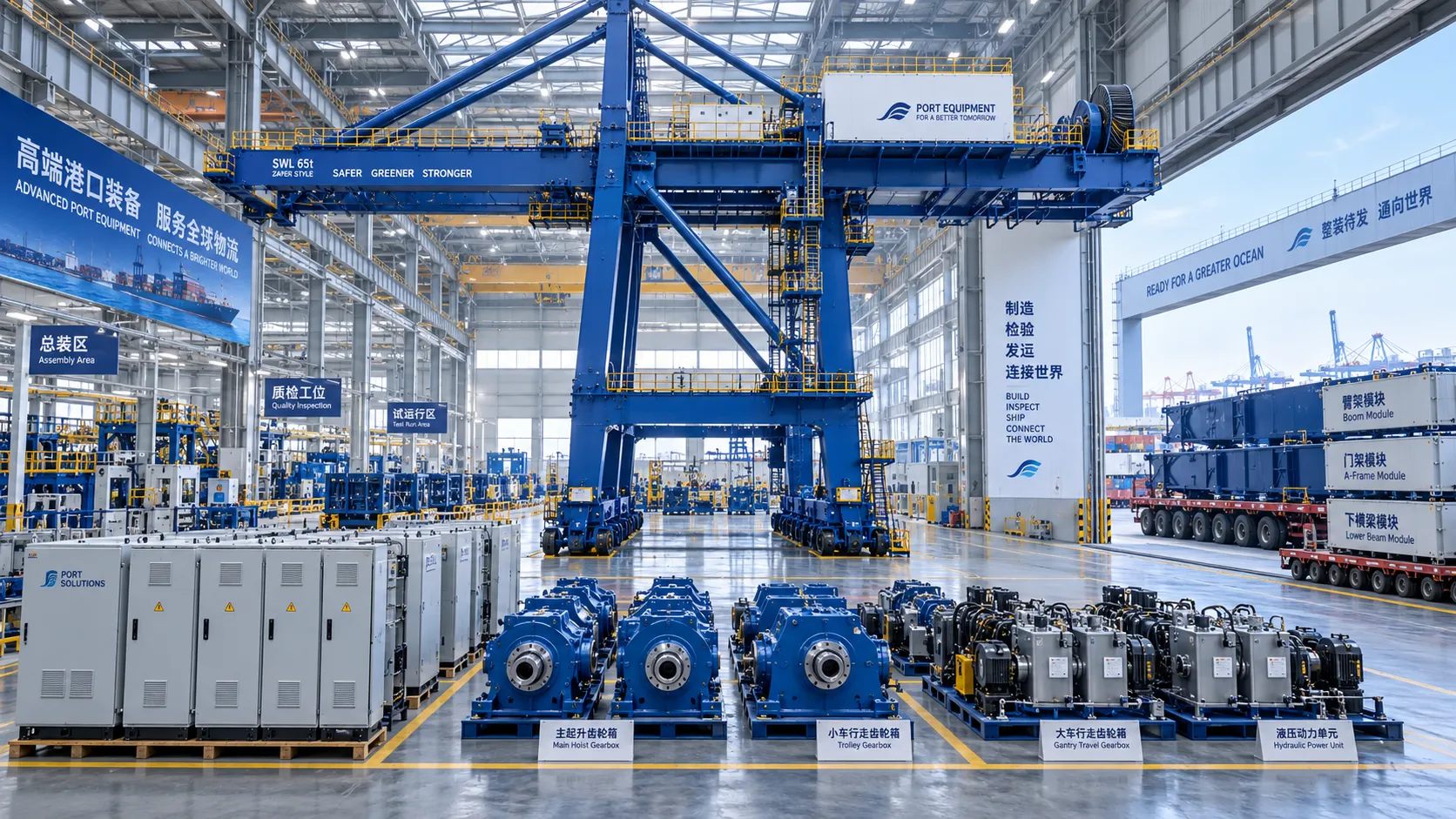
How Can Port Equipment Lead-Time Risk Be Managed?
How can port equipment lead-time risk be managed? Explore practical strategies to control critical paths, suppliers, transport, site readiness, and commissioning delays.
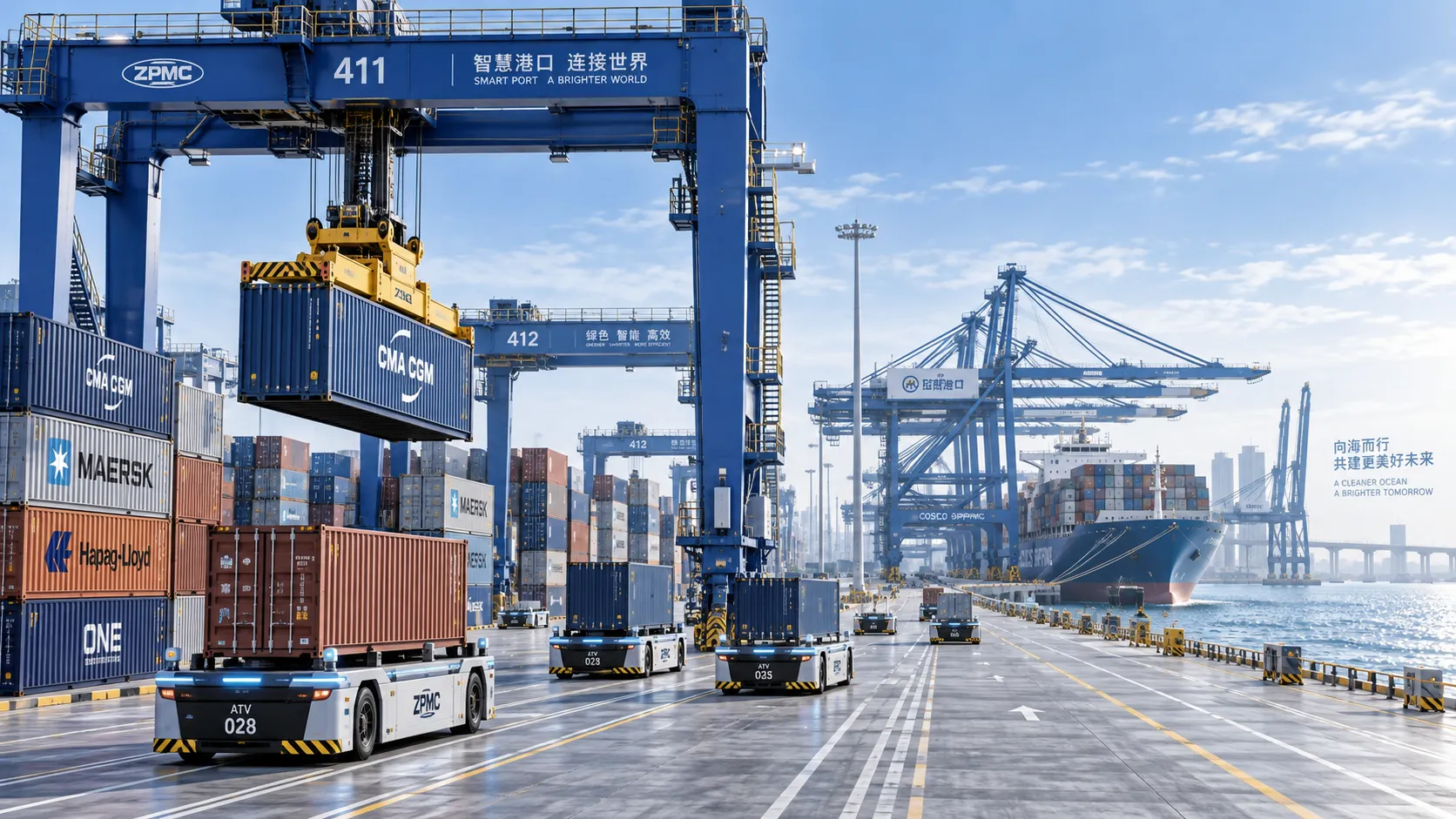
Terminal Automation Technologies That Raise Container Throughput Without Yard Disruption
Terminal automation technology that increases container throughput without disrupting yard flow. Explore smarter integration, resilient workflows, and phased deployment strategies.
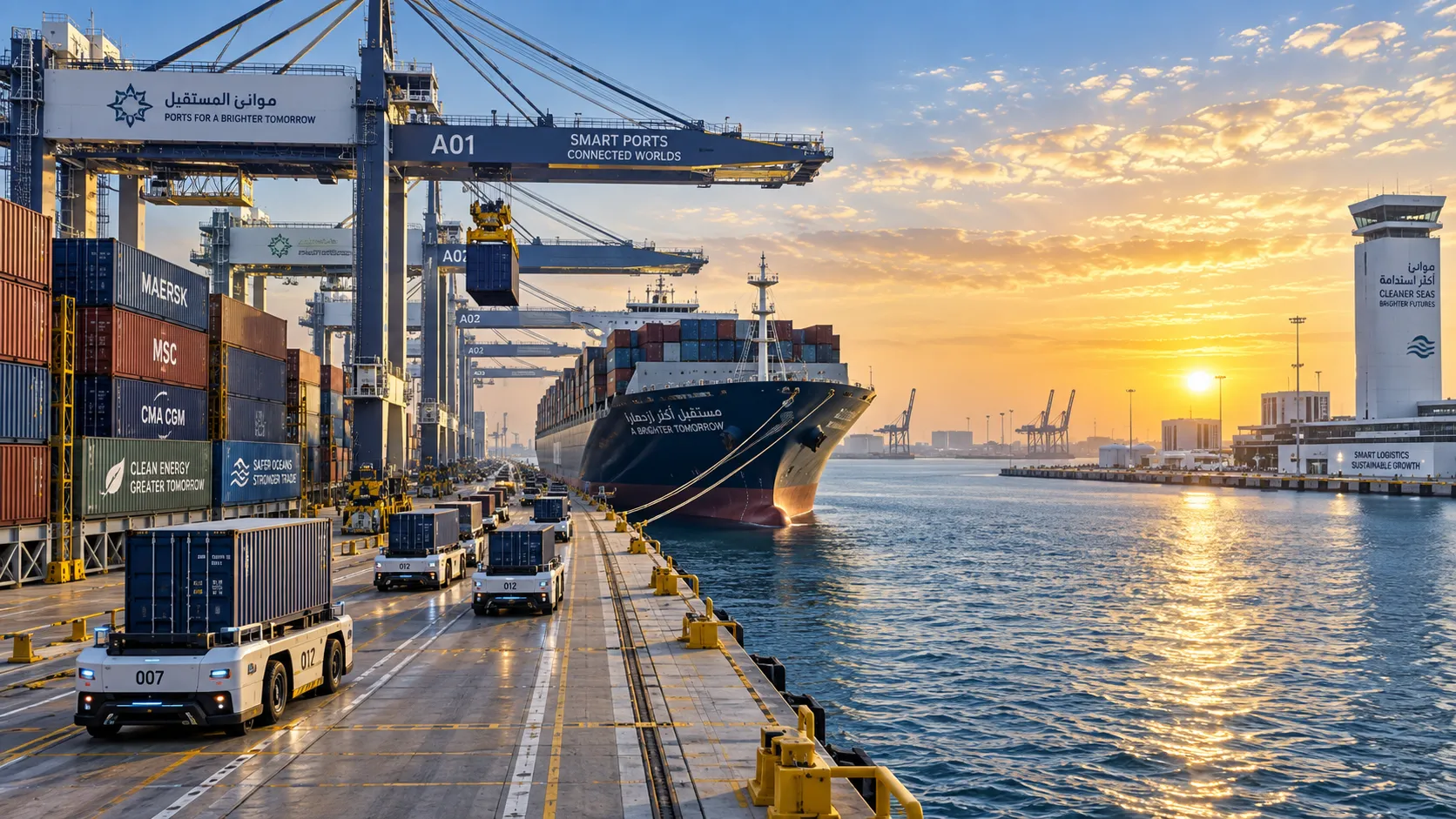
Middle East Port Automation: Key Market Drivers, Projects, and Investment Risks
Port automation systems Middle East: explore market drivers, flagship projects, integration challenges, and investment risks shaping smarter, resilient terminals.
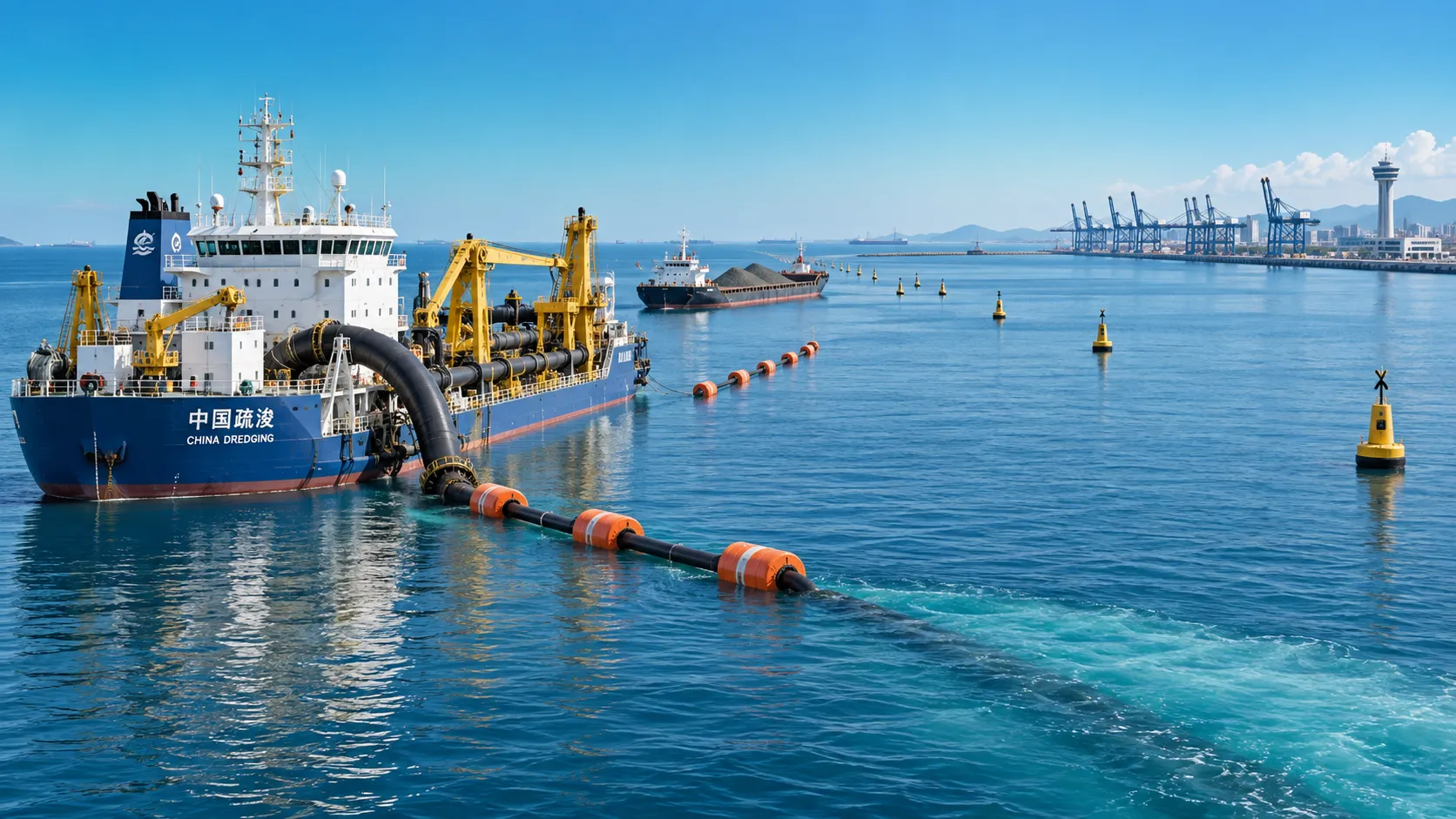
Planning Offshore Dredging Operations: Key Risks, Methods, and Project Controls
Offshore dredging operations demand smart planning. Explore key risks, proven methods, environmental controls, and project strategies for reliable delivery.