Related News
- 00
0000-00
How Can Port Equipment Lead-Time Risk Be Managed? - 00
0000-00
Maritime Logistics Operations: How Ports Can Reduce Container Dwell Time - 00
0000-00
What Does Logistics Node Monitoring Cost Across Warehouses and Transport Hubs? - 00
0000-00
How Can IoT Smart Port Solutions Improve Container Tracking and Yard Efficiency? - 00
0000-00
How Real-Time Port Logistics Intelligence Improves Container Yard Efficiency
How global supply chains intelligence reduces sourcing risk
For business evaluation professionals, sourcing decisions are increasingly shaped by disruption, price volatility, and shifting trade routes. Global supply chains intelligence helps reduce uncertainty by turning fragmented port, equipment, and logistics signals into actionable insight. From terminal automation trends to cargo flow dynamics, this intelligence-driven approach enables more confident supplier assessment, sharper risk control, and stronger long-term procurement strategies.
In capital-intensive maritime and port-related procurement, the challenge is rarely limited to comparing unit prices. Buyers must assess supplier resilience, lead-time reliability, automation readiness, maintenance support, and exposure to geopolitical bottlenecks. For organizations evaluating quay cranes, bulk handling systems, automated container equipment, control platforms, or dredging assets, the cost of a wrong sourcing decision can extend well beyond a delayed shipment.
This is where PS-Nexus becomes relevant. By connecting intelligence across port equipment, marine logistics nodes, and strategic trade signals, the platform helps business evaluation teams move from reactive purchasing to evidence-based sourcing. The value of global supply chains intelligence lies not only in visibility, but in translating technical and market signals into a procurement framework that can be audited, compared, and acted on.
Why global supply chains intelligence matters in high-value sourcing
For heavy terminal gear and marine engineering procurement, a supplier review often spans 4 to 12 weeks, while project delivery windows may stretch from 3 months to 18 months. During that period, freight rates, steel input costs, port congestion, and export controls can all shift. Global supply chains intelligence reduces blind spots by monitoring these moving variables before they become contract risks.
Business evaluation professionals typically face 3 recurring sourcing pressures. First, they must validate whether quoted lead times reflect real production and shipping capacity. Second, they need to understand whether the supplier depends on a narrow component base, such as drives, PLCs, hydraulic systems, or remote-control modules. Third, they must estimate how regional port conditions could affect commissioning and after-sales support.
From fragmented signals to decision-ready insight
A single market signal is rarely enough. A delayed dredging pump delivery, for example, may not indicate supplier weakness on its own. But when combined with longer berth waiting times, rising transshipment pressure, and slower customs release in 2 or 3 key corridors, the pattern becomes more meaningful. Global supply chains intelligence works by combining operational, technical, and trade-route signals into a more reliable sourcing picture.
PS-Nexus is especially useful in this context because port infrastructure procurement involves interconnected assets. A remote-controlled crane project may depend on low-latency communications, software integration, sensor supply, and terminal readiness at the same time. If one element slips by even 10 to 14 days, the impact on project sequencing can spread across installation, testing, and acceptance stages.
Key sourcing risks intelligence can uncover early
- Lead-time inflation between quotation stage and confirmed production slot, often by 15% to 30% in constrained markets.
- Overdependence on 1 or 2 sub-suppliers for drives, control cabinets, steel structures, or automation modules.
- Mismatch between supplier claims and actual service coverage within 24 to 72 hours of fault reporting.
- Exposure to congested export gateways that can add 7 to 21 days to shipment schedules.
- Technical obsolescence risk when automation architecture does not align with terminal digitalization plans over the next 3 to 5 years.
The table below shows how intelligence inputs can be connected to sourcing risk control in port and marine equipment evaluation.
The practical lesson is simple: when sourcing teams connect market signals to contractual decisions, they can improve both speed and discipline. Global supply chains intelligence is not just a dashboard function; it becomes a method for testing whether supplier promises remain credible under real market pressure.
How to evaluate suppliers using intelligence-based criteria
A robust supplier review model should balance technical fit, commercial stability, and operational resilience. In complex port and marine procurement, comparing 4 or 5 suppliers only on initial offer value can create downstream cost exposure. Business evaluation teams need a scoring framework that reflects whole-life risk rather than invoice price alone.
Five criteria that deserve weighted scoring
- Lead-time reliability: compare quoted delivery with historical market conditions and component dependencies.
- Technical interoperability: verify compatibility with terminal control systems, AGV logic, remote diagnostics, or yard software.
- Service reach: confirm response windows, local partner presence, and spare-part availability over 12 to 24 months.
- Supply concentration risk: identify whether critical assemblies rely on single-region manufacturing or single-source electronics.
- Total cost of ownership: include training, commissioning, energy use, digital maintenance tools, and downtime exposure.
Typical weighting ranges for B2B equipment sourcing
In many evaluation programs, price may account for 25% to 35% of the final decision, while delivery, serviceability, and technical compatibility together account for 45% to 60%. For automation-heavy projects, cybersecurity, software support, and system integration can add another 10% to 20%. The exact weighting should match asset criticality and project phase.
The table below provides a practical comparison structure for business evaluation professionals reviewing suppliers in heavy port and marine sectors.
The strongest sourcing teams use this kind of matrix before RFQ closure, not after contract problems appear. Global supply chains intelligence improves supplier comparison by introducing external evidence, which helps procurement teams challenge optimistic assumptions and document why one supplier represents lower risk over a 2-year or 5-year operating horizon.
Application scenarios across terminals, bulk handling, and dredging
Not all sourcing categories carry the same risk profile. A shiploader replacement, an automated stacking system, and a dredging equipment package face different dependencies. Intelligence becomes more valuable when it is applied to the operating logic of each asset class rather than treated as a generic trade report.
Mega port terminal gear
Quay cranes, rail-mounted gantries, and related structures involve long fabrication cycles, high transport complexity, and demanding site acceptance tests. A delay of 14 to 30 days in structural steel, drives, or commissioning personnel can interrupt berth productivity planning. Global supply chains intelligence helps buyers track whether supplier schedules remain realistic as demand and routing conditions change.
Specialized container handling and automation
Automated container handling adds software and control risk to physical equipment risk. Here, evaluation teams should monitor at least 4 dimensions: hardware supply, communication architecture, algorithm maturity, and integration workload. If AGV path-planning logic or remote-crane latency performance is underdeveloped, the sourcing risk may not appear until FAT or SAT phases, when corrections become expensive.
Bulk handling machinery
Bulk systems often operate under throughput commitments linked to energy, minerals, or agricultural flows. Demand swings of 10% to 25% can materially change equipment utilization assumptions. Intelligence on cargo flows, vessel patterns, and storage pressure helps sourcing teams avoid overspecifying or underspecifying reclaimers, conveyors, unloaders, and related systems.
Dredging engineering equipment
Dredging assets depend on wear parts, pumps, hydraulic systems, and environmental operating constraints. In this category, sourcing risk often centers on maintenance intervals, sediment conditions, and spare-part lead times, which may range from 2 weeks for common items to 10 weeks or more for specialized components. Intelligence allows evaluation teams to test whether the supplier support model is realistic for coastal or offshore project conditions.
Common mistakes when intelligence is ignored
- Choosing a technically acceptable supplier without checking route stability for oversized cargo shipment.
- Approving automation equipment without reviewing software support capacity during commissioning peaks.
- Using static demand assumptions in bulk handling projects despite visible trade pattern shifts over 6 to 12 months.
- Failing to define critical spare packages for dredging operations in remote marine environments.
Across all four scenarios, global supply chains intelligence supports a more realistic evaluation process. It helps decision-makers distinguish between manageable execution risk and structural sourcing weakness, which is essential when projects involve high CAPEX and long asset lifecycles.
Building an intelligence-driven sourcing workflow
To turn information into procurement action, business evaluation teams need a repeatable workflow. The most effective model usually includes 5 stages: market scanning, supplier mapping, technical risk screening, commercial stress testing, and post-award monitoring. This process can be applied to a single equipment purchase or a multi-package port modernization program.
Stage 1: Market scanning
Begin with 30 to 60 days of signal gathering around freight conditions, port node performance, component availability, automation demand, and policy changes. The goal is not to create noise, but to identify the 6 to 10 variables most likely to affect sourcing outcomes in the category under review.
Stage 2: Supplier mapping
Map each supplier’s manufacturing footprint, strategic suppliers, export routes, service coverage, and digital support capability. For mission-critical equipment, it is wise to identify at least 2 alternate service paths and 1 fallback plan for critical parts. This reduces exposure to concentrated regional disruption.
Stage 3: Technical and commercial stress testing
Test supplier offers under multiple cases: normal conditions, moderate delay, and severe disruption. For example, model what happens if logistics lead time extends by 21 days, or if a software integration resource is unavailable during a 4-week commissioning window. This allows procurement teams to compare not just headline price, but disruption tolerance.
Stage 4: Contract alignment
Use intelligence findings to strengthen milestone definitions, spare-part commitments, escalation terms, and acceptance criteria. In many cases, clearer delivery breakpoints and support response obligations create more value than a small upfront discount. This is especially true for automated terminals and dredging projects where downtime costs can escalate quickly.
Stage 5: Post-award monitoring
Global supply chains intelligence remains important after contract award. Monthly or biweekly monitoring can detect route pressure, material constraints, or installation bottlenecks early enough to trigger mitigation. For longer projects, even a 5% schedule shift identified early is easier to manage than a late-stage recovery effort.
Why PS-Nexus is valuable for business evaluation professionals
PS-Nexus sits at the intersection of mechanical systems, port operations, control architecture, and marine engineering. That matters because sourcing risk in this sector is rarely isolated. A procurement decision for terminal gear can be affected by automation standards, cargo flow changes, dredging constraints, and logistics node performance at the same time.
Its focus on mega port terminal gear, bulk handling machinery, specialized container handling, port automation systems, and dredging engineering equipment gives evaluation teams a sector-specific lens rather than a generic trade summary. That is particularly useful when procurement must connect technical detail with strategic market timing.
For organizations pursuing smarter ports, lower emissions, and stronger asset productivity, global supply chains intelligence becomes part of strategic sourcing discipline. It supports earlier risk detection, clearer supplier differentiation, and more resilient procurement planning across long-cycle infrastructure investments.
If your team is assessing suppliers for terminal equipment, automation systems, bulk handling assets, or dredging-related procurement, PS-Nexus can help you convert market complexity into practical sourcing decisions. Contact us to explore tailored intelligence support, request a customized evaluation framework, or learn more solutions for lower-risk global procurement.
Related News
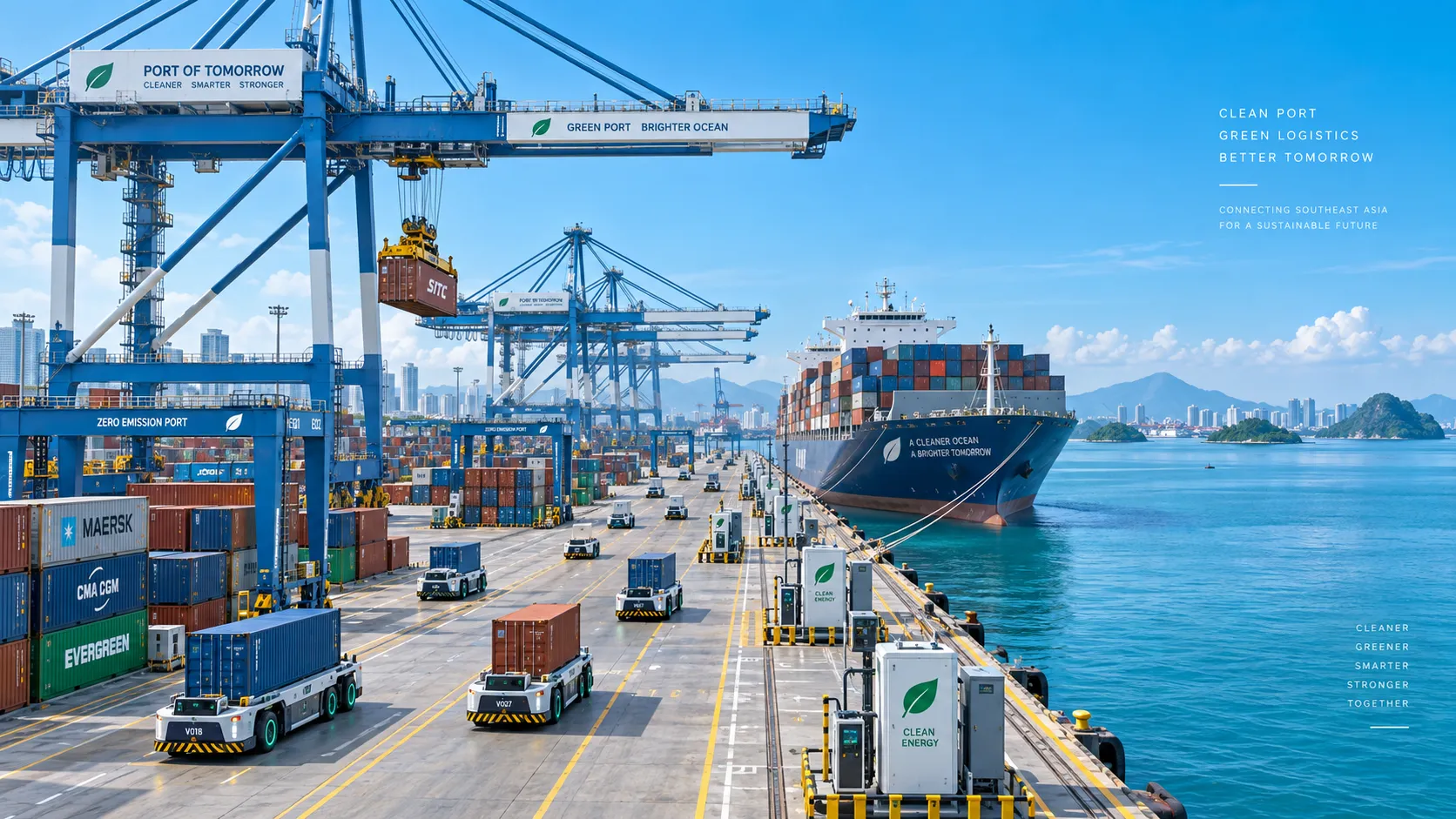
Smart Port Systems in Southeast Asia: Investment Priorities and Adoption Barriers
Smart port systems Southeast Asia: discover investment priorities, adoption barriers, and practical steps to build resilient, connected, high-performing terminals.
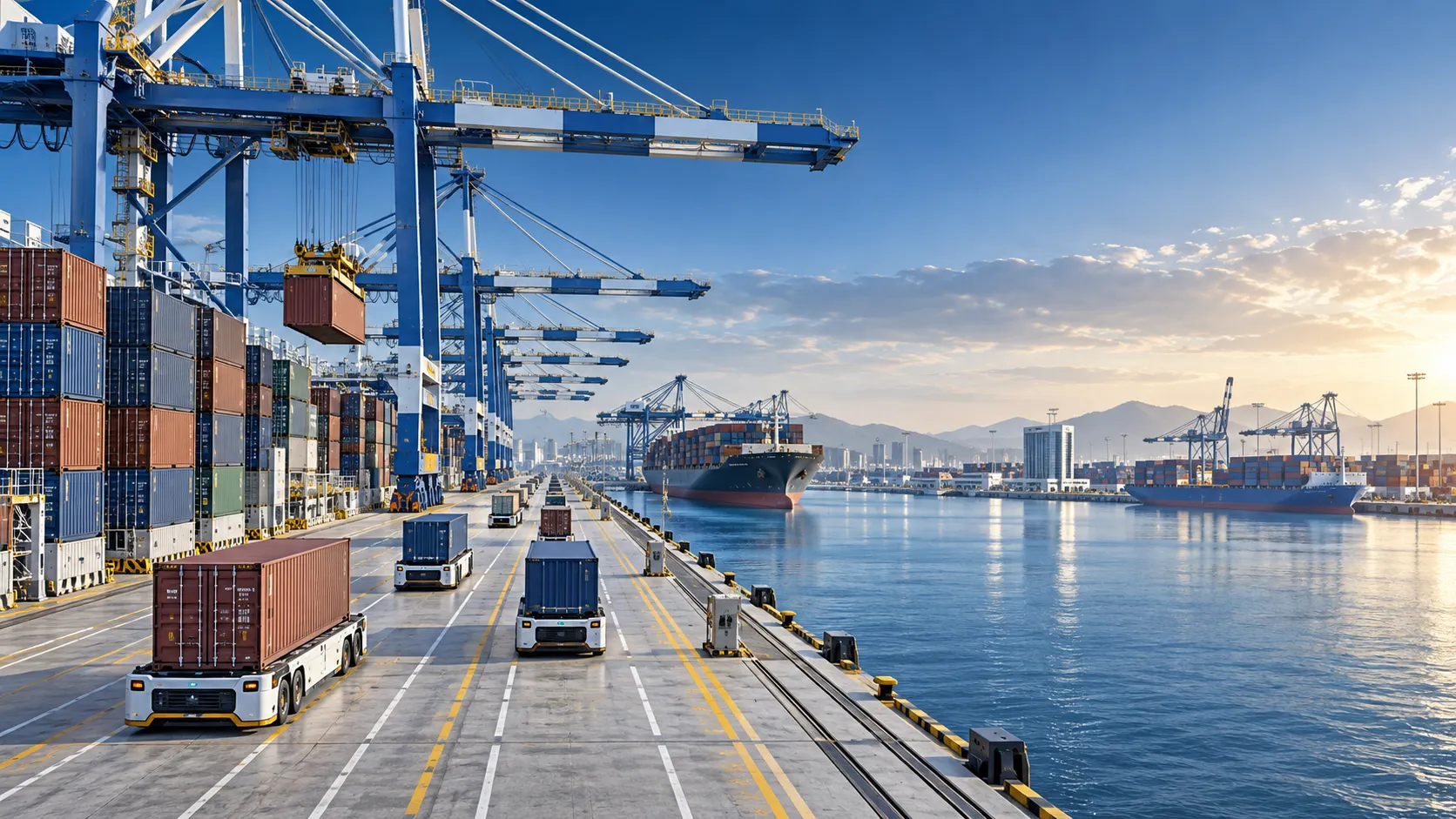
How to Evaluate Terminal Efficiency Solution Suppliers for High-Throughput Operations
Choose a terminal efficiency solutions supplier with confidence. Explore proven criteria for throughput, integration, lifecycle cost, safety, and reliable delivery.
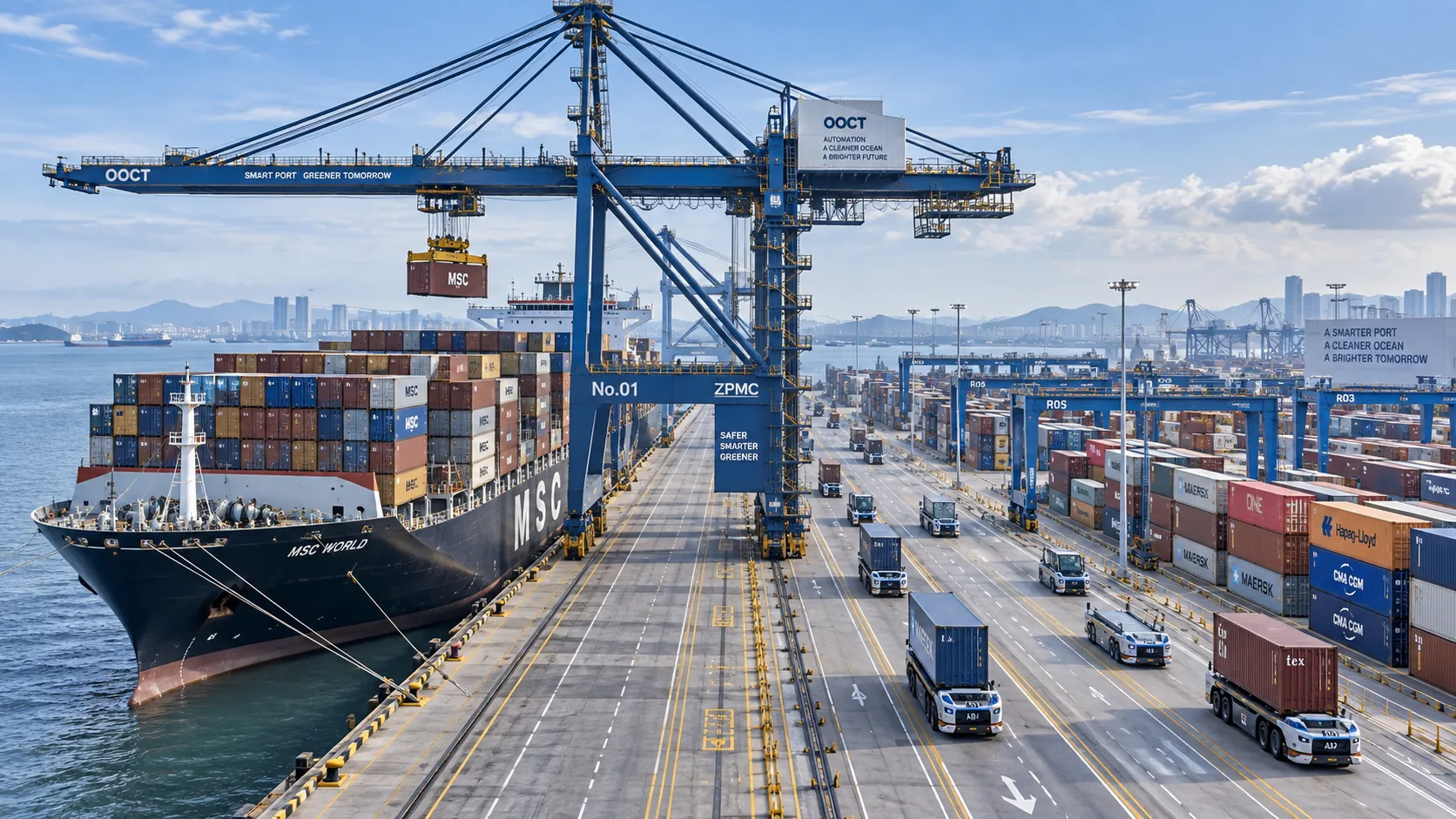
How to Specify a Quay Crane for Container Terminals by Vessel Size and Throughput?
Quay crane for container terminals: learn how to match outreach, lift height, capacity, automation, and cycle performance to vessel size and throughput goals.
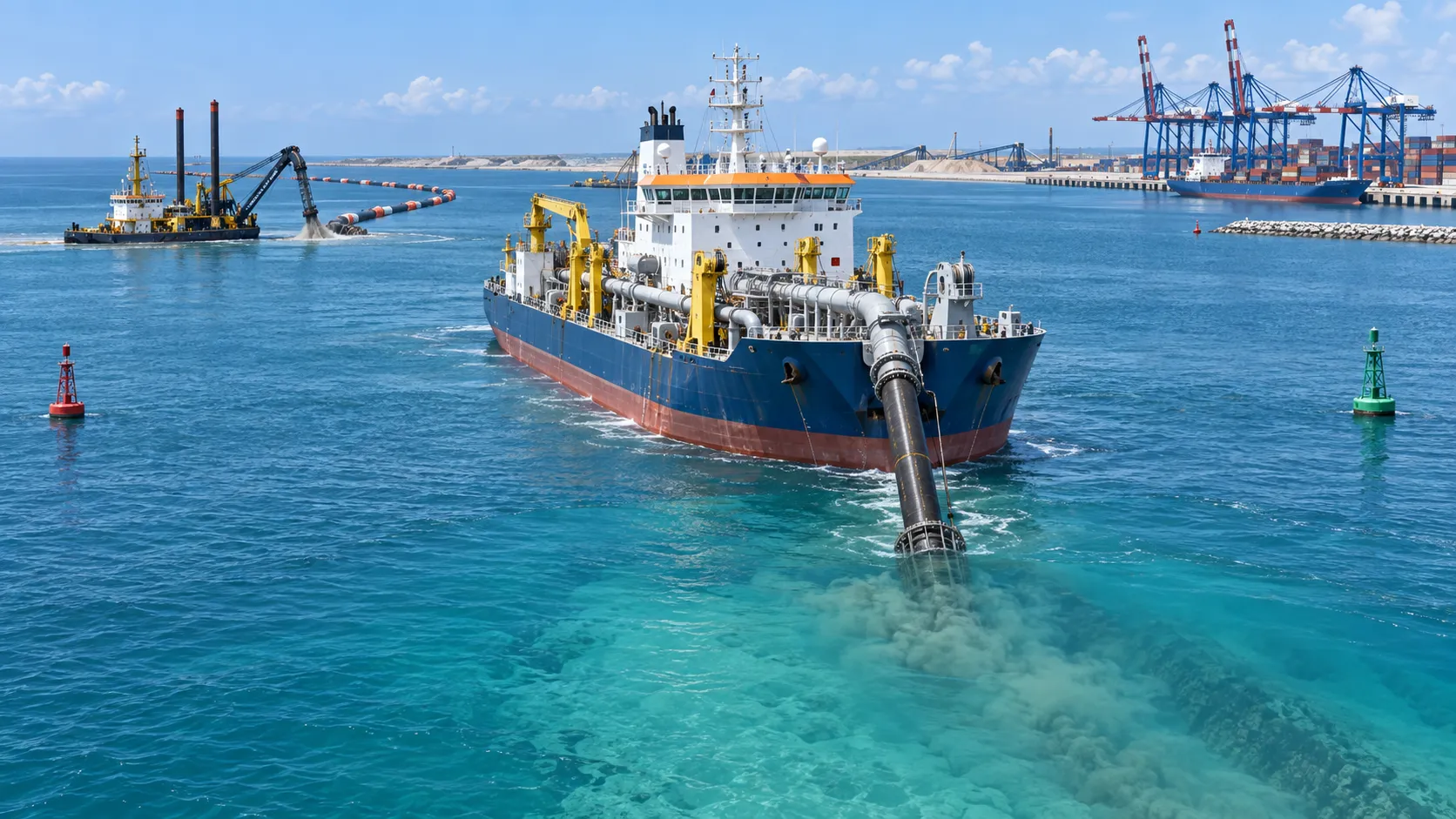
What Dredging Equipment Is Needed for Channel Deepening?
What dredging equipment is needed for channel deepening? Explore dredgers, pipelines, survey tools, and planning strategies for safer, more efficient port access.
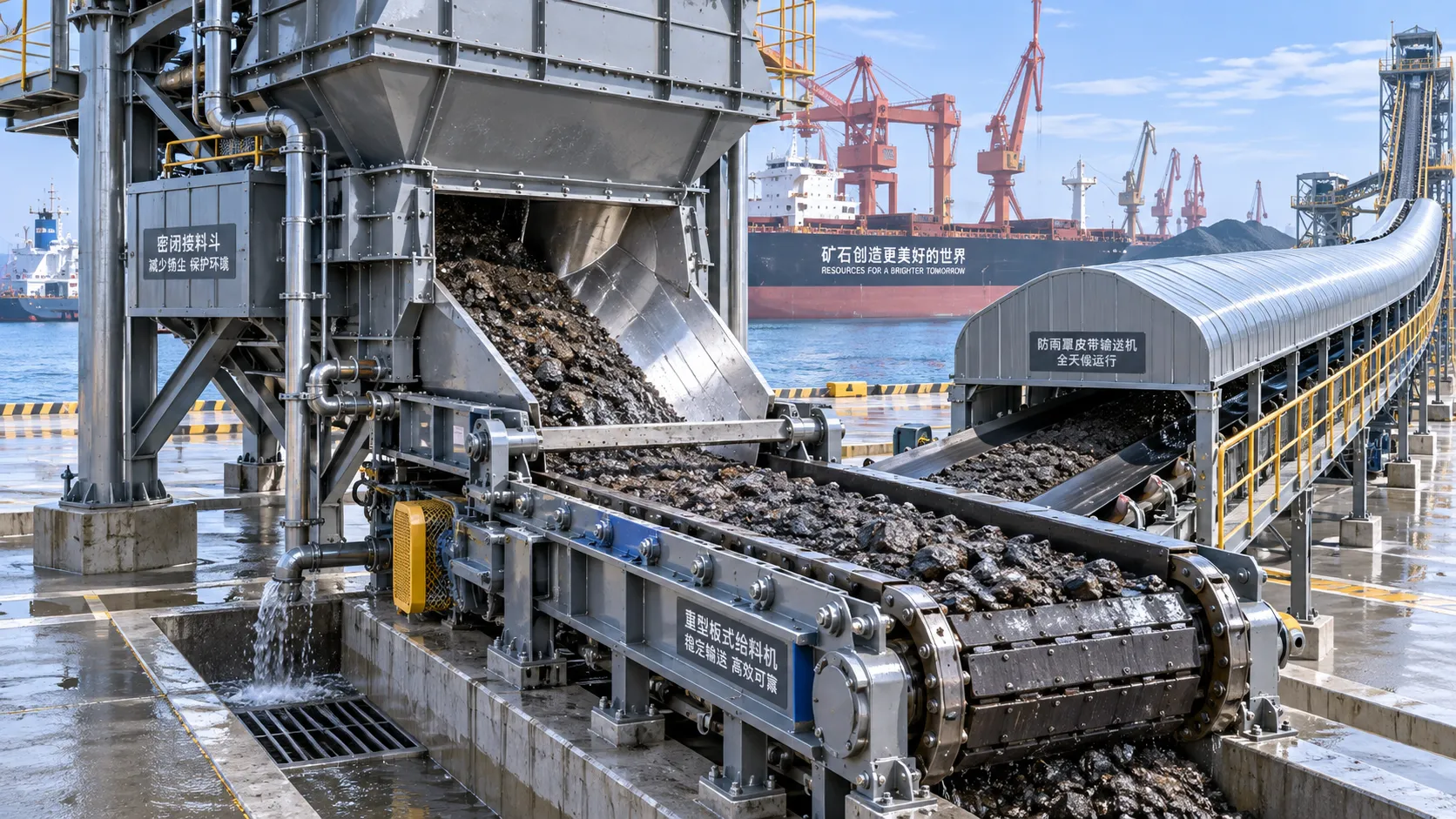
Which Bulk Handling Equipment Suits High-Moisture Cargo?
Which bulk handling equipment suits high-moisture cargo? Compare belt, apron, screw, drag, and slurry systems for reliable flow, less carryback, and higher terminal uptime.
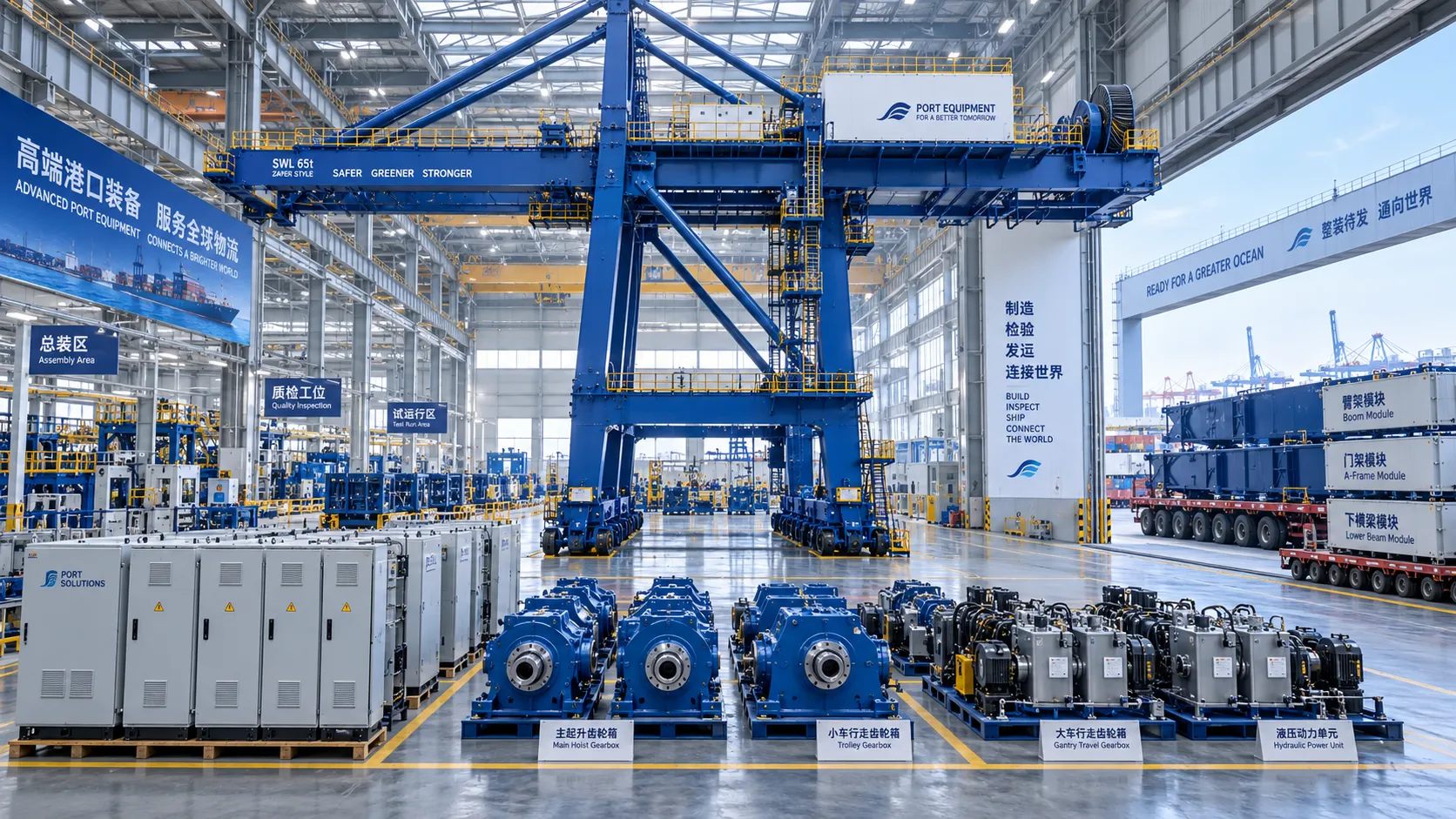
How Can Port Equipment Lead-Time Risk Be Managed?
How can port equipment lead-time risk be managed? Explore practical strategies to control critical paths, suppliers, transport, site readiness, and commissioning delays.
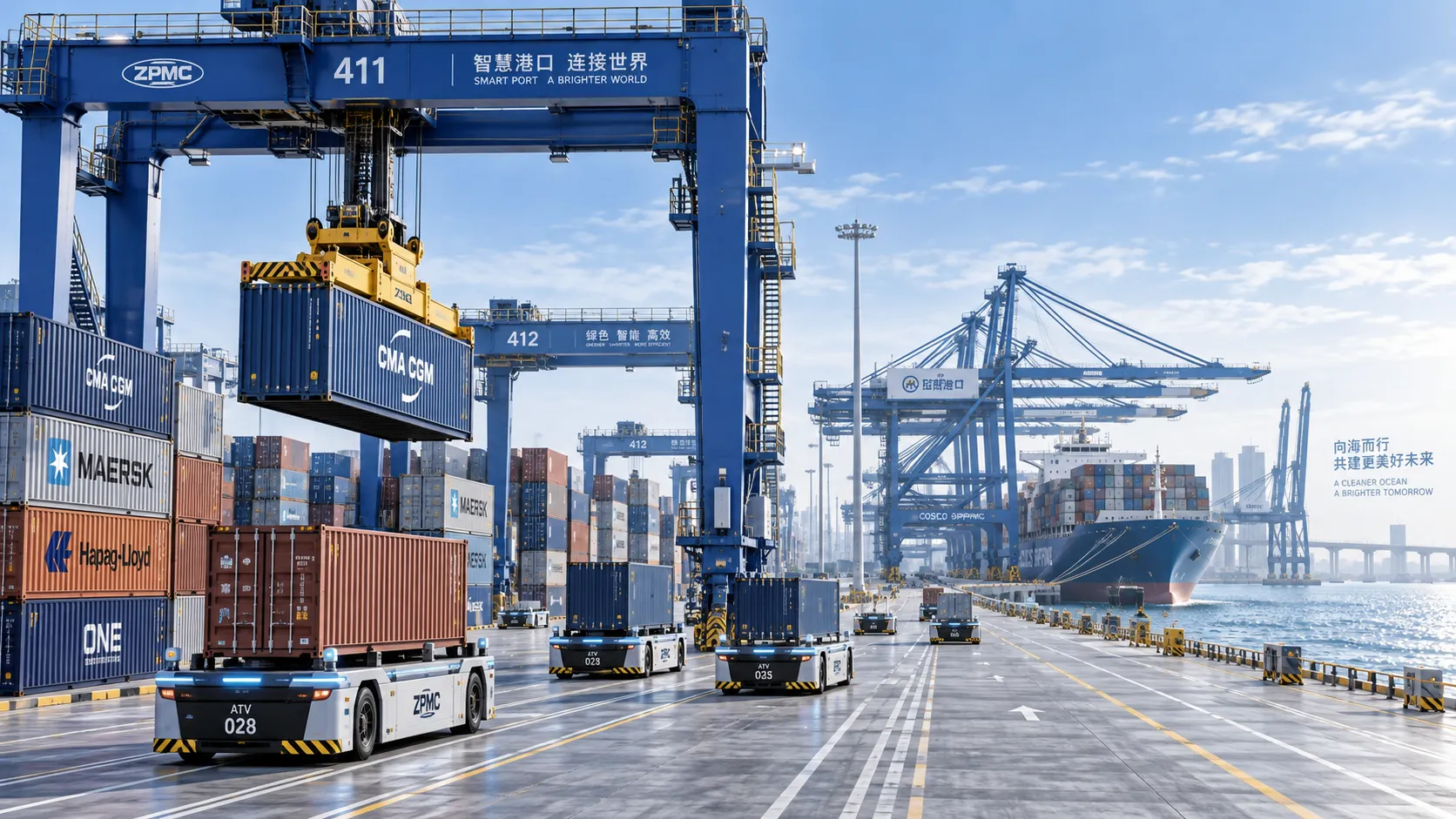
Terminal Automation Technologies That Raise Container Throughput Without Yard Disruption
Terminal automation technology that increases container throughput without disrupting yard flow. Explore smarter integration, resilient workflows, and phased deployment strategies.
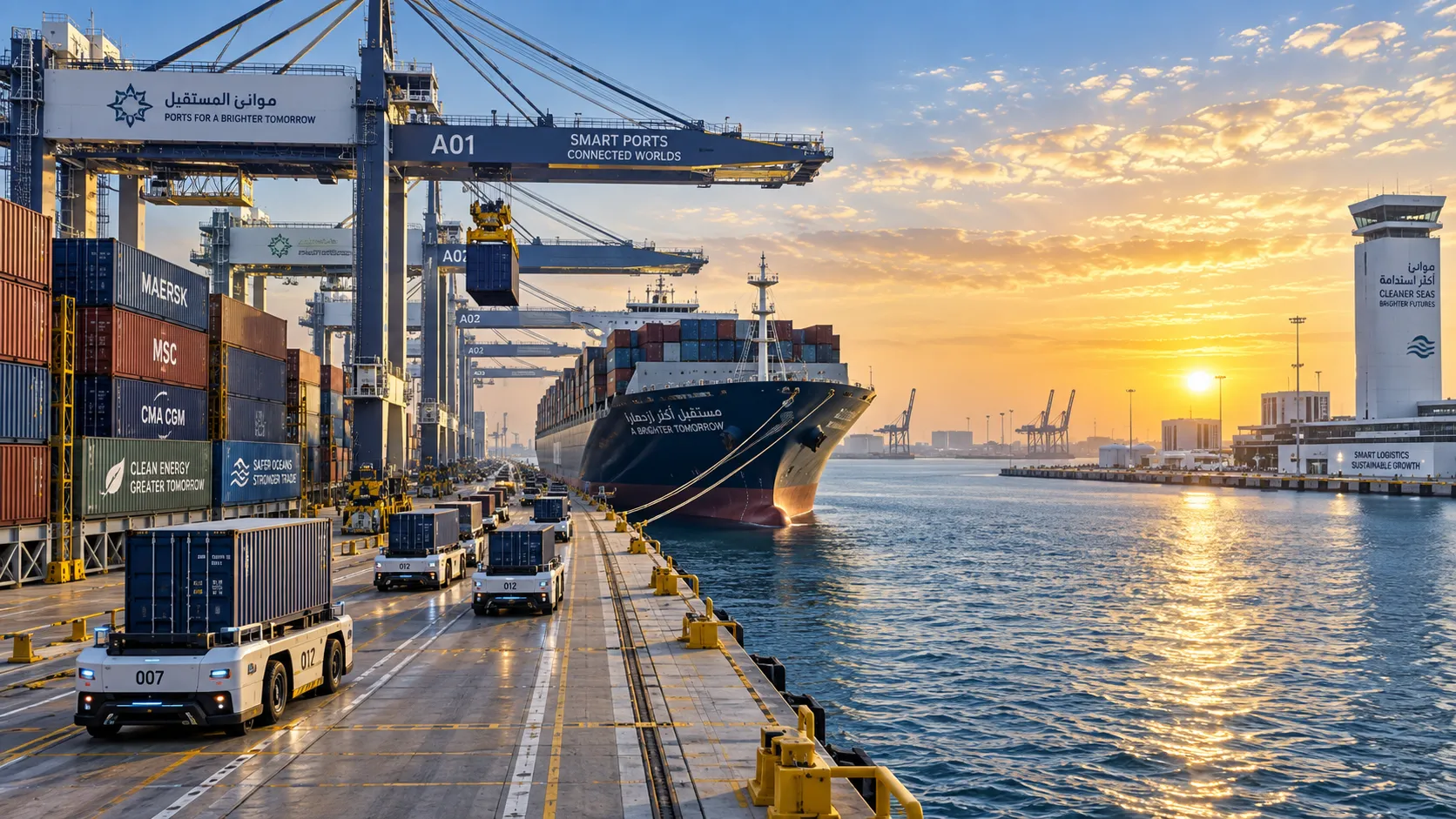
Middle East Port Automation: Key Market Drivers, Projects, and Investment Risks
Port automation systems Middle East: explore market drivers, flagship projects, integration challenges, and investment risks shaping smarter, resilient terminals.
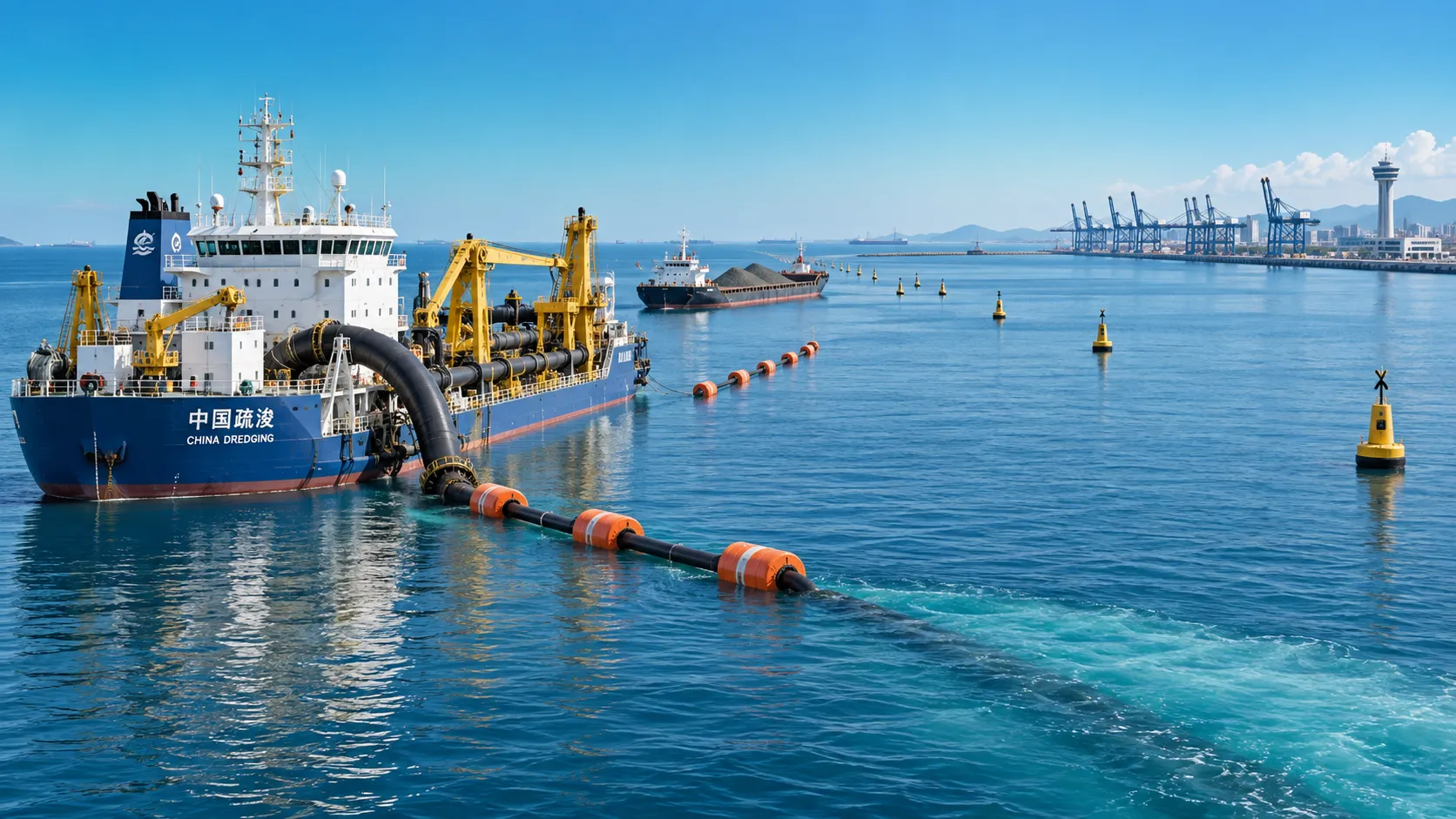
Planning Offshore Dredging Operations: Key Risks, Methods, and Project Controls
Offshore dredging operations demand smart planning. Explore key risks, proven methods, environmental controls, and project strategies for reliable delivery.