Related News
- 00
0000-00
How Can Port Equipment Lead-Time Risk Be Managed? - 00
0000-00
Maritime Logistics Operations: How Ports Can Reduce Container Dwell Time - 00
0000-00
What Does Logistics Node Monitoring Cost Across Warehouses and Transport Hubs? - 00
0000-00
How Can IoT Smart Port Solutions Improve Container Tracking and Yard Efficiency? - 00
0000-00
How Real-Time Port Logistics Intelligence Improves Container Yard Efficiency
Container yard optimization mistakes that slow turnaround
Container yard optimization is now a turnaround risk issue
Even advanced terminals lose time when container yard optimization is treated only as a layout problem.
In practice, yard performance depends on quality control, safety discipline, equipment coordination, and data accuracy.
Small planning mistakes can create crane waiting, stack rehandles, truck queues, and unstable handoff timing.
They also increase exposure to near misses, damage claims, compliance failures, and costly schedule recovery actions.
For global terminals, container yard optimization has become a resilience question tied to throughput, safety, and service reliability.
PS-Nexus tracks this shift across heavy terminal gear, automation logic, and the wider economics of marine logistics.
Why yard inefficiency is becoming more visible across port operations
The pressure on yard systems is growing from several directions at once.
Vessel sizes are larger, call windows are tighter, and inland transport variability is harder to predict.
At the same time, terminals are adding automation, remote control, and denser stacking rules.
That means mistakes once absorbed by extra labor or empty slots now spread faster across the whole operation.
A poor yard rule can affect quay crane productivity, internal truck circulation, reefer compliance, and gate turn times.
This is why container yard optimization is moving from local planning to enterprise-level operational governance.
Signals that the problem is structural, not temporary
- Repeated rehandles remain high even after peak season ends.
- Equipment conflicts appear in the same blocks and time windows.
- Dangerous goods and special cargo need frequent last-minute relocation.
- Truck and AGV handoffs suffer from unpredictable queue spikes.
- Safety incidents rise during recovery from schedule disruptions.
The common container yard optimization mistakes that slow turnaround
Most delays come from a small set of recurring decisions.
They look minor at planning level, but they create cascading effects during live execution.
1. Treating yard zoning as fixed instead of dynamic
Static block assignments ignore vessel sequence changes, transshipment pressure, and landside arrival variability.
As a result, import, export, empty, and exception flows compete for the same travel corridors.
2. Optimizing capacity while ignoring rehandle probability
Dense stacking can look efficient on paper.
But when dwell time assumptions fail, retrieval order breaks and nonproductive moves multiply.
3. Separating safety rules from allocation logic
Hazard classes, overweight units, out-of-gauge cargo, and damaged containers need embedded location controls.
If safety is checked after assignment, yard teams must reshuffle stacks under time pressure.
4. Underestimating equipment interaction limits
Rubber-tyred gantries, rail-mounted gantries, terminal tractors, and AGVs do not share space equally.
When routing logic ignores crossing density, waiting time and conflict risk rise together.
5. Running with poor data discipline
Bad weight, wrong status, late gate updates, and inconsistent position records can destroy a good plan.
Container yard optimization depends on trusted master data and fast exception correction.
6. Chasing local utilization instead of total flow
One block may look busy and productive while quay cranes are starved elsewhere.
The right metric is synchronized movement across vessel, yard, and gate interfaces.
What is driving these mistakes in modern terminals
These forces explain why container yard optimization now requires stronger control architecture, not just better maps.
How the impact spreads across safety, quality, and throughput
The first visible symptom is usually slower turnaround.
However, the deeper impact reaches asset health, labor exposure, customer confidence, and planning credibility.
- Quay cranes lose rhythm when yard delivery windows become inconsistent.
- Drivers and automated vehicles face more crossing conflicts and stop-start movement.
- Stack instability risk increases when exception handling becomes reactive.
- Energy use rises because equipment travels farther for avoidable repositioning.
- Service commitments weaken when gate and vessel plans diverge repeatedly.
In broader supply chain terms, weak container yard optimization reduces terminal resilience during disruption recovery.
That matters in an industry where every delay can ripple into berth windows, feeder links, and inland schedules.
What deserves immediate attention in a stronger yard control model
Improvement starts with a governance mindset.
The goal is not only higher density, but safer and more predictable flow under changing conditions.
Priority focus areas
- Build dynamic zoning rules linked to vessel sequence and gate forecasts.
- Measure rehandle risk before approving high-density stack plans.
- Embed safety classes into allocation engines, not only into inspection routines.
- Map machine interaction hotspots and redesign travel corridors where needed.
- Tighten data validation for weight, status, location, and exception codes.
- Use end-to-end KPIs instead of isolated block utilization numbers.
In some digital improvement programs, teams review benchmark references such as 无 to compare rule design approaches.
A practical response path for better container yard optimization
This response path aligns with the larger transition toward smarter ports and more disciplined operational intelligence.
It also supports the wider PS-Nexus view that mechanical power and scheduling logic must be synchronized.
The next move is to make container yard optimization measurable
The fastest gains rarely come from adding more space.
They come from removing avoidable friction in rules, data, and equipment interaction.
Terminals that treat container yard optimization as a safety and quality discipline improve turnaround more consistently.
They also build better resilience against volatility in vessel schedules and inland transport patterns.
A useful next step is a focused audit of stack design, allocation rules, and live exception handling.
That audit should rank delays by root cause, then convert findings into measurable control changes.
In today’s port environment, container yard optimization is no longer optional fine-tuning.
It is a core operating capability for throughput, compliance, and durable turnaround performance.
Related News
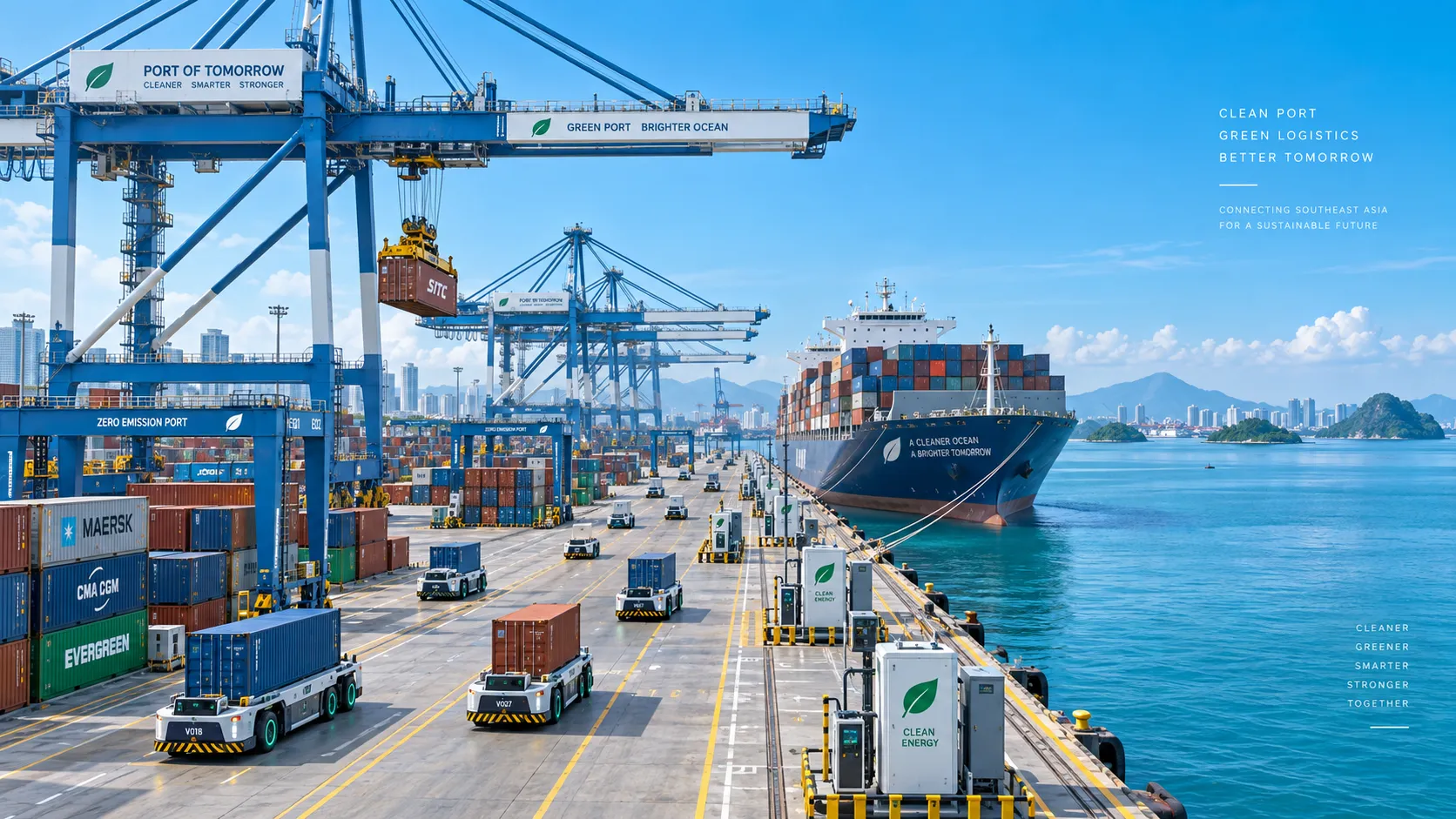
Smart Port Systems in Southeast Asia: Investment Priorities and Adoption Barriers
Smart port systems Southeast Asia: discover investment priorities, adoption barriers, and practical steps to build resilient, connected, high-performing terminals.
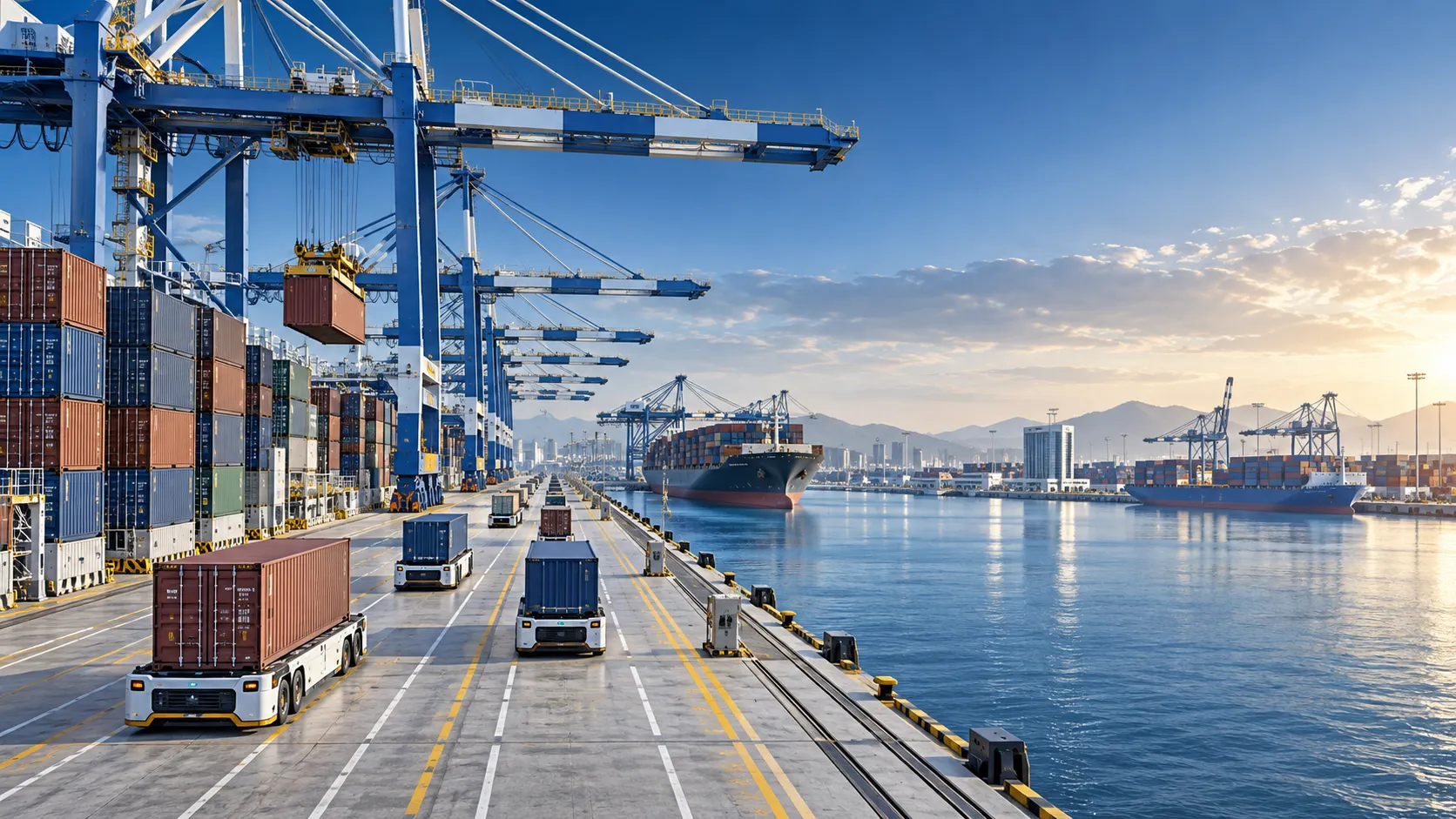
How to Evaluate Terminal Efficiency Solution Suppliers for High-Throughput Operations
Choose a terminal efficiency solutions supplier with confidence. Explore proven criteria for throughput, integration, lifecycle cost, safety, and reliable delivery.
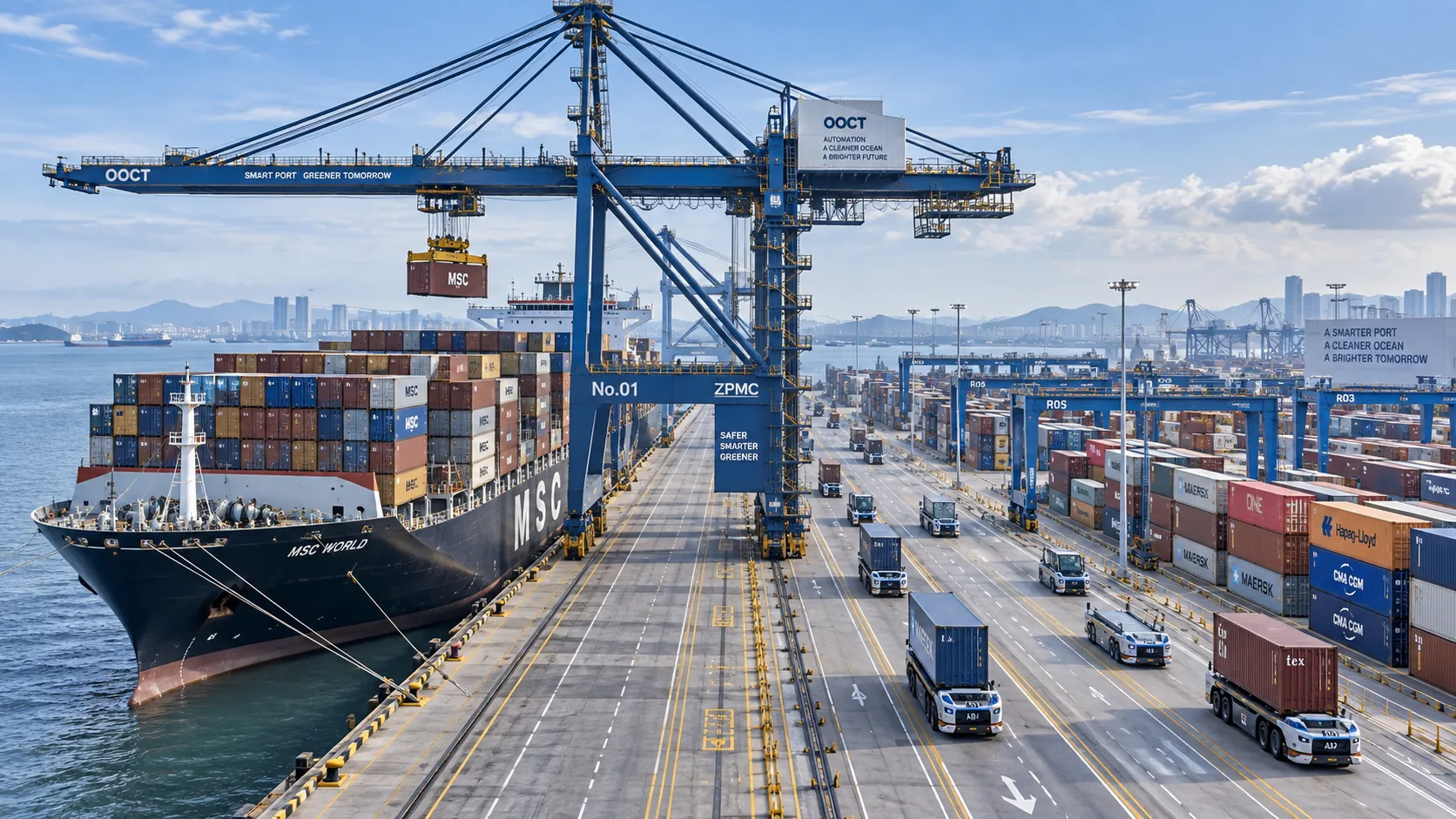
How to Specify a Quay Crane for Container Terminals by Vessel Size and Throughput?
Quay crane for container terminals: learn how to match outreach, lift height, capacity, automation, and cycle performance to vessel size and throughput goals.
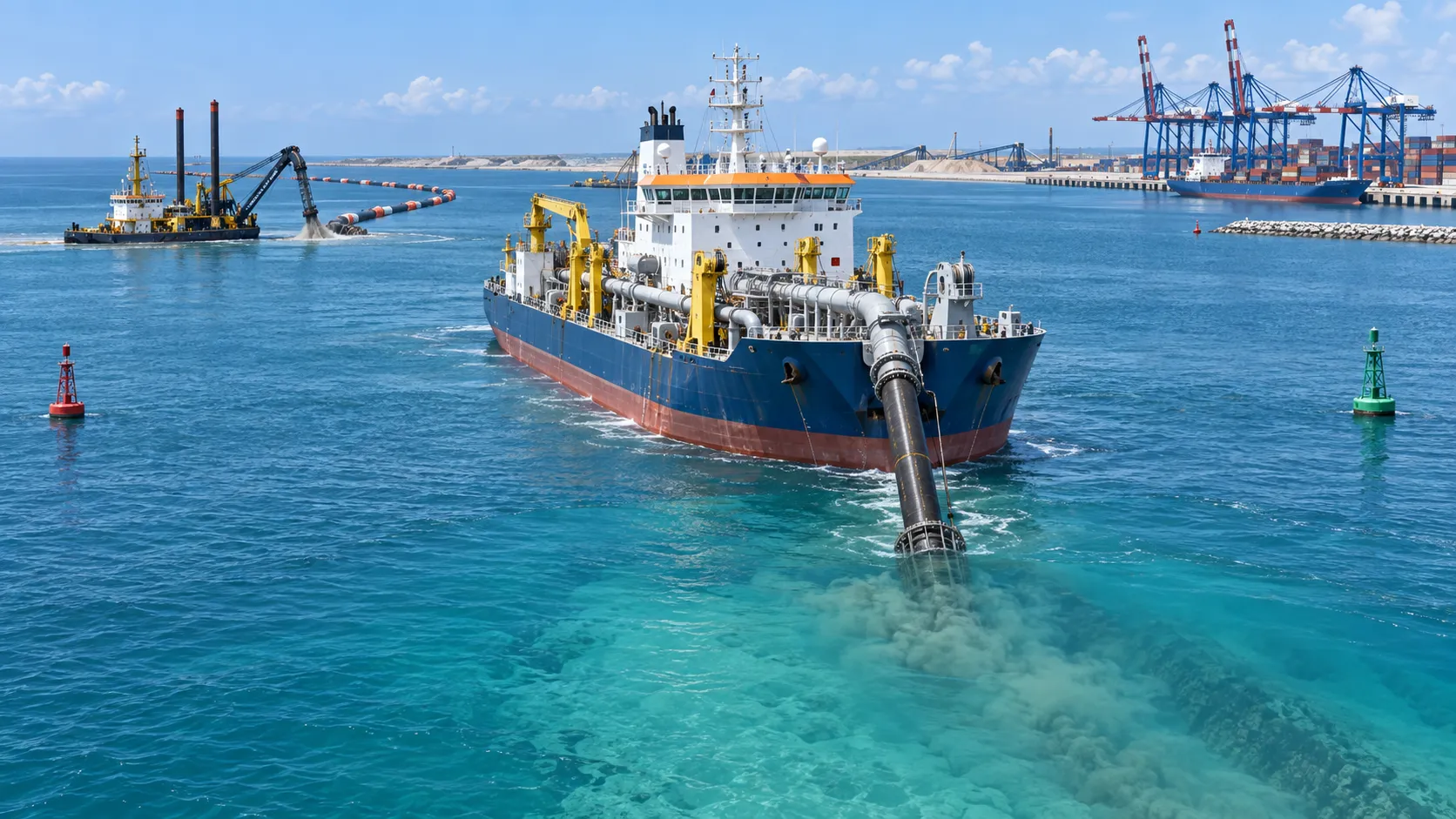
What Dredging Equipment Is Needed for Channel Deepening?
What dredging equipment is needed for channel deepening? Explore dredgers, pipelines, survey tools, and planning strategies for safer, more efficient port access.
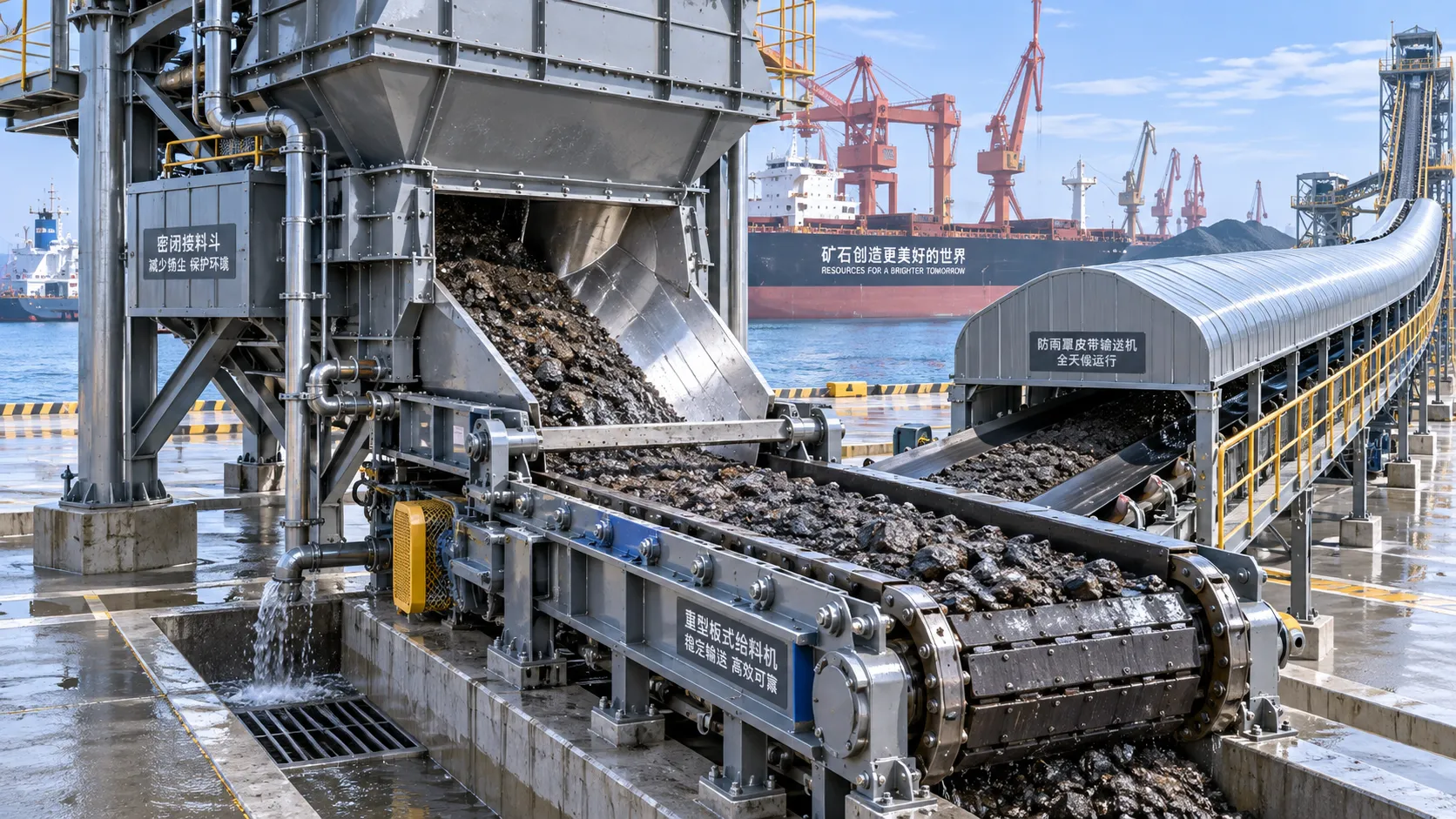
Which Bulk Handling Equipment Suits High-Moisture Cargo?
Which bulk handling equipment suits high-moisture cargo? Compare belt, apron, screw, drag, and slurry systems for reliable flow, less carryback, and higher terminal uptime.
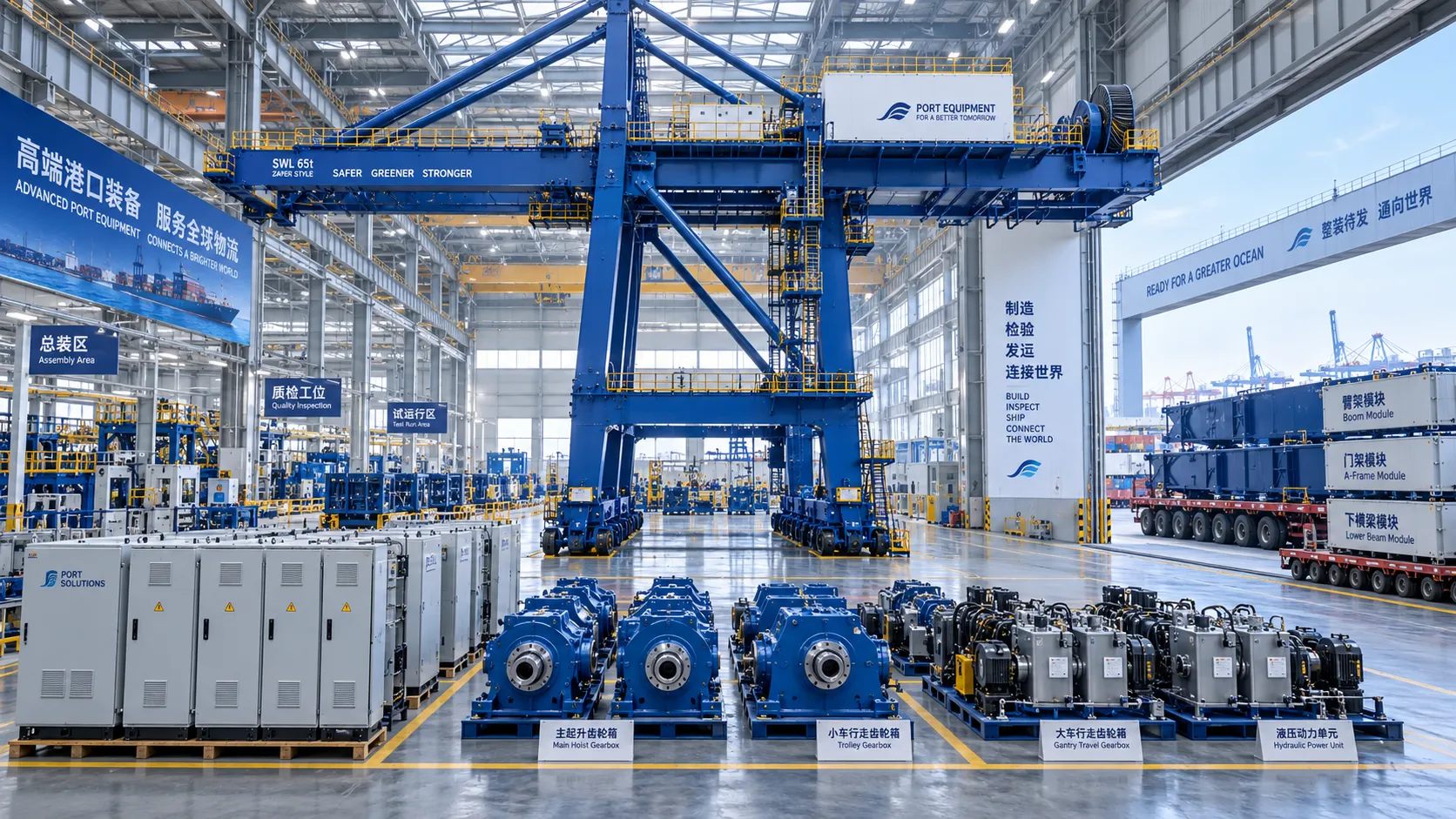
How Can Port Equipment Lead-Time Risk Be Managed?
How can port equipment lead-time risk be managed? Explore practical strategies to control critical paths, suppliers, transport, site readiness, and commissioning delays.
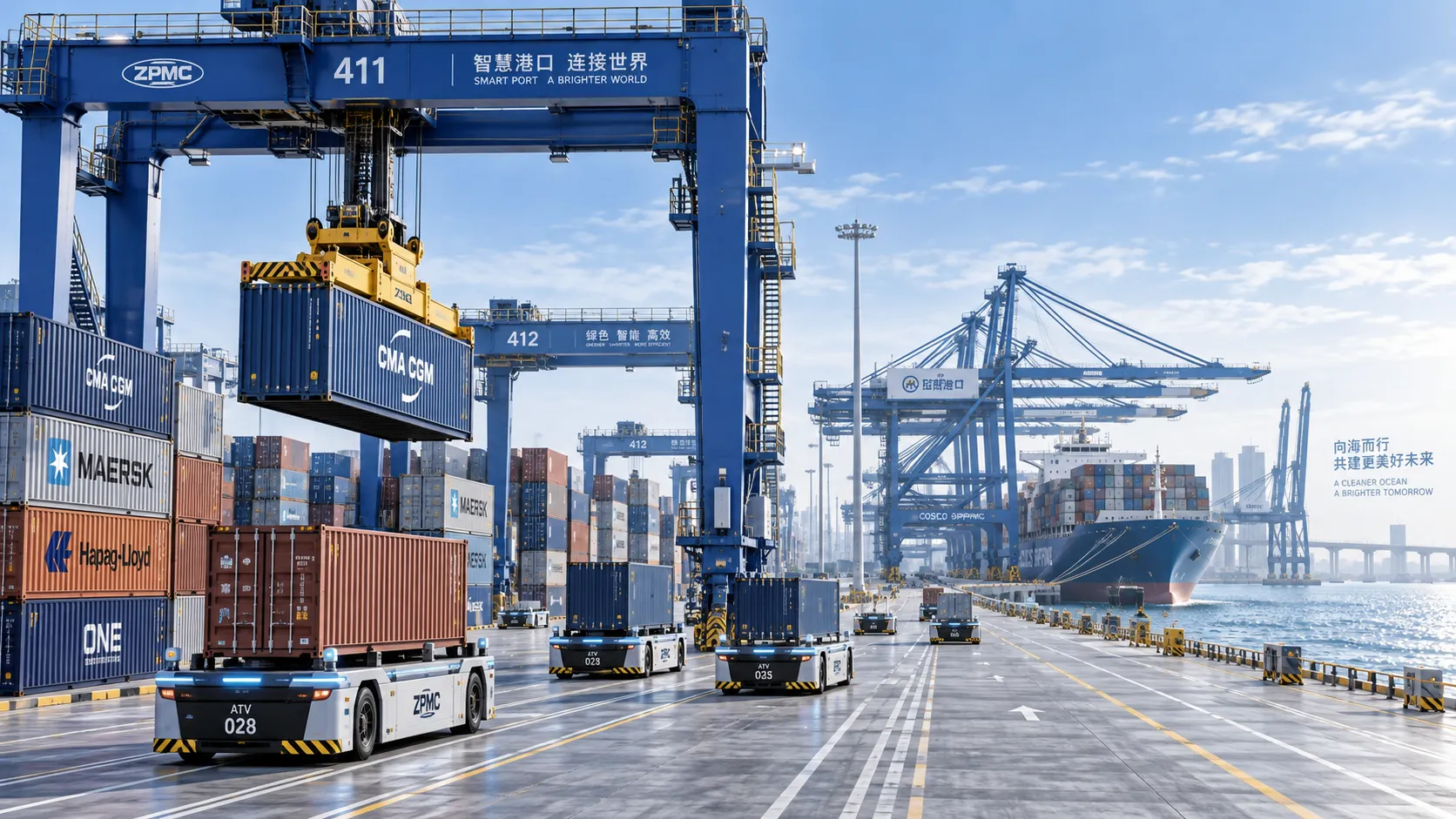
Terminal Automation Technologies That Raise Container Throughput Without Yard Disruption
Terminal automation technology that increases container throughput without disrupting yard flow. Explore smarter integration, resilient workflows, and phased deployment strategies.
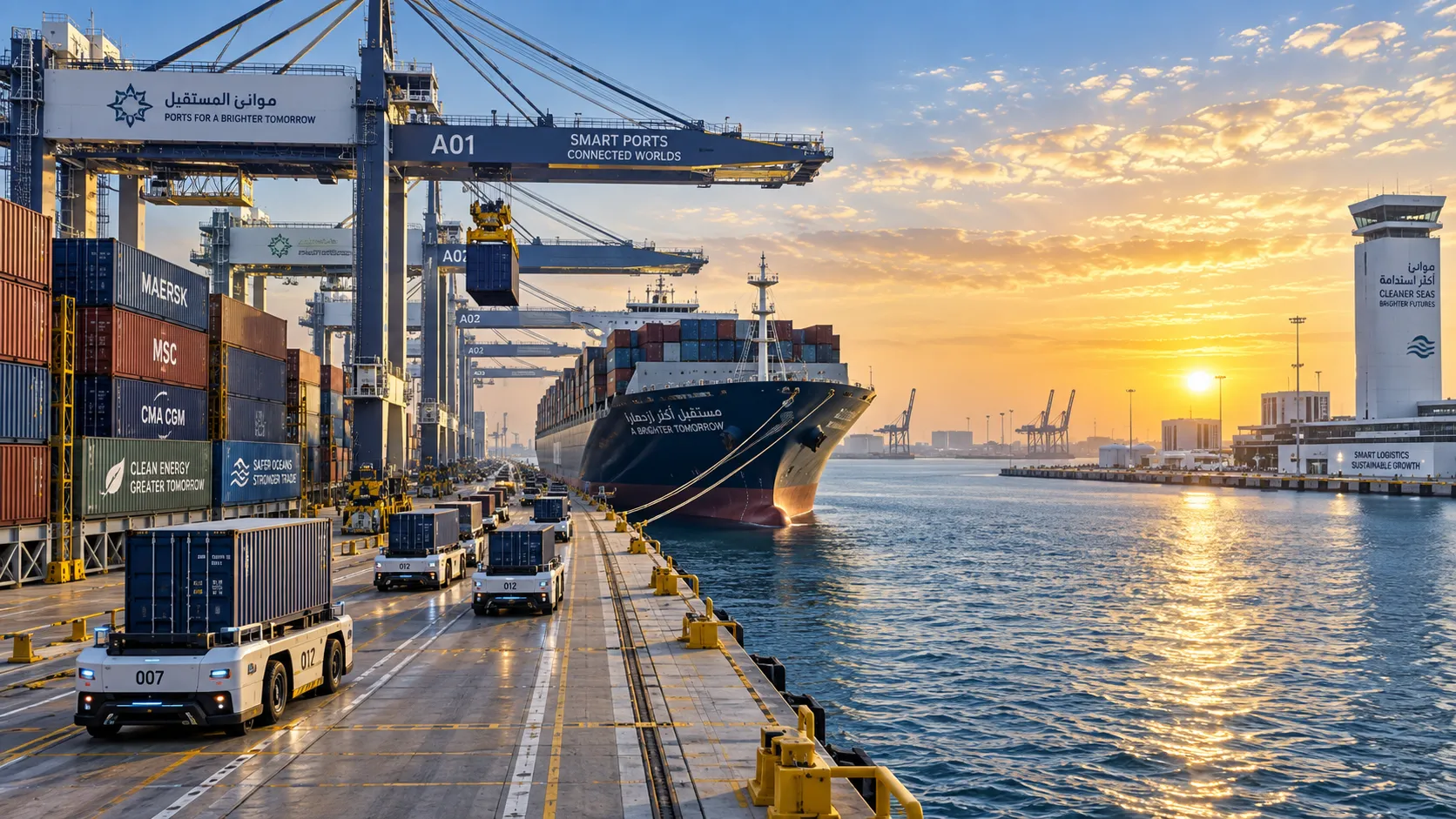
Middle East Port Automation: Key Market Drivers, Projects, and Investment Risks
Port automation systems Middle East: explore market drivers, flagship projects, integration challenges, and investment risks shaping smarter, resilient terminals.
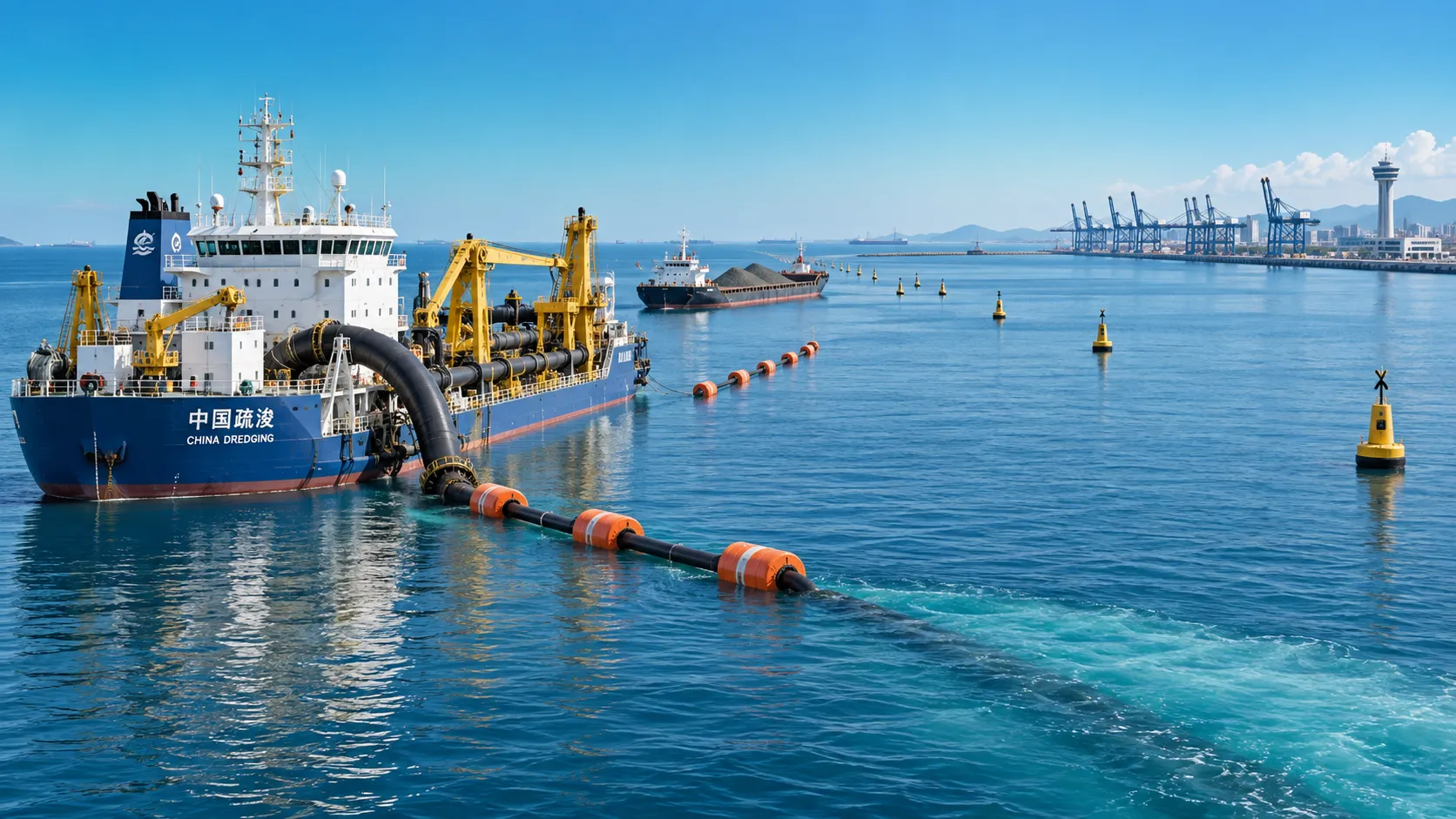
Planning Offshore Dredging Operations: Key Risks, Methods, and Project Controls
Offshore dredging operations demand smart planning. Explore key risks, proven methods, environmental controls, and project strategies for reliable delivery.