Related News
- 00
0000-00
How Can Port Equipment Lead-Time Risk Be Managed? - 00
0000-00
Maritime Logistics Operations: How Ports Can Reduce Container Dwell Time - 00
0000-00
What Does Logistics Node Monitoring Cost Across Warehouses and Transport Hubs? - 00
0000-00
How Can IoT Smart Port Solutions Improve Container Tracking and Yard Efficiency? - 00
0000-00
How Real-Time Port Logistics Intelligence Improves Container Yard Efficiency
Why maritime trade analytics matter in volatile markets
In volatile markets, maritime trade analytics gives decision-makers a clearer view than headlines alone. It connects freight movement, port activity, equipment use, automation adoption, and dredging investment into one operational picture.
That visibility matters because disruption rarely appears in only one place. A rate spike may begin with congestion, labor issues, shallow channels, or uneven terminal productivity across global networks.
For PS-Nexus, maritime trade analytics is not just about cargo counts. It is a way to interpret how heavy terminal gear, smart control systems, and marine engineering shape trade resilience and commercial timing.
Why maritime trade analytics has become essential in unstable trade cycles
Volatile markets punish assumptions. Demand can soften in one corridor while berth delays, fuel shifts, or security events tighten capacity somewhere else almost immediately.
Maritime trade analytics helps identify these crosscurrents earlier. Instead of reacting to broad sentiment, businesses can evaluate real vessel flow, terminal dwell time, crane productivity, and inland bottlenecks.
This matters across the wider economy. Ports are not isolated transport assets. They are throughput engines for energy, commodities, manufactured goods, and project cargo linked to industrial planning.
When these engines slow or shift, pricing, lead times, and infrastructure priorities move with them. Maritime trade analytics turns those shifts into measurable signals rather than late surprises.
The strongest market signals are now operational, not rhetorical
Recent trade volatility has shown that headline narratives often lag port reality. Operational data usually reveals stress first, especially in transshipment hubs and heavy import gateways.
Useful maritime trade analytics often starts with a few observable indicators:
- Vessel queue length and anchorage waiting time
- Quay crane utilization and berth productivity
- Container yard density and truck turn time
- Bulk terminal throughput for energy and raw materials
- Channel depth constraints affecting vessel size access
- Automation uptime and scheduling system reliability
Each signal carries commercial meaning. A yard congestion spike may indicate future inland strain. A dredging delay may limit draft, vessel mix, and trade lane competitiveness.
This is where maritime trade analytics supports stronger judgment. It transforms scattered port events into a structured reading of supply chain stress and regional demand confidence.
What is driving the growing importance of maritime trade analytics
Several forces are making maritime trade analytics more valuable. They combine macro uncertainty with highly technical shifts inside port and coastal logistics systems.
Together, these drivers make intuition less reliable. Maritime trade analytics becomes the practical bridge between market volatility and infrastructure-level reality.
How maritime trade analytics changes decisions across port-linked business activity
The value of maritime trade analytics extends beyond shipping lines. It affects investment timing, equipment planning, capacity allocation, and market-entry judgment across connected sectors.
Terminal gear and handling productivity
Mega port terminal gear sets the physical speed limit of trade hubs. Analytics can reveal whether congestion comes from demand growth or poor asset synchronization.
That distinction matters. If crane intensity rises while berth productivity stalls, the issue may sit in scheduling logic, yard layout, or maintenance cycles rather than cargo demand itself.
Bulk cargo turnover and industrial demand
Bulk handling machinery reflects the pulse of energy and raw material trade. Maritime trade analytics helps detect whether throughput changes are cyclical, structural, or route-specific.
That supports better reading of industrial momentum. Ore, grain, coal, aggregates, and project material flows often signal broader regional shifts before other indicators do.
Automation systems and unmanned terminal performance
Modern ports rely on control systems as much as steel assets. Maritime trade analytics should therefore include algorithmic scheduling, AGV path efficiency, and low-latency communications quality.
When automation works, throughput improves without proportional physical expansion. When it underperforms, hidden delays multiply across quay, yard, gate, and maintenance workflows.
Dredging investment and navigational competitiveness
Marine dredging is often overlooked in trade commentary. Yet access depth determines which vessels can call, what scale economics apply, and how resilient a port remains during cargo shifts.
Maritime trade analytics can connect dredging programs with long-term trade capture potential. It highlights where channel improvements may unlock larger strategic gains than terminal expansion alone.
The most useful focus areas when reading maritime trade analytics today
Not every metric deserves equal attention. The best use of maritime trade analytics comes from focusing on indicators that explain both immediate disruption and structural direction.
- Compare port throughput with equipment utilization, not throughput alone
- Track dwell time changes by terminal type and cargo segment
- Watch automation reliability, not just automation deployment announcements
- Assess dredging schedules as future capacity indicators
- Link freight price moves to node-level bottlenecks and route substitutions
- Measure resilience through recovery speed after disruption, not peak performance only
This approach aligns with PS-Nexus’s intelligence model. It combines machinery, algorithms, and coastal engineering into one decision framework rather than treating them as separate topics.
In some market scans, supporting references may appear as 无. Even then, the underlying principle remains the same: validate claims through operational evidence.
A practical way to respond when volatility keeps reshaping trade flows
Maritime trade analytics is most valuable when paired with a repeatable response model. Monitoring alone does not improve resilience unless it leads to disciplined action.
A strong response also requires cross-checking market stories against engineering constraints. If a port promises scale growth without depth, equipment, or control-system readiness, caution is justified.
Likewise, if operational metrics improve steadily during market stress, that node may gain share even before broad trade sentiment turns positive.
Clearer judgment starts with better maritime trade analytics
Volatility will remain a defining feature of global commerce. The advantage will belong to those who can interpret changing port conditions before they become pricing shocks or missed opportunities.
That is why maritime trade analytics matters. It clarifies how terminal gear, bulk handling systems, automation architecture, and dredging capacity interact across the maritime economy.
Use maritime trade analytics to test assumptions, compare port resilience, and spot capacity shifts early. Better data does not remove uncertainty, but it does improve the quality of every next move.
For ongoing tracking, build a review rhythm around node-level indicators, infrastructure signals, and technology performance. In unstable markets, disciplined intelligence is more valuable than broad optimism.
Related News
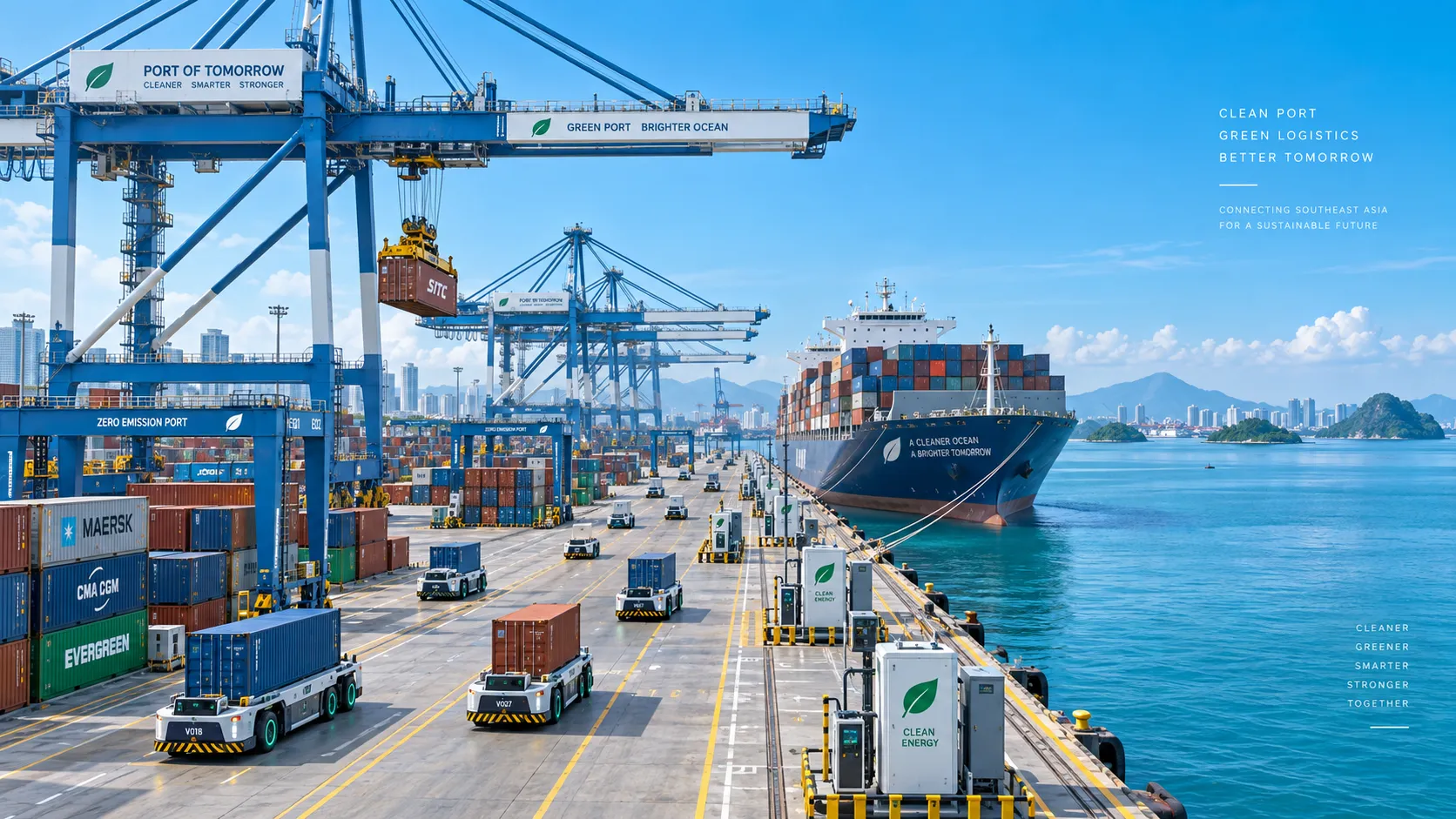
Smart Port Systems in Southeast Asia: Investment Priorities and Adoption Barriers
Smart port systems Southeast Asia: discover investment priorities, adoption barriers, and practical steps to build resilient, connected, high-performing terminals.
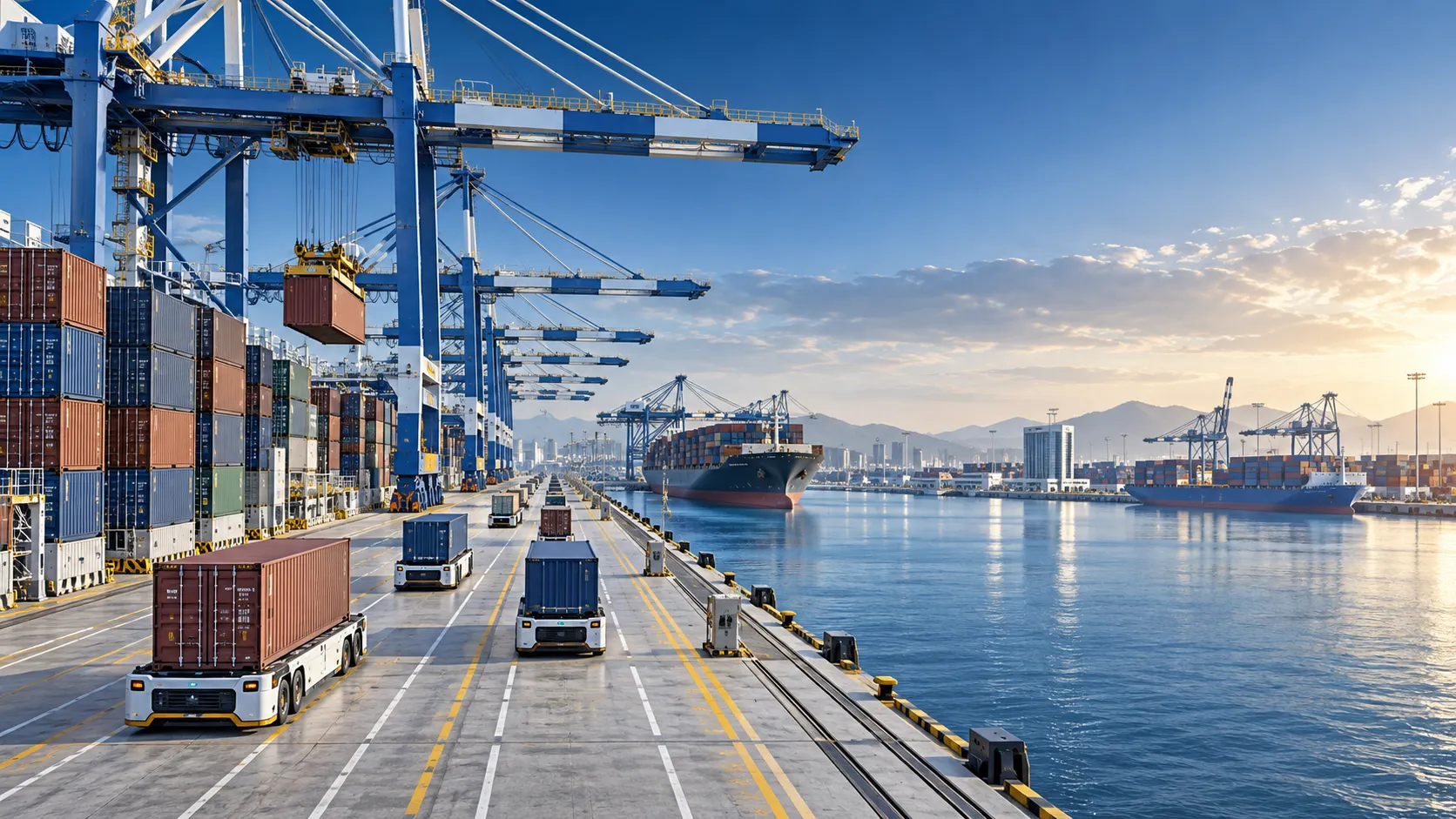
How to Evaluate Terminal Efficiency Solution Suppliers for High-Throughput Operations
Choose a terminal efficiency solutions supplier with confidence. Explore proven criteria for throughput, integration, lifecycle cost, safety, and reliable delivery.
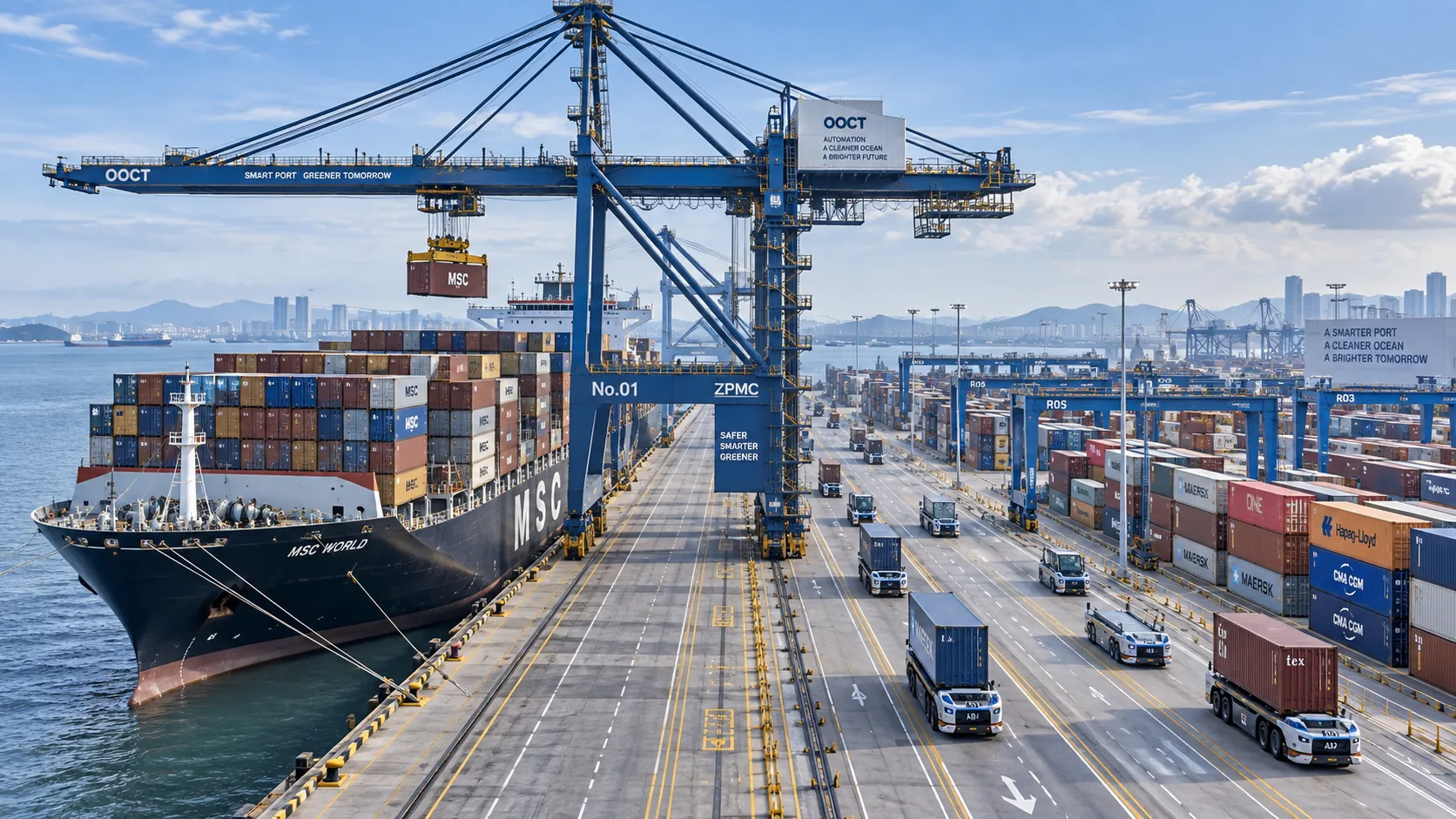
How to Specify a Quay Crane for Container Terminals by Vessel Size and Throughput?
Quay crane for container terminals: learn how to match outreach, lift height, capacity, automation, and cycle performance to vessel size and throughput goals.
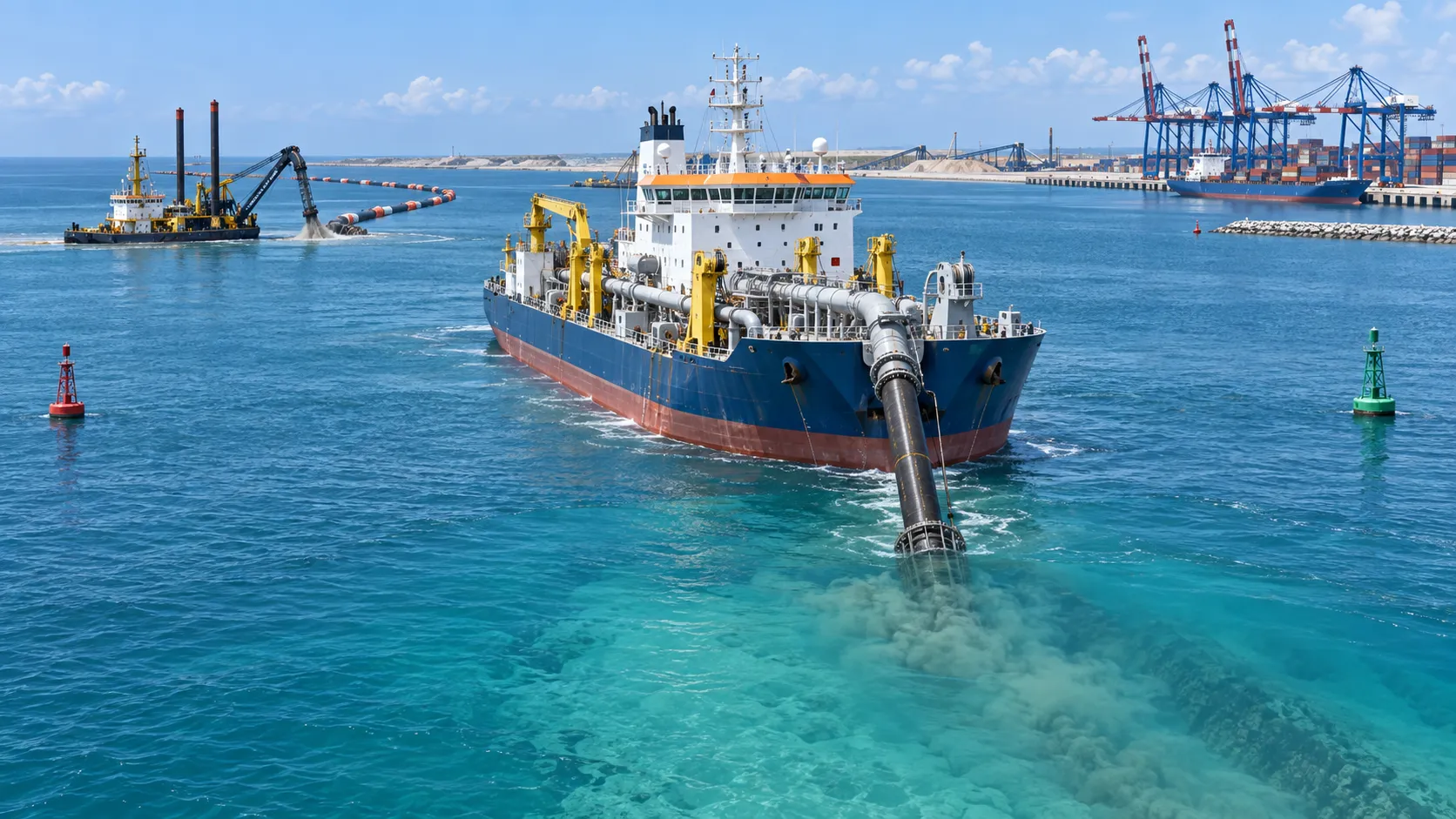
What Dredging Equipment Is Needed for Channel Deepening?
What dredging equipment is needed for channel deepening? Explore dredgers, pipelines, survey tools, and planning strategies for safer, more efficient port access.
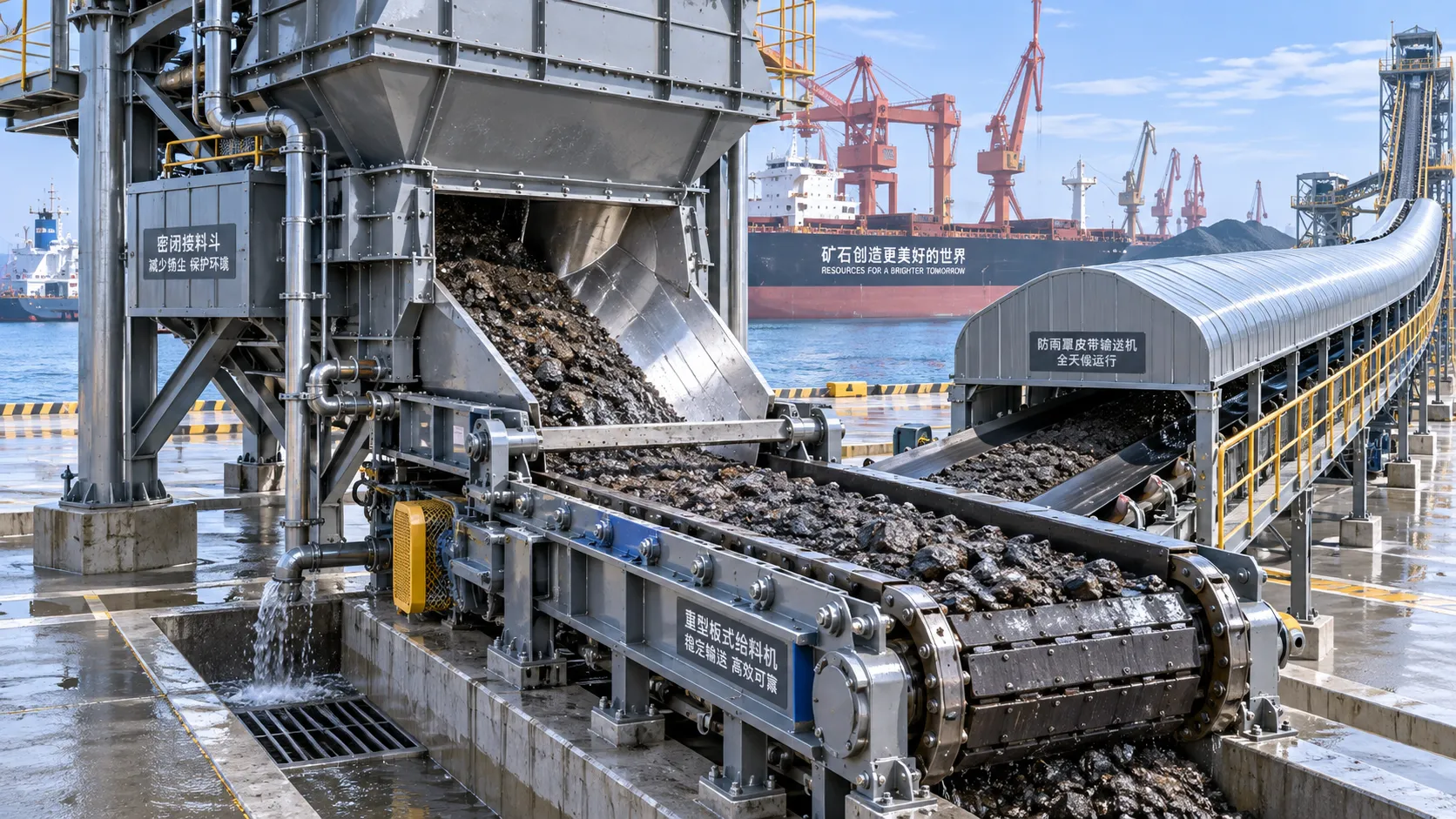
Which Bulk Handling Equipment Suits High-Moisture Cargo?
Which bulk handling equipment suits high-moisture cargo? Compare belt, apron, screw, drag, and slurry systems for reliable flow, less carryback, and higher terminal uptime.
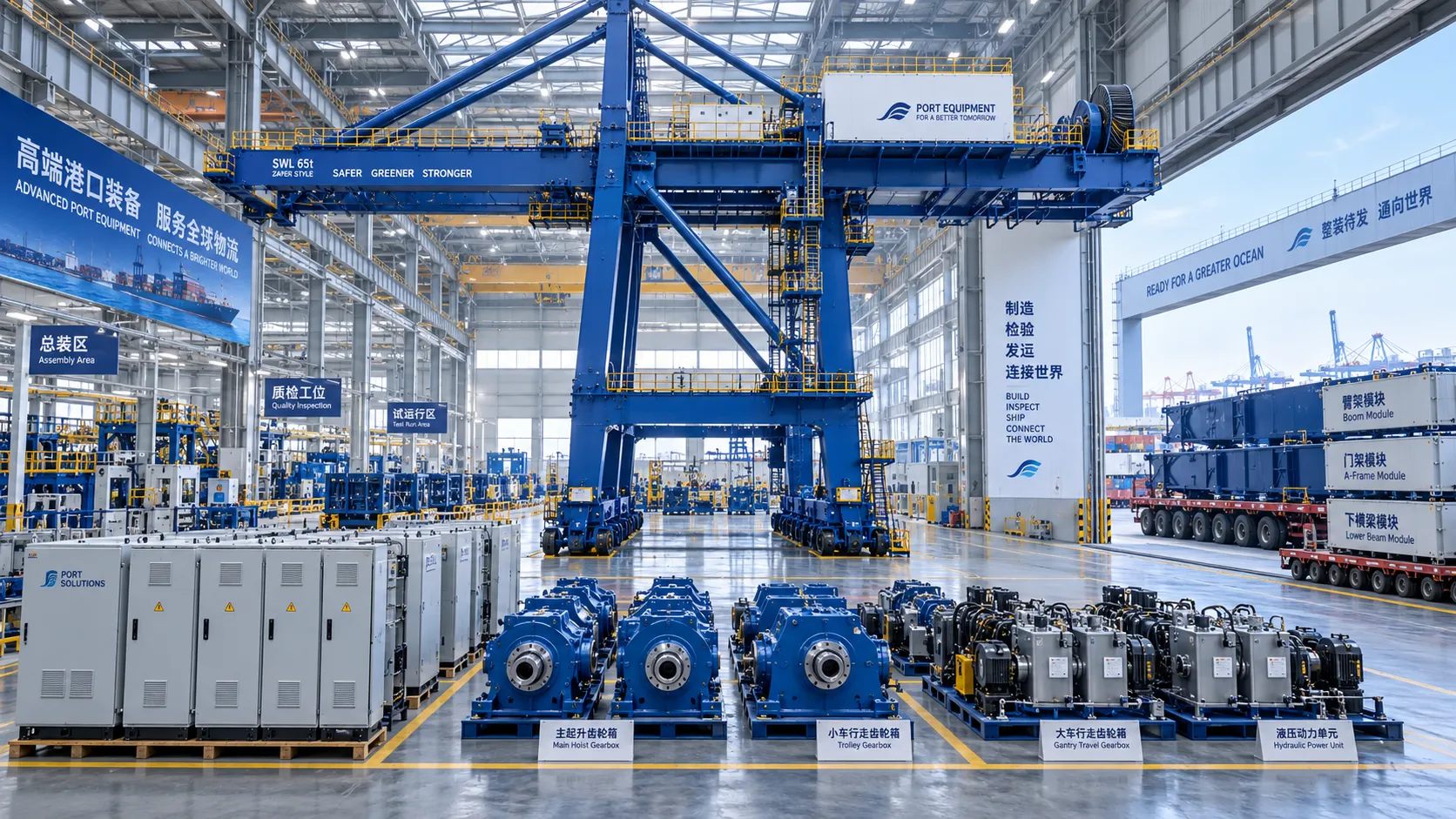
How Can Port Equipment Lead-Time Risk Be Managed?
How can port equipment lead-time risk be managed? Explore practical strategies to control critical paths, suppliers, transport, site readiness, and commissioning delays.
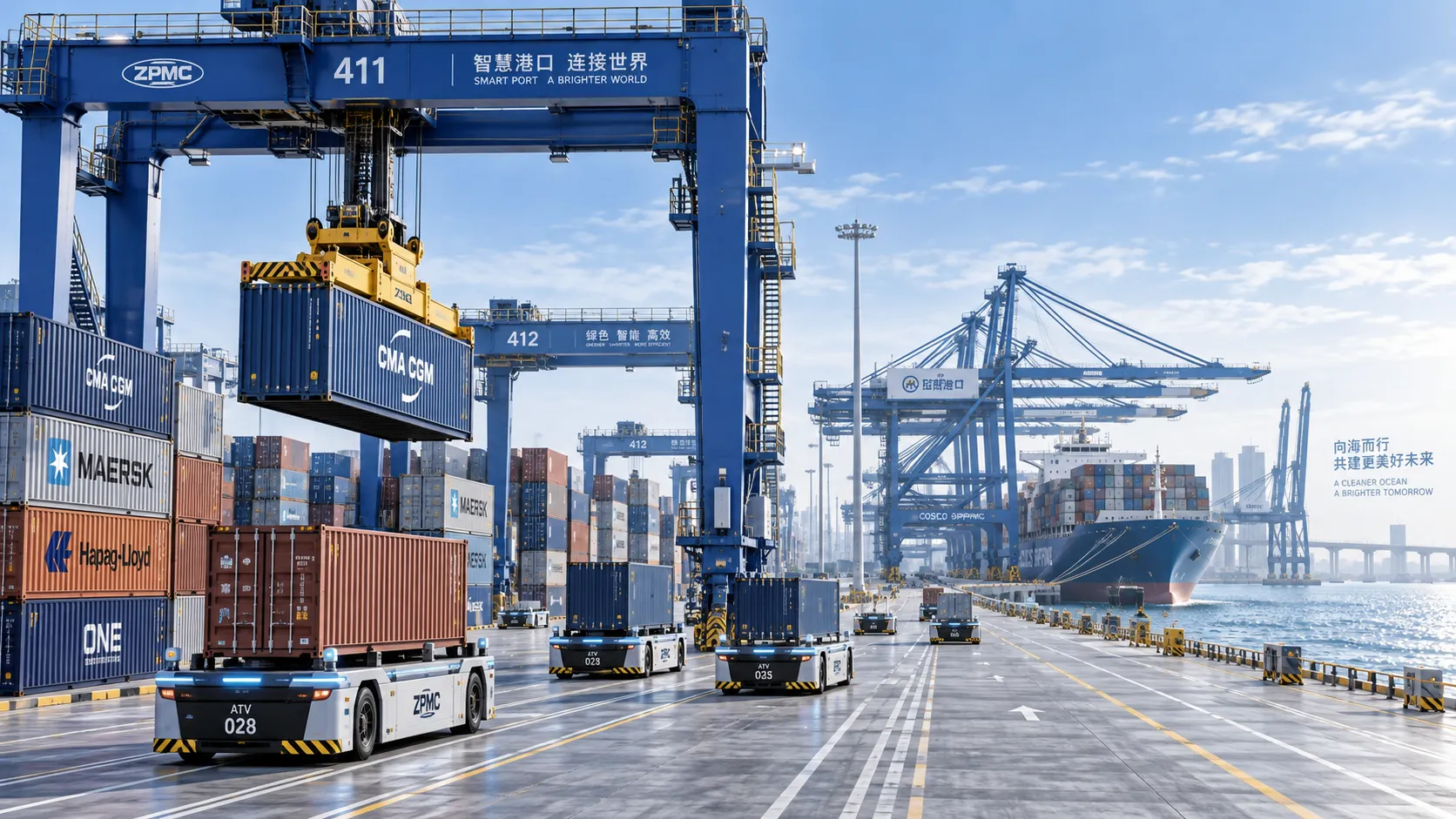
Terminal Automation Technologies That Raise Container Throughput Without Yard Disruption
Terminal automation technology that increases container throughput without disrupting yard flow. Explore smarter integration, resilient workflows, and phased deployment strategies.
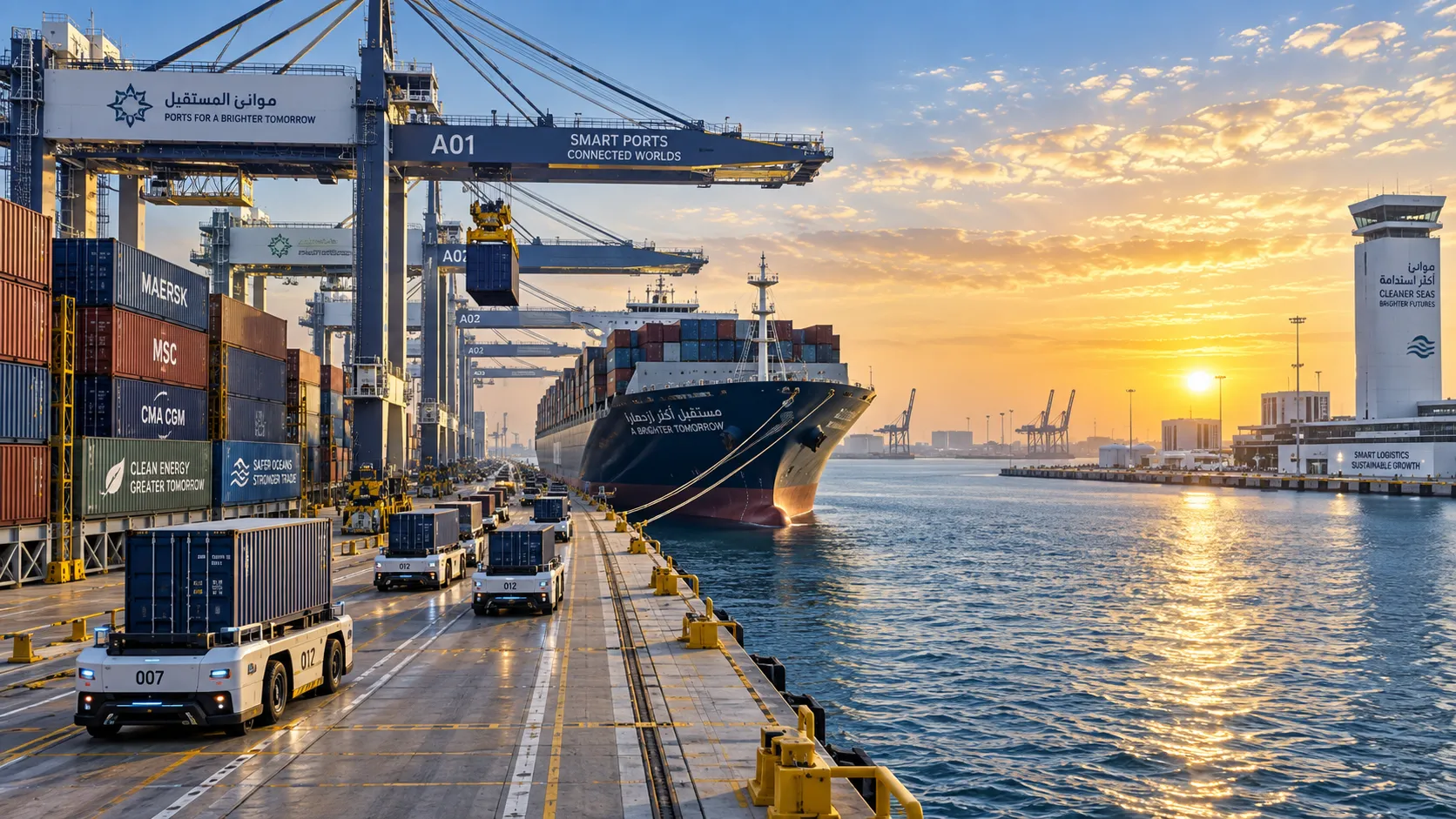
Middle East Port Automation: Key Market Drivers, Projects, and Investment Risks
Port automation systems Middle East: explore market drivers, flagship projects, integration challenges, and investment risks shaping smarter, resilient terminals.
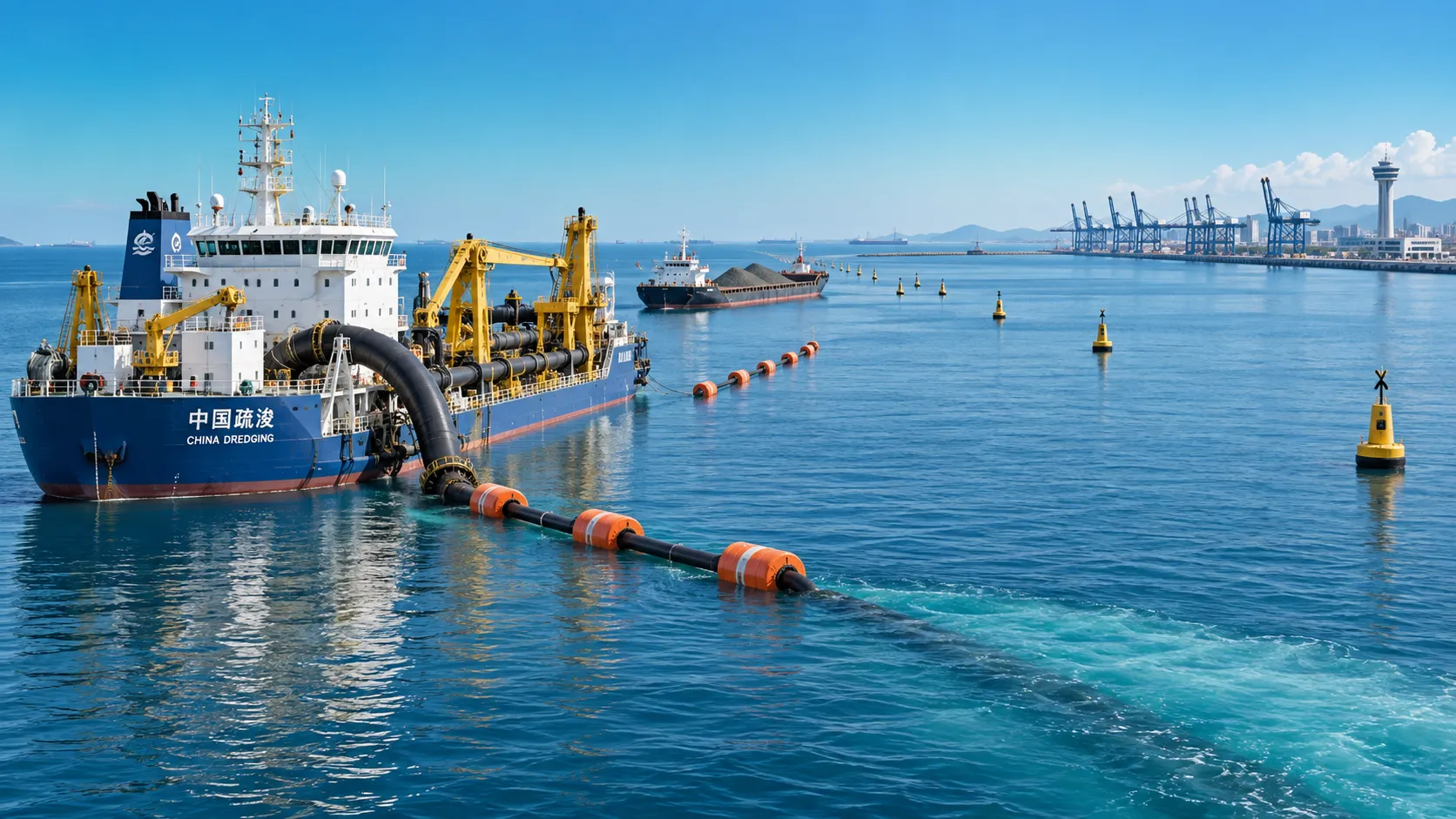
Planning Offshore Dredging Operations: Key Risks, Methods, and Project Controls
Offshore dredging operations demand smart planning. Explore key risks, proven methods, environmental controls, and project strategies for reliable delivery.