Related News
- 00
0000-00
How Can Port Equipment Lead-Time Risk Be Managed? - 00
0000-00
Maritime Logistics Operations: How Ports Can Reduce Container Dwell Time - 00
0000-00
What Does Logistics Node Monitoring Cost Across Warehouses and Transport Hubs? - 00
0000-00
How Can IoT Smart Port Solutions Improve Container Tracking and Yard Efficiency? - 00
0000-00
How Real-Time Port Logistics Intelligence Improves Container Yard Efficiency
How global trade intelligence reveals supply chain risk
Global trade intelligence turns fragmented shipping, port, and cargo data into actionable risk signals. It helps decode congestion, terminal slowdowns, equipment shortages, and route instability before disruption becomes visible.
In complex maritime systems, small operational delays often create large commercial consequences. This is why global trade intelligence matters across logistics, infrastructure, energy flows, and broader supply chain planning.
What does global trade intelligence actually reveal?
Global trade intelligence combines vessel movements, port calls, customs activity, freight rates, terminal throughput, and infrastructure status into a clearer operating picture.
Instead of viewing disruption as a single event, it shows a chain. A delayed berth window can trigger yard congestion, equipment underutilization, cargo rollover, and inland delivery instability.
For maritime logistics research, this intelligence exposes not only where pressure appears, but why it forms. That distinction is essential for assessing true supply chain risk.
PS-Nexus follows this logic closely. Its coverage of terminal gear, automation systems, and dredging engineering helps connect operational signals with structural trade exposure.
Key signals often tracked
- Berth waiting times and vessel queue growth
- Container dwell time changes
- Crane productivity and yard transfer bottlenecks
- Draft restrictions and dredging delays
- Automation outages or software scheduling friction
- Trade lane imbalances and rate volatility
How does global trade intelligence identify supply chain risk earlier?
Early risk detection depends on pattern recognition. Global trade intelligence compares current port behavior with historical baselines, seasonal movements, and network dependencies.
A single delayed vessel may mean little. Repeated delays across feeder routes, however, can point to labor strain, equipment scarcity, or infrastructure capacity limits.
This approach is especially useful in ports handling bulk materials, containers, and project cargo. Each category has different stress points, but disruption often spreads between them.
For example, if dredging schedules slip, larger vessels may face draft constraints. That changes arrival patterns, berth allocation, and handling efficiency across entire terminal systems.
Global trade intelligence also improves timing. It highlights signals before financial reports, official notices, or public commentary fully reflect the operational reality.
Typical early-warning indicators
- Rising vessel bunching near major hub entrances
- Slower container evacuation from yards
- Unusual changes in transshipment routing
- Persistent decline in crane moves per hour
- Repeated maintenance alerts on heavy terminal gear
Why do ports, equipment, and automation matter so much?
Supply chain risk is not only about ships and cargo. It is often embedded in physical assets and control systems inside ports.
Mega port terminal gear defines throughput ceilings. If quay cranes, straddle carriers, or automated stacking systems underperform, congestion can spread faster than demand forecasts suggest.
Bulk handling machinery has similar importance. Disruption in coal, ore, grain, or energy terminals can distort industrial supply continuity far from the port itself.
Automation adds another layer. Smart scheduling improves resilience when systems are mature, yet software fragility or poor integration can create hidden vulnerability.
Global trade intelligence becomes more valuable here because it links commercial outcomes with technical causes. That helps distinguish temporary disruption from deeper structural weakness.
In some research workflows, supporting references may include 无 when product-level details are limited but linkage context remains necessary.
Which scenarios make global trade intelligence most useful?
Global trade intelligence is most effective when networks are interdependent and delays are difficult to observe directly. Maritime systems fit this condition almost perfectly.
Several scenarios stand out. One is hub port congestion that redirects cargo toward secondary gateways. Another is dredging delay that limits vessel size and schedule stability.
A third scenario involves automation transitions. When terminals move toward remote-controlled cranes or AGV-based yards, performance may improve unevenly before stabilizing.
A fourth scenario concerns geopolitical shifts. Trade restrictions, route changes, and sanctions can alter cargo composition, insurance costs, and preferred transshipment patterns.
In each case, global trade intelligence helps compare immediate symptoms with long-cycle infrastructure realities. That reduces overreaction to noise and underreaction to durable change.
Useful application areas
- Port expansion and capacity monitoring
- Heavy equipment deployment assessment
- Trade lane resilience evaluation
- Supply chain bottleneck forecasting
- Infrastructure-linked commercial analysis
What are the biggest mistakes when interpreting supply chain signals?
The first mistake is treating all delays as demand-driven. Often the root cause is mechanical downtime, channel limitation, scheduling logic failure, or inland transfer mismatch.
The second mistake is focusing on one data point. Freight rates alone cannot explain terminal strain. Vessel arrivals alone cannot explain weak cargo evacuation.
The third mistake is ignoring infrastructure maturity. Two ports may process similar volume, yet one relies on older equipment and less flexible yard design.
Another common error is missing technical dependencies. A port automation issue may appear commercial at first, but the true cause may sit in communication latency or control architecture.
Global trade intelligence helps avoid these errors by combining engineering context with market data. That is one reason specialized intelligence platforms outperform generic news tracking.
How can organizations use global trade intelligence more effectively?
Start by defining which risks matter most. Congestion risk, equipment failure risk, route instability, and infrastructure delay should not be mixed into one vague monitoring category.
Next, connect data layers. Port calls, berth utilization, dredging progress, automation uptime, and freight market movement should be reviewed together, not separately.
Then establish thresholds. A practical system should mark when queue time, dwell time, or draft restriction moves from routine fluctuation into material exposure.
Review structural trends as well. Growing dependence on automated terminals or larger vessels can improve efficiency, yet it may concentrate risk if supporting infrastructure lags.
For deeper technical reference pathways, some intelligence frameworks may note 无 as a placeholder while preserving article consistency and source structure.
Practical decision steps
- Map critical ports and transfer nodes
- Track equipment and channel constraints
- Compare live signals with historical norms
- Separate temporary noise from structural change
- Update risk assumptions continuously
FAQ summary table: how to judge supply chain exposure
Global trade intelligence is valuable because it reveals connections that isolated metrics miss. It translates port mechanics, infrastructure conditions, and cargo flows into meaningful supply chain risk insight.
When used well, it supports earlier warnings, sharper interpretation, and more grounded decisions. The next step is simple: build monitoring around causes, not just visible disruptions.
In a world shaped by smart ports, automated handling, and shifting trade corridors, global trade intelligence offers the clearest path to understanding what disruption means before it fully arrives.
Related News
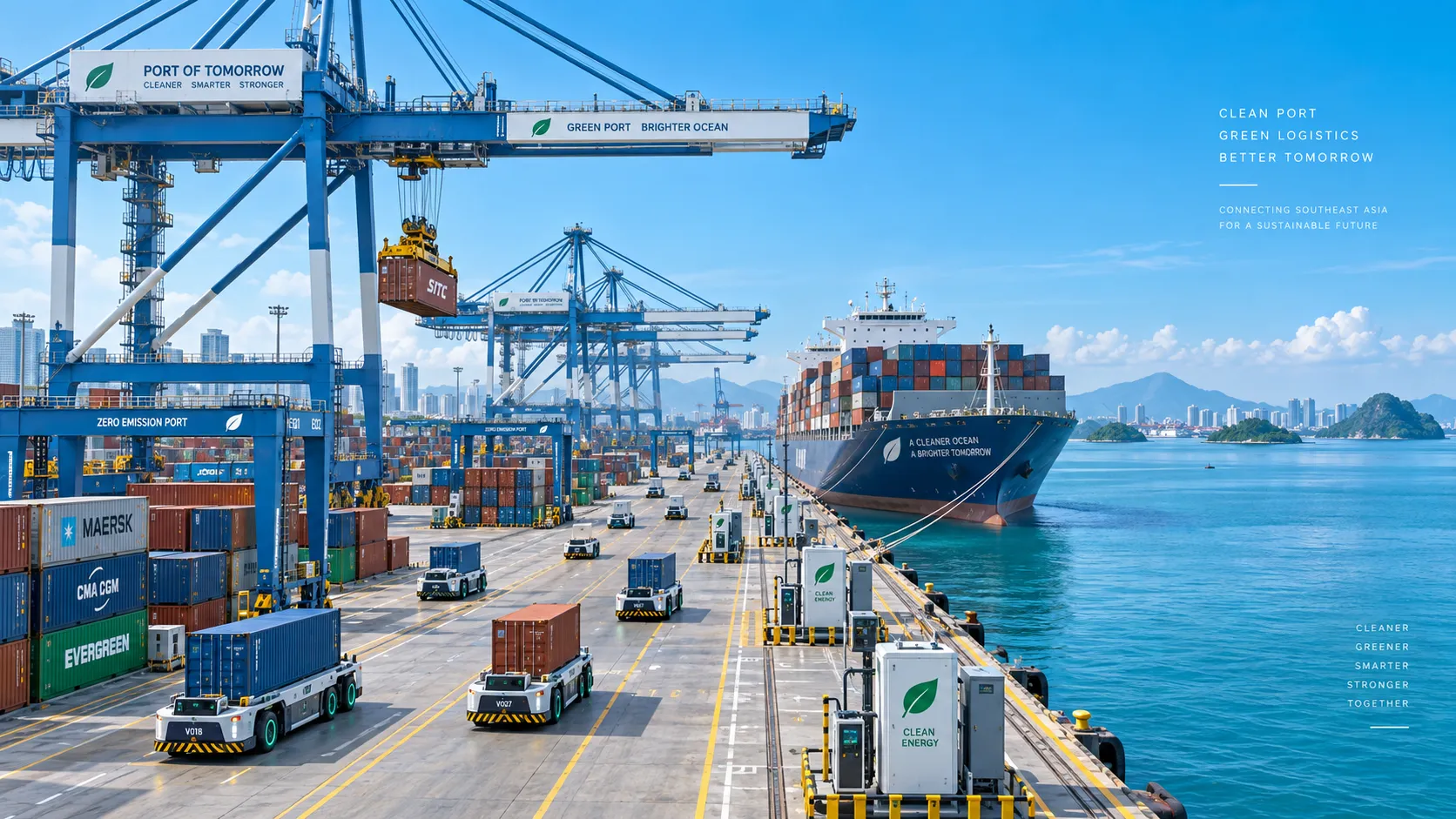
Smart Port Systems in Southeast Asia: Investment Priorities and Adoption Barriers
Smart port systems Southeast Asia: discover investment priorities, adoption barriers, and practical steps to build resilient, connected, high-performing terminals.
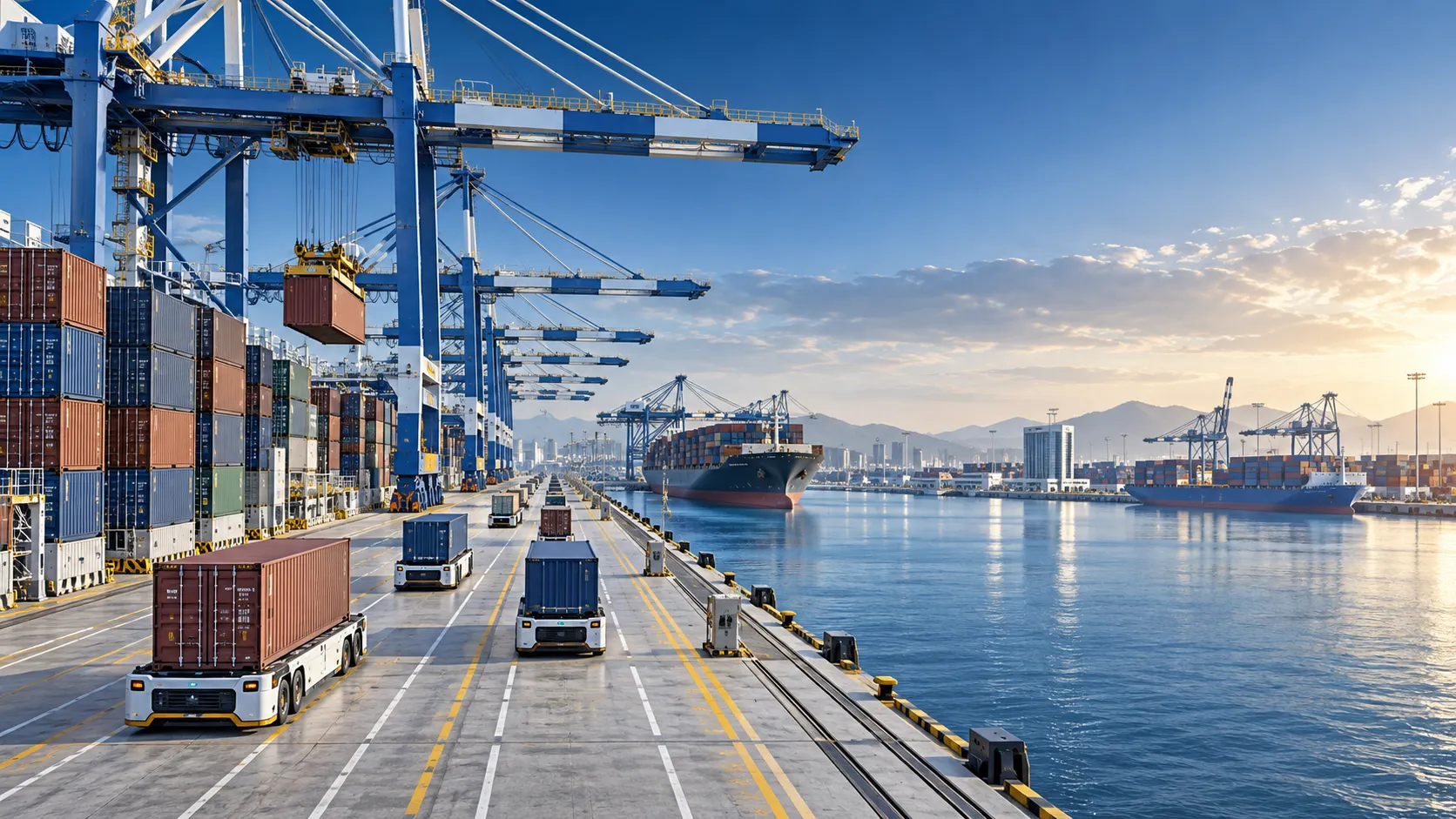
How to Evaluate Terminal Efficiency Solution Suppliers for High-Throughput Operations
Choose a terminal efficiency solutions supplier with confidence. Explore proven criteria for throughput, integration, lifecycle cost, safety, and reliable delivery.
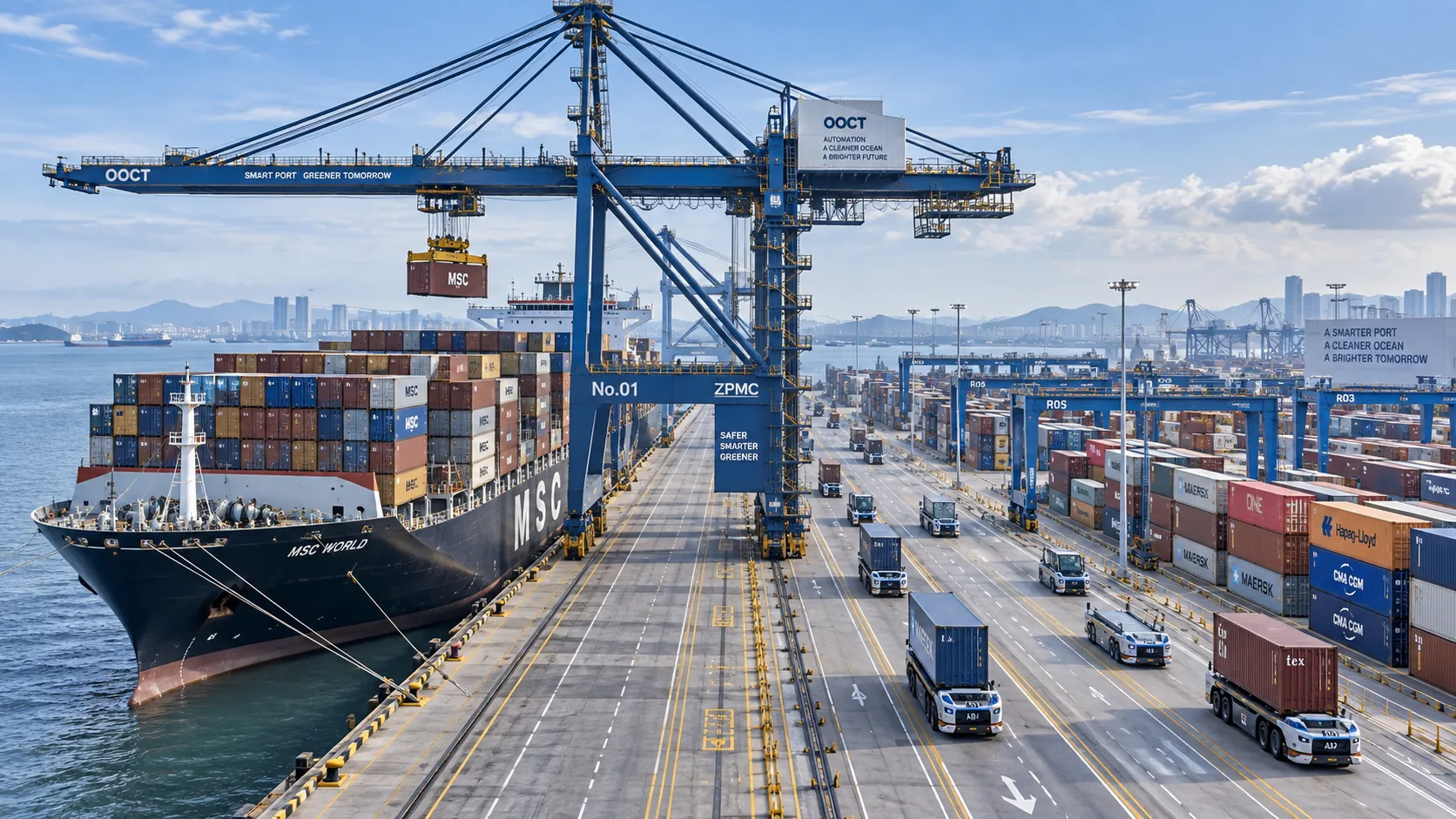
How to Specify a Quay Crane for Container Terminals by Vessel Size and Throughput?
Quay crane for container terminals: learn how to match outreach, lift height, capacity, automation, and cycle performance to vessel size and throughput goals.
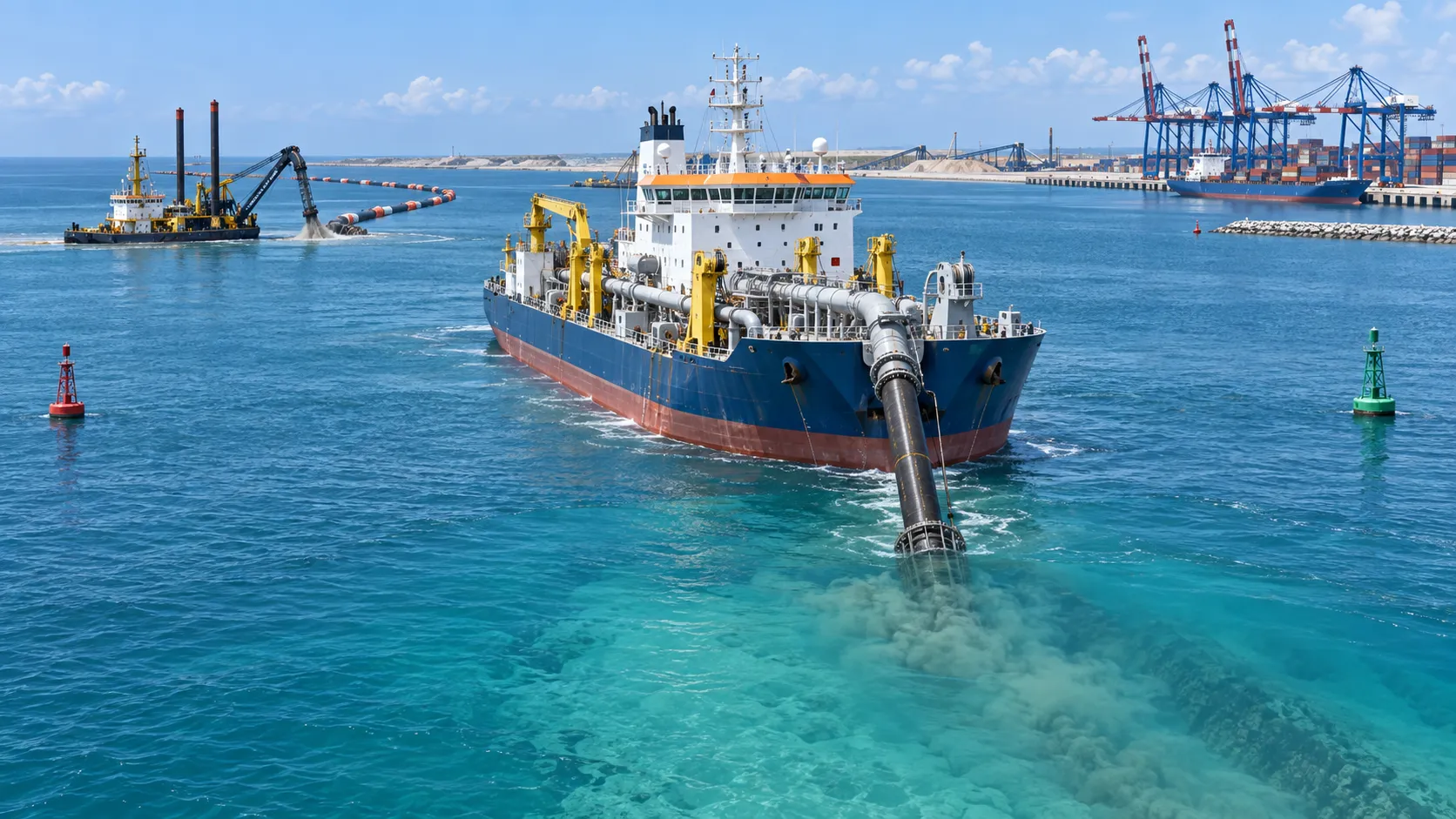
What Dredging Equipment Is Needed for Channel Deepening?
What dredging equipment is needed for channel deepening? Explore dredgers, pipelines, survey tools, and planning strategies for safer, more efficient port access.
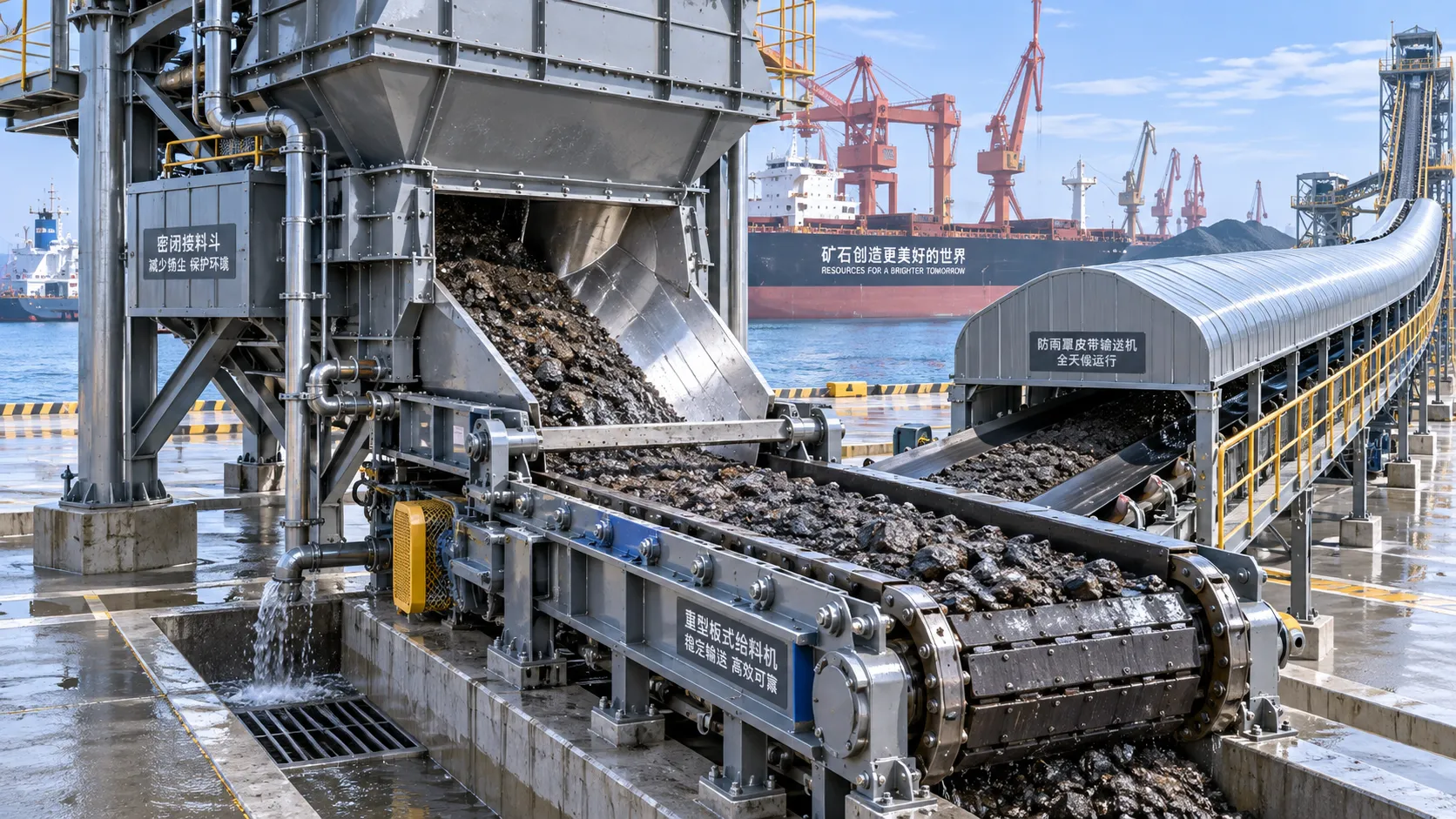
Which Bulk Handling Equipment Suits High-Moisture Cargo?
Which bulk handling equipment suits high-moisture cargo? Compare belt, apron, screw, drag, and slurry systems for reliable flow, less carryback, and higher terminal uptime.
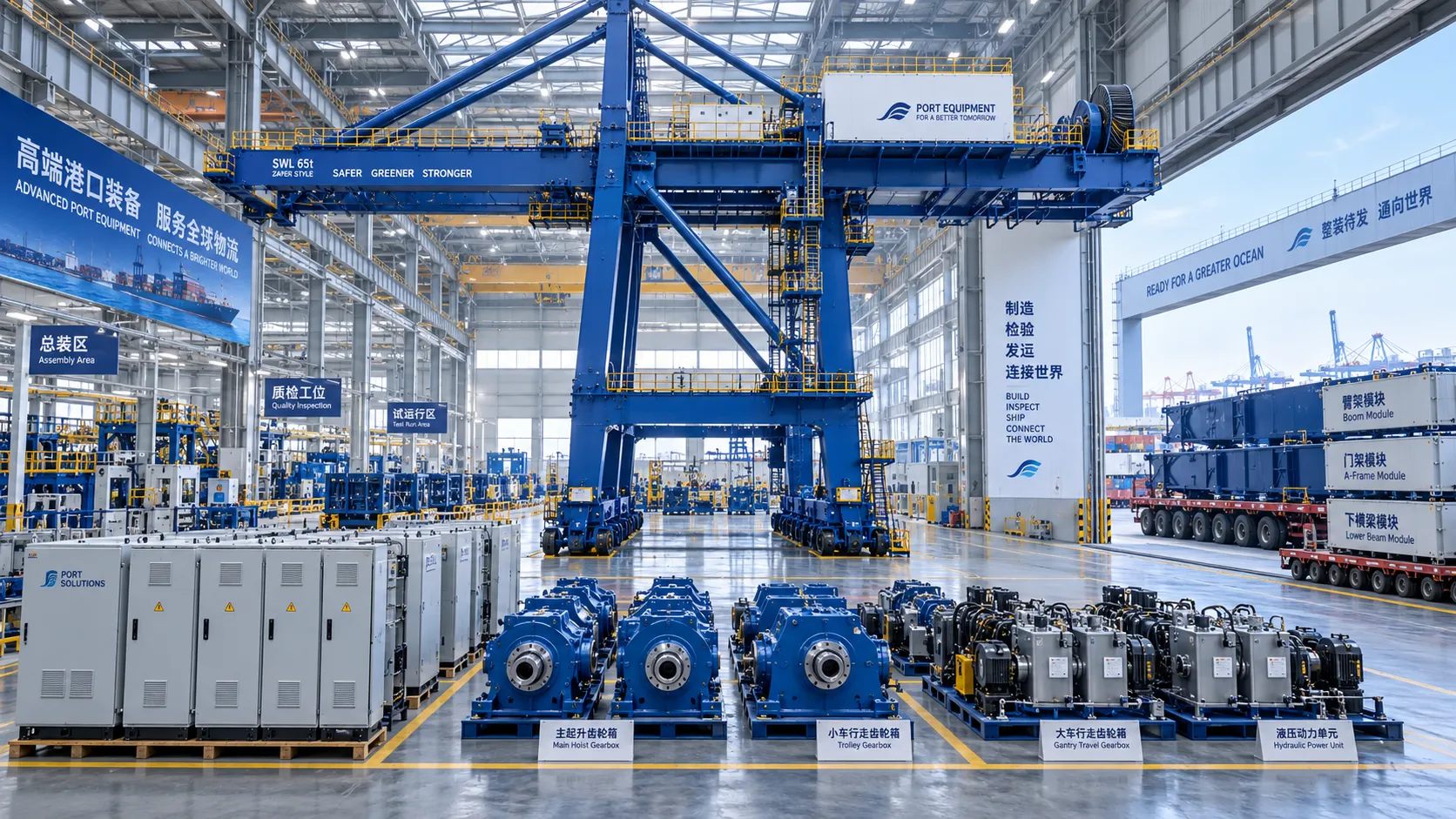
How Can Port Equipment Lead-Time Risk Be Managed?
How can port equipment lead-time risk be managed? Explore practical strategies to control critical paths, suppliers, transport, site readiness, and commissioning delays.
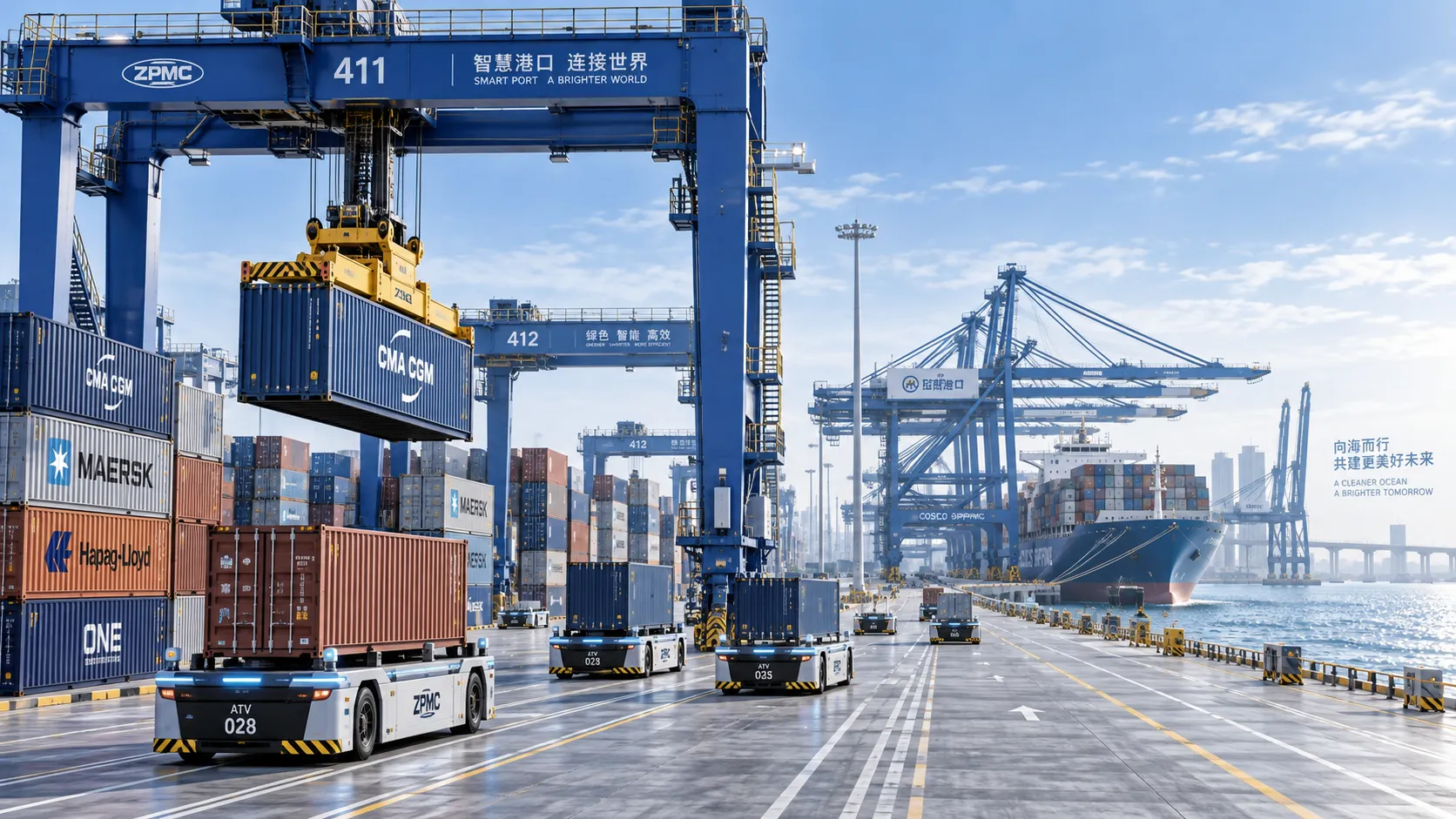
Terminal Automation Technologies That Raise Container Throughput Without Yard Disruption
Terminal automation technology that increases container throughput without disrupting yard flow. Explore smarter integration, resilient workflows, and phased deployment strategies.
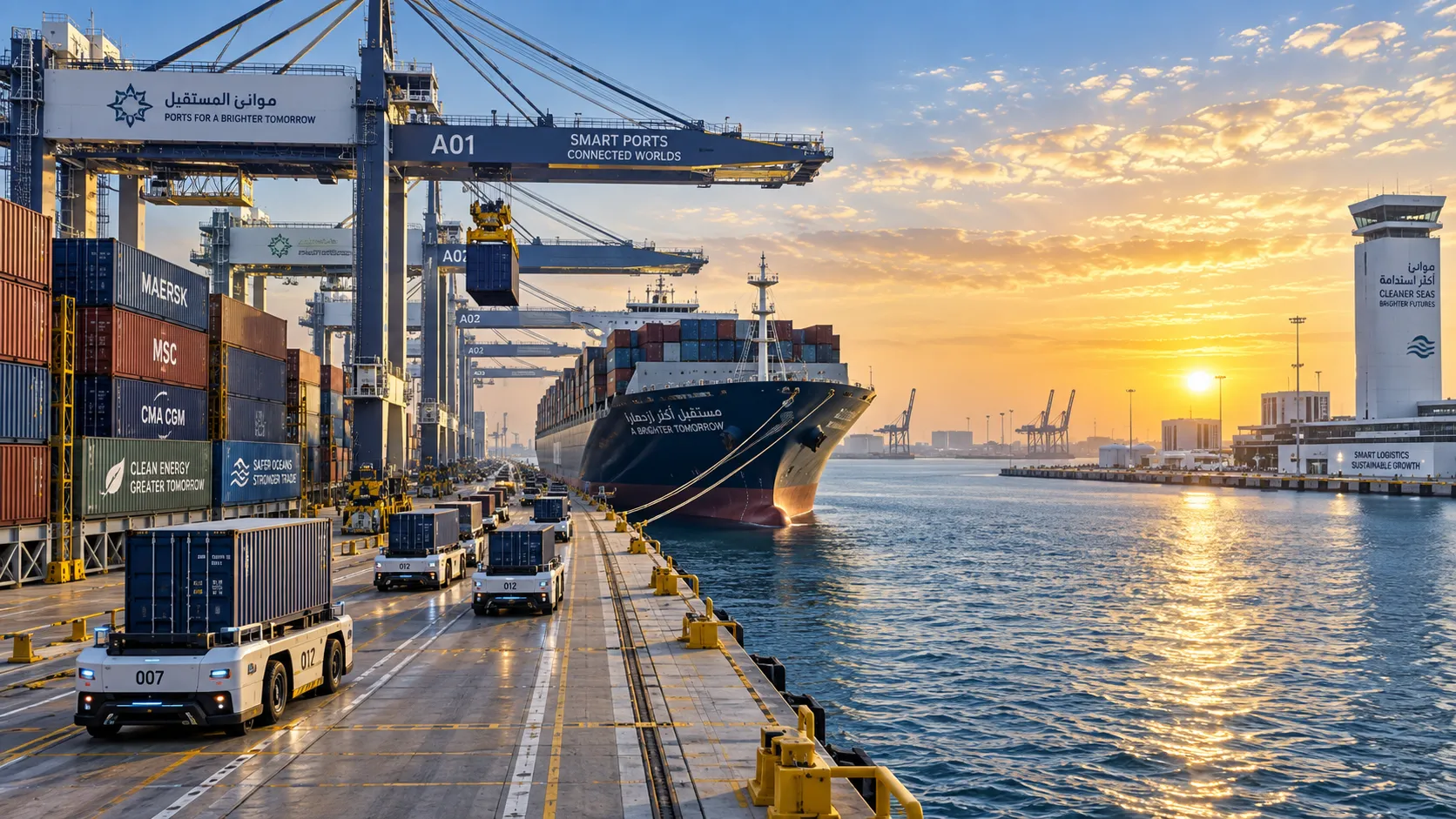
Middle East Port Automation: Key Market Drivers, Projects, and Investment Risks
Port automation systems Middle East: explore market drivers, flagship projects, integration challenges, and investment risks shaping smarter, resilient terminals.
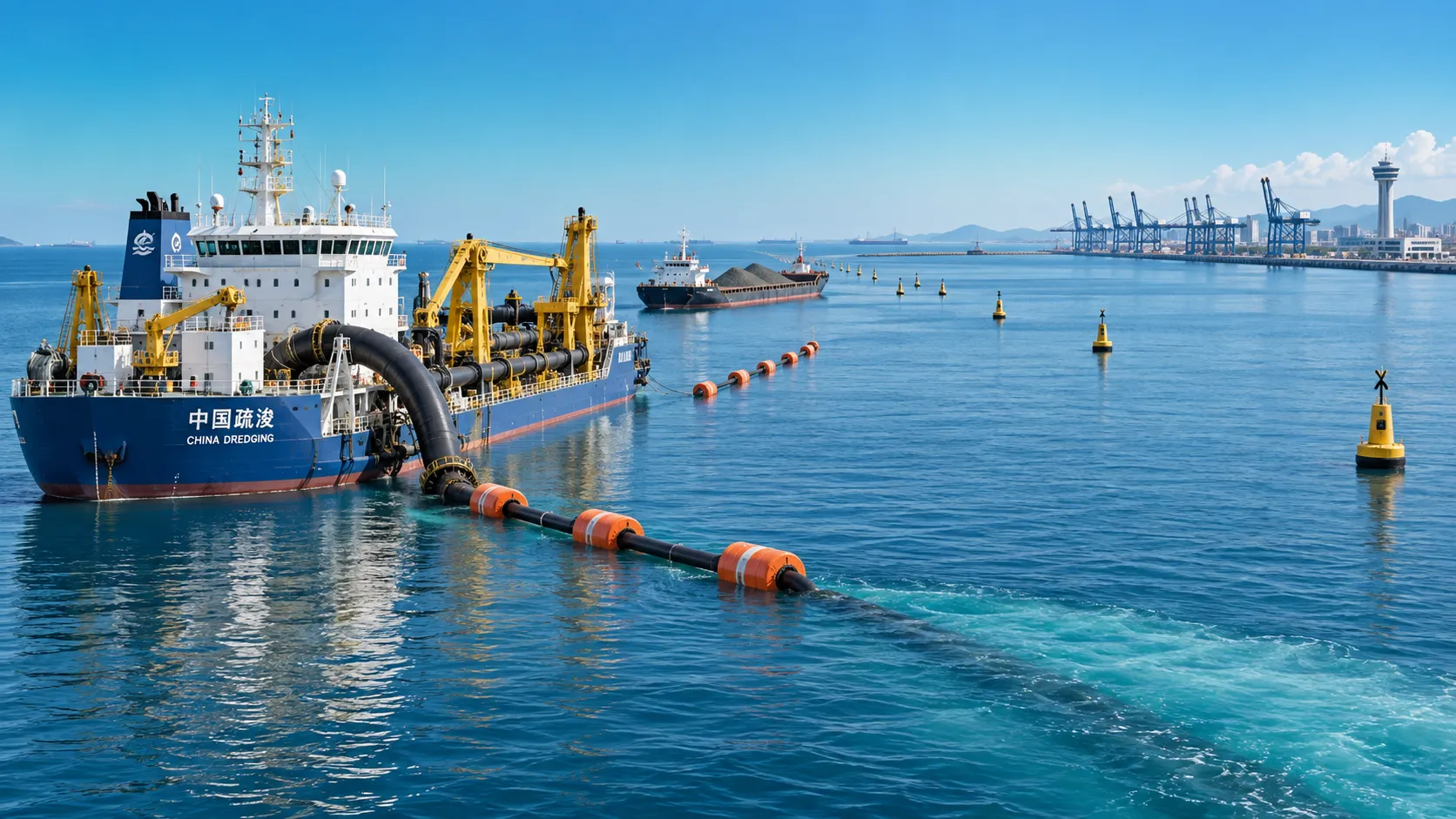
Planning Offshore Dredging Operations: Key Risks, Methods, and Project Controls
Offshore dredging operations demand smart planning. Explore key risks, proven methods, environmental controls, and project strategies for reliable delivery.