
Related News
- 00
0000-00
How Can Port Equipment Lead-Time Risk Be Managed? - 00
0000-00
Maritime Logistics Operations: How Ports Can Reduce Container Dwell Time - 00
0000-00
What Does Logistics Node Monitoring Cost Across Warehouses and Transport Hubs? - 00
0000-00
How Can IoT Smart Port Solutions Improve Container Tracking and Yard Efficiency? - 00
0000-00
How Real-Time Port Logistics Intelligence Improves Container Yard Efficiency
Can container yard optimization improve truck turnaround?
Can container yard optimization really improve truck turnaround in modern ports? For researchers tracking maritime logistics performance, the answer lies in how yard layout, equipment coordination, and data-driven scheduling reduce congestion and idle time. This article explores how container yard optimization supports faster gate-to-gate flows, higher asset utilization, and more resilient terminal operations in increasingly automated trade environments.
Why does container yard optimization matter for truck turnaround?
Truck turnaround is one of the clearest operational signals in container logistics. When trucks spend too long between gate entry and exit, the delay usually reflects deeper issues inside the terminal yard rather than only gate congestion.
Container yard optimization improves this flow by aligning storage logic, transfer paths, equipment dispatch, and appointment timing. In practical terms, it reduces unnecessary rehandles, shortens internal travel distance, and lowers queue pressure at interchange points.
For information researchers, the key value is not a single speed gain. It is the system effect. Better yard planning influences quay productivity, landside reliability, labor use, fuel burn, and schedule resilience during peaks.
- Shorter truck waiting time at pickup or drop-off blocks because containers are positioned closer to expected dispatch windows.
- Lower interference between yard cranes, terminal tractors, AGVs, and external trucks moving through shared circulation corridors.
- Higher predictability for carriers, drayage operators, and importers that depend on reliable gate-to-gate cycle times.
What researchers should watch
Not every terminal improves truck turnaround simply by adding equipment. If stacking rules remain rigid or data visibility is poor, extra assets may only move congestion from one node to another. That is why container yard optimization must be assessed as an integrated operating model.
Which yard factors most directly affect truck turnaround?
The table below shows how core yard design and control variables shape truck turnaround performance. For anyone studying container yard optimization, these are the practical levers that produce measurable differences.
This comparison highlights an important point: truck turnaround is not only a gate problem. It is the visible outcome of decisions made across storage policy, control logic, and machine coordination inside the yard.
Common friction points inside the yard
- Import containers stacked by arrival sequence rather than by likely pickup time.
- Export boxes delivered too early, occupying premium yard positions and increasing reshuffling.
- Unbalanced crane workload across blocks, leaving some trucks idle while adjacent assets are overused.
- Insufficient real-time visibility between terminal operating systems and appointment platforms.
How does container yard optimization work in modern terminals?
In a modern port, container yard optimization combines physical design with algorithmic control. The physical side includes block layout, lane width, transfer points, and stacking density. The digital side includes slot allocation, vehicle routing, workload balancing, and exception handling.
This is where platforms like PS-Nexus become especially relevant for researchers. The portal’s focus on heavy terminal gear, automated handling, and port control systems helps connect machinery performance with scheduling logic rather than treating them as separate topics.
Core technical layers
- Data acquisition from gate systems, yard cranes, AGVs, terminal tractors, and inventory records.
- Decision logic that predicts demand peaks, assigns storage positions, and prioritizes moves by service urgency.
- Execution control that sends tasks to equipment while adapting to equipment downtime, weather, or vessel schedule shifts.
- Performance feedback that measures turn time, queue length, rehandles, and block occupancy for continuous adjustment.
Why automation changes the answer
In partially automated or unmanned terminals, container yard optimization becomes even more influential because machine speed alone cannot compensate for poor task sequencing. Low-latency communication, path-planning algorithms, and accurate digital twins determine whether automation helps or simply exposes hidden inefficiencies.
PS-Nexus tracks these links closely through intelligence on remote-controlled cranes, AGV path planning, and control architecture. For researchers comparing terminals, this cross-layer perspective is often more useful than isolated equipment specifications.
Which operating models improve truck turnaround fastest?
Different terminals need different paths. Some gain more from process redesign, while others need new control systems or specialized container handling upgrades. The table below compares common improvement models in container yard optimization.
For many ports, the fastest improvement comes from combining revised stacking rules with dynamic dispatch and more disciplined appointment control. Layout changes are powerful, but they usually take longer and demand larger capital coordination.
What should information researchers evaluate before recommending a solution?
A common mistake is to compare yard solutions only by advertised throughput. Truck turnaround depends on how a solution behaves under real yard complexity: mixed cargo profiles, irregular arrivals, labor constraints, weather interruptions, and vessel schedule shifts.
Key evaluation dimensions
- Baseline metrics: gate-to-gate time, queue duration, crane response time, rehandle ratio, and block occupancy variation.
- Integration readiness: whether the terminal operating system can exchange usable data with gate, crane, and vehicle control layers.
- Equipment mix: RTGs, RMGs, straddle carriers, shuttle carriers, terminal tractors, or AGVs each require different optimization logic.
- Scalability: whether the approach still performs under seasonal peaks or network disruption conditions.
- Implementation risk: training burden, change management, and fallback procedures during system transition.
A practical assessment sequence
- Map present truck journey from pre-arrival booking to gate exit.
- Identify where waiting occurs: gate, block access, crane allocation, inspection, or documentation release.
- Separate structural issues from temporary surge effects.
- Test which yard rule changes can reduce friction before heavy capital spending.
- Model future performance under automation, larger call sizes, and stricter emissions targets.
What are the cost drivers, trade-offs, and alternatives?
Container yard optimization is often attractive because it can unlock capacity before major expansion. Still, decision-makers need a realistic view of cost and trade-offs. Not every bottleneck needs a full automation program.
The table below outlines common investment paths and what they usually mean for truck turnaround studies.
Researchers should also compare optimization with alternatives such as off-dock staging, extended gate hours, or revised carrier appointment discipline. In some networks, these operational levers may relieve pressure faster than hardware expansion alone.
Which standards and compliance themes should not be ignored?
Container yard optimization is not only about speed. It must coexist with safety, environmental, and systems governance requirements. Ports handling large truck volumes need procedures that support both throughput and operational control.
- Occupational safety procedures for mixed traffic zones involving trucks, cranes, and autonomous or semi-autonomous vehicles.
- Cybersecurity and communication reliability requirements when yard decisions depend on remote control or automated dispatch.
- Environmental targets linked to idling reduction, fuel consumption, and support for broader Net-Zero transition pathways.
- Data governance rules that ensure timestamp accuracy and traceability across gate, yard, and equipment records.
This compliance lens fits the PS-Nexus research model well. Its intelligence coverage connects terminal machinery, automation control, and strategic infrastructure development, which helps analysts examine performance without overlooking systems risk.
FAQ: what do researchers most often ask about container yard optimization?
Can container yard optimization improve truck turnaround without adding new cranes?
Yes, in many terminals it can. If delays come from poor stacking logic, uneven task dispatch, or unmanaged truck arrival peaks, process and software changes may reduce waiting before any major equipment purchase is needed.
Which metric is more useful than average truck turnaround alone?
Researchers should also track variability. A terminal with acceptable average turn time but frequent extreme delays may still create severe carrier disruption. Percentile measures, queue peaks, and rehandle ratios often reveal hidden instability.
Is a truck appointment system enough to solve congestion?
Not by itself. Appointment systems help smooth demand, but they work best when yard inventory is accurate, containers are pre-positioned intelligently, and handling equipment is ready to match booked windows.
Which terminals benefit most from deeper container yard optimization?
High-volume gateways, mixed import-export terminals, and sites moving toward automation usually see the strongest gains. These environments have more interaction between storage rules, machine control, and truck flow, so optimization has wider system impact.
What is the most common misconception?
The biggest misconception is that congestion starts at the gate. In reality, the gate often reflects yard-side readiness. If the correct container is buried, the right crane is unavailable, or internal routing is blocked, trucks will wait regardless of gate speed.
Why do these insights matter more as ports become smarter?
As global trade hubs push toward automation, electrification, and tighter supply chain visibility, container yard optimization becomes a strategic capability rather than a local productivity project. Faster truck turnaround supports lower emissions, steadier hinterland connections, and more reliable use of expensive port assets.
For researchers following maritime logistics, the most useful analysis now links equipment, software, yard geometry, and trade pattern shifts. That is exactly where PS-Nexus adds value through its focus on terminal gear, control systems, and blue economy intelligence rather than isolated news snapshots.
Why consult PS-Nexus for container yard optimization research?
If you are evaluating whether container yard optimization can improve truck turnaround in a specific port environment, PS-Nexus can help structure the inquiry around operational facts, equipment interactions, and infrastructure context.
- Request support comparing optimization paths across yard layout, crane coordination, AGV routing, and truck appointment control.
- Ask for guidance on parameter review, including block occupancy, rehandle exposure, dispatch logic, and gate-to-yard synchronization points.
- Discuss solution selection for automated, semi-automated, or conventional terminals with different delivery timelines and budget limits.
- Consult on implementation priorities, data readiness, equipment integration, and the likely trade-offs between software-led and asset-led improvement.
- Open conversations around reporting needs, commercial intelligence, certification-related considerations, and project quotation communication for long-cycle port infrastructure planning.
For decision support grounded in maritime logistics, smart terminal evolution, and specialized container handling intelligence, PS-Nexus offers a practical starting point for deeper evaluation.
Related News
Smart Port Systems in Southeast Asia: Investment Priorities and Adoption Barriers
Smart port systems Southeast Asia: discover investment priorities, adoption barriers, and practical steps to build resilient, connected, high-performing terminals.
How to Evaluate Terminal Efficiency Solution Suppliers for High-Throughput Operations
Choose a terminal efficiency solutions supplier with confidence. Explore proven criteria for throughput, integration, lifecycle cost, safety, and reliable delivery.
How to Specify a Quay Crane for Container Terminals by Vessel Size and Throughput?
Quay crane for container terminals: learn how to match outreach, lift height, capacity, automation, and cycle performance to vessel size and throughput goals.
What Dredging Equipment Is Needed for Channel Deepening?
What dredging equipment is needed for channel deepening? Explore dredgers, pipelines, survey tools, and planning strategies for safer, more efficient port access.
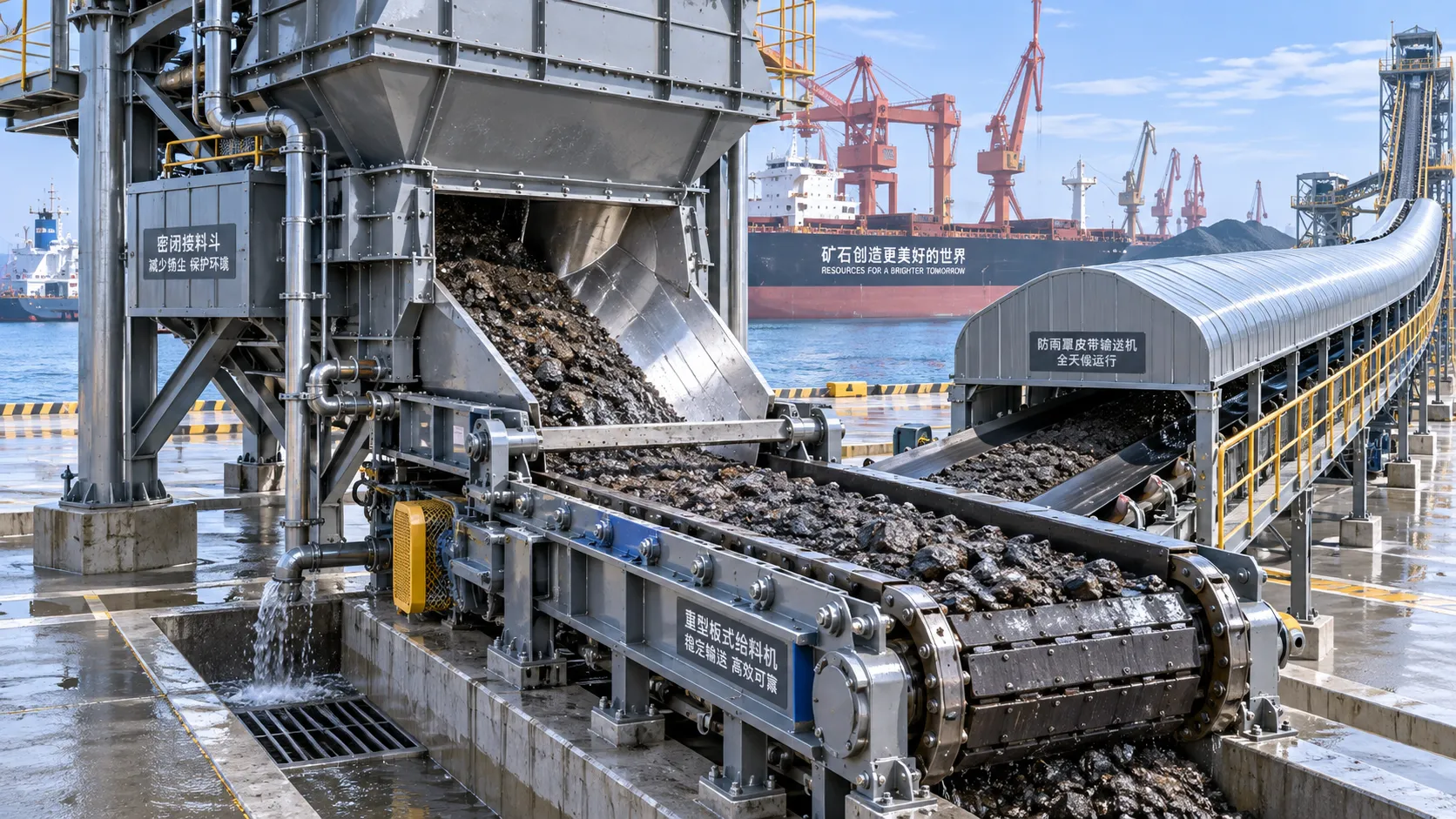
Which Bulk Handling Equipment Suits High-Moisture Cargo?
Which bulk handling equipment suits high-moisture cargo? Compare belt, apron, screw, drag, and slurry systems for reliable flow, less carryback, and higher terminal uptime.
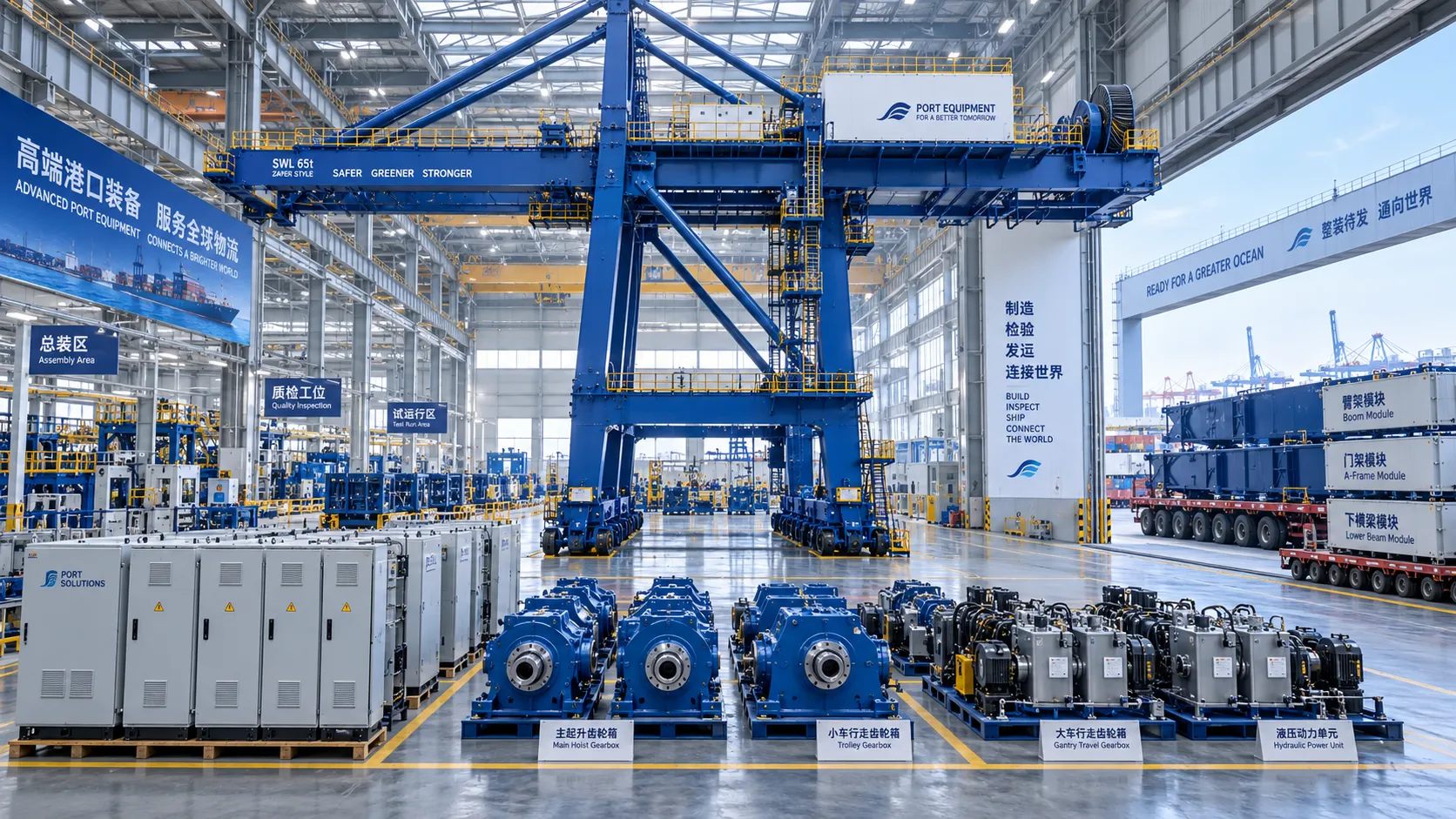
How Can Port Equipment Lead-Time Risk Be Managed?
How can port equipment lead-time risk be managed? Explore practical strategies to control critical paths, suppliers, transport, site readiness, and commissioning delays.
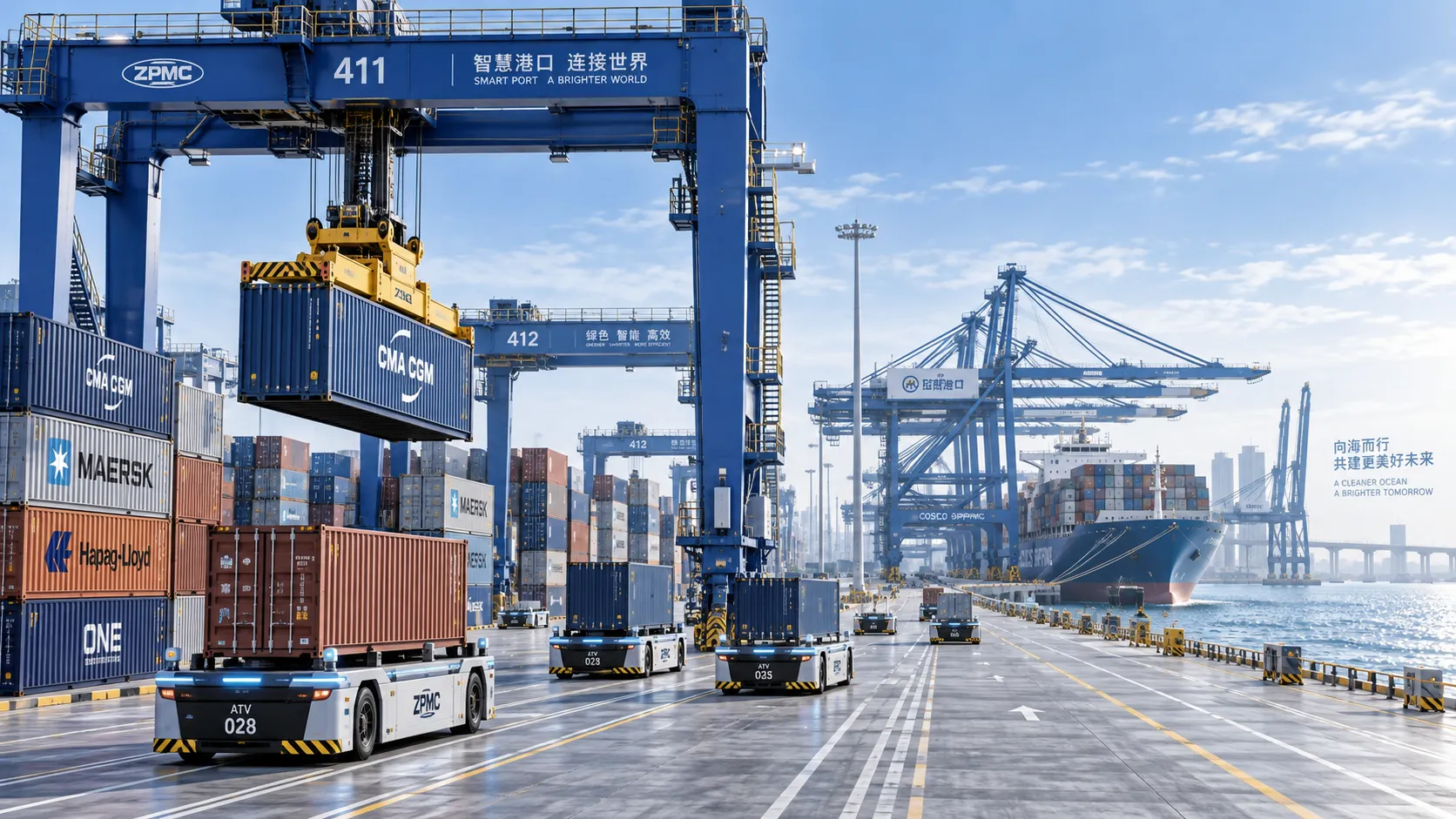
Terminal Automation Technologies That Raise Container Throughput Without Yard Disruption
Terminal automation technology that increases container throughput without disrupting yard flow. Explore smarter integration, resilient workflows, and phased deployment strategies.
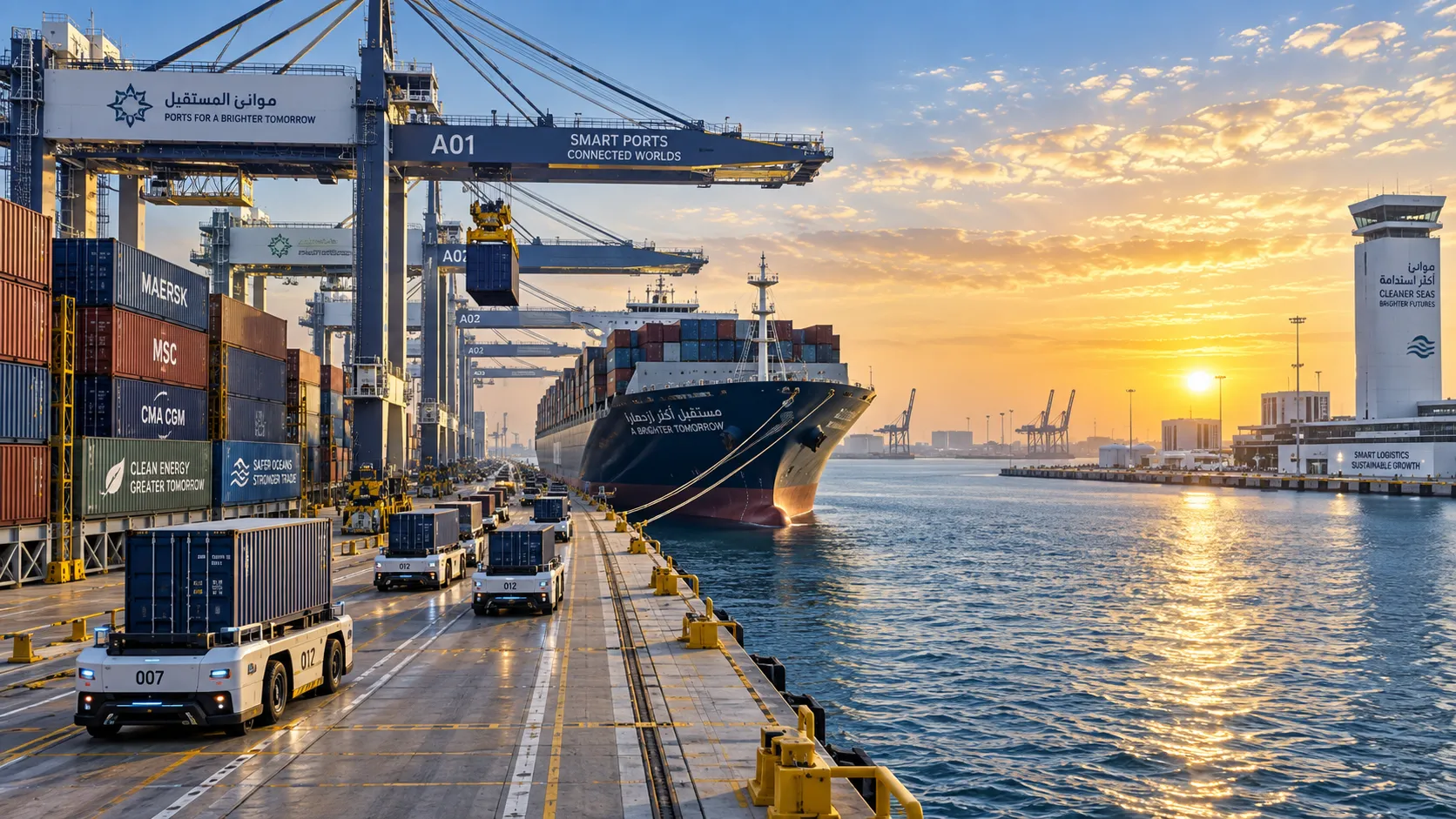
Middle East Port Automation: Key Market Drivers, Projects, and Investment Risks
Port automation systems Middle East: explore market drivers, flagship projects, integration challenges, and investment risks shaping smarter, resilient terminals.
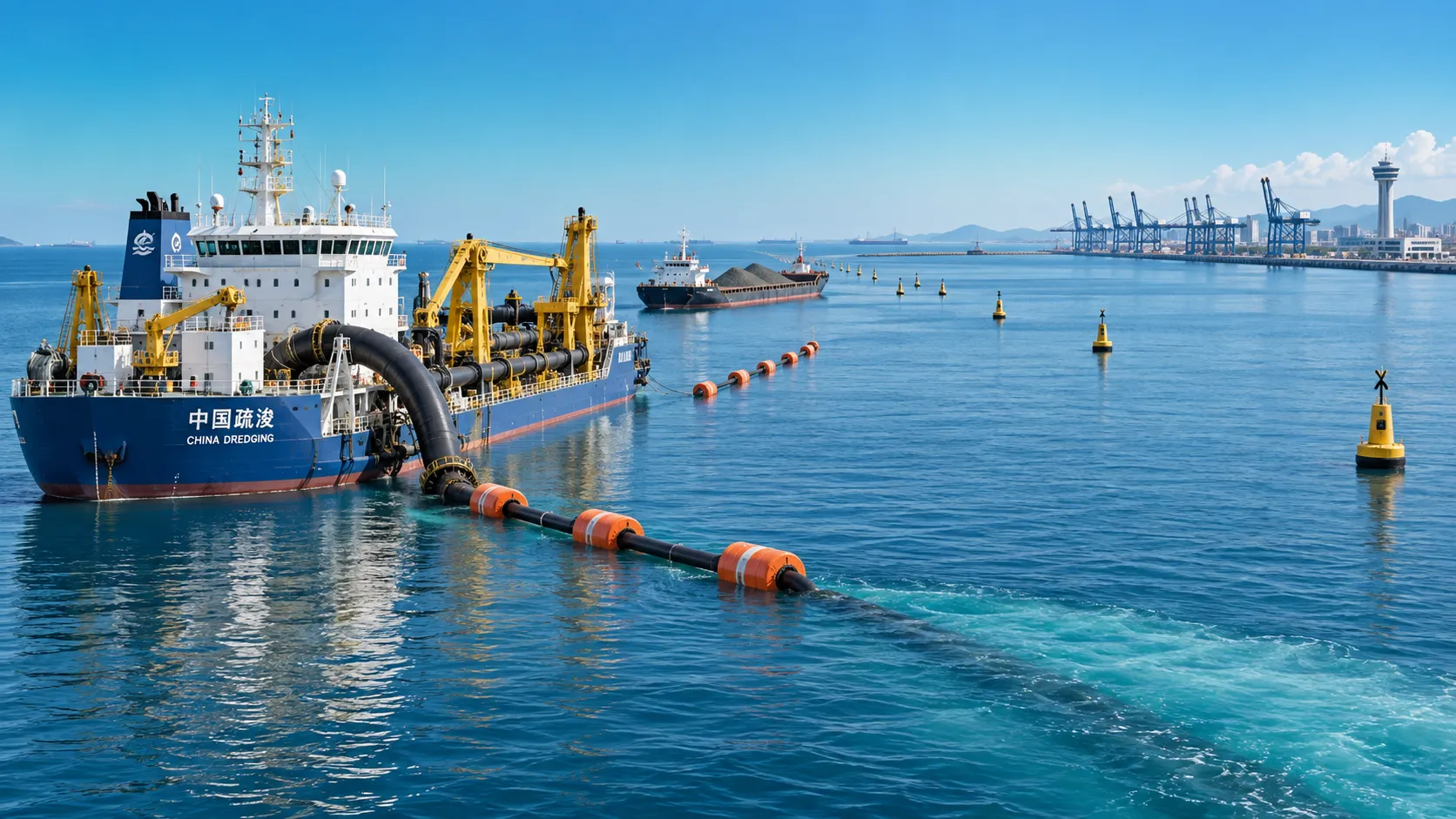
Planning Offshore Dredging Operations: Key Risks, Methods, and Project Controls
Offshore dredging operations demand smart planning. Explore key risks, proven methods, environmental controls, and project strategies for reliable delivery.