Related News
- 00
0000-00
How Can Port Equipment Lead-Time Risk Be Managed? - 00
0000-00
Maritime Logistics Operations: How Ports Can Reduce Container Dwell Time - 00
0000-00
What Does Logistics Node Monitoring Cost Across Warehouses and Transport Hubs? - 00
0000-00
How Can IoT Smart Port Solutions Improve Container Tracking and Yard Efficiency? - 00
0000-00
How Real-Time Port Logistics Intelligence Improves Container Yard Efficiency
Why heavy machinery logistics costs rise on complex routes
Heavy machinery logistics costs often surge on complex routes because every added border, permit, escort, transshipment point, and infrastructure constraint increases risk, delay, and coordination effort. For procurement teams, understanding what truly drives heavy machinery logistics expenses is essential to controlling budgets, comparing suppliers, and securing reliable delivery in demanding port, terminal, and industrial projects.
Why do heavy machinery logistics costs escalate on complex routes?
In heavy machinery logistics, route complexity is rarely just a matter of distance. A shipment can travel fewer kilometers than a standard lane yet cost far more because it crosses weak infrastructure, remote terminals, congested ports, or jurisdictions with strict permit regimes.
For buyers sourcing quay cranes, bulk handling systems, dredging modules, AGV support equipment, or oversized terminal components, the real budget risk often sits between factory release and final site positioning. Freight is only one line item. Route engineering, cargo securing, customs coordination, and contingency planning often become the dominant cost drivers.
This is especially true in maritime and coastal projects, where cargo may pass through export ports, feeder connections, inland bridges, tidal windows, and restricted project zones. PS-Nexus tracks these variables because logistics performance in port infrastructure projects is shaped by both mechanical mass and network intelligence.
- Oversized dimensions trigger special handling, route surveys, police escorts, and permit applications that do not apply to standard cargo.
- Project-critical timing raises the cost of delay, making buffer capacity, standby equipment, and priority handling more valuable.
- Port and terminal infrastructure constraints can require transshipment, modular breakdown, or alternate lifting plans, each adding direct and indirect costs.
The difference between a long route and a complex route
Procurement teams often compare suppliers by headline freight estimates. That approach works on simple lanes. It fails on heavy machinery logistics where a route may involve shallow draft access, low bridge clearance, axle load restrictions, convoy rules, or weather-dependent discharge windows.
A long route may be predictable. A complex route is volatile. The volatility premium is what pushes logistics costs upward.
Which cost factors matter most in heavy machinery logistics?
The table below highlights the most common cost drivers that procurement professionals should isolate when reviewing heavy machinery logistics quotations for port, terminal, and marine engineering projects.
The key lesson is that heavy machinery logistics costs do not rise randomly. They rise when the route demands more engineering, more permissions, more interfaces, and more fallback plans. Procurement teams should therefore ask suppliers to separate base freight from route-specific complexity charges.
Hidden cost items buyers often miss
Some quotations look competitive because they exclude non-obvious but predictable expenses. On complex routes, these hidden items can erase any apparent savings.
- Pre-carriage surveys, including bridge checks, pavement load assessments, and turning-radius studies.
- Port storage charges caused by vessel mismatch, customs hold, or missed convoy windows.
- Cargo preservation measures such as anti-corrosion wrapping, shock monitoring, and weather shielding for electronic control units.
- Standby crane or barge hire when discharge depends on tide, draft, or berth availability.
How route complexity affects port, terminal, and dredging equipment
Not all cargo reacts to route complexity in the same way. Heavy machinery logistics for terminal gear differs from logistics for automation modules or dredging systems because size, sensitivity, and installation sequencing are different.
Mega port terminal gear
Large crane structures and boom assemblies face major height, width, and lift planning issues. A route with limited crane capacity or berth congestion can force partial disassembly, which increases both freight cost and reassembly labor at destination.
Bulk handling machinery
Conveyors, stacker-reclaimers, hoppers, and transfer systems often involve long fabricated sections. Their cost sensitivity lies in awkward dimensions, port lifting windows, and the challenge of matching delivery sequence to civil works readiness.
Port automation and control systems
These packages may be smaller in mass but more sensitive in value density. Controllers, communication cabinets, sensors, and remote operation hardware require controlled handling and more documentation discipline. On complex routes, damage prevention and customs classification become as important as freight price.
Dredging engineering equipment
Pump units, cutter heads, spuds, floating pipelines, and auxiliary modules frequently move into developing or coastal project zones where draft limitations and mobilization constraints are severe. Here, heavy machinery logistics costs often increase because the destination itself is still being prepared.
What should procurement teams compare before approving a logistics budget?
A low number on the first page of a quotation is not enough. Procurement teams need a structured comparison model that reflects route complexity, schedule risk, and cargo interface requirements.
The following comparison framework helps buyers evaluate heavy machinery logistics proposals beyond basic freight rates.
A stronger quote may appear more expensive at first, but it often lowers total landed risk. For project cargo, procurement should compare exposure, not only transport price. That mindset is central to disciplined heavy machinery logistics purchasing.
A practical buyer checklist
- Confirm whether dimensions and weights are final or estimated. In heavy machinery logistics, small design changes can invalidate permits and lifting arrangements.
- Ask who carries responsibility for route approval, customs classification, and destination offloading readiness.
- Request a milestone schedule that covers factory release, port cut-off, vessel booking, transshipment, inland delivery, and site handover.
- Review packaging design for marine exposure, vibration, salt corrosion, and long dwell time at intermediate nodes.
How can buyers reduce heavy machinery logistics costs without increasing risk?
Cost control in complex-route transport is not about forcing the cheapest carrier. It is about simplifying interfaces, reducing uncertainty, and matching cargo design to route reality early enough.
Pre-shipment engineering saves more than post-delay negotiation
If cargo can be modularized within safe engineering limits, route restrictions may ease significantly. In some cases, splitting a large assembly into transportable units reduces escort costs, avoids bridge reinforcement measures, and expands vessel options. The trade-off is additional assembly work at site, which should be priced transparently.
Choose logistics timing around project readiness
Heavy machinery logistics becomes expensive when cargo arrives before civil works, foundations, or berth access are ready. Storage, rehandling, and weather protection then accumulate quickly. Procurement should align delivery windows with realistic installation readiness, not only with production completion dates.
Use intelligence, not assumptions
PS-Nexus supports procurement thinking by connecting route dynamics, shipping patterns, terminal constraints, and equipment characteristics. In sectors such as automated container handling and dredging engineering, intelligence about node congestion, handling capability, and infrastructure development can materially improve supplier comparison and budget planning.
What compliance and documentation issues can increase logistics expenses?
On complex routes, documentation errors are not minor clerical issues. They can create detention, customs disputes, missed sailings, and repeated lifting operations. For heavy machinery logistics, compliance quality is a cost variable.
- Commercial invoice and packing list details must match actual cargo units, dimensions, and values.
- Lift points, center of gravity data, and handling drawings are crucial for safe transshipment and discharge planning.
- Some destinations require proof of treatment for wood packaging under recognized phytosanitary rules.
- Marine insurance scope should reflect project cargo realities, including intermediate storage, partial delivery, and site transport exposure.
Where relevant, procurement teams should also check whether local road transport rules, port authority procedures, and lifting certifications are already reflected in the supplier’s logistics plan. Missing this step often leads to budget revisions late in the process.
FAQ: common procurement questions about heavy machinery logistics
How do I know whether a route is truly complex?
A route is complex when delivery depends on more than normal freight booking. Warning signs include oversized cargo, multi-country transit, weak final-mile infrastructure, transshipment needs, escort requirements, and narrow discharge windows tied to berth access, tide, or project readiness.
Should procurement request separate pricing for freight and route engineering?
Yes. In heavy machinery logistics, separating base freight, permit handling, route survey, lifting, storage, and contingency assumptions improves comparison accuracy. It also helps identify where design, timing, or packaging changes can reduce cost without weakening delivery reliability.
When is modular shipment more economical than full-unit shipment?
Modular shipment becomes attractive when the original unit triggers very high escort, route modification, or lift capacity costs. Buyers should compare transport savings against destination assembly labor, tooling needs, alignment tolerance, and commissioning impact before making that decision.
What is the biggest mistake in heavy machinery logistics procurement?
The most common mistake is evaluating price before validating assumptions. A cheaper quote based on incomplete dimensions, undefined permits, or unrealistic site readiness often results in higher total cost than a more transparent proposal prepared with route-specific detail.
Why work with PS-Nexus when planning complex-route transport?
PS-Nexus brings value to procurement teams that operate in heavy terminal gear, automated container handling, bulk machinery, and dredging engineering because logistics decisions in these sectors are inseparable from operational context. Equipment dimensions, handling methods, port access, scheduling logic, and infrastructure readiness must be read together.
Our industry focus helps buyers move beyond generic freight discussions. We support better decision-making by tracking maritime logistics dynamics, cargo interface realities, and strategic developments across port and coastal project environments. That perspective is especially useful when your heavy machinery logistics budget is exposed to multiple transfer points, uncertain destination conditions, or strict project milestones.
If you are comparing suppliers or planning a difficult shipment, contact PS-Nexus to discuss route assumptions, equipment handling constraints, delivery windows, documentation risks, packaging strategy, and quotation structure. You can consult us on parameter confirmation, solution selection, expected lead time, complex project coordination, compliance questions, and budget-oriented logistics evaluation before final procurement approval.
Related News
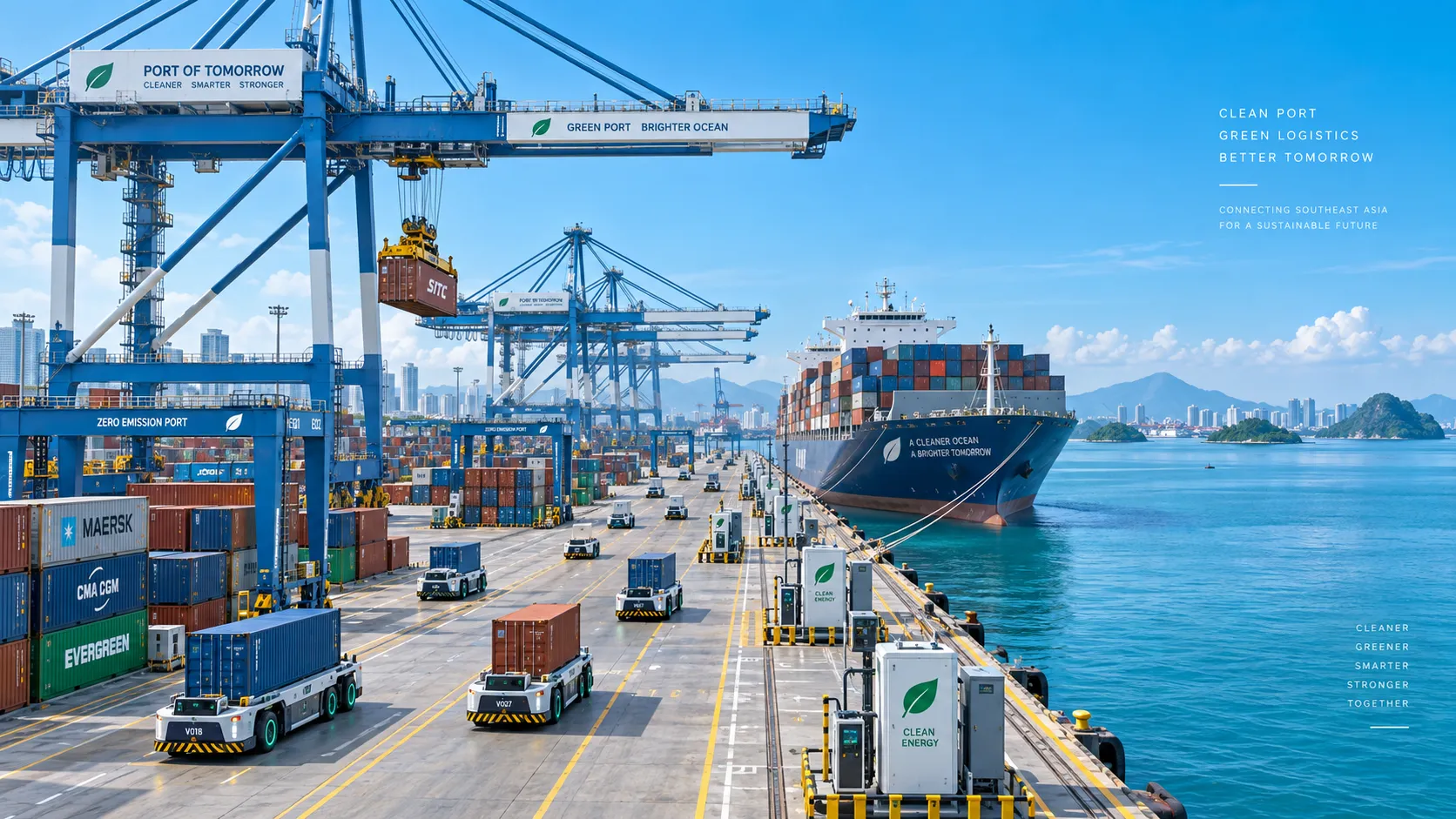
Smart Port Systems in Southeast Asia: Investment Priorities and Adoption Barriers
Smart port systems Southeast Asia: discover investment priorities, adoption barriers, and practical steps to build resilient, connected, high-performing terminals.
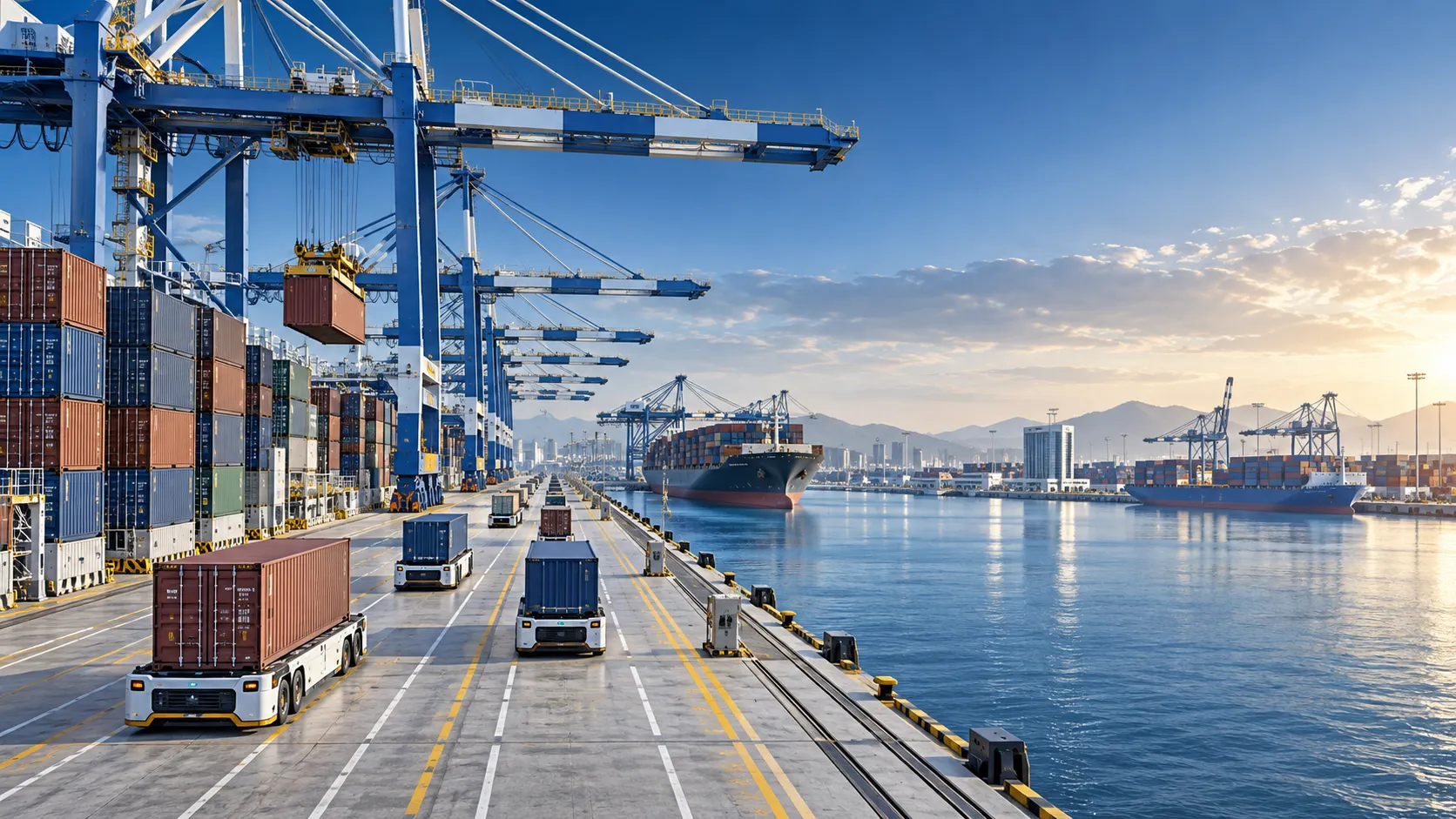
How to Evaluate Terminal Efficiency Solution Suppliers for High-Throughput Operations
Choose a terminal efficiency solutions supplier with confidence. Explore proven criteria for throughput, integration, lifecycle cost, safety, and reliable delivery.
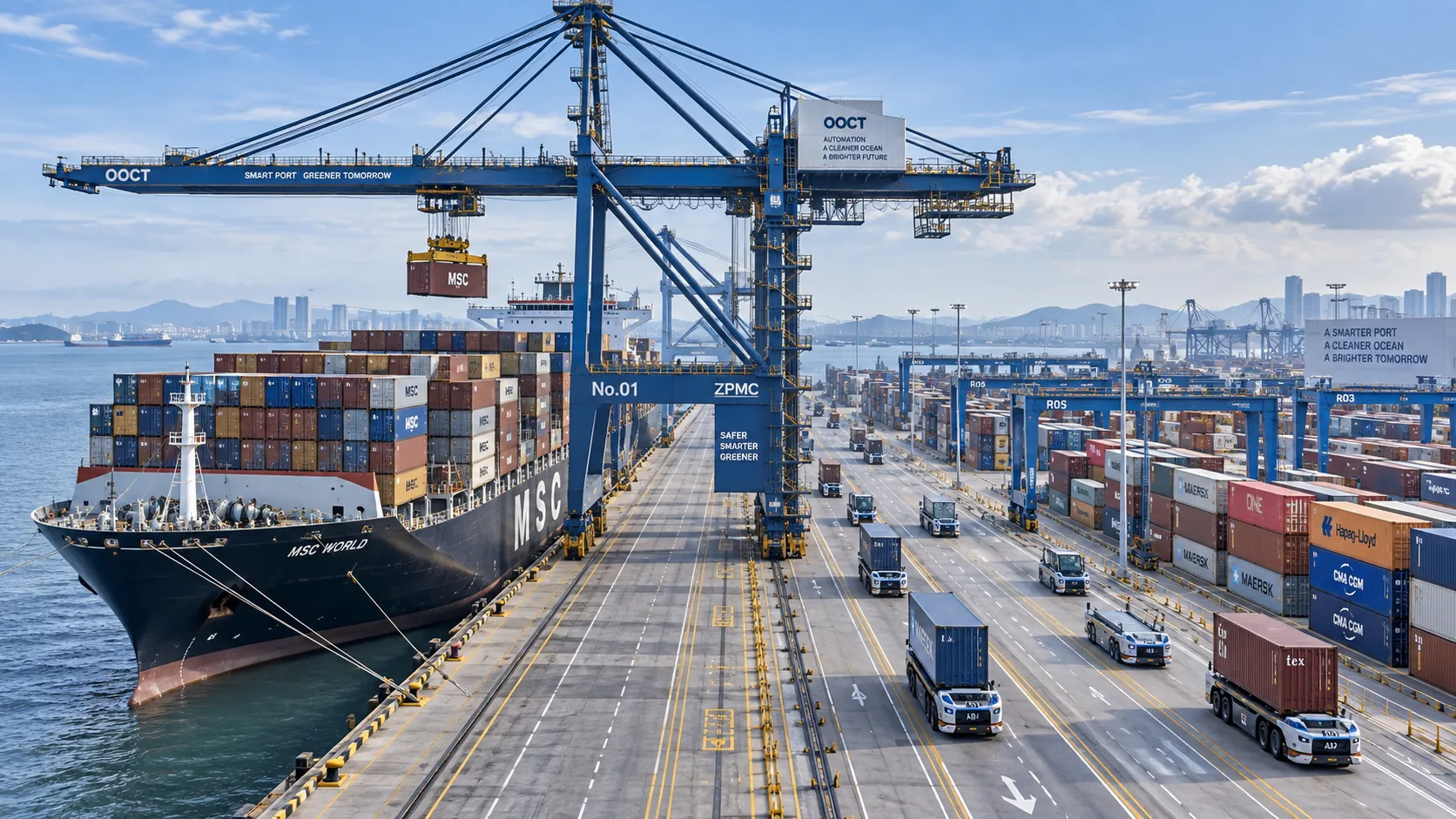
How to Specify a Quay Crane for Container Terminals by Vessel Size and Throughput?
Quay crane for container terminals: learn how to match outreach, lift height, capacity, automation, and cycle performance to vessel size and throughput goals.
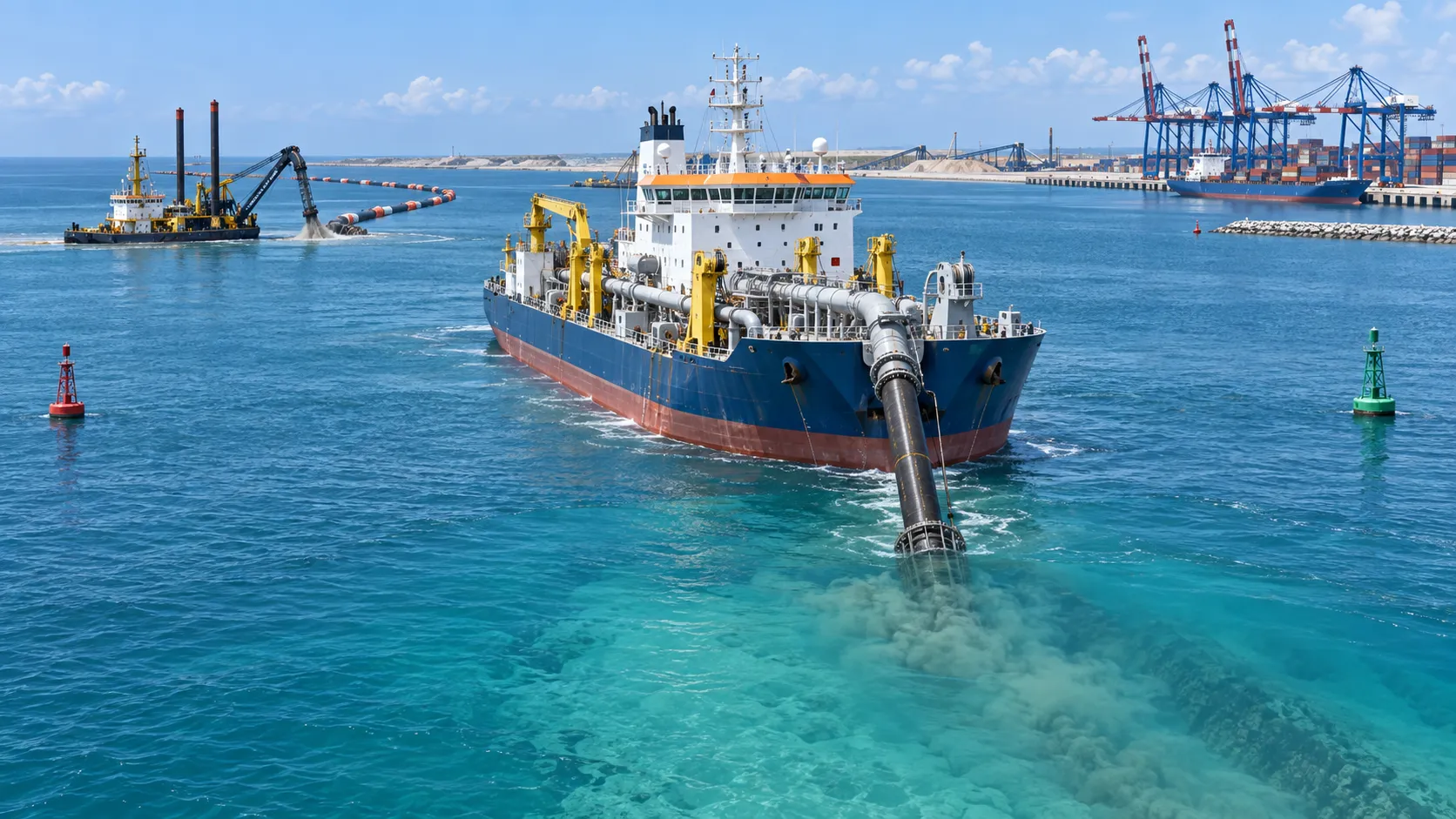
What Dredging Equipment Is Needed for Channel Deepening?
What dredging equipment is needed for channel deepening? Explore dredgers, pipelines, survey tools, and planning strategies for safer, more efficient port access.
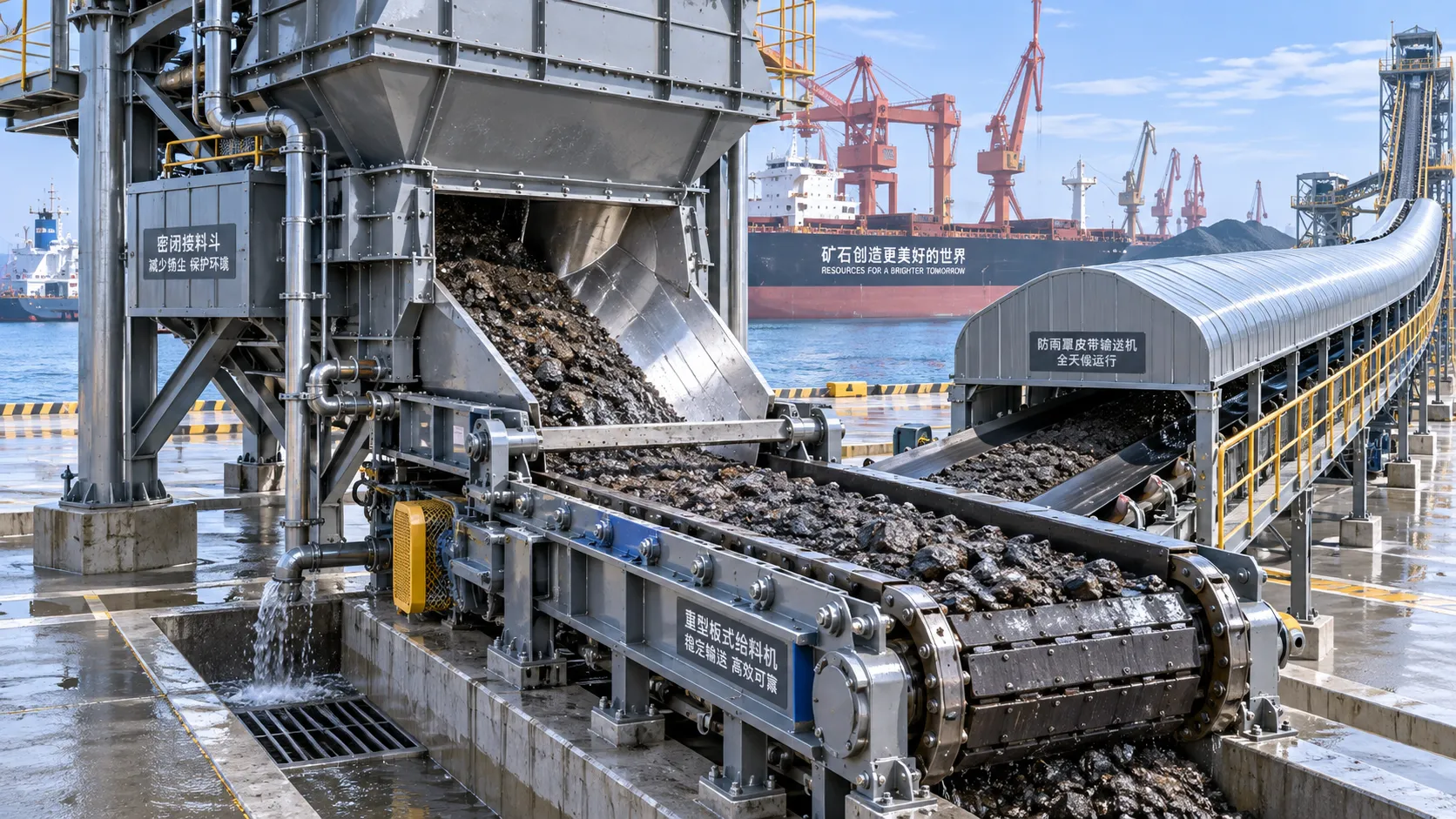
Which Bulk Handling Equipment Suits High-Moisture Cargo?
Which bulk handling equipment suits high-moisture cargo? Compare belt, apron, screw, drag, and slurry systems for reliable flow, less carryback, and higher terminal uptime.
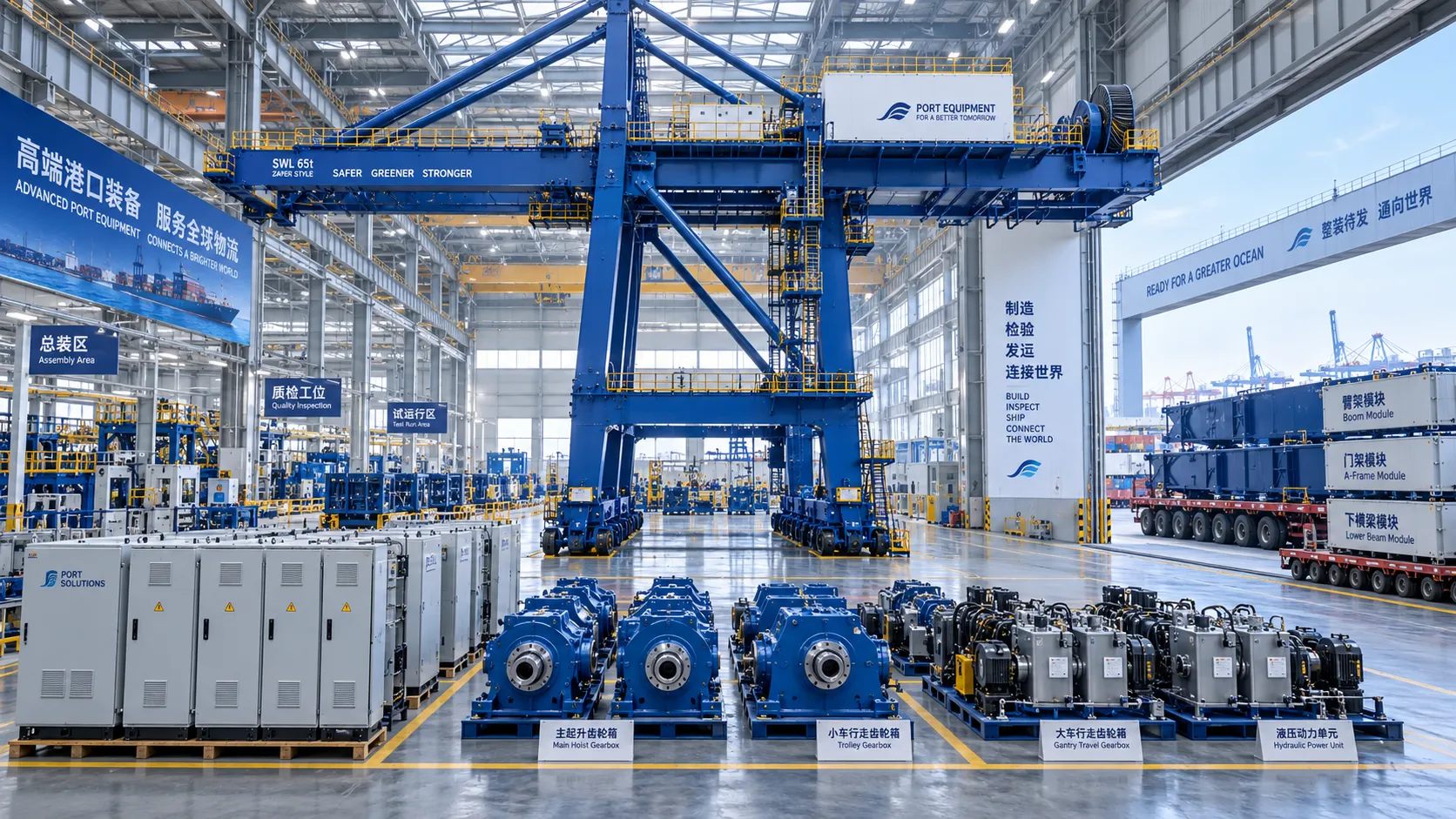
How Can Port Equipment Lead-Time Risk Be Managed?
How can port equipment lead-time risk be managed? Explore practical strategies to control critical paths, suppliers, transport, site readiness, and commissioning delays.
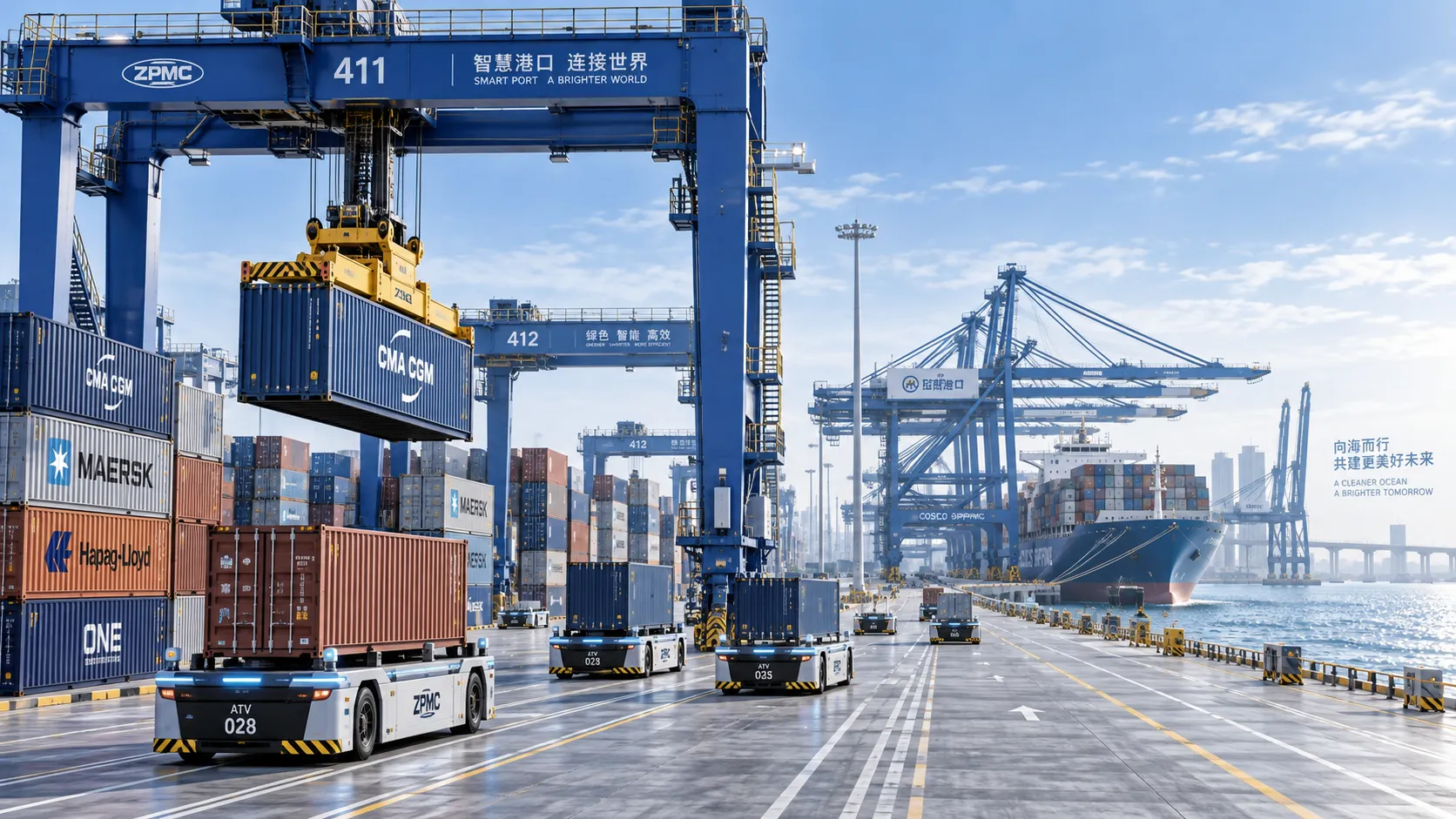
Terminal Automation Technologies That Raise Container Throughput Without Yard Disruption
Terminal automation technology that increases container throughput without disrupting yard flow. Explore smarter integration, resilient workflows, and phased deployment strategies.
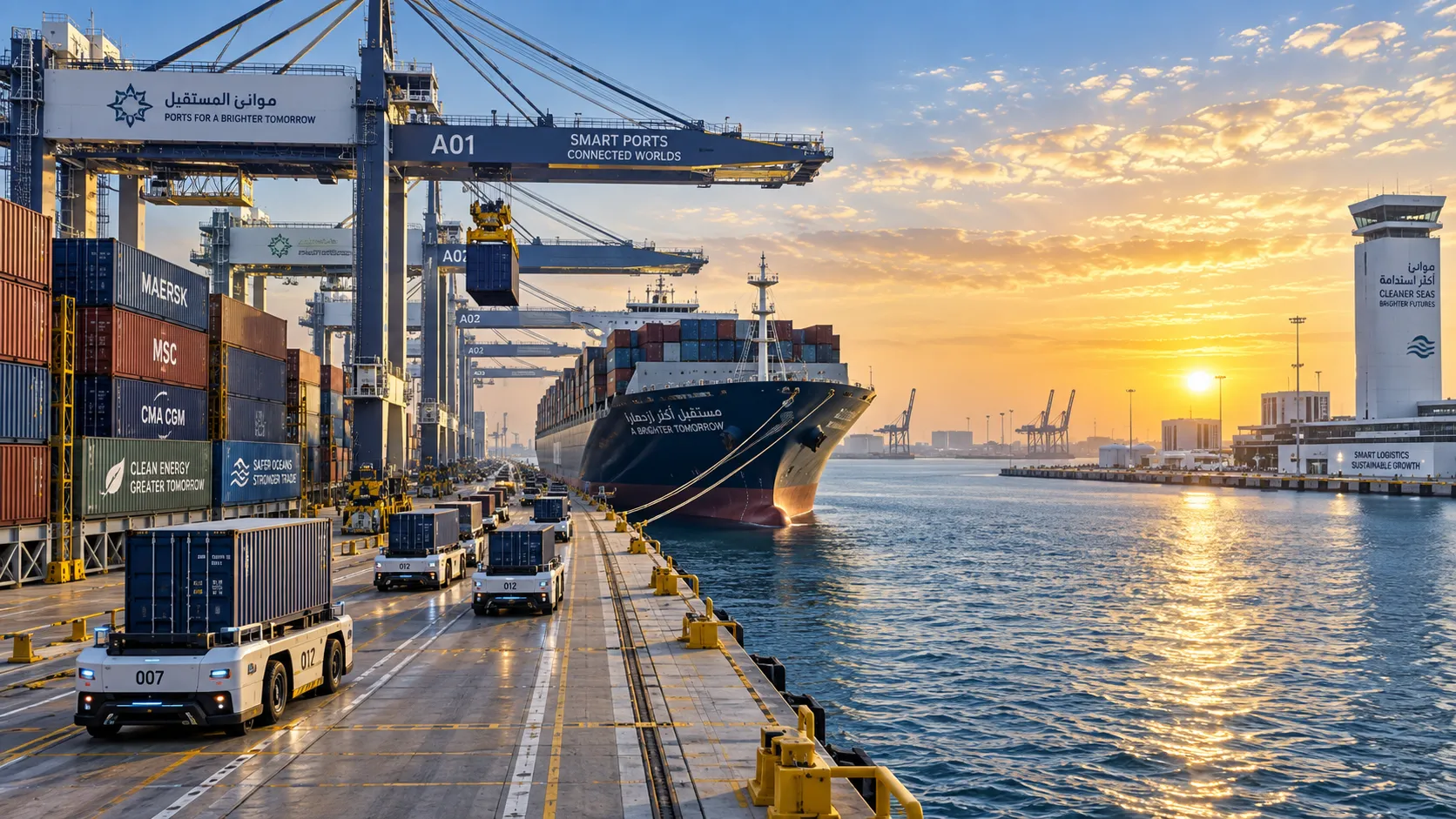
Middle East Port Automation: Key Market Drivers, Projects, and Investment Risks
Port automation systems Middle East: explore market drivers, flagship projects, integration challenges, and investment risks shaping smarter, resilient terminals.
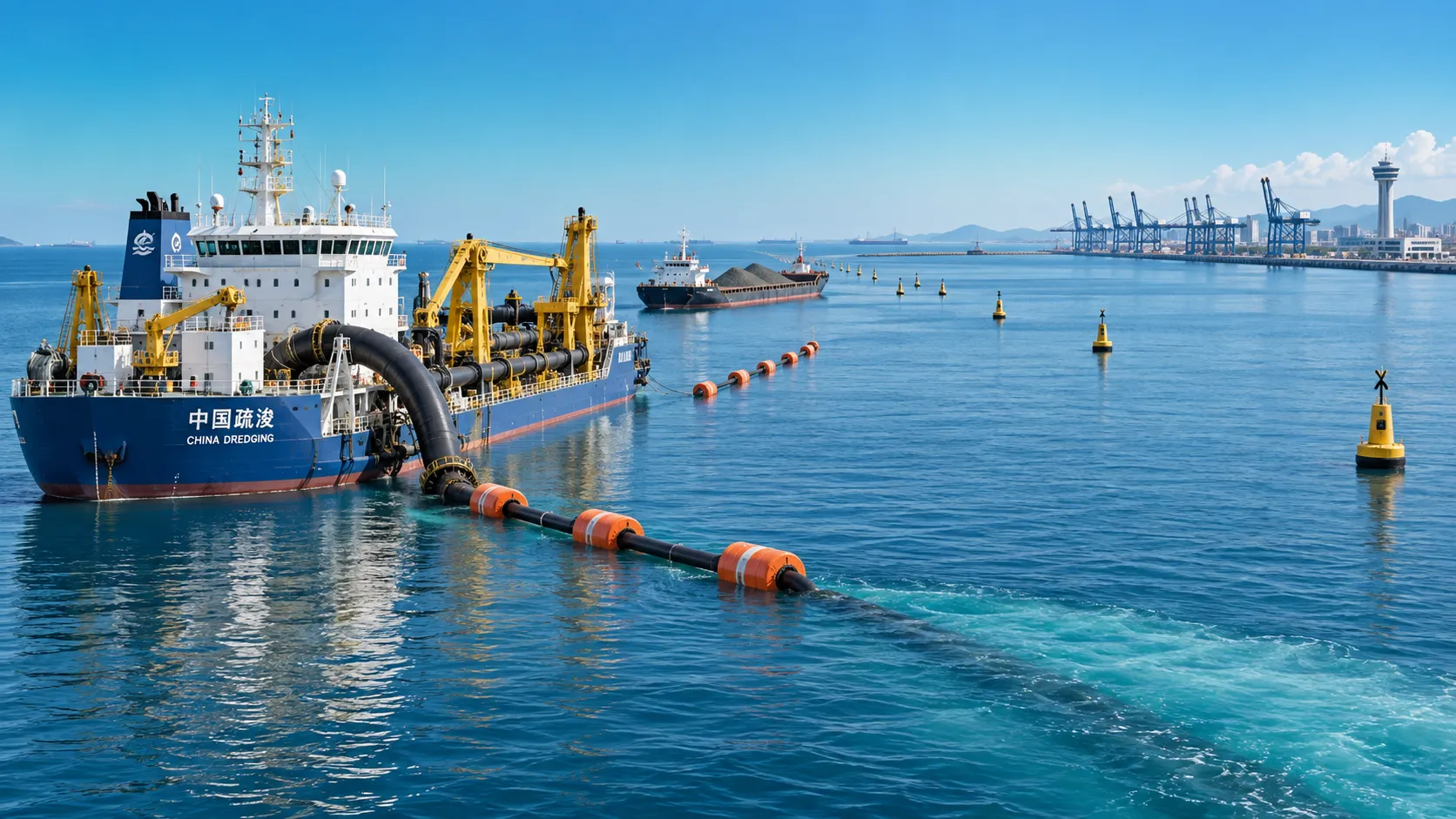
Planning Offshore Dredging Operations: Key Risks, Methods, and Project Controls
Offshore dredging operations demand smart planning. Explore key risks, proven methods, environmental controls, and project strategies for reliable delivery.