Related News
- 00
0000-00
How Can Port Equipment Lead-Time Risk Be Managed? - 00
0000-00
Maritime Logistics Operations: How Ports Can Reduce Container Dwell Time - 00
0000-00
What Does Logistics Node Monitoring Cost Across Warehouses and Transport Hubs? - 00
0000-00
How Can IoT Smart Port Solutions Improve Container Tracking and Yard Efficiency? - 00
0000-00
How Real-Time Port Logistics Intelligence Improves Container Yard Efficiency
Container yard optimization often fails for one simple reason
Container yard optimization often underdelivers not because of equipment limits, but because execution gaps disconnect planning from real terminal dynamics. A yard model may look efficient on paper, yet fail once truck arrivals bunch, vessel windows shift, or RTG and AGV cycles drift from assumptions. The simple reason is not weak strategy. It is weak synchronization between plan, data, and field action. When container yard optimization is treated as a software exercise instead of an operating discipline, space utilization, rehandle rates, and turnaround performance all suffer.
Why a Checklist Matters in Container Yard Optimization
In ports and inland logistics nodes, small execution errors compound quickly. A single stack rule exception can trigger extra reshuffles. One delayed handoff between TOS, equipment control, and dispatch can distort the whole yard flow.
That is why container yard optimization needs a checklist approach. It turns broad intent into repeatable controls. It also exposes where terminal engineering, automation logic, and operating reality no longer match.
For PS-Nexus and the wider maritime logistics sector, this matters beyond one terminal. Yard execution quality affects berth productivity, landside congestion, energy use, and the credibility of automation investments across the supply chain.
Core Execution Checklist: The Real Drivers of Yard Performance
Use the following checklist to test whether container yard optimization is operationally grounded or only theoretically optimized.
- Map real move patterns before redesigning stack rules, including import dwell time, export cutoff behavior, transshipment peaks, and exception handling during vessel bunching.
- Align slot allocation with equipment cycle reality, not average assumptions, so RTG travel distance, AGV queue length, and handoff delays are visible.
- Segment containers by operational behavior, separating fast-turn imports, hazardous units, reefers, customs holds, and late exports to reduce conflict inside shared blocks.
- Validate TOS parameters against field practice, especially stack height limits, twin-cycle logic, pre-marshalling triggers, and exception overrides used during peak windows.
- Track rehandle causes at source, distinguishing poor planning, late truck arrival, vessel change, documentation delay, and crane dispatch imbalance.
- Synchronize quay, yard, and gate priorities every shift, because container yard optimization fails when each node optimizes locally and transfers congestion elsewhere.
- Use live yard density thresholds rather than static capacity percentages, since the same occupancy level performs differently across block layout and cargo mix.
- Design exception workflows for damaged boxes, customs inspections, OOG cargo, and power failures, because unplanned moves destroy the best stack strategy fastest.
- Measure decision latency between event detection and dispatch response, especially in automated terminals where system delay appears as equipment inefficiency.
- Review labor, controls, and maintenance together, since container yard optimization weakens when mechanical availability and software logic are managed separately.
Where Container Yard Optimization Breaks Down in Different Scenarios
High-Volume Gateway Terminals
At gateway terminals, density is often mistaken for efficiency. Operators push stacks higher and fill more slots, expecting better utilization. In practice, dense blocks increase search time, crossing moves, and unproductive travel.
Container yard optimization in this scenario must protect flow, not just capacity. A slightly lower occupancy with cleaner segmentation often produces better truck turn time and lower reshuffle intensity.
Automated Container Yards
Automated yards rely on precise orchestration between TOS, ECS, AGVs, ASC cranes, and sensor feedback. Failures usually emerge at interfaces, not in the machines themselves.
Here, container yard optimization depends on timing discipline. If position updates lag, route logic conflicts, or job priorities change without system reconciliation, automation amplifies disruption instead of absorbing it.
Transshipment Hubs
Transshipment hubs face volatile connection windows and last-minute stowage changes. Containers may dwell briefly, but the sequence sensitivity is high.
In this environment, container yard optimization should prioritize connection reliability and dynamic restow prevention. Static stacking plans age quickly when feeder schedules and mother vessel sequences change.
Inland Depots and Rail-Linked Yards
Inland yards often inherit bad assumptions from seaport operations. Rail cutoffs, gate surges, and chassis constraints create different bottlenecks than quay-linked terminals.
Effective container yard optimization here must include train formation logic, truck appointment reliability, and empty repositioning behavior. Otherwise, local congestion keeps recurring despite enough nominal space.
Commonly Ignored Risks That Undermine Results
Ignoring Data Freshness
A well-designed optimization model becomes dangerous when fed stale location, status, or availability data. Even a short delay can misassign jobs and multiply empty travel.
Treating Exceptions as Rare Events
Customs holds, reefer checks, late documentation, and equipment downtime are not outliers. They are part of normal yard life. Container yard optimization must be designed around them, not around ideal flow only.
Overlooking Human Override Behavior
When planners and supervisors repeatedly bypass system rules, the issue is usually not discipline alone. It may signal that system logic is misaligned with operational pressure and field constraints.
Measuring the Wrong KPI
High occupancy, move count, or crane utilization can hide poor flow quality. Better indicators include rehandle ratio, decision latency, slot accessibility, truck turn variability, and block recovery time after disruption.
Practical Steps to Make Container Yard Optimization Work
- Start with a two-week movement audit and compare planned versus actual container paths, dwell bands, and equipment response times.
- Reset block rules around cargo behavior, not around legacy yard geography or inherited terminal habits.
- Build shift-level coordination between berth planning, gate control, yard dispatch, and maintenance planning.
- Introduce red-zone thresholds for density, queue length, and exception volume that trigger immediate operational changes.
- Test one block or one cargo segment first, then scale only after rehandle, turnaround, and travel metrics improve.
- Review software settings and field workarounds together, then remove rule conflicts that force manual overrides.
This execution-first method is especially useful in complex port ecosystems shaped by automation, heavy terminal gear, and volatile trade patterns. It reflects the broader PS-Nexus view that engineering performance depends on synchronized intelligence, not isolated assets.
Conclusion: Fix the Coordination Gap First
Container yard optimization often fails for one simple reason: the operating plan is not synchronized with live yard reality. The gap may appear in data timing, dispatch logic, stack design, or exception handling, but the pattern is the same. Planning and execution drift apart.
The next step is practical. Audit actual moves, identify where synchronization breaks, and apply a checklist that connects system rules with field behavior. Once that discipline is in place, container yard optimization can finally deliver what it promises: lower rehandles, faster circulation, and stronger terminal resilience.
Related News
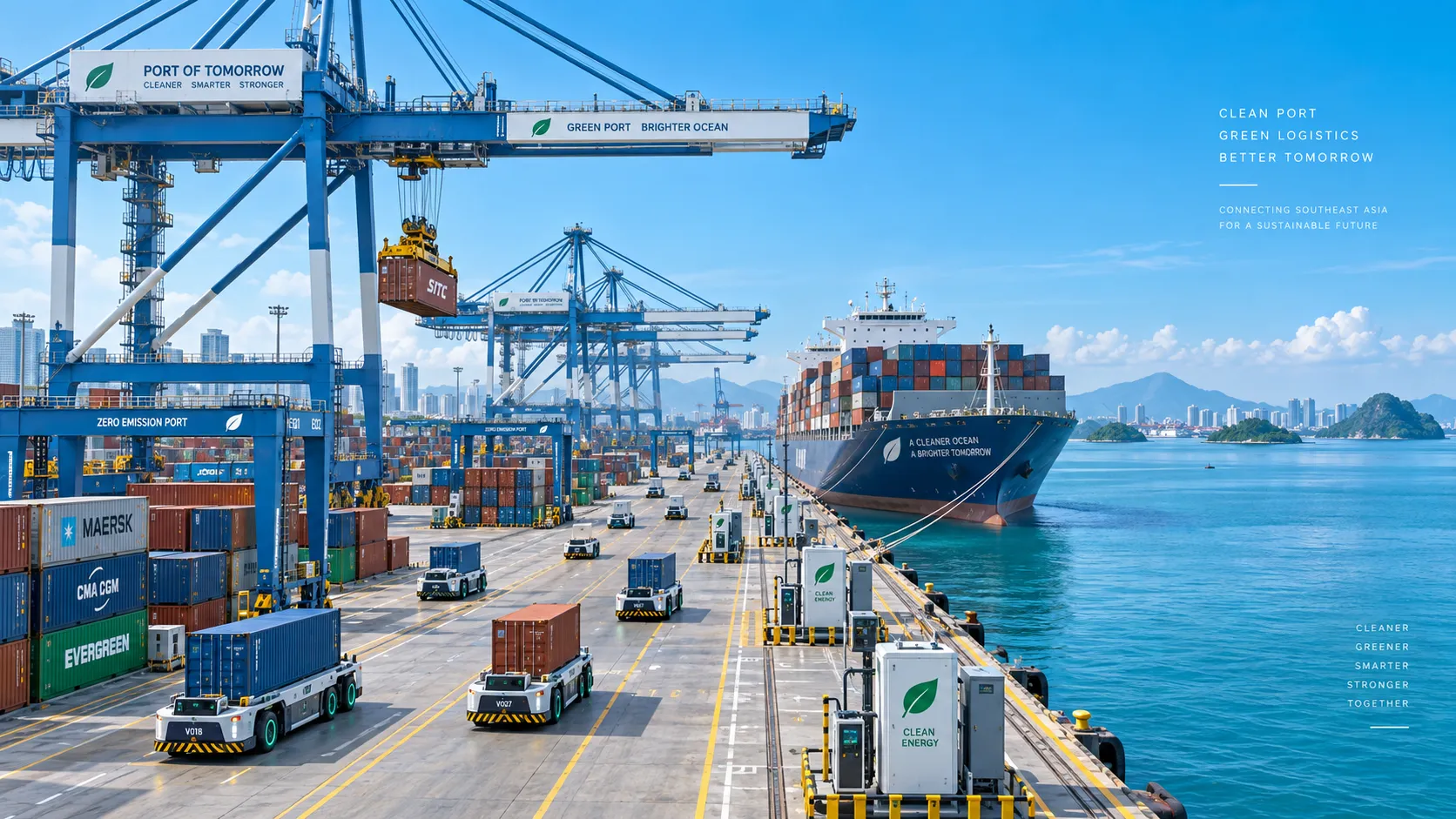
Smart Port Systems in Southeast Asia: Investment Priorities and Adoption Barriers
Smart port systems Southeast Asia: discover investment priorities, adoption barriers, and practical steps to build resilient, connected, high-performing terminals.
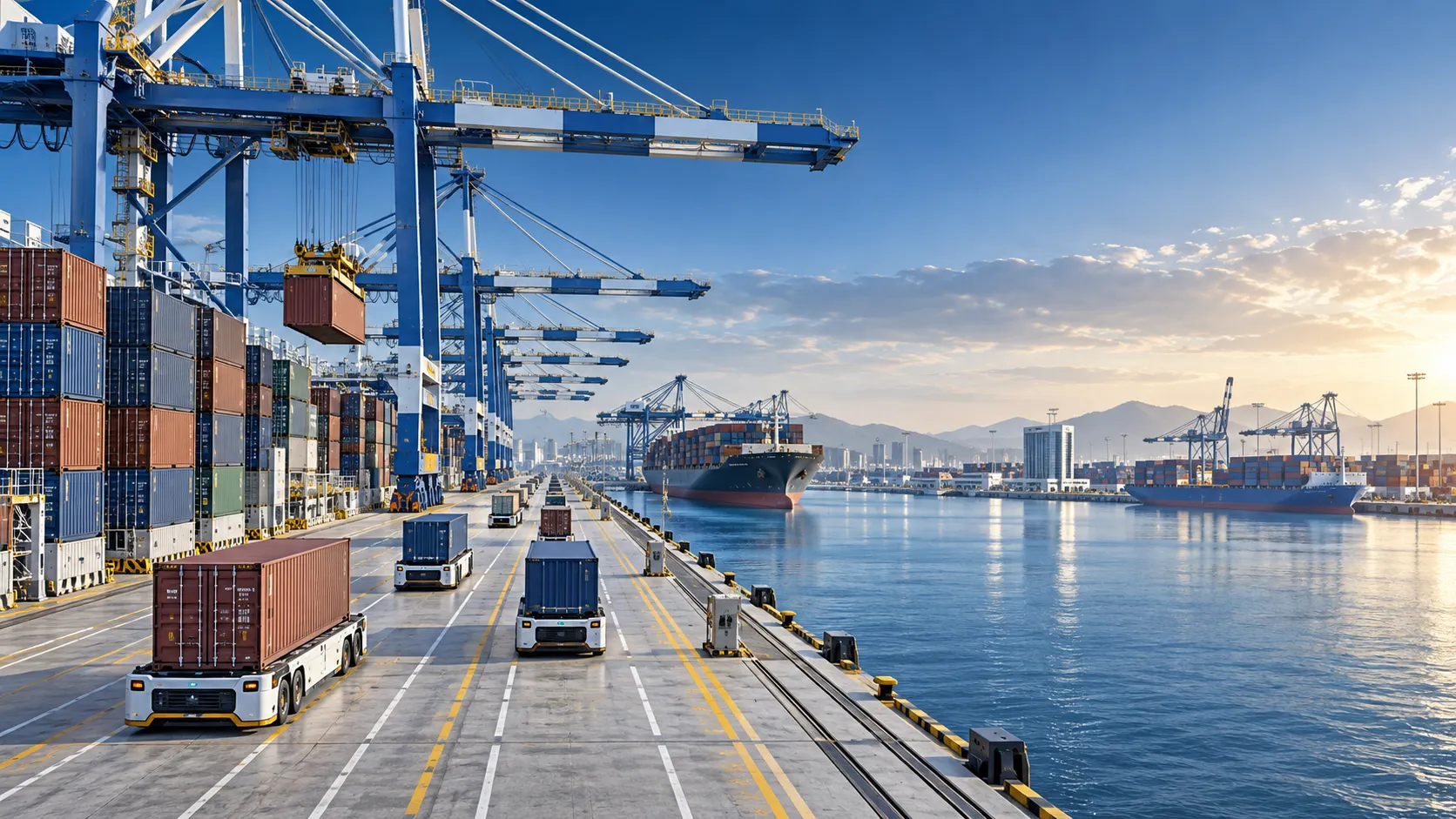
How to Evaluate Terminal Efficiency Solution Suppliers for High-Throughput Operations
Choose a terminal efficiency solutions supplier with confidence. Explore proven criteria for throughput, integration, lifecycle cost, safety, and reliable delivery.
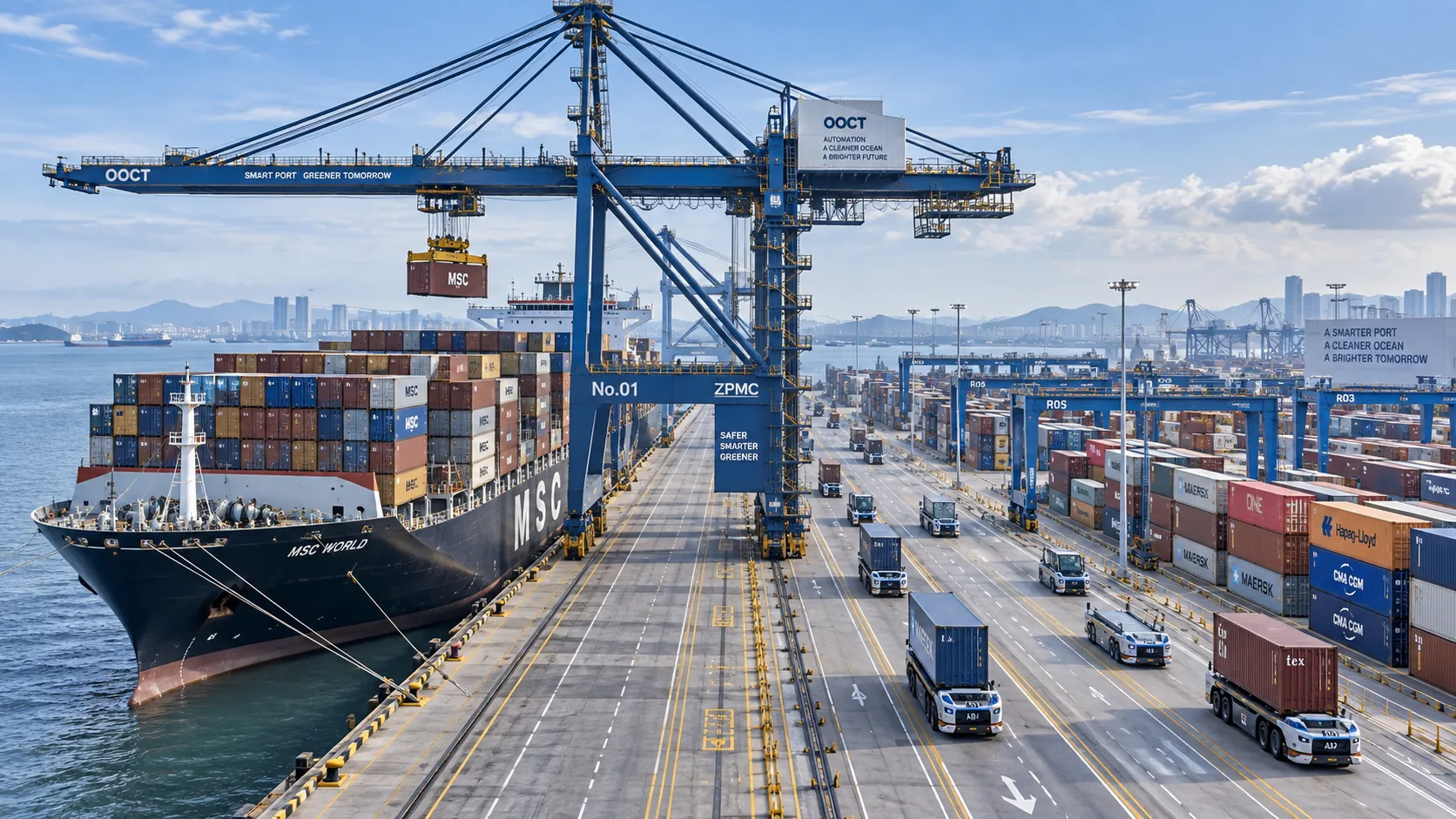
How to Specify a Quay Crane for Container Terminals by Vessel Size and Throughput?
Quay crane for container terminals: learn how to match outreach, lift height, capacity, automation, and cycle performance to vessel size and throughput goals.
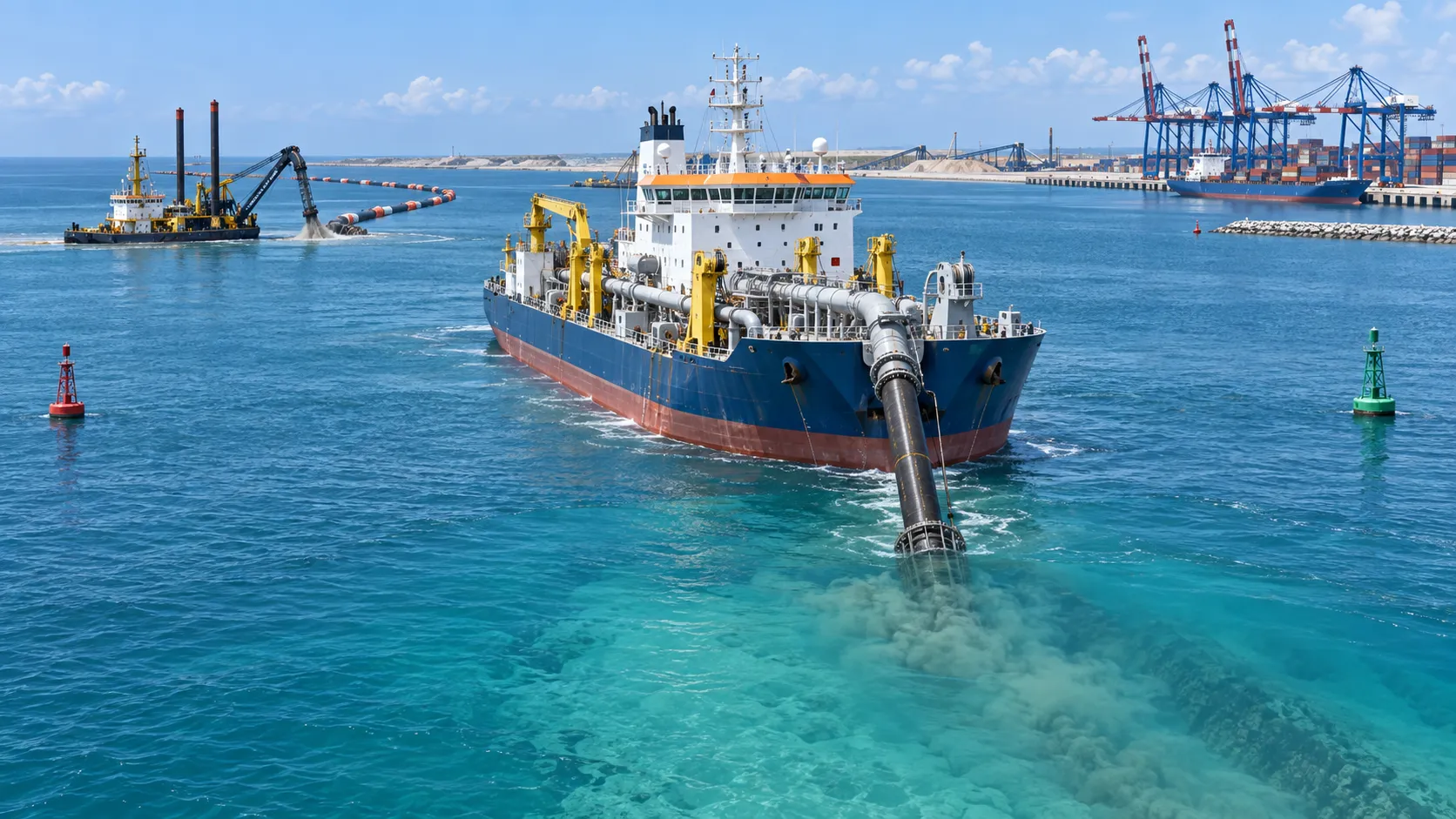
What Dredging Equipment Is Needed for Channel Deepening?
What dredging equipment is needed for channel deepening? Explore dredgers, pipelines, survey tools, and planning strategies for safer, more efficient port access.
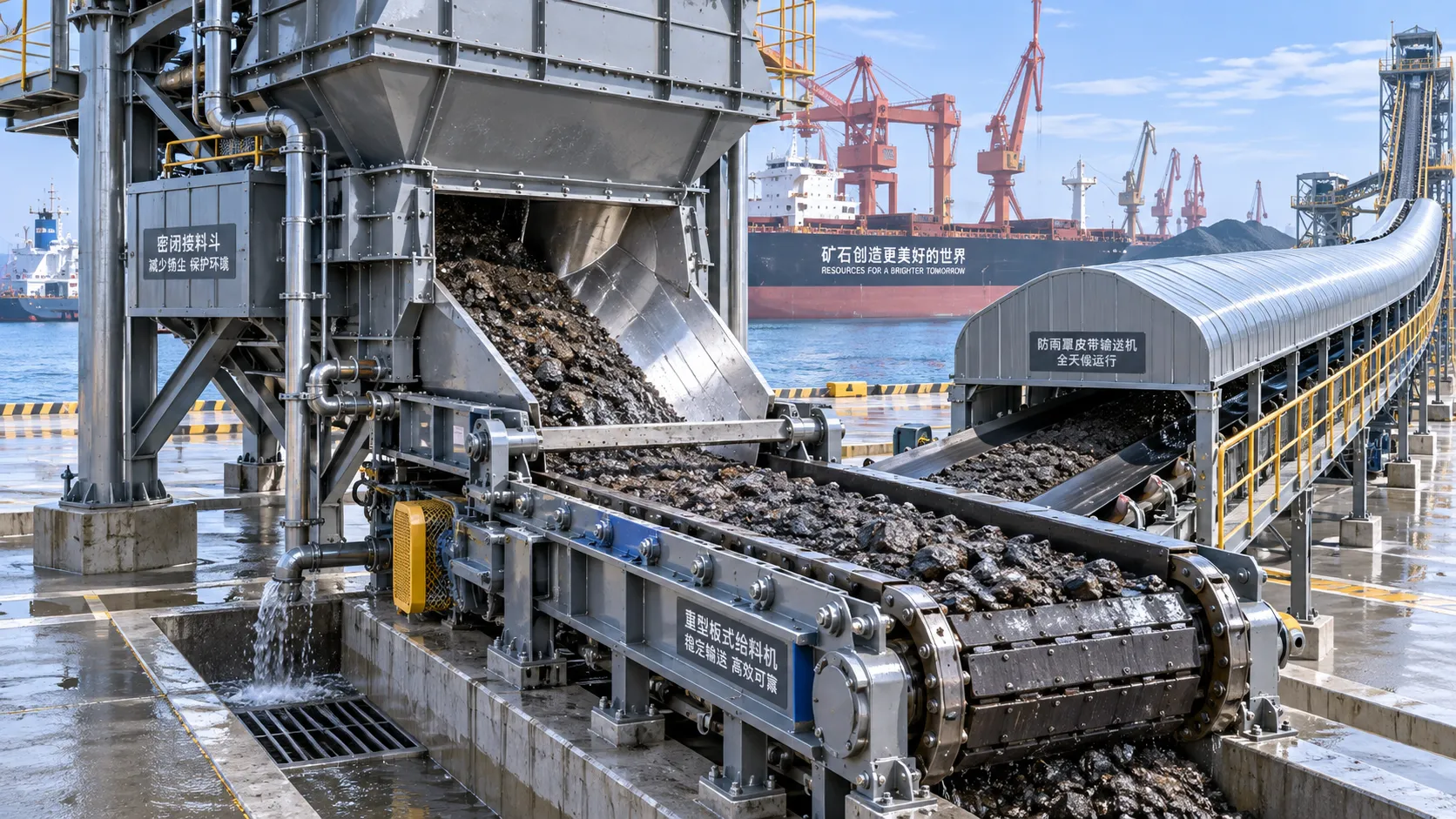
Which Bulk Handling Equipment Suits High-Moisture Cargo?
Which bulk handling equipment suits high-moisture cargo? Compare belt, apron, screw, drag, and slurry systems for reliable flow, less carryback, and higher terminal uptime.
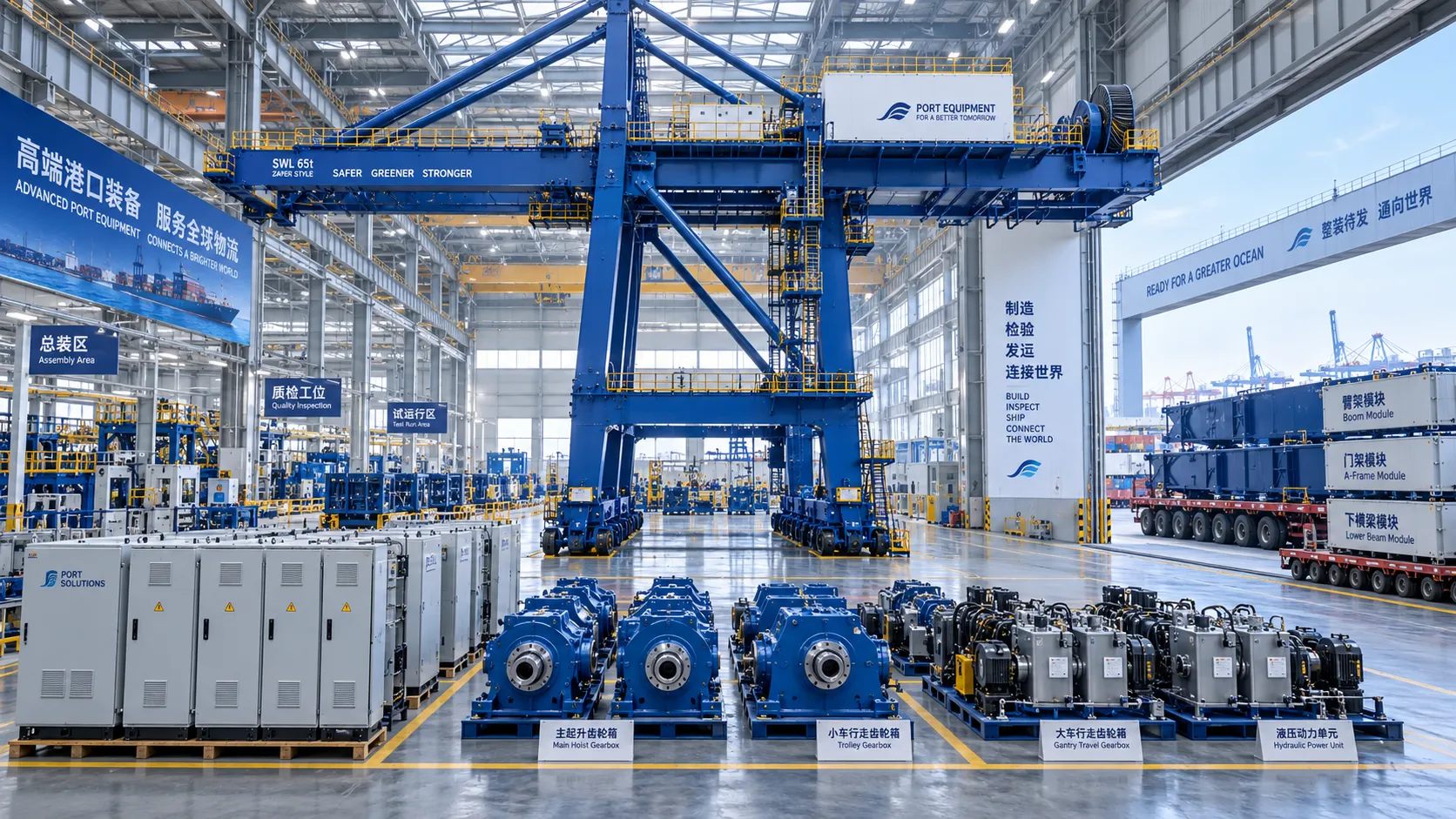
How Can Port Equipment Lead-Time Risk Be Managed?
How can port equipment lead-time risk be managed? Explore practical strategies to control critical paths, suppliers, transport, site readiness, and commissioning delays.
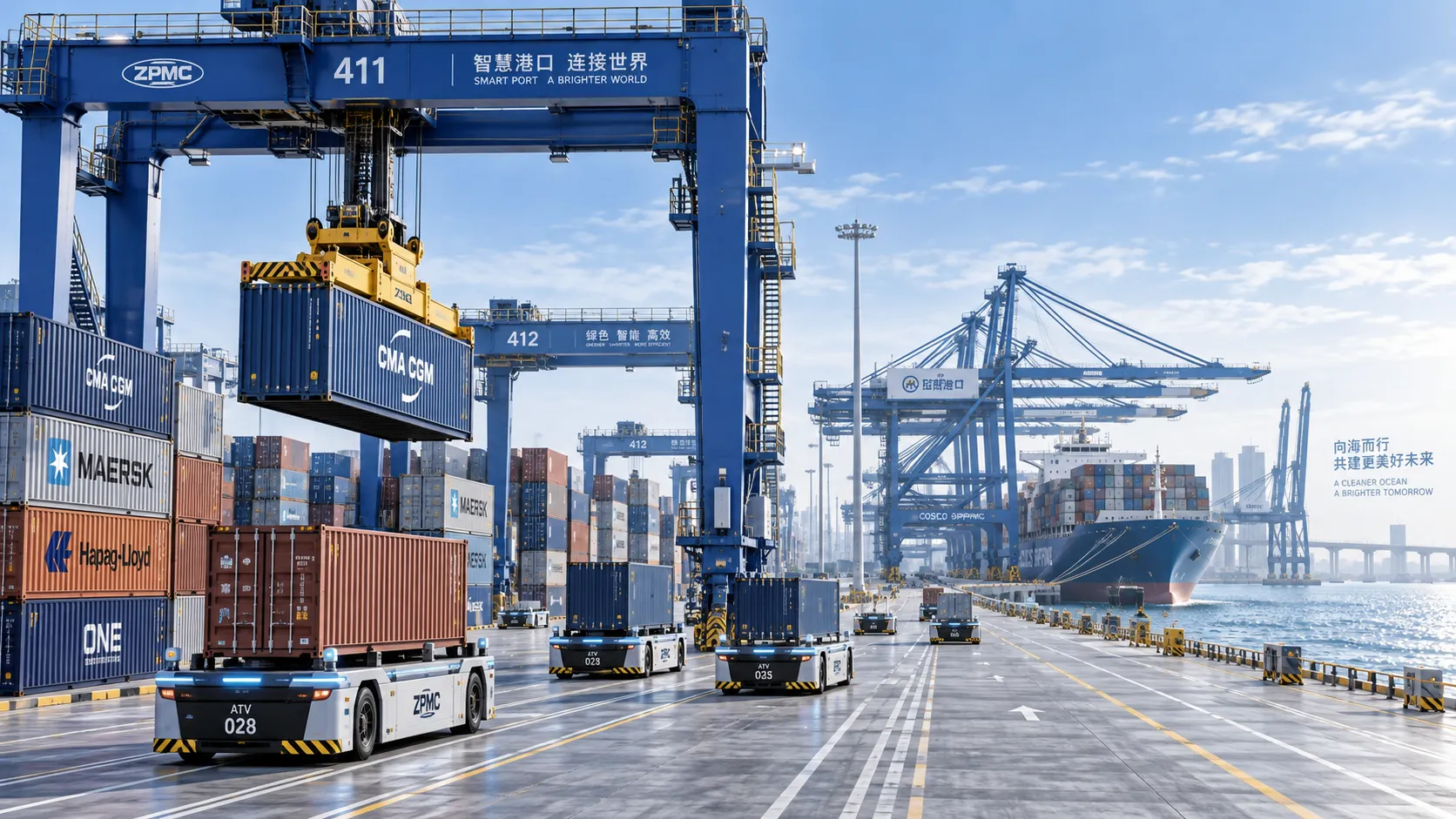
Terminal Automation Technologies That Raise Container Throughput Without Yard Disruption
Terminal automation technology that increases container throughput without disrupting yard flow. Explore smarter integration, resilient workflows, and phased deployment strategies.
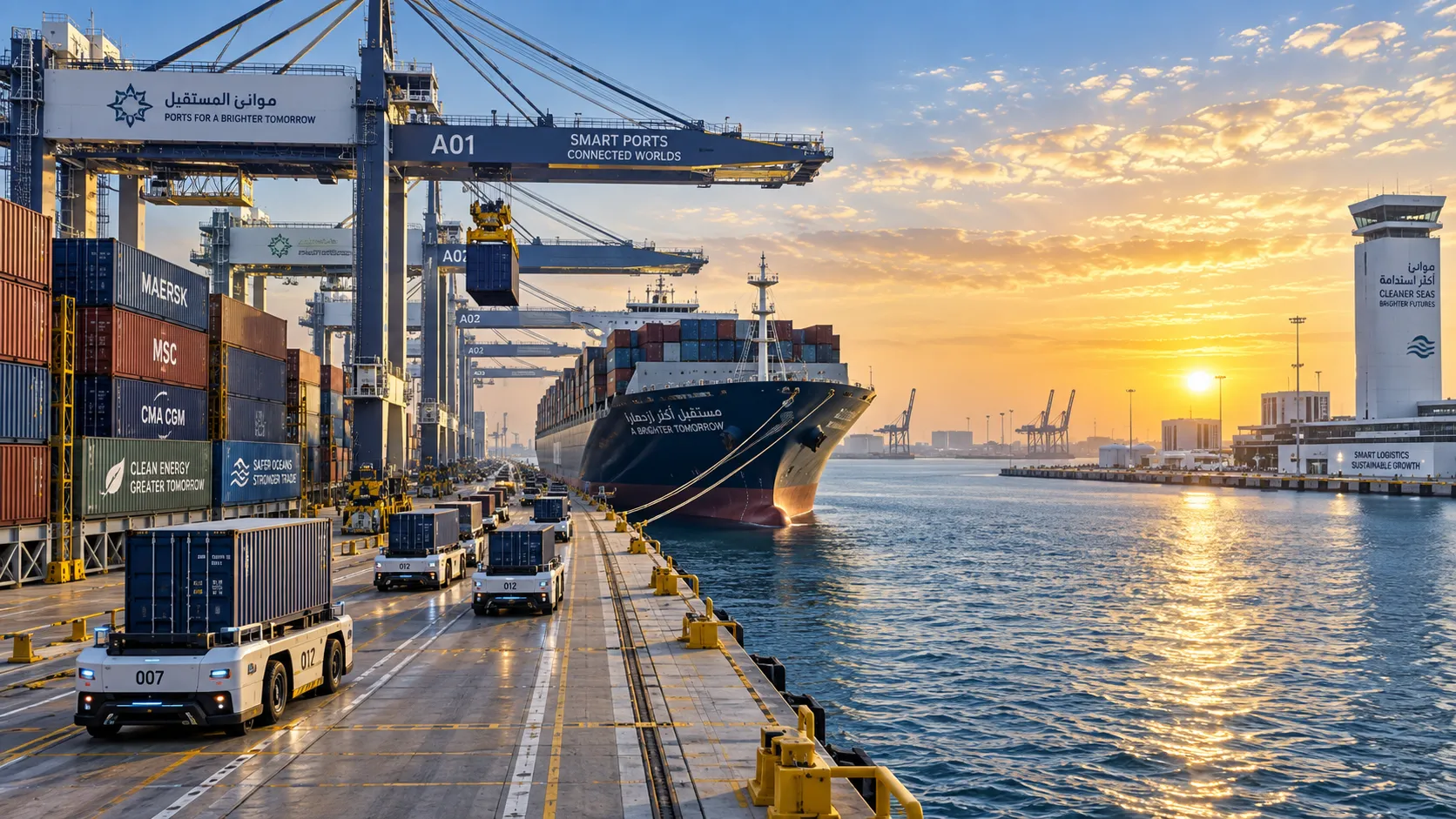
Middle East Port Automation: Key Market Drivers, Projects, and Investment Risks
Port automation systems Middle East: explore market drivers, flagship projects, integration challenges, and investment risks shaping smarter, resilient terminals.
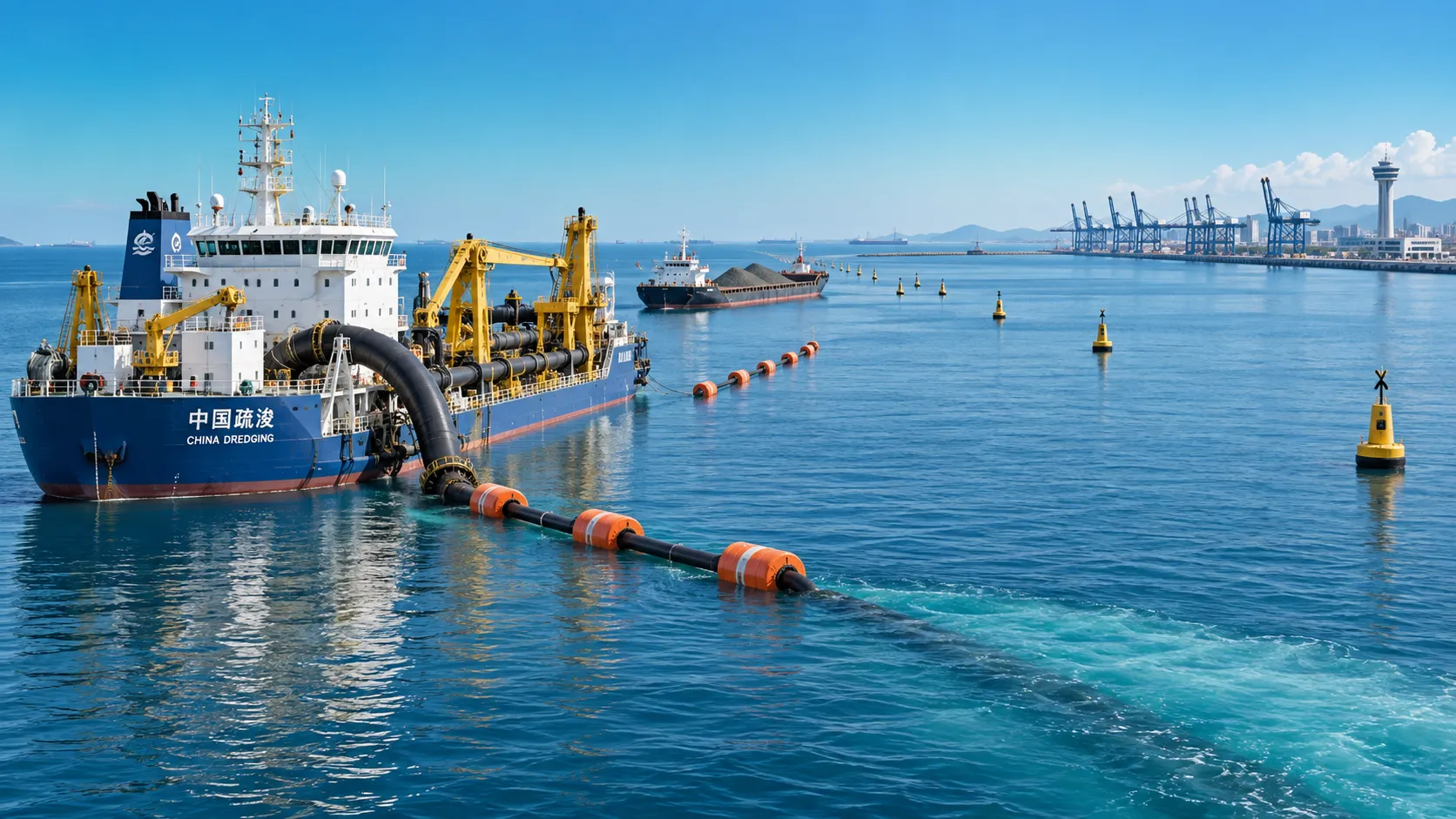
Planning Offshore Dredging Operations: Key Risks, Methods, and Project Controls
Offshore dredging operations demand smart planning. Explore key risks, proven methods, environmental controls, and project strategies for reliable delivery.