
Related News
- 00
0000-00
How Can Port Equipment Lead-Time Risk Be Managed? - 00
0000-00
Maritime Logistics Operations: How Ports Can Reduce Container Dwell Time - 00
0000-00
What Does Logistics Node Monitoring Cost Across Warehouses and Transport Hubs? - 00
0000-00
How Can IoT Smart Port Solutions Improve Container Tracking and Yard Efficiency? - 00
0000-00
How Real-Time Port Logistics Intelligence Improves Container Yard Efficiency
How global trade intelligence helps spot supply chain risk
For business evaluators, global trade intelligence is no longer optional—it is a frontline tool for detecting supply chain risk before disruptions escalate. From port equipment bottlenecks and shipping rate swings to automation gaps and dredging constraints, timely intelligence helps identify weak links across global logistics networks, supporting faster, more informed decisions in an increasingly volatile trade environment.
Why global trade intelligence now requires a checklist approach
Supply chain risk rarely starts with a headline event. It often begins with small operational signals across terminals, vessel schedules, inland links, and engineering capacity.
That is why global trade intelligence works best when it is structured into a repeatable checklist. A checklist reduces blind spots, standardizes review logic, and helps compare fast-moving signals.
In sectors tied to maritime logistics, heavy equipment, and port automation, risk can emerge from mechanical downtime, dredging delays, labor shortages, cyber incidents, or policy shocks.
A checklist-based method turns scattered updates into decision-ready insight. It also helps separate noise from signals that truly threaten supply continuity, cost stability, or delivery reliability.
Core checklist to spot supply chain risk with global trade intelligence
Use the following checklist to convert global trade intelligence into practical early warning. Each point should be reviewed regularly, not only during visible disruption.
- Track port congestion trends across key gateways, including berth waiting time, crane productivity, yard density, and vessel bunching patterns that can delay cargo handoff.
- Monitor freight rate volatility by lane, vessel type, and season, then compare price moves with capacity deployment to detect stress before service reliability falls.
- Check terminal equipment availability, especially quay cranes, RTGs, reach stackers, and automated handling systems, because asset downtime quickly becomes a network bottleneck.
- Review dredging status and channel depth reports at critical ports, since draft restrictions can reduce vessel load factors and shift arrivals to secondary hubs.
- Assess automation stability by following control system faults, AGV dispatch issues, remote crane latency, and software upgrade incidents affecting terminal throughput.
- Map geopolitical exposure around chokepoints, sanctions regimes, customs enforcement changes, and security incidents that may alter routing, insurance cost, or transit time.
- Compare carrier schedule integrity with actual arrival performance to identify chronic deviation, blank sailings, or port omission patterns across strategic trade corridors.
- Watch inland transfer capacity, including rail slots, truck availability, depot dwell time, and intermodal handover speed, because seaport recovery may hide inland fragility.
- Analyze supplier location concentration against hazard zones, energy vulnerability, labor unrest, and climate exposure to understand where disruption could cascade fastest.
- Validate data freshness, source credibility, and cross-market consistency, since weak global trade intelligence can produce false confidence and delay response actions.
How this checklist applies across real operating scenarios
Port and terminal operations
In port-centered networks, global trade intelligence should connect mechanical performance with traffic flow. A crane outage matters more when vessel bunching and yard saturation are already rising.
PS-Nexus-style intelligence is valuable here because it combines terminal gear signals, automation logic, and marine infrastructure updates into a single operational picture.
Bulk cargo and raw material movement
Bulk supply chains depend on loading efficiency, berth access, dredged depth, and transfer machinery uptime. Small disruptions can create contract penalties or inventory stress downstream.
Global trade intelligence helps reveal whether a problem is temporary local friction or the early stage of broader capacity tightening across export and import nodes.
Containerized and automated logistics
Automated yards and smart terminals add efficiency, but they also introduce software and systems risk. Dispatch logic errors, communication latency, or integration faults can impair throughput.
Global trade intelligence should therefore include technical operating indicators, not just market news. Throughput data without system health data is incomplete risk visibility.
Infrastructure expansion and dredging projects
Dredging delays, permit issues, or equipment constraints can affect future capacity long before users notice immediate congestion. These signals matter for medium-term route planning.
When global trade intelligence includes channel development, reclamation work, and marine geotechnical progress, it becomes easier to forecast where future resilience will improve or weaken.
Common blind spots that weaken global trade intelligence
Ignoring equipment-level constraints
Many risk reviews focus on freight rates and skip port machinery readiness. Yet a shortage of serviceable cranes or handling units can trigger longer delays than price volatility alone.
Overlooking dredging and waterway conditions
Channel depth, sediment buildup, and maintenance windows are often treated as technical details. In reality, they directly shape vessel access, partial loading, and route economics.
Relying on lagging indicators only
Historical averages are useful, but supply chain risk often appears first in near-real-time deviations. Fresh global trade intelligence is essential for timely escalation and mitigation.
Treating automation as always reliable
Automated systems reduce labor dependency, but they do not eliminate risk. Software instability, sensor failures, and control network bottlenecks can still interrupt operations sharply.
Missing cross-node correlation
A single signal may appear manageable. Combined signals across port access, inland transfer, and carrier reliability often reveal the true scale of exposure earlier.
Practical execution steps for better risk detection
To make global trade intelligence operational, build a simple review rhythm and decision threshold. The goal is not more data. The goal is faster interpretation.
- Set a weekly signal review covering ports, carriers, rates, inland links, terminal equipment, and dredging updates for all critical logistics corridors.
- Score each signal by impact, speed, and recoverability, then rank issues that could spread across nodes or create persistent operational drag.
- Define trigger levels for action, such as rerouting study, buffer adjustment, source diversification, or engineering contingency review.
- Cross-check external market data with technical intelligence from terminal systems, infrastructure status, and marine construction progress.
- Document signal outcomes after each event to refine which forms of global trade intelligence provide the earliest useful warning.
Where possible, combine commercial intelligence with engineering insight. That is especially important in maritime logistics, where equipment capability and infrastructure readiness shape trade performance.
A source such as PS-Nexus becomes relevant because it does not isolate market headlines from port automation, terminal gear efficiency, and dredging engineering realities.
Conclusion: turn global trade intelligence into earlier action
Global trade intelligence is most valuable when it helps detect supply chain risk before disruption becomes visible in delivery failure, emergency cost, or service breakdown.
A checklist-driven approach improves consistency, sharpens signal detection, and supports better judgment across complex trade networks. It also helps connect market volatility with operational causes.
The next step is simple: define the corridors that matter most, apply the checklist regularly, and prioritize intelligence that links ports, equipment, automation, and marine infrastructure.
In a volatile logistics environment, better global trade intelligence does not just explain disruption. It helps prevent being surprised by it.
Related News
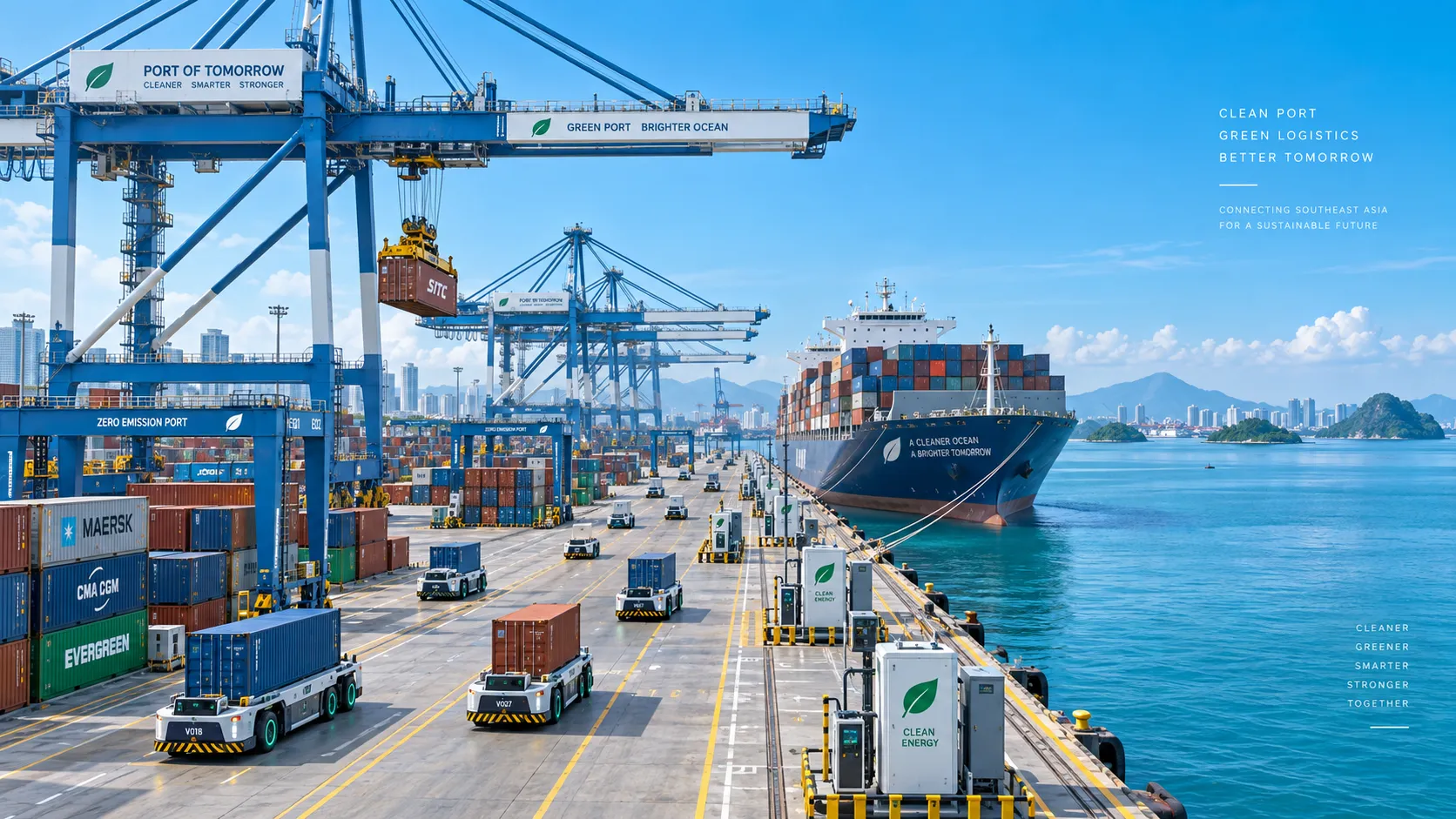
Smart Port Systems in Southeast Asia: Investment Priorities and Adoption Barriers
Smart port systems Southeast Asia: discover investment priorities, adoption barriers, and practical steps to build resilient, connected, high-performing terminals.
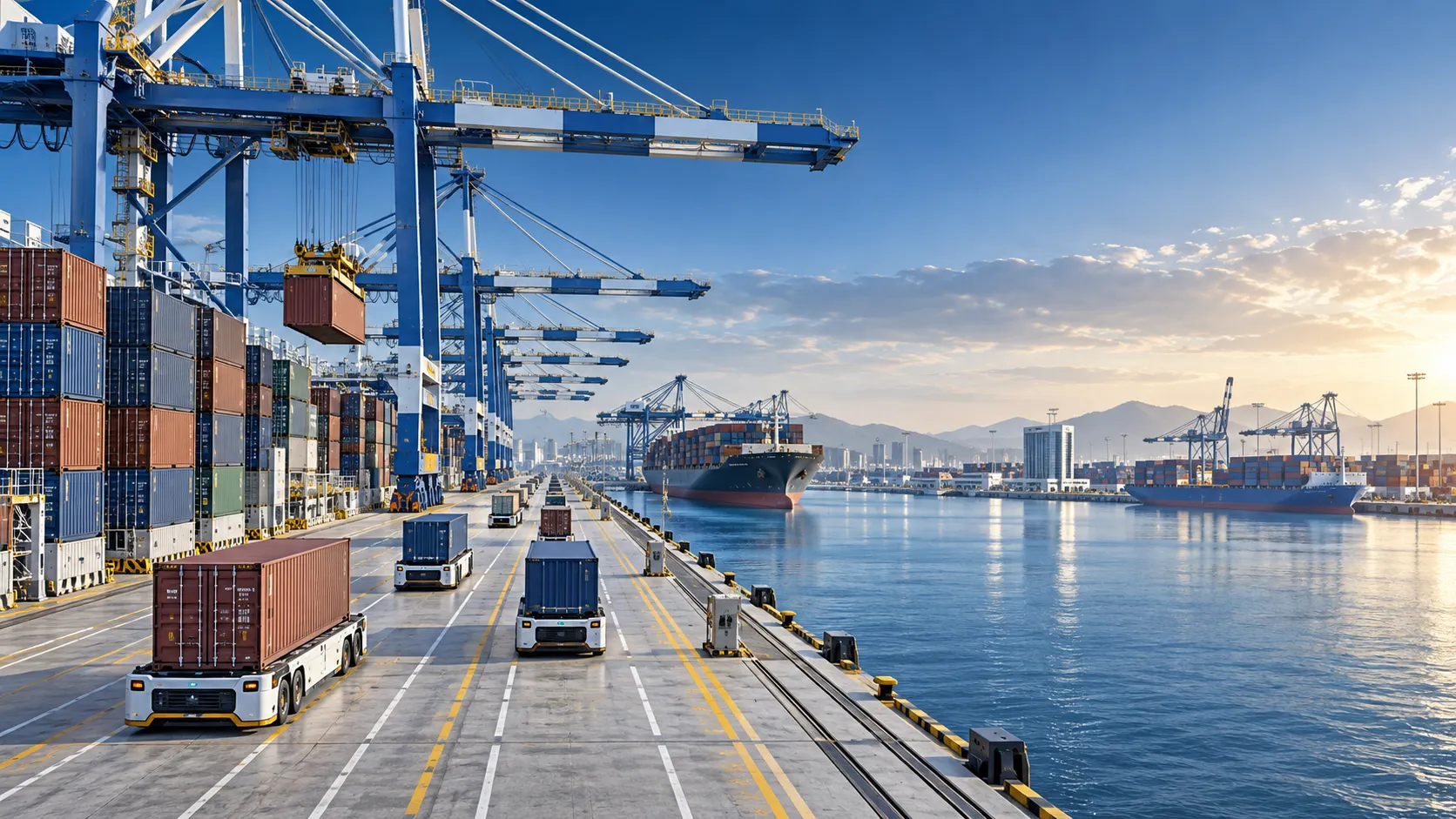
How to Evaluate Terminal Efficiency Solution Suppliers for High-Throughput Operations
Choose a terminal efficiency solutions supplier with confidence. Explore proven criteria for throughput, integration, lifecycle cost, safety, and reliable delivery.
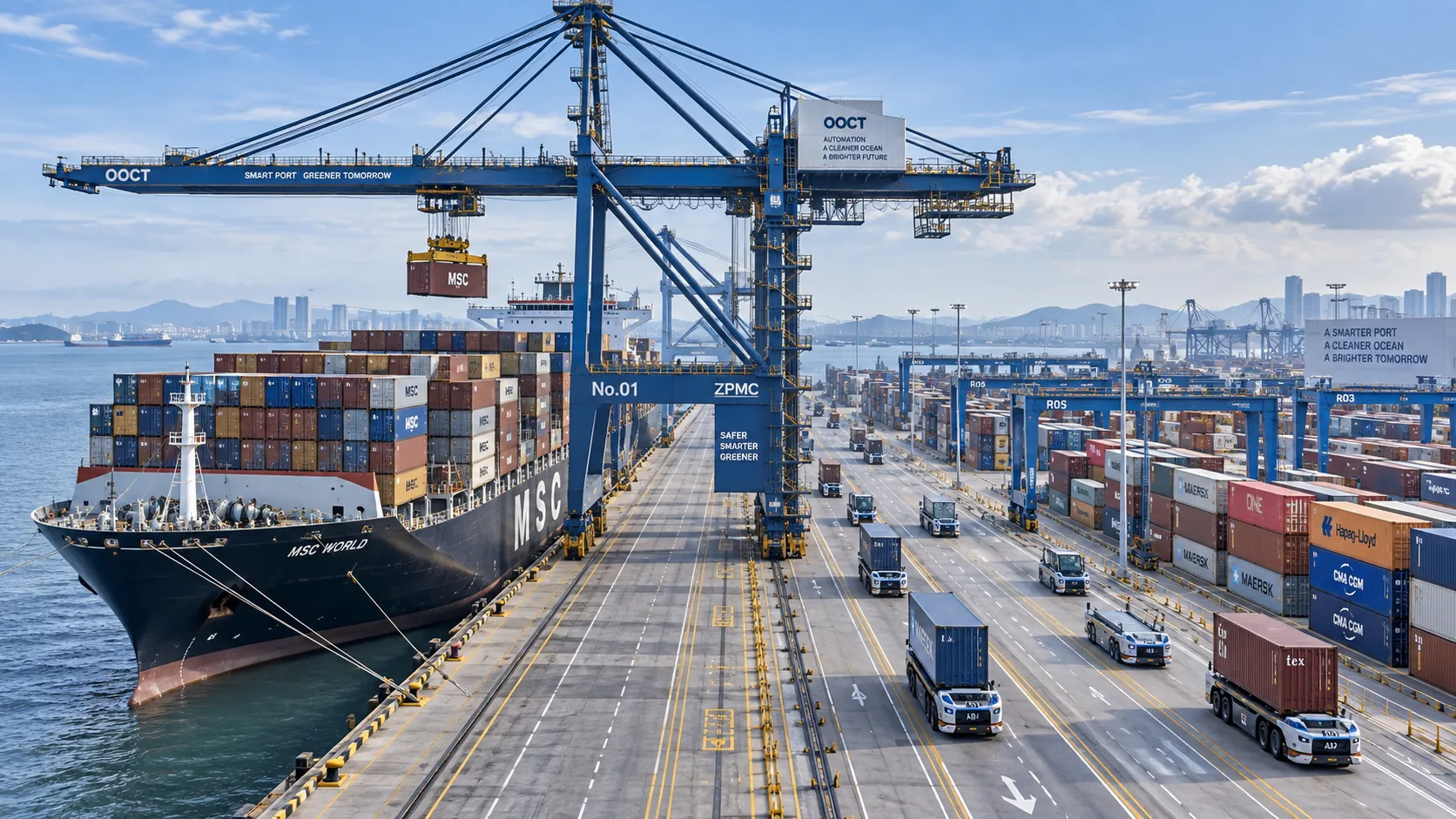
How to Specify a Quay Crane for Container Terminals by Vessel Size and Throughput?
Quay crane for container terminals: learn how to match outreach, lift height, capacity, automation, and cycle performance to vessel size and throughput goals.
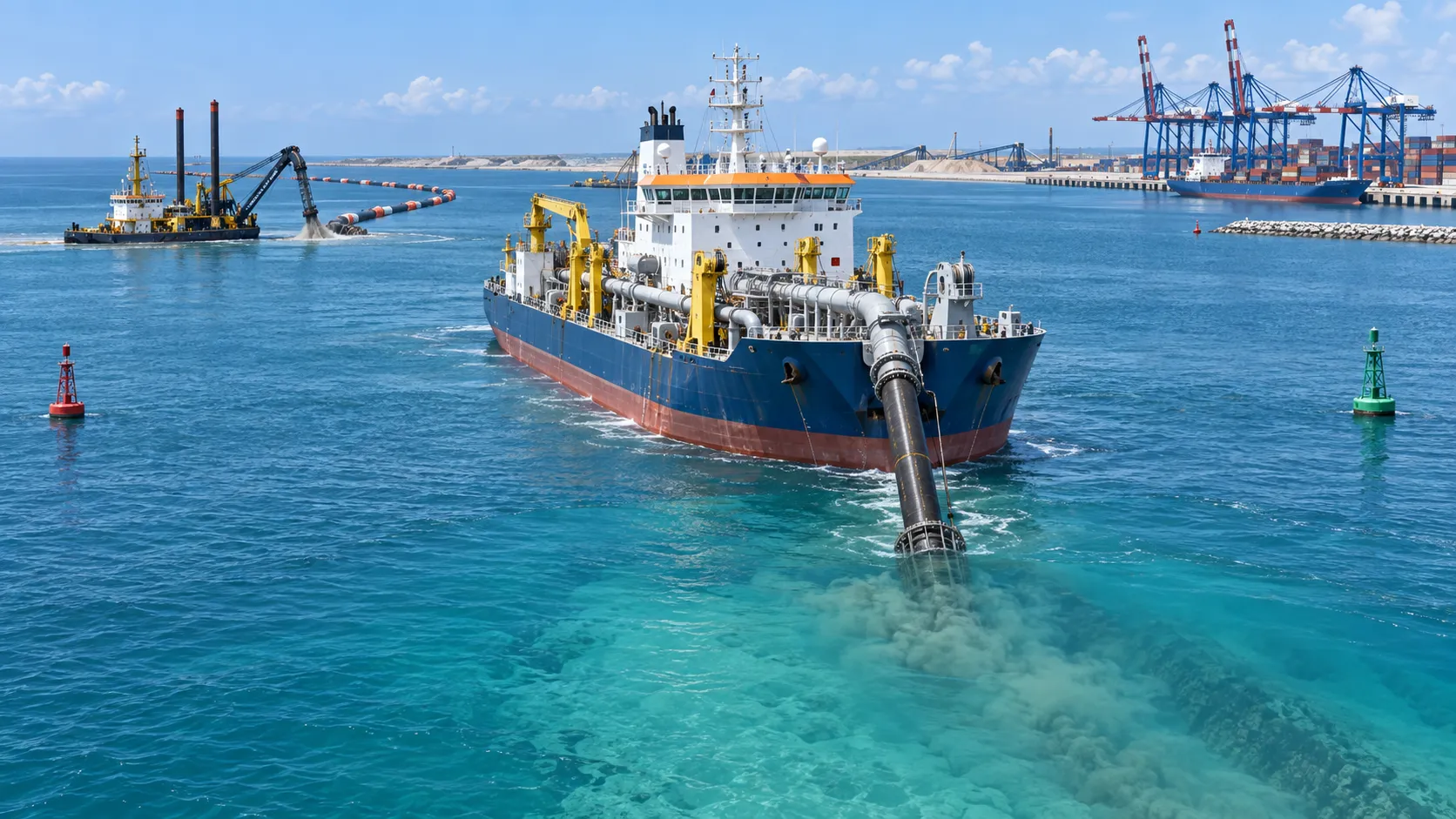
What Dredging Equipment Is Needed for Channel Deepening?
What dredging equipment is needed for channel deepening? Explore dredgers, pipelines, survey tools, and planning strategies for safer, more efficient port access.
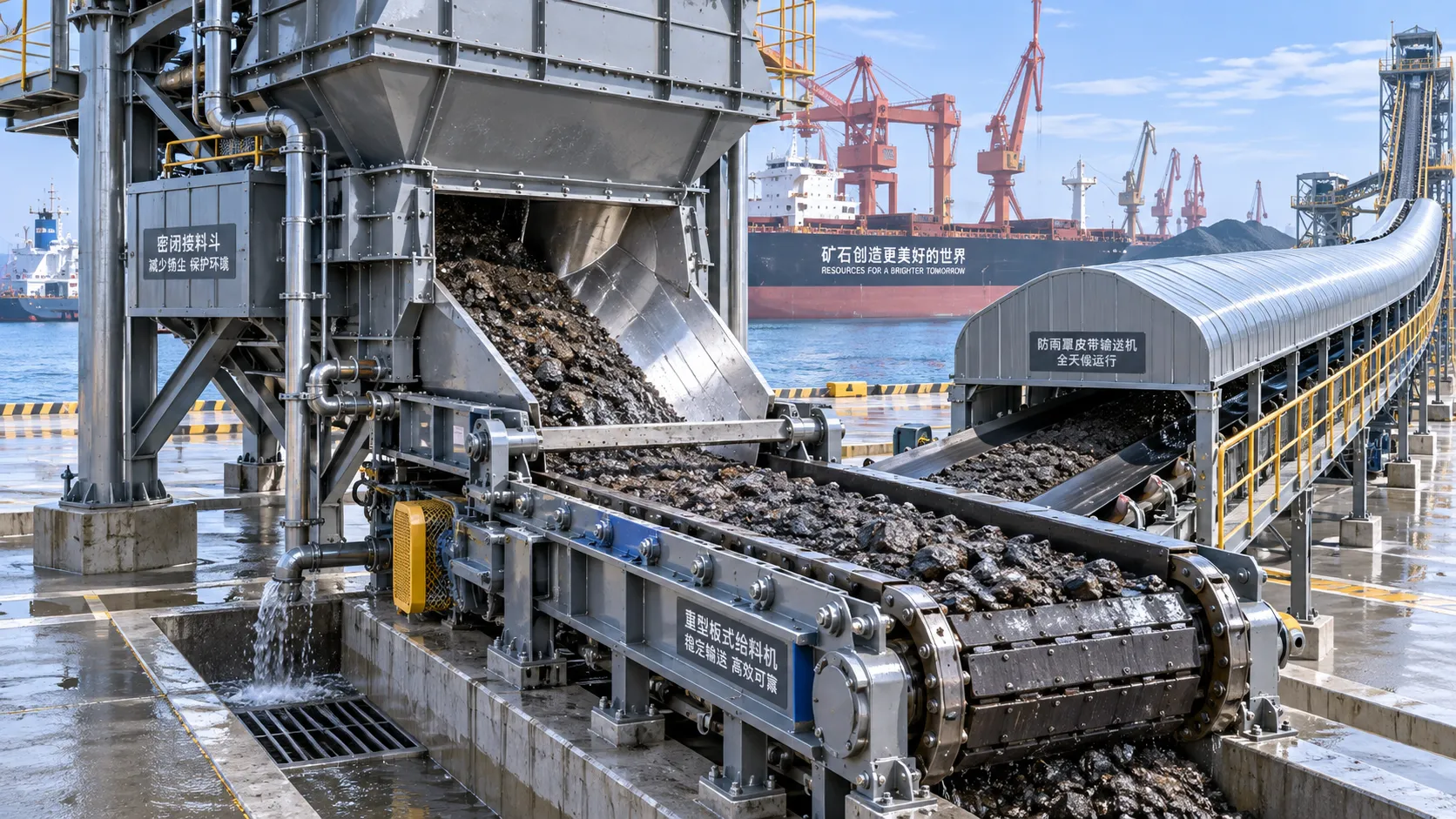
Which Bulk Handling Equipment Suits High-Moisture Cargo?
Which bulk handling equipment suits high-moisture cargo? Compare belt, apron, screw, drag, and slurry systems for reliable flow, less carryback, and higher terminal uptime.
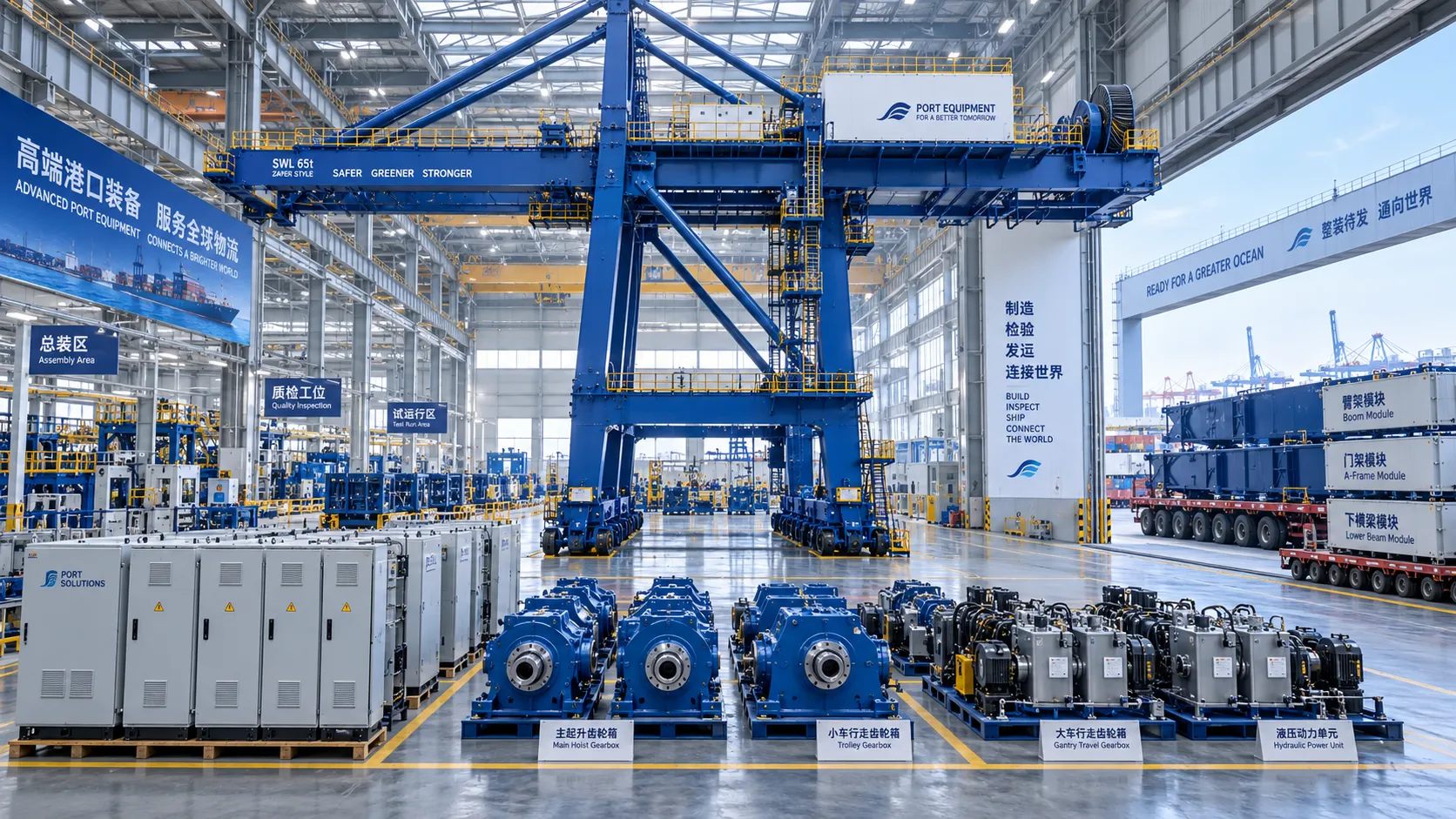
How Can Port Equipment Lead-Time Risk Be Managed?
How can port equipment lead-time risk be managed? Explore practical strategies to control critical paths, suppliers, transport, site readiness, and commissioning delays.
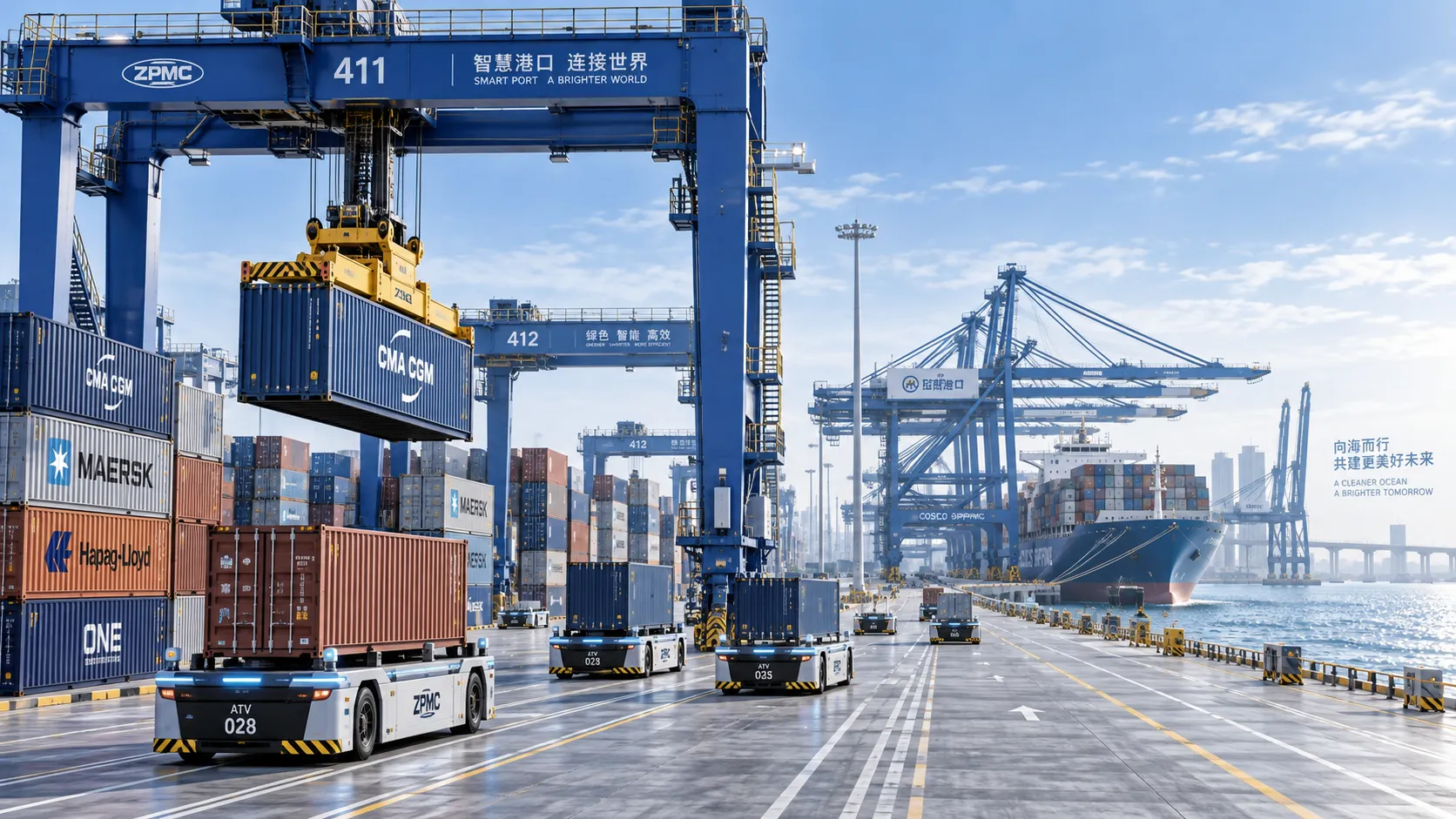
Terminal Automation Technologies That Raise Container Throughput Without Yard Disruption
Terminal automation technology that increases container throughput without disrupting yard flow. Explore smarter integration, resilient workflows, and phased deployment strategies.
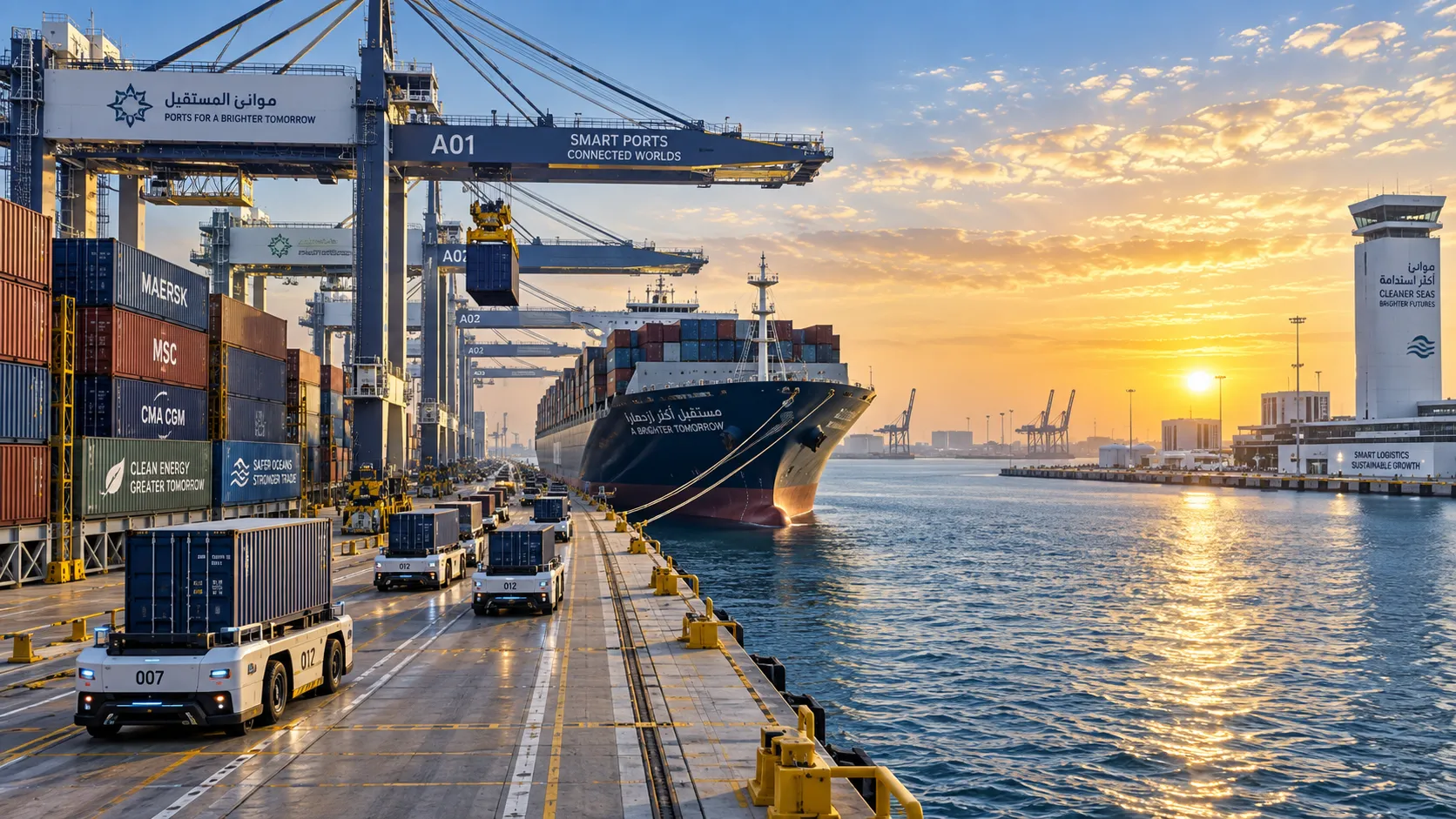
Middle East Port Automation: Key Market Drivers, Projects, and Investment Risks
Port automation systems Middle East: explore market drivers, flagship projects, integration challenges, and investment risks shaping smarter, resilient terminals.
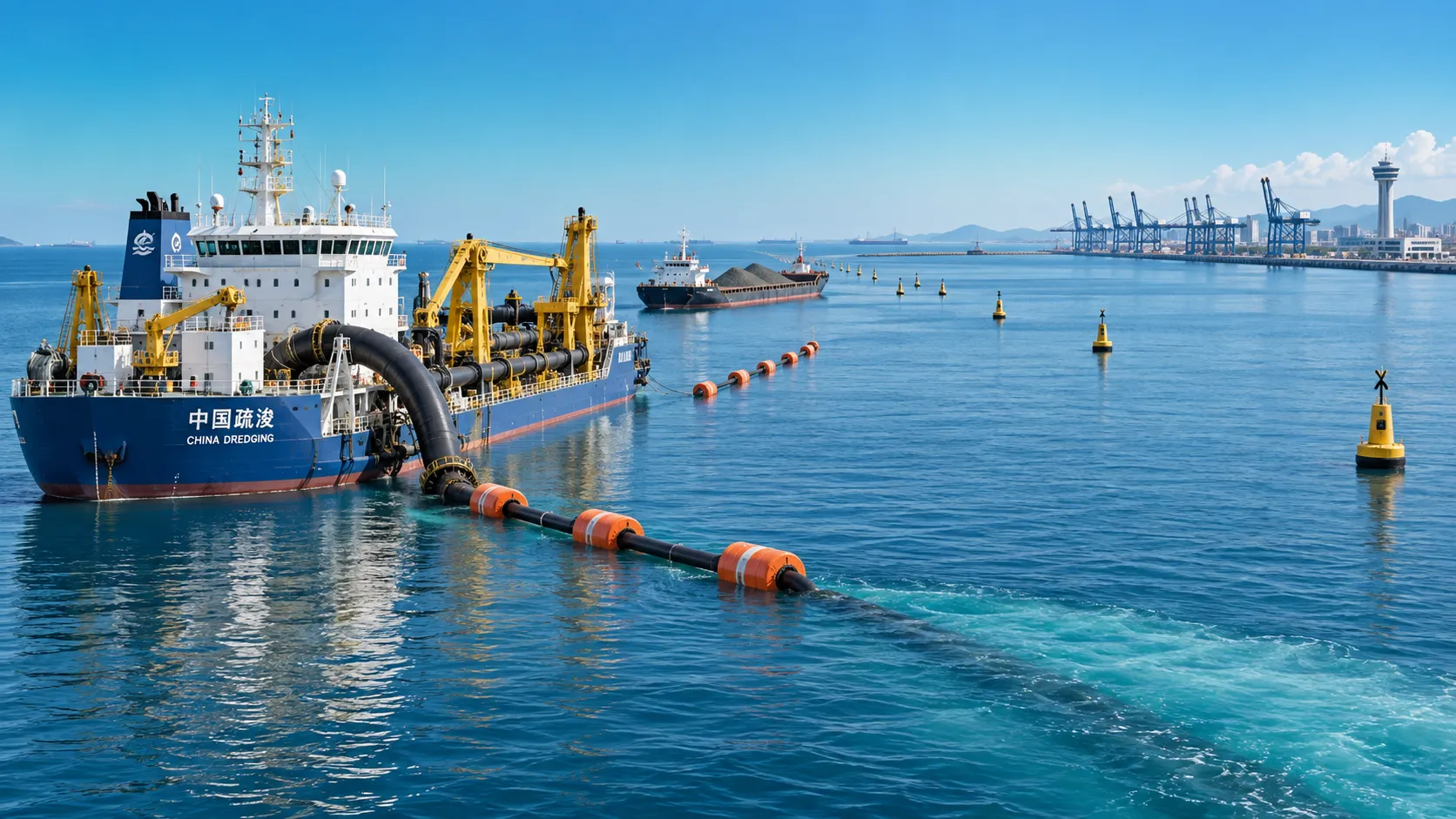
Planning Offshore Dredging Operations: Key Risks, Methods, and Project Controls
Offshore dredging operations demand smart planning. Explore key risks, proven methods, environmental controls, and project strategies for reliable delivery.