Related News
- 00
0000-00
How Can Port Equipment Lead-Time Risk Be Managed? - 00
0000-00
Maritime Logistics Operations: How Ports Can Reduce Container Dwell Time - 00
0000-00
What Does Logistics Node Monitoring Cost Across Warehouses and Transport Hubs? - 00
0000-00
How Can IoT Smart Port Solutions Improve Container Tracking and Yard Efficiency? - 00
0000-00
How Real-Time Port Logistics Intelligence Improves Container Yard Efficiency
What bulk cargo handling errors lead to higher loss rates?
In bulk cargo handling, small operational mistakes can quickly escalate into major losses, safety incidents, and quality disputes. From improper loading sequences to poor moisture control and weak equipment coordination, these errors directly affect cargo integrity and terminal efficiency. For quality control and safety managers, understanding which bulk cargo handling failures drive higher loss rates is essential to reducing claims, improving compliance, and strengthening port-side risk prevention.
Across ports, stockyards, conveyor corridors, ship loaders, and grab crane operations, loss rarely comes from a single dramatic failure. In most cases, it builds through 5 to 7 small process gaps that go unchecked over a shift, a voyage, or an entire cargo campaign.
For teams managing coal, iron ore, grain, clinker, fertilizer, bauxite, salt, or other loose commodities, the real issue is not only spillage. Loss rates also rise through contamination, moisture deviation, segregation, weighing error, hold residue, and delayed corrective action.
This is where a practical bulk cargo handling strategy matters. For B2B operators and marine logistics stakeholders following PS-Nexus intelligence, the priority is clear: identify the highest-frequency errors, quantify their impact, and install controls that work under real terminal conditions.
Where Bulk Cargo Handling Losses Usually Begin
Higher loss rates in bulk cargo handling often start before the first tonne is moved. Pre-arrival planning, cargo characterization, berth readiness, and equipment condition all shape what happens in the next 12 to 48 hours.
If a terminal does not define cargo flow, transfer points, dust suppression mode, moisture thresholds, and weighing checkpoints in advance, operational teams are forced into reactive decisions. That is when avoidable loss begins to spread across multiple nodes.
1. Incorrect cargo assessment before discharge or loading
One of the most common bulk cargo handling errors is treating all bulk commodities as if they behave the same way. A free-flowing dry mineral and a hygroscopic agricultural cargo require very different controls, yet many losses start with this basic mismatch.
For example, cargoes with moisture sensitivity may require tighter exposure windows, often below 2 to 4 hours in open rain-risk conditions. Fine powders may need enclosed transfer points, while lumpy ore may need impact control to reduce breakage and dust.
Typical pre-operation gaps
- No cargo-specific handling sheet issued before shift start
- No defined acceptable moisture band or contamination tolerance
- No confirmation of hold cleanliness, stockpile base condition, or transfer route readiness
- No coordination between vessel planner, yard supervisor, and weighing team
These gaps may look administrative, but they directly affect measurable outcomes. A 0.3% to 1.0% discrepancy on 50,000 tonnes is already commercially material, especially where contract tolerances are tight and claims processing is slow.
2. Poor loading and unloading sequence control
Improper sequence planning is a major driver of bulk cargo handling loss. When operators discharge or load in the wrong order, they create uneven trimming, rehandling, dead zones, and extra machine passes. Each additional pass increases spillage and degradation risk.
In vessel operations, poor sequence control can also create unsafe trim conditions, crane waiting time, and rushed cleanup at hatch transitions. In yards, it leads to stockpile mixing and difficult reconciliation between incoming and outgoing tonnage.
The table below summarizes common operational errors and the kind of loss they typically create in bulk cargo handling environments.
For quality and safety managers, the lesson is simple: loss rates increase when sequence discipline is weak. A well-planned cargo map with 3 to 5 control checkpoints often prevents much larger downstream discrepancies.
The Highest-Impact Bulk Cargo Handling Errors on Site
Once operations start, several high-frequency errors tend to drive most measurable losses. They are not always dramatic, but they are persistent. In many terminals, these issues recur across every shift unless standard controls are formalized and audited.
3. Weak moisture control and weather response
Moisture mismanagement is one of the costliest bulk cargo handling failures. Excess moisture can add mass variance, trigger caking, increase sticking in chutes, and reduce discharge efficiency. Too little moisture control can also worsen dust loss in dry, windy conditions.
For exposed cargoes, operators should define weather response thresholds before work begins. Wind speeds above 10 to 15 m/s, light rain over 30 minutes, or visible free water in stockpiles can all justify reduced speed, protective covers, or temporary stop protocols.
When these triggers are ignored, moisture deviation often becomes both a quality and commercial problem. This is especially relevant where cargo contracts specify moisture ranges or reject material showing segregation, clumping, or contamination after transit.
4. Inadequate transfer point design or maintenance
Many bulk cargo handling losses are hidden in transfer points. Chutes, skirt boards, belt cleaners, hopper lips, and discharge trajectories must be matched to material size and flow behavior. If not, operators face continuous carryback and side spillage.
Even a small leak at a transfer point can become significant over a 16-hour shift. At 2 tonnes lost per hour across scattered points, the issue is no longer housekeeping. It becomes a direct inventory loss plus a safety hazard for walkways and mobile equipment lanes.
Site indicators that maintenance is behind
- Frequent cleanup crews stationed under the same conveyor junctions
- Visible carryback on return rollers after belt discharge
- Material buildup around chute walls or feeder mouth
- Repeated belt mistracking during peak throughput periods
If these signs appear more than 2 to 3 times per week, the terminal should treat the issue as process failure, not routine dirt. Persistent transfer loss usually means design mismatch, worn liners, poor sealing, or inconsistent feed rates.
5. Calibration errors in weighing and draft reconciliation
Another serious bulk cargo handling error is relying on inaccurate measurement systems. Belt scales, truck weighbridges, hopper scales, and draft survey methods all need regular verification. Without this, teams may mistake process loss for measurement drift, or the reverse.
A practical control range for many operations is scheduled scale verification every 7 to 30 days, depending on throughput intensity, equipment stability, and cargo value. After maintenance shutdowns or abnormal vibration events, additional checks are often justified.
The table below helps teams identify whether a discrepancy is more likely operational, mechanical, or measurement-related.
Measurement confidence is critical because disputes often begin with numbers, not visible spills. If reconciliation tolerance is undefined, every variance becomes an argument between operations, surveyors, and cargo interests.
6. Contamination caused by poor segregation and cleanup
Contamination is frequently underestimated in bulk cargo handling. A small amount of previous cargo left in a hopper, truck bed, grab bucket, or ship hold can create rejection risk, especially for feed materials, fertilizer blends, or higher-grade ores.
The problem is not only visible residue. Cross-contact can happen through wet surfaces, shared transfer chutes, standing water, damaged liners, or mixed stockpile runoff. In sensitive cargo programs, 1 contaminated batch can jeopardize an entire loading sequence.
Minimum contamination control checks
- Inspect holds, hoppers, and grabs before first movement
- Verify cleanup sign-off between cargo changes
- Separate tools and mobile gear where cargo classes differ
- Control runoff channels and base-layer integrity in stockyards
- Photograph condition at 3 key points: pre-start, mid-shift, end-shift
How Quality and Safety Managers Can Reduce Loss Rates
Reducing loss in bulk cargo handling does not depend on a single investment. It requires a layered system: process discipline, equipment reliability, operator training, visual control, and fast incident feedback. The strongest programs combine all 5.
Build a 4-point operational control framework
A practical framework for terminals and marine logistics sites usually includes four control points: pre-operation readiness, live handling surveillance, end-of-shift reconciliation, and post-campaign review. Each point should have named ownership and documented thresholds.
- Pre-operation: confirm cargo properties, route, equipment condition, weather exposure, and cleanup status
- Live operation: monitor feed rate, transfer losses, dust, moisture response, and unsafe buildup
- Shift close: reconcile tonnes moved, visible loss, residue, and abnormal delays within 1 to 2 hours
- Campaign review: compare planned versus actual loss, claims risk, and corrective actions within 24 to 72 hours
This framework works best when supported by digital logs, photo evidence, and exception reporting. For automated or semi-automated terminals, sensor inputs from conveyors, hoppers, remote cranes, and yard systems can further improve response speed.
Train for error recognition, not only rule compliance
Many bulk cargo handling SOPs are technically correct but operationally weak because staff are taught what to do, not what early failure looks like. A useful training plan should show operators how loss begins, where it hides, and when to intervene.
Short 15 to 20 minute toolbox sessions are often more effective than infrequent classroom refreshers. Focus topics can include abnormal spillage patterns, chute plugging indicators, moisture-triggered flow changes, and cleanup quality after cargo changeover.
Use KPIs that reflect real cargo risk
If the site measures only tonnes per hour, loss may stay hidden. Better KPIs for bulk cargo handling include visible spillage per shift, cleanup tonnage, cargo residue at hold end, scale variance, contamination events, and stop-work response time.
A balanced dashboard might track 6 to 8 indicators weekly. For example, repeated scale deviation above 0.25%, more than 2 contamination alerts per month, or cleanup tonnage above expected range should trigger management review.
What to Review When Selecting Equipment or Process Upgrades
For many operators, recurring loss signals that the current handling system no longer matches cargo volume, cargo type, or control expectations. In that case, procurement and engineering teams should assess both mechanical upgrades and process redesign.
Priority evaluation factors for decision-makers
When reviewing bulk cargo handling equipment or workflow changes, quality and safety managers should not focus on peak throughput alone. The more relevant question is whether the system controls loss across normal, degraded, and weather-affected operating states.
- Can transfer points maintain sealing under variable feed rates?
- Does the design reduce drop height and impact breakage?
- Are weighing systems easy to verify within weekly or monthly routines?
- Can cleaning and cargo changeover be completed without hidden residue zones?
- Is remote monitoring available for 24/7 operations or unmanned periods?
For readers following PS-Nexus, this is where strategic intelligence matters. Heavy terminal gear, automation controls, and cargo flow analytics should be assessed as one system. A stronger conveyor without better sensors, or a faster ship loader without better sequence logic, may simply move the same errors faster.
Questions to ask suppliers and solution partners
Before approving upgrades, ask for handling scenarios rather than generic performance claims. Request examples for dry cargo, sticky cargo, variable-size cargo, and wet-weather operations. Also confirm maintenance access points, calibration requirements, and failure alarm logic.
An effective procurement review usually covers at least 4 dimensions: cargo compatibility, controllability, maintenance burden, and reconciliation accuracy. This approach helps reduce future disputes while aligning safety, quality, and operating efficiency.
Final Takeaway for Port-Side Risk Control
The bulk cargo handling errors that lead to higher loss rates are rarely mysterious. They usually come from weak cargo assessment, poor sequence control, moisture mistakes, transfer point failures, inaccurate weighing, and inadequate contamination prevention.
For quality control and safety managers, the most effective response is structured and measurable: define cargo-specific thresholds, inspect high-loss nodes, audit reconciliation points, train crews to spot early failure, and review equipment fit against actual operating conditions.
PS-Nexus supports this decision process by connecting port equipment insight, automation trends, and marine logistics intelligence into practical operational understanding. If your team is reviewing bulk cargo handling risk, terminal upgrades, or loss-control priorities, contact us to discuss tailored solutions, technical observations, and next-step planning.
Related News
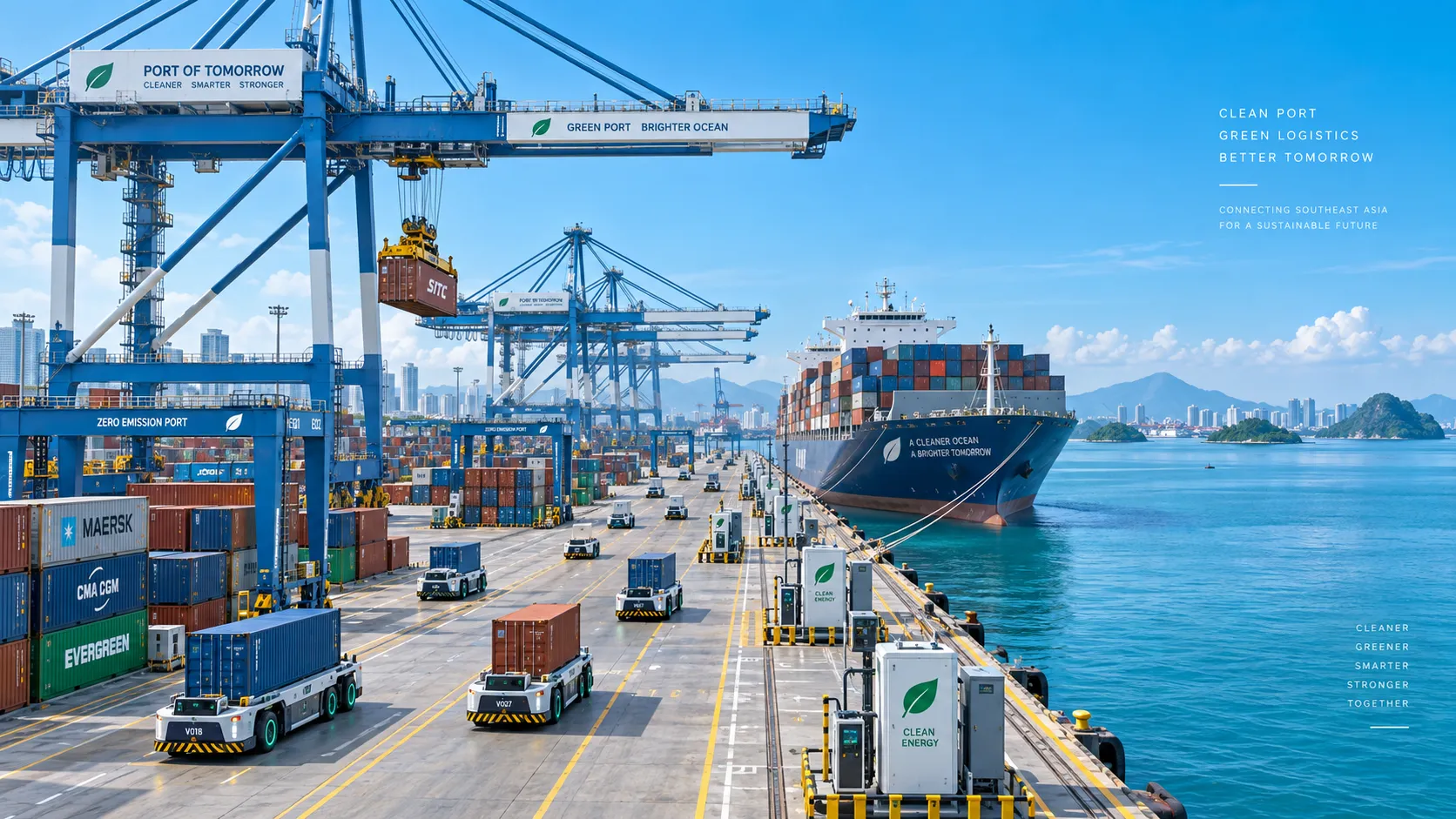
Smart Port Systems in Southeast Asia: Investment Priorities and Adoption Barriers
Smart port systems Southeast Asia: discover investment priorities, adoption barriers, and practical steps to build resilient, connected, high-performing terminals.

How to Evaluate Terminal Efficiency Solution Suppliers for High-Throughput Operations
Choose a terminal efficiency solutions supplier with confidence. Explore proven criteria for throughput, integration, lifecycle cost, safety, and reliable delivery.
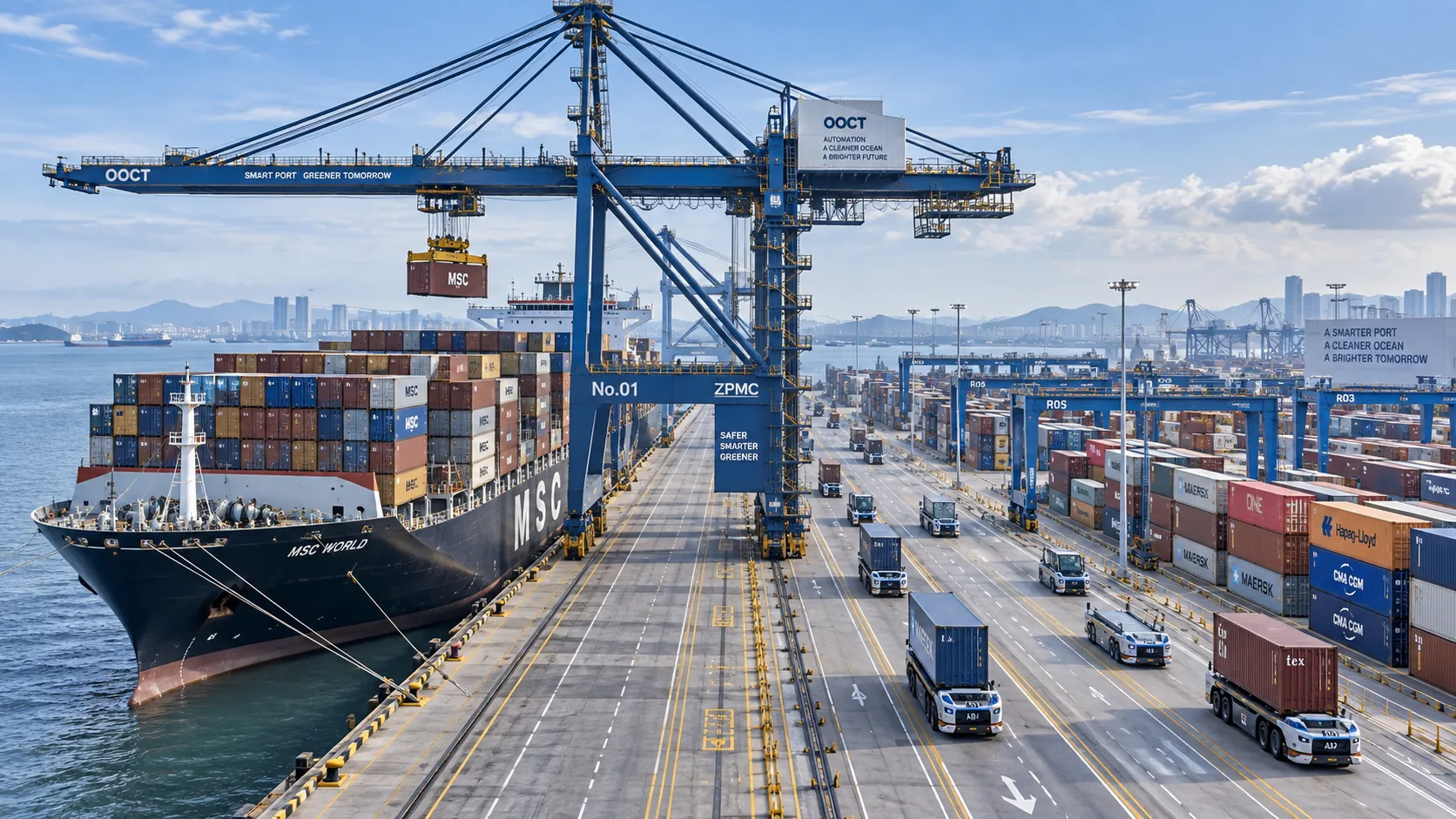
How to Specify a Quay Crane for Container Terminals by Vessel Size and Throughput?
Quay crane for container terminals: learn how to match outreach, lift height, capacity, automation, and cycle performance to vessel size and throughput goals.

What Dredging Equipment Is Needed for Channel Deepening?
What dredging equipment is needed for channel deepening? Explore dredgers, pipelines, survey tools, and planning strategies for safer, more efficient port access.
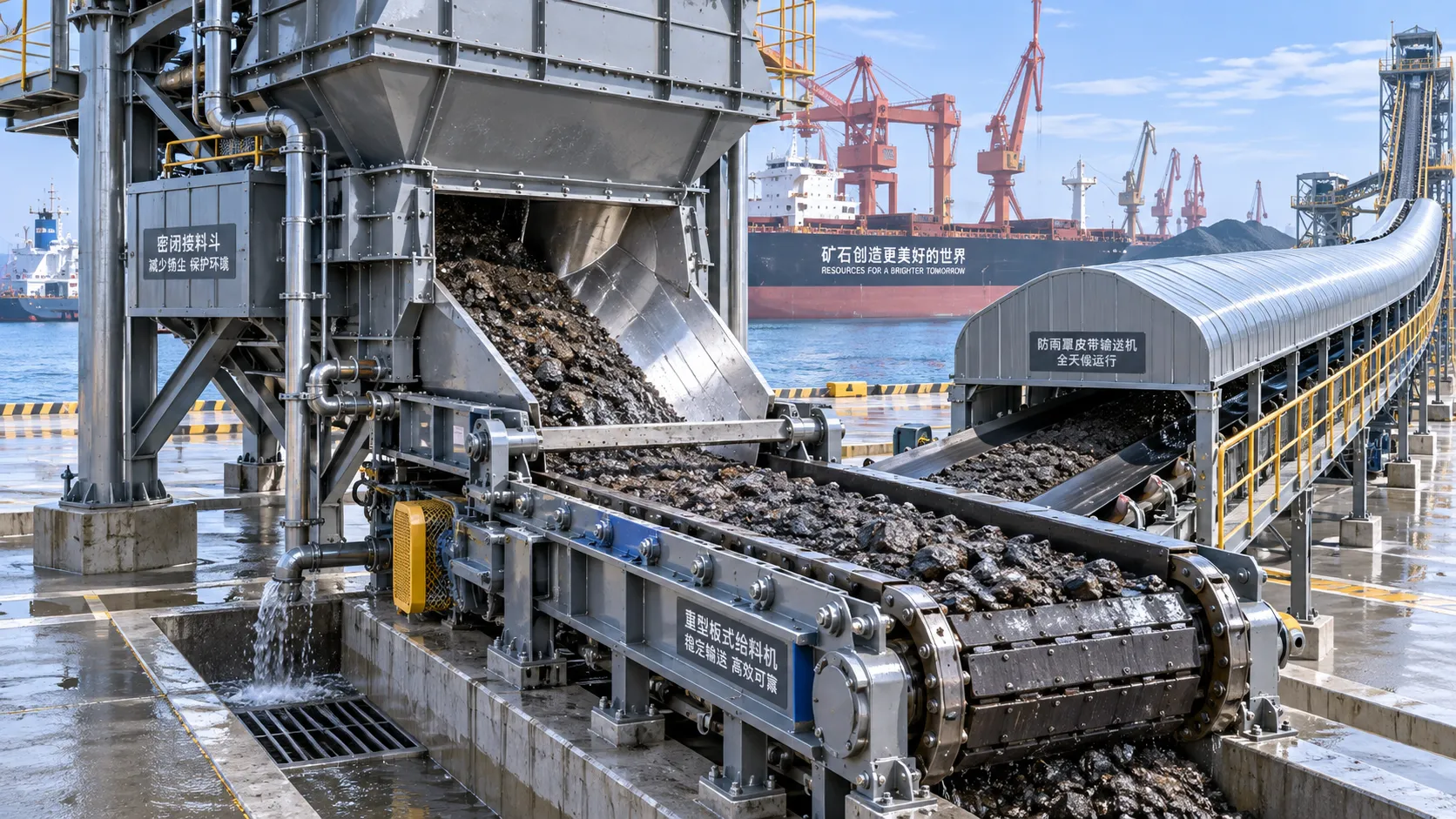
Which Bulk Handling Equipment Suits High-Moisture Cargo?
Which bulk handling equipment suits high-moisture cargo? Compare belt, apron, screw, drag, and slurry systems for reliable flow, less carryback, and higher terminal uptime.
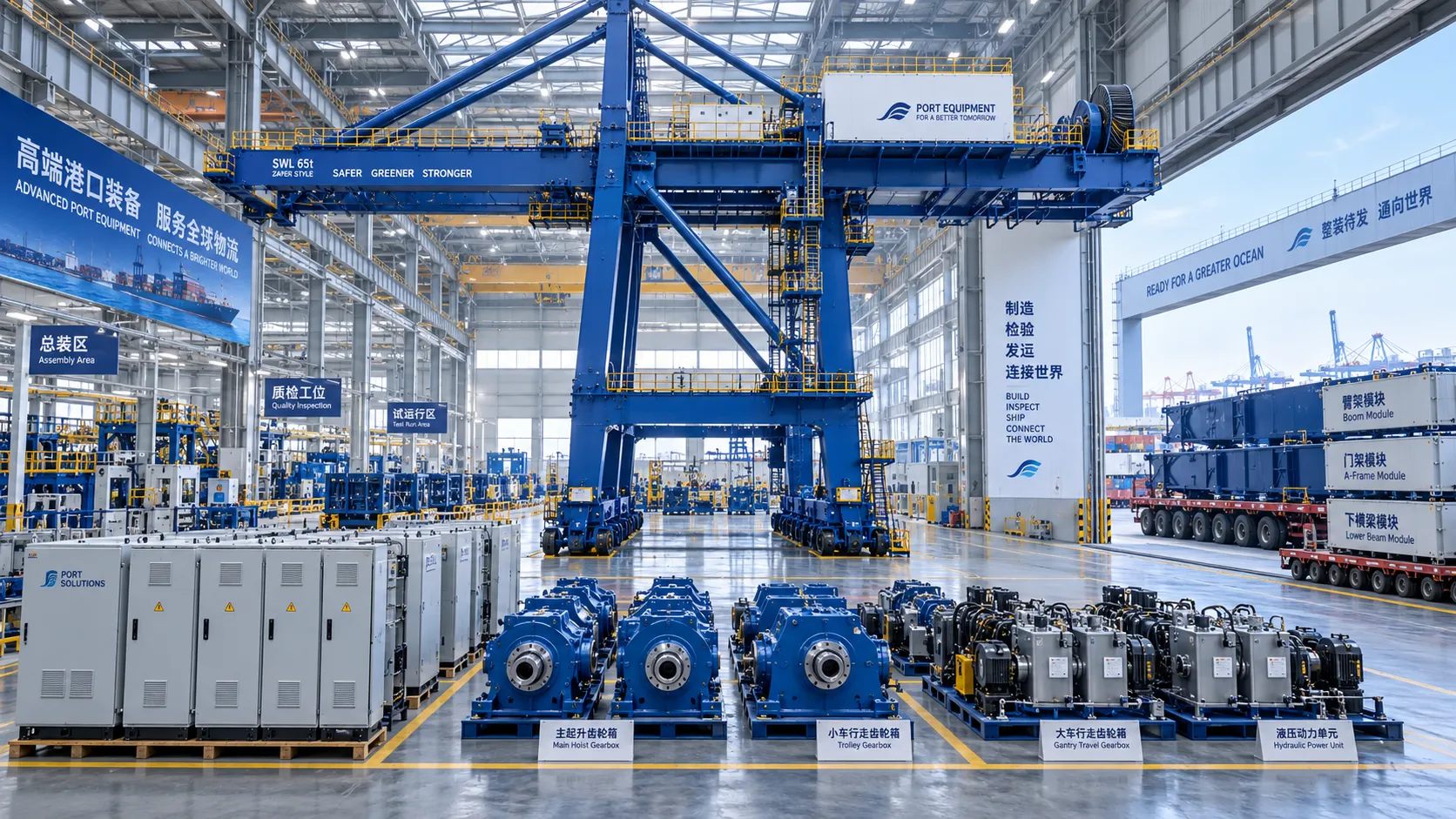
How Can Port Equipment Lead-Time Risk Be Managed?
How can port equipment lead-time risk be managed? Explore practical strategies to control critical paths, suppliers, transport, site readiness, and commissioning delays.
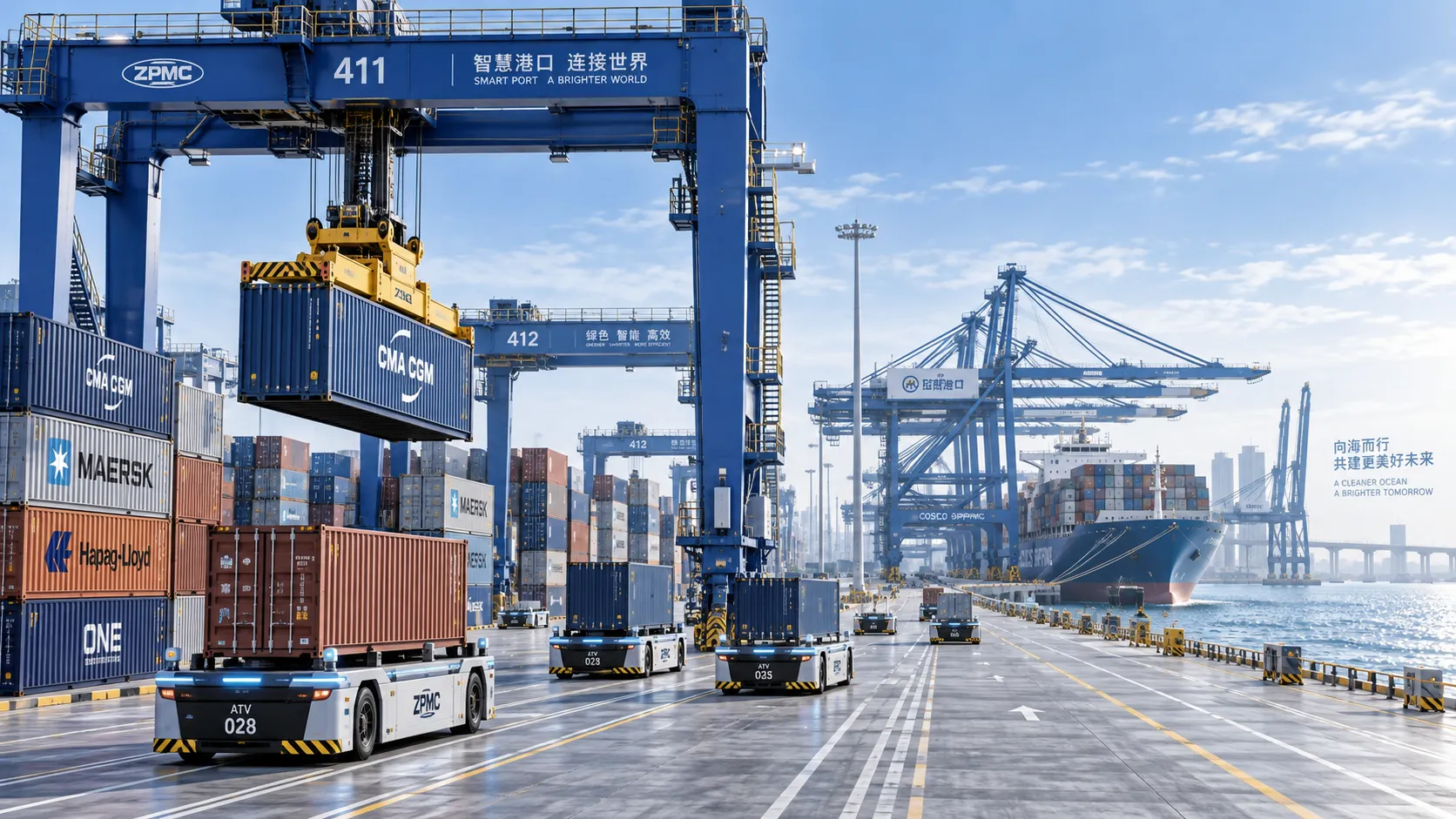
Terminal Automation Technologies That Raise Container Throughput Without Yard Disruption
Terminal automation technology that increases container throughput without disrupting yard flow. Explore smarter integration, resilient workflows, and phased deployment strategies.

Middle East Port Automation: Key Market Drivers, Projects, and Investment Risks
Port automation systems Middle East: explore market drivers, flagship projects, integration challenges, and investment risks shaping smarter, resilient terminals.
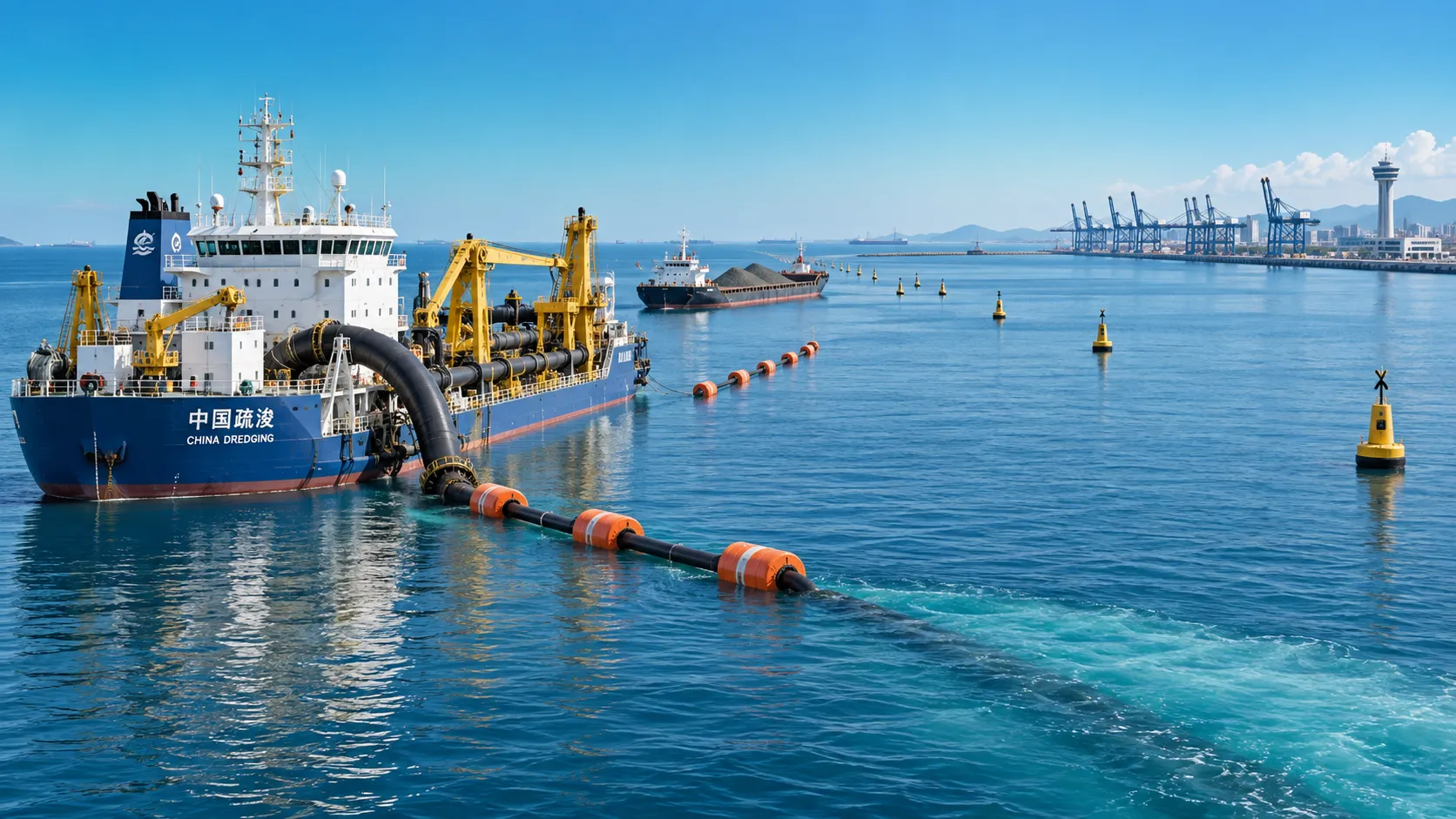
Planning Offshore Dredging Operations: Key Risks, Methods, and Project Controls
Offshore dredging operations demand smart planning. Explore key risks, proven methods, environmental controls, and project strategies for reliable delivery.