Related News
- 00
0000-00
How Can Port Equipment Lead-Time Risk Be Managed? - 00
0000-00
Maritime Logistics Operations: How Ports Can Reduce Container Dwell Time - 00
0000-00
What Does Logistics Node Monitoring Cost Across Warehouses and Transport Hubs? - 00
0000-00
How Can IoT Smart Port Solutions Improve Container Tracking and Yard Efficiency? - 00
0000-00
How Real-Time Port Logistics Intelligence Improves Container Yard Efficiency
Port logistics solutions that fix yard congestion fast
Yard congestion can stall vessel turnaround, weaken crane productivity, and create expensive idle time across the terminal chain. Effective port logistics solutions must improve flow fast, not after a long transformation cycle. The quickest gains usually come from sharper yard rules, better equipment dispatch, cleaner data visibility, and tighter handoffs between quay, yard, and gate. When these elements work together, terminals can reduce stacking conflict, shorten truck waiting, and protect throughput during demand swings.
Why a checklist approach speeds congestion recovery
Yard congestion rarely comes from one failure point. It usually builds from several small delays across planning, handling, routing, and communication. A checklist makes port logistics solutions easier to apply under pressure.
Instead of debating broad transformation plans, operations teams can verify the few controls that immediately affect yard density, rehandle rates, and equipment balance. This structured method also supports automation upgrades without losing short-term operational control.
For intelligence-driven platforms such as PS-Nexus, this matters because high-value terminal performance depends on connecting mechanical capacity, scheduling logic, and live operational signals. Fast yard recovery starts with disciplined execution, then scales through better systems.
Core checklist: port logistics solutions that fix yard congestion fast
- Map current yard density by block, lane, and stack height before changing rules, so every congestion action targets the true pressure zones instead of average terminal conditions.
- Separate import, export, transshipment, and exception cargo early, because mixed stacking patterns increase rehandles and reduce the effectiveness of otherwise sound port logistics solutions.
- Cap stack height in unstable blocks where retrieval speed matters more than raw storage volume, especially during vessel bunching or inland evacuation delays.
- Re-sequence yard work using vessel cut-off times and truck appointment windows, so container moves support actual departure priorities rather than static plan assumptions.
- Assign dedicated transfer corridors for AGVs, terminal tractors, and external trucks to reduce crossing conflicts that quietly consume cycle time and yard crane availability.
- Trigger dynamic equipment dispatch every hour using live queue length, move count, and travel distance, rather than fixed shift allocations that lag congestion patterns.
- Balance quay crane discharge with yard receiving capacity, since pushing boxes ashore faster than the yard can absorb them only shifts congestion inland.
- Use exception dashboards for customs holds, damaged units, and misdeclared cargo, because unmanaged exceptions often block prime slots and distort planning accuracy.
- Open temporary buffer zones near peak exchange points, but govern them with strict dwell-time rules to prevent overflow areas from becoming permanent bottlenecks.
- Shorten decision loops between TOS alerts, yard supervisors, and maintenance response, so blocked equipment or software latency does not spread into network-wide delay.
What high-impact port logistics solutions look like in practice
Scenario 1: Vessel bunching after weather disruption
When several vessels arrive inside a compressed window, the first instinct is often to maximize discharge speed. That can backfire if yard blocks are already near saturation. Better port logistics solutions start by protecting retrieval lanes and reserving blocks by service string.
In this scenario, fast gains come from temporary import-export segregation, tighter block reservation, and planned overflow with clear exit rules. Yard fluidity matters more than headline moves per hour if vessel completion depends on stable downstream flow.
Scenario 2: Gate surges and inland pickup imbalance
Some terminals face congestion not from marine arrival peaks, but from uneven truck arrivals and weak appointment discipline. Containers ready for pickup remain buried, while new stacks keep forming in front-line positions.
Here, port logistics solutions should combine appointment enforcement, pre-marshalling of high-probability pickups, and separate lanes for dual transactions. These actions reduce truck turn time and lower the number of unplanned reshuffles inside the yard.
Scenario 3: Automated yard underperforming despite available equipment
Automation does not automatically eliminate yard congestion. An automated terminal can still struggle when job priorities, routing logic, or communication latency create hidden idle pockets and queue build-up.
In this case, the most effective port logistics solutions focus on control rules. Review AGV path planning, crane handoff sequencing, and latency in command acknowledgement. Small software timing adjustments can restore significant yard capacity.
Scenario 4: Bulk and container flows competing for shared infrastructure
Mixed-use port environments often share roads, maintenance resources, and energy systems. Congestion rises when bulk handling peaks interfere with container transfer windows or when common assets are allocated without unified visibility.
The answer is not always expansion. Practical port logistics solutions include synchronized work windows, protected container corridors, and cross-asset planning dashboards that show where shared infrastructure becomes the limiting factor.
Commonly overlooked risks that worsen congestion
- Ignoring rehandle ratio. A yard may appear full but manageable until repeated reshuffling destroys cycle time and exhausts crane availability during critical vessel operations.
- Treating exception cargo as minor. Damaged, customs-held, or oversize units often occupy premium ground and disrupt otherwise efficient block planning.
- Overloading the TOS with manual overrides. Frequent informal changes reduce trust in data and make port logistics solutions harder to scale consistently.
- Delaying maintenance response. One unavailable yard crane or tractor can create localized queues that quickly spread into adjacent blocks and gate lanes.
- Measuring only throughput. Gross move counts can hide poor yard health if truck dwell, retrieval delay, and block saturation are moving in the wrong direction.
Another frequent problem is using average utilization as the main control indicator. Congestion is usually local and time-specific. A terminal may show acceptable utilization overall while one block, one lane cluster, or one transfer route is effectively locked.
Execution advice for faster yard recovery
Start with a 72-hour stabilization window. During that period, track yard occupancy by block, rehandles per move, truck turn time, and queue duration at key handoff points. These metrics reveal where port logistics solutions will deliver the fastest relief.
Next, rank intervention actions by operational speed. Slot reallocation, lane separation, block reservation, and equipment redeployment usually move faster than major layout changes. Quick wins create space for deeper automation or infrastructure improvements.
Then align planning horizons. Use one layer for real-time dispatch, another for shift-level balancing, and a third for weekly berth and yard strategy. Many port logistics solutions fail because these timeframes are mixed or poorly coordinated.
Finally, connect physical operations with intelligence tools. PS-Nexus highlights how terminal gear, control systems, and scheduling algorithms perform best when viewed as one operating network. Congestion relief is strongest when data, machinery, and decisions move in sync.
Summary and next steps
The most effective port logistics solutions do not begin with broad promises. They begin with visible yard conditions, priority-based stacking, disciplined transfer routing, and faster equipment decisions. These measures reduce congestion quickly because they target the real friction points inside terminal flow.
For the next step, audit one congested yard zone using the checklist above. Identify the top three causes of delay, assign a short response window, and measure results daily. Once local stability improves, expand the same port logistics solutions across adjacent blocks and connected operations.
In modern terminals, speed comes from coordination, not isolated capacity. When yard rules, heavy handling assets, and operational intelligence are synchronized, congestion can be reduced fast and terminal resilience improves for the long term.
Related News
Smart Port Systems in Southeast Asia: Investment Priorities and Adoption Barriers
Smart port systems Southeast Asia: discover investment priorities, adoption barriers, and practical steps to build resilient, connected, high-performing terminals.
How to Evaluate Terminal Efficiency Solution Suppliers for High-Throughput Operations
Choose a terminal efficiency solutions supplier with confidence. Explore proven criteria for throughput, integration, lifecycle cost, safety, and reliable delivery.
How to Specify a Quay Crane for Container Terminals by Vessel Size and Throughput?
Quay crane for container terminals: learn how to match outreach, lift height, capacity, automation, and cycle performance to vessel size and throughput goals.
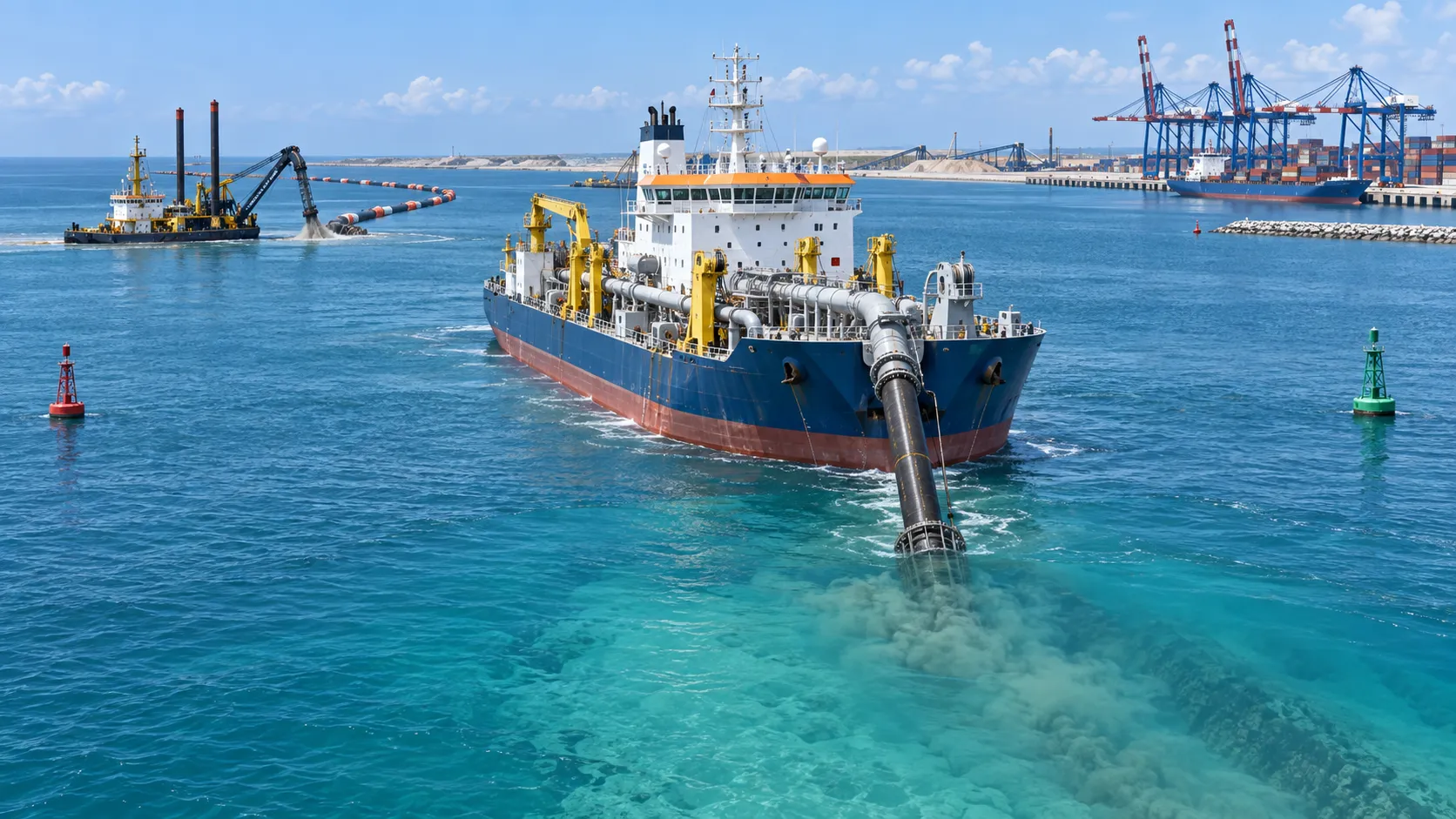
What Dredging Equipment Is Needed for Channel Deepening?
What dredging equipment is needed for channel deepening? Explore dredgers, pipelines, survey tools, and planning strategies for safer, more efficient port access.
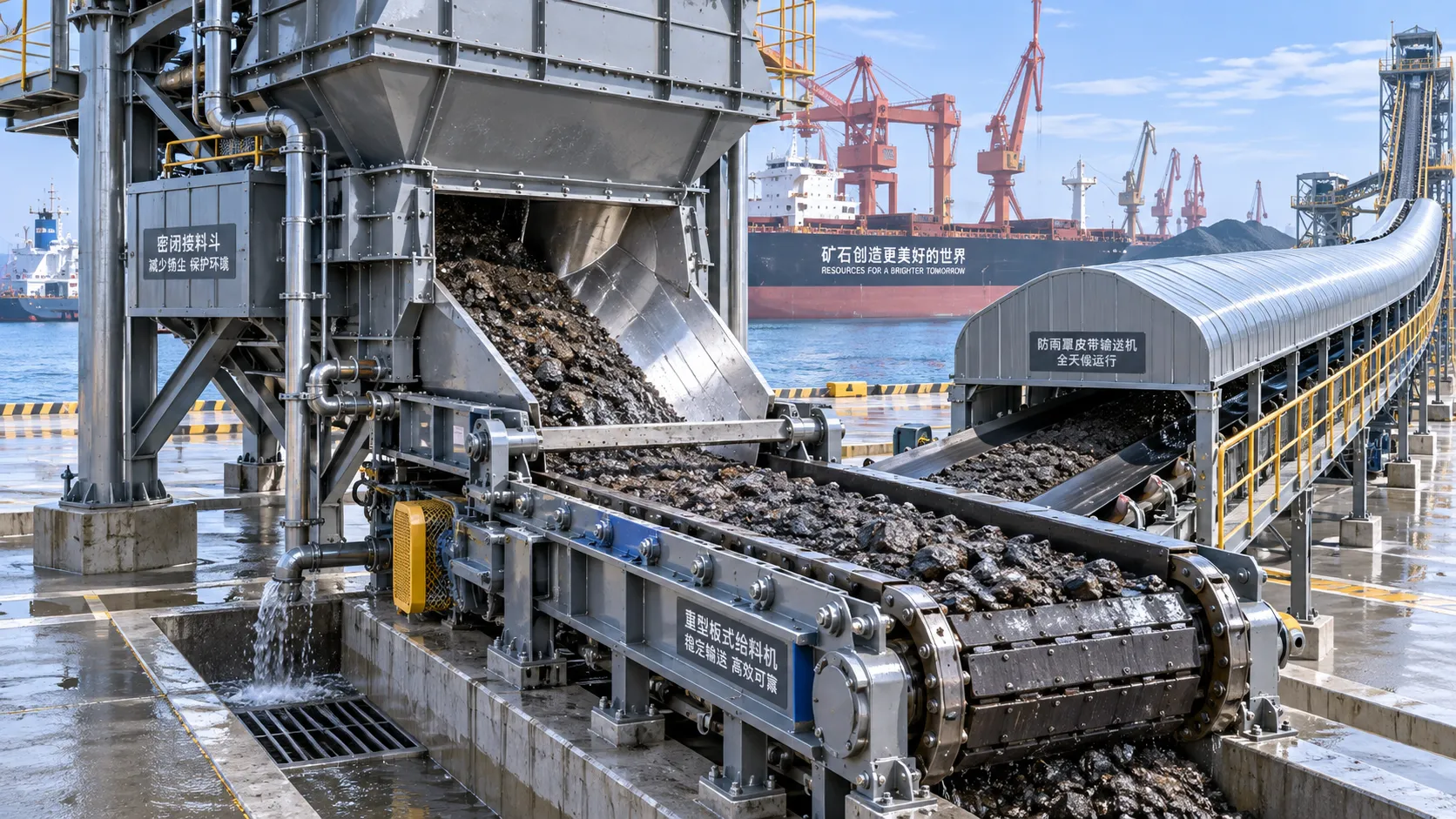
Which Bulk Handling Equipment Suits High-Moisture Cargo?
Which bulk handling equipment suits high-moisture cargo? Compare belt, apron, screw, drag, and slurry systems for reliable flow, less carryback, and higher terminal uptime.
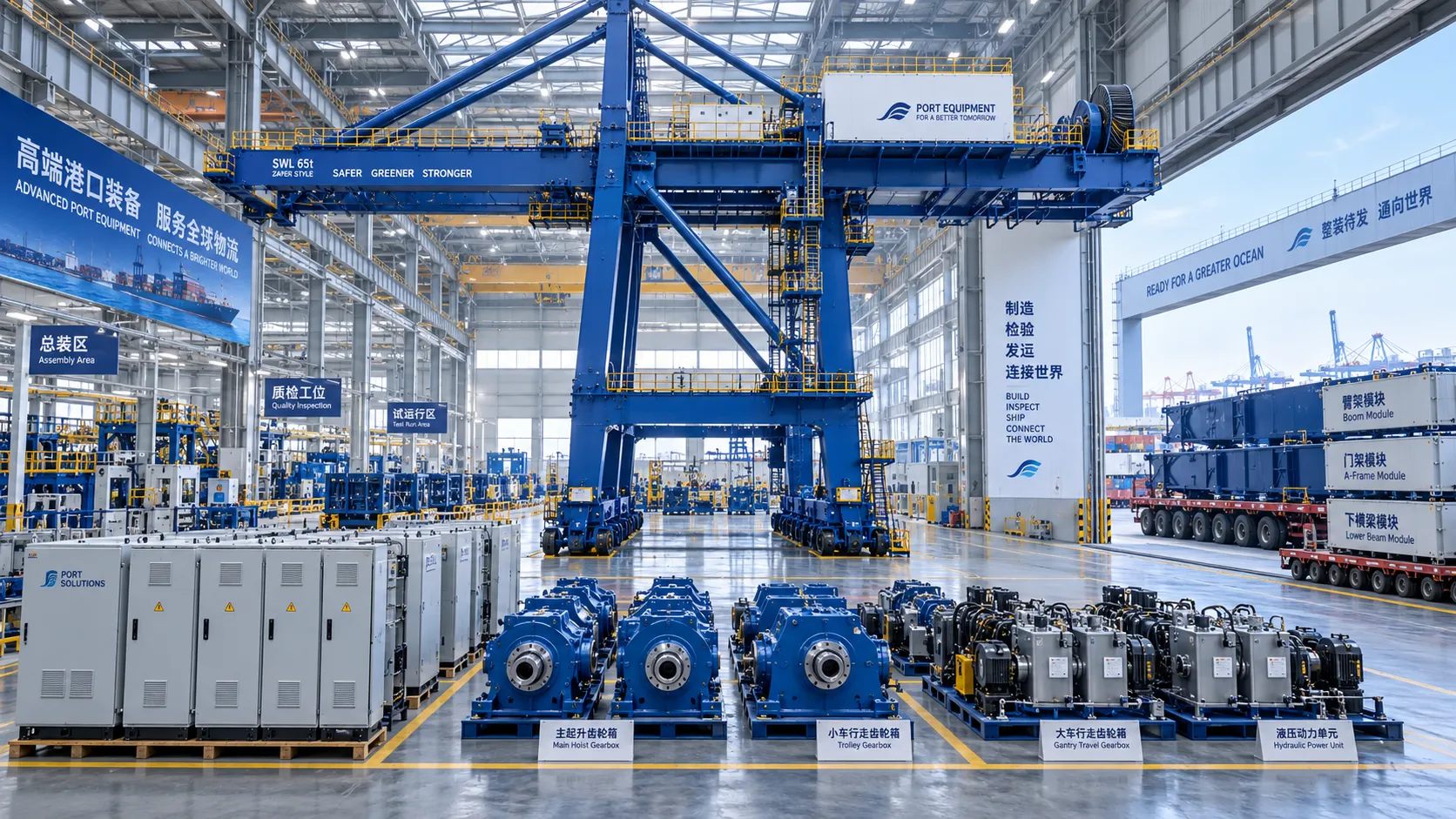
How Can Port Equipment Lead-Time Risk Be Managed?
How can port equipment lead-time risk be managed? Explore practical strategies to control critical paths, suppliers, transport, site readiness, and commissioning delays.
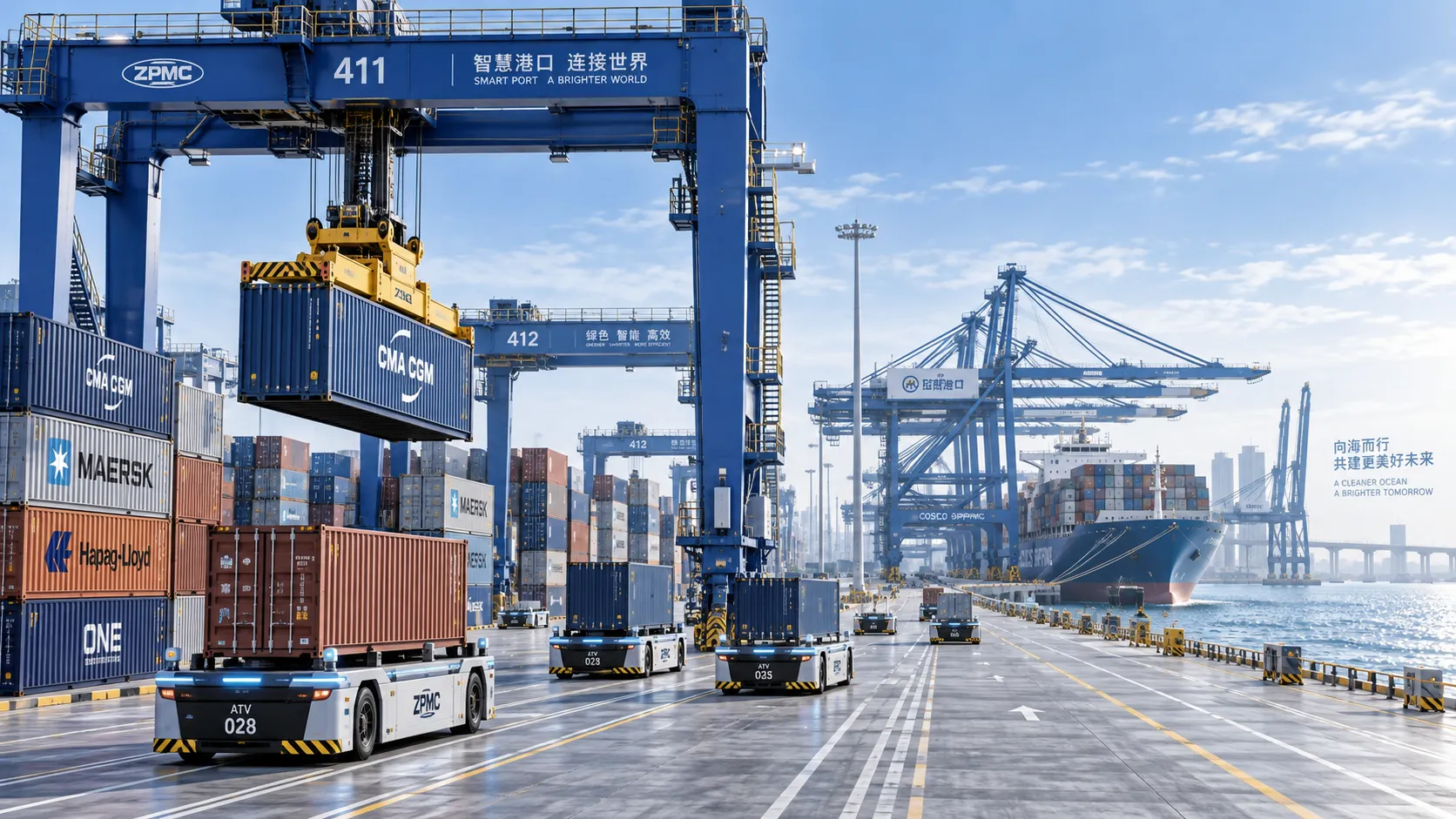
Terminal Automation Technologies That Raise Container Throughput Without Yard Disruption
Terminal automation technology that increases container throughput without disrupting yard flow. Explore smarter integration, resilient workflows, and phased deployment strategies.
Middle East Port Automation: Key Market Drivers, Projects, and Investment Risks
Port automation systems Middle East: explore market drivers, flagship projects, integration challenges, and investment risks shaping smarter, resilient terminals.
Planning Offshore Dredging Operations: Key Risks, Methods, and Project Controls
Offshore dredging operations demand smart planning. Explore key risks, proven methods, environmental controls, and project strategies for reliable delivery.