Related News
- 00
0000-00
How Can Port Equipment Lead-Time Risk Be Managed? - 00
0000-00
Maritime Logistics Operations: How Ports Can Reduce Container Dwell Time - 00
0000-00
What Does Logistics Node Monitoring Cost Across Warehouses and Transport Hubs? - 00
0000-00
How Can IoT Smart Port Solutions Improve Container Tracking and Yard Efficiency? - 00
0000-00
How Real-Time Port Logistics Intelligence Improves Container Yard Efficiency
What bulk material handling errors raise safety risks?
In bulk material handling, minor mistakes often trigger major incidents. A blocked chute, drifting conveyor, or hidden dust cloud can quickly become a safety event with costly operational impact.
Across ports, mines, power plants, processors, and storage yards, bulk material handling links people, machines, structures, and control systems. Safety risk rises when one link is weak.
This guide explains what bulk material handling errors raise safety risks, why they happen, where they appear, and how to reduce them through better design, maintenance, training, and monitoring.
What counts as a high-risk bulk material handling error?
A high-risk error is any decision, action, or omission that increases the chance of injury, fire, explosion, structural damage, spill, or unplanned downtime.
In bulk material handling, errors usually cluster around loading, conveying, transfer, storage, reclaiming, and maintenance access. They are rarely isolated equipment problems.
Common examples include:
- Ignoring dust buildup near conveyors, drives, and enclosed galleries
- Running belts with poor alignment or damaged idlers
- Overloading hoppers, feeders, or ship unloaders beyond design limits
- Using unsafe transfer-point geometry that causes blockage and spillage
- Skipping lockout and isolation before cleaning or repair
- Allowing moisture variation without adjusting flow-control settings
These failures matter because bulk material handling systems move high volumes continuously. Small deviations become repeated mechanical stress, airborne dust, and unstable operator behavior.
Why do dust, spillage, and poor housekeeping create serious safety risks?
Dust is one of the most underestimated bulk material handling hazards. Fine particles can impair visibility, irritate lungs, contaminate components, and in some materials, ignite explosively.
Spillage seems less dramatic, yet it often starts the chain. Material under pulleys or along walkways increases slip risk, obstructs emergency movement, and damages rotating parts.
Poor housekeeping usually signals deeper system design problems. If a site cleans the same spill zone every shift, the transfer-point design, sealing, skirt arrangement, or loading profile may be wrong.
Where do these errors usually begin?
They often begin at transfer points. Fast-falling material creates turbulence. If the chute angle, impact bed, or skirt seal is incorrect, dust escapes and coarse particles rebound.
Storage sheds and enclosed conveyors also concentrate fine material. Without extraction, ventilation, or ignition control, dust layers accumulate on beams, motors, cable trays, and floors.
How can facilities reduce the risk?
- Redesign loading and chute flow to reduce turbulence
- Install dust suppression or extraction matched to the material
- Use sealed skirting and maintain belt support at loading zones
- Set cleaning intervals based on monitored accumulation, not guesswork
- Control ignition sources and inspect hot bearings, brakes, and wiring
In bulk material handling, good housekeeping is not just tidiness. It is a direct control measure for fire, explosion, slip, and equipment reliability.
How do conveyor misalignment and overloads increase accident potential?
Conveyors are the backbone of many bulk material handling systems. When they drift, overload, or run with damaged parts, risk rises fast across the entire line.
Misalignment causes edge damage, spillage, idler seizure, and contact with fixed structures. That contact can produce heat, sparks, belt failure, or sudden shutdown.
Overloads create a different pattern. Drives overheat, take-up systems strain, chutes block, and structural members absorb repeated stress beyond normal operating assumptions.
What errors lead to misalignment?
- Uneven loading across the belt width
- Worn or frozen idlers
- Pulley lagging damage
- Poor frame squareness after repair work
- Ignoring early belt wander alarms
What are the practical controls?
Start with stable feed. Centered loading reduces side forces and protects belt tracking. Then add condition checks for idlers, pulleys, take-ups, and structural alignment.
Use belt scales, speed sensors, drift switches, blocked-chute detection, and thermal monitoring. In modern bulk material handling, instrumentation should support operators before failure develops.
Which maintenance and isolation mistakes are most dangerous?
Many severe incidents happen during maintenance, not normal production. The reason is simple. Stored energy, poor visibility, confined access, and production pressure combine at the wrong moment.
The most dangerous bulk material handling mistakes include incomplete lockout, failing to test zero energy, entering chutes without clearance, and removing guards for quick interventions.
Why is isolation often missed?
Complex systems have many energy sources. Electrical supply is only one. Hydraulic pressure, gravity, stored belt tension, suspended loads, and material hang-up can all release unexpectedly.
Temporary fixes also create risk. If a scraper jams repeatedly, crews may normalize unsafe access instead of solving the root cause in the bulk material handling design.
What should a safer maintenance routine include?
- Asset-specific isolation maps for every conveyor and transfer zone
- Verification of zero energy before entry or contact
- Safe access platforms, lighting, and anti-slip surfaces
- Permit controls for confined spaces and hot work
- Failure trend reviews to eliminate repeated manual intervention
Effective maintenance in bulk material handling is preventive, not reactive. Systems should be designed so routine inspection does not force exposure to moving parts or unstable material.
How do poor design choices at transfer points and storage areas amplify risk?
Many safety problems begin long before operations start. Poor engineering decisions in chutes, hoppers, stockpiles, or reclaim tunnels can lock unsafe conditions into daily work.
A transfer point that ignores particle size, moisture, cohesion, and drop height will likely block, wear rapidly, or spill constantly. Operators then compensate with unsafe manual clearing.
Storage areas present similar issues. Over-steep pile faces, unstable reclaim zones, poor drainage, or weak retaining structures increase collapse, engulfment, and machine interaction hazards.
What design principles improve bulk material handling safety?
- Match chute geometry to actual material flow properties
- Limit drop height where impact and dust are excessive
- Provide wear liners and inspection access outside danger zones
- Design drainage to prevent buildup, freezing, or slurry formation
- Separate pedestrian routes from mobile equipment paths
For ports and terminals, this matters even more. Throughput pressure, weather exposure, and variable cargo properties can make a marginal bulk material handling design fail quickly.
What warning signs show a bulk material handling system is becoming unsafe?
Unsafe systems usually give signals before major events. The challenge is recognizing them early and acting before the site accepts abnormal conditions as routine.
Another strong signal is repeated alarm bypassing. If interlocks are frequently overridden, the bulk material handling process likely conflicts with safe production targets.
How can safety improvements be prioritized without disrupting throughput?
The best approach is risk-based sequencing. Start with hazards that combine severe consequence and high repetition, especially dust ignition, uncontrolled motion, and unsafe maintenance access.
Then rank improvements by operational leverage. In bulk material handling, one transfer-point redesign can cut spillage, dust, belt wear, cleanup labor, and stoppages at once.
A practical roadmap often looks like this:
- Inspect high-loss zones and collect failure history
- Verify isolation and guarding compliance first
- Stabilize loading, tracking, and transfer containment
- Add monitoring for drift, heat, blockages, and dust
- Review design assumptions against current material behavior
For facilities handling changing cargo mixes, regular reassessment is essential. Bulk material handling safety depends on how the real material behaves today, not how it behaved years ago.
The main lesson is clear. Most bulk material handling accidents are not random. They grow from visible, recurring errors in design, operation, cleaning, maintenance, and control logic.
Reducing those risks requires more than checklists. It calls for disciplined inspection, better transfer-point engineering, reliable isolation, targeted monitoring, and faster correction of small deviations.
If a system shows chronic dust, spillage, belt drift, overload alarms, or unsafe access, treat those signs as leading indicators. Fixing them early protects people, equipment, compliance, and throughput.
Related News
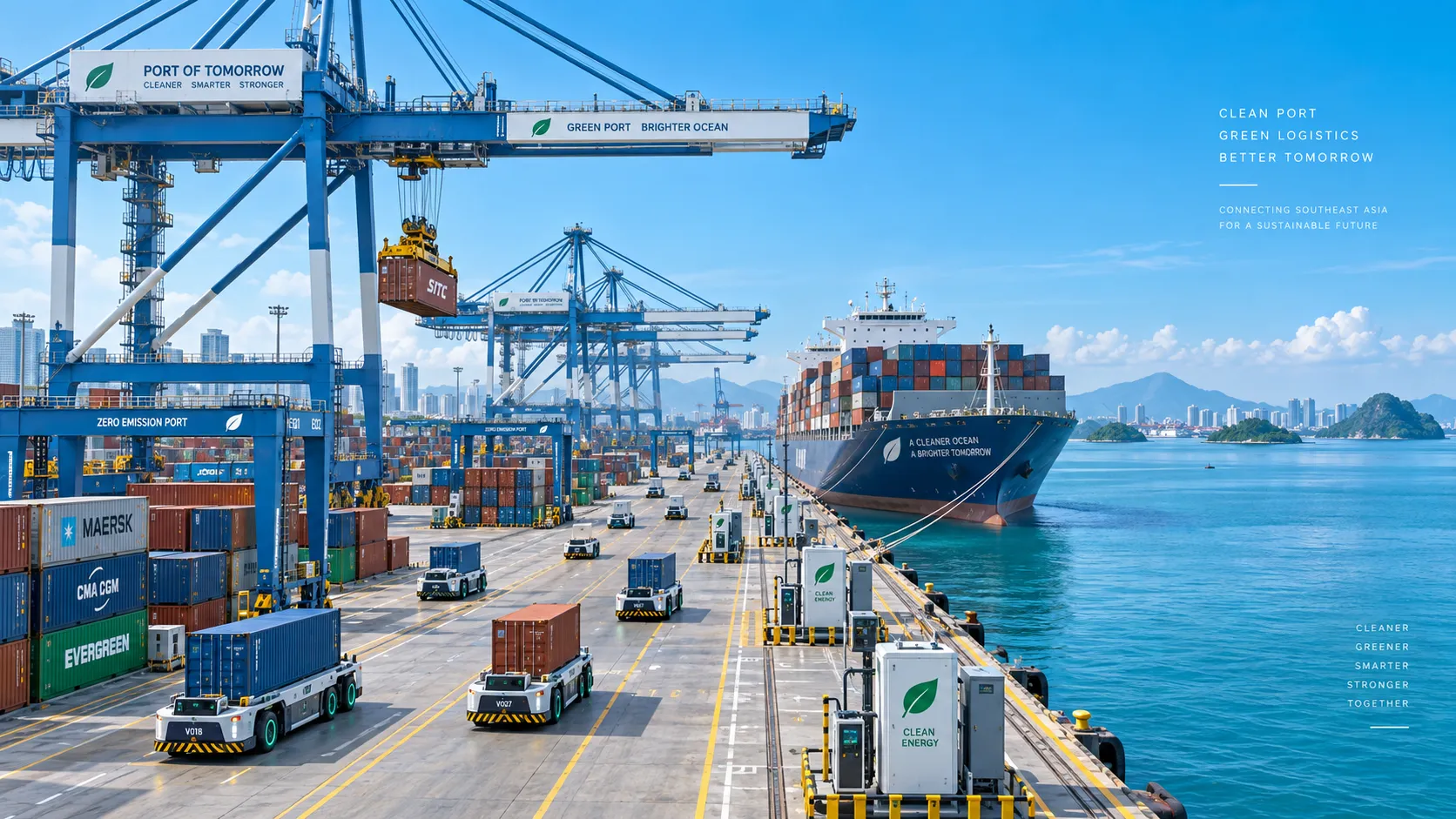
Smart Port Systems in Southeast Asia: Investment Priorities and Adoption Barriers
Smart port systems Southeast Asia: discover investment priorities, adoption barriers, and practical steps to build resilient, connected, high-performing terminals.

How to Evaluate Terminal Efficiency Solution Suppliers for High-Throughput Operations
Choose a terminal efficiency solutions supplier with confidence. Explore proven criteria for throughput, integration, lifecycle cost, safety, and reliable delivery.
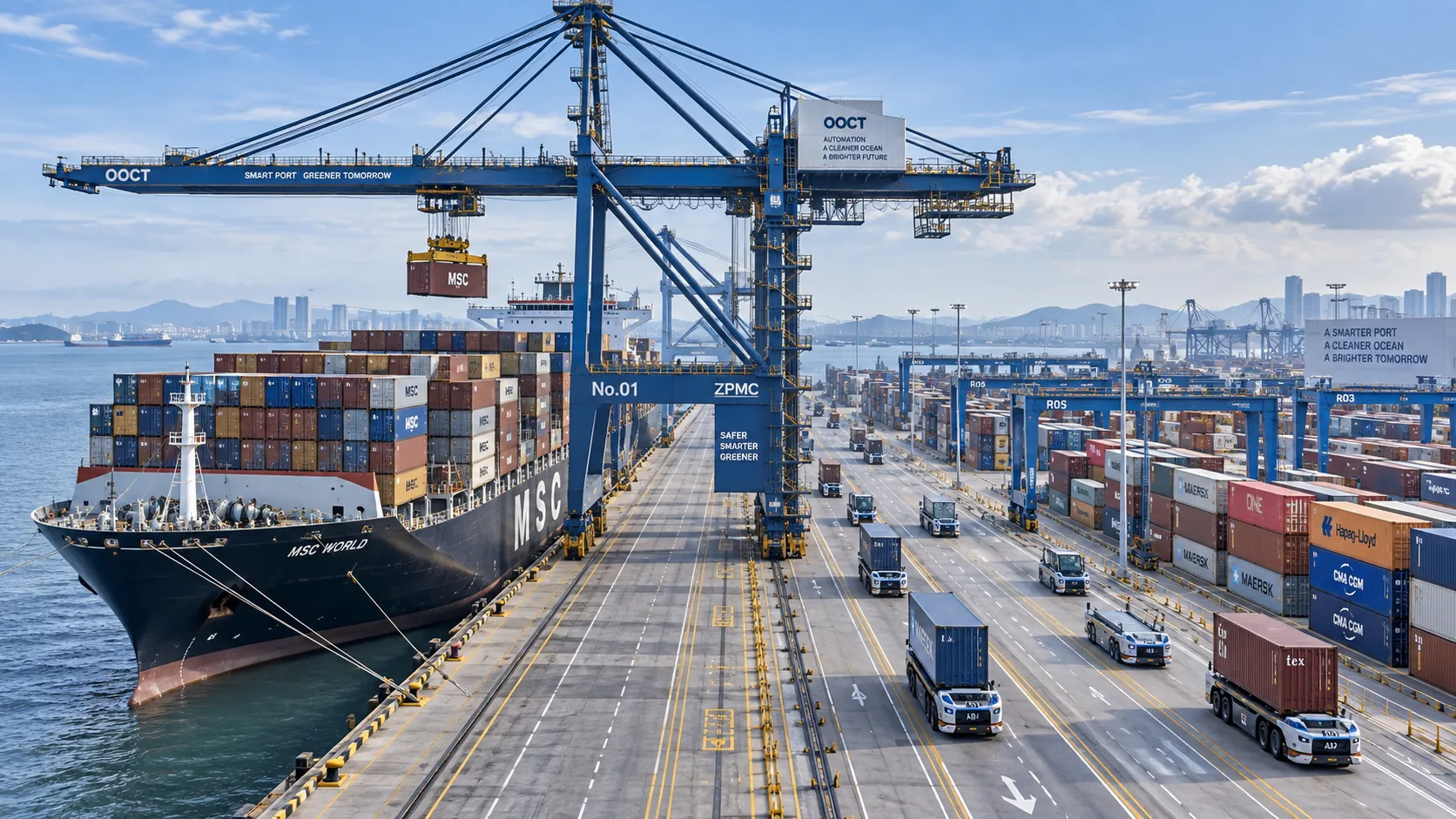
How to Specify a Quay Crane for Container Terminals by Vessel Size and Throughput?
Quay crane for container terminals: learn how to match outreach, lift height, capacity, automation, and cycle performance to vessel size and throughput goals.

What Dredging Equipment Is Needed for Channel Deepening?
What dredging equipment is needed for channel deepening? Explore dredgers, pipelines, survey tools, and planning strategies for safer, more efficient port access.
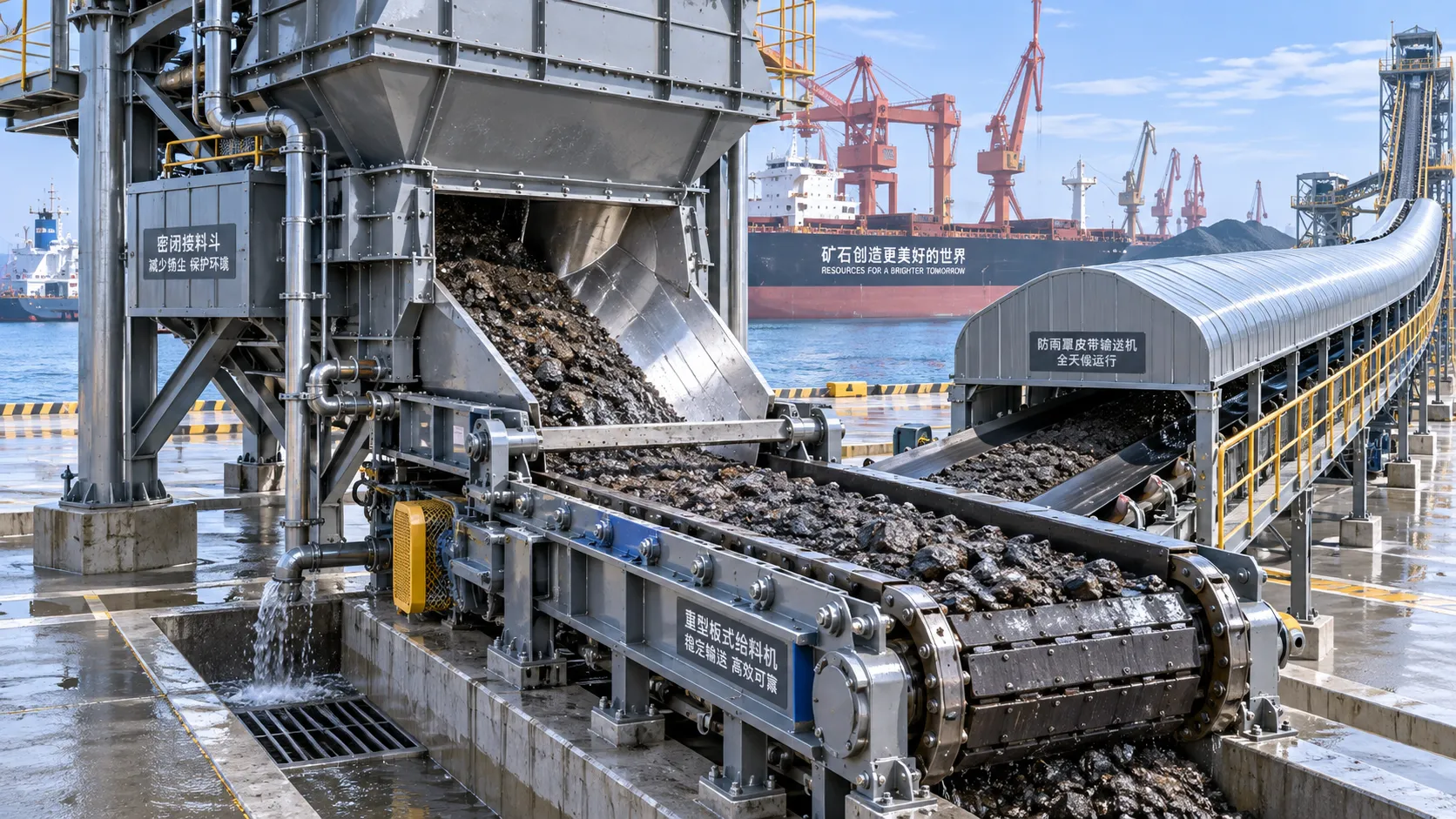
Which Bulk Handling Equipment Suits High-Moisture Cargo?
Which bulk handling equipment suits high-moisture cargo? Compare belt, apron, screw, drag, and slurry systems for reliable flow, less carryback, and higher terminal uptime.
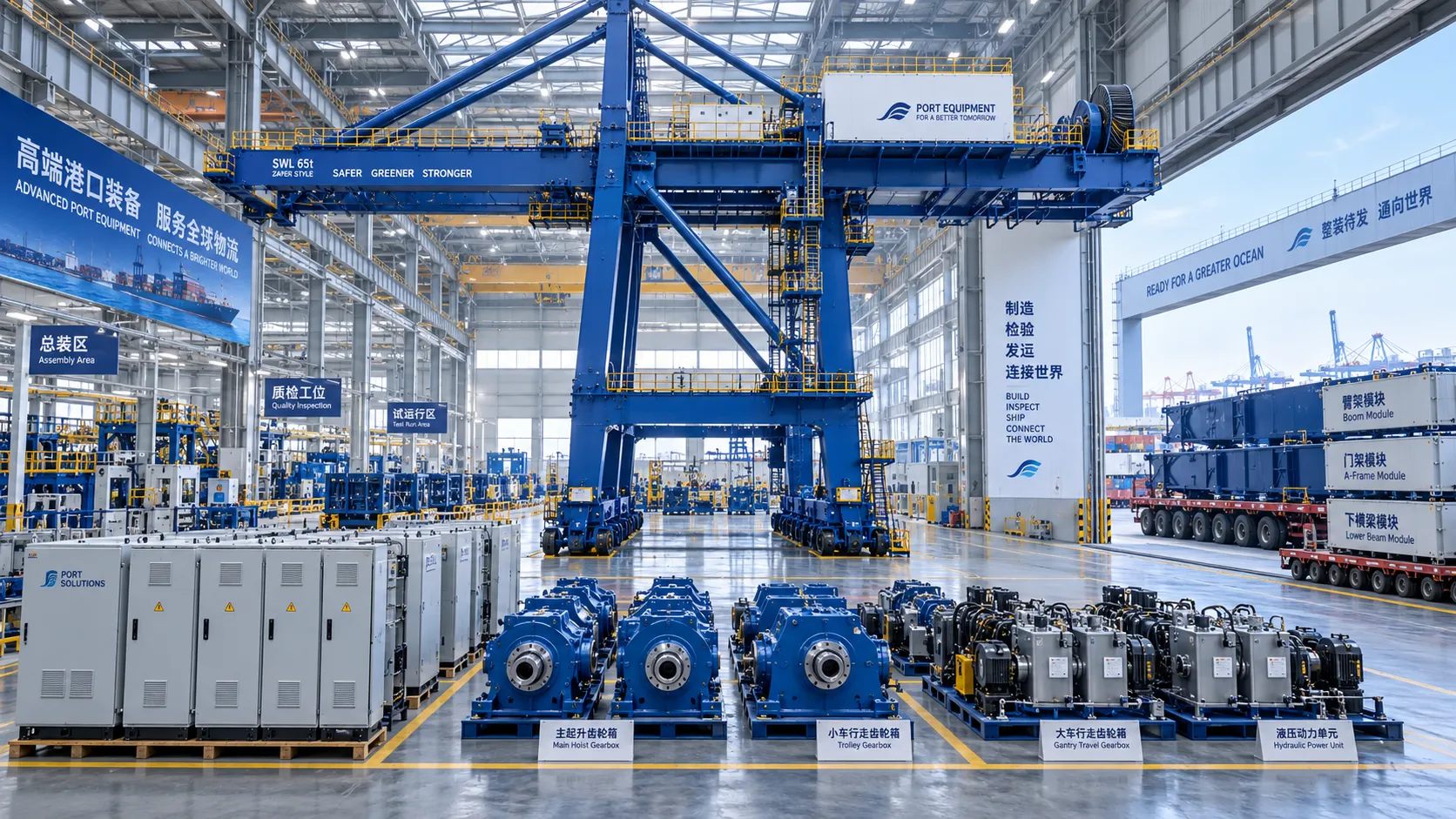
How Can Port Equipment Lead-Time Risk Be Managed?
How can port equipment lead-time risk be managed? Explore practical strategies to control critical paths, suppliers, transport, site readiness, and commissioning delays.
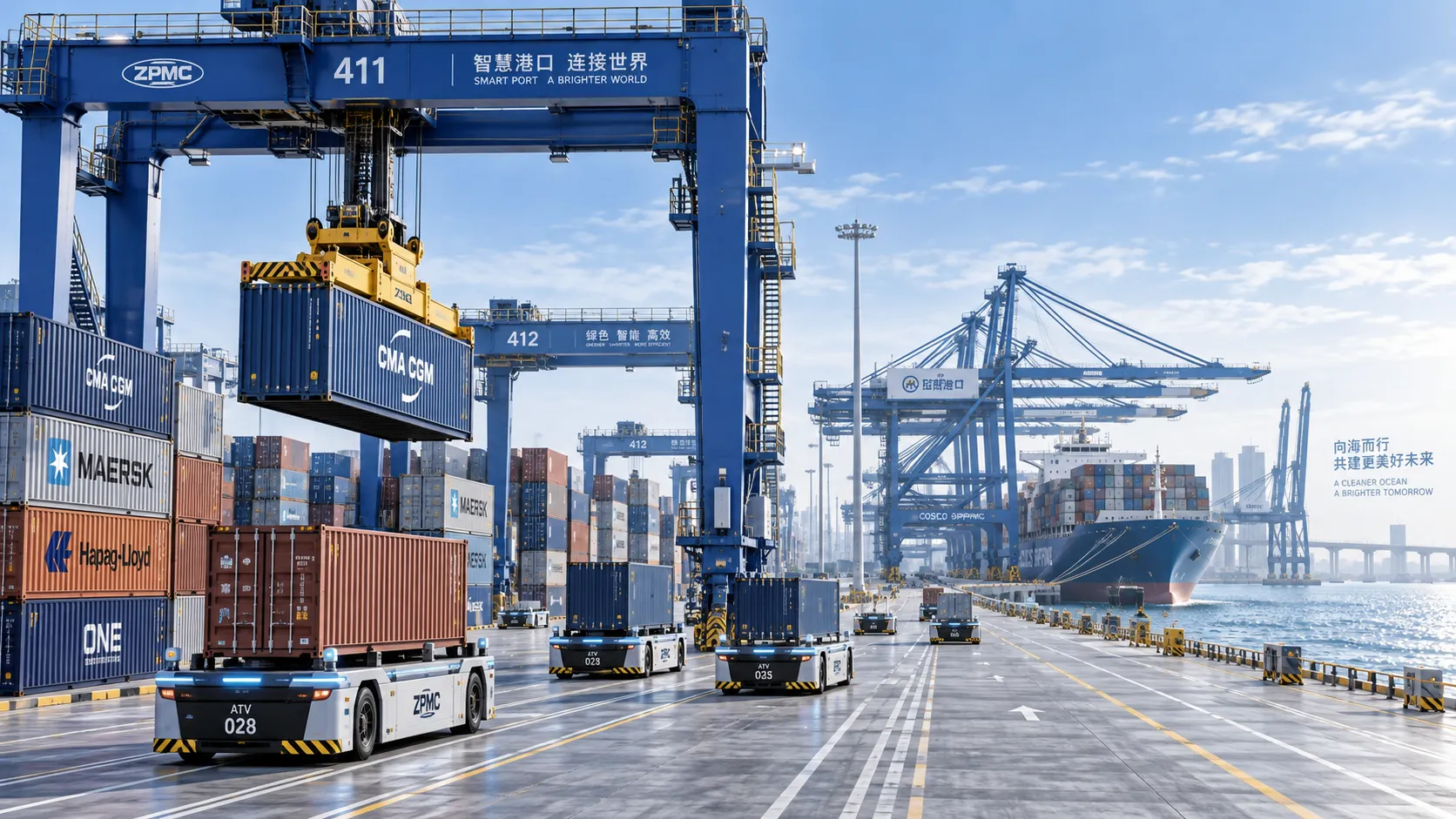
Terminal Automation Technologies That Raise Container Throughput Without Yard Disruption
Terminal automation technology that increases container throughput without disrupting yard flow. Explore smarter integration, resilient workflows, and phased deployment strategies.

Middle East Port Automation: Key Market Drivers, Projects, and Investment Risks
Port automation systems Middle East: explore market drivers, flagship projects, integration challenges, and investment risks shaping smarter, resilient terminals.

Planning Offshore Dredging Operations: Key Risks, Methods, and Project Controls
Offshore dredging operations demand smart planning. Explore key risks, proven methods, environmental controls, and project strategies for reliable delivery.