Related News
- 00
0000-00
How Can Port Equipment Lead-Time Risk Be Managed? - 00
0000-00
Maritime Logistics Operations: How Ports Can Reduce Container Dwell Time - 00
0000-00
What Does Logistics Node Monitoring Cost Across Warehouses and Transport Hubs? - 00
0000-00
How Can IoT Smart Port Solutions Improve Container Tracking and Yard Efficiency? - 00
0000-00
How Real-Time Port Logistics Intelligence Improves Container Yard Efficiency
How global supply chains intelligence improves planning
For business evaluators navigating volatile trade conditions, global supply chains intelligence has become essential to smarter planning, risk assessment, and long-term investment decisions. From port automation and terminal equipment to dredging engineering and cargo flow optimization, actionable intelligence helps identify cost drivers, operational bottlenecks, and growth opportunities across maritime logistics networks.
In maritime logistics, planning quality is increasingly shaped by visibility across ports, cargo corridors, equipment capacity, and regional infrastructure constraints. For commercial teams, investors, and procurement reviewers, the challenge is no longer a lack of data. The challenge is turning fragmented data into decision-ready intelligence.
That is where PS-Nexus creates practical value. By tracking heavy terminal gear, automated container handling, dredging engineering, and port control systems, the platform supports business evaluation with a clearer view of throughput limits, downtime risks, expansion timing, and equipment demand cycles across global trade hubs.
Why global supply chains intelligence matters for planning accuracy
Planning in port-centered industries often fails when assumptions are built on static reports or delayed market updates. Global supply chains intelligence improves planning by connecting 4 critical layers: cargo flow, infrastructure capacity, equipment availability, and regulatory or geopolitical disruption signals.
For example, a terminal expansion plan may look attractive on paper, yet become less viable if berth congestion rises above a 72-hour threshold, dredging schedules slip by 6–8 weeks, or crane delivery lead times extend from 5 months to 9 months. Intelligence reduces those blind spots before capital is committed.
From raw data to planning signals
The real benefit of global supply chains intelligence is not simply monitoring shipment movement. It is identifying which signals influence future operating performance. In maritime logistics, useful signals often include vessel queue times, yard utilization rates, dredging frequency, AGV routing efficiency, and maintenance intervals for terminal gear.
When these indicators are tracked weekly or even daily, business evaluators can compare planned assumptions against actual operating conditions. A difference of 10%–15% in cycle time, power consumption, or equipment idle rate can materially change the economics of a terminal upgrade or automation project.
Typical planning benefits
- Earlier detection of congestion risks across 3–5 linked logistics nodes
- Improved capex timing for quay cranes, yard systems, and bulk handling machinery
- Better comparison of manual, semi-automated, and automated operating models
- More realistic forecasting for service windows, maintenance shutdowns, and cargo peaks
The table below shows how intelligence inputs can change planning assumptions in maritime and port infrastructure decisions.
The key takeaway is simple: better intelligence does not only improve monitoring. It improves the quality of assumptions used in asset planning, project sequencing, and commercial evaluation.
Where business evaluators gain the most value
Business evaluators typically need more than market commentary. They need evidence that supports investment timing, supplier selection, asset productivity assumptions, and operational resilience. In port and coastal logistics, global supply chains intelligence helps structure that evaluation across both immediate risk and long-cycle infrastructure value.
1. Equipment and infrastructure assessment
Heavy terminal gear and bulk handling machinery involve high capex and long replacement cycles, often 10–20 years depending on duty level and maintenance quality. A buying decision made with limited visibility can lock in poor asset fit, underused capacity, or service constraints for years.
PS-Nexus supports this review by linking equipment categories to throughput realities. A crane is not only a mechanical unit; it is a throughput decision. An AGV fleet is not only a mobility investment; it is a scheduling decision tied to yard density, battery strategy, path-planning logic, and communication latency.
2. Commercial demand forecasting
Demand for automated handling systems, dredging support equipment, and specialized container machinery often shifts before traditional procurement statistics become visible. By monitoring trade flows, port expansion agendas, and vessel class changes, evaluators can identify whether demand is cyclical, structural, or purely project-driven.
This distinction matters. A 12-month demand spike caused by one infrastructure program should be assessed differently from a 3–5 year structural transition toward terminal automation or green port upgrades.
3. Risk-adjusted project planning
A project may appear feasible under normal flow assumptions, but fail under disruption scenarios. Global supply chains intelligence helps business evaluators test planning against at least 3 practical stress cases: freight volatility, equipment delivery delays, and network bottlenecks at major transshipment nodes.
- Freight rate swings can alter cargo routing and throughput concentration within 30–90 days.
- Critical components for automation systems may face sourcing delays of 8–16 weeks.
- Dredging or berth work delays can push revenue realization beyond the original investment window.
For evaluators, this means intelligence should feed both the base-case model and the downside-case model. That approach creates more credible planning than a single forecast line.
How PS-Nexus supports intelligence-led decisions across maritime logistics
PS-Nexus is designed around the operational realities of maritime logistics rather than generic trade headlines. Its value lies in combining sector observation with engineering relevance, so decision-makers can understand not only what is happening, but how it affects asset use, scheduling logic, and project economics.
Five intelligence pillars that improve planning
The platform’s focus on 5 pillars gives business evaluators a framework for comparing opportunities and risks across linked infrastructure systems. These pillars include mega port terminal gear, bulk handling machinery, specialized container handling, port automation and control systems, and dredging engineering equipment.
This matters because port performance is rarely determined by a single machine. Throughput often depends on how 3 or more systems interact: crane speed, yard routing, control logic, and navigational access. If one system falls below target, the entire value chain slows.
Core intelligence applications
- Tracking throughput constraints at major terminal nodes
- Evaluating automation readiness and scheduling architecture
- Estimating asset demand under trade route changes
- Reviewing dredging impact on access, expansion, and vessel accommodation
- Comparing commercial implications across 2–4 regional market scenarios
The following table outlines how different intelligence layers map to business evaluation priorities.
For B2B planning, the strongest value of global supply chains intelligence is its ability to connect market movement with engineering and operational consequences. That connection is often what separates informed investment from reactive spending.
A practical framework for evaluating supply chain intelligence sources
Not all intelligence sources are equally useful for planning. Some provide broad market visibility but limited operational depth. Others are technically detailed but disconnected from trade and commercial context. Business evaluators need a framework that filters intelligence for decision relevance.
Four selection criteria
A practical intelligence source should be tested against 4 criteria: timeliness, technical granularity, scenario usefulness, and commercial applicability. If one of these dimensions is missing, planning quality can drop sharply even when information volume appears high.
- Timeliness: Can updates reflect market changes within days or weeks rather than quarters?
- Technical granularity: Does the source explain asset, control, or infrastructure implications?
- Scenario usefulness: Can the information support base, upside, and downside planning cases?
- Commercial applicability: Does it help compare suppliers, project timing, or demand quality?
Common evaluation mistakes
A frequent mistake is relying on global trade narratives without checking local node constraints. Another is focusing on equipment specification without reviewing the network conditions that determine utilization. In ports, a machine rated for high output can still underperform if yard logic, berthing access, or maintenance planning is weak.
Another risk is overestimating automation payback. In many cases, ROI depends less on equipment list price and more on 5 linked factors: software integration, communication reliability, operator transition, maintenance readiness, and cargo mix stability over at least 24–36 months.
Questions evaluators should ask
- What are the top 3 throughput constraints in the target port network?
- Which equipment category has the longest lead time and greatest replacement risk?
- How sensitive is the project to a 10% drop in cargo volume or a 15% rise in delay time?
- What maintenance or dredging variables could change access or uptime within 6 months?
Turning intelligence into action: planning, procurement, and long-term value
The final step is execution. Global supply chains intelligence only creates value when it informs planning cycles, procurement reviews, and post-investment monitoring. In practice, that means embedding intelligence at defined checkpoints instead of treating it as a separate research stream.
A 5-step implementation path
- Define the asset or project scope, such as crane renewal, AGV deployment, or dredging support.
- Set 6–10 measurable indicators, including lead time, berth delay, utilization, downtime, and cargo volatility.
- Review intelligence at a fixed cadence, often every 2 weeks or monthly for active decisions.
- Stress-test the business case against at least 3 disruption scenarios.
- Update procurement or investment timing based on threshold changes, not assumptions alone.
This disciplined use of intelligence strengthens both short-term decisions and long-term asset value. It can improve procurement timing, support better negotiation, and reduce the chance of building around outdated traffic assumptions.
For organizations involved in maritime logistics, terminal modernization, or coastal infrastructure, PS-Nexus offers a more decision-ready view of the market than broad logistics commentary alone. Its sector-specific intelligence helps evaluators connect cargo patterns, equipment demand, automation trends, and dredging realities into a clearer planning model.
If your team is reviewing port equipment investments, automation strategies, or infrastructure expansion timing, now is the right moment to use global supply chains intelligence more deliberately. Contact PS-Nexus to get a tailored intelligence perspective, discuss project-specific risks, and explore solutions aligned with smarter planning across global maritime networks.
- heavy terminal gear
- automated container handling
- maritime logistics
- mega port terminal
- bulk handling machinery
- specialized container handling
- port automation
- control systems
- dredging equipment
- port infrastructure
- global supply chains
- quay crane
- global supply chains intelligence
- coastal infrastructure
- terminal equipment
Related News
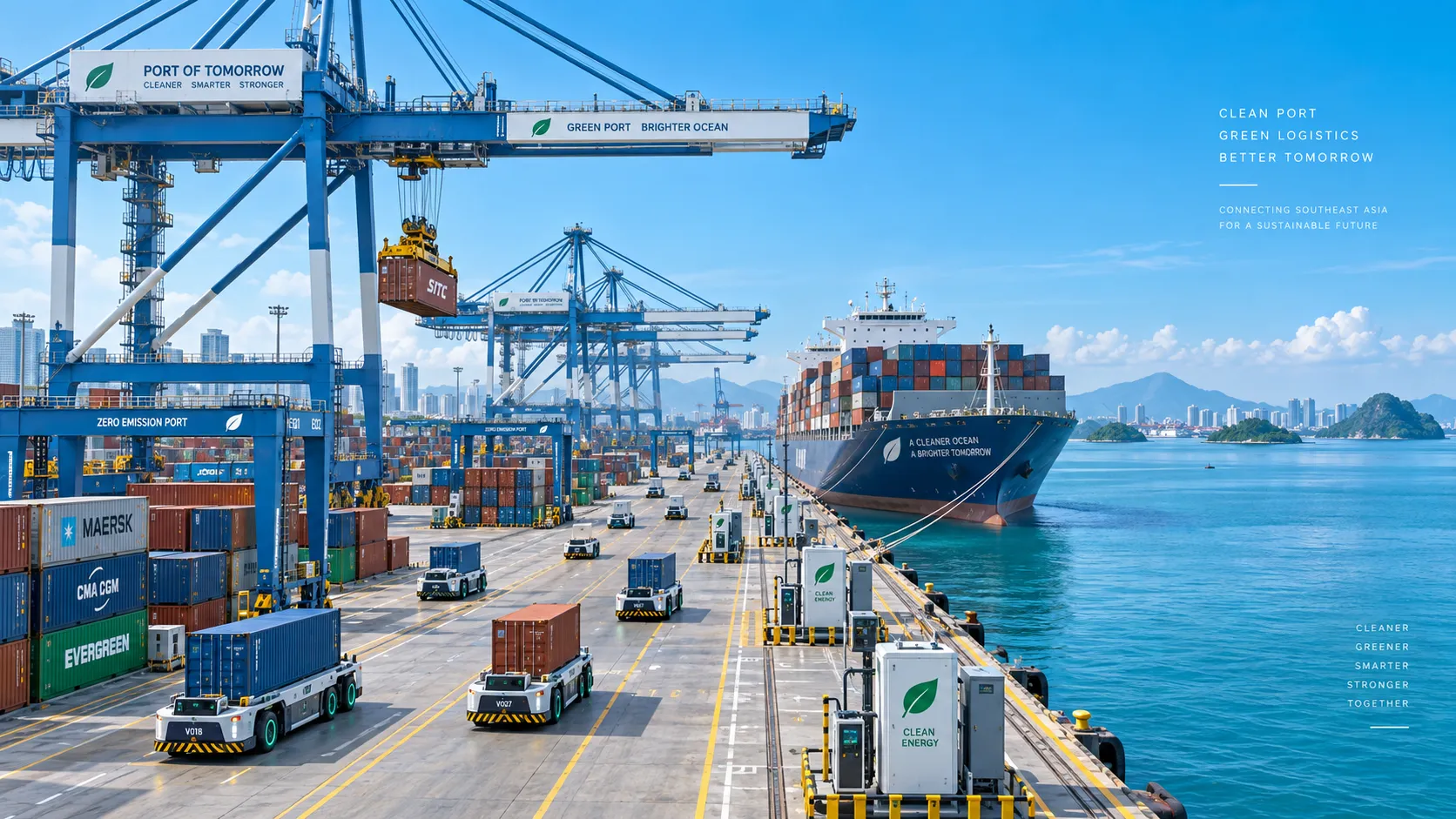
Smart Port Systems in Southeast Asia: Investment Priorities and Adoption Barriers
Smart port systems Southeast Asia: discover investment priorities, adoption barriers, and practical steps to build resilient, connected, high-performing terminals.

How to Evaluate Terminal Efficiency Solution Suppliers for High-Throughput Operations
Choose a terminal efficiency solutions supplier with confidence. Explore proven criteria for throughput, integration, lifecycle cost, safety, and reliable delivery.
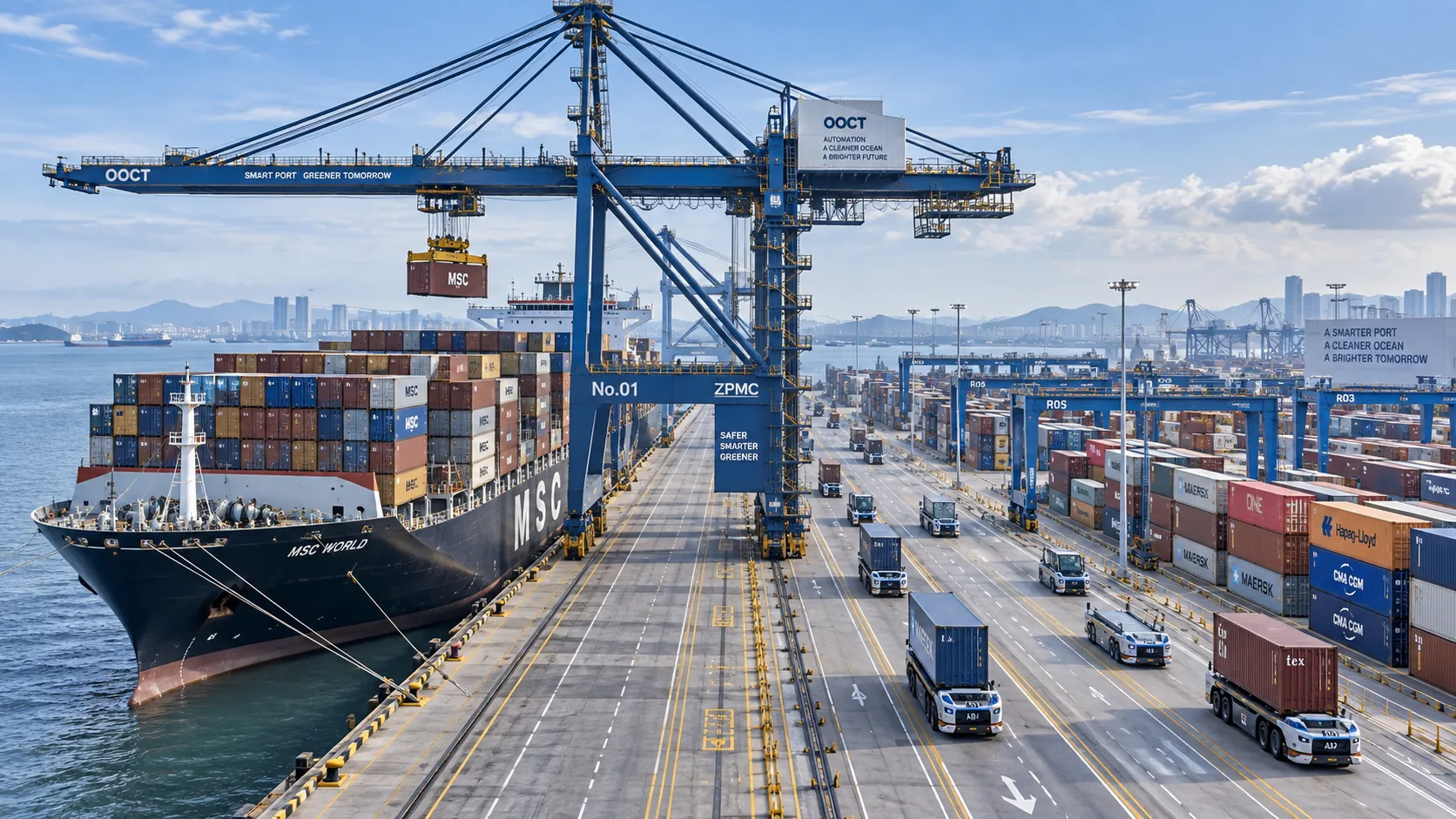
How to Specify a Quay Crane for Container Terminals by Vessel Size and Throughput?
Quay crane for container terminals: learn how to match outreach, lift height, capacity, automation, and cycle performance to vessel size and throughput goals.
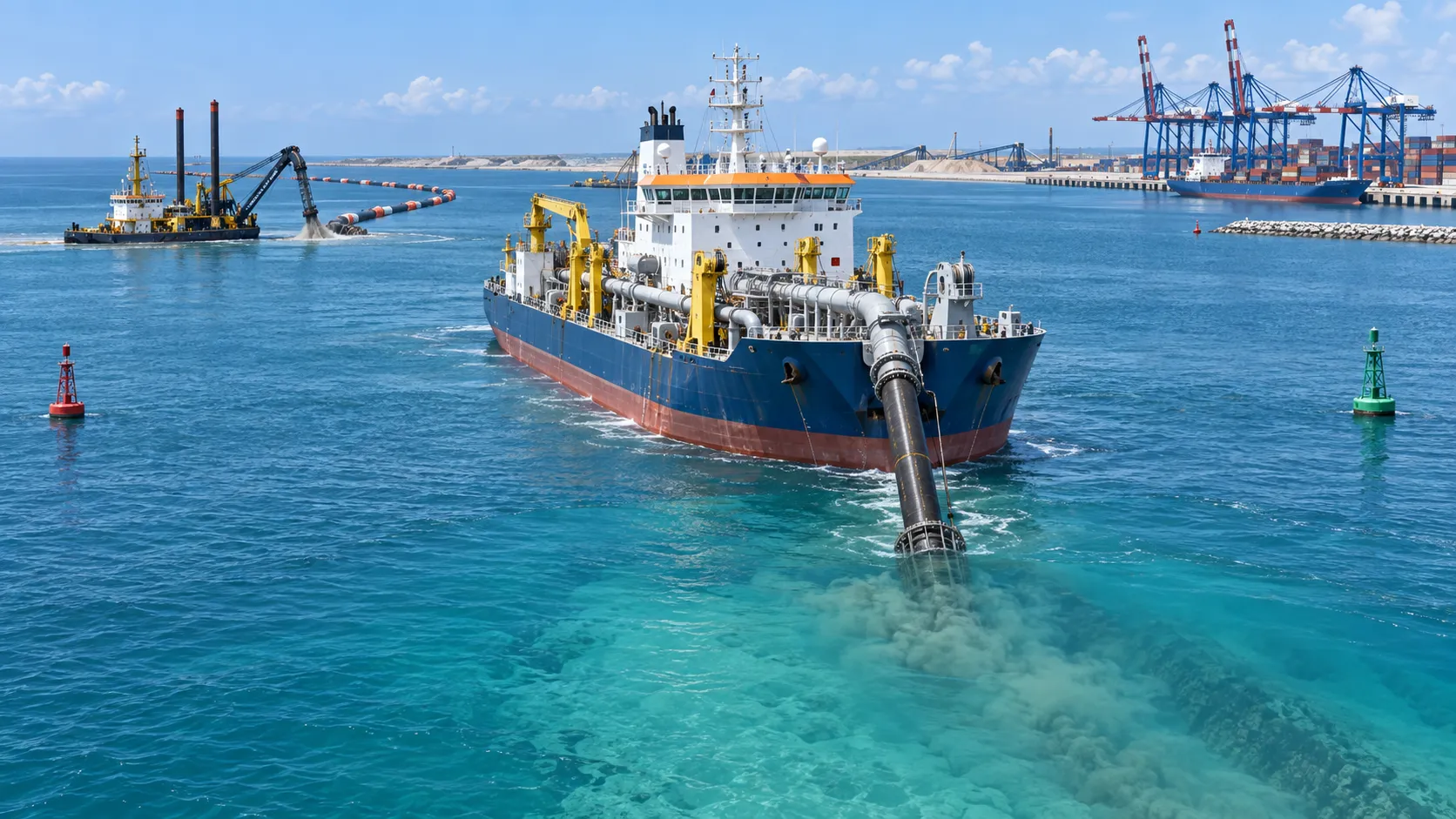
What Dredging Equipment Is Needed for Channel Deepening?
What dredging equipment is needed for channel deepening? Explore dredgers, pipelines, survey tools, and planning strategies for safer, more efficient port access.
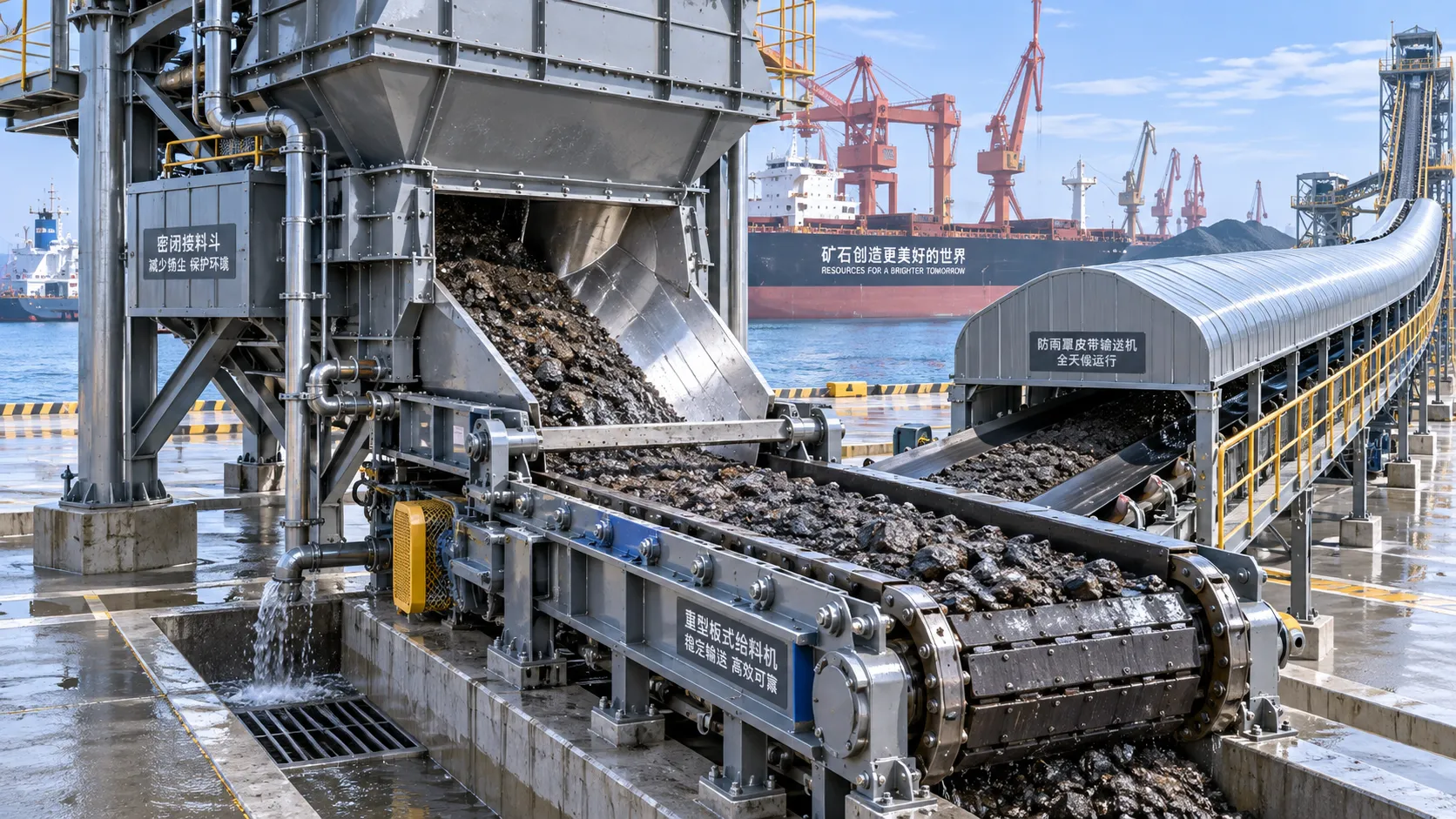
Which Bulk Handling Equipment Suits High-Moisture Cargo?
Which bulk handling equipment suits high-moisture cargo? Compare belt, apron, screw, drag, and slurry systems for reliable flow, less carryback, and higher terminal uptime.
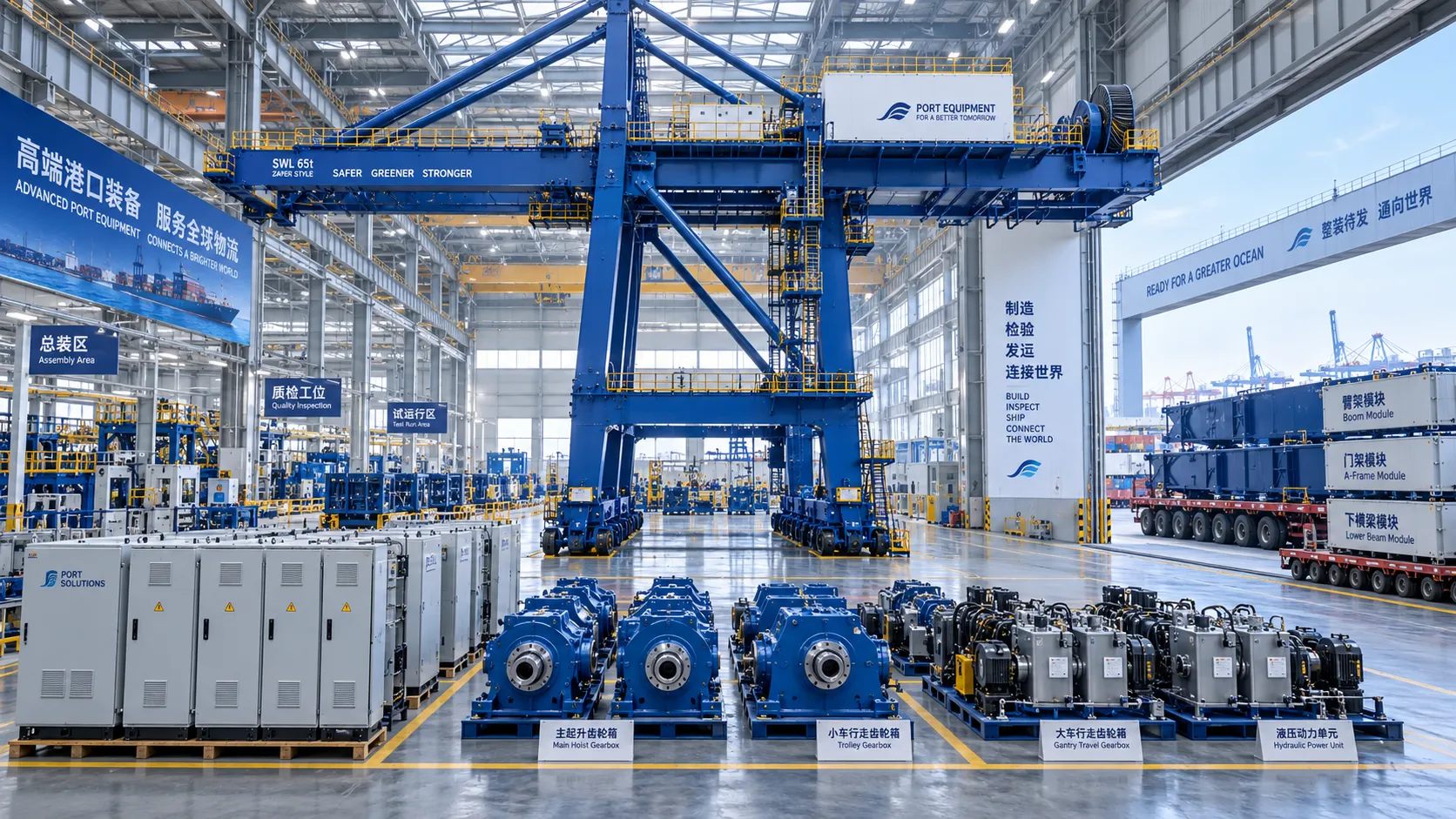
How Can Port Equipment Lead-Time Risk Be Managed?
How can port equipment lead-time risk be managed? Explore practical strategies to control critical paths, suppliers, transport, site readiness, and commissioning delays.
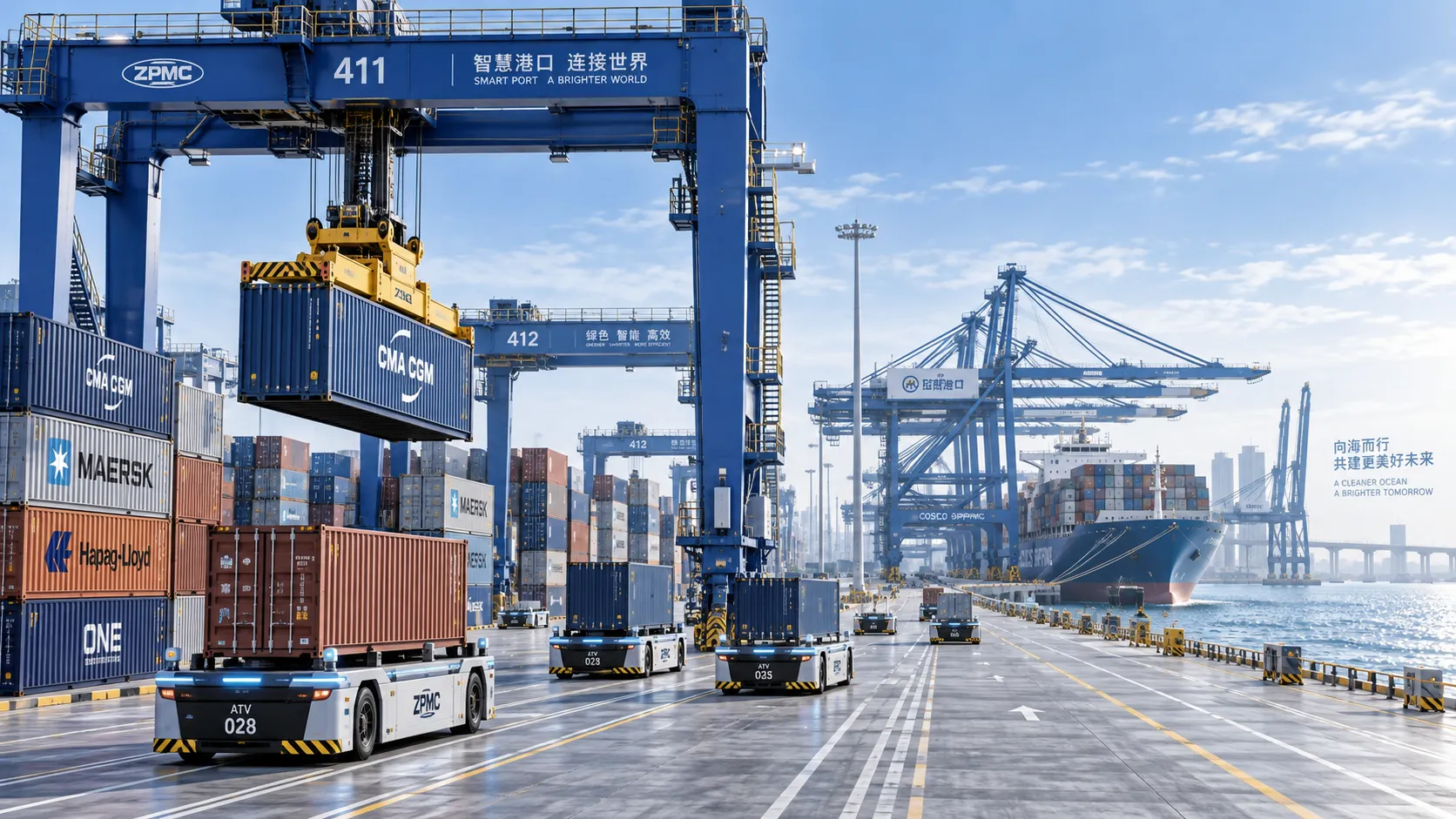
Terminal Automation Technologies That Raise Container Throughput Without Yard Disruption
Terminal automation technology that increases container throughput without disrupting yard flow. Explore smarter integration, resilient workflows, and phased deployment strategies.
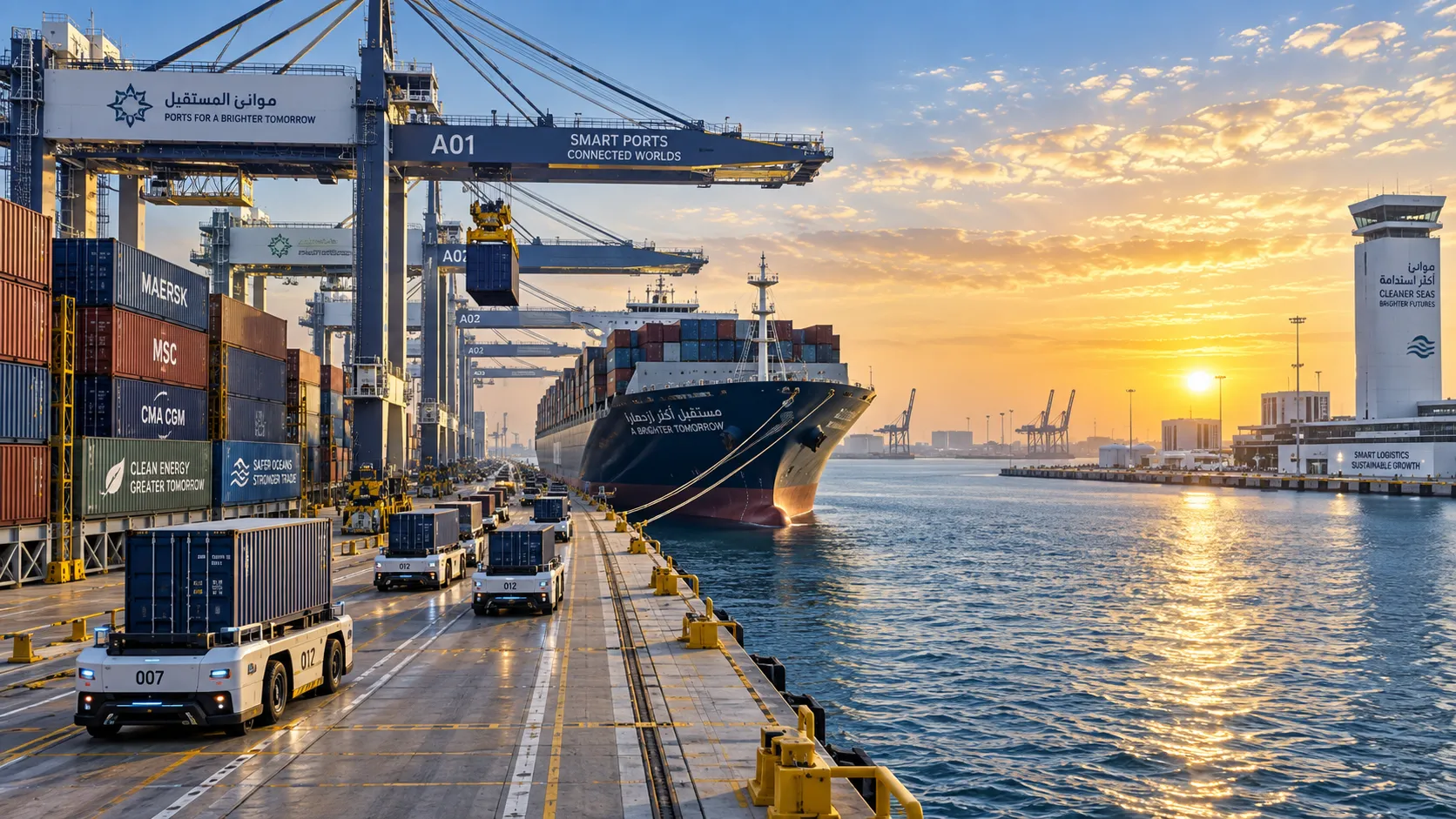
Middle East Port Automation: Key Market Drivers, Projects, and Investment Risks
Port automation systems Middle East: explore market drivers, flagship projects, integration challenges, and investment risks shaping smarter, resilient terminals.
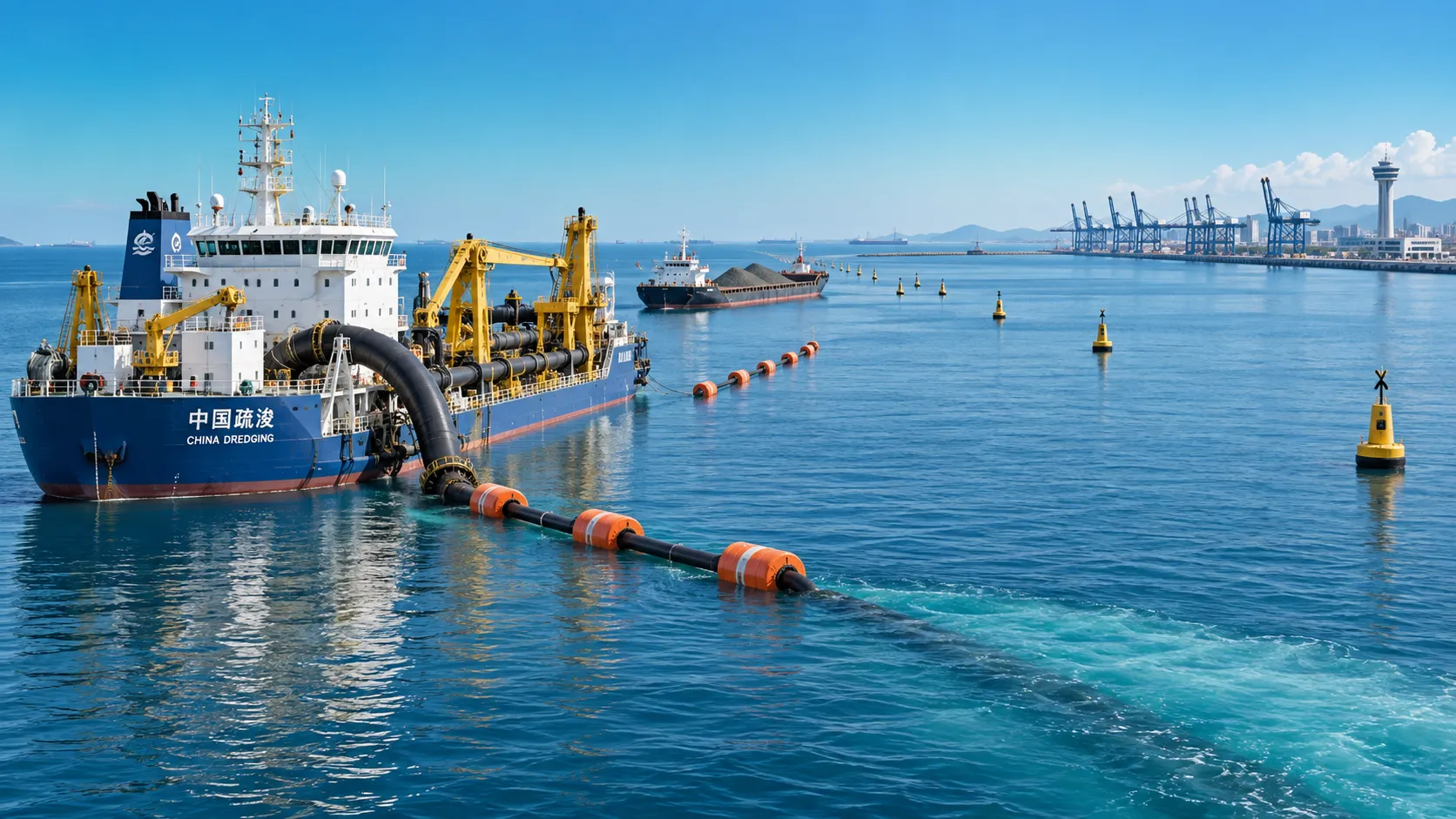
Planning Offshore Dredging Operations: Key Risks, Methods, and Project Controls
Offshore dredging operations demand smart planning. Explore key risks, proven methods, environmental controls, and project strategies for reliable delivery.