Related News
- 00
0000-00
How Can Port Equipment Lead-Time Risk Be Managed? - 00
0000-00
Maritime Logistics Operations: How Ports Can Reduce Container Dwell Time - 00
0000-00
What Does Logistics Node Monitoring Cost Across Warehouses and Transport Hubs? - 00
0000-00
How Can IoT Smart Port Solutions Improve Container Tracking and Yard Efficiency? - 00
0000-00
How Real-Time Port Logistics Intelligence Improves Container Yard Efficiency
How port logistics solutions cut delays across busy terminals
Across today’s congested gateways, port logistics solutions are becoming essential for cutting vessel waiting time, reducing yard bottlenecks, and improving cargo flow. For researchers tracking maritime efficiency, this article explores how smarter scheduling, automation, and data-driven coordination help busy terminals respond faster to disruption while sustaining throughput, cost control, and long-term operational resilience.
Why do busy terminals still suffer delays despite larger equipment fleets?
Many ports expand crane counts, yard vehicles, or berth capacity, yet congestion persists because delays rarely come from a single asset shortage. In most cases, the deeper issue is weak coordination between berth planning, yard allocation, gate operations, hinterland transport, and equipment dispatch.
That is where port logistics solutions create value. Instead of treating quay cranes, AGVs, RTGs, reach stackers, bulk handlers, and dredging support assets as separate systems, these solutions connect operational data, decision logic, and execution timing into one synchronized workflow.
For information researchers, this distinction matters. A terminal may own advanced heavy terminal gear, but if berth windows are unstable, truck arrivals are uneven, and yard blocks are poorly assigned, the result is still vessel delay, idle equipment, and higher demurrage exposure.
- Berth congestion grows when vessel ETA updates are not integrated into real-time planning.
- Yard bottlenecks increase when container stacking logic ignores outbound priority or reefer power demand.
- Landside delays worsen when gate appointments, rail slots, and truck dispatch remain disconnected from terminal operations.
- Maintenance-related disruptions escalate when asset condition data is not linked to operational scheduling.
PS-Nexus follows this full-chain view closely. Its intelligence coverage across terminal gear, automated container handling, port control systems, and marine engineering gives researchers a wider lens for understanding why terminal delay is often a systems problem rather than a simple capacity problem.
What are port logistics solutions actually solving in daily port operations?
At a practical level, port logistics solutions reduce friction between planning and execution. They improve how terminals assign labor, route vehicles, position containers, sequence loading moves, and respond to changes in weather, feeder schedules, dredging windows, or customs release timing.
Core delay points these systems target
- Vessel waiting at anchorage due to poor berth allocation or inaccurate arrival forecasting.
- Crane idle time caused by mismatched yard readiness and transport vehicle availability.
- Container rehandles created by weak slotting logic and poor discharge sequencing.
- Truck congestion at gates from non-smoothed appointment flows and document delays.
- Bulk cargo transfer interruptions where conveyor, storage, and shiploader timing are not harmonized.
In large hubs, even minor mismatches create cascading effects. If an AGV path is blocked, a quay crane can slow. If a crane slows, the berth window extends. If the berth window extends, the next vessel drifts off plan. This is why modern port logistics solutions increasingly rely on predictive scheduling rather than static shift-based planning.
The table below summarizes common terminal bottlenecks and the operational logic used by port logistics solutions to reduce them.
For researchers comparing different terminal strategies, this table highlights a key point: effective delay reduction depends on coordination logic. Hardware matters, but decision timing matters just as much.
Which technologies help port logistics solutions cut delays fastest?
The most effective port logistics solutions usually combine software intelligence with operational instrumentation. The exact mix varies by terminal type, but the strongest gains often come from technologies that improve visibility, prediction, and dispatch discipline.
High-impact technology layers
- Terminal Operating System integration that links berth, yard, vessel, gate, and billing events.
- Low-latency communication for remote-controlled cranes and synchronized movement commands.
- AGV or terminal truck path-planning algorithms that reduce crossing conflicts and waiting time.
- Predictive equipment monitoring to avoid crane, conveyor, or pump interruptions during peak windows.
- Data dashboards that turn operational events into actionable alerts for supervisors and planners.
PS-Nexus is especially relevant here because its analysis spans both heavy mechanical assets and algorithmic control logic. In practice, a terminal cannot fully benefit from automation if the software ignores the physical behavior of quay cranes, rubber-tired yard equipment, tidal access limits, or dredging-related draft constraints.
Researchers often focus only on software branding or only on equipment size. A better method is to ask how the full operating stack works together under real disruption: late vessels, wind restrictions, maintenance downtime, labor changeovers, rail delays, or unbalanced import-export flows.
How do manual, semi-automated, and fully integrated approaches compare?
Not every terminal needs the same level of digital maturity. Some facilities gain immediate value from better visibility and dispatch tools, while others justify deeper automation because vessel density, labor cost, or land scarcity is much higher.
The following comparison helps information researchers evaluate where different port logistics solutions fit operationally and strategically.
The comparison shows why procurement and planning decisions should not begin with automation hype alone. The right path depends on cargo mix, vessel profile, labor conditions, landside constraints, and the ability to integrate equipment, software, and communication systems.
What should researchers and buyers examine before choosing port logistics solutions?
Selection errors often occur because teams evaluate a platform in isolation. They compare interfaces or vendor claims but overlook operational fit. A better review process asks whether the solution can handle the terminal’s true bottlenecks, equipment mix, and expansion path.
Practical evaluation checklist
- Can it integrate with existing TOS, ERP, customs, gate, and maintenance systems without excessive middleware complexity?
- Does it support mixed operations such as containers, bulk cargo, project cargo, or dredging-linked berth restrictions?
- How well does it perform during peak exceptions, not just in steady-state demonstrations?
- What event data is required for effective planning, and is that data already available with acceptable accuracy?
- Can operational teams explain and trust the recommendations, or does the logic remain opaque?
- Is the rollout modular enough to deliver staged value instead of requiring one large operational reset?
For long-cycle port infrastructure decisions, PS-Nexus adds value by connecting market intelligence with engineering logic. That helps researchers judge whether a solution suits a short-term congestion fix, a medium-term expansion phase, or a larger automation roadmap tied to blue economy development and net-zero transition goals.
What implementation risks are often underestimated?
Even promising port logistics solutions can disappoint if rollout assumptions are unrealistic. Delay reduction is not automatic after software installation. Benefits depend on data discipline, change management, operational redesign, and clear ownership across terminal functions.
Common mistakes that weaken results
- Assuming historical averages are enough, while live operational variability remains unmodeled.
- Automating poor workflows instead of redesigning them before digitization.
- Ignoring communication latency in remote equipment control environments.
- Underestimating training needs for planners, supervisors, and maintenance teams.
- Measuring only equipment utilization while neglecting berth productivity, dwell time, and truck turn time.
Researchers should also note that physical marine conditions matter. Draft limitations, dredging cycles, tidal access, and quay layout constraints can reduce the effectiveness of otherwise strong digital optimization. That is one reason cross-domain intelligence remains valuable in port decision-making.
How are standards, resilience, and future trends shaping port logistics solutions?
Busy terminals now face more than throughput pressure. They must also improve resilience, cybersecurity awareness, emissions performance, and interoperability. As a result, port logistics solutions are evolving from standalone planning tools into strategic operating layers for smarter port ecosystems.
Key direction changes to watch
- Greater use of predictive analytics to model congestion before it materializes.
- Closer linking of automation control systems with energy monitoring and net-zero operating targets.
- Wider adoption of digital twins for testing berth, yard, and vehicle scenarios before live deployment.
- Stronger attention to interoperable data exchange and secure remote operations architecture.
General compliance review may include operational safety procedures, equipment communication reliability, information security governance, and environmental reporting practices. Exact requirements vary by port authority, region, terminal type, and ownership structure, so solution assessment should stay grounded in local operational context.
FAQ: what do researchers most often ask about port logistics solutions?
How quickly can port logistics solutions reduce delays?
Timing depends on the starting point. If a terminal already has stable event data and only needs better dispatch and planning logic, gains can appear relatively quickly. If data quality is poor or workflows require redesign, the improvement path is longer but usually more durable.
Are port logistics solutions only for fully automated terminals?
No. Semi-automated and even largely manual terminals can benefit from berth planning tools, gate appointment systems, yard slotting logic, and maintenance-linked scheduling. Full automation is only one end of the maturity spectrum.
What data matters most when evaluating these systems?
High-value inputs typically include vessel ETA updates, berth occupancy, crane status, yard inventory location, truck appointments, rail schedules, and equipment health data. The more accurate and timely the data, the more useful the optimization recommendations become.
What is the biggest misconception during solution selection?
A common misconception is that the most advanced interface or the highest automation label will solve congestion alone. In reality, the best port logistics solutions are the ones that match actual operational constraints, integrate with existing assets, and support phased execution.
Why choose us when researching port logistics solutions?
PS-Nexus supports information researchers who need more than surface-level market summaries. Our perspective connects mega terminal gear, bulk handling machinery, specialized container handling, automation and control systems, dredging engineering equipment, and strategic maritime intelligence into one decision framework.
That means you can consult us on practical topics such as berth and yard coordination logic, equipment matching, automation pathway analysis, communication architecture considerations, likely delivery planning factors, and the operational implications of different solution models.
If you are comparing port logistics solutions, contact PS-Nexus for focused support on parameter confirmation, solution selection logic, integration priorities, deployment sequencing, compliance considerations, and commercial insight for long-cycle port infrastructure decisions. We help turn fragmented port data into clearer operational judgment.
Related News
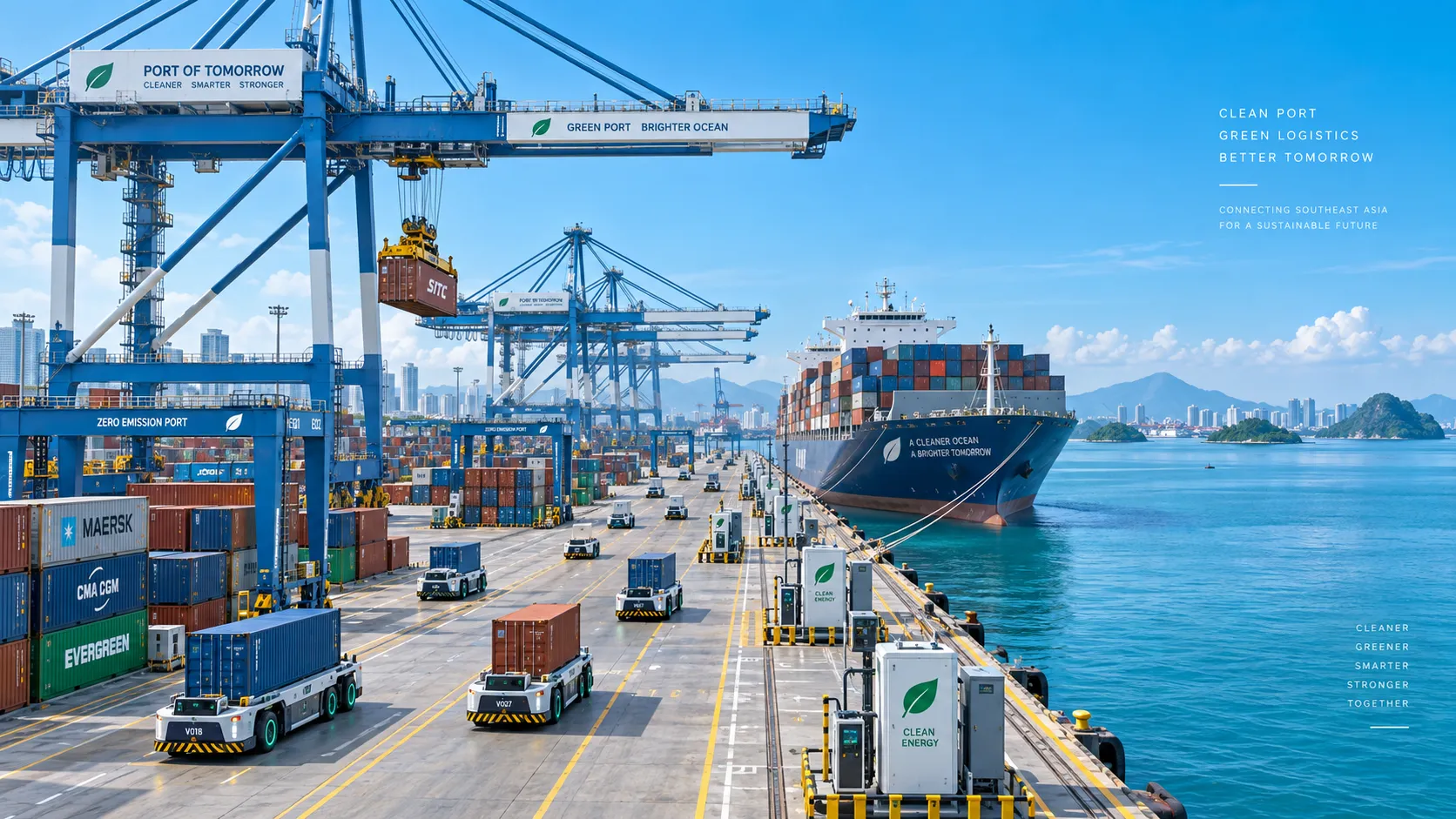
Smart Port Systems in Southeast Asia: Investment Priorities and Adoption Barriers
Smart port systems Southeast Asia: discover investment priorities, adoption barriers, and practical steps to build resilient, connected, high-performing terminals.
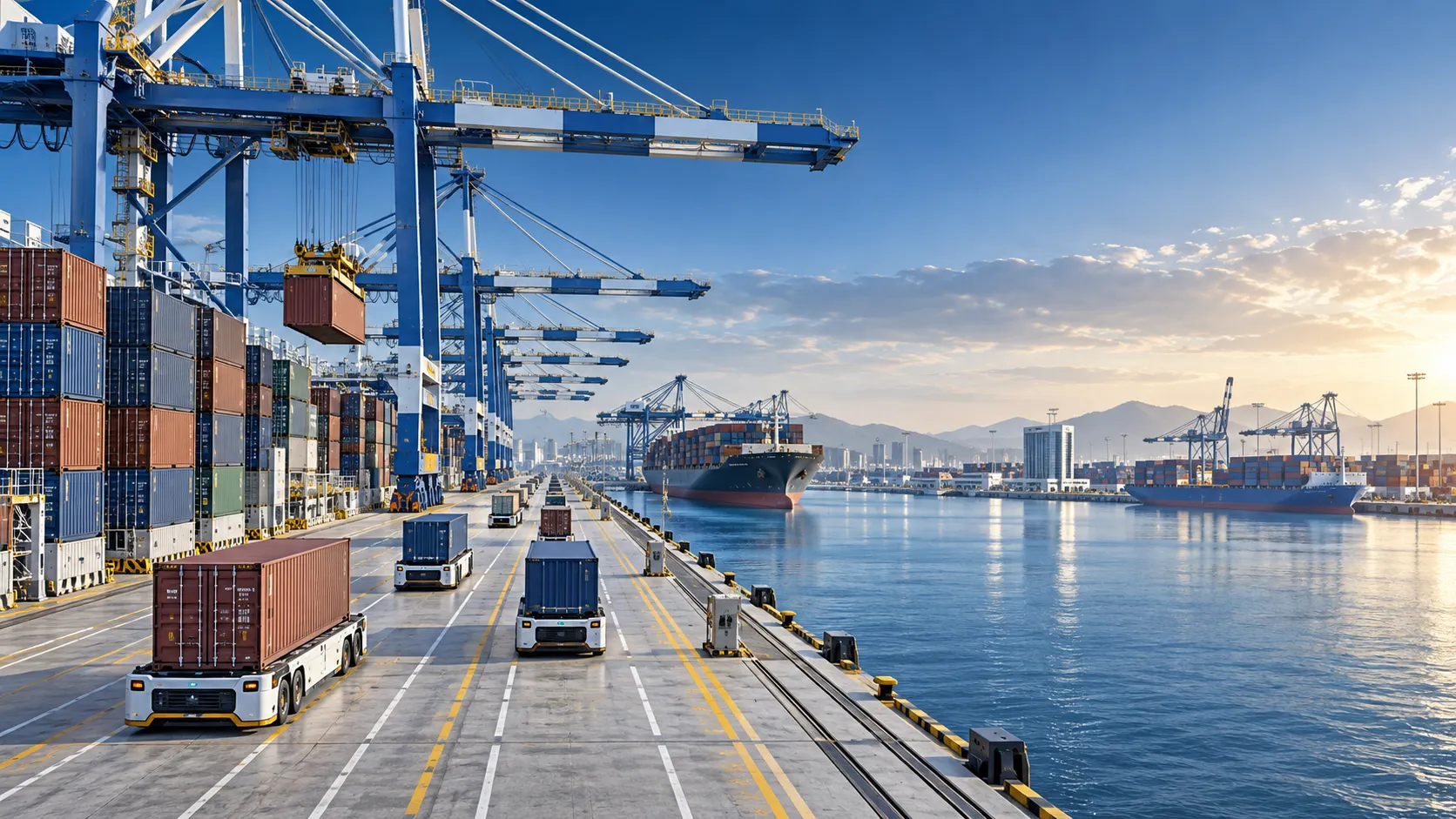
How to Evaluate Terminal Efficiency Solution Suppliers for High-Throughput Operations
Choose a terminal efficiency solutions supplier with confidence. Explore proven criteria for throughput, integration, lifecycle cost, safety, and reliable delivery.
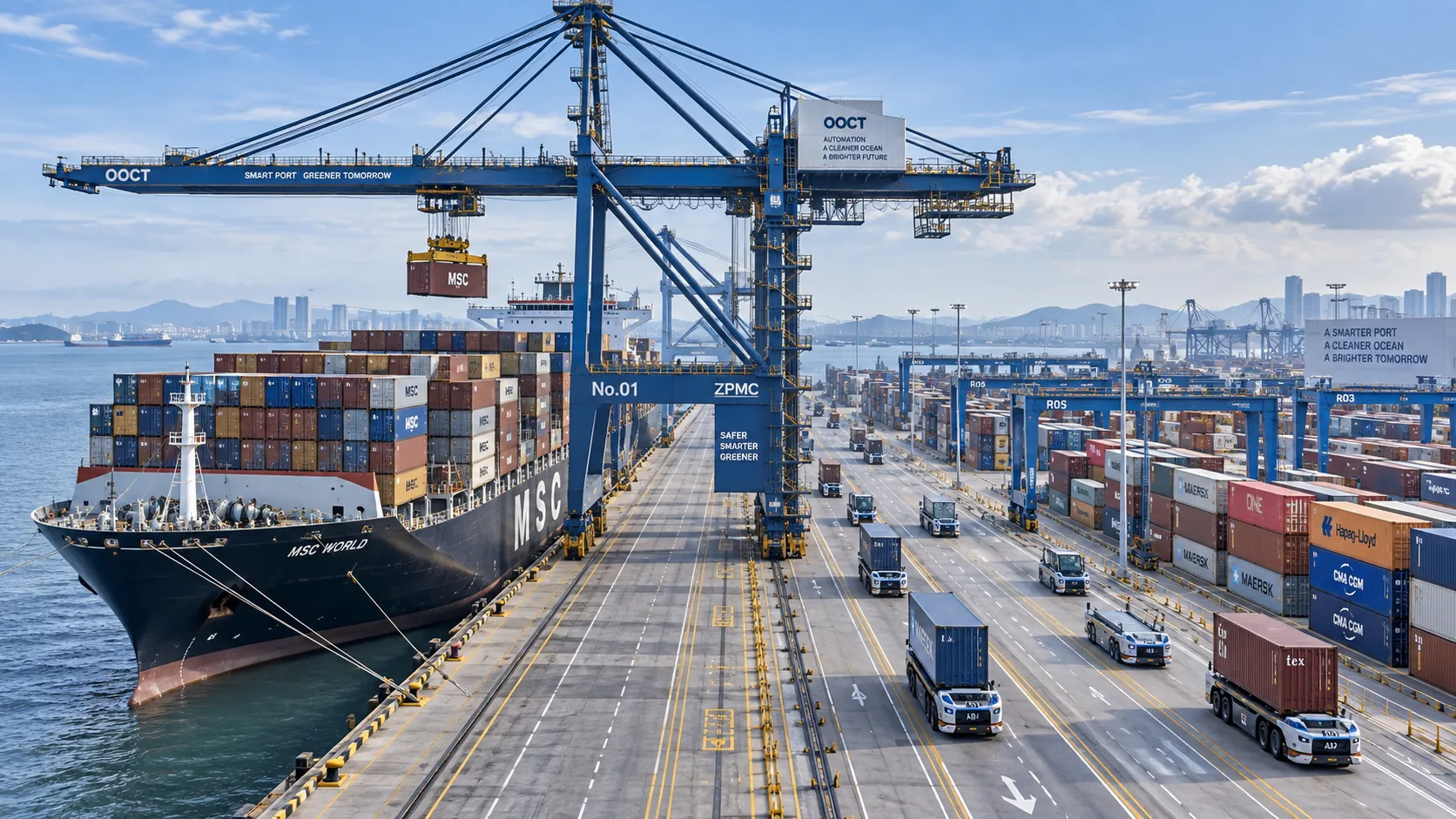
How to Specify a Quay Crane for Container Terminals by Vessel Size and Throughput?
Quay crane for container terminals: learn how to match outreach, lift height, capacity, automation, and cycle performance to vessel size and throughput goals.
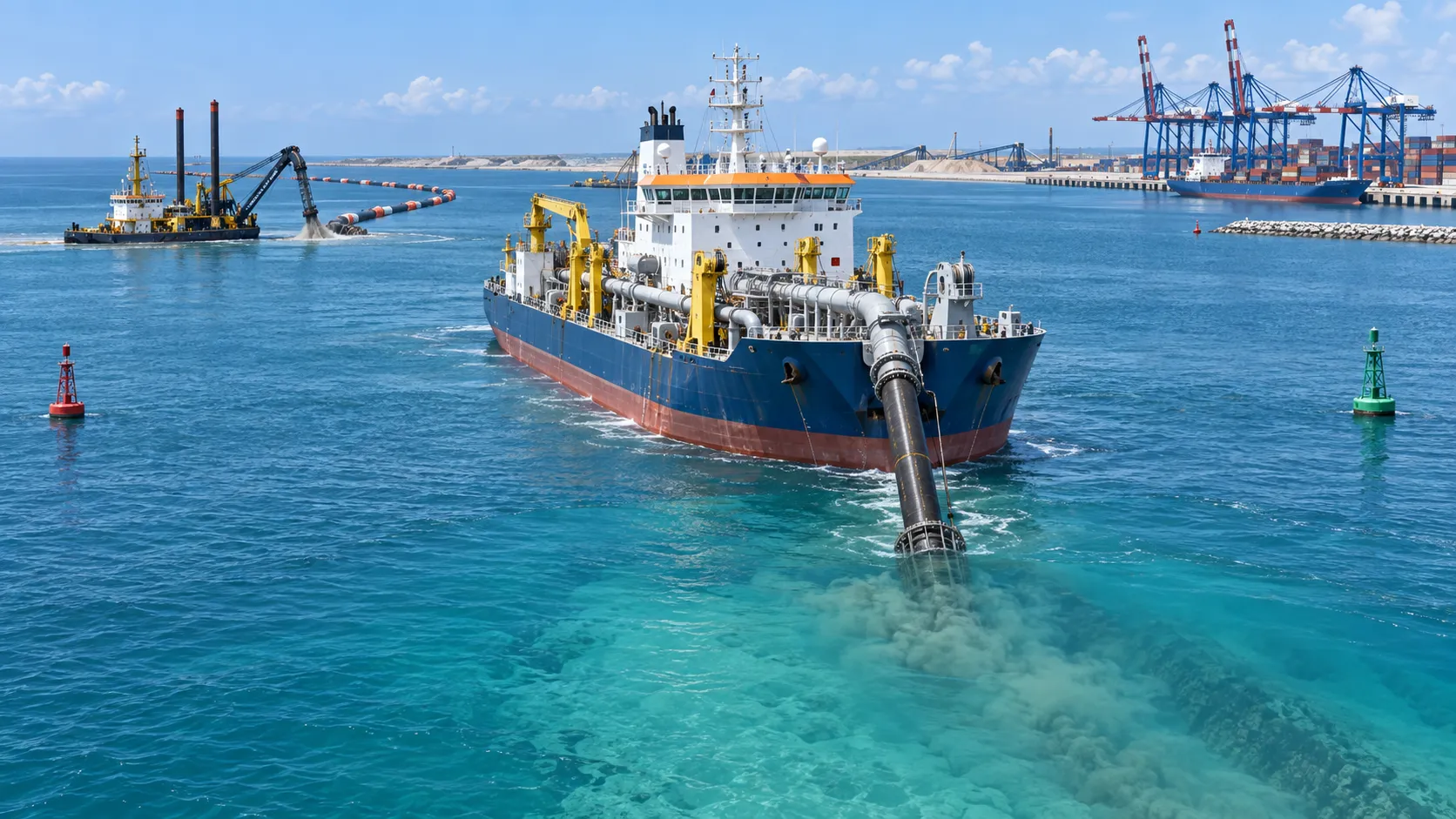
What Dredging Equipment Is Needed for Channel Deepening?
What dredging equipment is needed for channel deepening? Explore dredgers, pipelines, survey tools, and planning strategies for safer, more efficient port access.
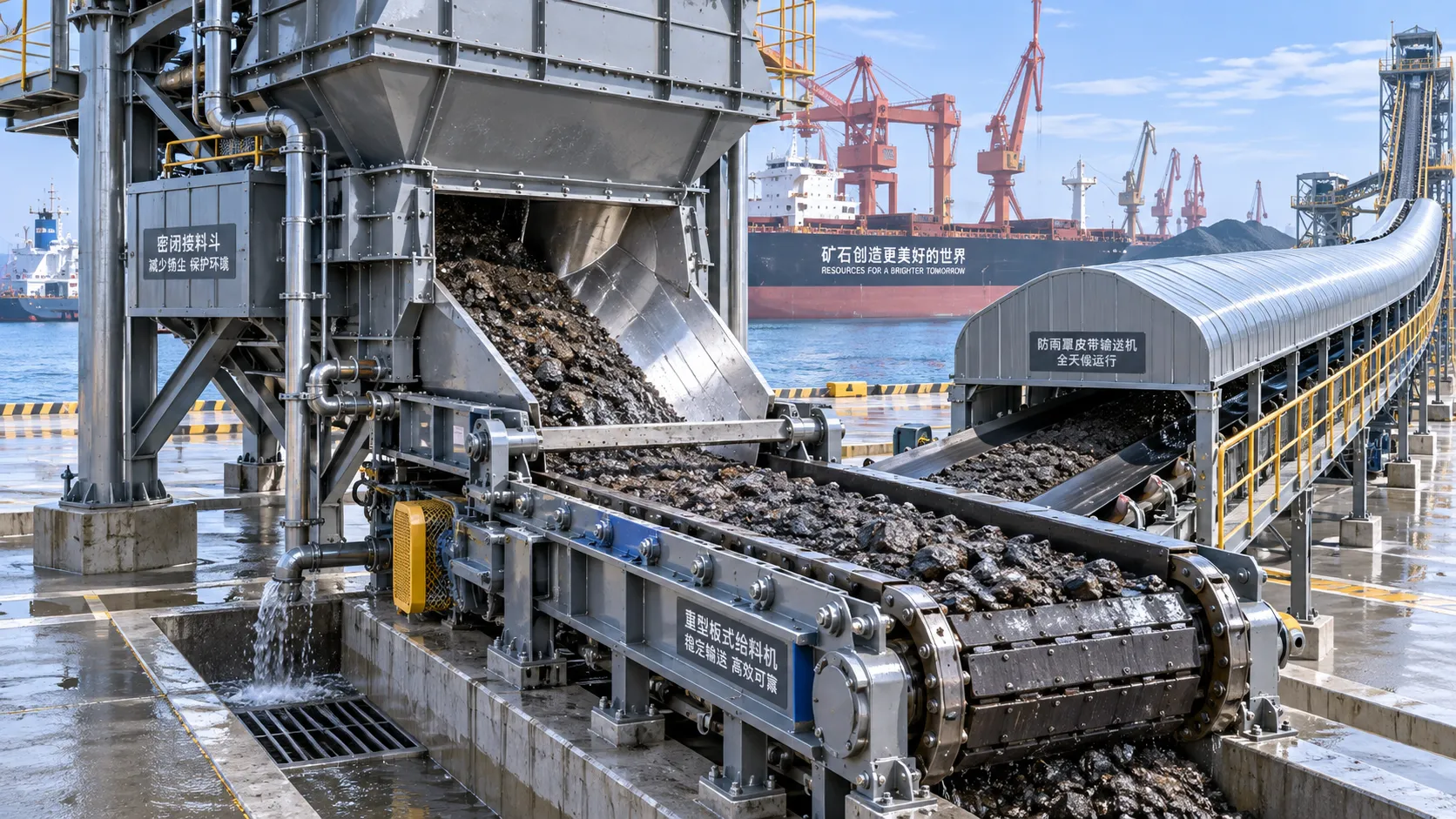
Which Bulk Handling Equipment Suits High-Moisture Cargo?
Which bulk handling equipment suits high-moisture cargo? Compare belt, apron, screw, drag, and slurry systems for reliable flow, less carryback, and higher terminal uptime.
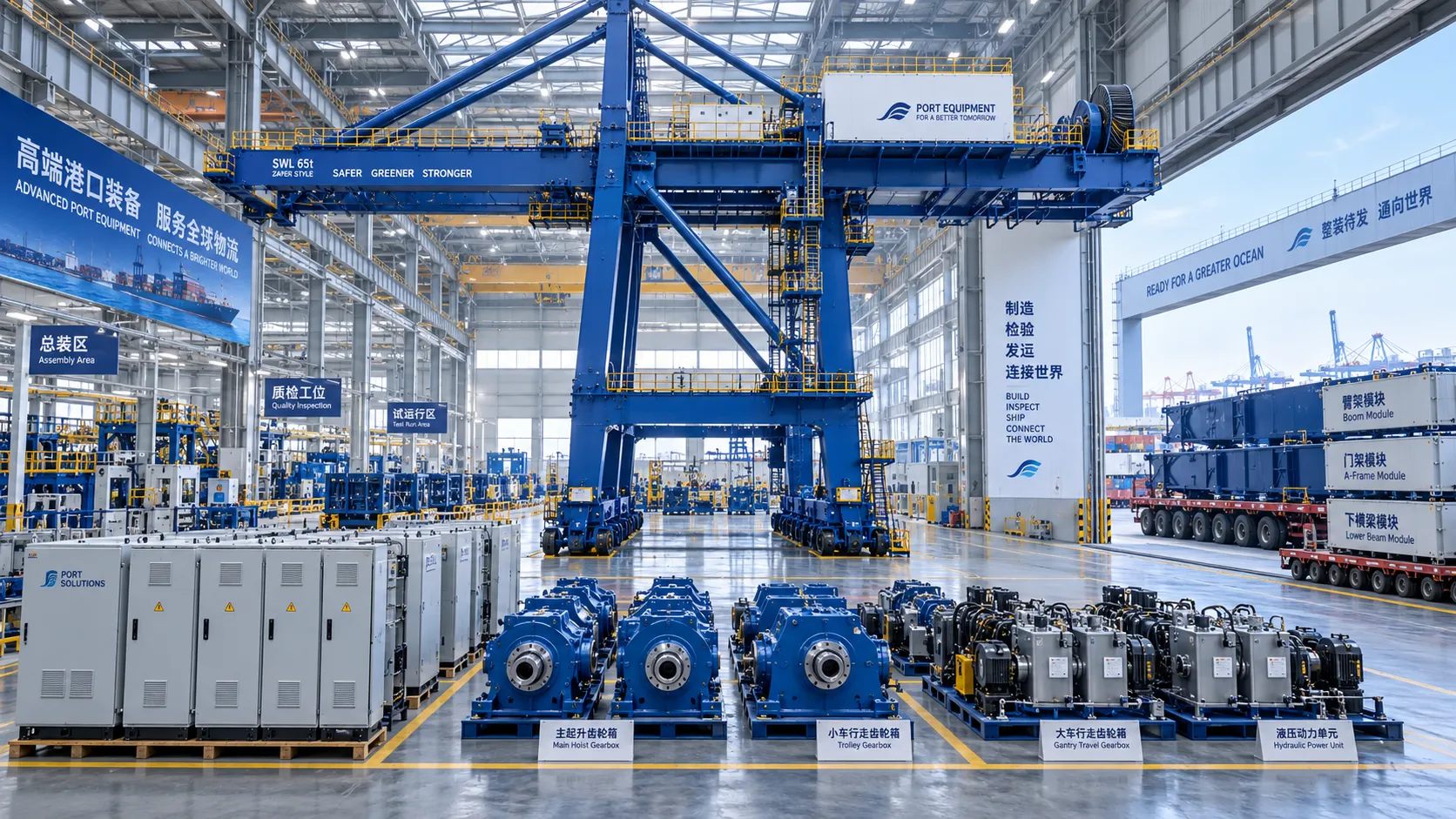
How Can Port Equipment Lead-Time Risk Be Managed?
How can port equipment lead-time risk be managed? Explore practical strategies to control critical paths, suppliers, transport, site readiness, and commissioning delays.
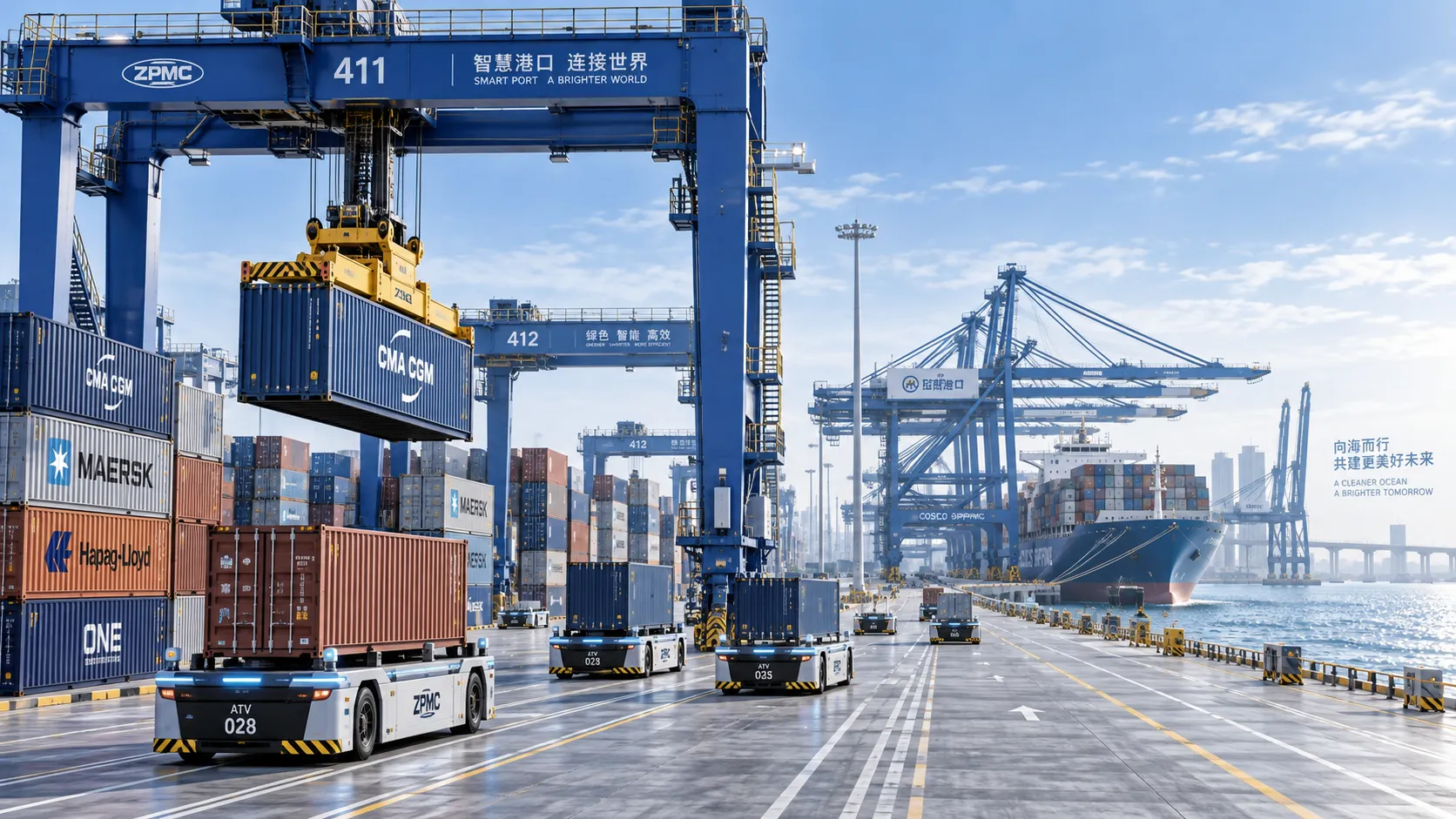
Terminal Automation Technologies That Raise Container Throughput Without Yard Disruption
Terminal automation technology that increases container throughput without disrupting yard flow. Explore smarter integration, resilient workflows, and phased deployment strategies.
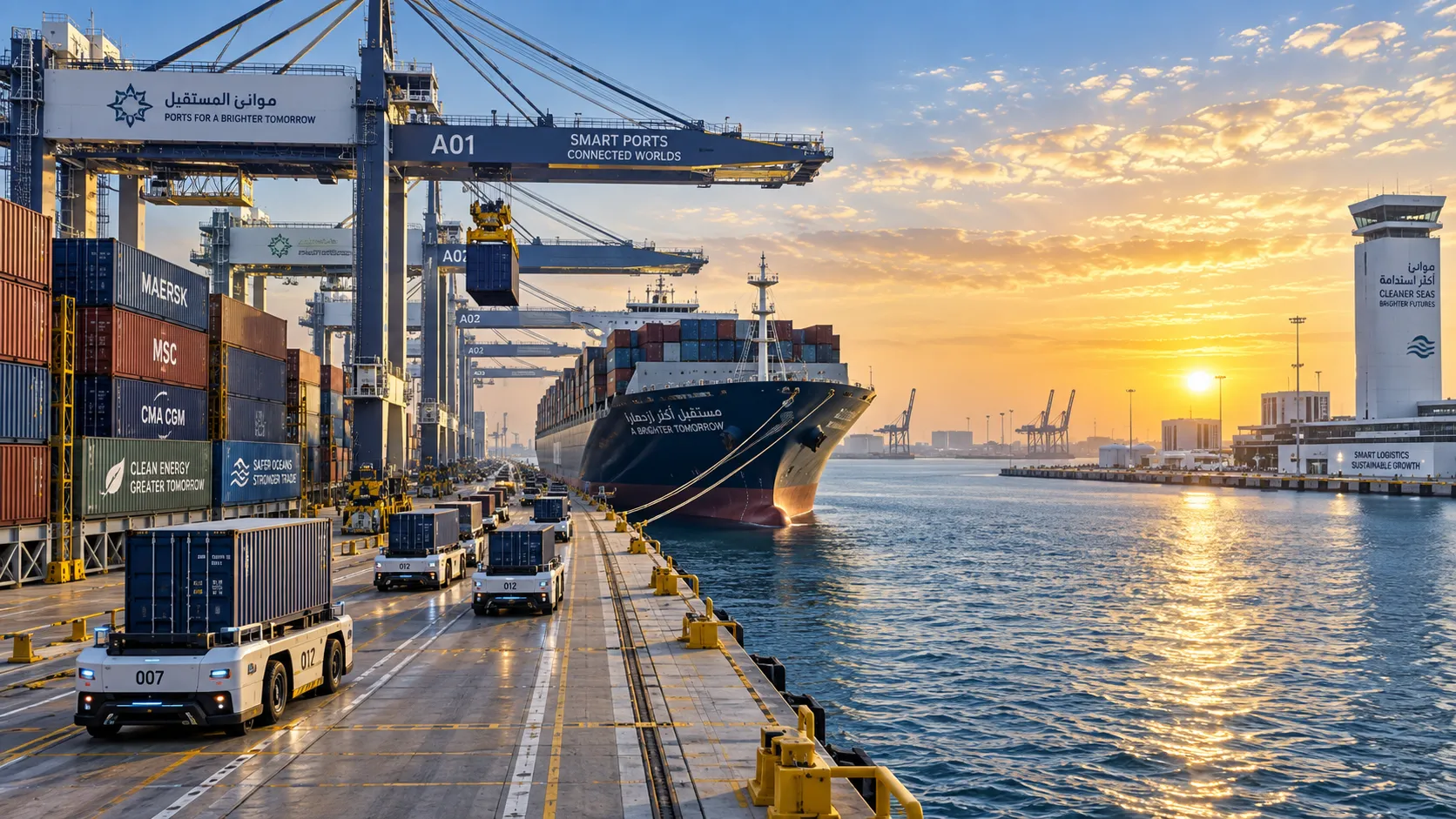
Middle East Port Automation: Key Market Drivers, Projects, and Investment Risks
Port automation systems Middle East: explore market drivers, flagship projects, integration challenges, and investment risks shaping smarter, resilient terminals.
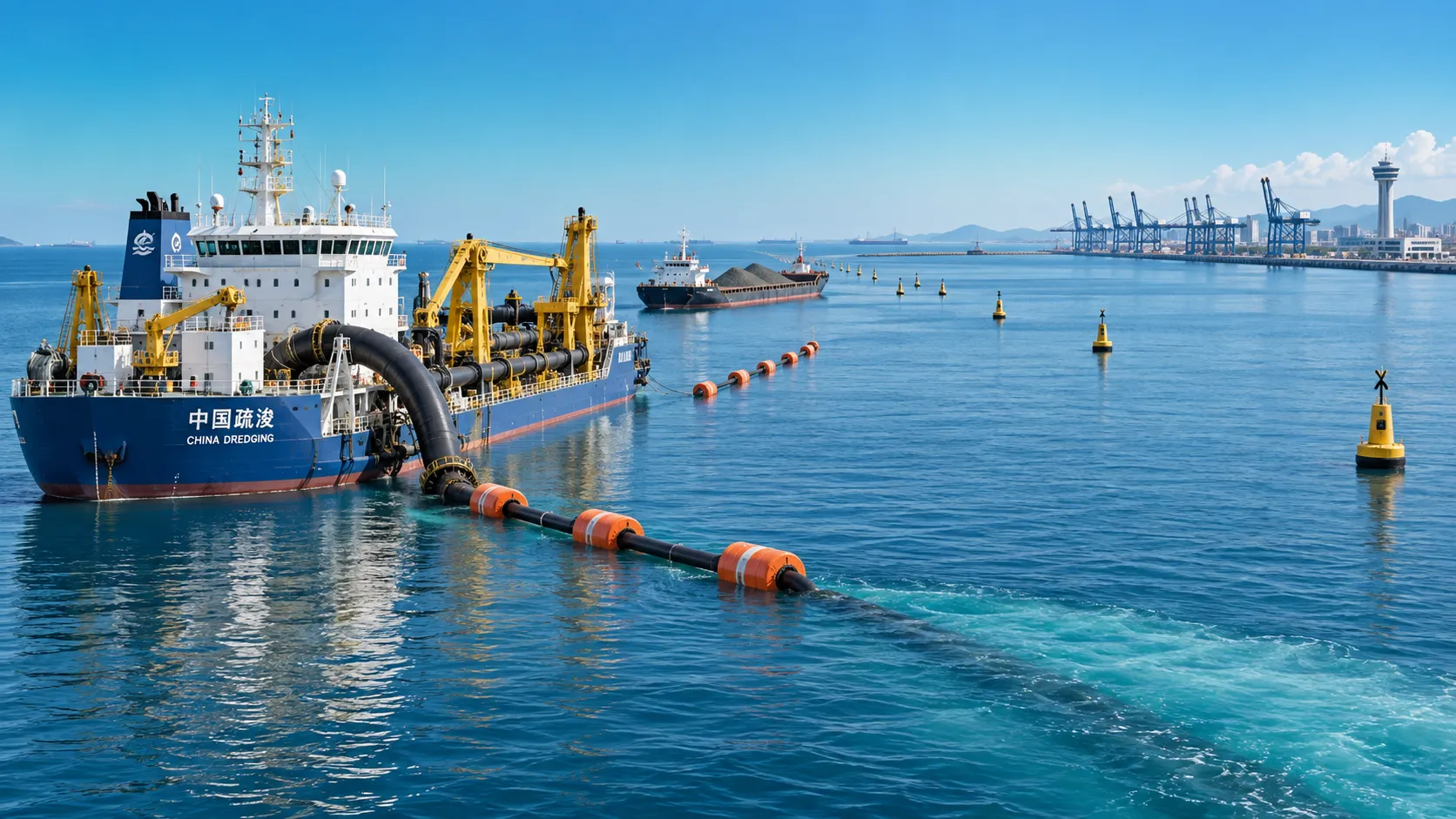
Planning Offshore Dredging Operations: Key Risks, Methods, and Project Controls
Offshore dredging operations demand smart planning. Explore key risks, proven methods, environmental controls, and project strategies for reliable delivery.