Related News
- 00
0000-00
How to Evaluate Terminal Efficiency Solution Suppliers for High-Throughput Operations - 00
0000-00
What to Consider When Buying Electric Port Machinery for Container Terminals - 00
0000-00
How to Select Container Handling Equipment for Middle East Ports and Terminals - 00
0000-00
How to Evaluate a Port Machinery Exporter for Large-Scale Terminal Projects - 00
0000-00
Evaluating a Dredging Equipment Manufacturer for Mining Plant Supply
How to compare a reliable port infrastructure supplier
Choosing a reliable port infrastructure supplier can directly impact terminal efficiency, project timelines, and long-term operating costs. A sound comparison should look beyond bid price and examine engineering depth, automation readiness, marine durability, and service continuity. In a market shaped by larger vessels, tighter emissions targets, and digitalized cargo flows, a structured evaluation method reduces risk and improves investment outcomes.
Why a checklist matters when comparing a port infrastructure supplier
Port projects combine civil works, heavy equipment, software, controls, and marine environmental constraints. That complexity makes informal supplier comparison unreliable and expensive over time.
A checklist creates a repeatable way to compare each port infrastructure supplier across technical, commercial, and operational dimensions. It also makes trade-offs visible before contracts are signed.
For terminals planning cranes, yard systems, dredging interfaces, quay upgrades, or automation platforms, disciplined supplier screening helps avoid fragmented integration and hidden lifecycle costs.
Core checklist to compare a reliable port infrastructure supplier
- Verify project references in comparable ports, vessel classes, and cargo profiles, then confirm delivered throughput, uptime, and commissioning performance rather than relying on generic case studies.
- Assess engineering capability across mechanical systems, electrical architecture, marine foundations, corrosion protection, and control logic to confirm the supplier can manage full-system complexity.
- Check automation integration with TOS, PLC, SCADA, AGV routing, remote crane operation, and safety interlocks so the port infrastructure supplier fits future digital expansion.
- Review compliance with ISO, IEC, FEM, local port authority standards, and environmental rules, especially where dredging, shore power, or hazardous bulk handling are involved.
- Examine lifecycle service coverage, including spare parts strategy, field response times, predictive maintenance tools, and remote diagnostics for long operating cycles in harsh marine conditions.
- Compare manufacturing quality controls, welding procedures, factory acceptance testing, and digital documentation to reduce defects before offshore transport and site installation begin.
- Measure financial resilience, insurance coverage, and supply chain stability because a reliable port infrastructure supplier must withstand long lead times and commodity price volatility.
- Confirm customization discipline by asking how layout constraints, berth geometry, soil conditions, and cargo mix are translated into design parameters and operating envelopes.
- Test total cost of ownership, not only capex, by modeling energy use, consumables, software licenses, maintenance hours, and expected service life under realistic utilization rates.
- Request a clear implementation roadmap covering engineering review gates, logistics sequencing, site readiness, commissioning milestones, training, and performance acceptance criteria.
How to score each supplier objectively
Use weighted scoring instead of open-ended discussion. This keeps the comparison between each port infrastructure supplier transparent and easier to defend internally.
Scenario-based factors that change the comparison
Container terminals
For container terminals, the right port infrastructure supplier should prove integration between quay cranes, yard equipment, OCR, TOS interfaces, and traffic orchestration. Isolated machinery performance is not enough.
Look closely at cycle time consistency, remote operations, anti-collision logic, and expansion pathways for semi-automated or fully automated yards. Software interoperability often determines long-term value.
Bulk and energy terminals
Bulk facilities require a port infrastructure supplier with expertise in conveyors, stacker-reclaimers, shiploaders, dust suppression, and wear management. Material properties strongly affect reliability and maintenance planning.
Evaluate how the supplier handles abrasive cargo, high throughput peaks, and environmental compliance. Transfer point design, sealing efficiency, and emergency shutdown logic deserve special attention.
Dredging-linked expansion projects
Where berth deepening and land reclamation support terminal expansion, the port infrastructure supplier should coordinate with dredging, geotechnical, and marine civil interfaces from the start.
Check sediment handling assumptions, settlement risk, quay load limits, and construction sequencing. Poor interface management can delay commissioning even when equipment itself is technically sound.
Retrofit and brownfield modernization
Brownfield upgrades demand a port infrastructure supplier that can work around live operations, legacy controls, and restricted footprints. Retrofit expertise is different from greenfield delivery capability.
Ask for outage planning methods, migration strategies, and examples of phased commissioning. The best supplier minimizes disruption while preserving safety and measurable throughput gains.
Commonly overlooked risks when selecting a port infrastructure supplier
Underestimating marine environmental stress
Salt spray, humidity, wind loading, and tidal exposure accelerate failure. A credible port infrastructure supplier should define coating systems, sealing standards, and corrosion allowances in detail.
Accepting vague integration promises
Many proposals claim compatibility with existing systems but omit interface responsibilities. Demand named protocols, data structures, cybersecurity scope, and test ownership before award.
Ignoring spare parts localization
A low initial price can become expensive if critical components have long replenishment cycles. Compare local inventory plans, substitute parts policy, and obsolescence management.
Missing operator and technician training depth
Advanced systems fail to deliver value when training is shallow. The port infrastructure supplier should provide simulation, troubleshooting procedures, and role-specific competency transfer.
Focusing only on present throughput
Terminal demand, vessel size, and automation maturity change over time. Select a port infrastructure supplier that can support modular upgrades without redesigning the full asset base.
Practical steps to execute the comparison
- Define operating requirements first, including berth conditions, target throughput, cargo profile, automation level, and maintenance philosophy before issuing technical documents.
- Send the same data package to every port infrastructure supplier so pricing, scope boundaries, and engineering assumptions stay comparable from the beginning.
- Run technical clarification workshops to challenge assumptions on interfaces, foundations, software layers, and marine durability instead of relying only on written proposals.
- Visit operating reference sites and speak with users about downtime causes, service responsiveness, and post-handover support quality under real cargo conditions.
- Negotiate performance metrics into the contract, including availability, commissioning windows, training deliverables, and liquidated damages tied to measurable acceptance tests.
Final takeaway and next action
To compare a reliable port infrastructure supplier, use a structured framework that balances reference performance, engineering capability, automation integration, lifecycle support, and total ownership cost. This approach reveals which supplier can perform under real marine and logistics pressure.
Start by building a weighted checklist, standardizing bid inputs, and validating claims through site references and interface reviews. A disciplined process turns supplier selection from a price exercise into a long-term infrastructure decision.
Related News
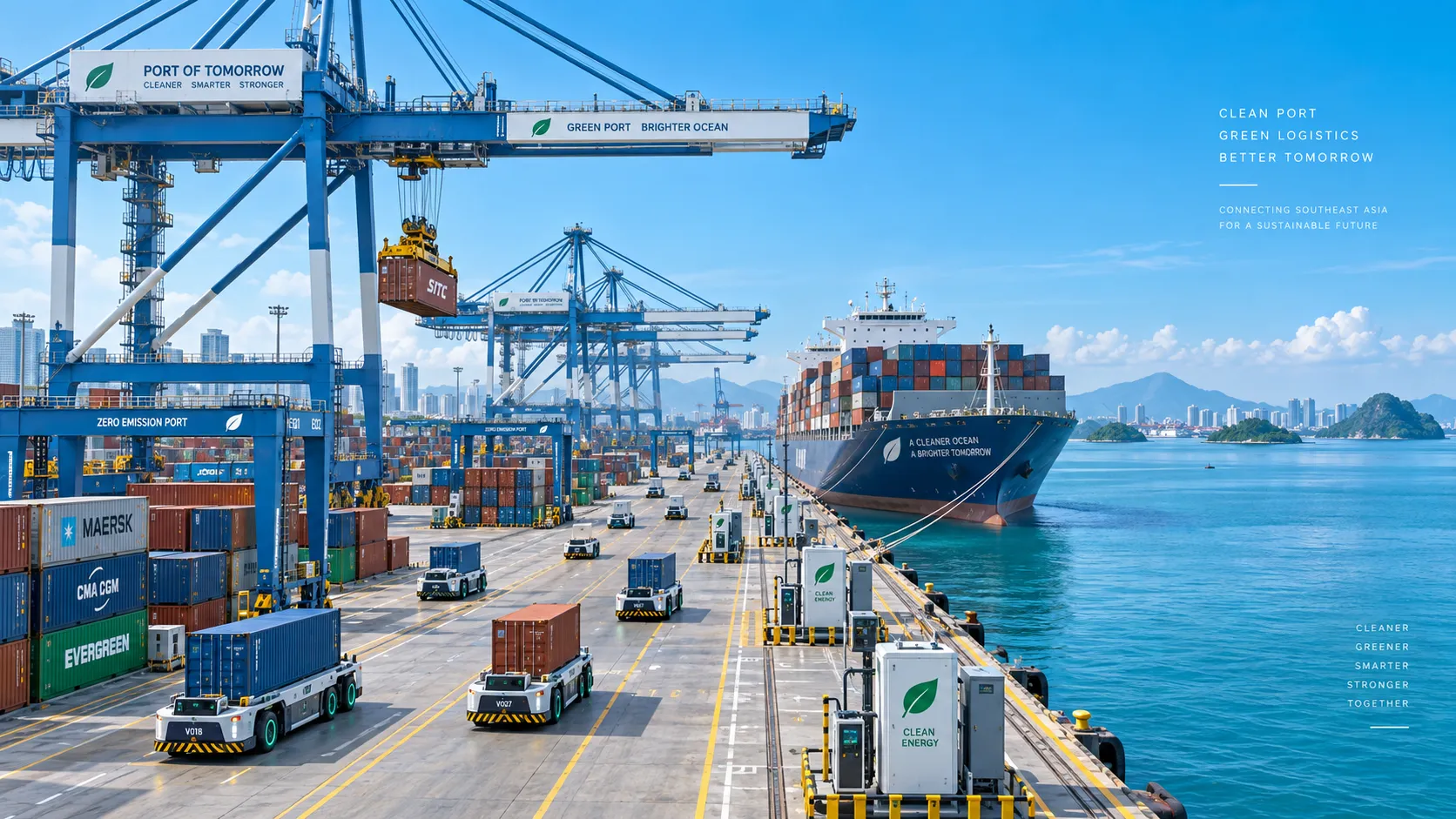
Smart Port Systems in Southeast Asia: Investment Priorities and Adoption Barriers
Smart port systems Southeast Asia: discover investment priorities, adoption barriers, and practical steps to build resilient, connected, high-performing terminals.

How to Evaluate Terminal Efficiency Solution Suppliers for High-Throughput Operations
Choose a terminal efficiency solutions supplier with confidence. Explore proven criteria for throughput, integration, lifecycle cost, safety, and reliable delivery.
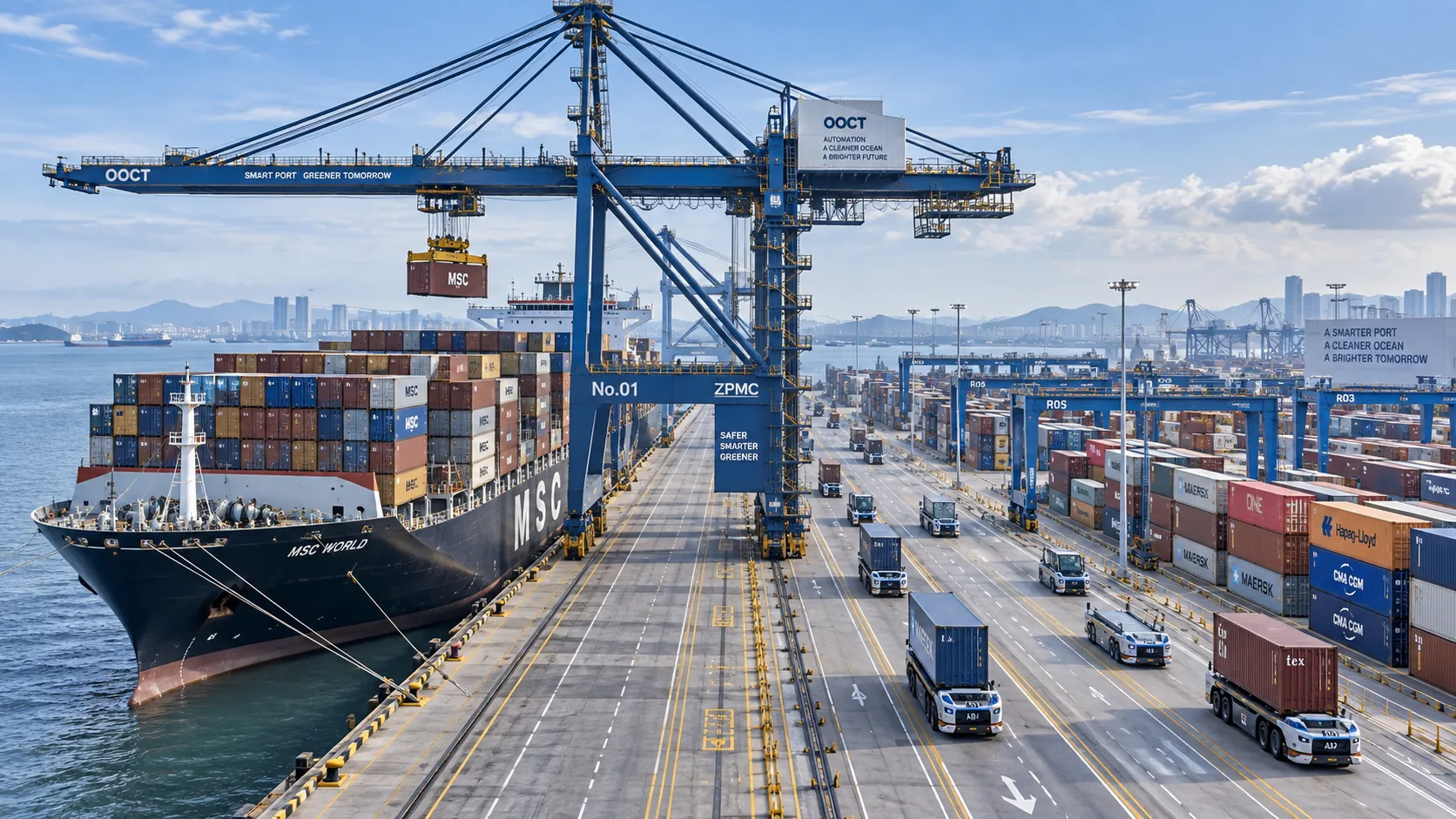
How to Specify a Quay Crane for Container Terminals by Vessel Size and Throughput?
Quay crane for container terminals: learn how to match outreach, lift height, capacity, automation, and cycle performance to vessel size and throughput goals.
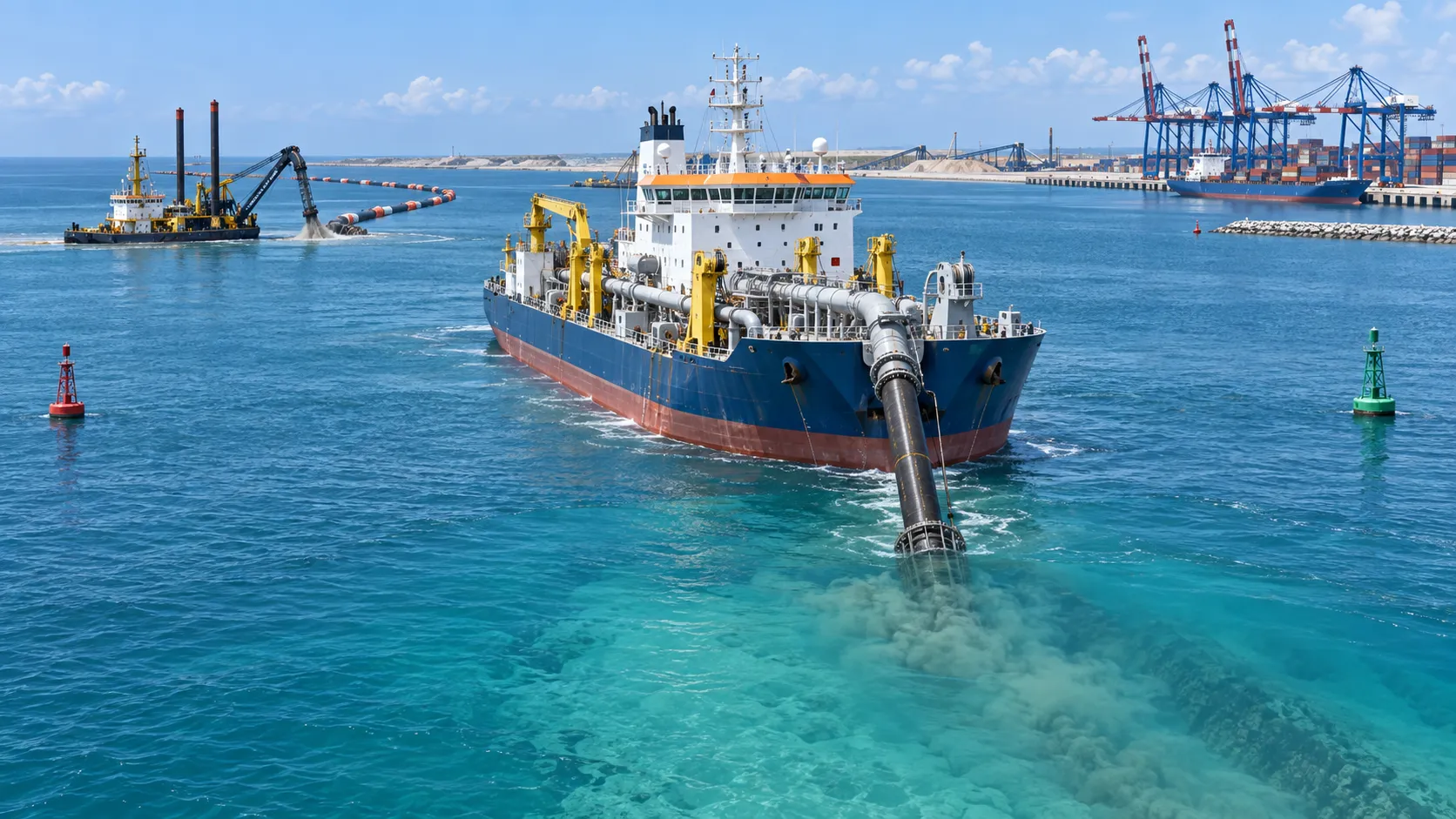
What Dredging Equipment Is Needed for Channel Deepening?
What dredging equipment is needed for channel deepening? Explore dredgers, pipelines, survey tools, and planning strategies for safer, more efficient port access.
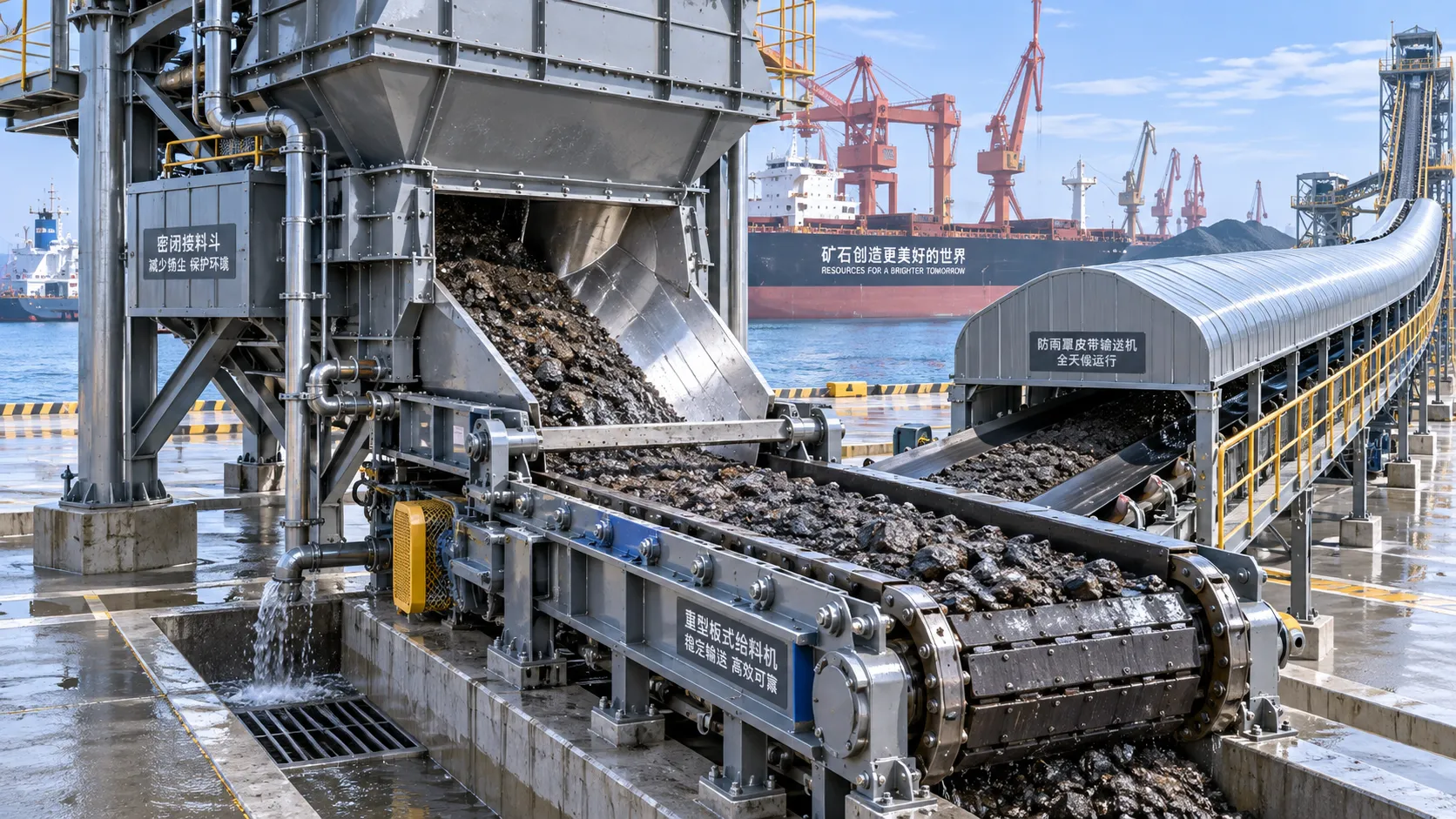
Which Bulk Handling Equipment Suits High-Moisture Cargo?
Which bulk handling equipment suits high-moisture cargo? Compare belt, apron, screw, drag, and slurry systems for reliable flow, less carryback, and higher terminal uptime.
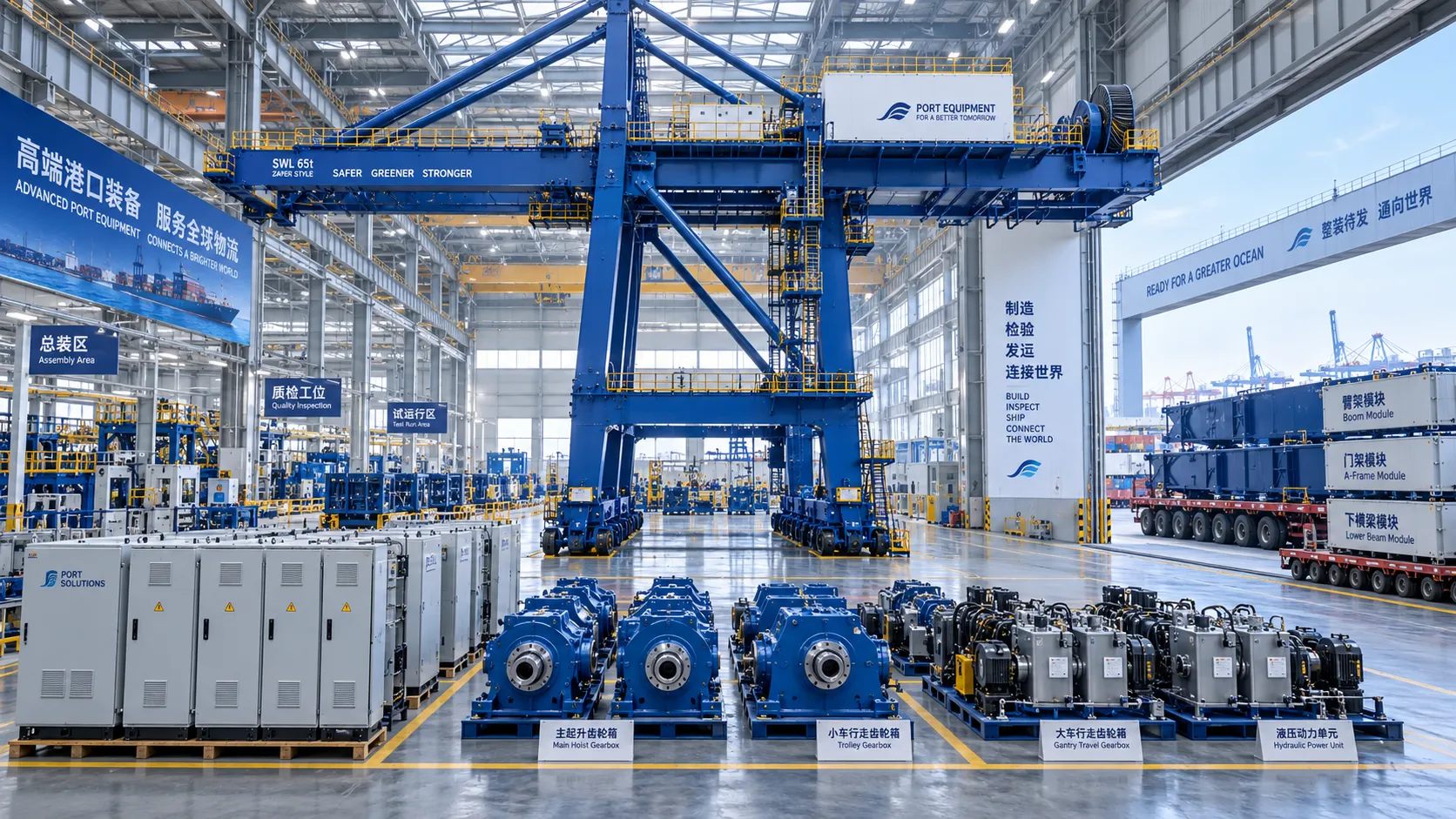
How Can Port Equipment Lead-Time Risk Be Managed?
How can port equipment lead-time risk be managed? Explore practical strategies to control critical paths, suppliers, transport, site readiness, and commissioning delays.
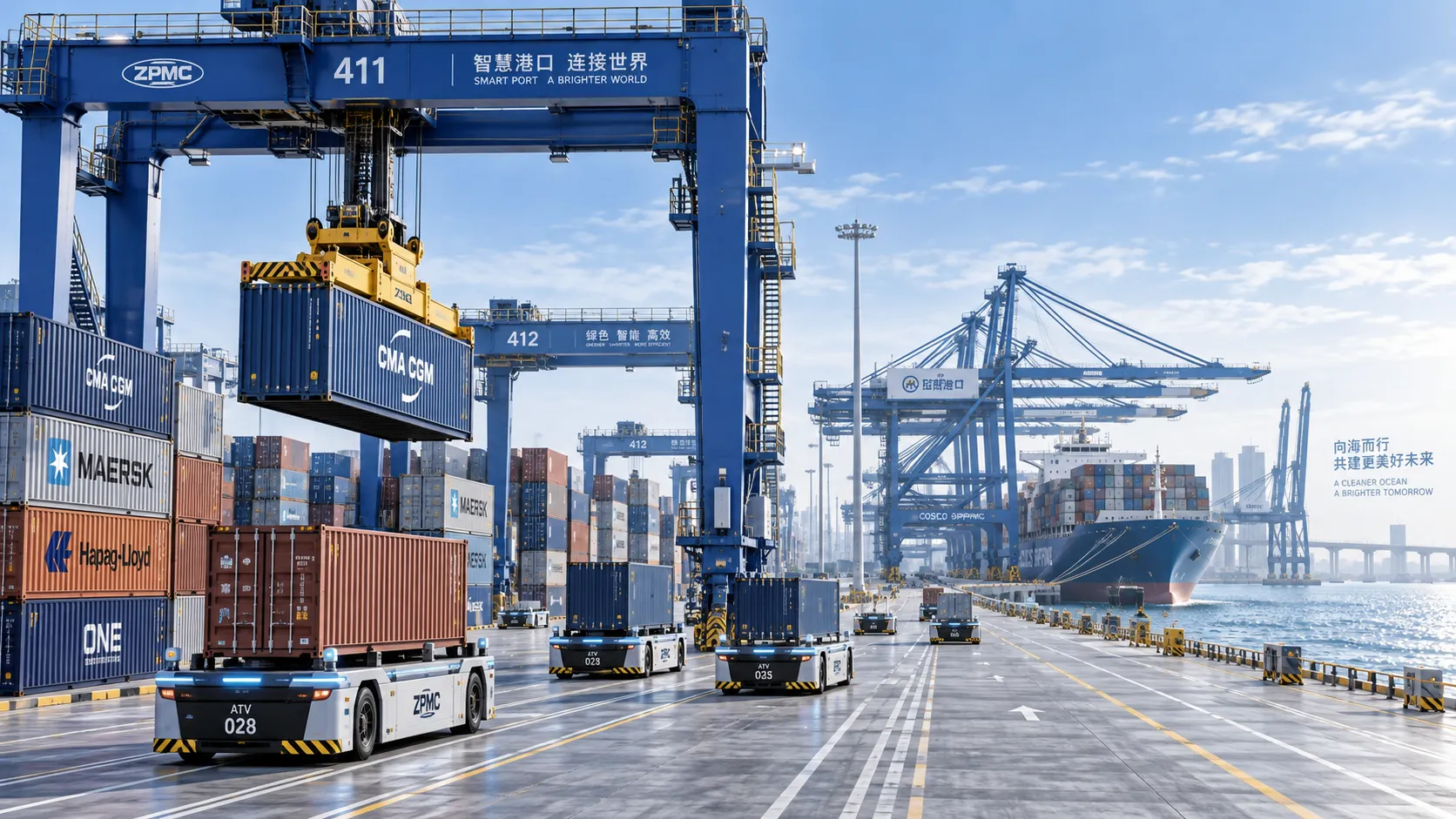
Terminal Automation Technologies That Raise Container Throughput Without Yard Disruption
Terminal automation technology that increases container throughput without disrupting yard flow. Explore smarter integration, resilient workflows, and phased deployment strategies.
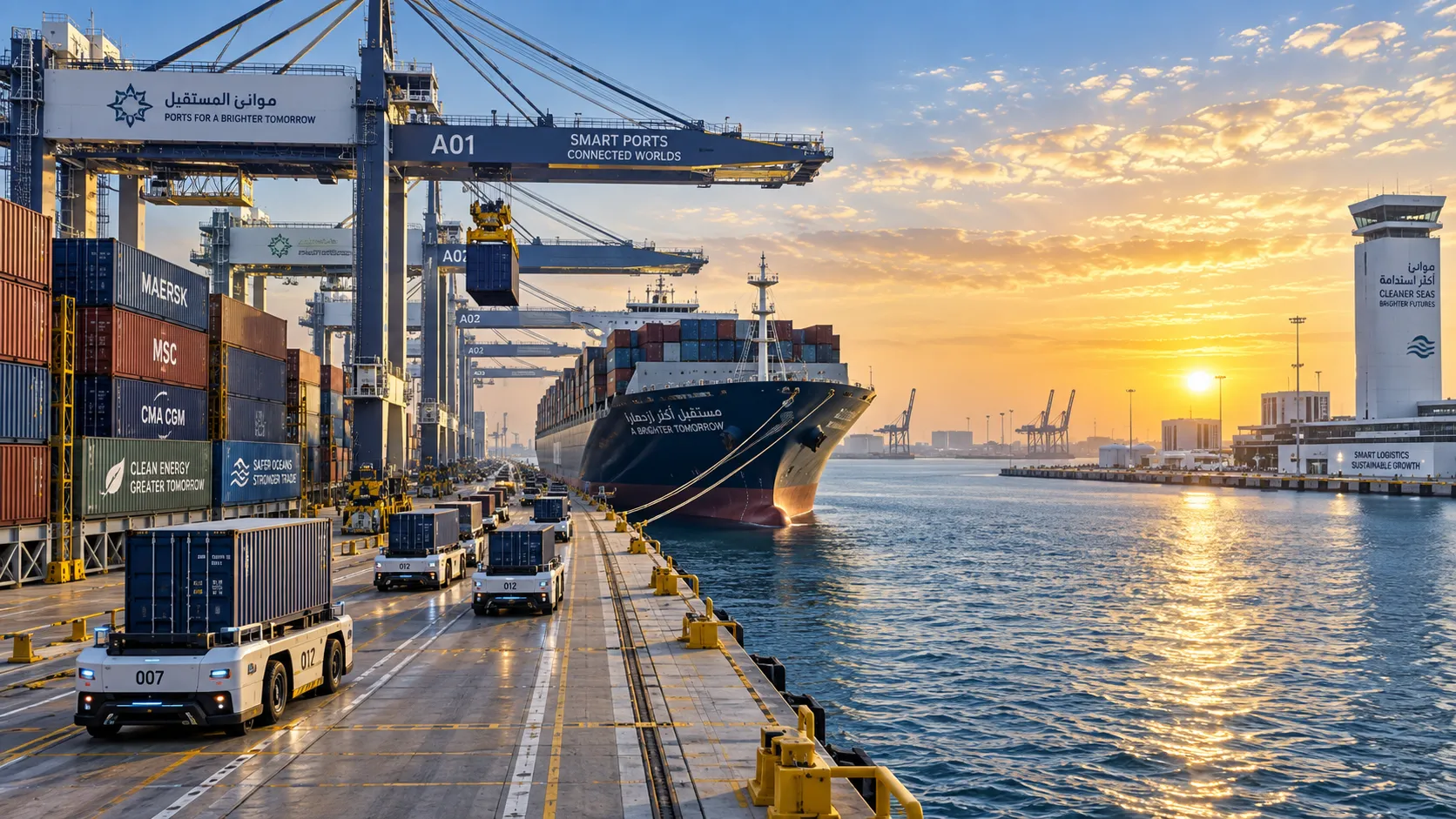
Middle East Port Automation: Key Market Drivers, Projects, and Investment Risks
Port automation systems Middle East: explore market drivers, flagship projects, integration challenges, and investment risks shaping smarter, resilient terminals.
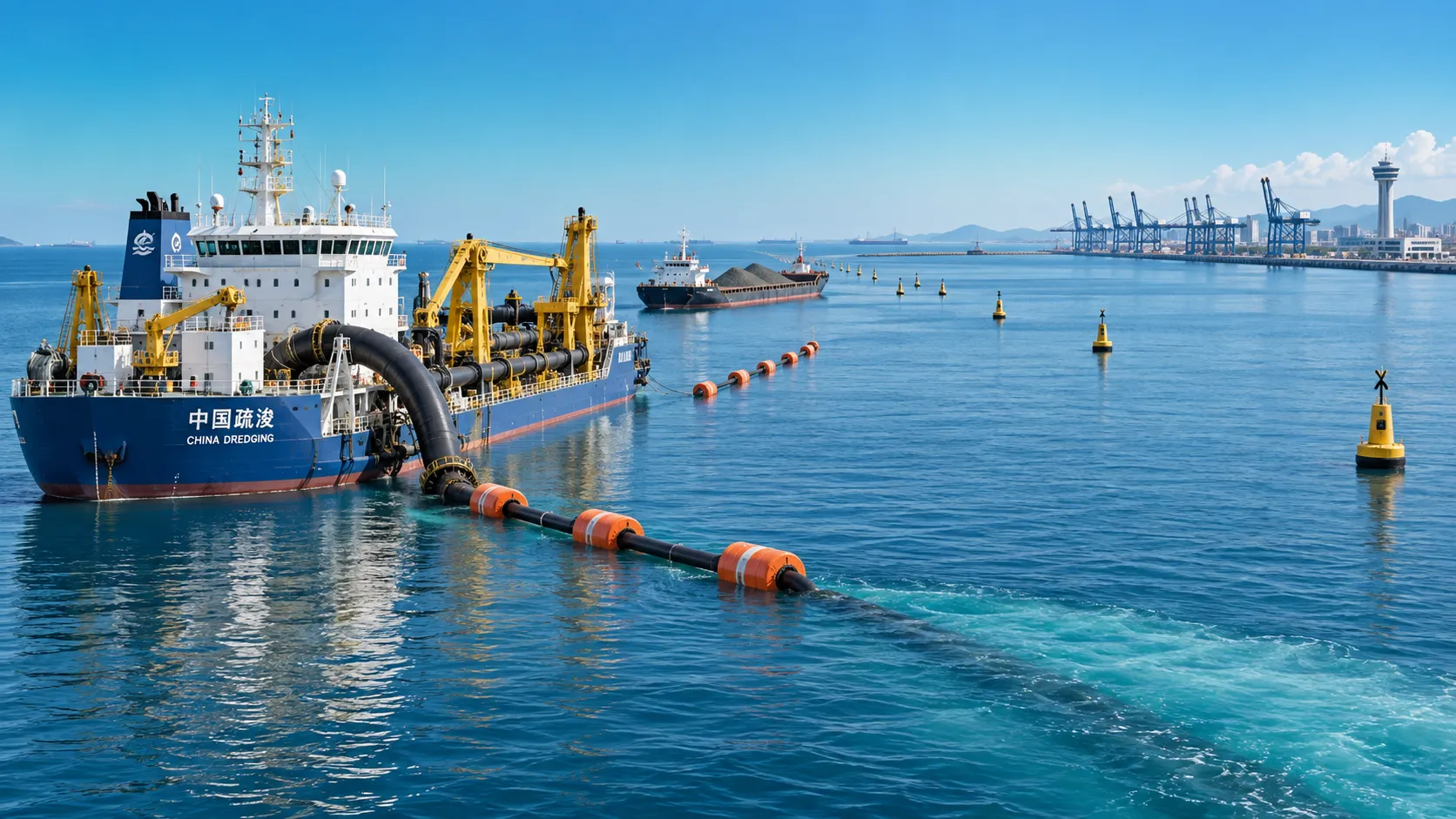
Planning Offshore Dredging Operations: Key Risks, Methods, and Project Controls
Offshore dredging operations demand smart planning. Explore key risks, proven methods, environmental controls, and project strategies for reliable delivery.