Related News
- 00
0000-00
How to Evaluate Terminal Efficiency Solution Suppliers for High-Throughput Operations - 00
0000-00
What to Consider When Buying Electric Port Machinery for Container Terminals - 00
0000-00
How to Select Container Handling Equipment for Middle East Ports and Terminals - 00
0000-00
How to Evaluate a Port Machinery Exporter for Large-Scale Terminal Projects - 00
0000-00
Evaluating a Dredging Equipment Manufacturer for Mining Plant Supply
What sets a reliable quay crane manufacturer apart today?
Choosing a reliable quay crane manufacturer today means looking beyond lifting capacity and price. Procurement teams need partners with proven engineering, automation compatibility, lifecycle service, and the ability to support long-term port efficiency under evolving global trade demands. This article explores the key qualities that distinguish a dependable manufacturer and help buyers reduce risk while maximizing terminal performance.
For most buyers, the real question is not who can build a crane, but who can deliver uptime, integration, safety, and support over twenty years or more. A reliable quay crane manufacturer stands out through engineering discipline, transparent quality systems, strong after-sales capability, and a clear understanding of how terminal operations actually work.
What procurement teams are really trying to confirm
When buyers search for a quay crane manufacturer, they are usually comparing risk, not just specifications. They want to know whether a supplier can meet berth productivity goals, support future automation, and avoid costly downtime after commissioning.
That means the evaluation process should go beyond brochure claims. Procurement teams need evidence that a manufacturer can deliver on design performance, site conditions, digital compatibility, operator safety, spare parts access, and long-term technical responsiveness.
In practical terms, the best supplier is often the one that reduces hidden lifecycle cost. A lower purchase price means little if the crane suffers frequent electrical faults, software integration delays, structural fatigue issues, or weak local service support.
Proven engineering matters more than impressive marketing
A dependable quay crane manufacturer can show a strong engineering record in ship-to-shore crane design, structural analysis, hoisting systems, trolley travel, anti-sway control, and marine corrosion protection. Buyers should look for documented project references, not generic capability statements.
Reference projects are especially valuable when they match your terminal profile. A manufacturer with experience in similar vessel sizes, berth layouts, wind conditions, power requirements, and container throughput targets is more likely to deliver predictable results.
Engineering credibility also shows up in detail. Reliable manufacturers can explain steel grade selection, fatigue design criteria, wheel load distribution, storm anchoring, boom hinge durability, and redundancy planning in terms that make operational sense.
If technical discussions stay vague, procurement teams should be cautious. Serious suppliers are usually willing to share design logic, standards compliance, testing procedures, and practical lessons learned from previous port installations.
Customization capability is a sign of real manufacturing strength
No two terminals are identical. Water depth, berth length, crane gauge, outreach requirements, lift height, local grid stability, and container mix all affect the correct crane configuration. A reliable quay crane manufacturer should be able to adapt, not just standardize.
Customization does not mean unnecessary complexity. It means translating terminal realities into practical engineering choices, such as twin-lift capability, remote diagnostics, regenerative drives, rail clamp design, or integration with terminal operating systems.
Procurement professionals should ask whether customization is handled through a mature design process or through last-minute engineering changes. The first indicates control and experience. The second often creates delivery delays, scope confusion, and commissioning risk.
Strong manufacturers also understand future adaptability. If a terminal plans to add automation, optical positioning, truck appointment systems, or digital maintenance tools later, the crane architecture should be ready for that evolution.
Automation compatibility has become a key differentiator
Today, a quay crane manufacturer is not only a heavy equipment supplier. In many projects, the manufacturer is also part of a larger automation and data environment. Compatibility with control systems, sensors, communication protocols, and remote operations is now essential.
Procurement teams should assess whether the crane can work smoothly with terminal operating systems, equipment control systems, OCR platforms, anti-collision logic, and fleet coordination tools. Integration weaknesses can erase the productivity gains promised during tendering.
Reliable suppliers usually provide clear documentation on PLC architecture, software interfaces, cybersecurity practices, data access points, and alarm handling. They also understand that ports increasingly expect cranes to function as connected operational assets.
This is especially important for terminals moving toward semi-automated or fully automated workflows. A manufacturer that cannot support remote supervision, performance analytics, or low-latency communication may limit the terminal’s long-term modernization options.
Quality control should be visible, auditable, and consistent
Many procurement teams ask about certifications, but certifications alone are not enough. A reliable quay crane manufacturer should have a quality system that is visible across procurement, fabrication, welding, machining, assembly, testing, and final inspection.
Buyers should look for traceability in key components, welder qualification records, non-destructive testing procedures, paint system controls, factory acceptance protocols, and electrical testing standards. These are not administrative details. They are indicators of future reliability.
It is also helpful to understand how the manufacturer manages critical suppliers. Motors, drives, spreaders, cables, braking systems, and automation components often come from multiple partners. Weak vendor control can affect overall crane performance.
Factory visits remain one of the most effective due diligence tools. They help procurement teams see whether production discipline matches what the sales presentation promised, and whether the manufacturer has the capacity to handle complex projects on schedule.
Delivery performance is not just about speed
Ports often work under intense schedule pressure, especially when capacity expansion is linked to shipping line commitments or concession milestones. However, fast delivery only adds value if logistics, erection, testing, and commissioning are properly managed.
A reliable quay crane manufacturer will provide a realistic project schedule with clear responsibility boundaries. This includes design approval milestones, factory testing, transport planning, site installation, load testing, training, and handover criteria.
Procurement teams should pay close attention to how risks are handled. Ask what happens if civil works are delayed, grid readiness changes, vessel calls affect site access, or imported components face customs disruption. The strongest suppliers plan for disruption, not just ideal conditions.
Manufacturers that coordinate well with EPC contractors, terminal operators, and automation integrators typically create fewer downstream problems. Their value lies in project discipline as much as in crane fabrication.
After-sales support often determines the real value of the purchase
For a high-value port asset, service capability can matter as much as the original equipment itself. A reliable quay crane manufacturer should offer structured after-sales support covering spare parts, technical troubleshooting, field service, preventive maintenance, and modernization pathways.
Procurement teams should examine response times, local service presence, remote diagnostic capability, parts stocking strategy, and the availability of long-term service agreements. A crane without dependable support can quickly become an operational bottleneck.
Training is another important area. Good manufacturers support operators, technicians, planners, and maintenance teams with practical documentation and structured knowledge transfer. This improves both safety and equipment performance during the early operating period.
Lifecycle service also includes upgrade potential. Drives, control systems, sensors, and safety functions may need modernization well before the mechanical structure reaches end of life. Manufacturers that support phased upgrades provide better long-term asset value.
Safety and compliance should be built into the design, not added later
In modern terminal operations, safety is inseparable from reliability. A dependable quay crane manufacturer designs for safe access, emergency response, load control, visibility, fault diagnostics, and operational interlocks from the beginning.
Buyers should ask how the manufacturer addresses emergency stop architecture, anti-collision systems, storm protection, overload protection, maintenance access, and human-machine interface clarity. These factors affect both regulatory compliance and daily productivity.
International projects may also require compliance with multiple standards, class requirements, and local authority expectations. Manufacturers with cross-border delivery experience are usually better prepared to handle documentation, inspection, and acceptance complexity.
Safety culture also appears during installation and commissioning. Suppliers with disciplined site practices reduce accident exposure and demonstrate the kind of operational seriousness buyers should expect over the long term.
Total cost of ownership is the metric that matters most
Procurement decisions often begin with capital expenditure, but the smarter comparison is total cost of ownership. A reliable quay crane manufacturer helps lower cost across the full asset lifecycle through energy efficiency, uptime, maintainability, and upgrade readiness.
Relevant cost factors include power consumption, rope and wheel wear, spreader performance, component accessibility, software stability, technician training needs, and mean time to repair. These costs can significantly outweigh initial price differences over time.
It is also useful to compare expected availability and productivity. A crane that costs more but supports higher moves per hour, fewer stoppages, and smoother vessel turnaround can create stronger commercial returns for the terminal.
This is where procurement should align closely with operations and maintenance teams. The most reliable buying decisions come from combining commercial discipline with technical and operational insight.
Questions buyers should ask before shortlisting a quay crane manufacturer
To separate strong suppliers from weaker ones, procurement teams should use focused questions. Ask for reference terminals with similar throughput and vessel profiles, documented uptime data, and examples of resolving integration or commissioning challenges.
Request clarity on design standards, major component brands, software architecture, spare parts strategy, lead times, warranty scope, and local service capacity. Also ask how the manufacturer supports future upgrades in controls, automation, and energy systems.
It is equally important to test communication quality during the tender process. Suppliers that answer precisely, identify constraints early, and provide structured documentation are often easier to work with during execution and long-term support.
Finally, look for alignment between sales promises and engineering reality. The best quay crane manufacturer is usually the one whose technical, project, and service teams all tell the same consistent story.
Why reliability now includes strategic fit
In today’s port market, reliability is broader than mechanical robustness. Procurement teams must also consider trade volatility, decarbonization pressure, labor transitions, digitalization goals, and the growing need for interoperable terminal systems.
A reliable quay crane manufacturer understands this wider context. They do not simply sell lifting machines. They help terminals build resilient handling capacity that fits larger operational and commercial strategies.
For buyers, this means selecting a partner with both industrial depth and systems awareness. The strongest manufacturers combine structural engineering, electrical control expertise, software readiness, and lifecycle service in one coherent delivery model.
Conclusion
What sets a reliable quay crane manufacturer apart today is not one feature, but a combination of proven engineering, project discipline, automation compatibility, visible quality control, strong after-sales service, and a clear focus on lifecycle value.
For procurement teams, the safest choice is rarely the supplier with the lowest headline price or the broadest marketing language. It is the manufacturer that can demonstrate real-world performance, support integration and service over time, and reduce operational risk across the full life of the asset.
In a market where terminal efficiency, digital readiness, and uptime have direct commercial impact, selecting the right quay crane manufacturer is a strategic decision. Buyers who evaluate beyond price will be better positioned to secure long-term performance and port competitiveness.
Related News
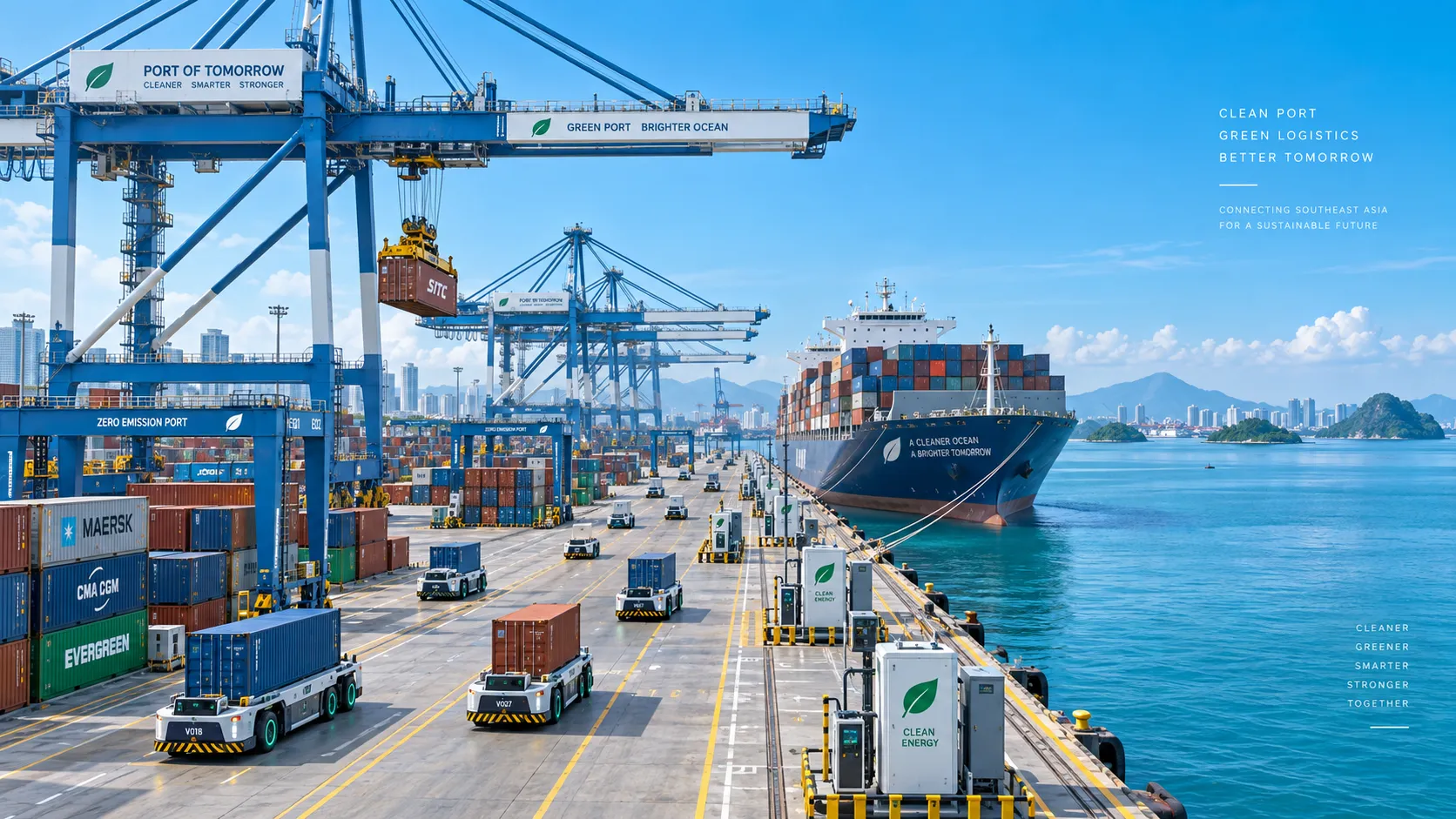
Smart Port Systems in Southeast Asia: Investment Priorities and Adoption Barriers
Smart port systems Southeast Asia: discover investment priorities, adoption barriers, and practical steps to build resilient, connected, high-performing terminals.
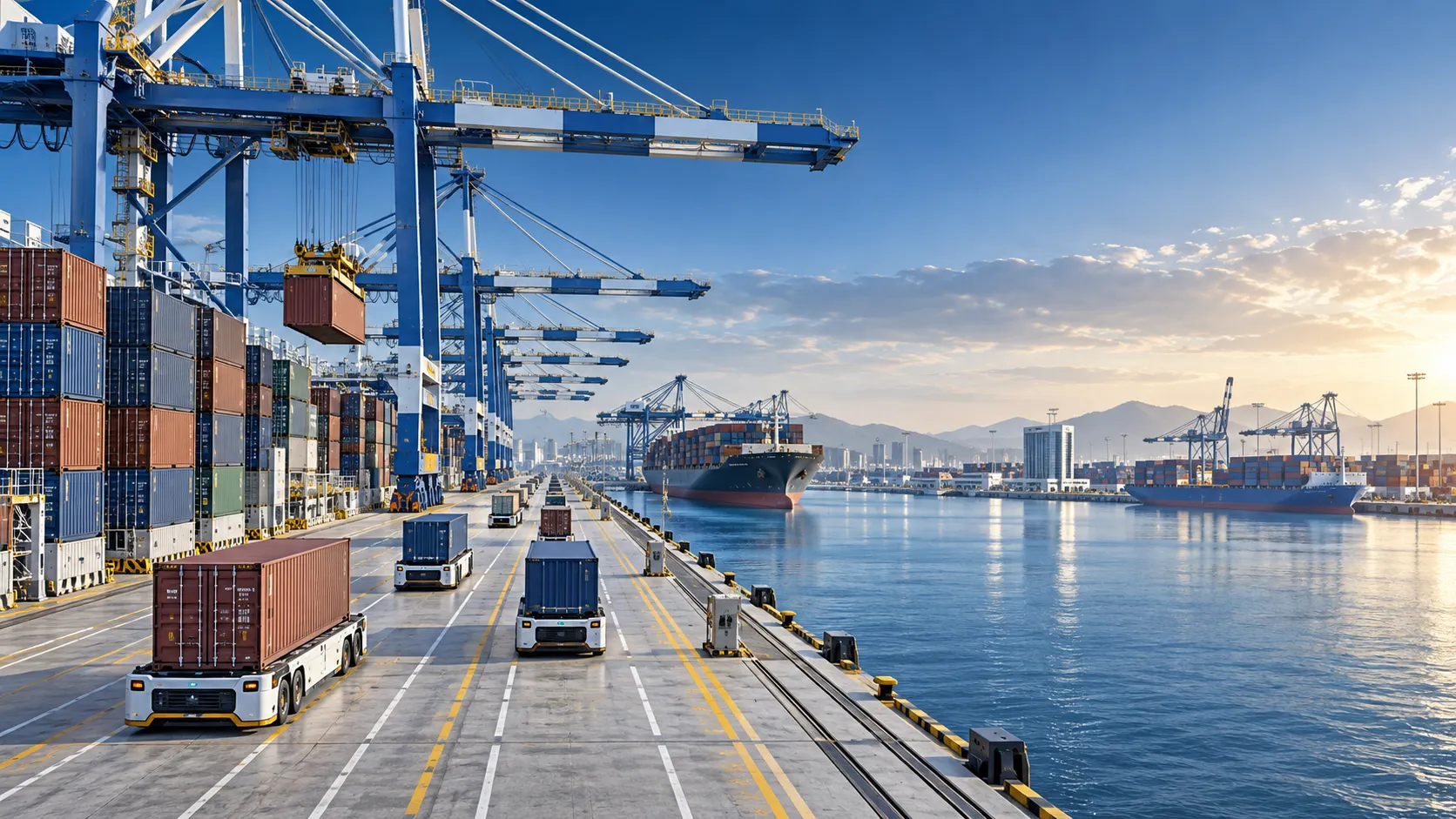
How to Evaluate Terminal Efficiency Solution Suppliers for High-Throughput Operations
Choose a terminal efficiency solutions supplier with confidence. Explore proven criteria for throughput, integration, lifecycle cost, safety, and reliable delivery.
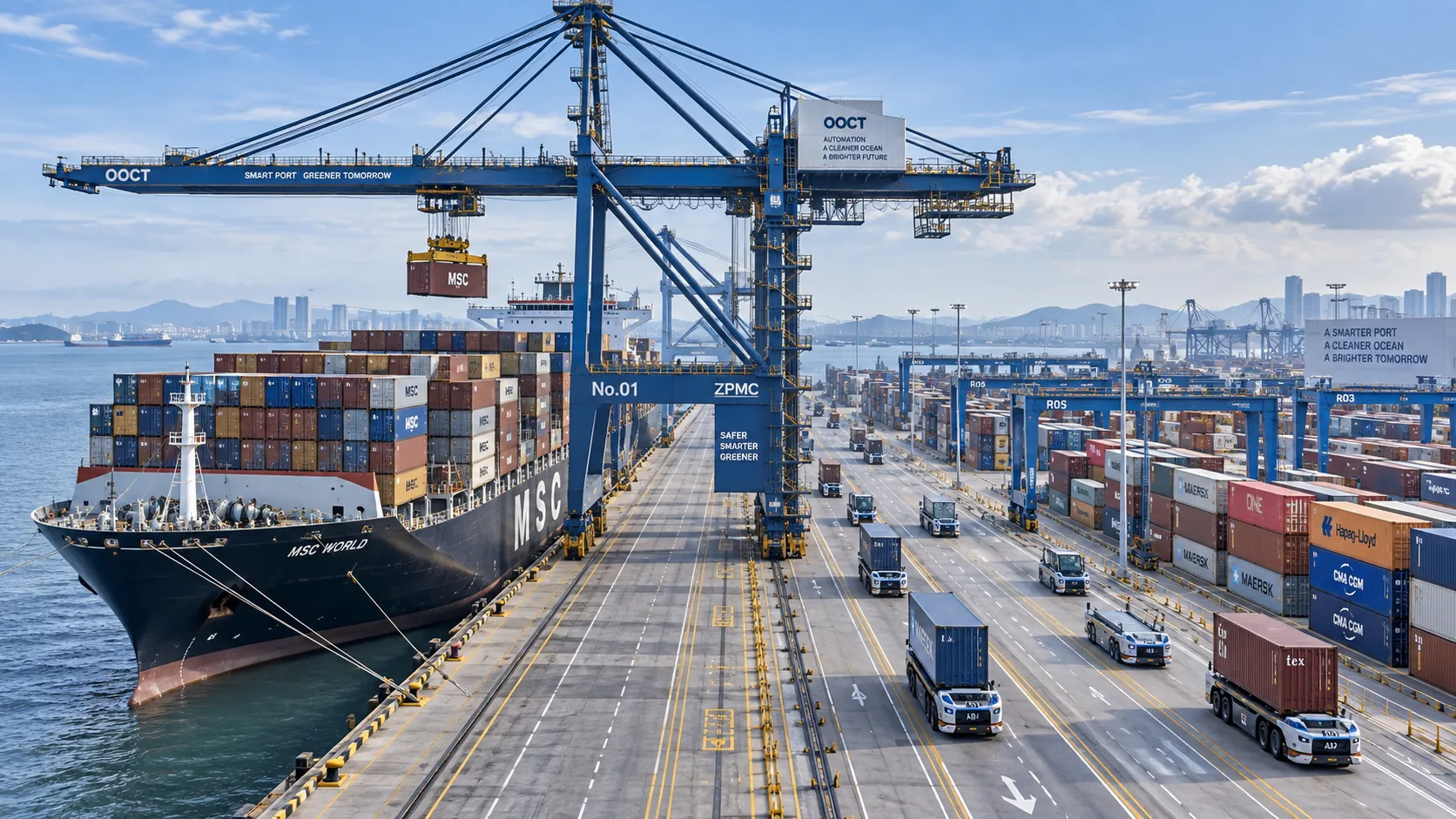
How to Specify a Quay Crane for Container Terminals by Vessel Size and Throughput?
Quay crane for container terminals: learn how to match outreach, lift height, capacity, automation, and cycle performance to vessel size and throughput goals.
What Dredging Equipment Is Needed for Channel Deepening?
What dredging equipment is needed for channel deepening? Explore dredgers, pipelines, survey tools, and planning strategies for safer, more efficient port access.
Which Bulk Handling Equipment Suits High-Moisture Cargo?
Which bulk handling equipment suits high-moisture cargo? Compare belt, apron, screw, drag, and slurry systems for reliable flow, less carryback, and higher terminal uptime.
How Can Port Equipment Lead-Time Risk Be Managed?
How can port equipment lead-time risk be managed? Explore practical strategies to control critical paths, suppliers, transport, site readiness, and commissioning delays.
Terminal Automation Technologies That Raise Container Throughput Without Yard Disruption
Terminal automation technology that increases container throughput without disrupting yard flow. Explore smarter integration, resilient workflows, and phased deployment strategies.
Middle East Port Automation: Key Market Drivers, Projects, and Investment Risks
Port automation systems Middle East: explore market drivers, flagship projects, integration challenges, and investment risks shaping smarter, resilient terminals.
Planning Offshore Dredging Operations: Key Risks, Methods, and Project Controls
Offshore dredging operations demand smart planning. Explore key risks, proven methods, environmental controls, and project strategies for reliable delivery.