Related News
- 00
0000-00
How to Evaluate Terminal Efficiency Solution Suppliers for High-Throughput Operations - 00
0000-00
What to Consider When Buying Electric Port Machinery for Container Terminals - 00
0000-00
How to Select Container Handling Equipment for Middle East Ports and Terminals - 00
0000-00
How to Evaluate a Port Machinery Exporter for Large-Scale Terminal Projects - 00
0000-00
Evaluating a Dredging Equipment Manufacturer for Mining Plant Supply
How to compare a quay crane manufacturer before buying
Choosing the right quay crane manufacturer can directly affect terminal efficiency, long-term maintenance costs, and operational safety. For procurement teams, comparing suppliers goes far beyond price—it requires evaluating engineering capability, automation compatibility, delivery reliability, after-sales support, and proven port project experience. This guide outlines the key factors buyers should review before making a confident purchasing decision.
Why comparing a quay crane manufacturer is a strategic procurement task
A quay crane is not a routine commodity purchase. It is a long-life port asset tied to berth productivity, vessel turnaround time, energy use, spare-parts planning, and terminal expansion strategy. That is why a procurement team should compare each quay crane manufacturer through an operational lens, not just a quotation sheet.
In container terminals, one weak supplier decision can create years of hidden cost. Delays in commissioning, limited automation interfaces, poor corrosion protection, or slow field service can all reduce berth availability. The initial contract value may look competitive, but lifecycle performance often tells a different story.
For buyers working in a market shaped by larger vessels, smarter yards, and tighter emissions goals, the right quay crane manufacturer should fit both current throughput needs and future digital operations. This is especially important when terminals plan to connect ship-to-shore cranes with TOS, remote control systems, AGVs, or predictive maintenance platforms.
- Protect capex by validating technical scope against the terminal’s real berth profile.
- Reduce operating risk by checking service response, local support, and component sourcing.
- Avoid integration issues by confirming control architecture, communication protocols, and automation readiness.
- Support long-term planning by assessing upgrade paths for taller outreach, energy systems, and remote operations.
What procurement teams should compare first when shortlisting suppliers
Start with terminal fit, not brand visibility
Some buyers begin with brand familiarity. A better approach is to start with technical fit. A quay crane manufacturer may have a strong market presence, yet still be unsuitable for your berth conditions, vessel mix, power infrastructure, or automation roadmap.
Procurement should request a structured compliance matrix covering outreach, lifting height, backreach, safe working load, hoisting speed, trolley travel speed, landside interface, wind design criteria, and electrical standards. This prevents vague proposals from moving too far into the evaluation process.
Check these core dimensions before price ranking
Before commercial comparison, buyers should create a technical and delivery baseline. The table below helps procurement teams compare a quay crane manufacturer on the issues that most affect long-term project value.
This comparison framework helps buyers remove emotional bias. It also makes internal approval easier because technical, commercial, and operational teams can review the same structured criteria.
How to assess technical strength beyond brochure claims
Look at structural design and marine durability
A capable quay crane manufacturer should explain how the crane is designed for local duty cycles, vessel sizes, wind loads, seismic conditions if applicable, and corrosion exposure. Procurement should ask about steel grade selection, coating systems, fatigue-sensitive zones, boom hinge design, and inspection access for long-term maintenance.
Marine environments punish weak design details. Salt, humidity, and repetitive loading can turn small engineering shortcuts into serious availability problems. Buyers should pay close attention to electrical enclosures, cable routing, platform access, and protection of sensors and connectors.
Examine drives, controls, and energy efficiency
Modern procurement decisions should also cover motor drives, regenerative power options, braking systems, sway control, and human-machine interface quality. If your terminal is progressing toward semi-automation or remote supervision, the control platform matters almost as much as the steel structure.
PS-Nexus tracks how port automation and heavy terminal gear increasingly converge. For buyers, that means a quay crane manufacturer should not be judged only on lifting capacity. It should also be reviewed for system openness, low-latency control readiness, diagnostics visibility, and compatibility with asset scheduling tools.
- Ask whether control logic can support future remote operation or automation layers.
- Confirm whether drive systems support energy recovery and stable speed regulation under varying loads.
- Check alarm history, maintenance logging, and condition monitoring functions.
- Review cybersecurity and network segmentation assumptions for connected terminals.
Which technical and commercial parameters deserve a side-by-side table
When procurement teams compare offers from more than one quay crane manufacturer, a side-by-side parameter table is essential. It prevents hidden deviations in scope and helps quantify whether a lower bid actually includes the required configuration.
This table should become part of the RFQ process. It keeps all bidders aligned and exposes where one proposal is cheaper only because its scope is narrower or its assumptions are less demanding.
How to evaluate service, spare parts, and lifecycle cost
The lowest purchase price rarely means the lowest ownership cost
Procurement teams often face budget pressure, but a quay crane manufacturer should be judged on total cost of ownership. A crane that is cheaper at contract signing may consume more energy, need more shutdowns, or depend on slow imported parts. Over fifteen to twenty years, these factors can outweigh the initial discount.
Lifecycle review should include preventive maintenance intervals, expected wear components, local stock strategy, diagnostic tools, technician training, software update policy, and access to engineering support for modifications.
Use a cost checklist during supplier interviews
- Ask for a recommended spare-parts package split into commissioning, two-year operation, and critical emergency stock.
- Request expected maintenance man-hours for major subsystems such as hoist, trolley, boom, electrical room, and spreader interface.
- Clarify whether key control components are open-market items or highly proprietary parts.
- Review warranty triggers, exclusions, and how quickly field engineers can be mobilized.
For terminals expanding into automated or digitally supervised operations, service capability should include remote troubleshooting and performance analysis. PS-Nexus regularly highlights how data visibility, not just hardware quality, is becoming central to crane uptime and planning accuracy.
What standards, compliance points, and documentation should buyers request
A professional quay crane manufacturer should provide clear documentation on design codes, factory testing, safety logic, and electrical compliance relevant to the project location. The exact standards vary by market and authority, but buyers should verify the general compliance framework early.
- Design and fabrication references for steel structure, welding quality, and fatigue consideration.
- Electrical and control documentation, including single-line diagrams, I/O architecture, and safety interlock philosophy.
- Load testing procedures, inspection plans, and acceptance criteria for factory and site stages.
- Coating and corrosion protection specifications suited to the marine atmosphere.
- Operator and maintenance training scope, manuals, and spare-parts identification documents.
Procurement should also confirm whether local authority approvals, third-party inspections, and commissioning witnesses are included or excluded. Many project disputes come from assumptions that were never written into the final scope.
Common mistakes when comparing a quay crane manufacturer
Mistake 1: treating all reference projects as equal
A supplier may present many reference projects, but procurement should filter them by vessel class, climate, berth conditions, automation level, and maintenance model. A crane delivered to a mild environment with conventional operation is not the same as a crane intended for intensive, semi-automated service in corrosive coastal conditions.
Mistake 2: ignoring future integration needs
If a terminal expects future TOS connectivity, remote control, AGV coordination, or energy optimization, that should shape the supplier evaluation now. Retrofitting a closed or poorly documented control system later can be costly and disruptive.
Mistake 3: underestimating schedule risk
A low quotation with an optimistic schedule may hide procurement risk. Buyers should ask for milestone detail: engineering release, long-lead component order, fabrication, FAT, shipment, erection, commissioning, and training. Schedule credibility matters as much as schedule length.
FAQ for buyers comparing a quay crane manufacturer
How many suppliers should a procurement team compare?
In most formal tenders, comparing three qualified suppliers is a practical starting point. Fewer than that may limit commercial leverage and technical benchmarking. Too many can overload the review process unless the RFQ matrix is tightly structured.
What matters more: crane price or service capability?
For long-life terminal assets, service capability often has greater long-term impact than a modest price difference. Spare-parts lead time, remote support, and local field response can strongly influence berth availability and maintenance cost.
How do buyers judge whether a quay crane manufacturer is automation-ready?
Review the control platform, interface openness, remote operation options, diagnostics functions, anti-sway logic, and integration experience with terminal systems. Buyers should request a clear explanation of how the crane can evolve from manned operation to higher levels of digital control.
What is the most overlooked item in a quay crane purchase?
Scope definition is often the most overlooked item. Commissioning tools, training depth, critical spare parts, third-party inspection coordination, and software support are frequently assumed rather than documented. These gaps later become cost and schedule disputes.
Why informed buyers use PS-Nexus before engaging a quay crane manufacturer
PS-Nexus supports procurement decisions by connecting heavy terminal equipment knowledge with automation trends, marine engineering realities, and global trade dynamics. For buyers, this means more than general market news. It means using structured intelligence to compare suppliers in the context of berth throughput, equipment lifecycle, automation compatibility, and investment timing.
Because quay cranes sit at the intersection of mechanical power, control logic, and port strategy, procurement teams benefit from a broader view. PS-Nexus follows the evolution of port automation, container handling systems, and infrastructure demand patterns so decision-makers can evaluate a quay crane manufacturer with stronger commercial and technical context.
Why choose us for your next quay crane manufacturer assessment
If your team is comparing a quay crane manufacturer, PS-Nexus can help you move from broad supplier screening to focused decision support. We help procurement teams clarify parameter assumptions, compare technical scope, identify hidden lifecycle costs, and frame the right questions for automation, compliance, and delivery planning.
You can contact us to discuss practical topics such as outreach and load configuration, terminal fit analysis, automation interface expectations, delivery cycle review, spare-parts strategy, documentation scope, and quotation comparison logic. This is especially useful when multiple bids appear similar on price but differ in technical depth or long-term service implications.
For procurement teams that need clearer supplier benchmarking, more defensible internal recommendations, or better visibility into port equipment trends, PS-Nexus provides a strong starting point for informed engagement and next-step evaluation.
Related News
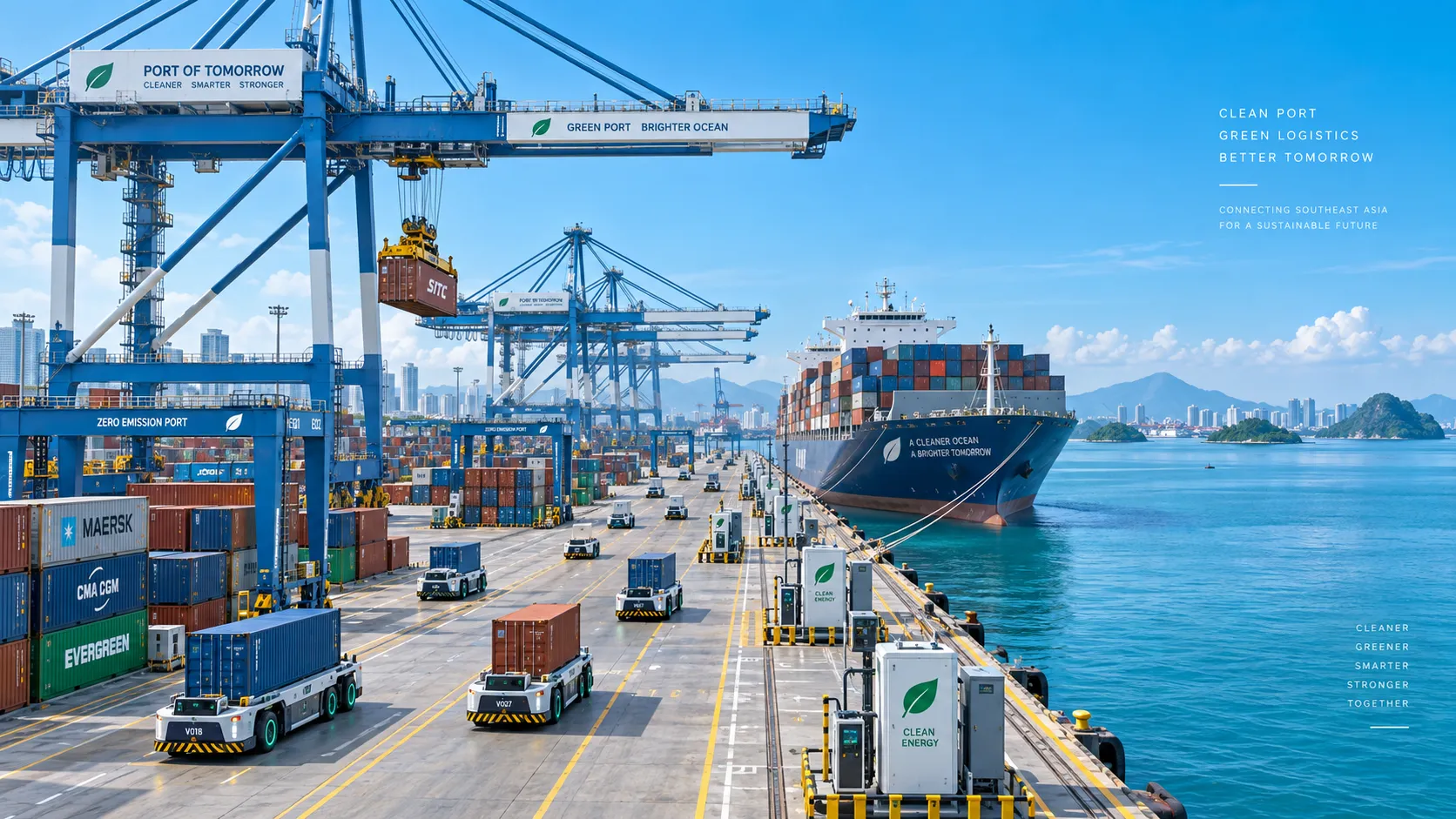
Smart Port Systems in Southeast Asia: Investment Priorities and Adoption Barriers
Smart port systems Southeast Asia: discover investment priorities, adoption barriers, and practical steps to build resilient, connected, high-performing terminals.

How to Evaluate Terminal Efficiency Solution Suppliers for High-Throughput Operations
Choose a terminal efficiency solutions supplier with confidence. Explore proven criteria for throughput, integration, lifecycle cost, safety, and reliable delivery.
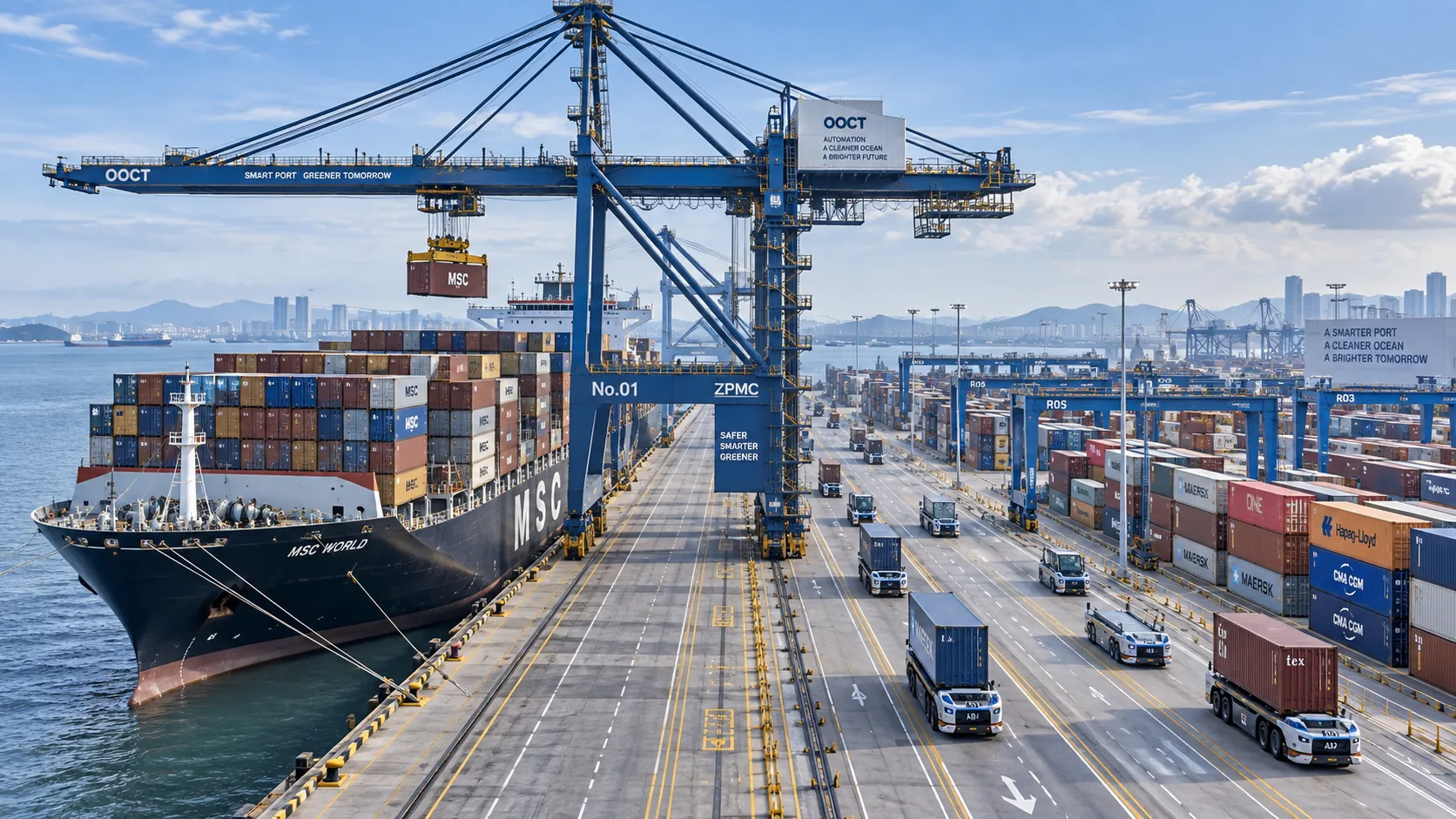
How to Specify a Quay Crane for Container Terminals by Vessel Size and Throughput?
Quay crane for container terminals: learn how to match outreach, lift height, capacity, automation, and cycle performance to vessel size and throughput goals.
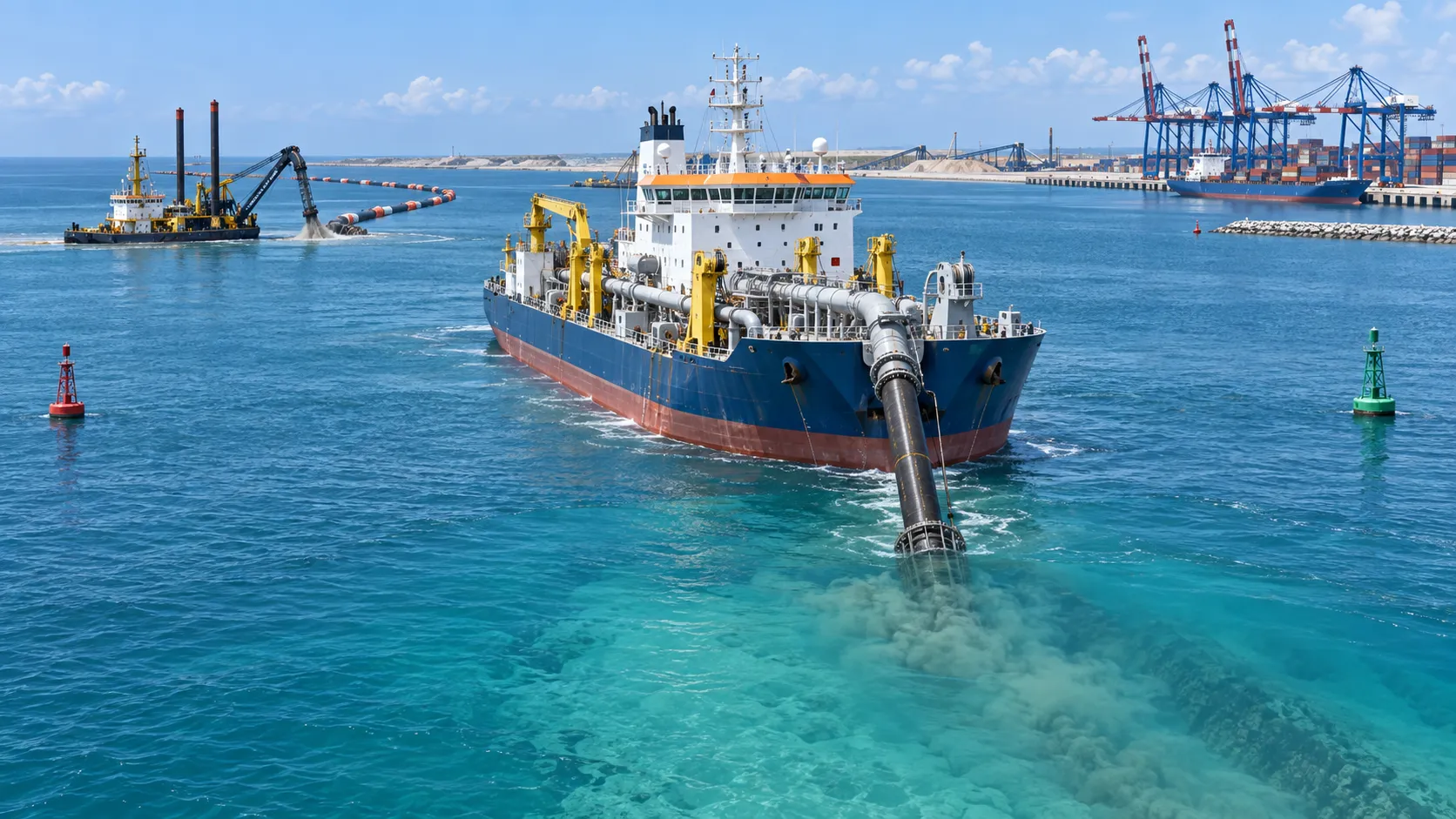
What Dredging Equipment Is Needed for Channel Deepening?
What dredging equipment is needed for channel deepening? Explore dredgers, pipelines, survey tools, and planning strategies for safer, more efficient port access.
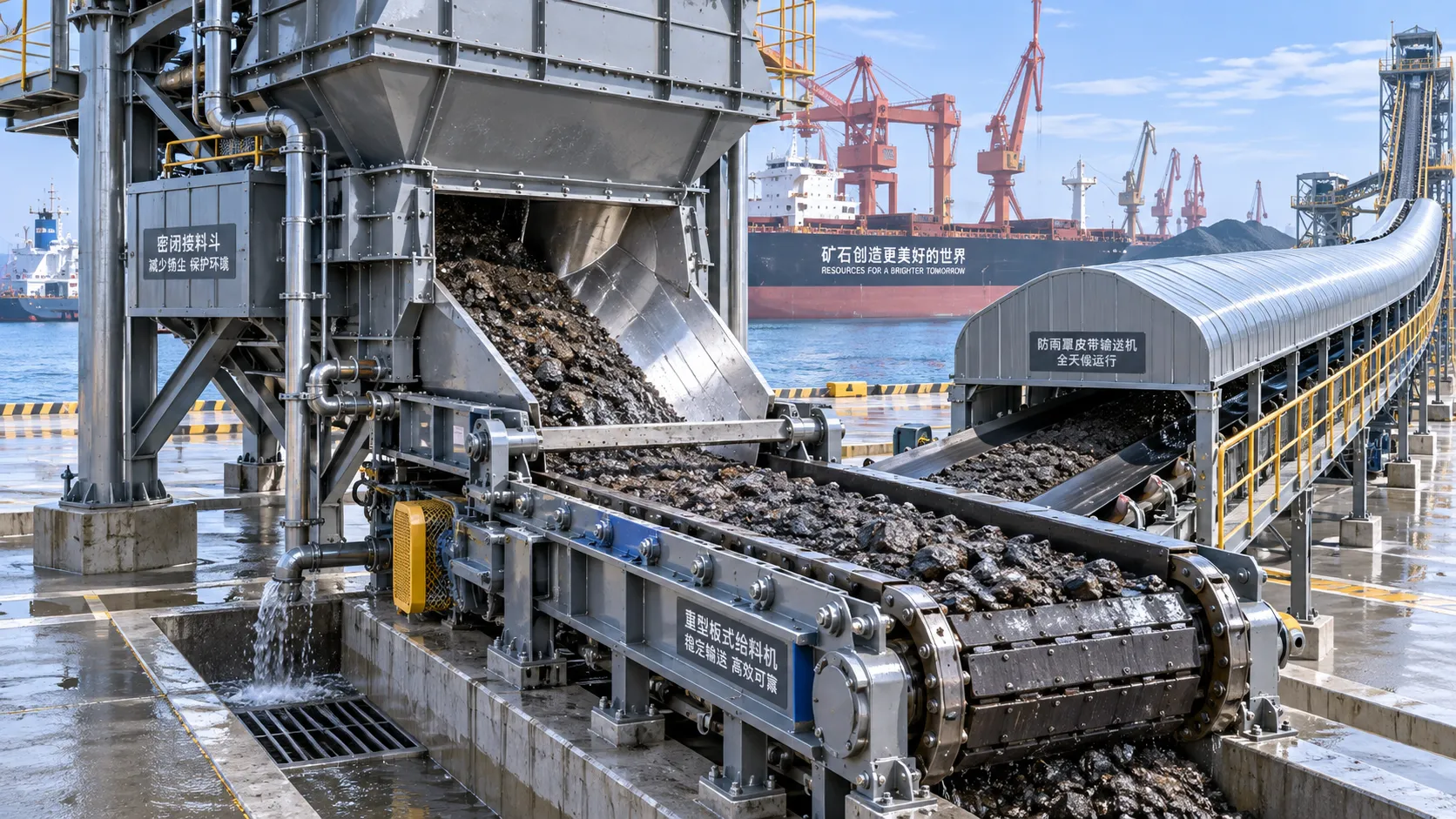
Which Bulk Handling Equipment Suits High-Moisture Cargo?
Which bulk handling equipment suits high-moisture cargo? Compare belt, apron, screw, drag, and slurry systems for reliable flow, less carryback, and higher terminal uptime.
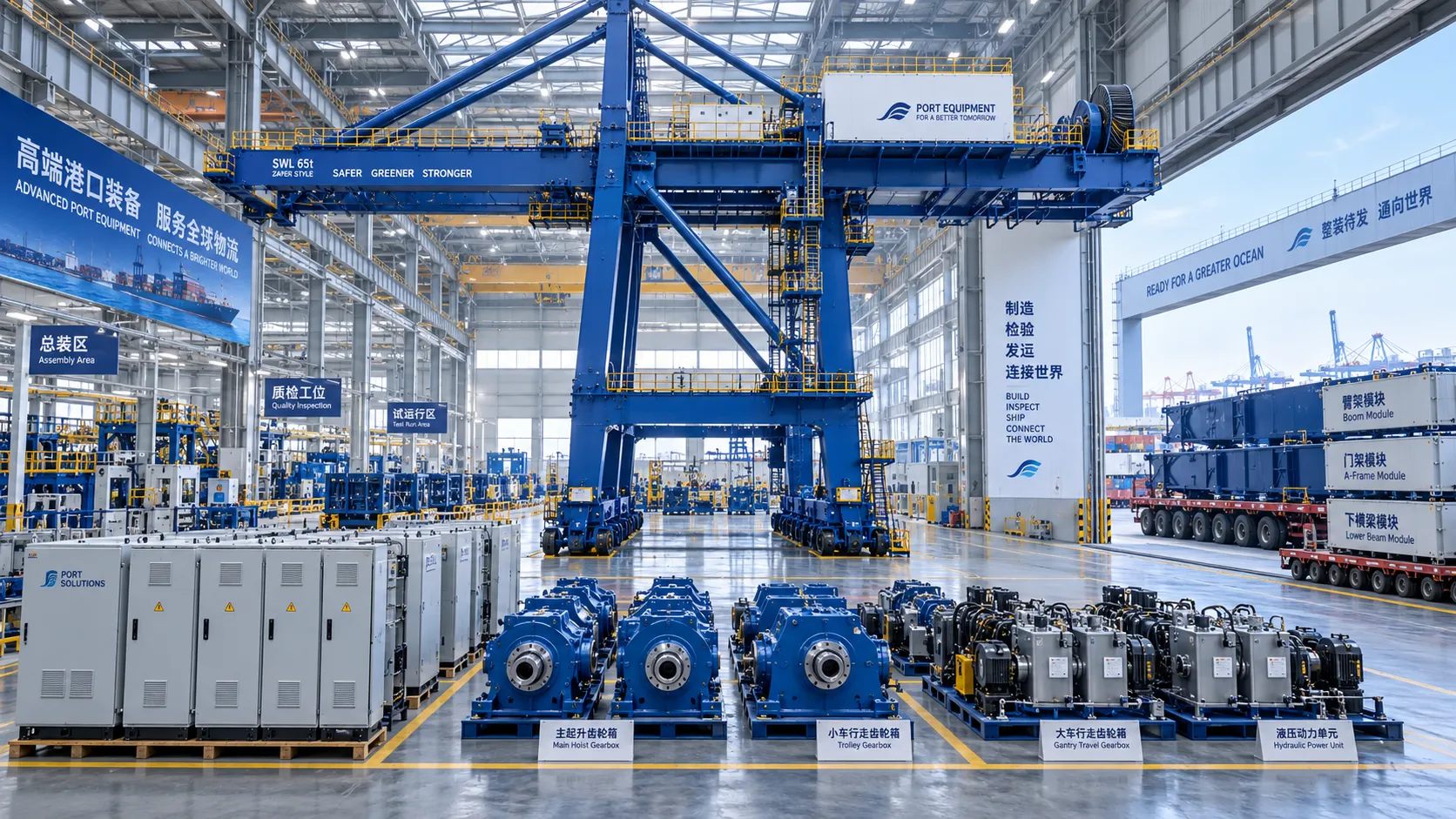
How Can Port Equipment Lead-Time Risk Be Managed?
How can port equipment lead-time risk be managed? Explore practical strategies to control critical paths, suppliers, transport, site readiness, and commissioning delays.
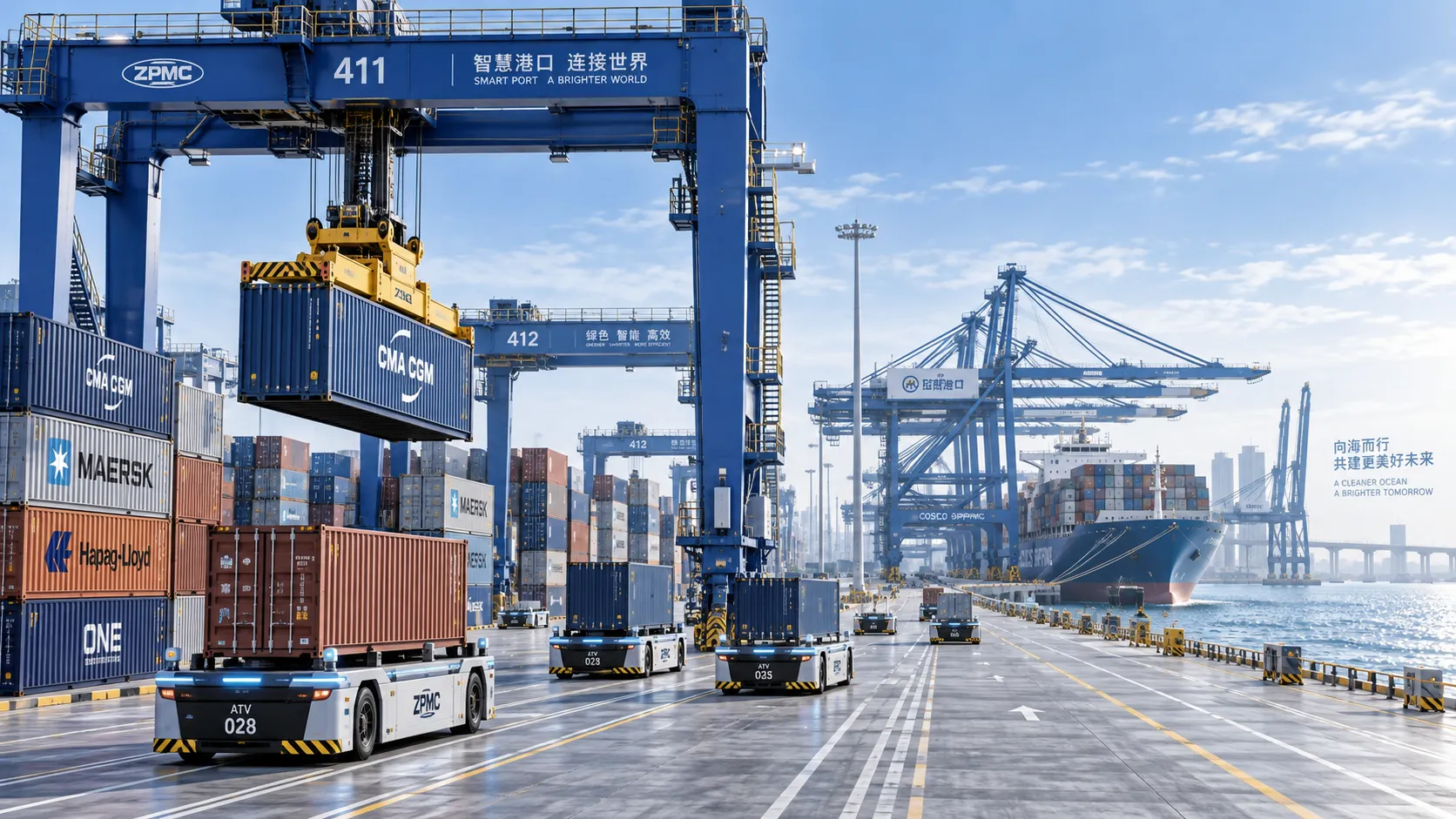
Terminal Automation Technologies That Raise Container Throughput Without Yard Disruption
Terminal automation technology that increases container throughput without disrupting yard flow. Explore smarter integration, resilient workflows, and phased deployment strategies.
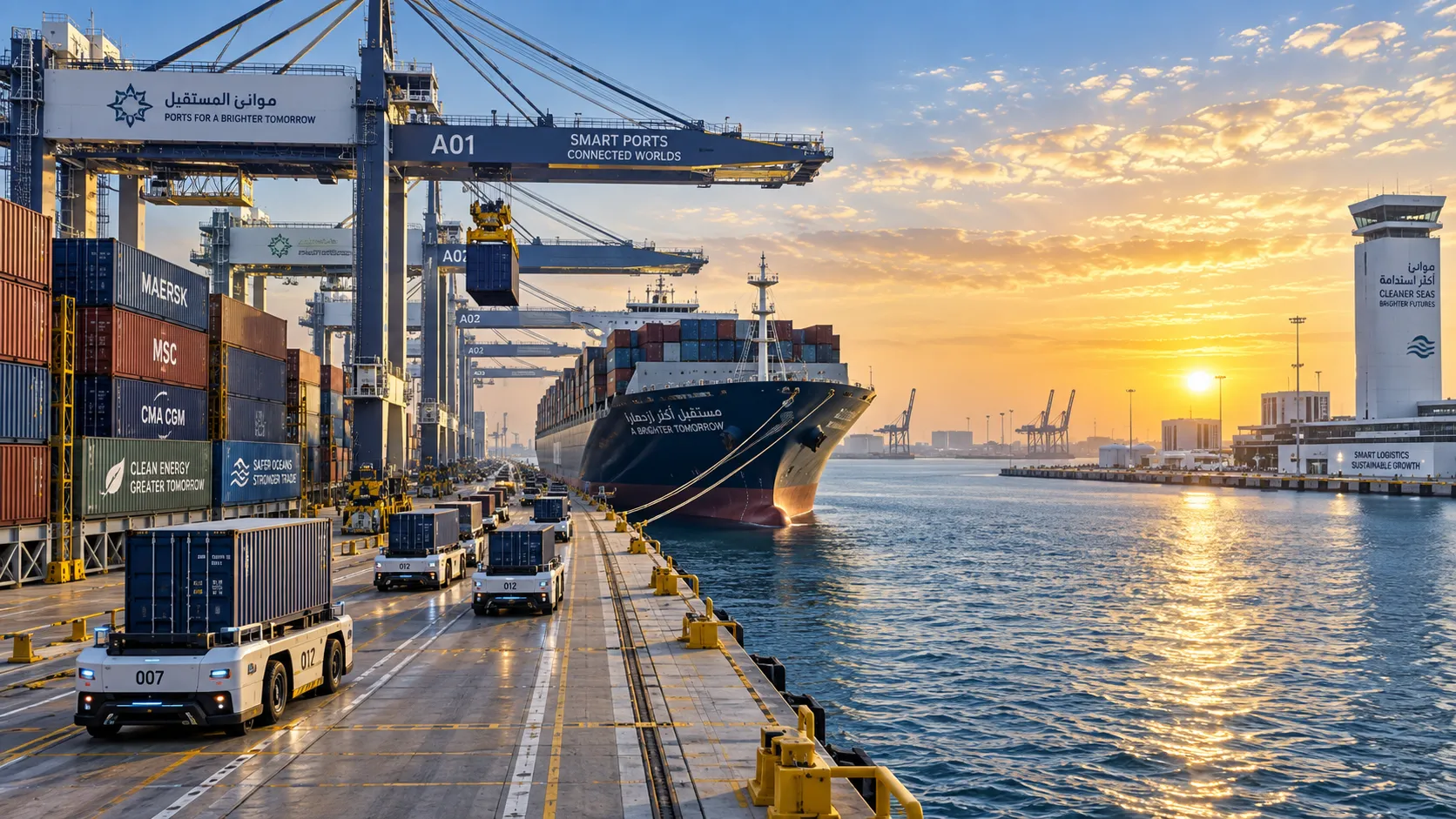
Middle East Port Automation: Key Market Drivers, Projects, and Investment Risks
Port automation systems Middle East: explore market drivers, flagship projects, integration challenges, and investment risks shaping smarter, resilient terminals.
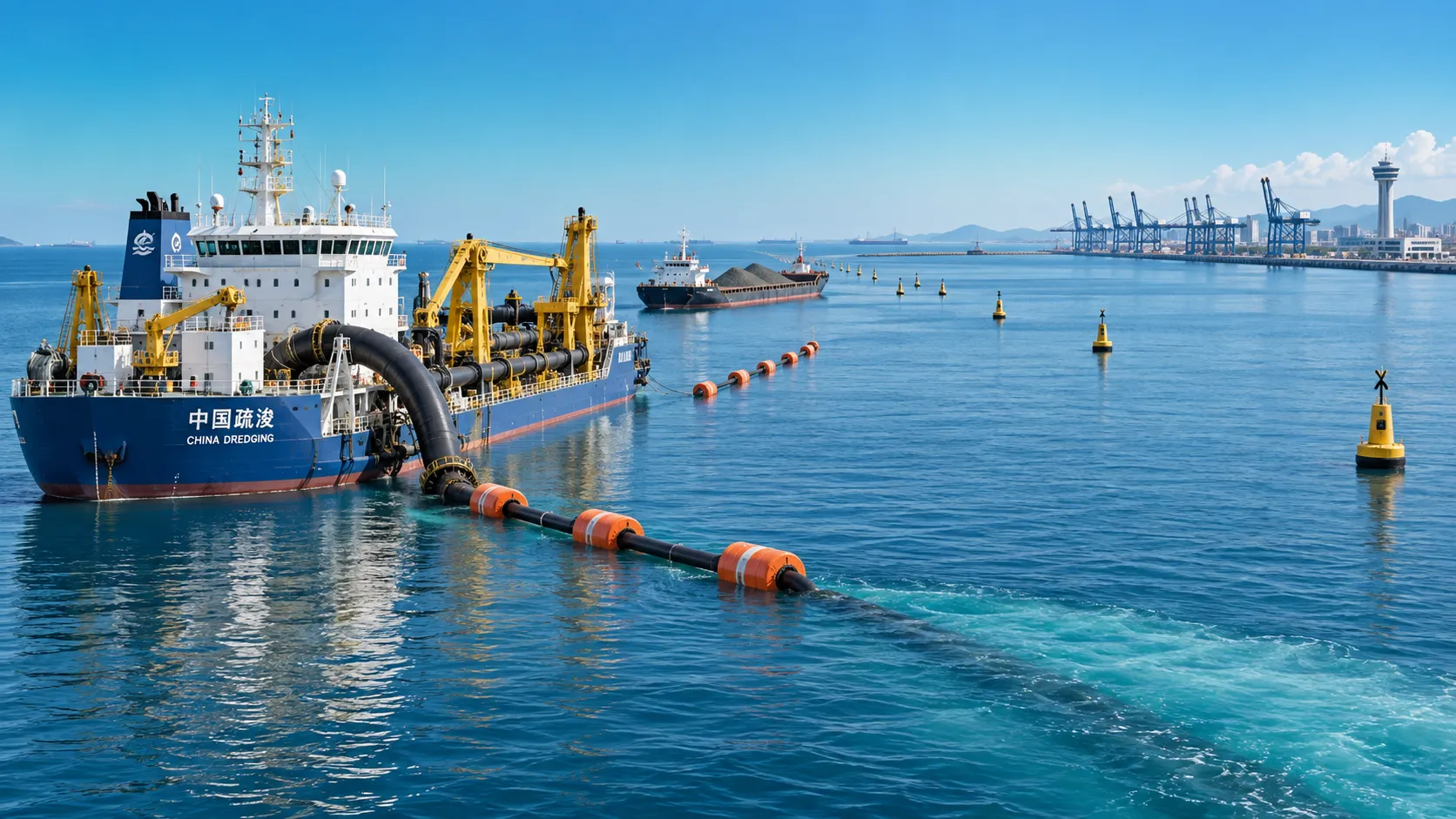
Planning Offshore Dredging Operations: Key Risks, Methods, and Project Controls
Offshore dredging operations demand smart planning. Explore key risks, proven methods, environmental controls, and project strategies for reliable delivery.