Related News
- 00
0000-00
How to Evaluate Terminal Efficiency Solution Suppliers for High-Throughput Operations - 00
0000-00
What to Consider When Buying Electric Port Machinery for Container Terminals - 00
0000-00
How to Select Container Handling Equipment for Middle East Ports and Terminals - 00
0000-00
How to Evaluate a Port Machinery Exporter for Large-Scale Terminal Projects - 00
0000-00
Evaluating a Dredging Equipment Manufacturer for Mining Plant Supply
Choosing a port infrastructure supplier with fewer risks
Choosing a port infrastructure supplier is a high-stakes decision for projects shaped by safety, schedule, capital exposure, and long-term asset performance. In a volatile maritime market, the best partner contributes more than equipment. A reliable port infrastructure supplier should prove engineering depth, integration readiness, delivery discipline, and lifecycle support. This guide shows how to reduce procurement risk and evaluate suppliers with a practical, decision-ready checklist.
Why a checklist matters when selecting a port infrastructure supplier
Port projects combine civil works, heavy machinery, automation, marine interfaces, and strict operating constraints. A weak supplier decision can trigger design conflicts, installation delays, cost escalation, and poor terminal productivity.
A checklist creates a disciplined way to compare each port infrastructure supplier across technical, commercial, and operational dimensions. It also helps separate polished marketing claims from measurable execution capability.
For complex terminals, dredging programs, and automated yards, risk rarely comes from one issue alone. It usually grows from small gaps in specifications, interfaces, compliance, or service response.
Core checklist for choosing a port infrastructure supplier with fewer risks
- Verify project references in similar environments, including berth layout, cargo profile, automation level, climate exposure, and required throughput performance.
- Confirm engineering scope boundaries early, especially interfaces between quay equipment, yard systems, power supply, controls, and marine civil structures.
- Check compliance with relevant standards, certifications, safety rules, emissions targets, and local authority approvals before contract drafting begins.
- Assess manufacturing capacity, subcontractor control, and quality assurance methods for steel fabrication, drive systems, electrical panels, and software integration.
- Review delivery history against actual milestones, not promised schedules, including factory testing, shipment coordination, site erection, and commissioning stability.
- Examine control system compatibility with TOS, PLC architecture, remote diagnostics, cybersecurity requirements, and future automation upgrades.
- Request lifecycle cost models covering energy use, spare parts, preventive maintenance, software support, and expected component replacement intervals.
- Test service responsiveness through escalation procedures, local field teams, spare stock location, and guaranteed recovery times after critical failures.
- Investigate financial stability, insurance coverage, bankability, and contract risk tolerance for long-lead, high-value infrastructure commitments.
- Demand transparent change-order rules, liquidated damages logic, and interface responsibility matrices to reduce dispute risk during installation.
- Validate digital reporting capability, including FAT records, commissioning logs, condition monitoring outputs, and asset performance dashboards.
- Inspect training plans for operators, maintenance crews, and control room teams, with clear handover documents and competency verification steps.
How to compare suppliers beyond price
Use a weighted evaluation model
A low bid can hide expensive risks. Compare each port infrastructure supplier using weighted criteria such as technical fit, delivery certainty, service coverage, integration maturity, and total ownership cost.
Price should matter, but not dominate. For mission-critical assets, reliability, spare availability, and commissioning quality often create larger financial impact than the initial discount.
Score evidence, not claims
Ask for test protocols, acceptance records, downtime statistics, and reference interviews. A capable port infrastructure supplier should document achieved performance, not just brochure-level specifications.
When possible, review operational installations that have run for at least one full maintenance cycle. Early-stage performance can look strong while hidden service issues remain unresolved.
Scenario-based checks for different port applications
Container terminal expansion
In container projects, the port infrastructure supplier must support crane productivity, yard density, traffic logic, and software interoperability. Equipment selection should match vessel size trends and future berth utilization.
Review automation interfaces carefully. Mismatches between STS cranes, RTGs, RMGs, AGVs, and terminal operating systems can create costly delays after civil works are already complete.
Bulk cargo and energy terminals
For bulk handling, focus on continuous duty reliability, dust control, corrosion protection, and maintainability under heavy loading cycles. Conveyor systems, shiploaders, and stacker-reclaimers require strong structural and process coordination.
A suitable port infrastructure supplier should understand transfer point design, material flow variability, and emergency shutdown logic. These details influence safety performance as much as machine capacity.
Dredging and channel improvement
Marine works demand attention to sediment behavior, pump performance, monitoring systems, and weather windows. The right port infrastructure supplier should coordinate equipment capability with geotechnical and hydraulic conditions.
Check whether reporting tools can track production rates, fuel use, wear conditions, and discharge efficiency. Weak monitoring can obscure underperformance until schedule recovery becomes difficult.
Automation and smart port upgrades
When upgrading legacy terminals, integration risk often exceeds equipment risk. A qualified port infrastructure supplier should map old control layers, communication protocols, and cybersecurity obligations before implementation.
Future-ready systems need scalable software architecture. That includes remote diagnostics, data historian functions, API compatibility, and manageable update procedures during live operations.
Commonly overlooked risks
Interface gaps between packages
One frequent problem is unclear responsibility between civil, mechanical, electrical, and software packages. If no single interface matrix exists, the port infrastructure supplier may deny ownership when problems emerge.
Weak after-sales localization
Some suppliers offer strong headquarters expertise but limited regional support. Long lead times for technicians or parts can turn a minor fault into extended terminal disruption.
Underestimating software dependency
Modern port assets rely heavily on software, networks, sensors, and control logic. If software licensing, access rights, and update ownership remain unclear, operational flexibility can be reduced later.
Ignoring corrosion and environmental exposure
Marine environments punish weak coatings, poor sealing, and low-grade electrical protection. A dependable port infrastructure supplier should specify real protection systems, not generic durability language.
Practical execution steps
- Build a requirement sheet that covers performance targets, interfaces, environmental loads, digital standards, and service expectations.
- Shortlist each port infrastructure supplier using mandatory pass-fail filters before commercial comparison begins.
- Run technical clarification meetings focused on gaps, assumptions, exclusions, and long-lead dependencies.
- Visit reference sites or arrange live operational reviews with structured question sets.
- Use a weighted scoring matrix and document the evidence supporting every score.
- Write contract terms that define testing, acceptance, warranties, spare support, and interface accountability.
Final takeaway
Selecting a port infrastructure supplier with fewer risks requires disciplined evaluation, not fast comparison. The right choice supports throughput, safety, maintainability, and future expansion across the full asset lifecycle.
Start with a structured checklist, demand verifiable evidence, and test every interface before contract award. A stronger selection process today can prevent years of operational compromise tomorrow.
Related News
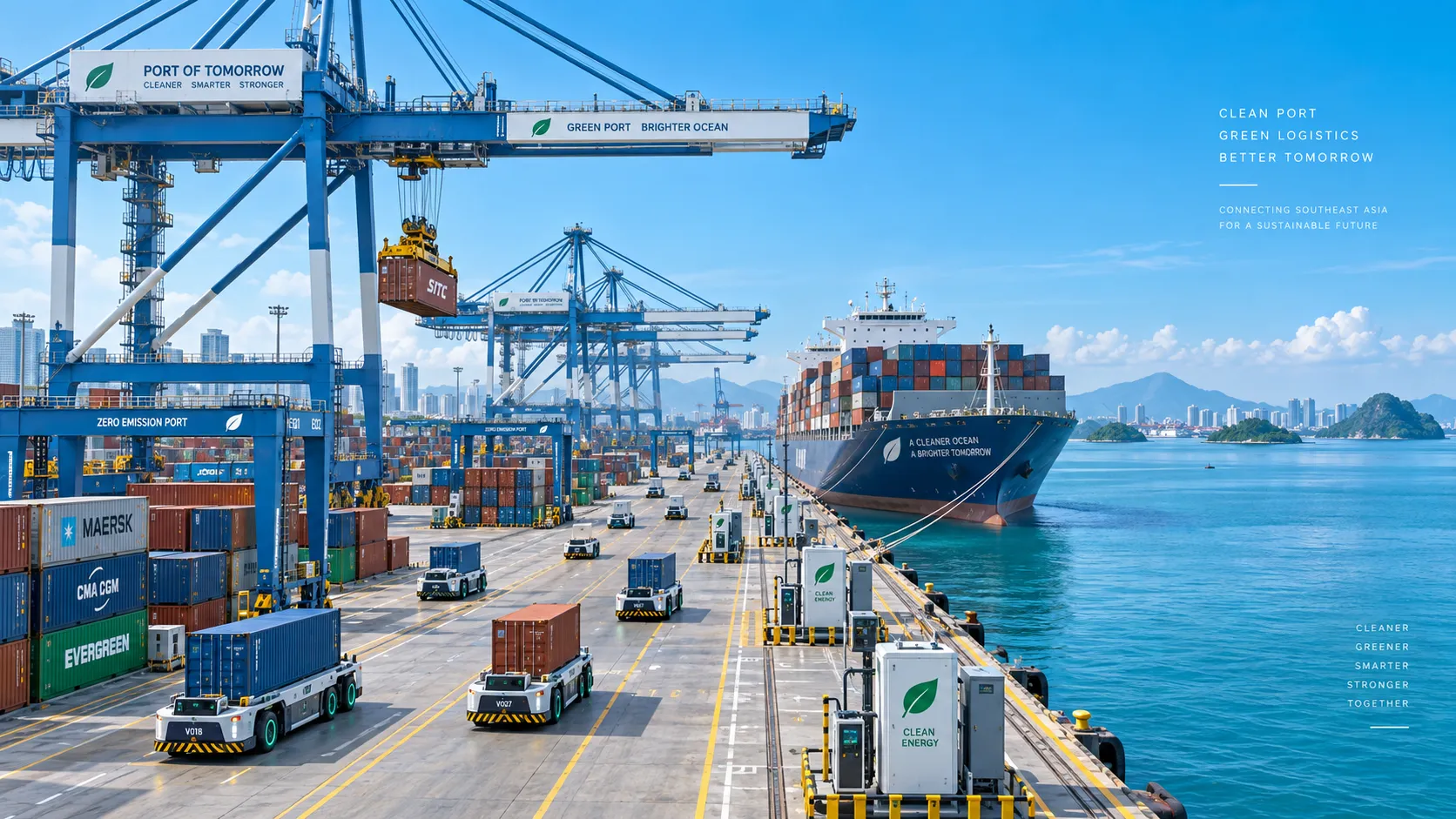
Smart Port Systems in Southeast Asia: Investment Priorities and Adoption Barriers
Smart port systems Southeast Asia: discover investment priorities, adoption barriers, and practical steps to build resilient, connected, high-performing terminals.

How to Evaluate Terminal Efficiency Solution Suppliers for High-Throughput Operations
Choose a terminal efficiency solutions supplier with confidence. Explore proven criteria for throughput, integration, lifecycle cost, safety, and reliable delivery.
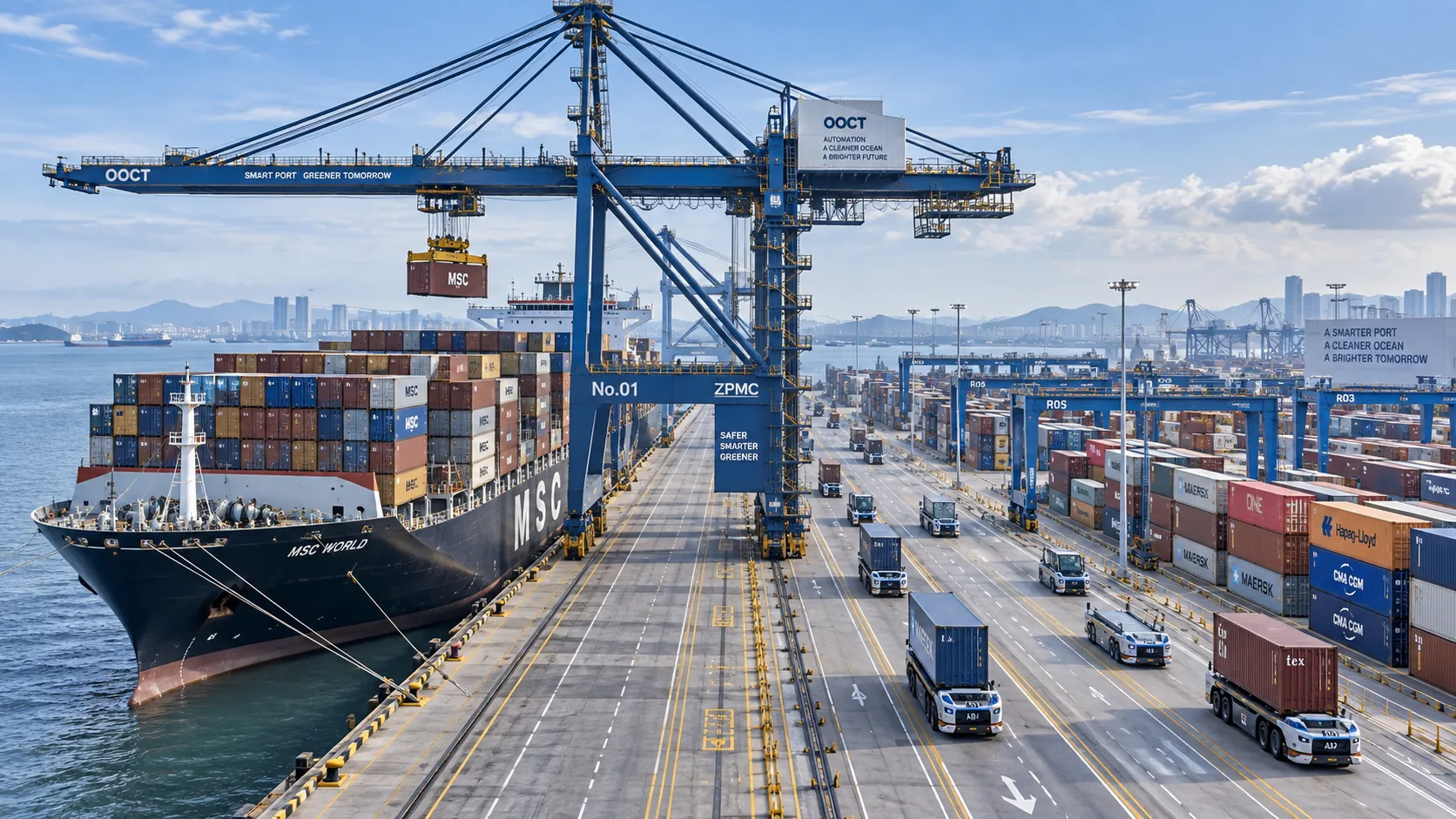
How to Specify a Quay Crane for Container Terminals by Vessel Size and Throughput?
Quay crane for container terminals: learn how to match outreach, lift height, capacity, automation, and cycle performance to vessel size and throughput goals.
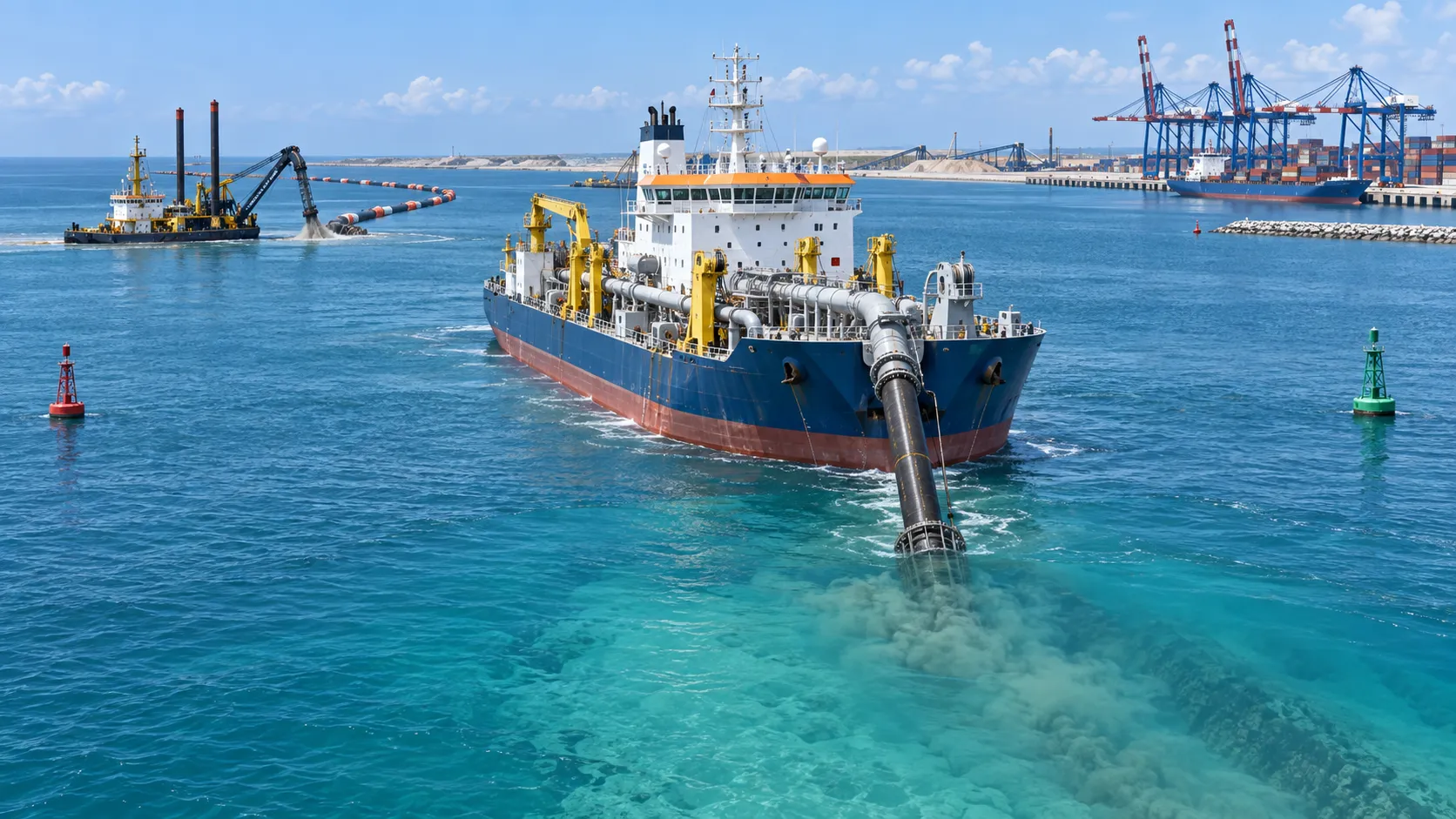
What Dredging Equipment Is Needed for Channel Deepening?
What dredging equipment is needed for channel deepening? Explore dredgers, pipelines, survey tools, and planning strategies for safer, more efficient port access.
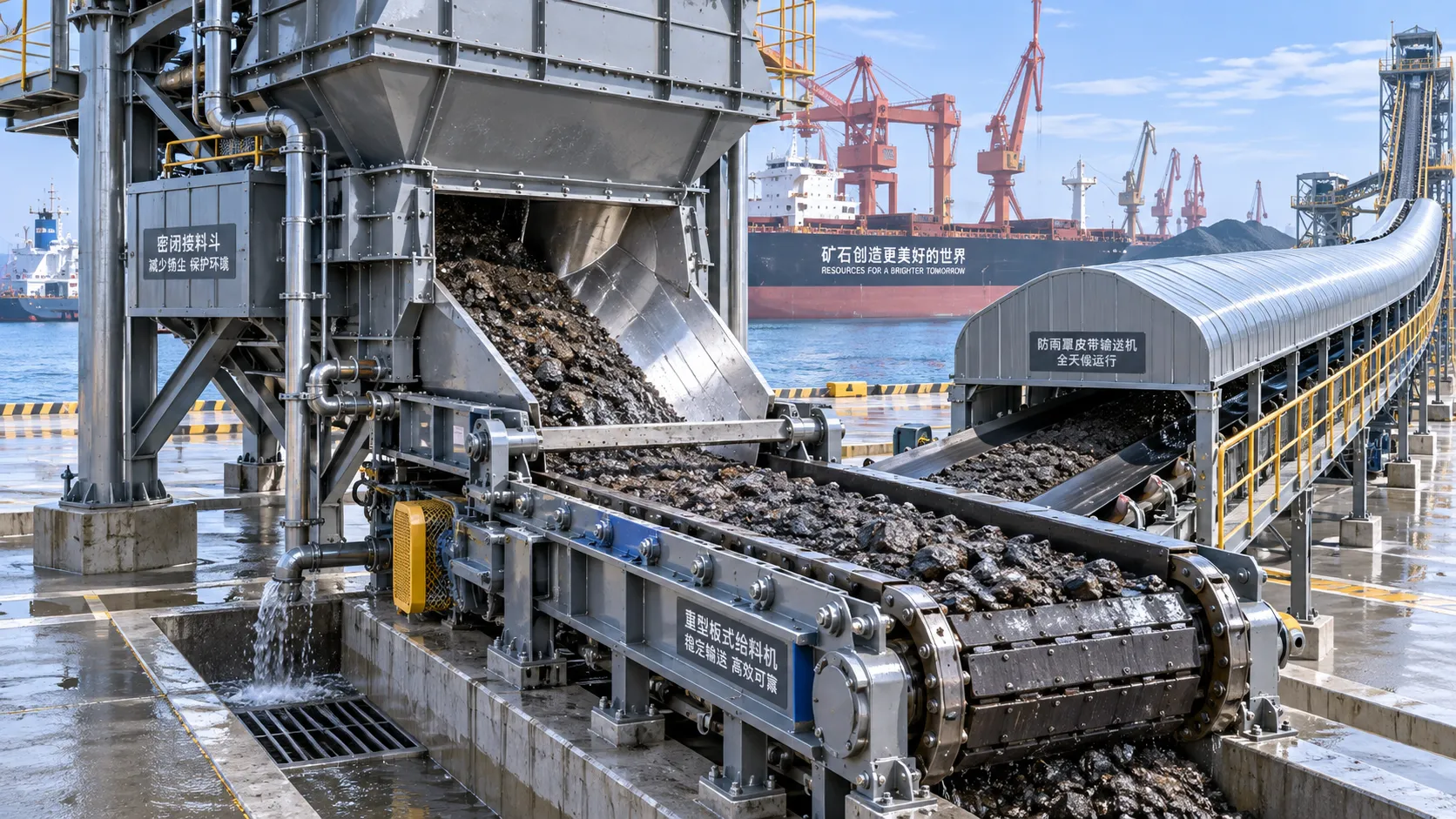
Which Bulk Handling Equipment Suits High-Moisture Cargo?
Which bulk handling equipment suits high-moisture cargo? Compare belt, apron, screw, drag, and slurry systems for reliable flow, less carryback, and higher terminal uptime.
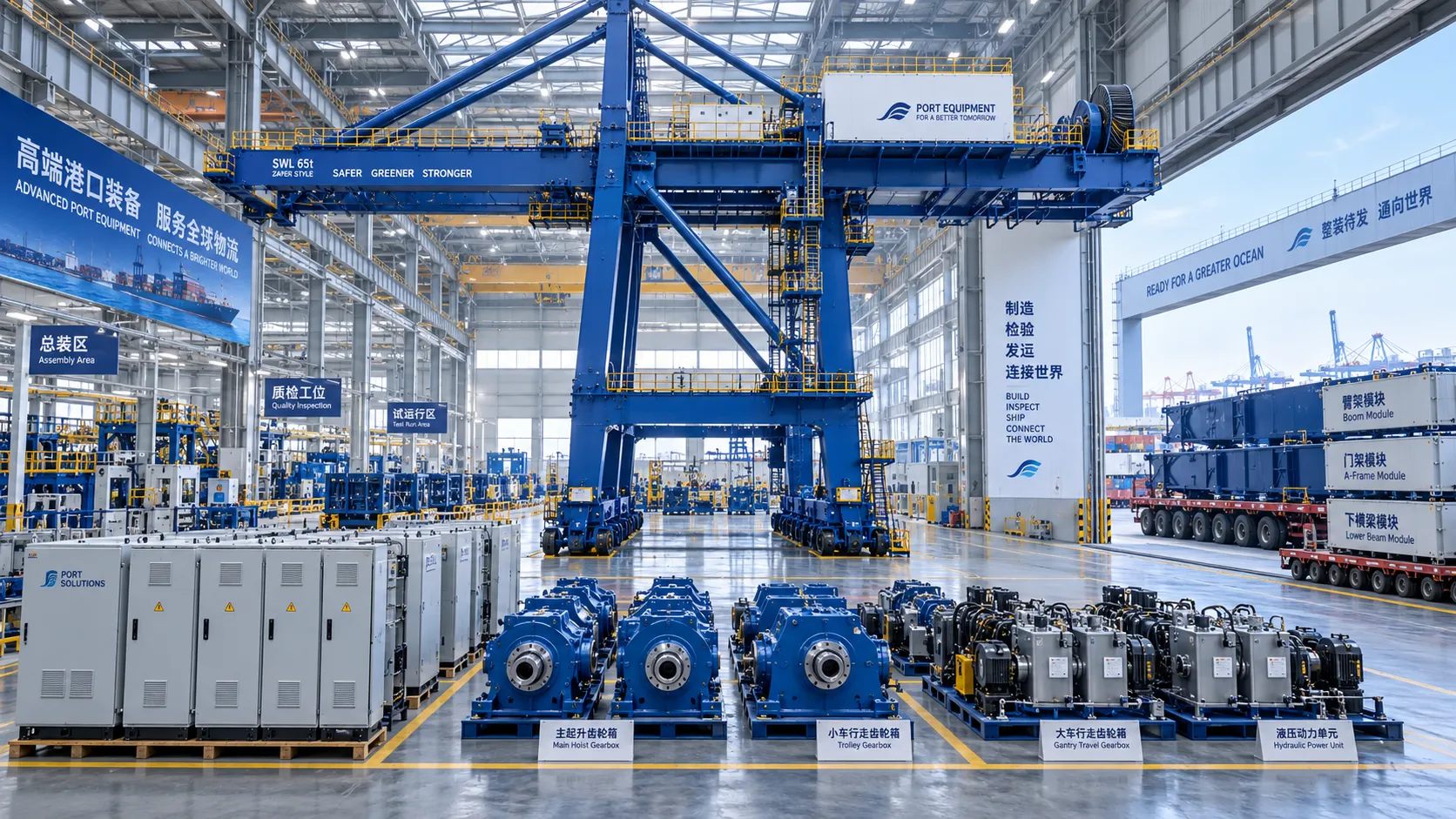
How Can Port Equipment Lead-Time Risk Be Managed?
How can port equipment lead-time risk be managed? Explore practical strategies to control critical paths, suppliers, transport, site readiness, and commissioning delays.
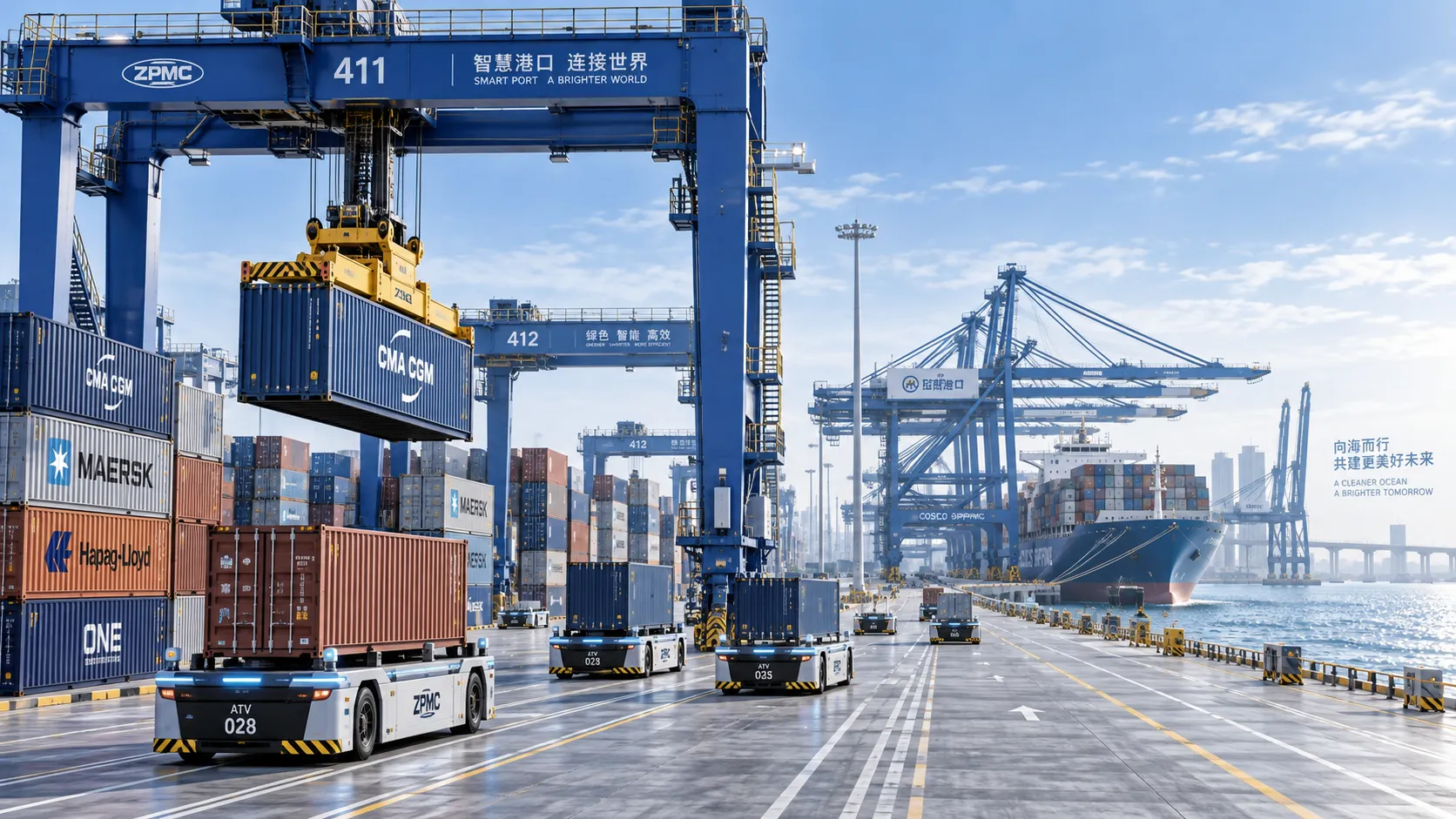
Terminal Automation Technologies That Raise Container Throughput Without Yard Disruption
Terminal automation technology that increases container throughput without disrupting yard flow. Explore smarter integration, resilient workflows, and phased deployment strategies.
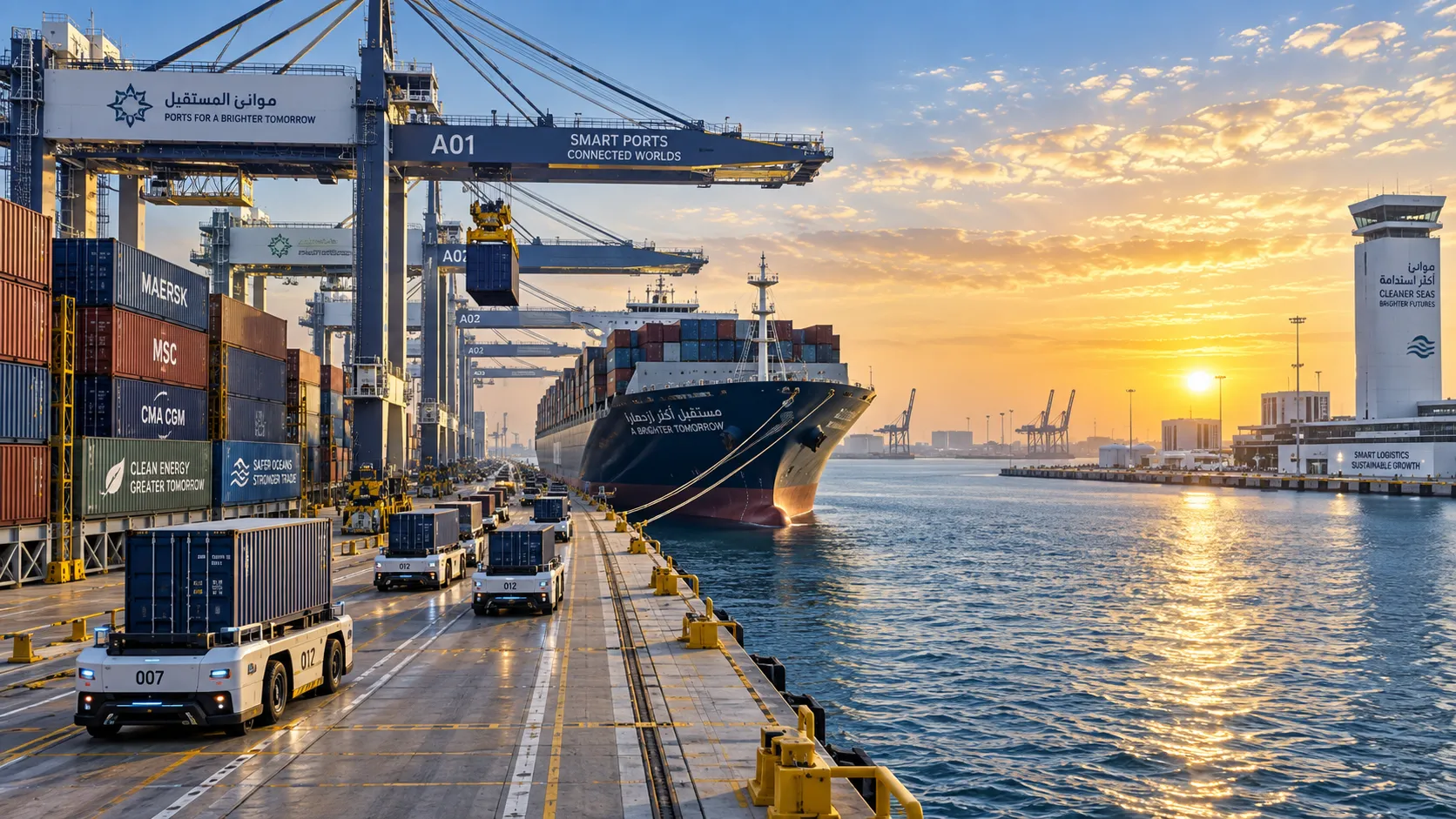
Middle East Port Automation: Key Market Drivers, Projects, and Investment Risks
Port automation systems Middle East: explore market drivers, flagship projects, integration challenges, and investment risks shaping smarter, resilient terminals.
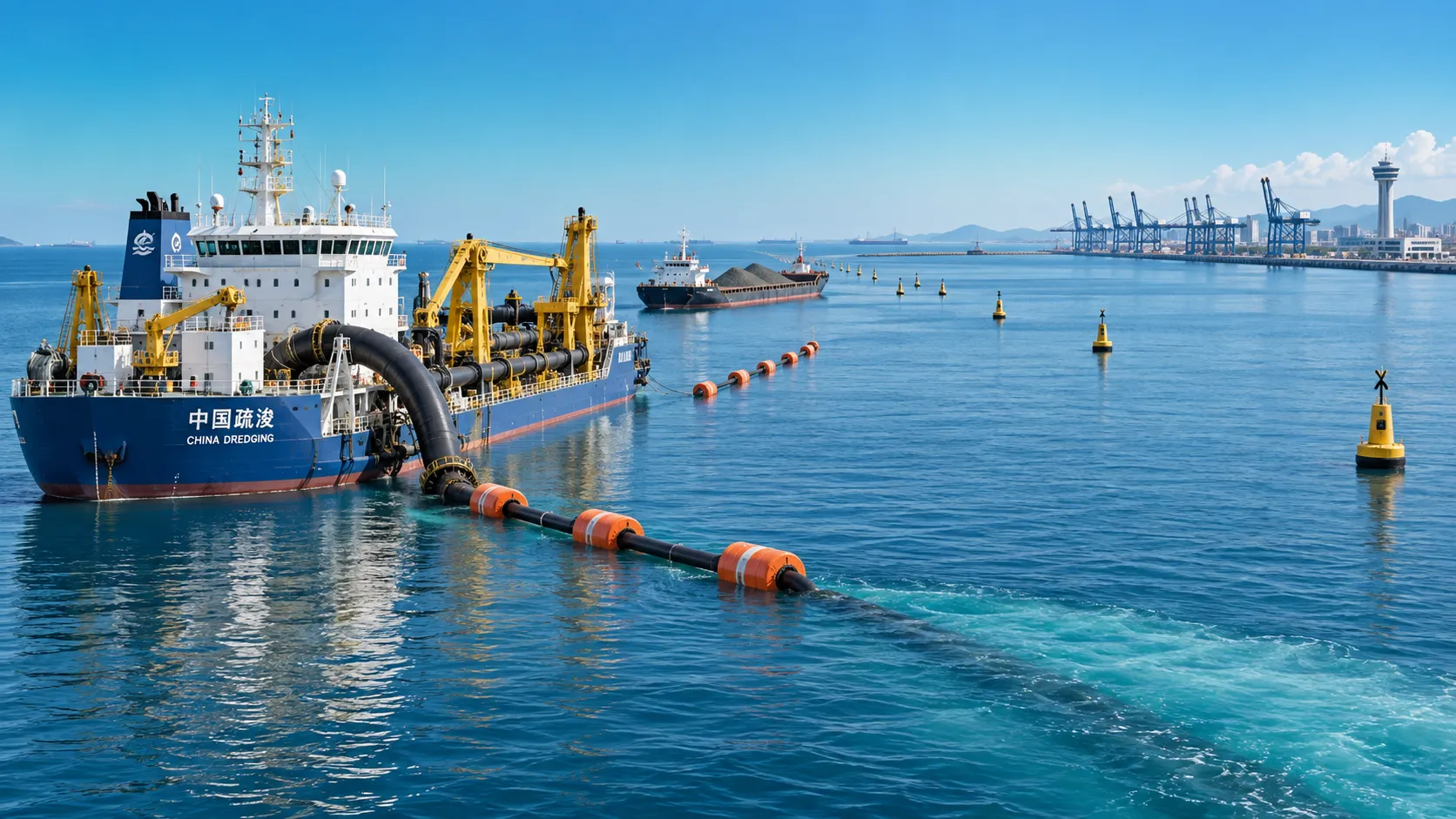
Planning Offshore Dredging Operations: Key Risks, Methods, and Project Controls
Offshore dredging operations demand smart planning. Explore key risks, proven methods, environmental controls, and project strategies for reliable delivery.