Related News
- 00
0000-00
Automated Port Systems in Latin America: Investment Priorities for Container Terminals - 00
0000-00
Smart Operations in the Middle East: Where Industrial Investment Is Growing - 00
0000-00
Port Equipment Market Outlook: Demand Drivers Shaping Crane and Handling Equipment Sales - 00
0000-00
Smart Port Systems in Southeast Asia: Investment Priorities and Adoption Barriers - 00
0000-00
Cargo Handling and Port Services Market: Demand Drivers and Investment Signals
Cargo Handling and Port Services Market: Demand Drivers and Investment Signals
A port operator can report stable cargo volumes while its economics deteriorate: vessel calls become less predictable, yard dwell time rises, labor and energy costs climb, and equipment availability falls below the level needed to protect berth windows. In that situation, a simple volume forecast is not enough to judge market demand. The relevant question is where congestion, asset constraints, and service risk are creating a willingness to spend.
The cargo handling and port services market is being shaped less by a single global trade cycle than by a set of operational pressures that differ by cargo type, terminal layout, and hinterland connection. The strongest investment signals usually appear where operators must protect throughput despite labor scarcity, vessel-size concentration, constrained land, shallow access channels, or stricter emissions expectations. For commercial assessment, cargo growth remains important, but it should be read alongside utilization, dwell time, maintenance exposure, scheduling reliability, and the ability of ports to convert operational improvements into durable service revenue.
Demand is moving from capacity expansion to capacity certainty
New quay length, larger yards, and additional handling machines remain relevant in developing gateways and bulk-export corridors. Yet in established ports, the immediate priority is often more practical: extracting reliable capacity from an existing footprint. A terminal may have enough nominal crane capacity on paper, but still lose productivity when truck queues, container rehandles, equipment downtime, or gate bottlenecks interrupt the flow.
This changes what buyers value. Instead of asking only whether a crane, conveyor, reach stacker, or service package can raise peak output, they increasingly examine whether it can reduce variation during normal operations. Equipment with predictable availability, faster fault isolation, easier parts planning, and compatible control interfaces can be more attractive than an option designed solely around maximum rated performance.
For investors and commercial evaluators, this distinction matters because utilization is rarely uniform. Assets operating close to practical limits during selected call windows may generate a stronger modernization case than assets with lower average utilization but ample recovery time. The key is to identify where lost minutes create cascading disruption: at the berth, at the yard transfer point, on the rail interface, or at the terminal gate.
Read cargo demand by operating system, not by total tonnage
Aggregate port throughput can obscure the source of equipment and service demand. Containers, dry bulk, liquid bulk, project cargo, and general cargo each place different demands on infrastructure, machines, labor, and digital coordination. A market assessment becomes more useful when cargo flows are separated by the operating systems they require.
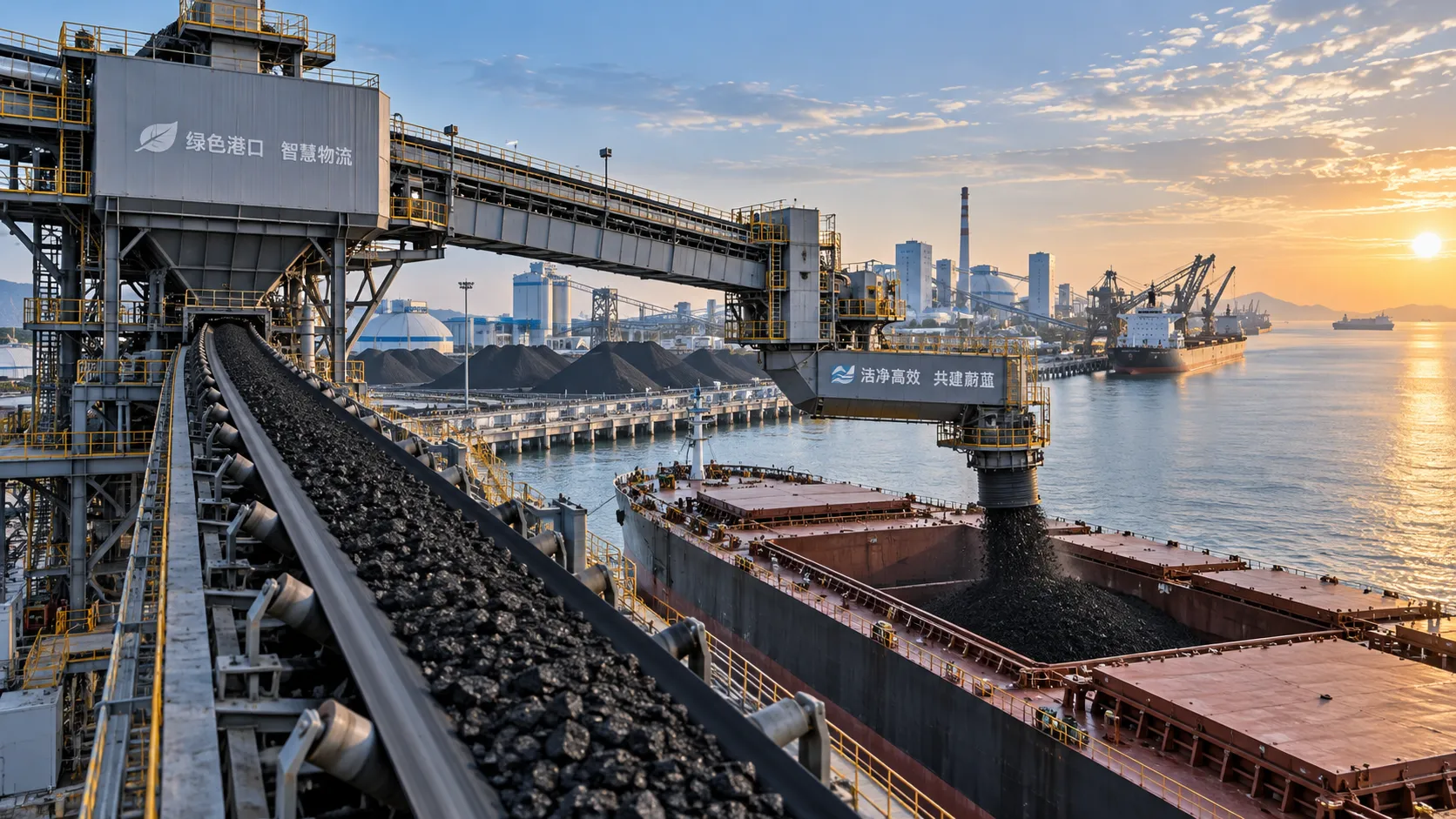
Containerized trade receives much of the automation attention, but bulk handling can produce equally compelling demand where commodity export chains depend on loading reliability. In these terminals, downtime may be driven by abrasion, material buildup, moisture variation, transfer-point failures, or environmental controls rather than by software scheduling. A generic “port equipment growth” assumption misses these operational differences.
Likewise, strong container volumes do not automatically justify full terminal automation. The business case depends on yard geometry, labor structure, gate configuration, electrical infrastructure, fleet age, vessel-call patterns, and the terminal’s ability to manage a transition without damaging service levels. Partial automation, remote operation, or targeted optimization may offer a better risk-adjusted path than a complete redesign.
Automation demand is becoming more selective
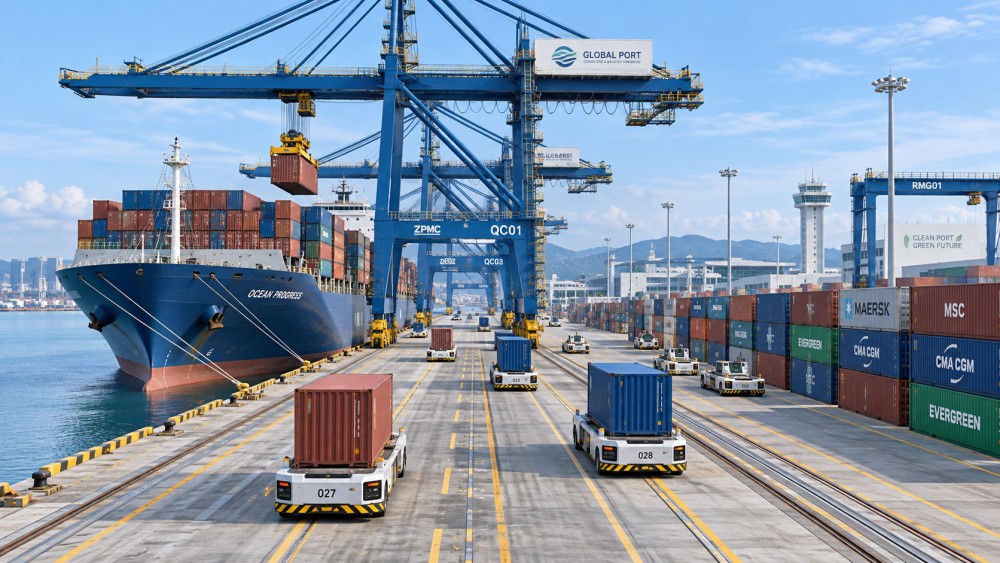
Automation is no longer best viewed as a single procurement category. It includes remote-controlled ship-to-shore cranes, automated stacking cranes, automated guided vehicles, yard planning software, equipment telematics, optical character recognition at gates, and integration layers that connect these systems. Each addresses a different operating constraint, and each carries a different implementation risk.
Investment demand tends to strengthen when a terminal can identify a repeatable process with measurable friction. For example, an operator may be dealing with inconsistent container handoffs between quay and yard, repeated exceptions in truck dispatch, or a limited ability to staff certain shifts. These are more actionable triggers than a broad ambition to become “smart.”
Where the automation case is strongest
- High-density yards: When land expansion is constrained, better slot planning, lower rehandle rates, and more controlled equipment movement can release usable capacity.
- Repetitive, standardized moves: Automation is easier to justify where container dimensions, transfer routes, and work sequences are relatively consistent.
- Labor availability pressure: Remote operation and automated workflows can reduce exposure to hard-to-fill roles, although they do not eliminate the need for technical, supervisory, and maintenance capability.
- Persistent safety separation needs: Systems that reduce interactions between personnel and moving equipment can have operational value beyond direct labor economics.
- Existing digital discipline: A terminal with clean equipment data, clear operating procedures, and dependable communications is better positioned than one trying to digitize unstable processes.
Commercial evaluations should also account for transition conditions. Automated equipment depends on stable power, network resilience, cybersecurity controls, spare-parts access, operator training, and a clear procedure for manual fallback. A project that looks efficient in steady-state modeling may underperform if exception handling is poorly designed. The investment signal is therefore not merely the presence of automation technology; it is the operator’s readiness to redesign work around it.
Service revenue is increasingly tied to uptime and response speed
Ports are capital-intensive environments, but their operating risk is often managed through service relationships rather than through new equipment purchases alone. As fleets age and terminal systems become more interconnected, demand for inspection, preventive maintenance, condition monitoring, refurbishment, control-system support, and critical-spares planning becomes more visible.
This is especially important for equipment that sits on a critical path. A failure in a quay crane, ship loader, conveyor transfer station, or automated yard control interface can affect far more than one asset. It can delay vessel work, create yard imbalance, trigger unplanned labor changes, and reduce the terminal’s recovery capacity for later shifts. Buyers may therefore place greater value on service providers that understand the sequence of terminal operations, not simply the machine itself.
A useful assessment question is: what is the cost of uncertainty, not just the cost of maintenance? Where repair times are difficult to predict, operators may prioritize remote diagnostics, local parts availability, standardized components, and service-level arrangements. Where assets are non-critical or have redundancy, the purchase decision may remain more price-sensitive.
Decarbonization spending follows operational constraints
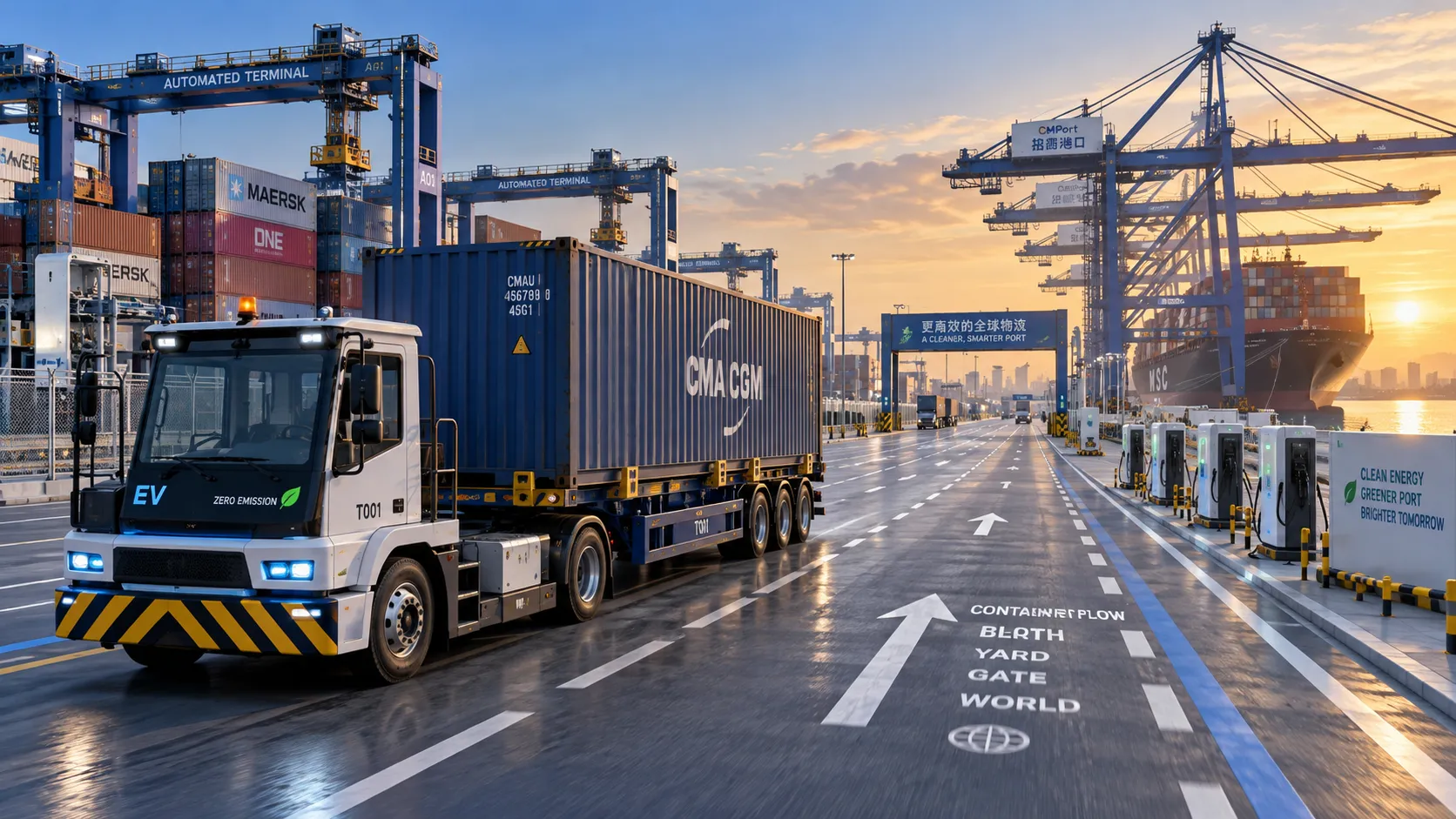
Emissions reduction is influencing equipment selection, but the direction of spending varies widely. Electrified cranes and yard equipment can be attractive where power supply is adequate and operating cycles support charging or cable-based systems. Hybrid or lower-emission alternatives may be considered where full electrification is limited by grid capacity, duty cycle, or fleet replacement timing.
The practical issue is not whether a technology has lower direct emissions. It is whether the terminal can operate it without creating new bottlenecks. Commercial evaluators should examine electrical connection capacity, peak-load management, charging location, downtime during charging, battery service procedures, and the consequences of power interruptions. A terminal that adds electric equipment without adapting dispatch logic and maintenance routines can transfer a fuel problem into an availability problem.
Decarbonization also reaches beyond mobile equipment. Energy monitoring, regenerative crane systems, improved lighting, optimized reefer management, shore-power interfaces, and reduced idling at gates may all affect port-service demand. These investments are often modular, allowing operators to address a specific operating cost or emissions source before committing to a larger fleet transition.
Dredging and marine access remain strategic demand indicators
Port services do not begin at the berth. A terminal’s commercial position depends on vessels being able to enter, maneuver, berth, and depart safely under the required loading conditions. Where channel depth, sedimentation, turning-basin capacity, or berth-pocket dimensions become limiting factors, cargo handling investments can lose value unless marine access is addressed at the same time.
Dredging-related demand should not be treated only as a construction cycle. Maintenance dredging can become a recurring operating necessity in ports exposed to sediment movement, riverine inflow, or changing coastal conditions. The investment case may involve dredging machinery, pumps, monitoring instruments, survey capability, sediment handling arrangements, or specialized marine services. Each has a different procurement rhythm and risk profile.
For a business evaluator, the central point is linkage: deeper or more reliable access may support larger vessel calls, but the terminal must also have berth productivity, yard capacity, and landside evacuation capability to convert that access into revenue. A marine project without terminal integration can shift the bottleneck rather than remove it.
Signals that deserve more weight in an investment review
Market headlines can be useful context, but investment decisions are better anchored in indicators that reveal whether an operational problem is persistent. The following signals tend to carry more weight than a temporary increase in cargo volumes:
- Repeated berth-window compression caused by larger vessels or uneven arrival patterns.
- Yard occupancy reaching levels where rehandles and equipment conflicts become routine.
- Maintenance backlogs on critical handling assets or growing reliance on reactive repairs.
- Longer truck turn times that indicate gate, appointment, or interchange friction.
- Inability to recruit or retain operators, technicians, or marine-service personnel for critical shifts.
- Channel-depth restrictions that prevent vessels from using desired drafts or loading plans.
- Energy constraints that delay replacement of diesel-powered equipment or remote-control infrastructure.
- Customer requirements for more predictable release, loading, storage, or cargo-status information.
No single indicator proves that capital expenditure is justified. A short-term congestion episode may result from a weather event, labor disruption, or temporary shipping-network adjustment. The more credible opportunity is a pattern that persists across operating cycles and is supported by evidence from maintenance records, equipment telemetry, call schedules, yard data, and customer service performance.
Competitive position depends on integration, not equipment ownership alone
Two terminals can operate similar cranes and still produce very different results. The difference may lie in maintenance planning, dispatch discipline, gate coordination, marine services, labor deployment, customs interfaces, or the accuracy of operating data. This is why the cargo handling and port services market increasingly rewards integrated capability.
For suppliers, the implication is that demand may shift from isolated equipment tenders toward packages that include controls, lifecycle support, condition data, retrofit compatibility, and training. For terminal owners and infrastructure investors, due diligence should test whether proposed assets fit the broader operating model. A high-specification machine can become an underused asset if the supporting power supply, workforce skills, digital architecture, or berth process is not ready.
Investment timing is also part of competitive positioning. Replacing equipment too late can expose a terminal to availability risk and emergency procurement. Replacing it too early can lock capital into a configuration that does not match cargo mix or automation plans. A staged pathway—such as controls modernization before fleet replacement, or predictive maintenance before a major overhaul—can preserve options while improving near-term reliability.
Building a practical market view
A defensible market view starts with the operating constraint, then traces the expenditure it is likely to trigger. Begin by separating structural demand from episodic disruption. Next, identify whether the constraint sits in marine access, berth operations, yard flow, landside transfer, equipment reliability, workforce availability, or energy infrastructure. Then test whether the proposed investment removes that constraint or simply relocates it.
The most attractive opportunities usually combine a clear bottleneck with an implementable response. They are supported by operational evidence, fit existing infrastructure, and improve a service outcome that port users can recognize: more dependable vessel turnaround, steadier cargo release, reduced equipment disruption, safer work zones, or more reliable access. That is a more disciplined way to interpret demand than relying on throughput projections alone.
Related News
How to Evaluate a Bulk Handling Equipment Exporter for Port and Plant Projects
Bulk handling equipment exporter evaluation guide for port and plant projects—compare engineering, references, delivery reliability, and lifecycle support.
How to Evaluate a Yard Mobility Solutions Manufacturer for High-Throughput Sites
Yard mobility solutions manufacturer evaluation guide for high-throughput terminals: assess performance, integration, service, lifecycle costs, and delivery risk.
Automated Port Systems in Latin America: Investment Priorities for Container Terminals
Automated port systems Latin America: discover investment priorities for container terminals, from smart gates and remote cranes to resilient digital control layers.
Selecting Intermodal Yard Equipment for Fast, Safe Container Transfers
Container handling equipment for intermodal yards: compare reach stackers, RTGs, automation, safety planning, and lifecycle costs to build faster, safer container flow.
Terminal Control System Costs: Budgeting Hardware, Integration, and Lifecycle Support
Terminal control systems cost explained: budget hardware, integration, safety, cybersecurity, commissioning, and lifecycle support for resilient terminal operations.
Smart Operations in the Middle East: Where Industrial Investment Is Growing
Smart operations Middle East investment is reshaping ports, industrial corridors, and logistics networks through connected data, automation, resilience, and smarter asset performance.
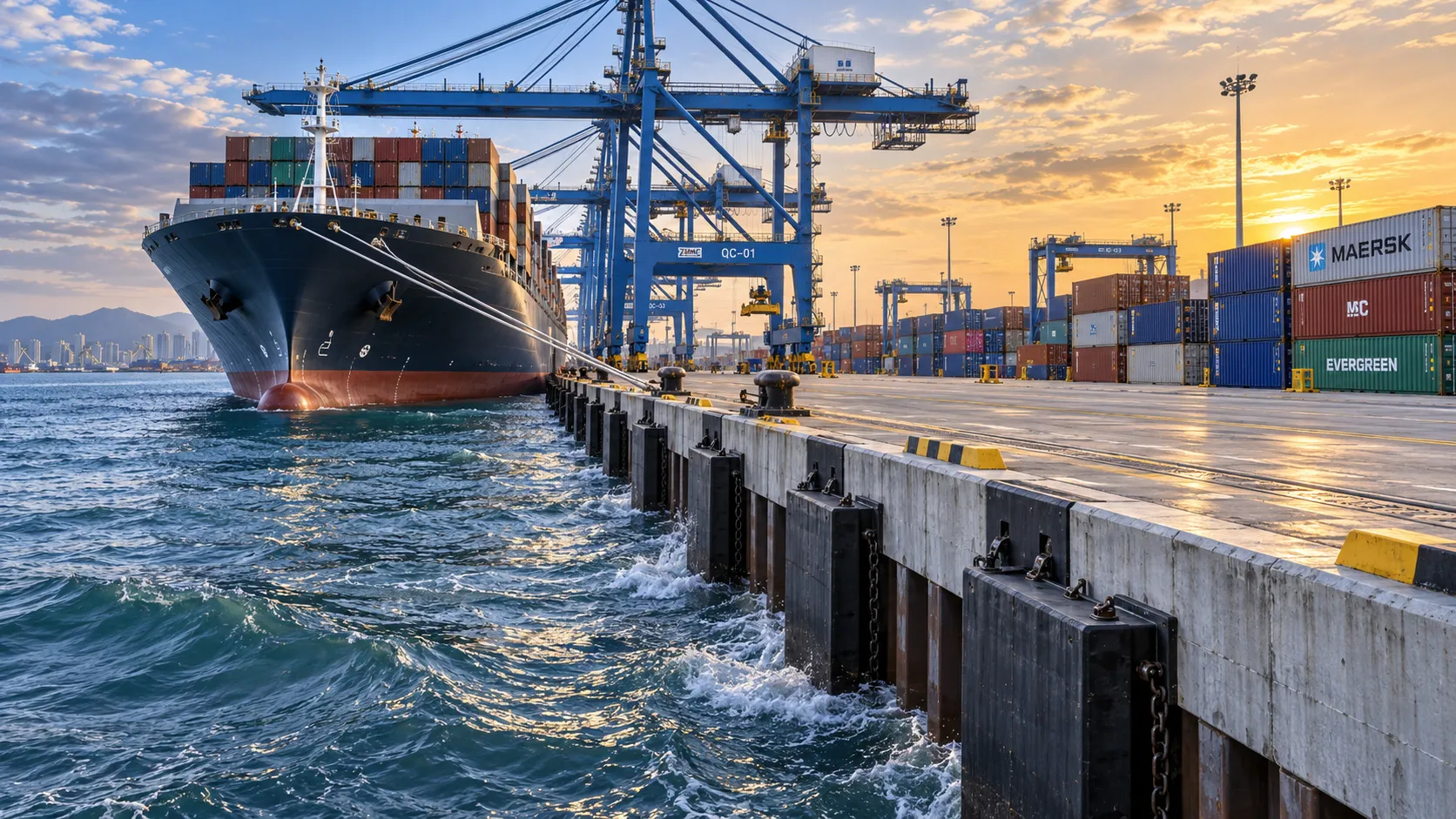
How to Select Harbor Structures for Quay Walls Under Berthing and Wave Loads
Harbor structure for quay wall selection: evaluate berthing energy, wave loads, soil conditions, durability, and lifecycle risk to build safer, adaptable terminals.
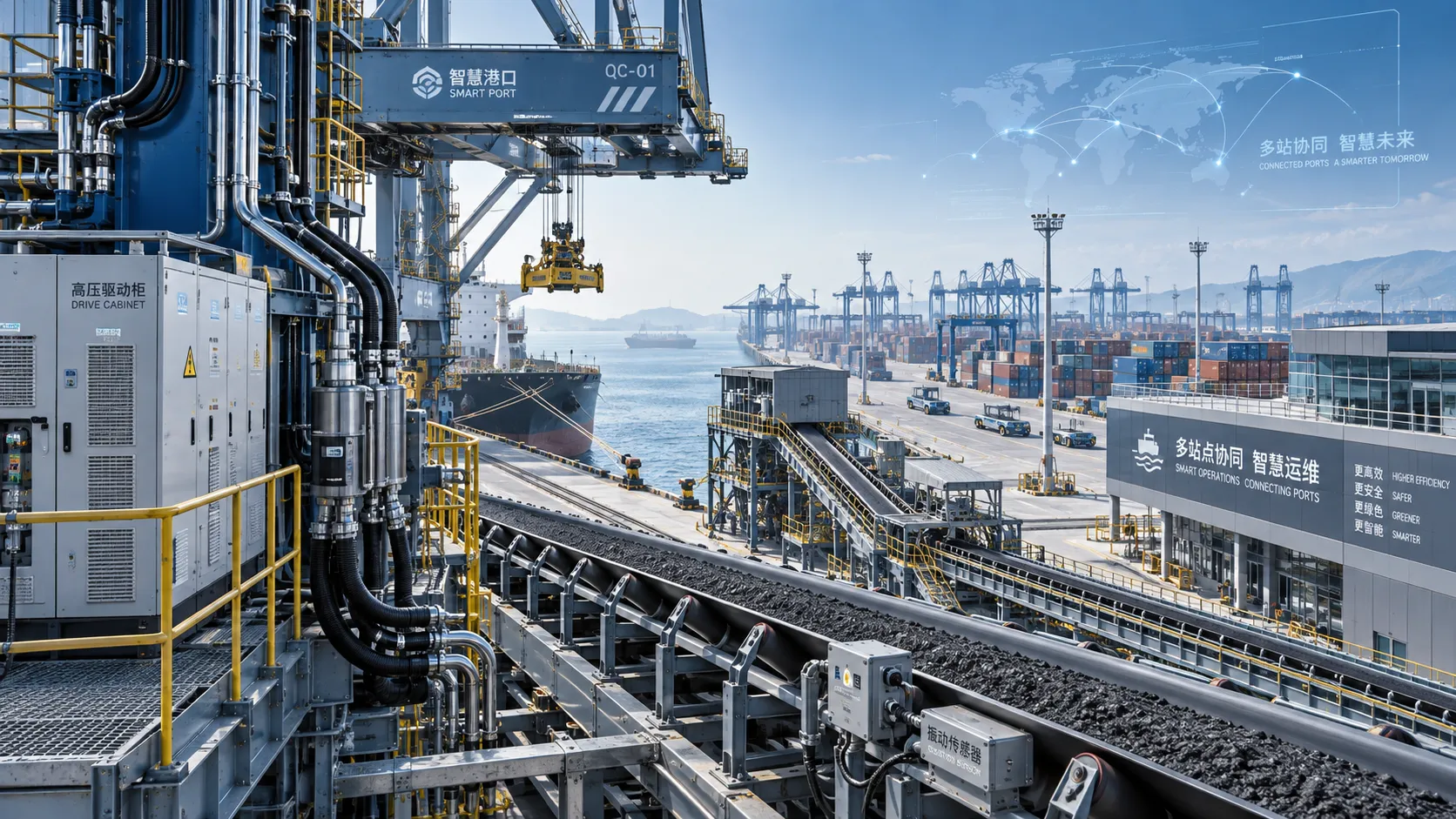
Selecting Smart Terminal Software for Multi-Site Field Service Operations
Smart terminal solutions software helps multi-site field service teams unify asset history, mobile maintenance, integrations, and reporting for safer, faster terminal operations.
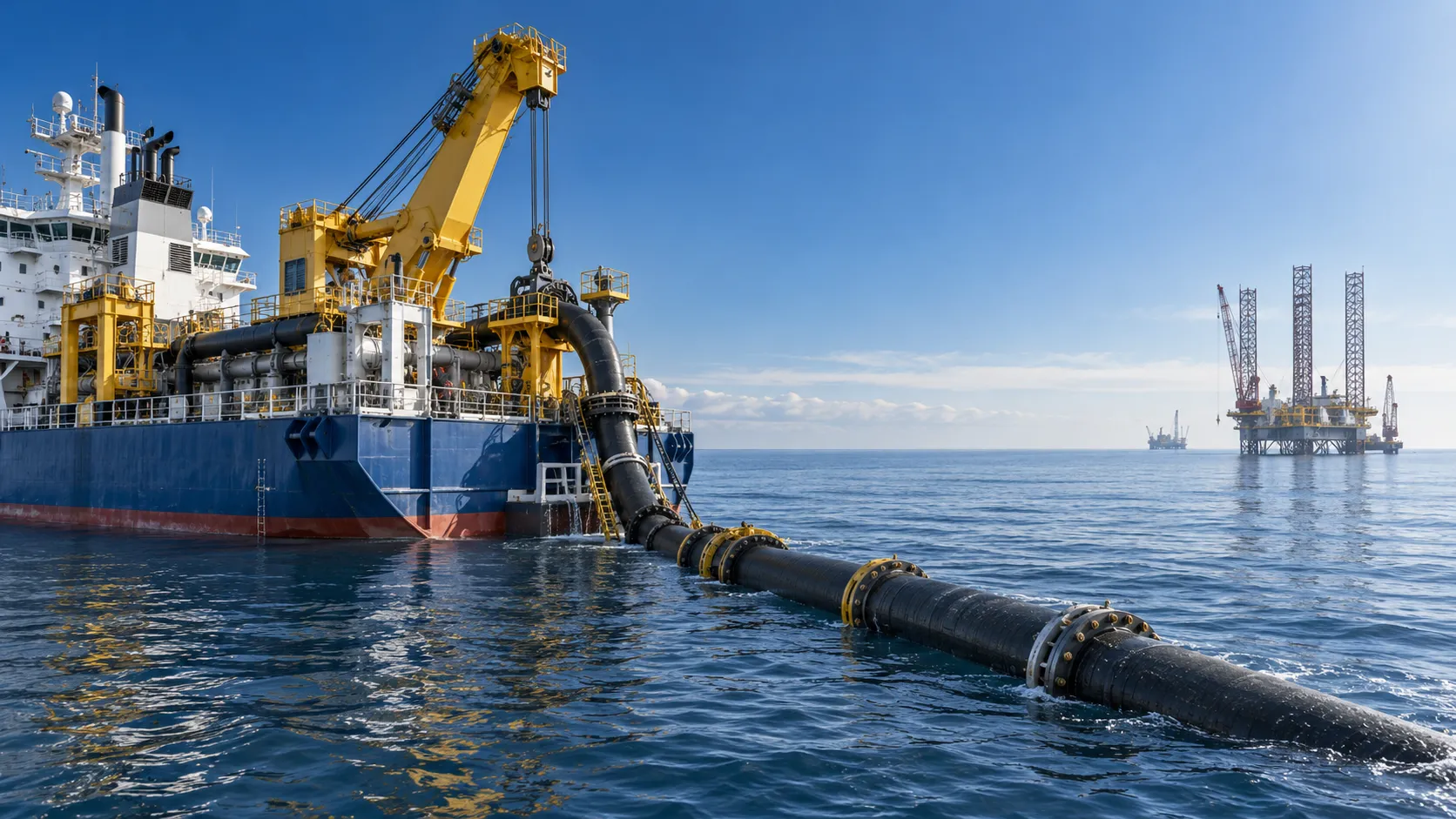
How to Specify Heavy-Duty Marine Engineering Equipment for Offshore Projects
Heavy duty marine engineering equipment: learn how to specify reliable offshore assets for safety, uptime, integration, lifecycle cost, and project success.