Related News
- 00
0000-00
How to Specify a Quay Crane for Container Terminals by Vessel Size and Throughput? - 00
0000-00
Which Bulk Handling Equipment Suits High-Moisture Cargo? - 00
0000-00
Terminal Automation Technologies That Raise Container Throughput Without Yard Disruption - 00
0000-00
Planning Offshore Dredging Operations: Key Risks, Methods, and Project Controls - 00
0000-00
Where Do Automated Guided Vehicles Deliver the Fastest Warehouse Gains in the Middle East?
What makes marine engineering solutions project ready?
What makes marine engineering solutions project ready?
For project managers overseeing port upgrades, dredging works, or automated terminal deployments, project readiness is more than technical capability.
It is the alignment of design, equipment, data, compliance, and execution risk before mobilization begins.
Truly project-ready marine engineering solutions connect site intelligence with scalable machinery, resilient control systems, and clear delivery milestones.
They help teams reduce uncertainty, protect schedules, and move confidently from planning to on-site implementation.
What does “project ready” mean for marine engineering solutions?
Project readiness means a solution can enter execution without hidden design gaps, unresolved permits, or incompatible equipment assumptions.
For ports and coastal works, marine engineering solutions must perform under tidal forces, sediment movement, corrosion, traffic pressure, and safety constraints.
A concept drawing is not enough. Readiness requires verified data, constructible methods, and realistic interface control.
In terminal modernization, readiness may include crane rail checks, yard pavement capacity, power demand, network latency, and automation handover rules.
In dredging, readiness depends on bathymetry, geotechnical profiles, disposal routes, pump curves, cutter limits, and environmental monitoring plans.
The practical question is simple: can the project start with confidence, or will the site expose missing decisions?
Core signs of readiness
- Scope boundaries are documented and linked to measurable outputs.
- Site data is current, traceable, and suitable for engineering decisions.
- Equipment selection matches loads, cycles, weather windows, and maintenance access.
- Control systems can integrate with terminal operating systems or dredging telemetry.
- Risks have owners, mitigation actions, and decision deadlines.
When these points are mature, marine engineering solutions become executable assets, not only technical proposals.
Which site intelligence makes marine engineering solutions reliable?
Reliable site intelligence is the foundation of project-ready marine engineering solutions.
Coastal projects operate in dynamic environments where small assumptions can create large cost and schedule impacts.
Bathymetric surveys reveal seabed levels, access limitations, turning basin constraints, and dredging volume uncertainty.
Geotechnical investigations define bearing capacity, slope stability, settlement behavior, and dredgeability.
Met-ocean data supports planning for waves, currents, wind shutdowns, vessel maneuvering, and floating equipment safety.
For automated ports, data also includes wireless coverage, fiber routes, sensor locations, and cybersecurity exposure.
Why outdated data is dangerous
Old surveys may miss siltation, scour, seabed obstructions, or changes caused by storms and vessel wash.
This can lead to incorrect dredging quantities, weak quay assumptions, or unsuitable marine equipment deployment.
Project-ready marine engineering solutions use data freshness rules and define when re-survey is mandatory.
Data that improves constructability
- High-resolution bathymetry for dredging and navigation clearance.
- Soil classifications for cutter suction, trailing suction, or mechanical dredging choices.
- Utility mapping for power, water, drainage, fuel, and communication interfaces.
- Asset condition surveys for quay walls, fenders, bollards, rails, and pavement.
- Operational traffic studies for berth occupancy and yard flow constraints.
Good intelligence allows marine engineering solutions to be sized, sequenced, and priced with stronger confidence.
How should equipment and automation be matched to the project?
Project-ready marine engineering solutions do not treat machinery as an isolated purchase.
They match equipment capacity, control logic, maintenance strategy, and lifecycle cost to the operating environment.
For container terminals, quay cranes, yard cranes, AGVs, straddle carriers, and reach stackers must share a coherent flow model.
A faster crane may not improve throughput if yard transfer lanes or gate systems remain constrained.
For bulk terminals, conveyor capacity, ship loaders, hoppers, dust suppression, and stockyard reclaim rates must be balanced.
For dredging works, pump power, cutter torque, pipeline length, booster needs, and disposal distance must be evaluated together.
Automation readiness is more than software
Automated marine engineering solutions require reliable sensing, deterministic communication, secure control, and practical exception handling.
Low-latency crane control, AGV path planning, and digital pump monitoring all depend on network resilience.
Human fallback procedures also matter. Automation must define who acts when systems lose visibility or confidence.
Useful selection questions
- Does the equipment meet peak demand, not only average demand?
- Can spare parts, service skills, and diagnostics be available locally?
- Are automation interfaces open enough for future system upgrades?
- Will energy use, emissions, and noise meet operational targets?
- Can the solution scale when berth, yard, or channel capacity expands?
The best marine engineering solutions combine mechanical strength with intelligent control and maintainable architecture.
What compliance, safety, and environmental factors must be cleared?
Compliance clearance is a decisive readiness gate for marine engineering solutions.
Projects can stall when permits, environmental obligations, marine traffic approvals, or safety cases remain incomplete.
Port and dredging activities may affect water quality, turbidity, habitats, noise, sediment plumes, and navigation safety.
A project-ready approach converts these requirements into monitoring points, work windows, and hold points.
Environmental readiness questions
- Are turbidity thresholds defined and linked to response actions?
- Is sediment contamination tested before relocation or disposal?
- Are protected species, fisheries, or seasonal restrictions reflected in the schedule?
- Are net-zero, electrification, or fuel transition goals considered early?
Safety and navigation controls
Heavy terminal gear, floating plant, and active vessel traffic create complex simultaneous operations.
Marine engineering solutions should include exclusion zones, lifting plans, marine notices, emergency response, and communication protocols.
For automated terminals, safety also includes cyber risk, machine vision validation, and controlled access to autonomous zones.
When compliance is embedded into execution logic, approvals become manageable rather than disruptive.
How can schedule, cost, and delivery risk be tested before mobilization?
Project-ready marine engineering solutions are tested against time, cost, logistics, and interface risk before site work begins.
A schedule should reflect procurement lead times, customs, sea freight, installation windows, commissioning, and operational handover.
Cost estimates should separate firm quantities from allowances, provisional sums, and risk-based contingencies.
For dredging, uncertainty often sits in material type, production rate, weather downtime, and disposal distance.
For automation, uncertainty often sits in software integration, sensor calibration, network availability, and user acceptance testing.
Practical risk-testing methods
- Run constructability reviews with engineering, operations, safety, and maintenance input.
- Use schedule simulations for tidal windows, equipment downtime, and permit restrictions.
- Conduct interface workshops between civil works, machinery, power, and control systems.
- Define factory acceptance tests and site acceptance tests before procurement.
- Create decision gates for design freeze, procurement release, and operational readiness.
This discipline helps marine engineering solutions avoid late redesign, rushed procurement, and avoidable standby costs.
How do decision teams compare marine engineering solutions?
Comparison should go beyond headline price and rated capacity.
A cheaper option may carry higher integration effort, slower commissioning, weaker support, or larger energy costs.
The strongest marine engineering solutions show proof across engineering, delivery, operations, and lifecycle performance.
This table turns broad evaluation into a practical readiness checklist.
It also helps distinguish mature marine engineering solutions from attractive but underdeveloped proposals.
What common mistakes prevent project readiness?
Many delays begin long before equipment arrives on site.
The most common mistake is separating engineering design from operational reality.
A berth upgrade may be structurally sound but operationally weak if truck circulation and yard stacking are ignored.
A dredging plan may be technically feasible but commercially fragile if production assumptions are too optimistic.
Another mistake is treating automation as an add-on after civil and mechanical packages are fixed.
Modern marine engineering solutions need early alignment between structures, machines, software, power, and communications.
Red flags to address early
- Permits are assumed rather than scheduled with evidence.
- Equipment capacity is selected without operational flow modeling.
- Interfaces are described broadly but not assigned to owners.
- Testing plans appear only after procurement contracts are signed.
- Environmental monitoring is separated from daily production decisions.
Removing these red flags improves the chance that marine engineering solutions remain stable during delivery.
FAQ summary: how to judge project-ready marine engineering solutions
FAQ checks are useful because they expose whether marine engineering solutions are ready for procurement, testing, and mobilization.
Conclusion: the next step toward execution confidence
Project-ready marine engineering solutions are built through disciplined alignment, not last-minute optimism.
They combine verified site intelligence, suitable equipment, resilient automation, regulatory clarity, and delivery controls.
The next practical step is to run a readiness review before procurement or mobilization commitments are finalized.
List unresolved assumptions, assign owners, set decision dates, and test the schedule against realistic coastal conditions.
With that discipline, marine engineering solutions can support smarter ports, safer dredging, and more resilient maritime logistics.
Related News
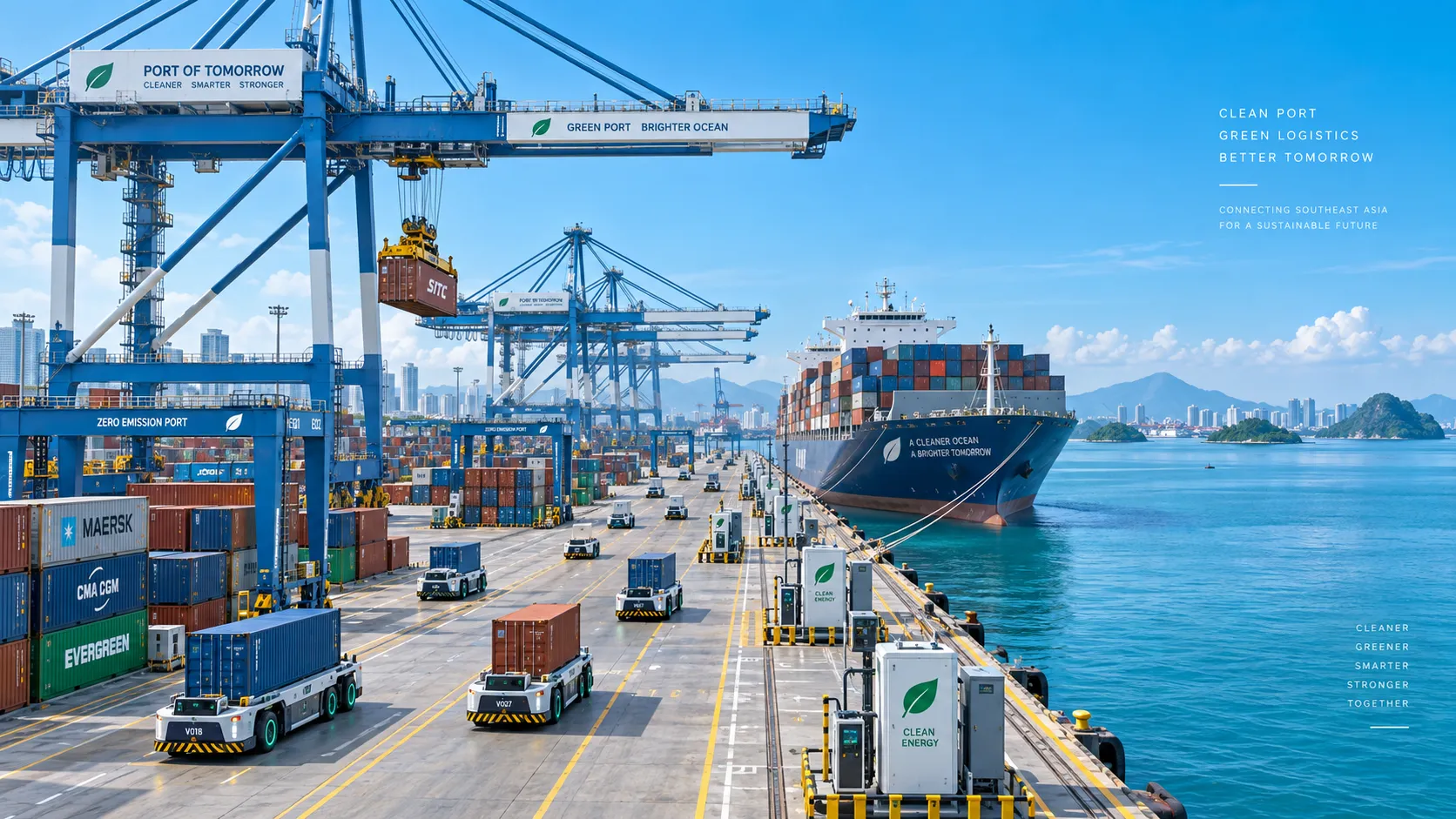
Smart Port Systems in Southeast Asia: Investment Priorities and Adoption Barriers
Smart port systems Southeast Asia: discover investment priorities, adoption barriers, and practical steps to build resilient, connected, high-performing terminals.

How to Evaluate Terminal Efficiency Solution Suppliers for High-Throughput Operations
Choose a terminal efficiency solutions supplier with confidence. Explore proven criteria for throughput, integration, lifecycle cost, safety, and reliable delivery.
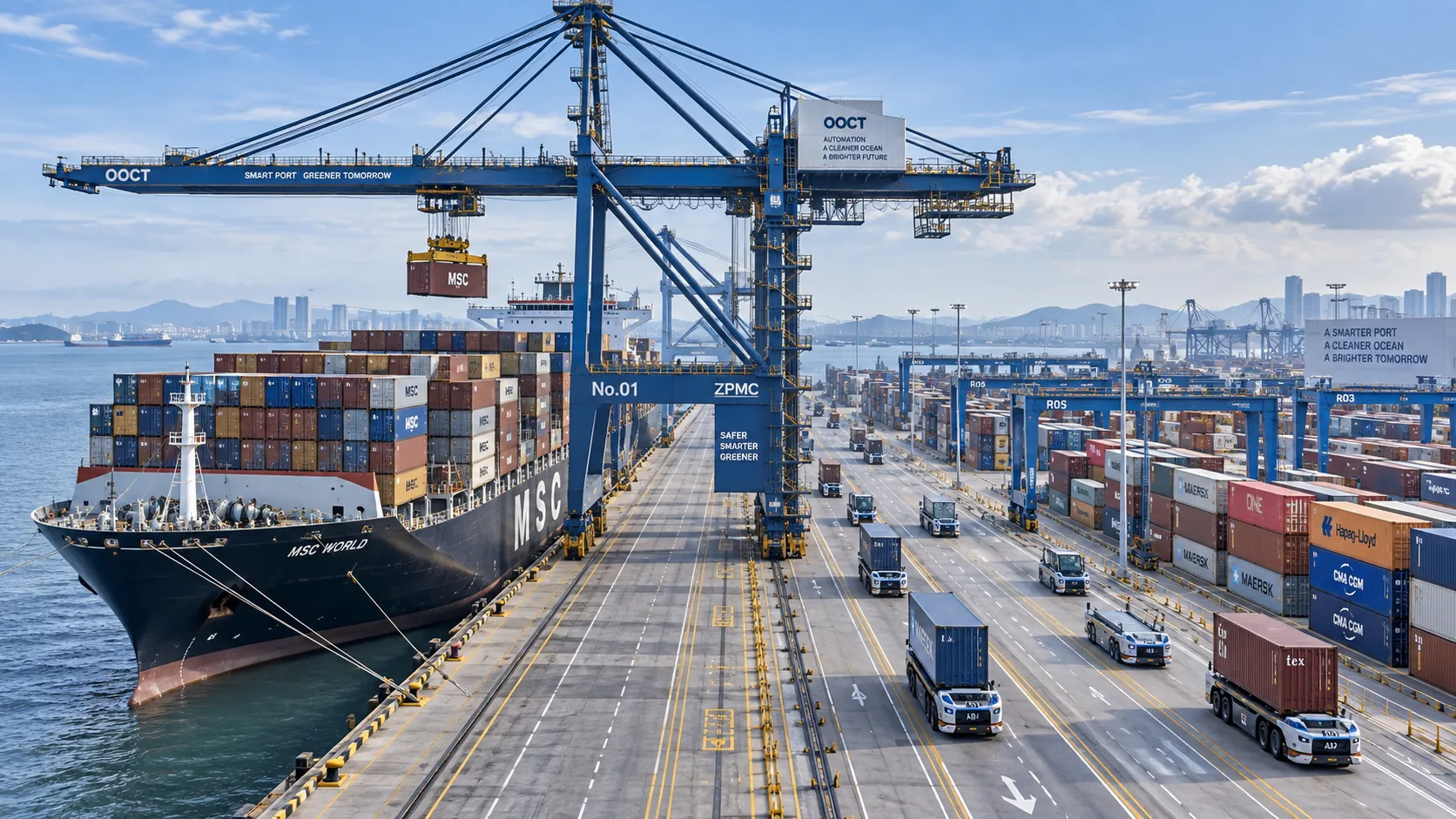
How to Specify a Quay Crane for Container Terminals by Vessel Size and Throughput?
Quay crane for container terminals: learn how to match outreach, lift height, capacity, automation, and cycle performance to vessel size and throughput goals.
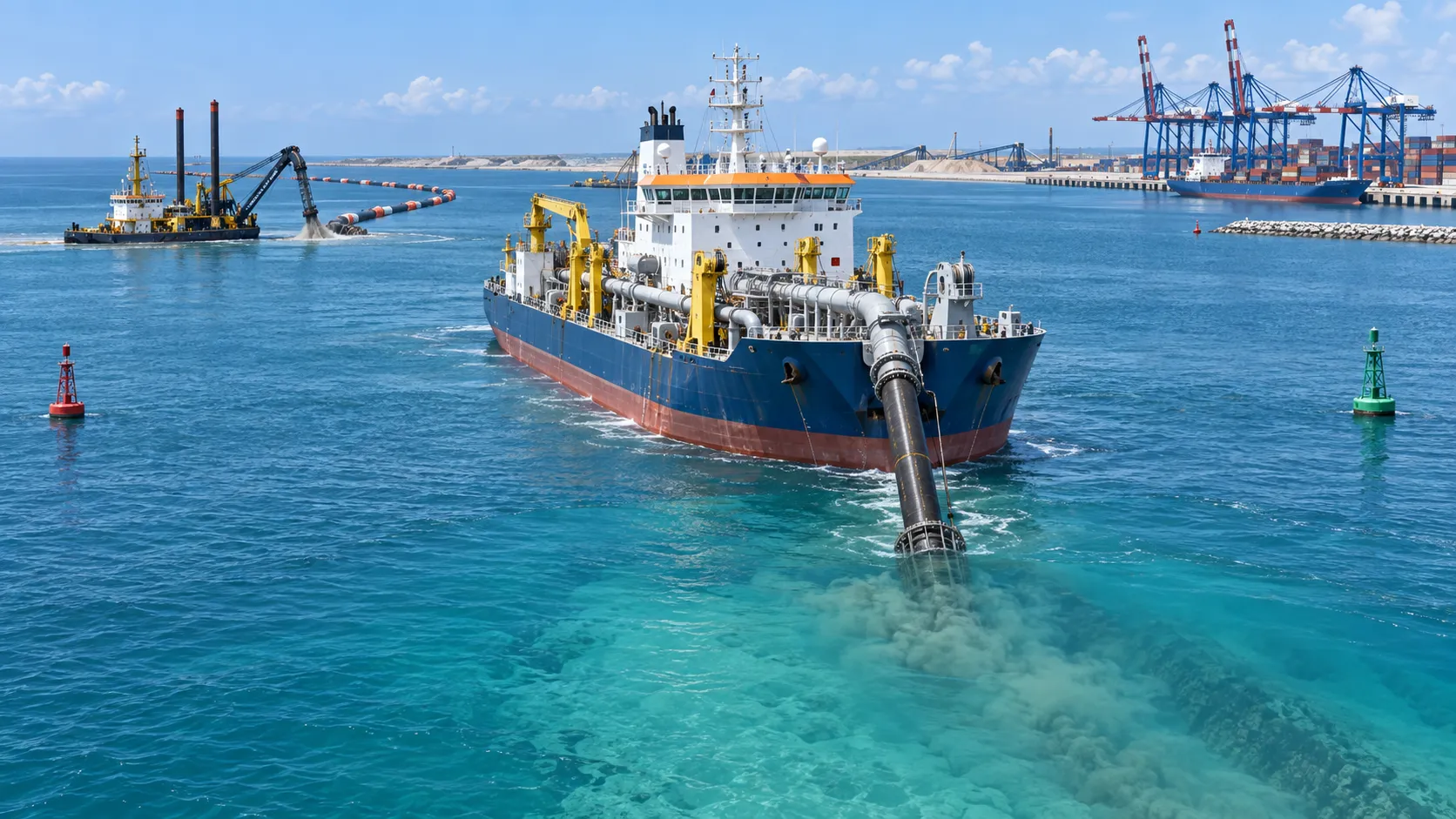
What Dredging Equipment Is Needed for Channel Deepening?
What dredging equipment is needed for channel deepening? Explore dredgers, pipelines, survey tools, and planning strategies for safer, more efficient port access.
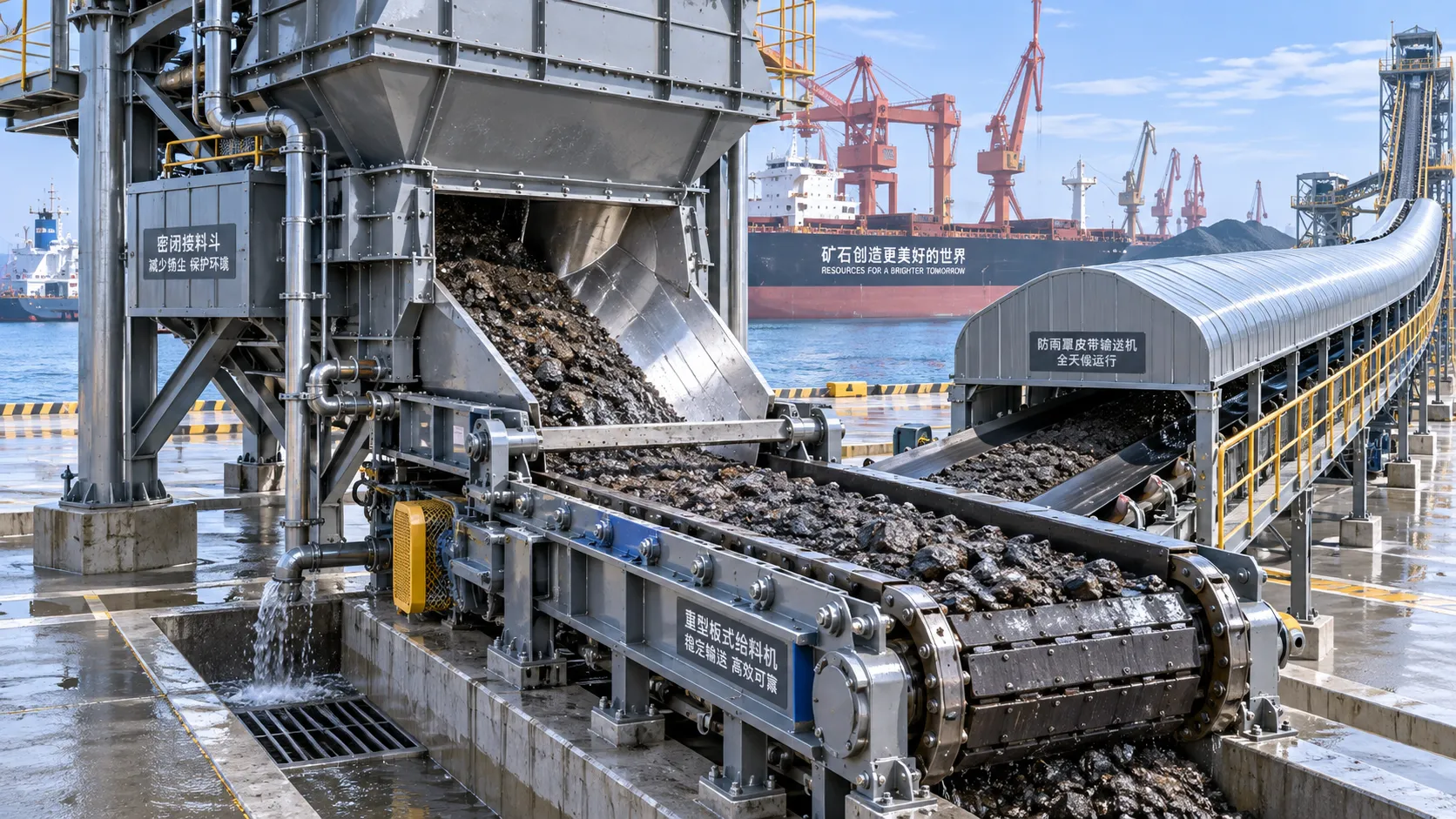
Which Bulk Handling Equipment Suits High-Moisture Cargo?
Which bulk handling equipment suits high-moisture cargo? Compare belt, apron, screw, drag, and slurry systems for reliable flow, less carryback, and higher terminal uptime.
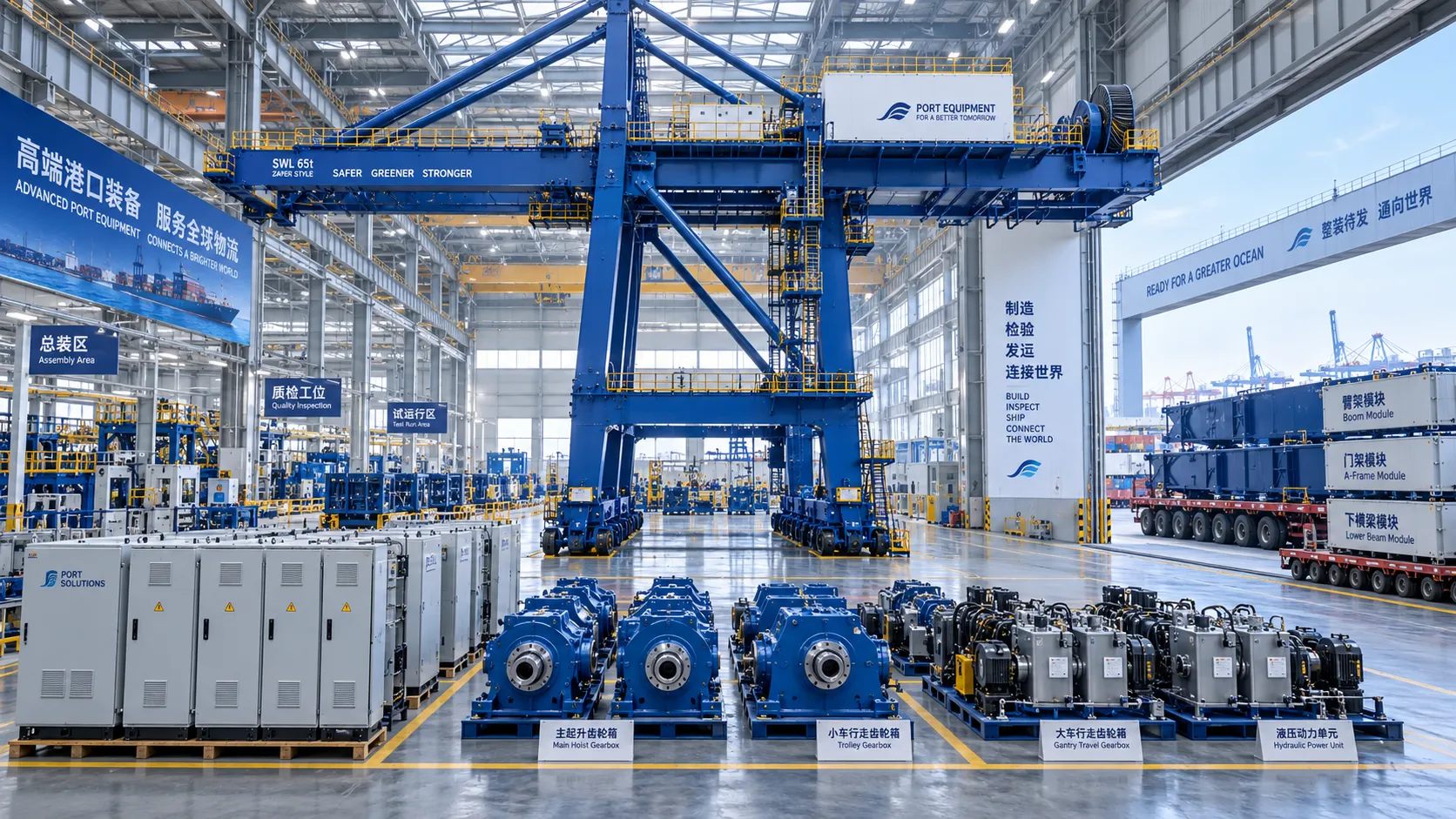
How Can Port Equipment Lead-Time Risk Be Managed?
How can port equipment lead-time risk be managed? Explore practical strategies to control critical paths, suppliers, transport, site readiness, and commissioning delays.
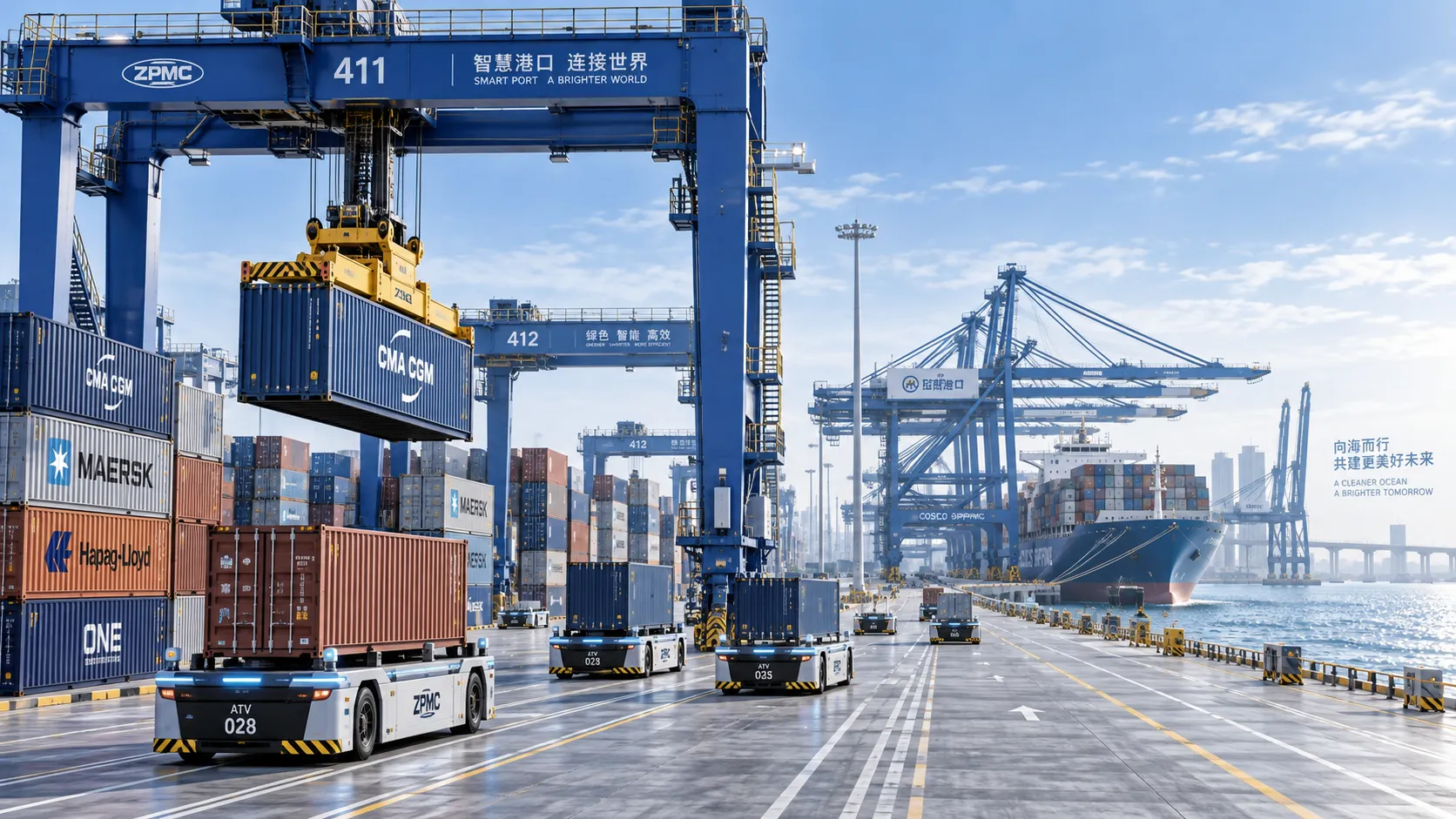
Terminal Automation Technologies That Raise Container Throughput Without Yard Disruption
Terminal automation technology that increases container throughput without disrupting yard flow. Explore smarter integration, resilient workflows, and phased deployment strategies.
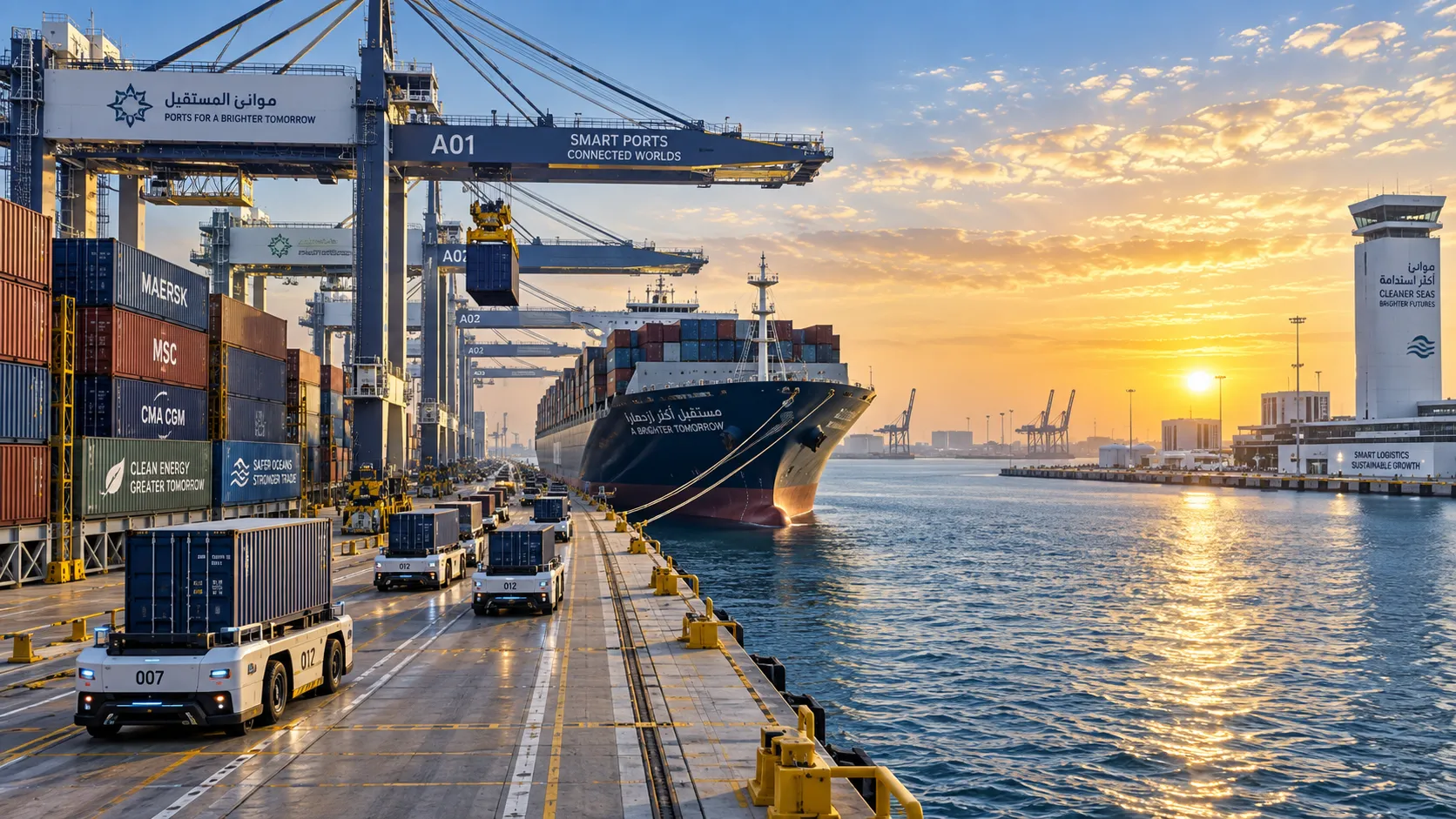
Middle East Port Automation: Key Market Drivers, Projects, and Investment Risks
Port automation systems Middle East: explore market drivers, flagship projects, integration challenges, and investment risks shaping smarter, resilient terminals.
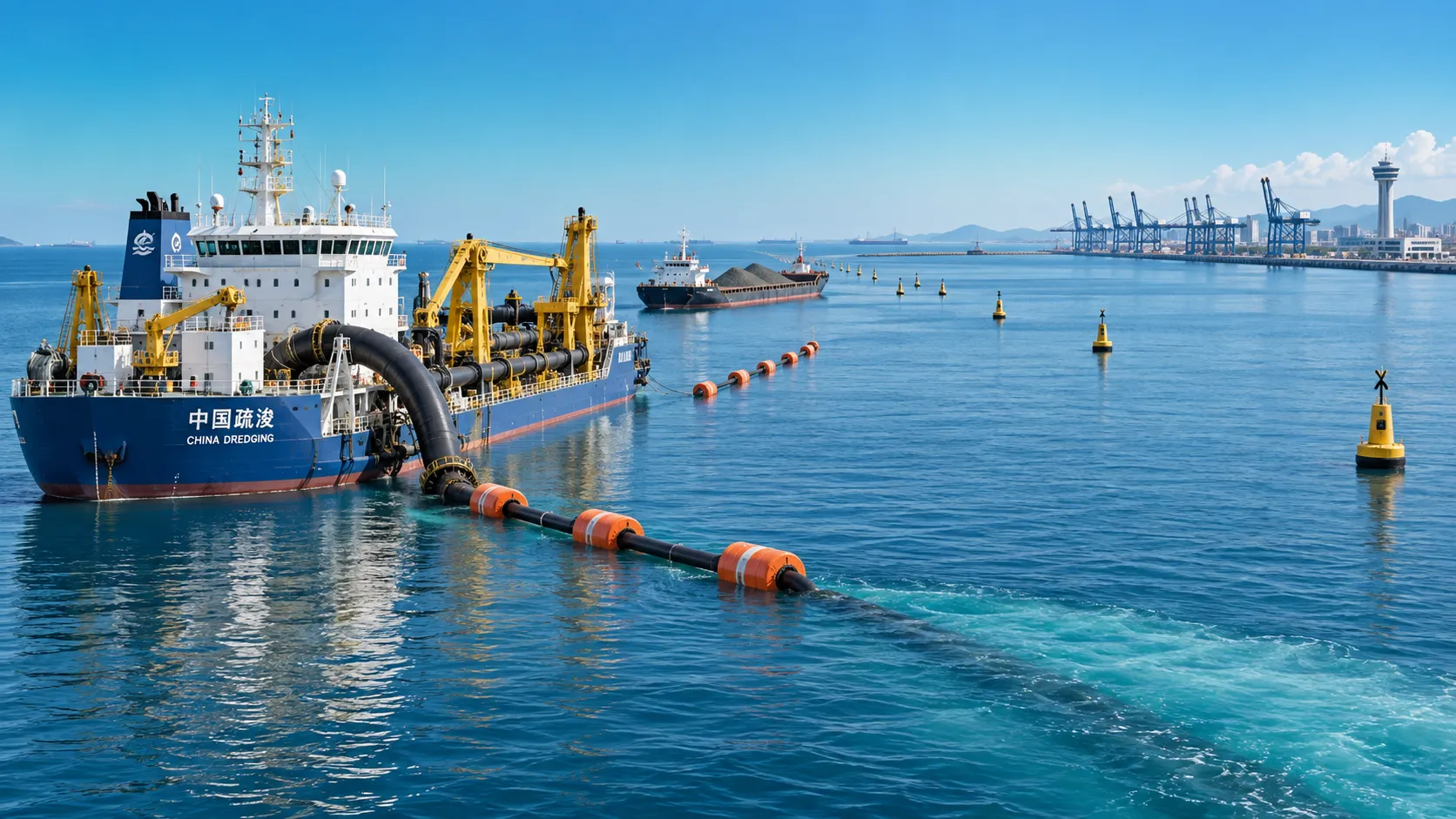
Planning Offshore Dredging Operations: Key Risks, Methods, and Project Controls
Offshore dredging operations demand smart planning. Explore key risks, proven methods, environmental controls, and project strategies for reliable delivery.