
Related News
- 00
0000-00
How to Specify a Quay Crane for Container Terminals by Vessel Size and Throughput? - 00
0000-00
Which Bulk Handling Equipment Suits High-Moisture Cargo? - 00
0000-00
Terminal Automation Technologies That Raise Container Throughput Without Yard Disruption - 00
0000-00
Planning Offshore Dredging Operations: Key Risks, Methods, and Project Controls - 00
0000-00
Where Do Automated Guided Vehicles Deliver the Fastest Warehouse Gains in the Middle East?
How a digital pump monitoring system cuts downtime
For after-sales maintenance teams, unplanned pump failures can quickly turn routine service calls into costly dredging delays, spare-parts emergencies, and customer dissatisfaction.
A digital pump monitoring system changes that by turning vibration, pressure, temperature, and flow data into early warnings and actionable maintenance priorities.
Instead of reacting after performance drops, technicians can diagnose wear trends, schedule interventions, and protect critical port and dredging equipment before downtime escalates.
Here is how smarter monitoring helps cut stoppages, extend asset life, and improve service efficiency across maritime logistics and coastal engineering operations.
Digital Pump Monitoring System Fundamentals
A digital pump monitoring system is a connected condition-monitoring layer built around sensors, edge devices, analytics software, and maintenance workflows.
It tracks mechanical and hydraulic signals that reveal how a pump behaves under changing loads, abrasive media, and operating cycles.
Common inputs include vibration, bearing temperature, suction pressure, discharge pressure, motor current, flow rate, and seal leakage indicators.
In dredging, terminals, and bulk handling sites, these values are rarely stable for long periods.
Sediment density, pipe length, weather, barge positioning, and process demand all influence pump stress and energy consumption.
The system does more than collect numbers. It compares real-time behavior with baseline performance, alarm thresholds, and historical fault patterns.
When deviations appear, the digital pump monitoring system helps distinguish normal process variation from developing mechanical damage.
This distinction is essential because unnecessary shutdowns can be almost as costly as missed failures.
A well-designed platform translates raw signals into condition scores, trend charts, maintenance alerts, and recommended inspection points.
For port ecosystems, that creates a practical bridge between heavy mechanical assets and the digital control logic of modern terminals.
Industry Context for Pump Downtime Reduction
Ports, dredging contractors, and bulk terminals operate under increasingly tight windows for vessel calls, berth occupancy, and environmental compliance.
A pump stoppage can interrupt channel maintenance, slurry transfer, ballast processes, cooling circuits, or stormwater handling.
The consequence is not limited to one machine. Downtime can ripple across cranes, conveyors, barges, and berth schedules.
A digital pump monitoring system supports the wider industry shift from corrective maintenance to predictive asset management.
Automation has also changed expectations. Pumps are no longer isolated auxiliary equipment in advanced terminal operations.
They increasingly interact with control rooms, alarm platforms, energy systems, and fleet maintenance applications.
That makes reliable data a strategic requirement, not only a technical convenience.
How Monitoring Converts Data Into Less Downtime
The main downtime benefit comes from detecting weak signals before they become functional failures.
A digital pump monitoring system watches for patterns that human inspection may miss during short maintenance windows.
Early detection of mechanical wear
Rising vibration at specific frequencies can indicate bearing defects, shaft misalignment, looseness, cavitation, or impeller imbalance.
When this signal is tracked over time, maintenance can be planned before vibration damages seals, couplings, or motor components.
Hydraulic performance visibility
Pressure and flow trends reveal whether the pump is operating near its intended performance curve.
A falling flow rate with rising power demand may suggest blockage, wear, incorrect valve position, or pipeline friction growth.
A digital pump monitoring system helps identify these inefficiencies before operators notice visible output loss.
Thermal and lubrication protection
Bearing temperature, oil condition, and motor temperature provide important protection against progressive damage.
If thermal rise continues after load changes, the issue may involve lubrication breakdown, cooling problems, or excessive friction.
Timely alarms allow inspection before secondary failures create longer shutdowns and higher repair costs.
Spare parts and service planning
Unplanned failures often become logistics problems because impellers, seals, bearings, and liners may not be immediately available.
Condition data helps forecast replacement timing, prioritize inventory, and reduce emergency freight costs.
Business Value Across Port and Dredging Assets
The business value of a digital pump monitoring system depends on how well insights are converted into decisions.
In heavy terminal environments, the strongest gains usually appear in availability, maintenance efficiency, energy performance, and lifecycle planning.
- Reduced unplanned downtime through earlier alerts and condition-based scheduling.
- Lower repair severity because defects are handled before cascading damage begins.
- Improved technician productivity through remote fault context and better work preparation.
- More accurate spare-parts planning based on real wear behavior.
- Better energy control by detecting off-curve operation and abnormal power draw.
- Stronger after-sales service quality through evidence-based reporting.
For dredging equipment, pump condition strongly influences production rate, fuel use, and project schedule reliability.
For port utilities, the same monitoring logic protects cooling water, drainage, ballast, and firewater support systems.
For automated terminals, pump reliability supports the broader availability of unmanned, algorithm-driven operating environments.
This is why a digital pump monitoring system belongs inside the wider port automation and control systems discussion.
Typical Application Scenarios and Asset Types
Pump monitoring is most useful where failure consequences are high, access is difficult, or process conditions are variable.
The following scenarios show how digital pump monitoring system deployment can be prioritized across maritime and industrial assets.
Prioritization should begin with the pumps that create the largest operational bottlenecks.
Criticality ranking also helps avoid over-instrumenting low-risk equipment where simpler inspection may be sufficient.
Data Architecture and Integration Considerations
A digital pump monitoring system performs best when the data architecture matches site realities.
Marine environments create challenges involving vibration noise, humidity, corrosion, intermittent connectivity, and electromagnetic interference.
Sensor selection must consider measurement range, mounting position, protection rating, calibration needs, and maintenance accessibility.
Edge processing is valuable when connectivity is unstable or when fast local alarms are required.
Cloud analytics is useful for fleet comparison, long-term trend storage, and multi-site reporting.
Integration with SCADA, CMMS, and enterprise asset management platforms prevents monitoring from becoming a separate data island.
The digital pump monitoring system should create work orders, attach evidence, and preserve maintenance history whenever possible.
Cybersecurity also matters because connected pump assets may sit inside wider terminal control networks.
Access control, encrypted communication, network segmentation, and update governance should be considered from the first design stage.
Practical Deployment Guidance
Successful deployment depends less on adding sensors everywhere and more on solving specific downtime problems.
A digital pump monitoring system should be introduced through clear asset selection, baseline capture, alert design, and workflow alignment.
- Map critical pumps by failure consequence, repair lead time, and process dependency.
- Define the failure modes that monitoring must detect first.
- Install sensors where signals are reliable, repeatable, and maintainable.
- Record baseline behavior across normal operating ranges.
- Use tiered alarms to separate advisory warnings from urgent shutdown risks.
- Connect alerts to inspection checklists, spare-parts planning, and service reporting.
- Review false alarms and missed events during regular reliability meetings.
Thresholds should not be copied blindly from generic manuals. Pumps in slurry service behave differently from clean-water units.
Alarm logic must reflect load variation, operating speed, fluid properties, and known duty cycles.
Human review remains important. Analytics can highlight risk, but physical inspection confirms root causes and repair priorities.
The best results come when reliability knowledge and digital evidence improve each other over time.
Common Pitfalls to Avoid
Many projects underperform because monitoring is treated as a hardware purchase rather than an operational change.
A digital pump monitoring system needs ownership, response rules, data quality checks, and measurable maintenance outcomes.
- Avoid installing sensors without a defined fault-detection purpose.
- Avoid alarm overload that makes teams ignore early warnings.
- Avoid dashboards that show data but do not support decisions.
- Avoid ignoring calibration, sensor damage, and mounting degradation.
- Avoid separating monitoring data from maintenance records and service history.
Another frequent issue is focusing only on catastrophic failures.
Small efficiency losses can also become expensive when pumps run continuously across dredging campaigns or terminal utilities.
Tracking energy intensity, operating point, and hydraulic efficiency can reveal savings beyond avoided downtime.
Action Path for Smarter Pump Reliability
A digital pump monitoring system cuts downtime by making pump degradation visible early enough for controlled intervention.
It supports predictive maintenance, better spare-parts planning, energy awareness, and stronger service documentation.
For ports, dredging fleets, and heavy terminal operations, the practical starting point is a criticality-based pilot.
Select high-impact pumps, define target failure modes, capture baseline data, and connect alerts to real maintenance actions.
From there, expand the digital pump monitoring system across similar assets, using each fault case to improve future diagnostics.
PS-Nexus will continue tracking how condition intelligence, automation, and marine engineering reshape reliability across global port infrastructure.
For organizations building smarter service models, pump monitoring is a practical step toward resilient, data-driven maritime operations.
Related News
Smart Port Systems in Southeast Asia: Investment Priorities and Adoption Barriers
Smart port systems Southeast Asia: discover investment priorities, adoption barriers, and practical steps to build resilient, connected, high-performing terminals.

How to Evaluate Terminal Efficiency Solution Suppliers for High-Throughput Operations
Choose a terminal efficiency solutions supplier with confidence. Explore proven criteria for throughput, integration, lifecycle cost, safety, and reliable delivery.
How to Specify a Quay Crane for Container Terminals by Vessel Size and Throughput?
Quay crane for container terminals: learn how to match outreach, lift height, capacity, automation, and cycle performance to vessel size and throughput goals.
What Dredging Equipment Is Needed for Channel Deepening?
What dredging equipment is needed for channel deepening? Explore dredgers, pipelines, survey tools, and planning strategies for safer, more efficient port access.
Which Bulk Handling Equipment Suits High-Moisture Cargo?
Which bulk handling equipment suits high-moisture cargo? Compare belt, apron, screw, drag, and slurry systems for reliable flow, less carryback, and higher terminal uptime.
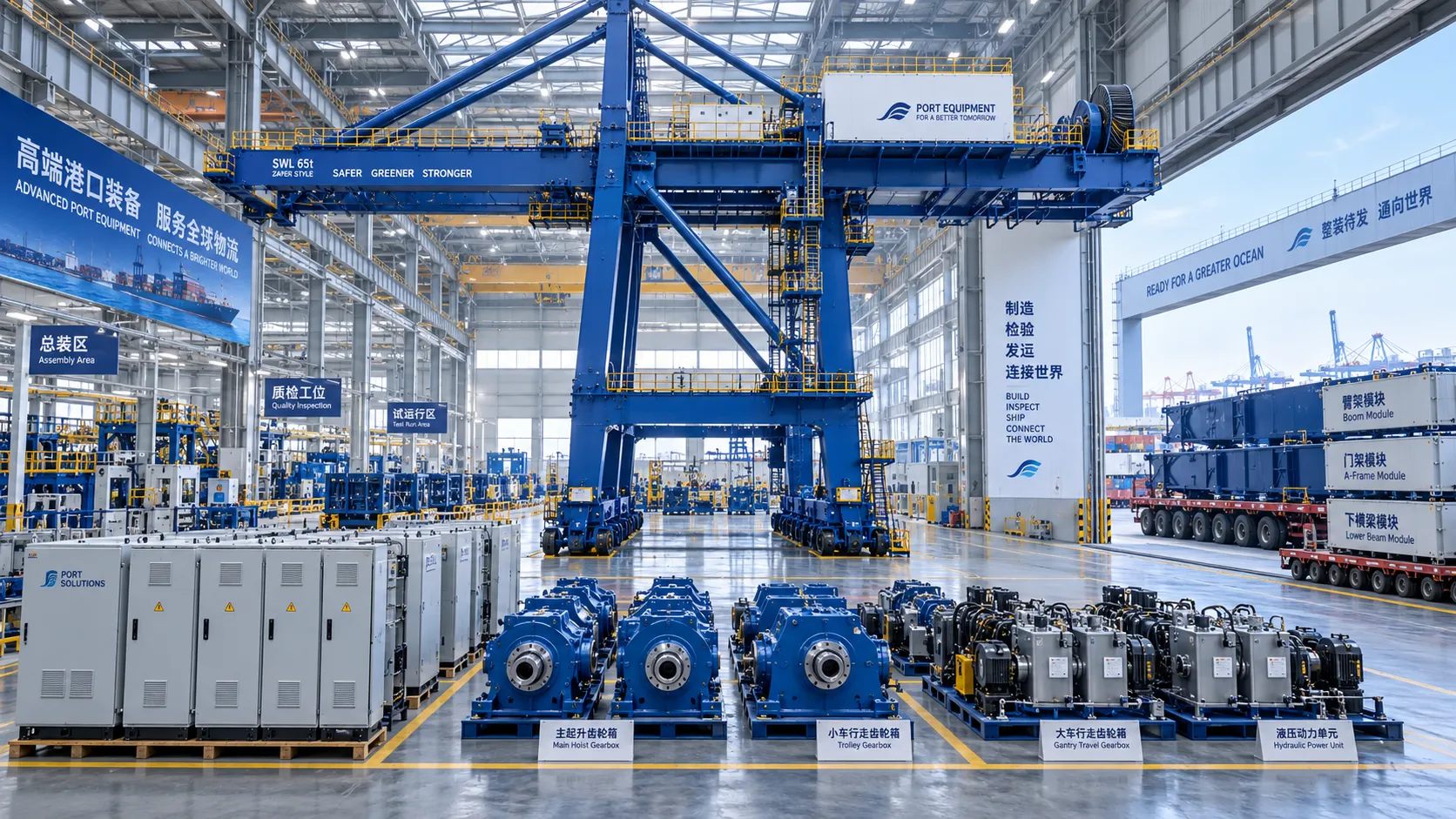
How Can Port Equipment Lead-Time Risk Be Managed?
How can port equipment lead-time risk be managed? Explore practical strategies to control critical paths, suppliers, transport, site readiness, and commissioning delays.
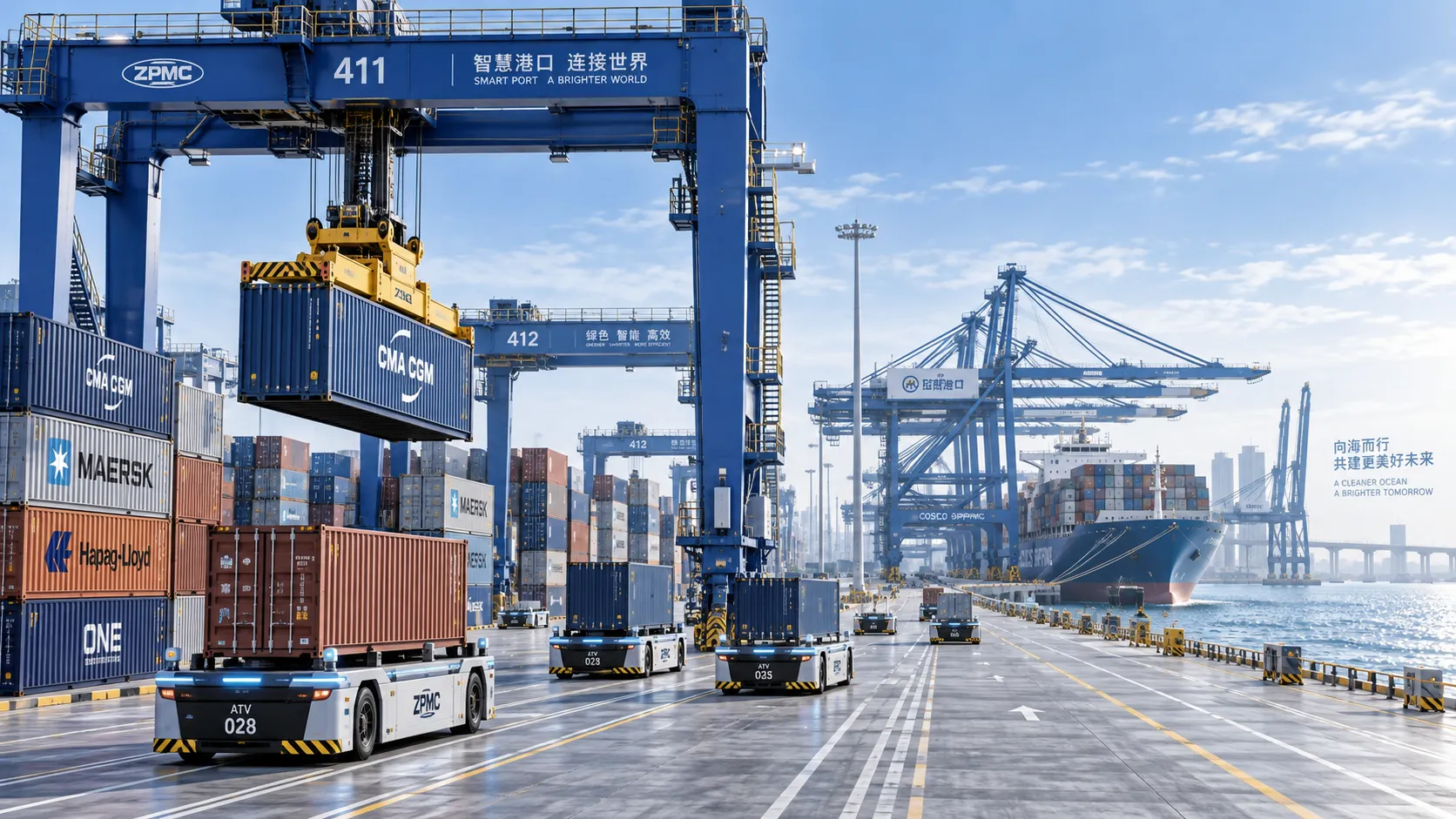
Terminal Automation Technologies That Raise Container Throughput Without Yard Disruption
Terminal automation technology that increases container throughput without disrupting yard flow. Explore smarter integration, resilient workflows, and phased deployment strategies.

Middle East Port Automation: Key Market Drivers, Projects, and Investment Risks
Port automation systems Middle East: explore market drivers, flagship projects, integration challenges, and investment risks shaping smarter, resilient terminals.
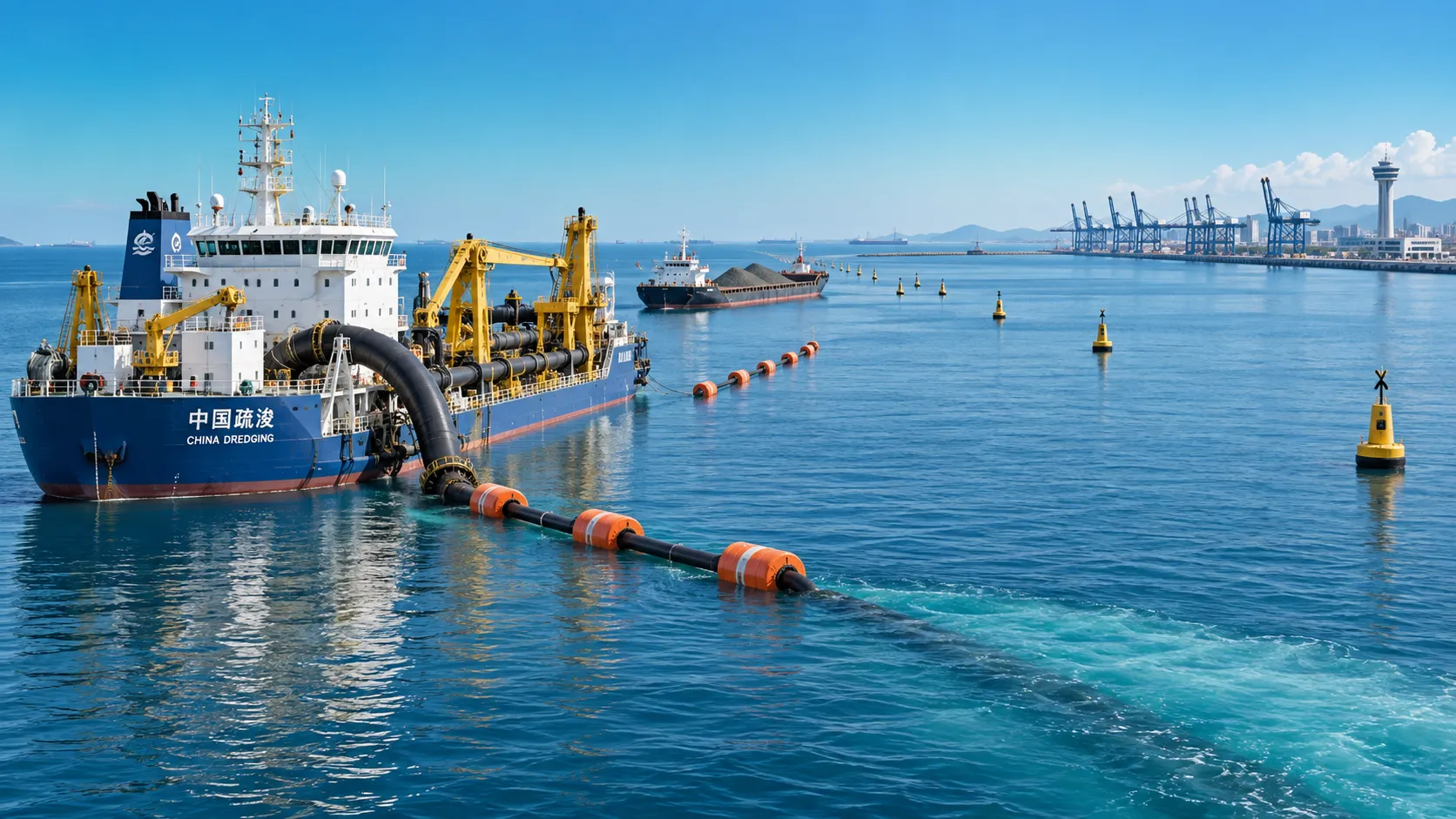
Planning Offshore Dredging Operations: Key Risks, Methods, and Project Controls
Offshore dredging operations demand smart planning. Explore key risks, proven methods, environmental controls, and project strategies for reliable delivery.