Related News
- 00
0000-00
How to Specify a Quay Crane for Container Terminals by Vessel Size and Throughput? - 00
0000-00
Which Bulk Handling Equipment Suits High-Moisture Cargo? - 00
0000-00
Terminal Automation Technologies That Raise Container Throughput Without Yard Disruption - 00
0000-00
Planning Offshore Dredging Operations: Key Risks, Methods, and Project Controls - 00
0000-00
Where Do Automated Guided Vehicles Deliver the Fastest Warehouse Gains in the Middle East?
Can digital pump monitoring cut unplanned downtime?
Can Digital Pump Monitoring Cut Unplanned Downtime?
Unplanned downtime in dredging and port operations rarely begins with a dramatic failure.
It often starts with small changes in vibration, pressure, flow, temperature, seal behavior, or motor load.
When these signals remain invisible, minor deterioration can quickly become a costly shutdown.
For heavy maritime equipment, digital pump monitoring is becoming a practical route to earlier detection and smarter intervention.
It connects pump health data with maintenance planning, service response, and lifecycle decisions.
The result is not simply more data, but better timing, clearer priorities, and fewer emergency repairs.
Downtime Risk Is Moving From Mechanical Failure to Data Blindness
Ports, terminals, and dredging projects now operate under tighter time windows and higher asset utilization targets.
A delayed dredger, slurry pump, ballast system, or cooling pump can disrupt production schedules across connected operations.
Traditional maintenance often depends on fixed intervals, manual inspections, and operator experience.
These methods remain valuable, but they struggle when equipment runs continuously under changing load conditions.
Digital pump monitoring changes the maintenance conversation from “when was it last checked?” to “what is changing now?”
This shift matters because many failures give warnings long before production stops.
Cavitation, bearing wear, misalignment, blockage, seal leakage, and suction instability all create measurable operating patterns.
With connected sensors and analytics, digital pump monitoring can turn those patterns into actionable alerts.
Trend Signals: Why Connected Pump Health Is Gaining Momentum
Several market signals suggest that digital pump monitoring is moving from optional upgrade to operational expectation.
First, remote and automated terminals need equipment health visibility without constant physical inspection.
Second, dredging campaigns are becoming more data-driven, especially where fuel efficiency and sediment productivity are tracked closely.
Third, asset owners increasingly compare maintenance performance across fleets, sites, and contractors.
Digital pump monitoring supports these comparisons by creating consistent records of operating conditions and failure precursors.
Fourth, after-sales service is shifting toward predictive support rather than reactive troubleshooting.
Service planning becomes more credible when based on real vibration trends, pressure curves, and temperature deviations.
Main Drivers Behind the Adoption of Digital Pump Monitoring
These drivers are especially visible in dredging equipment, where slurry conditions change rapidly.
A pump can move from stable production to damaging cavitation in a short operating window.
Digital pump monitoring gives that window a measurable shape.
How Monitoring Turns Early Signals Into Maintenance Decisions
The value of digital pump monitoring depends on converting raw measurements into decisions.
Basic sensor readings alone are not enough to cut unplanned downtime.
The system must show what is abnormal, how fast it is changing, and what action should follow.
- Vibration trends can reveal bearing wear, imbalance, looseness, or misalignment.
- Pressure fluctuations can indicate clogging, suction restriction, or unstable flow.
- Temperature increases can expose lubrication issues, overload, or cooling problems.
- Flow deviations can show performance loss, impeller wear, or system resistance changes.
- Power draw patterns can identify inefficient operation before output visibly declines.
When these indicators are combined, digital pump monitoring can reduce false alarms and improve fault interpretation.
For example, rising vibration with stable pressure may suggest a mechanical issue.
Rising vibration with unstable suction pressure may point toward cavitation or feed disruption.
This context helps maintenance plans become more precise and less disruptive.
Impacts Across Service, Operations, and Asset Lifecycle
Digital pump monitoring affects more than the maintenance checklist.
It changes how service resources, spare parts, inspections, and operational decisions are coordinated.
For service response, real-time condition data helps separate urgent risks from minor deviations.
This prevents unnecessary shutdowns while ensuring serious deterioration is not ignored.
For operations, digital pump monitoring can support load adjustments before damage escalates.
A pump showing early cavitation signs may continue safely after speed, suction, or process settings are corrected.
For lifecycle management, the accumulated data helps identify recurring design, installation, or operating weaknesses.
Over time, digital pump monitoring turns isolated incidents into a structured reliability knowledge base.
Where the Business Case Becomes Strongest
The business case is strongest where pump failure stops a larger production chain.
Dredging, bulk handling, cooling systems, dewatering, ballast operations, and hydraulic auxiliaries are clear examples.
In these settings, the direct repair cost may be smaller than the cost of lost operating time.
Digital pump monitoring helps protect throughput by warning before failure reaches a shutdown threshold.
It also improves the quality of post-event analysis.
Instead of relying on memory and fragmented logs, teams can review actual operating conditions before the incident.
This supports better root cause analysis and more defensible maintenance investments.
Key Capabilities to Watch Before Scaling a Monitoring Program
Not every connected system delivers the same operational value.
A strong digital pump monitoring setup should combine sensing, analytics, integration, and practical usability.
- Reliable sensors suitable for vibration, pressure, temperature, flow, and power measurement.
- Trend analysis that compares current behavior with historical baselines.
- Alarm logic that considers severity, duration, and operating context.
- Integration with maintenance systems, service tickets, or asset records.
- Clear dashboards that support fast decisions without data overload.
- Secure connectivity suitable for remote maritime and port environments.
The most useful digital pump monitoring programs start with critical assets, not every pump at once.
This keeps implementation focused on measurable downtime reduction and service improvement.
Common Pitfalls That Limit Downtime Reduction
Digital pump monitoring can disappoint when implementation focuses only on hardware installation.
Sensors create visibility, but procedures create results.
Without response rules, alerts may be ignored, delayed, or misinterpreted.
Another pitfall is setting alarm thresholds too broadly or too tightly.
Loose thresholds miss early deterioration, while aggressive thresholds create alarm fatigue.
Data silos also reduce value.
If monitoring data never reaches service planning, spare parts coordination, or operational control, downtime savings remain limited.
A final risk is ignoring the operating environment.
Marine vibration, moisture, abrasive slurry, power variation, and communication gaps must be considered from the start.
Practical Response Framework for the Next Phase
This framework keeps digital pump monitoring tied to operational decisions rather than isolated technology deployment.
It also supports a gradual move from condition monitoring to predictive maintenance.
What to Track When Judging Success
Downtime reduction should be measured with practical indicators, not vague digital transformation claims.
- Reduction in unplanned pump shutdowns.
- Increase in planned maintenance completion before failure.
- Lower emergency repair frequency.
- Shorter fault diagnosis time.
- Improved spare parts readiness.
- Better energy performance under comparable duty cycles.
These metrics show whether digital pump monitoring is improving resilience across the equipment lifecycle.
They also help separate genuine reliability gains from simple data collection.
Final Outlook: Less Downtime Depends on Faster Insight
Digital pump monitoring cannot eliminate every mechanical failure.
Harsh maritime conditions, abrasive materials, and heavy duty cycles will always create wear.
However, it can reduce the number of failures that arrive without warning.
That is where the strongest downtime value emerges.
By combining real-time signals, trend analysis, and structured response rules, digital pump monitoring supports smarter service timing.
It also helps port and dredging operations move toward more predictable, efficient, and data-led asset management.
The practical next step is to select critical pumps, define failure modes, establish baselines, and connect alerts to action.
When those elements work together, digital pump monitoring can meaningfully cut unplanned downtime.
Related News
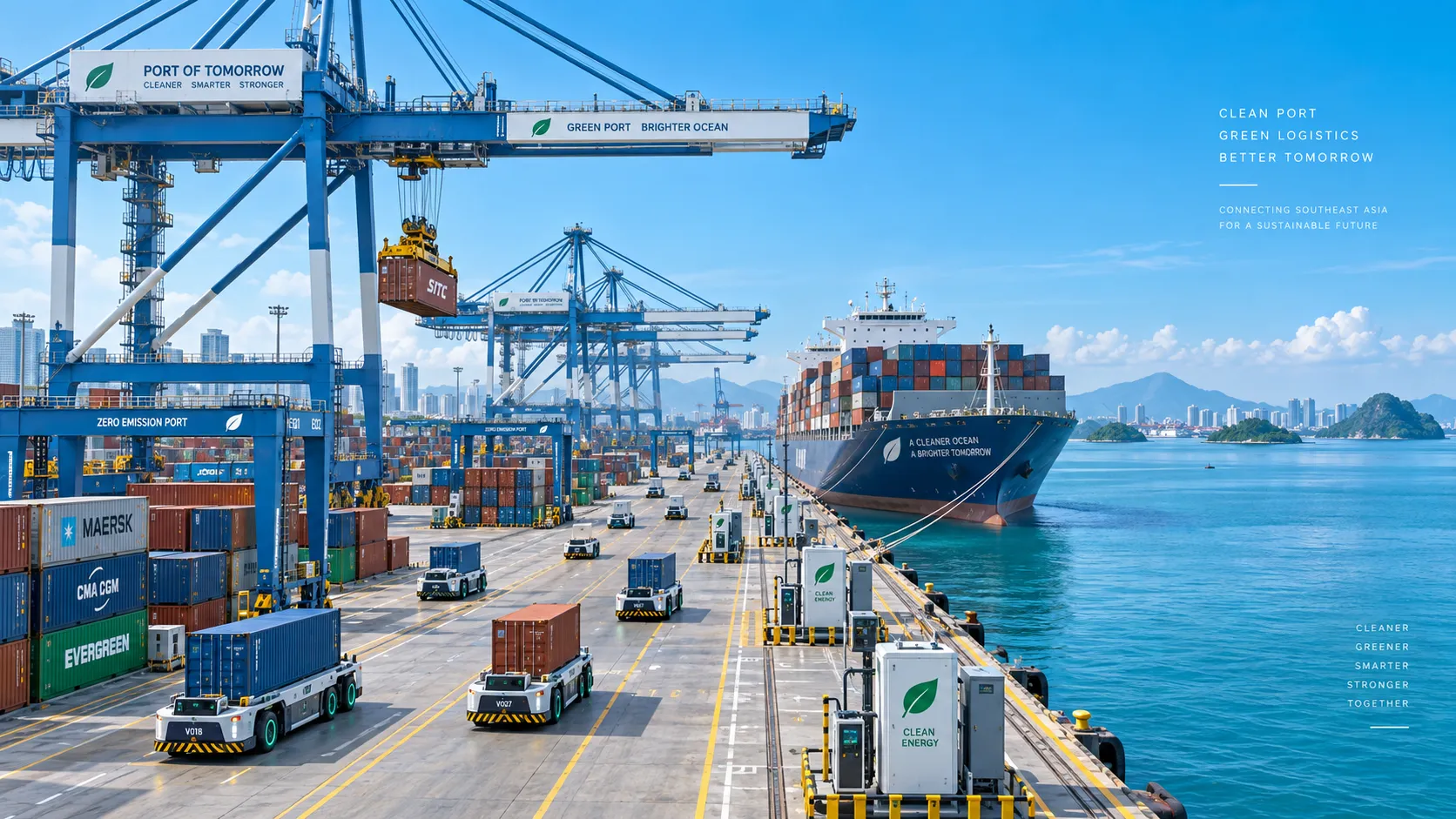
Smart Port Systems in Southeast Asia: Investment Priorities and Adoption Barriers
Smart port systems Southeast Asia: discover investment priorities, adoption barriers, and practical steps to build resilient, connected, high-performing terminals.

How to Evaluate Terminal Efficiency Solution Suppliers for High-Throughput Operations
Choose a terminal efficiency solutions supplier with confidence. Explore proven criteria for throughput, integration, lifecycle cost, safety, and reliable delivery.
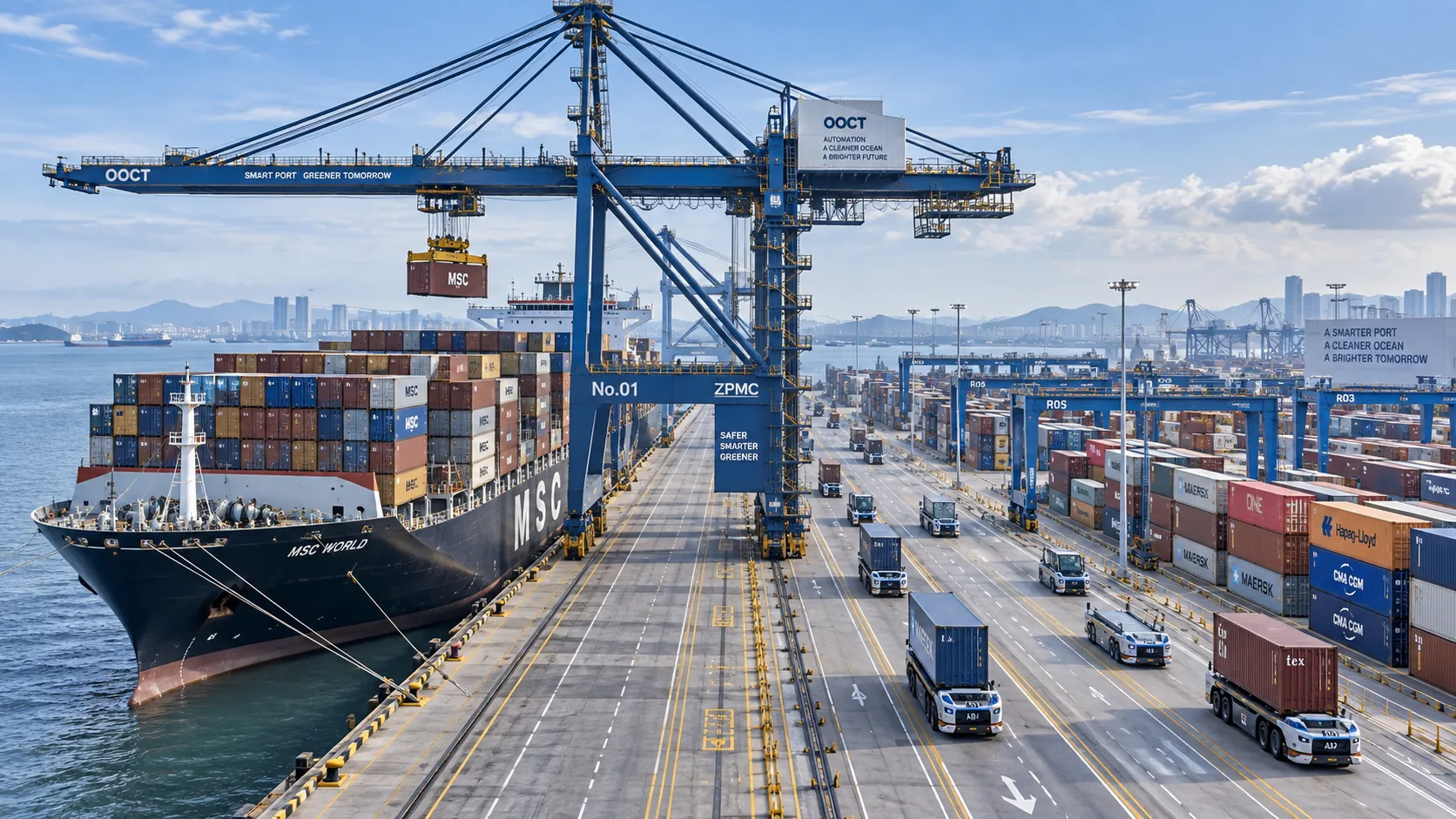
How to Specify a Quay Crane for Container Terminals by Vessel Size and Throughput?
Quay crane for container terminals: learn how to match outreach, lift height, capacity, automation, and cycle performance to vessel size and throughput goals.
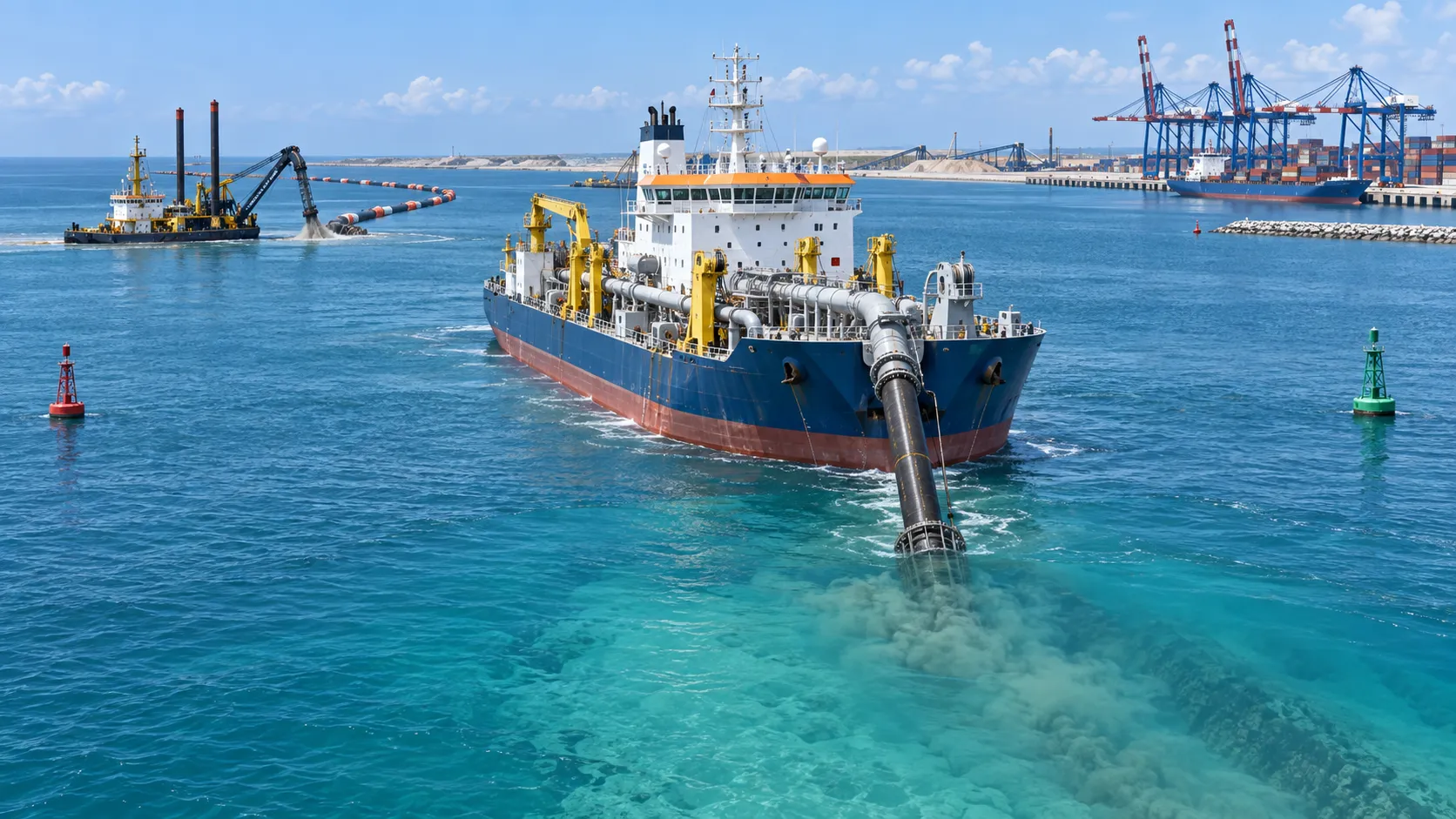
What Dredging Equipment Is Needed for Channel Deepening?
What dredging equipment is needed for channel deepening? Explore dredgers, pipelines, survey tools, and planning strategies for safer, more efficient port access.
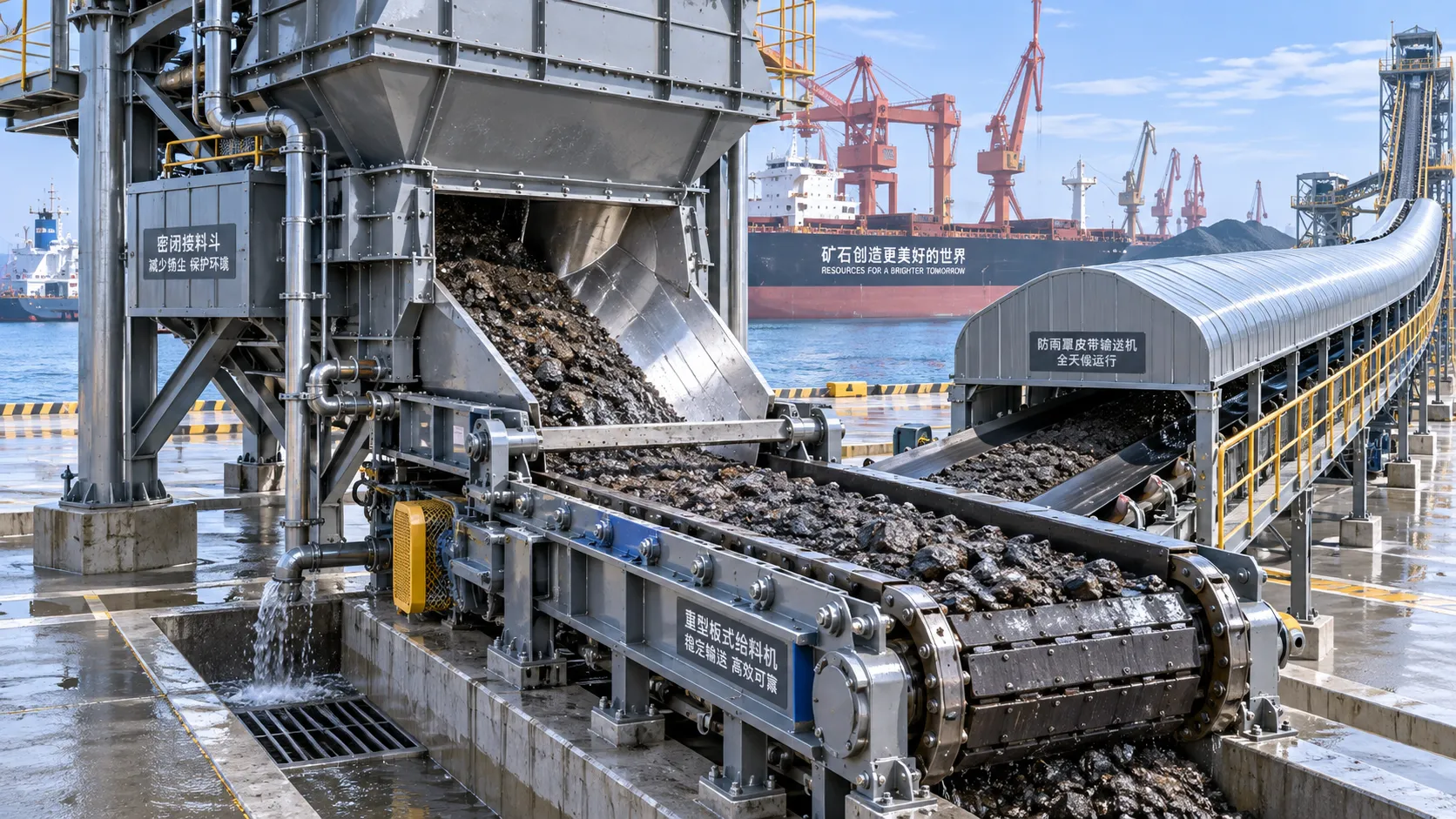
Which Bulk Handling Equipment Suits High-Moisture Cargo?
Which bulk handling equipment suits high-moisture cargo? Compare belt, apron, screw, drag, and slurry systems for reliable flow, less carryback, and higher terminal uptime.
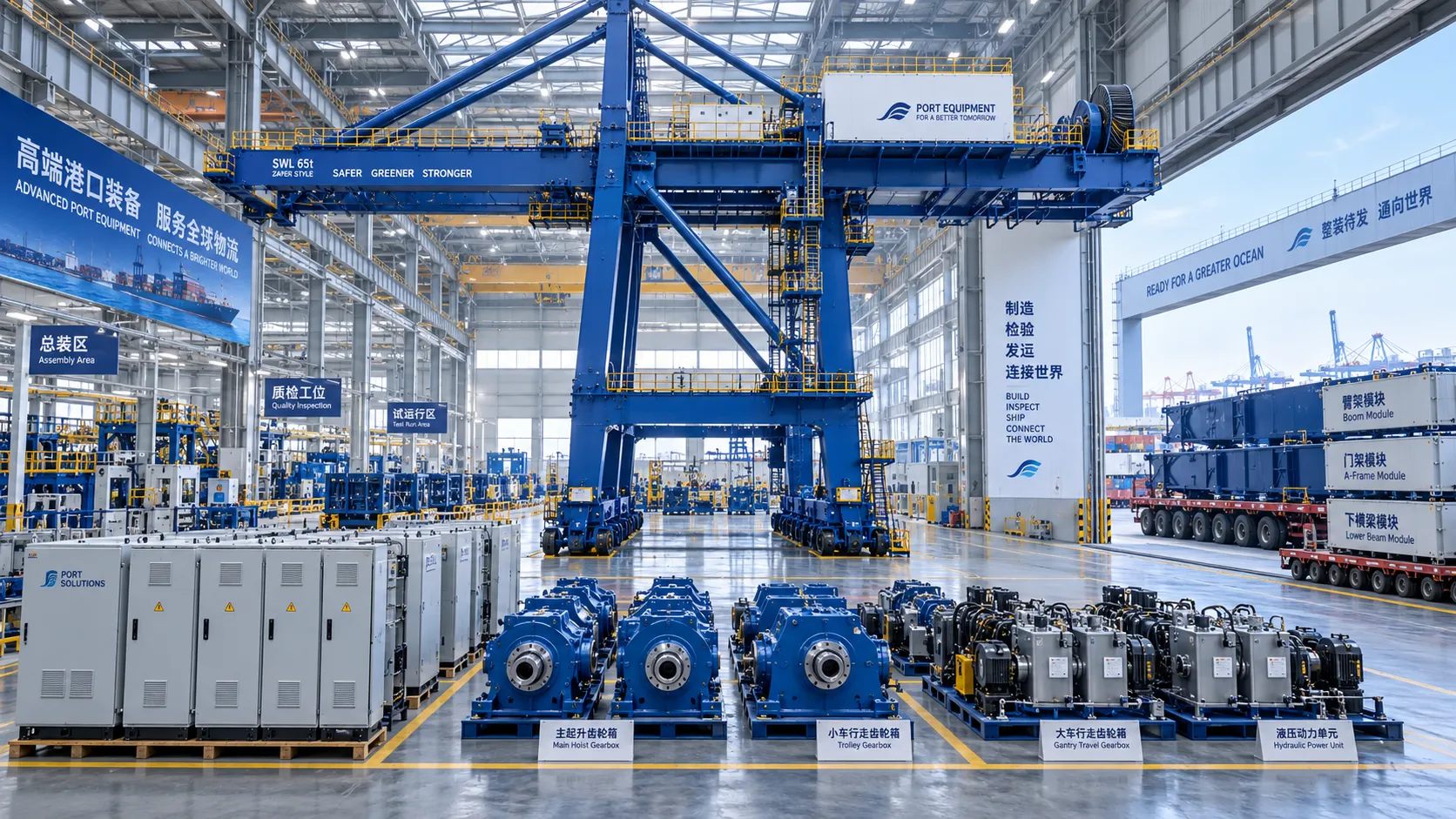
How Can Port Equipment Lead-Time Risk Be Managed?
How can port equipment lead-time risk be managed? Explore practical strategies to control critical paths, suppliers, transport, site readiness, and commissioning delays.
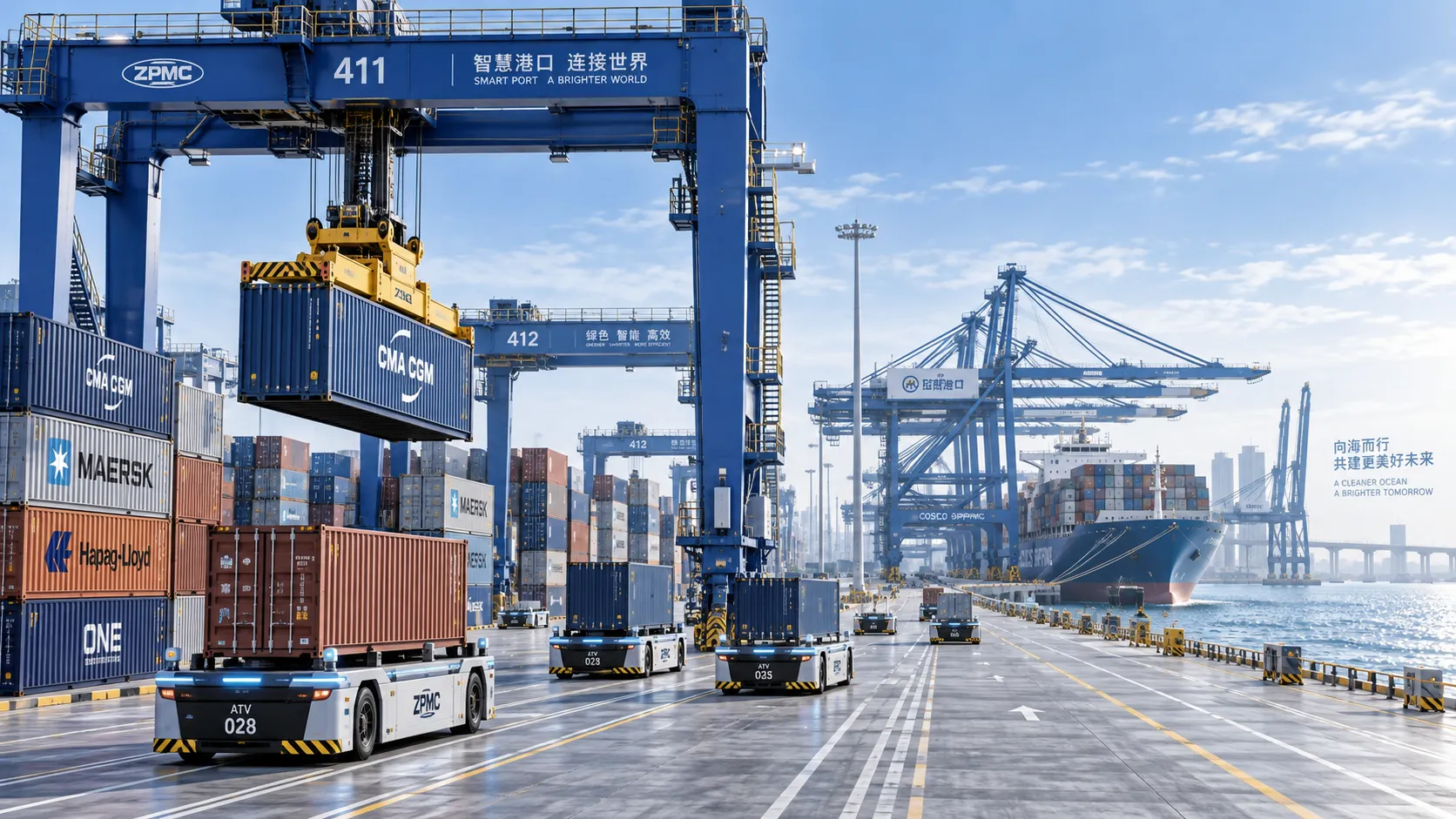
Terminal Automation Technologies That Raise Container Throughput Without Yard Disruption
Terminal automation technology that increases container throughput without disrupting yard flow. Explore smarter integration, resilient workflows, and phased deployment strategies.

Middle East Port Automation: Key Market Drivers, Projects, and Investment Risks
Port automation systems Middle East: explore market drivers, flagship projects, integration challenges, and investment risks shaping smarter, resilient terminals.
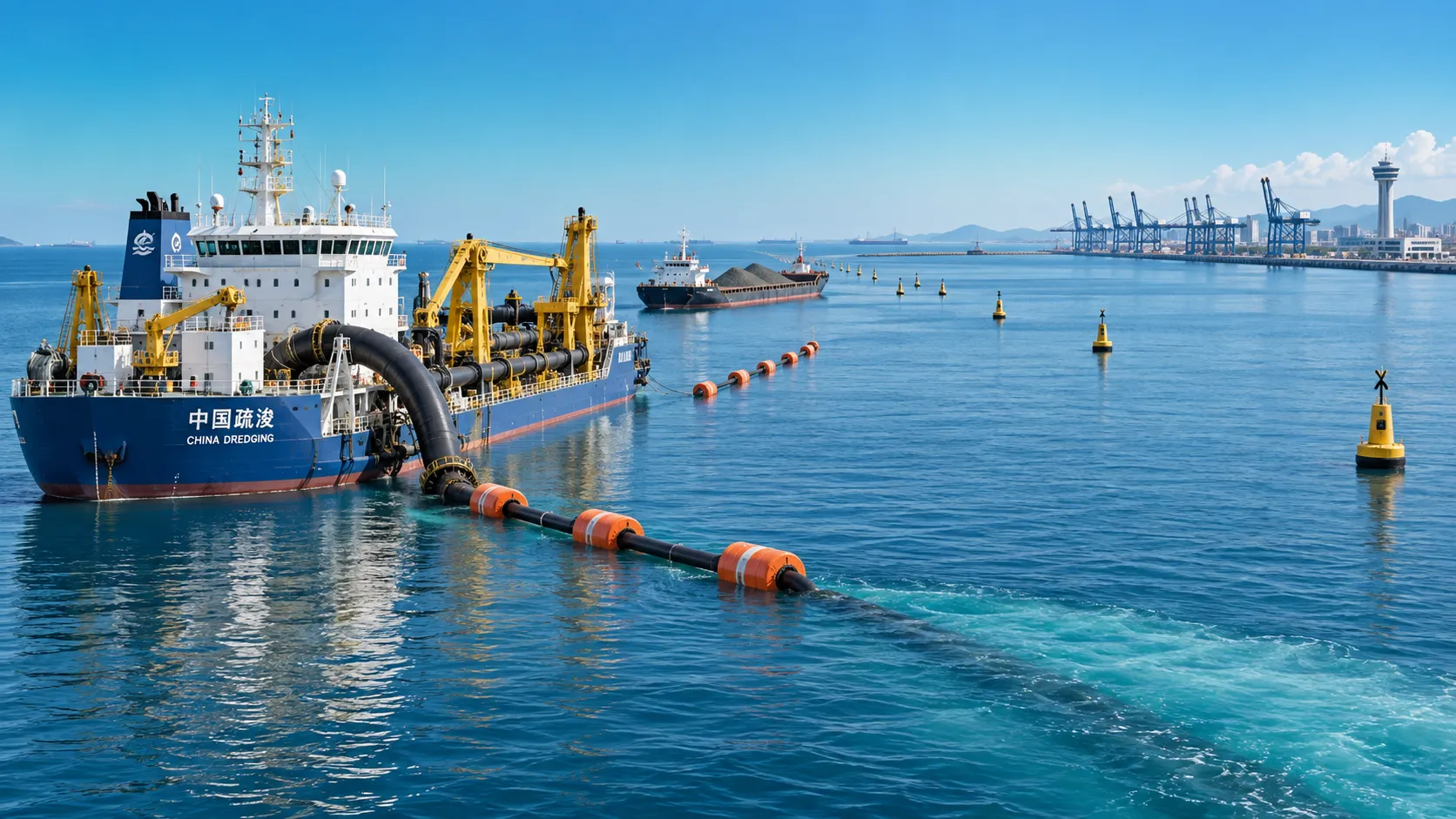
Planning Offshore Dredging Operations: Key Risks, Methods, and Project Controls
Offshore dredging operations demand smart planning. Explore key risks, proven methods, environmental controls, and project strategies for reliable delivery.