Related News
- 00
0000-00
How to Specify a Quay Crane for Container Terminals by Vessel Size and Throughput? - 00
0000-00
Which Bulk Handling Equipment Suits High-Moisture Cargo? - 00
0000-00
Terminal Automation Technologies That Raise Container Throughput Without Yard Disruption - 00
0000-00
Planning Offshore Dredging Operations: Key Risks, Methods, and Project Controls - 00
0000-00
Where Do Automated Guided Vehicles Deliver the Fastest Warehouse Gains in the Middle East?
How marine engineering solutions reduce coastal build delays
How Marine Engineering Solutions Reduce Coastal Build Delays
Coastal construction delays often start long before equipment reaches the shoreline.
Hidden seabed risks, permitting gaps, dredging uncertainty, and poor coordination can disrupt schedules and budgets quickly.
For ports, terminals, reclamation works, and nearshore infrastructure, marine engineering solutions provide the technical clarity needed to plan faster.
By combining geotechnical insight, dredging intelligence, digital monitoring, and logistics-aware design, teams reduce risk and keep coastal builds moving.
Why Coastal Delay Risk Changes by Scenario
Not every coastal project fails for the same reason.
A container berth faces different pressure than a reclamation platform, an offshore intake, or a dredged navigation channel.
Marine engineering solutions reduce delays by matching technical investigation to the exact construction environment.
They help define seabed conditions, tidal windows, sediment movement, wave exposure, equipment access, and regulatory constraints.
This matters because coastal works usually depend on narrow execution windows.
A missed dredging sequence, delayed permit revision, or unstable foundation layer can affect months of downstream work.
High-value projects need scenario-based planning, not generic coastal assumptions.
This is where marine engineering solutions become schedule protection tools, not only technical design services.
Port Expansion Scenarios: Keeping Berths and Yard Works Aligned
Port expansion projects often involve quay walls, dredging, pavement upgrades, utilities, cranes, and yard automation.
Delay occurs when marine and landside packages are planned as separate worlds.
Marine engineering solutions connect berth geometry, soil behavior, dredging depth, and terminal equipment needs into one delivery logic.
The key judgement is whether berth construction can support the future operating model.
Heavy quay cranes, automated guided vehicles, and high-density container yards demand different tolerances than conventional terminals.
Early marine assessments can identify settlement risk, dredged slope stability, and quay load limitations before procurement decisions lock in.
For smart terminals, marine engineering solutions also help synchronize civil works with control systems, sensor networks, and commissioning stages.
Core judgement points for port expansion
- Confirm whether berth depth matches vessel class and future draft requirements.
- Review quay wall design against crane loads, mooring forces, and seismic conditions.
- Coordinate dredging plans with berth handover and terminal equipment arrival.
- Model settlement risk before yard pavement, rail tracks, or cable trenches begin.
Dredging Scenarios: Turning Unknown Sediment Into Predictable Production
Dredging delays frequently arise from incorrect assumptions about sediment type, disposal routes, contamination, or equipment productivity.
Soft mud, stiff clay, sand waves, rock layers, and debris fields each require different methods.
Marine engineering solutions reduce uncertainty through bathymetric surveys, geophysical scans, sampling, and production simulations.
The aim is not only to estimate volume.
The aim is to understand how material behaves during excavation, transport, placement, and environmental monitoring.
Digital pump monitoring, cutter performance analysis, and real-time bathymetry can reveal productivity loss before schedules collapse.
In navigation channel upgrades, marine engineering solutions help align dredging campaigns with shipping traffic, tidal windows, and berth availability.
This prevents marine plant from waiting idle while vessels, permits, or disposal areas remain unavailable.
Reclamation Scenarios: Managing Settlement Before It Becomes a Delay
Land reclamation creates value only when fill placement, ground improvement, and future use are coordinated early.
Many delays occur because reclaimed ground appears complete but remains unsuitable for loading, utilities, or pavement.
Marine engineering solutions support staged reclamation planning by predicting consolidation, settlement rate, and bearing capacity.
They also help compare surcharge loading, vertical drains, vibro-compaction, stone columns, and other ground improvement choices.
The important judgement is whether the reclamation schedule matches the asset’s operational deadline.
A container yard needs stable surfaces, accurate drainage, and predictable long-term settlement.
A temporary laydown area may accept different tolerances and monitoring intensity.
By defining these differences, marine engineering solutions prevent overdesign in low-risk zones and underdesign in critical zones.
Nearshore Infrastructure Scenarios: Reducing Interface Failures
Nearshore infrastructure includes seawater intakes, outfalls, breakwaters, pipelines, bridges, energy terminals, and coastal protection systems.
These projects carry high interface risk because land, sea, structure, and environmental systems meet in confined zones.
Marine engineering solutions help define constructability under waves, currents, burial depth, scour, and access limitations.
They also clarify when temporary works are more schedule-critical than permanent structures.
For example, cofferdams, jack-up platforms, working channels, and marine access routes can control the entire delivery path.
If these elements are underestimated, specialist vessels may arrive before the site is technically ready.
Marine engineering solutions reduce this risk by integrating temporary works planning with metocean data and construction sequencing.
Different Scenarios, Different Delay Drivers
Scenario-based comparison helps teams choose the right depth of investigation and the right mitigation plan.
This comparison shows why marine engineering solutions should be selected according to project exposure, not only project size.
Scenario Adaptation Advice for Faster Coastal Delivery
A practical adaptation plan starts with the construction sequence, then tests each stage against marine uncertainty.
The best marine engineering solutions convert unknowns into decision gates before costly mobilization begins.
- Map the critical path across surveys, permits, dredging, civil works, equipment, and commissioning.
- Rank seabed, metocean, environmental, and interface risks by schedule impact.
- Define minimum data requirements before tendering marine works or ordering major equipment.
- Use digital monitoring to compare planned progress with real marine conditions.
- Update dredging volumes, settlement forecasts, and access windows as field data improves.
This approach supports better coordination between engineering, construction, logistics, and operational readiness.
It also prevents late-stage redesign when the site has already absorbed budget and time.
Common Misjudgements That Create Avoidable Delays
The first common mistake is treating bathymetry as a complete seabed risk assessment.
Depth data is essential, but it does not explain sediment strength, contamination, debris, or dredging resistance.
The second mistake is separating permits from engineering decisions.
Disposal methods, turbidity controls, noise limits, and habitat restrictions can reshape the construction method.
The third mistake is ignoring equipment logistics.
Dredgers, barges, cranes, and survey vessels need access, fuel, maintenance, anchorage, and safe working windows.
The fourth mistake is using fixed schedules in dynamic marine environments.
Tides, storms, currents, sediment drift, and port traffic require schedules that can absorb verified field changes.
Marine engineering solutions address these mistakes by linking design assumptions to measurable field conditions.
How Digital Intelligence Improves Marine Engineering Solutions
Modern coastal delivery increasingly depends on digital coordination between machines, surveys, models, and decision dashboards.
For port and dredging projects, data is valuable only when it changes action quickly.
Real-time dredger performance, low-latency equipment communication, and automated progress reporting help detect schedule variance earlier.
This supports the wider shift toward smart oceans, net-zero operations, and more efficient maritime supply chains.
Marine engineering solutions are becoming more connected with port automation, AGV planning, crane deployment, and terminal control systems.
That connection matters because coastal construction is no longer isolated from future operating performance.
A berth built late delays operations.
A berth built without automation readiness may reduce long-term throughput and asset value.
Action Steps for Applying Marine Engineering Solutions
The next step is to review the coastal project by scenario, not by discipline alone.
Identify where seabed risk, dredging uncertainty, equipment access, permitting, and terminal operations intersect.
Then assign each uncertainty to a survey, model, monitoring method, or decision deadline.
For complex ports and marine logistics assets, PS-Nexus supports this thinking through intelligence on terminal gear, dredging engineering, automation, and coastal economics.
Effective marine engineering solutions do more than solve technical problems.
They protect construction rhythm, reduce avoidable redesign, and help coastal assets reach operational value sooner.
When every quay, channel, reclaimed zone, and marine interface is planned around real conditions, delays become manageable decisions.
That is the practical value of marine engineering solutions in modern coastal construction.
Related News
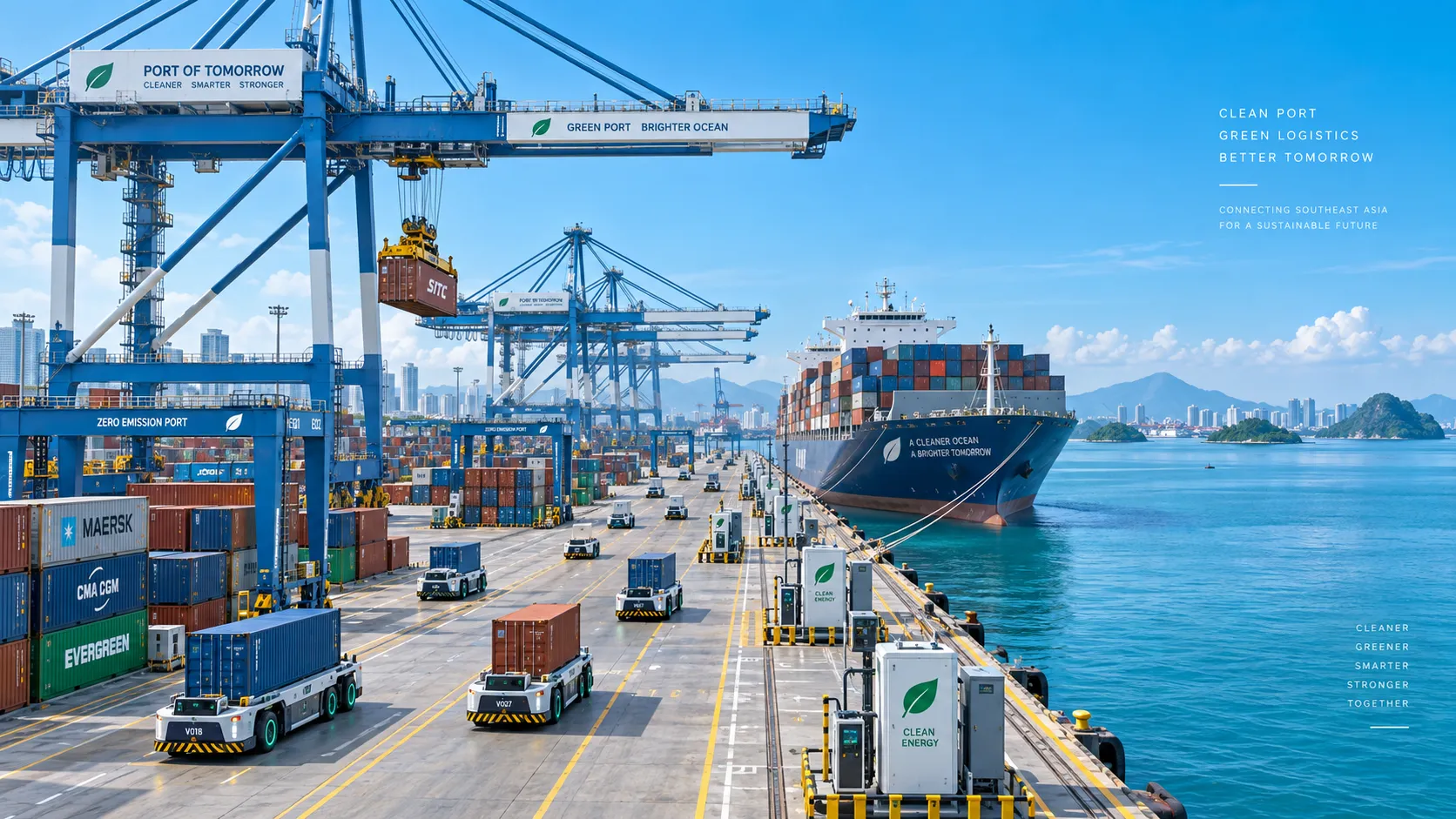
Smart Port Systems in Southeast Asia: Investment Priorities and Adoption Barriers
Smart port systems Southeast Asia: discover investment priorities, adoption barriers, and practical steps to build resilient, connected, high-performing terminals.

How to Evaluate Terminal Efficiency Solution Suppliers for High-Throughput Operations
Choose a terminal efficiency solutions supplier with confidence. Explore proven criteria for throughput, integration, lifecycle cost, safety, and reliable delivery.
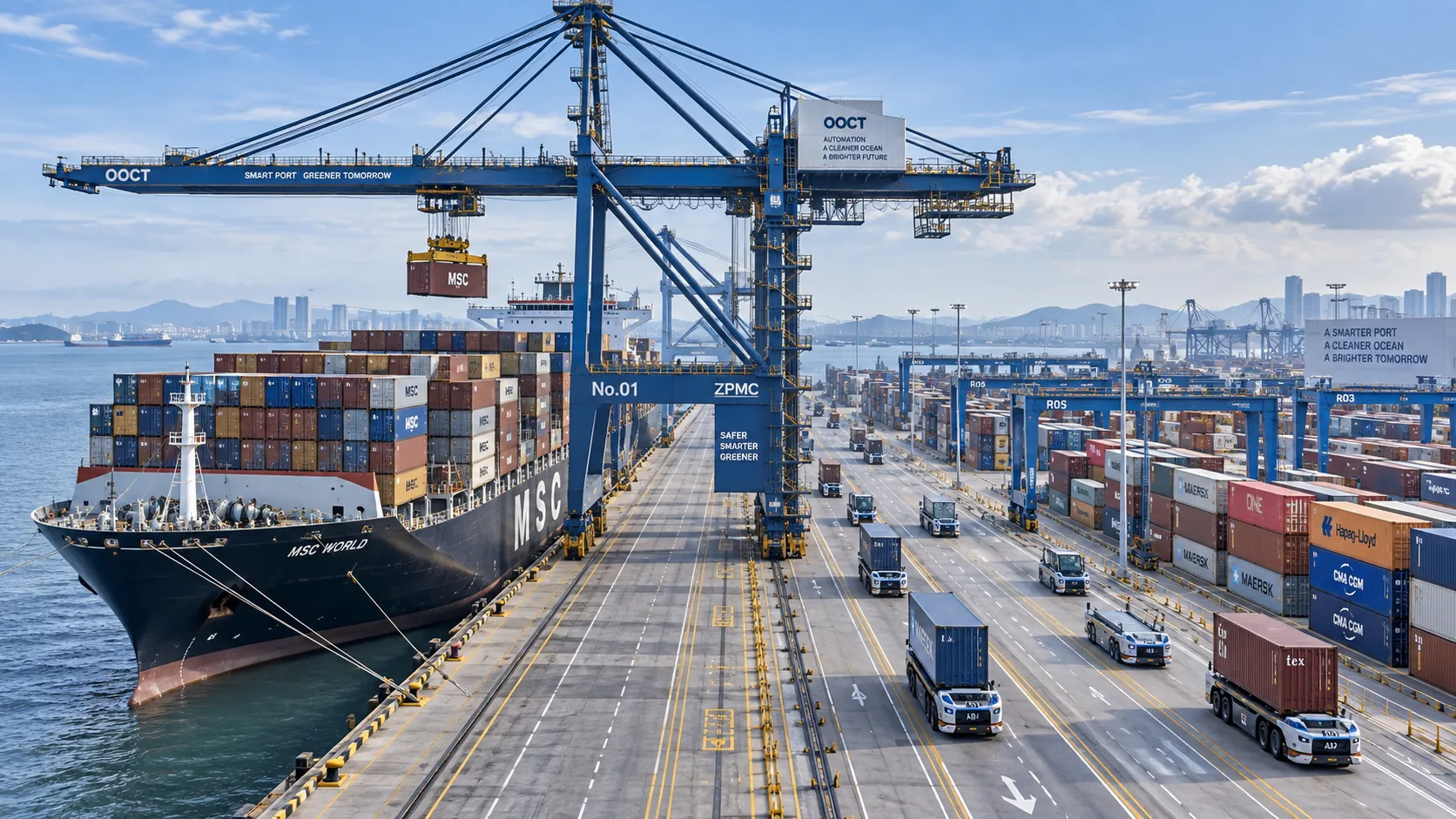
How to Specify a Quay Crane for Container Terminals by Vessel Size and Throughput?
Quay crane for container terminals: learn how to match outreach, lift height, capacity, automation, and cycle performance to vessel size and throughput goals.
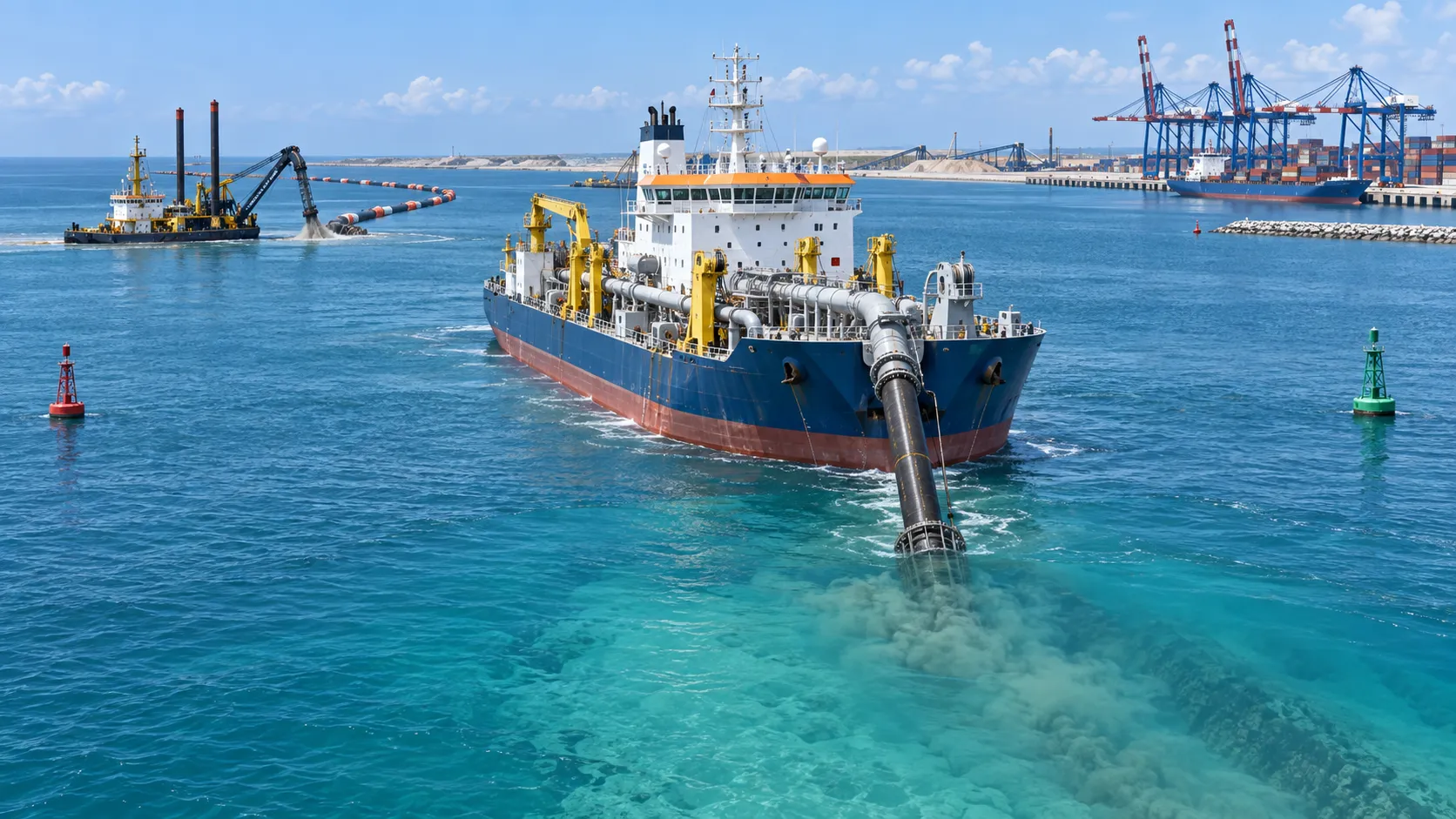
What Dredging Equipment Is Needed for Channel Deepening?
What dredging equipment is needed for channel deepening? Explore dredgers, pipelines, survey tools, and planning strategies for safer, more efficient port access.
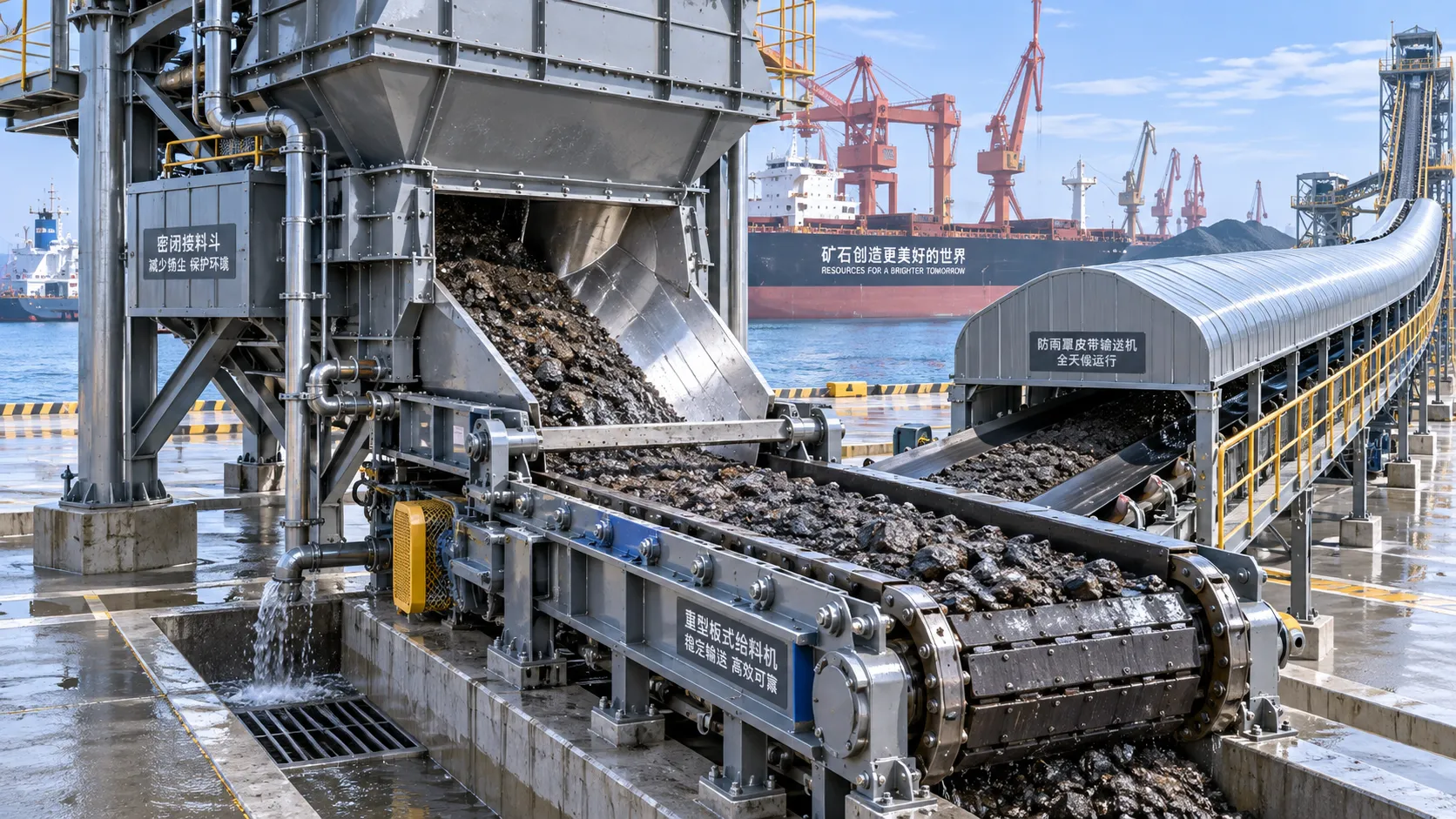
Which Bulk Handling Equipment Suits High-Moisture Cargo?
Which bulk handling equipment suits high-moisture cargo? Compare belt, apron, screw, drag, and slurry systems for reliable flow, less carryback, and higher terminal uptime.
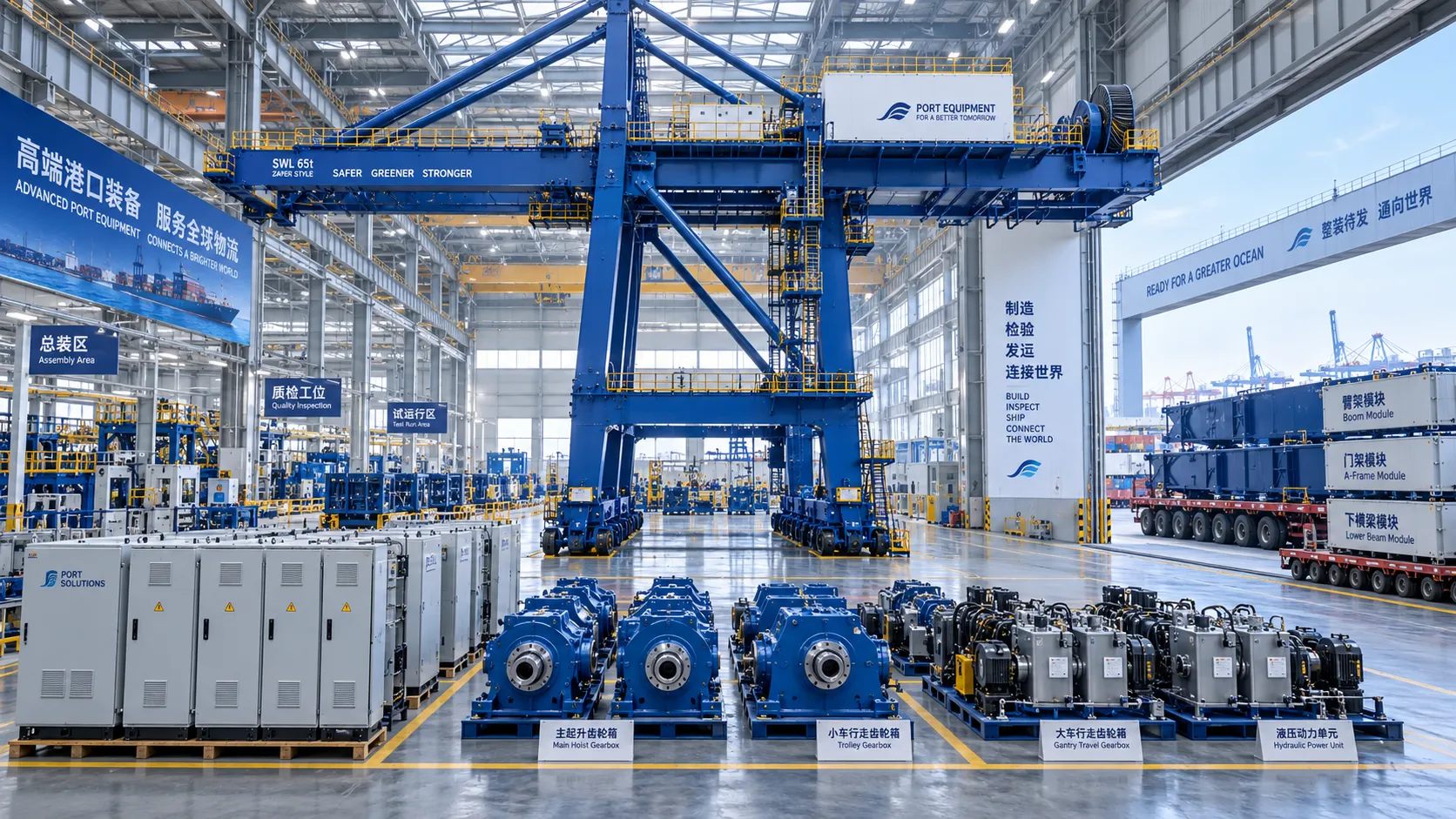
How Can Port Equipment Lead-Time Risk Be Managed?
How can port equipment lead-time risk be managed? Explore practical strategies to control critical paths, suppliers, transport, site readiness, and commissioning delays.
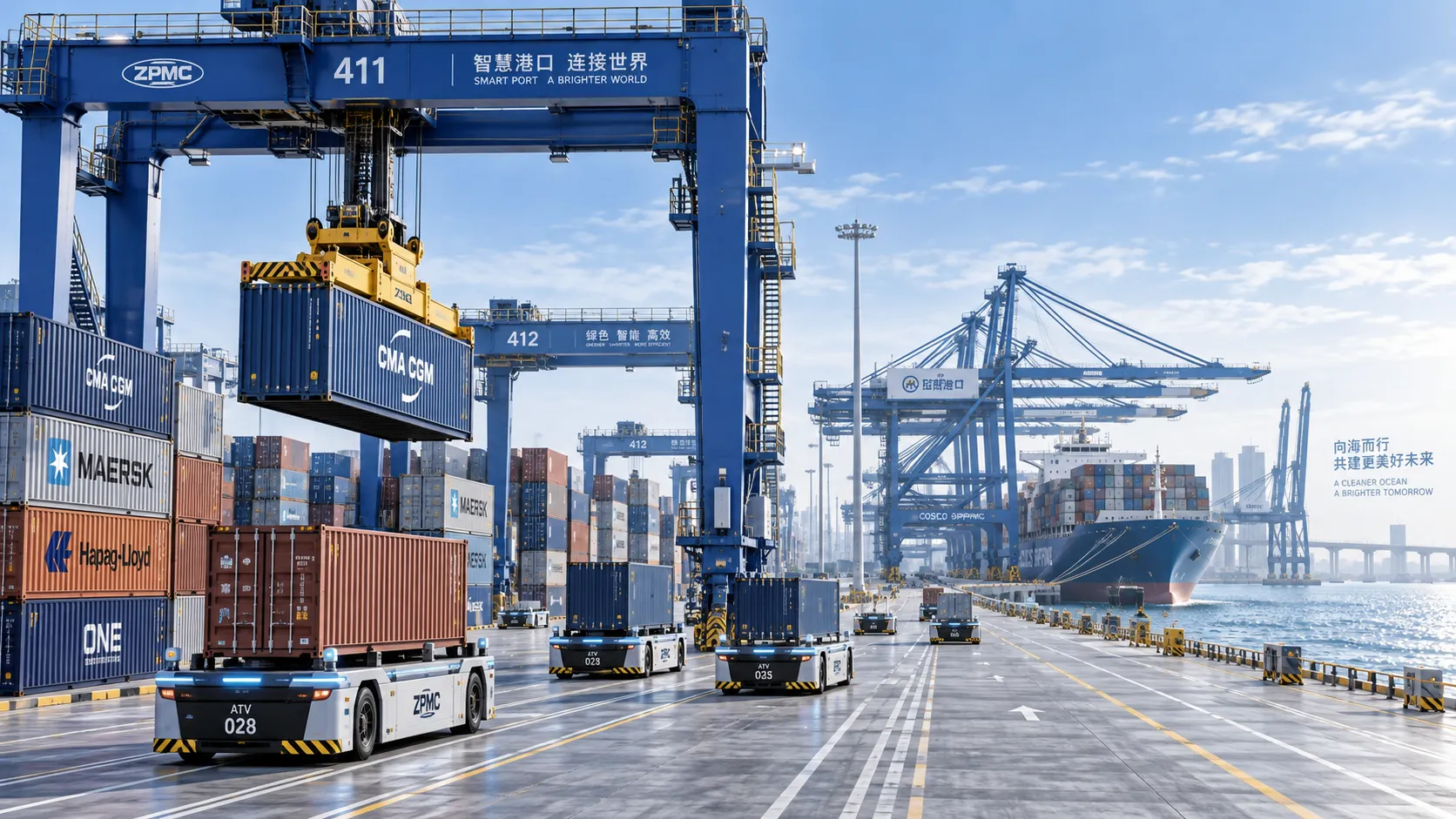
Terminal Automation Technologies That Raise Container Throughput Without Yard Disruption
Terminal automation technology that increases container throughput without disrupting yard flow. Explore smarter integration, resilient workflows, and phased deployment strategies.
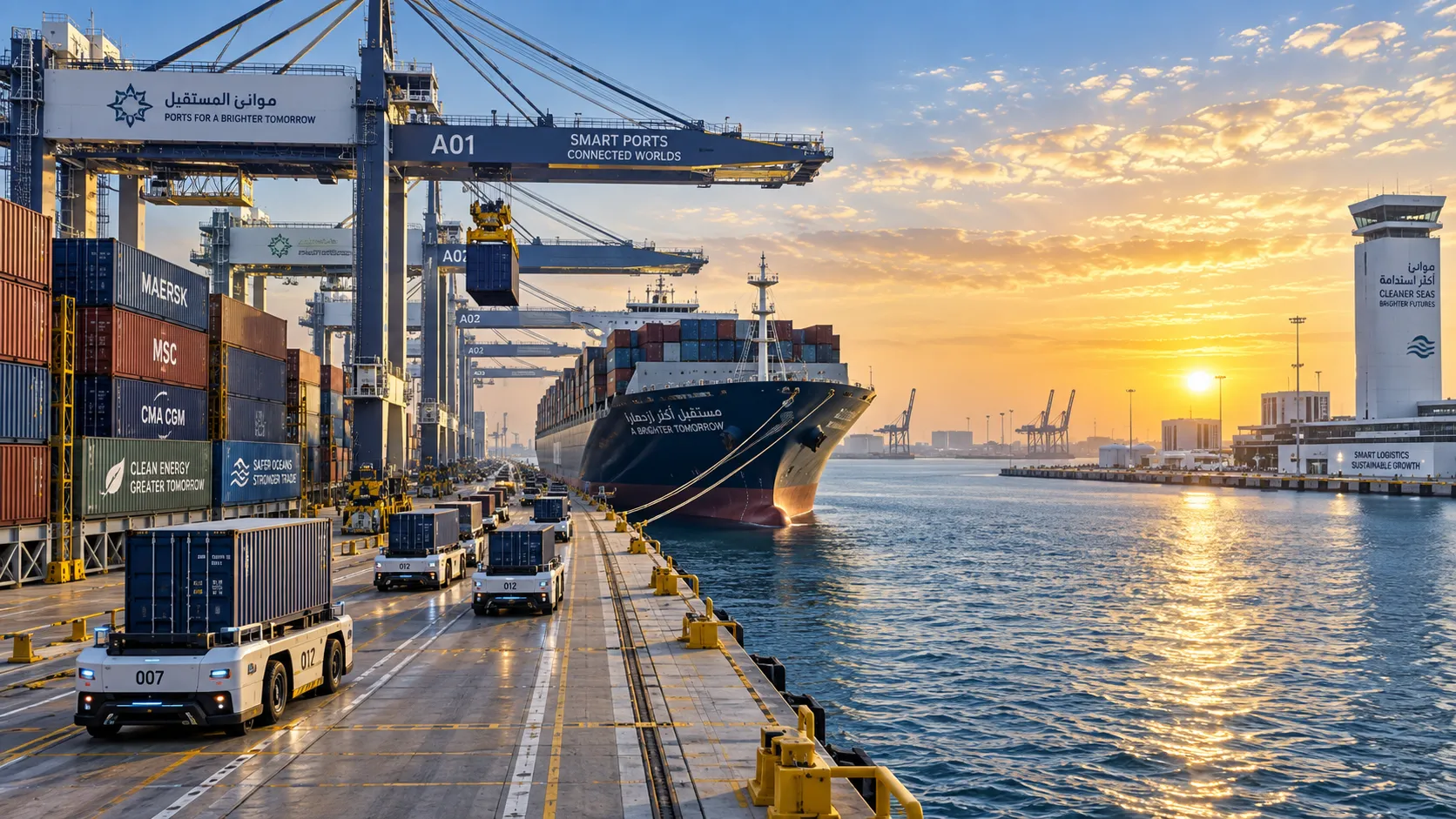
Middle East Port Automation: Key Market Drivers, Projects, and Investment Risks
Port automation systems Middle East: explore market drivers, flagship projects, integration challenges, and investment risks shaping smarter, resilient terminals.
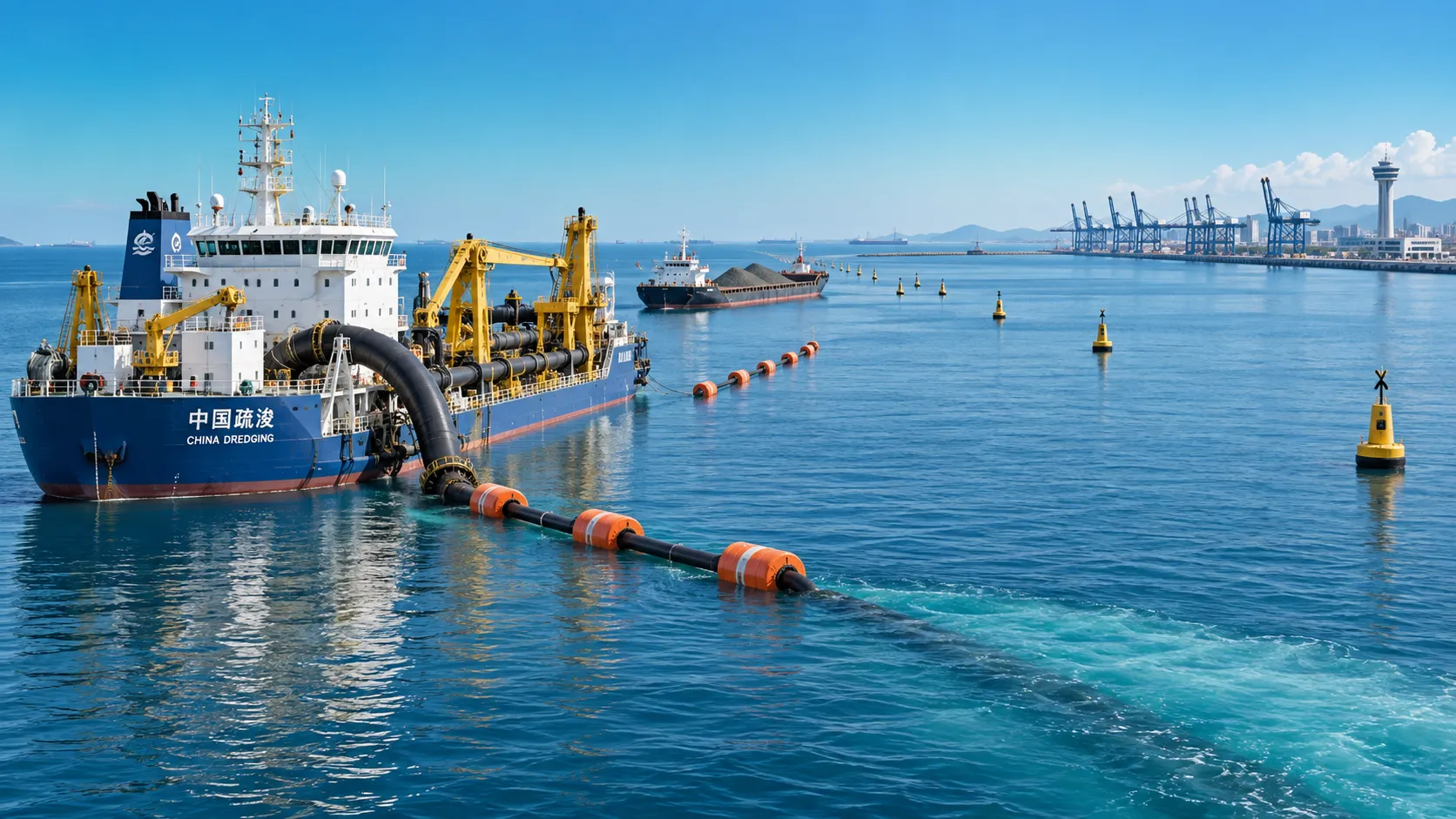
Planning Offshore Dredging Operations: Key Risks, Methods, and Project Controls
Offshore dredging operations demand smart planning. Explore key risks, proven methods, environmental controls, and project strategies for reliable delivery.