Related News
- 00
0000-00
Sustainable Harbor Engineering: Balancing Erosion Control and Habitat Protection - 00
0000-00
Which ISO Certifications Matter When Specifying Maritime Infrastructure? - 00
0000-00
Selecting Intermodal Yard Equipment for Fast, Safe Container Transfers - 00
0000-00
How to Select Harbor Structures for Quay Walls Under Berthing and Wave Loads - 00
0000-00
Selecting Smart Terminal Software for Multi-Site Field Service Operations
Selecting a Container Handler for High-Throughput Port Terminal Operations
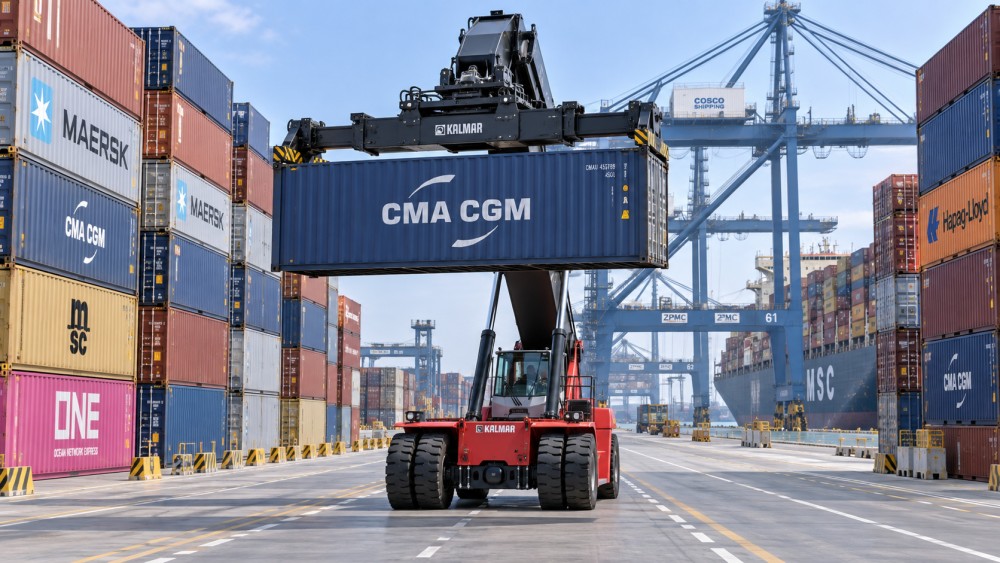
A container handler that looks adequate on a specification sheet can become the constraint in a busy terminal when vessel windows tighten, stack density rises, or traffic routes become congested. A machine may have sufficient rated lifting capacity yet still lose productive time through slow attachment changes, poor visibility, excessive turning space, unstable performance on uneven pavement, or weak integration with the terminal operating system.
The practical answer to what are the key features to consider when selecting a container handler for a busy port terminal? is to evaluate the machine as part of a complete operating cycle rather than as an isolated lifting asset. Capacity must match real container weights and stacking heights; speed must be assessed across pickup, travel, placement, and return; and the handler must fit the yard layout, traffic rules, maintenance capability, safety controls, and planned level of automation. The strongest selection is rarely the unit with the largest headline rating. It is the unit that maintains predictable cycles under the terminal’s normal peaks and operating constraints.
Begin with the container flow, not the equipment brochure
Before comparing models, map where containers enter the yard, where they are stored, how they are transferred, and what moves create the greatest delay. A reach stacker, empty container handler, laden container handler, terminal tractor combination, or automated transfer solution can all be appropriate in different parts of the same terminal. The choice depends on the job each asset must perform.
Start with the operating questions that expose the actual duty:
- Are containers mainly received from trucks, transferred between stacks, moved to rail, or positioned for quay-side exchange?
- Will the handler move laden containers, empty units, or both?
- What stack rows, stack heights, and aisle widths are required in routine operations rather than in occasional exceptions?
- How often will the machine travel loaded over longer distances?
- Does the terminal experience concentrated peaks linked to vessel calls, gate surges, or rail cut-off periods?
- Will the equipment operate on paved yard surfaces only, or must it cross transitions, gradients, drainage channels, and mixed-condition areas?
A handler selected for short transfer moves in a moderately dense yard may perform poorly when used as a high-frequency shuttle over long distances. Similarly, a machine designed around maximum stacking reach can be inefficient when most of the work is ground-level interchange. Separating primary duty from occasional duty prevents a costly mismatch between the machine’s design emphasis and the terminal’s real bottleneck.
Rated capacity must be checked at the required reach and stacking position
Rated lifting capacity is a starting point, not a final decision criterion. Container handlers do not maintain the same usable capacity throughout the lift envelope. Capacity can change with boom extension, stacking height, attachment configuration, center of gravity, tire condition, ground slope, and the direction of travel or placement. A technical review should therefore examine load charts for the exact positions expected in the yard.
The assessment needs to reflect the heaviest realistic containers, including any equipment or attachment weight carried by the machine. It should also account for the way the terminal handles off-center loads, damaged containers, unusual weight distributions, and containers that must be placed near the outer rows of a block. Selecting a unit that only meets the requirement under ideal geometry leaves little operating margin.
Stack configuration matters as much as nominal tonnage. A handler may be suitable for a specified container mass in the first row but have restrictions in subsequent rows or at higher stack levels. Review the permitted capacity across all required rows and heights, then compare it with the terminal’s intended storage strategy. If the operation expects to increase density later, determine whether the selected machine will still support the changed stack geometry without reducing allowable load or cycle speed.
Stability systems should be evaluated as operating controls, not merely as compliance features. Load-moment monitoring, overload warnings, boom interlocks, tilt sensing, and automatic restrictions can protect personnel and equipment. However, poorly calibrated or poorly understood interventions can also cause unexpected pauses. Ask how the system communicates limits to the operator, whether warnings are visible in bright outdoor conditions, and how safely the handler behaves when it reaches a restricted operating zone.
Measure cycle performance where time is actually lost
Busy terminal operations are governed by repeatable cycles: approach, align, lock or engage, lift, travel, position, set down, disengage, and return. Published travel speed or hydraulic speed alone does not reveal how quickly those stages are completed under yard conditions. A fast boom function does not compensate for a machine that requires repeated corrections to align with a container or that slows excessively while carrying a load through a turn.
Break the cycle into observable components during evaluation. Watch for boom and spreader response, acceleration under load, braking behavior, steering response, turning radius, container alignment, and the time required to transition from one move to the next. Operator visibility and control ergonomics have a direct effect on these components. Where the driver cannot clearly see twistlocks, truck chassis, stack corners, or pedestrians, movements become conservative and cycle variability increases.
Cycle consistency deserves equal attention. A handler that completes an occasional fast move but becomes sluggish after sustained work, high ambient temperature, or extended hydraulic demand may reduce the terminal’s ability to plan resources. Review cooling capacity, hydraulic temperature management, engine or electric drive derating behavior, and the response of the machine during continuous duty. The relevant question is not “What is the best cycle possible?” but “What cycle can be sustained during a demanding shift?”
Yard geometry can eliminate otherwise capable machines
Terminal layouts impose physical limits that no powertrain or lifting system can overcome. Lane widths, stack gaps, reefer zones, truck interfaces, rail clearances, pedestrian segregation, and the location of maintenance areas all affect whether a container handler can work efficiently. A large machine can carry more capability than the job requires while consuming valuable maneuvering space and increasing traffic conflicts.
Use scaled layouts or operating simulations to test turning paths and placement clearances. The review should include laden travel, reversing, truck-side loading, placement at the far side of a stack, and recovery from imperfect approach angles. Do not test only an empty machine in a clear area. Its working envelope needs to be assessed with real stack boundaries and the space occupied by trucks, chassis, other handling equipment, safety barriers, and personnel routes.
Ground conditions also influence selection. Pavement quality affects ride, tire wear, braking distance, load stability, and the frequency of suspension or structural stress. Drainage matters because pooled water, slippery surfaces, and settlement near heavy-use lanes can reduce available traction and make precise handling more difficult. Where the yard includes grades, ramps, or transitions between pavement types, confirm gradeability and braking performance at the intended load, not just unladen.
Choose the attachment and container interface with care
The spreader or lifting attachment is central to both productivity and safe container engagement. The terminal should define which container lengths, heights, and configurations are routinely handled, then verify that the selected attachment supports those needs without excessive manual intervention. Telescopic spreaders, side-shift functions, rotation capability, twin-lift arrangements, and specialized attachments can improve flexibility, but every added function brings additional complexity, mass, inspection needs, and possible failure points.
Automatic or semi-automatic container length adjustment can reduce delays where mixed container sizes are common. The benefit is greatest when the adjustment process is reliable and clearly indicated to the operator. Examine sensing arrangements, lock-status feedback, twistlock condition monitoring, and the procedure for handling a failed lock indication. A system that provides an ambiguous status signal may create safety risk and force avoidable rechecks.
Attachment selection should also reflect the terminal’s maintenance discipline. Wear at twistlocks, guide arms, hydraulic lines, sensors, and telescopic elements can affect positioning accuracy and availability. Ask which items require frequent inspection, whether common wear parts can be replaced without prolonged downtime, and how easily technicians can access them. A more advanced spreader is only an advantage if its inspection and repair requirements can be managed within the terminal’s maintenance plan.
Powertrain selection should be based on operating profile
Diesel, hybrid, battery-electric, and other energy configurations should be compared against duty cycle, charging or fueling arrangements, local power availability, emissions objectives, and expected operating hours. The correct choice depends on how the handler works, not on a generic preference for one technology.
For a high-intensity operation, assess energy use during loaded lifting, idling, travel, hydraulic demand, and auxiliary loads such as climate control. An electric machine may suit predictable operating windows and planned charging opportunities, while a diesel or hybrid configuration may offer different flexibility where utilization is continuous and charging access is constrained. Neither option should be evaluated only by nominal range, fuel consumption, or battery size.
Infrastructure is part of the equipment decision. Electric equipment requires a practical charging strategy, safe traffic separation around charging points, sufficient electrical capacity, and contingency arrangements when a charger is unavailable. Battery replacement, thermal management, charging duration, and the effect of partial charging on scheduling should all be reviewed. For combustion-powered equipment, fuel access, exhaust treatment systems, cooling performance, and the effect of idle time on consumption remain relevant.
Integration with control systems should be specified early
A container handler increasingly operates within a connected environment. Terminal operating systems, fleet management platforms, maintenance software, geofencing, collision-avoidance systems, and remote support tools may all require machine data. Waiting until delivery to ask about interfaces can lead to extra integration work, manual data handling, or unavailable functions.
Define which data points the terminal needs: machine location, operating state, fault codes, fuel or energy status, load events, maintenance hours, driver authorization, and utilization data are typical examples. Then establish how data will be transmitted, who owns it, how access is controlled, and whether the information can be exported in a usable format. Interface compatibility should include the practical ability to diagnose faults without relying on fragmented or inaccessible data.
Where semi-automation or future automation is anticipated, inspect positioning accuracy, sensor architecture, communication reliability, and fail-safe behavior. The machine does not need every advanced feature from day one, but it should not block the terminal’s intended operating model. Confirm whether future upgrades require hardware changes, additional sensors, software licensing, or changes to the control architecture.
Safety and operator conditions affect throughput more than expected
In a high-traffic yard, safe movement is productive movement. Features such as camera coverage, proximity detection, reversing aids, seat and restraint systems, clear warning displays, lighting, and speed control zones can reduce the hesitation and correction that slow normal work. The best configuration depends on site rules and traffic patterns, so features should be assessed in the context of actual visibility obstructions and interaction with other vehicles.
Cab ergonomics matter during long shifts. Controls should allow precise movements without excessive reach or fatigue; displays must remain readable in changing light; and vibration, noise, heat, and seat adjustment affect an operator’s ability to maintain consistent placement accuracy. Trial evaluation should involve the people who will operate and maintain the handler, with feedback structured around specific tasks rather than general impressions.
Emergency response procedures should also be tested. Consider loss of communication, sensor fault, hydraulic warning, power interruption, obstructed travel path, and an unsafe load indication. The key issue is whether the machine enters a predictable safe condition and whether operators and maintenance staff can recover it without improvisation.
Compare lifecycle availability, not purchase price alone
Downtime at a congested terminal can create secondary delays across truck gates, stacks, vessel operations, and labor allocation. Selection therefore needs a maintainability review alongside the technical performance review. Look at service access, daily inspection points, filtration arrangements, lubrication needs, diagnostic capability, tire replacement, attachment maintenance, and the practicality of conducting repairs without blocking active lanes.
Ask suppliers to clarify recommended service intervals, expected consumable items, required diagnostic tools, training requirements, parts stocking options, and escalation arrangements for complex faults. These are not purchasing formalities. They indicate how quickly the terminal can return an asset to service after a routine defect or unplanned failure.
Fleet planning is equally important. A terminal may obtain better resilience from several appropriately matched handlers than from a single highly specialized machine with little backup. Consider interchangeability of attachments, operator familiarization across units, common spare parts, and the ability to reassign machines when one work zone becomes constrained. The selected handler should fit the terminal’s wider availability strategy, not simply satisfy an individual equipment specification.
A sound final decision documents the required duty cycle, verifies load charts at real working positions, tests maneuvering against yard geometry, assesses sustained productivity, and assigns clear weight to integration, safety, and maintenance access. That process turns container-handler selection from a comparison of headline specifications into an engineering decision tied directly to dependable terminal flow.
Related News
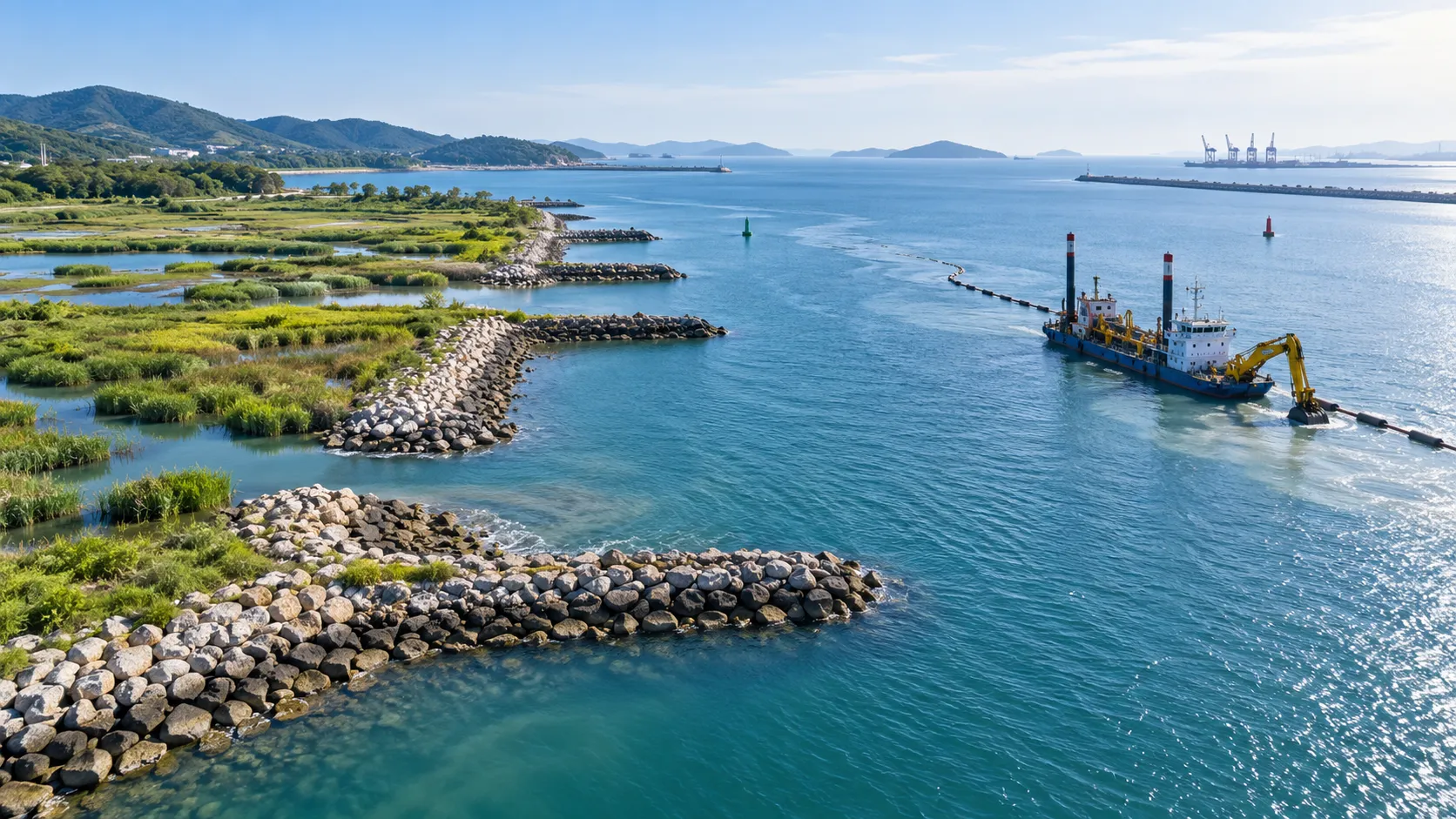
Sustainable Harbor Engineering: Balancing Erosion Control and Habitat Protection
Explore sustainable harbor engineering solutions that balance erosion control, habitat protection, and smarter dredging. Discover practical strategies for resilient harbors.
Which ISO Certifications Matter When Specifying Maritime Infrastructure?
Maritime infrastructure ISO certified suppliers: discover which certifications matter, how to assess scope, and what project evidence protects port performance.
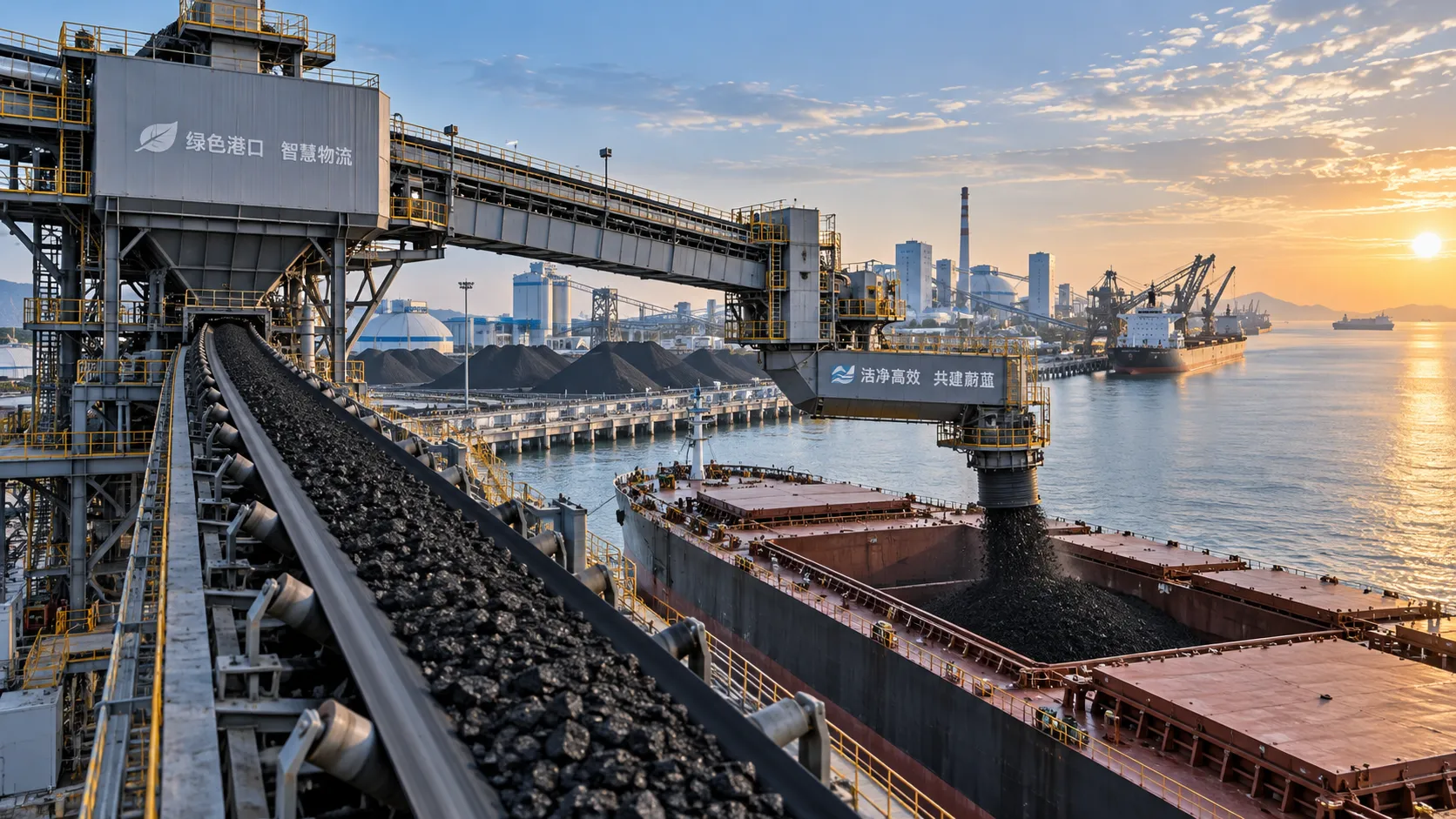
How to Evaluate a Bulk Handling Equipment Exporter for Port and Plant Projects
Bulk handling equipment exporter evaluation guide for port and plant projects—compare engineering, references, delivery reliability, and lifecycle support.
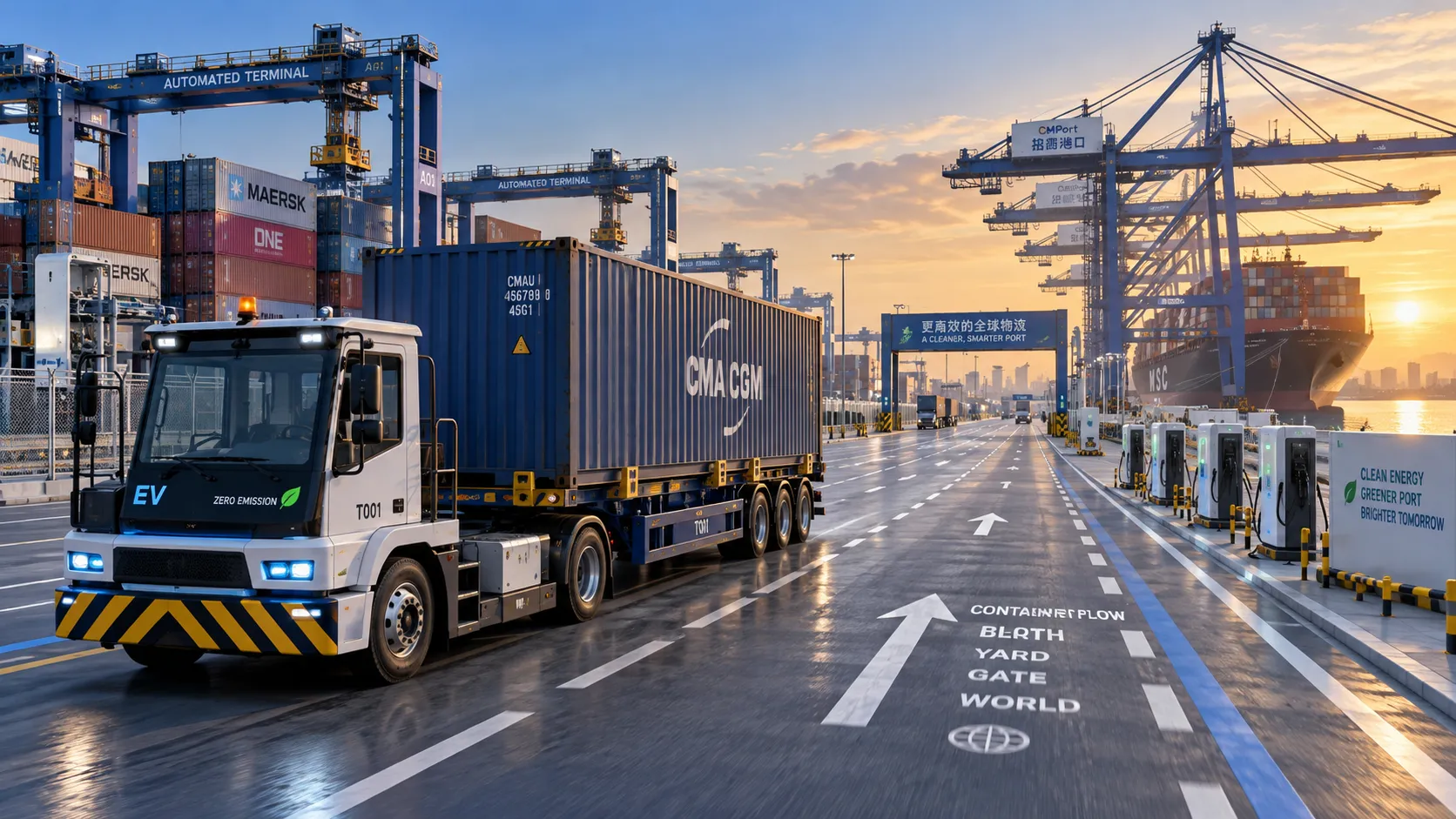
How to Evaluate a Yard Mobility Solutions Manufacturer for High-Throughput Sites
Yard mobility solutions manufacturer evaluation guide for high-throughput terminals: assess performance, integration, service, lifecycle costs, and delivery risk.
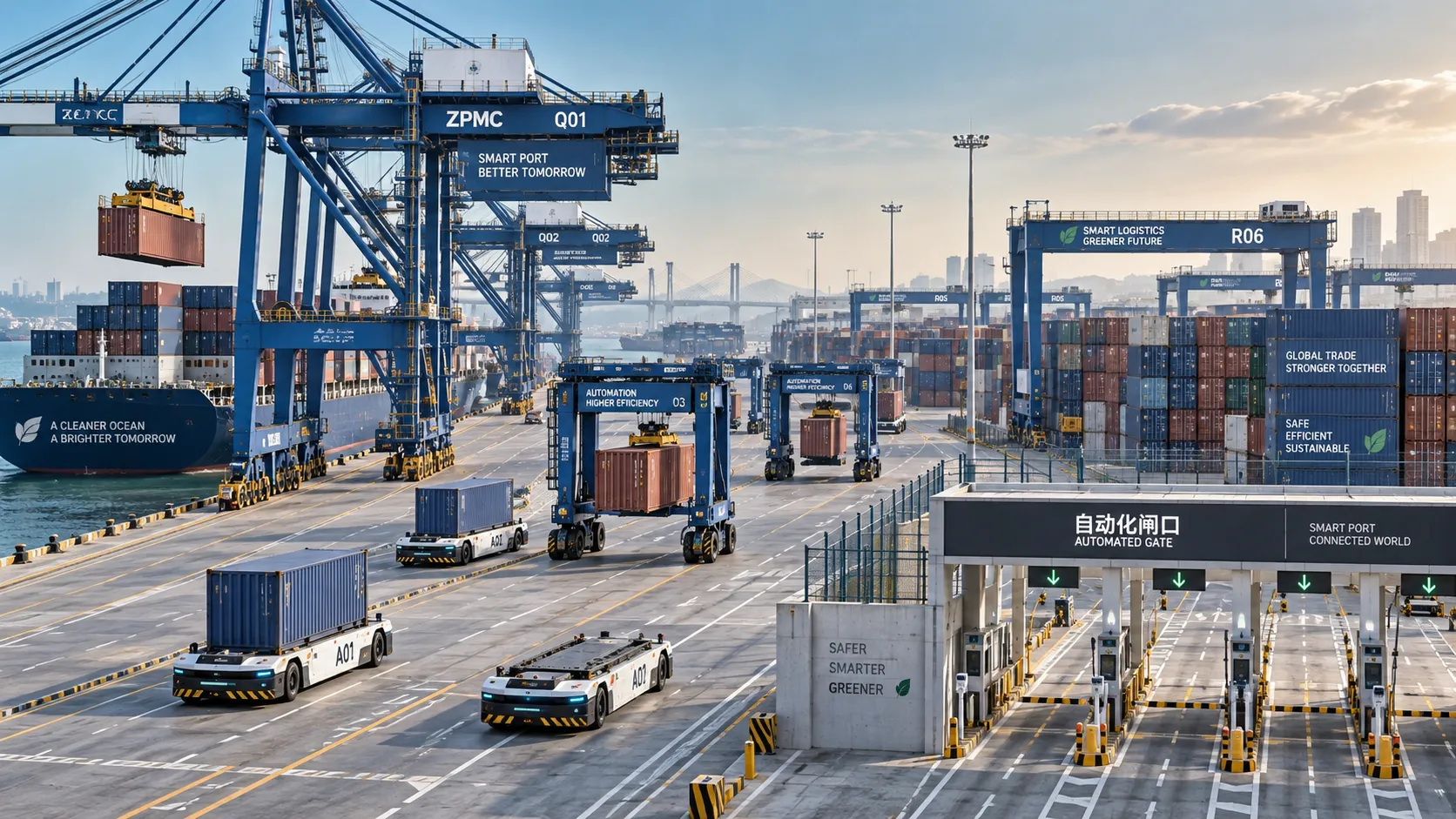
Automated Port Systems in Latin America: Investment Priorities for Container Terminals
Automated port systems Latin America: discover investment priorities for container terminals, from smart gates and remote cranes to resilient digital control layers.
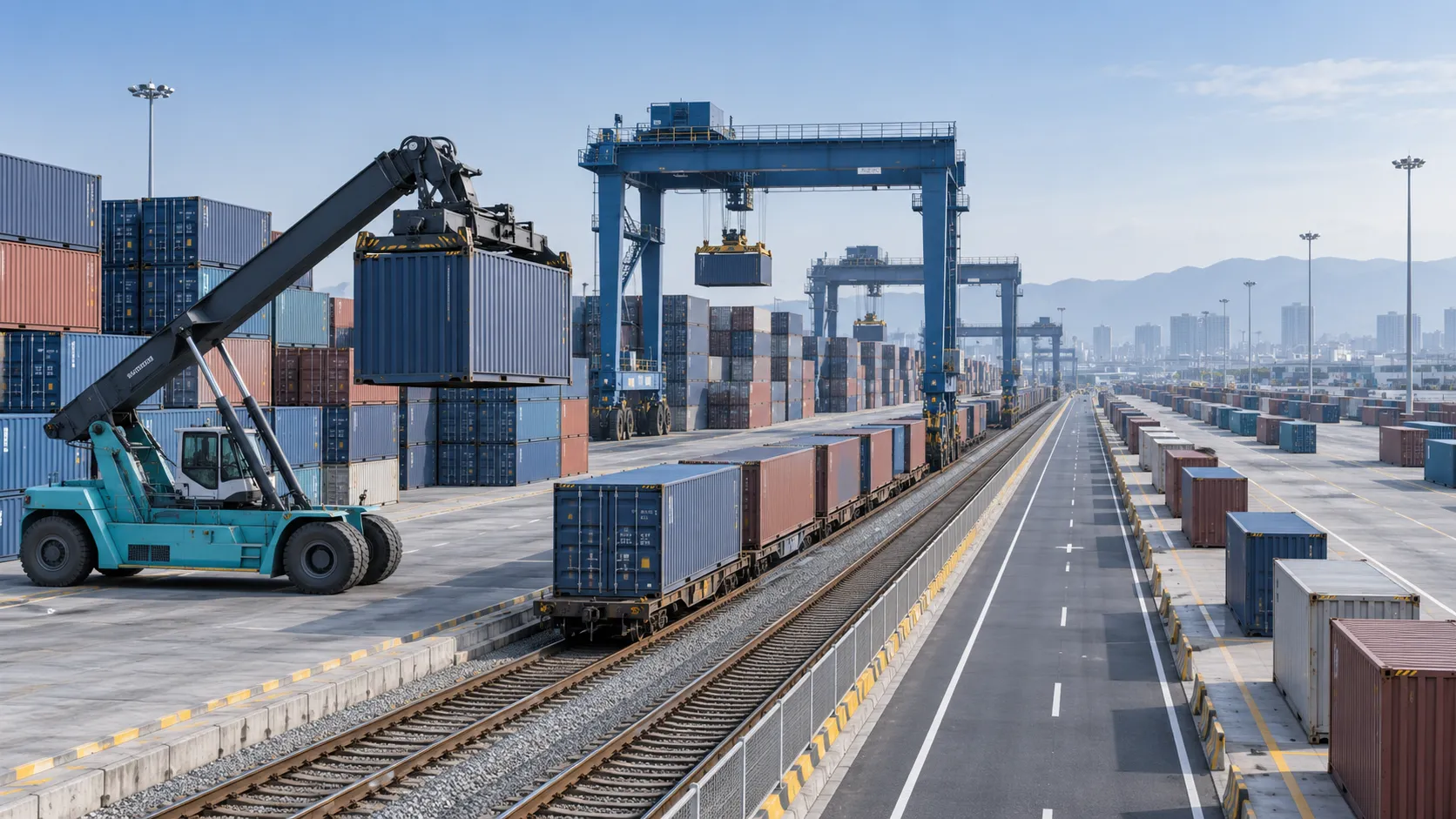
Selecting Intermodal Yard Equipment for Fast, Safe Container Transfers
Container handling equipment for intermodal yards: compare reach stackers, RTGs, automation, safety planning, and lifecycle costs to build faster, safer container flow.
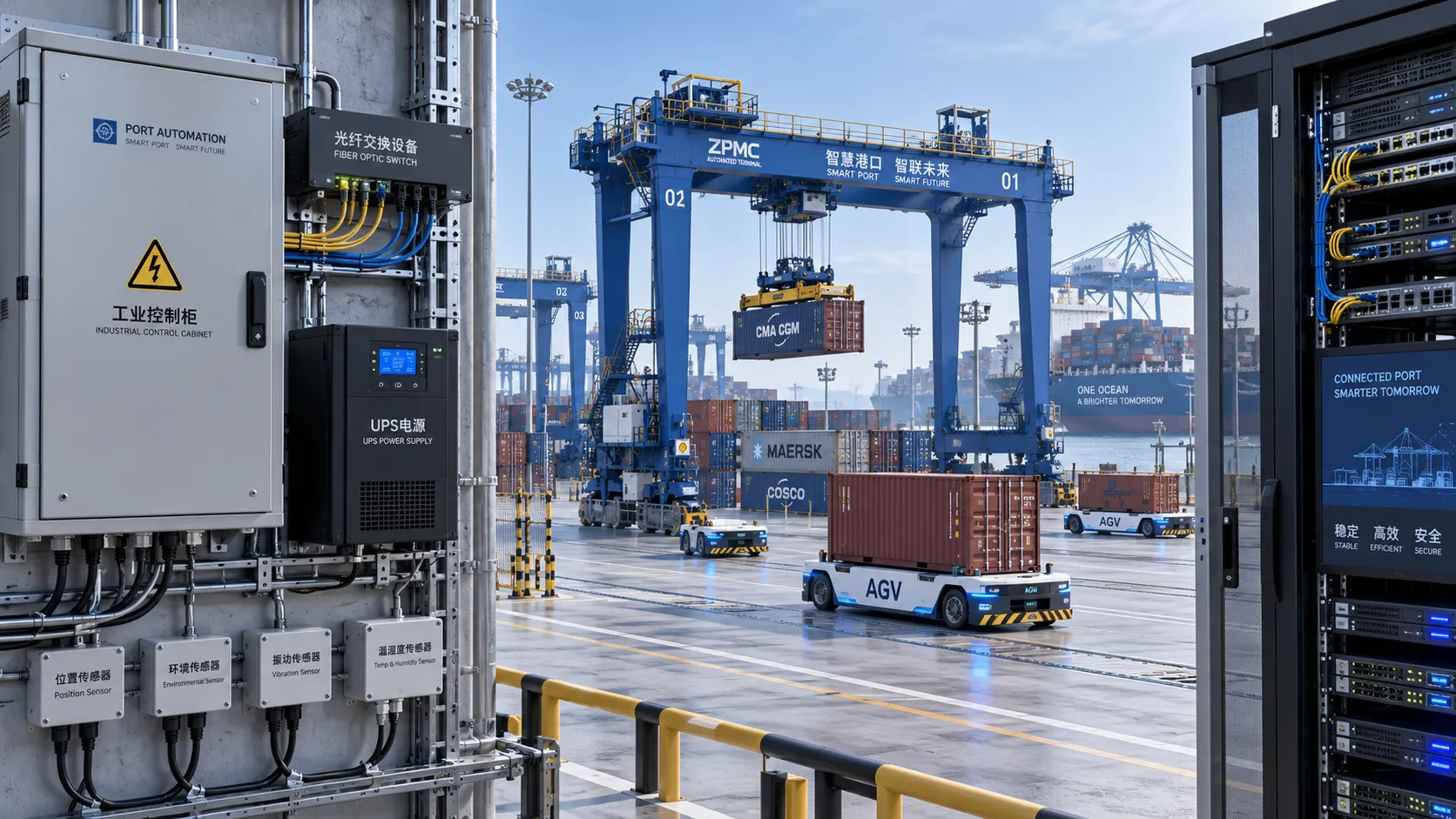
Terminal Control System Costs: Budgeting Hardware, Integration, and Lifecycle Support
Terminal control systems cost explained: budget hardware, integration, safety, cybersecurity, commissioning, and lifecycle support for resilient terminal operations.
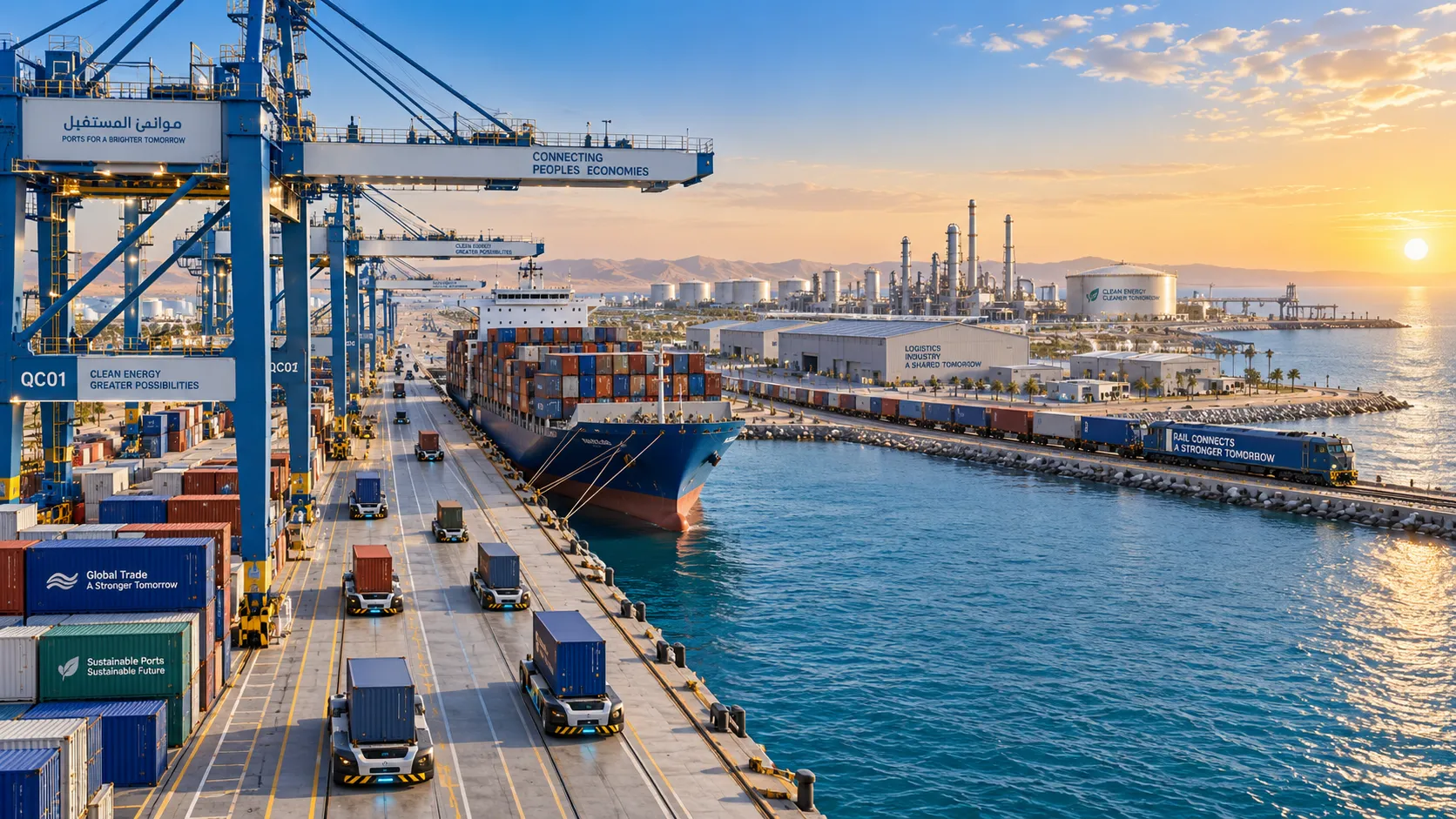
Smart Operations in the Middle East: Where Industrial Investment Is Growing
Smart operations Middle East investment is reshaping ports, industrial corridors, and logistics networks through connected data, automation, resilience, and smarter asset performance.
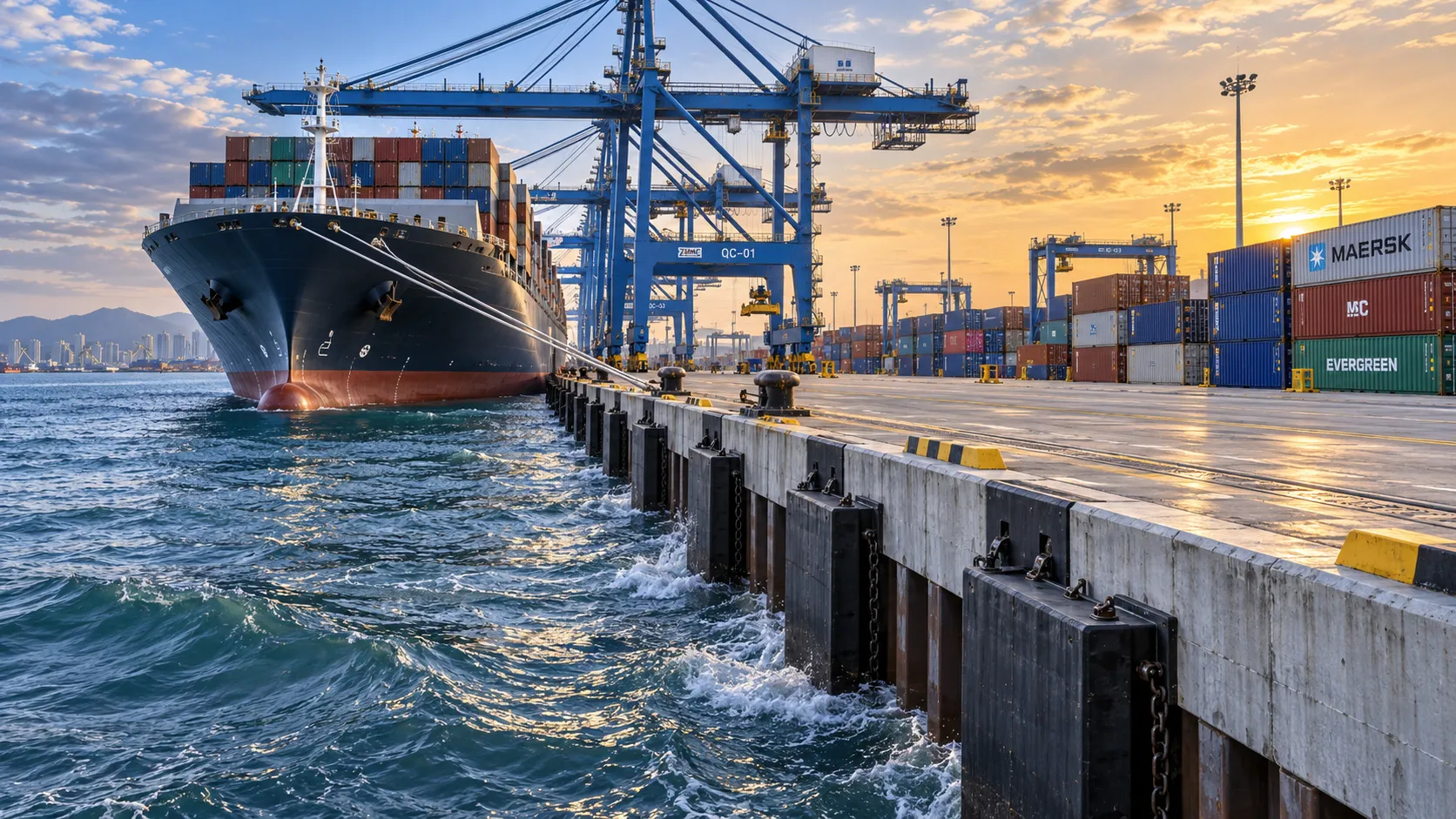
How to Select Harbor Structures for Quay Walls Under Berthing and Wave Loads
Harbor structure for quay wall selection: evaluate berthing energy, wave loads, soil conditions, durability, and lifecycle risk to build safer, adaptable terminals.