Related News
- 00
0000-00
Selecting Intermodal Yard Equipment for Fast, Safe Container Transfers - 00
0000-00
How to Select Harbor Structures for Quay Walls Under Berthing and Wave Loads - 00
0000-00
Selecting Smart Terminal Software for Multi-Site Field Service Operations - 00
0000-00
How to Specify Heavy-Duty Marine Engineering Equipment for Offshore Projects - 00
0000-00
How to Select Automated Terminal Systems for High-Throughput Cargo Terminals
Building Port Intelligence Systems for Faster Operational Decisions
Build for Decisions, Not for Data Collection
A port intelligence system earns its place when it shortens the time between an operating problem emerging and a responsible team making a defensible decision. For a project manager, that may mean deciding whether a quay crane outage requires a maintenance intervention, whether yard congestion calls for a dispatch rule change, or whether a dredging project can proceed without disrupting berth availability. The value is not in assembling the largest possible dashboard. It is in connecting a limited number of reliable signals to the decisions that affect throughput, cost, safety, and project delivery.
That distinction matters because terminal environments already produce large volumes of information. Crane control systems, terminal operating systems, gate platforms, vessel schedules, maintenance records, weather feeds, energy meters, and engineering surveys all describe part of the operation. Yet teams can still struggle to answer basic operational questions quickly: Where is the constraint forming? Which equipment failure will have the widest downstream effect? Is the delay caused by a local asset issue, a scheduling assumption, or an external disruption? A port intelligence capability should make those questions easier to resolve without asking users to reconcile several disconnected systems under time pressure.
For most ports, the practical starting point is a decision-led architecture. Define the recurring decisions that need better evidence, identify the data required to support them, and then establish how that data will be validated, interpreted, and acted upon. Starting with a broad data lake or a visual control room before defining these decisions often creates a polished reporting layer with little operational authority.
Begin With the Operating Decisions That Create Material Exposure
Not every port process should be included in the first implementation. A useful initial scope focuses on decisions where timing matters, the consequences of a poor choice are visible, and the required operational data is reasonably obtainable. Container terminals, bulk terminals, and dredging programs will prioritize different workflows, even when they share much of the same technology foundation.
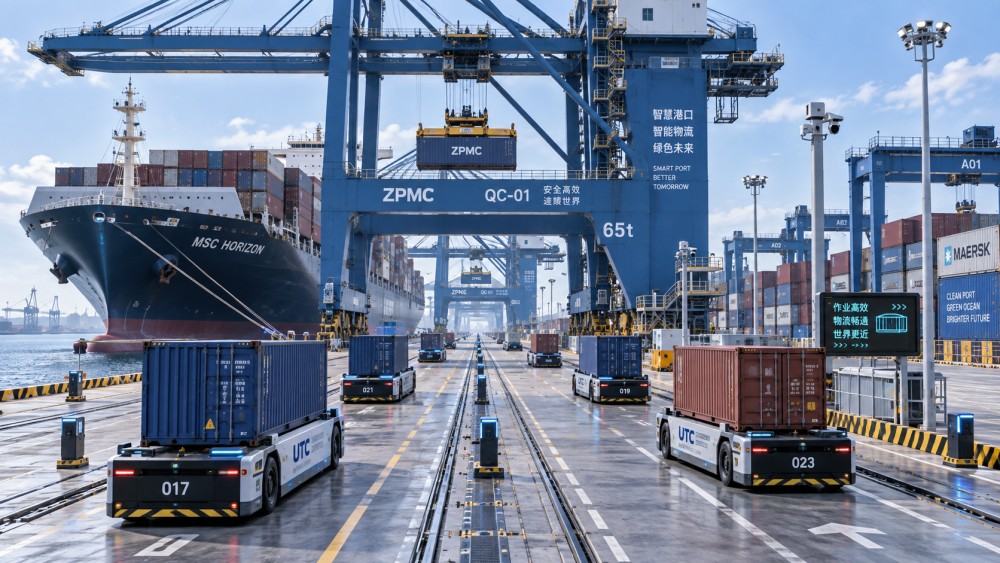
For an automated or semi-automated container terminal, the first use cases commonly sit around berth-to-yard flow. Project and operations leaders need a coherent view of vessel plans, crane productivity, truck or AGV movement, stack occupancy, equipment availability, and exception queues. The objective is not simply to report moves per hour after a shift. It is to recognize early that a growing imbalance between quay activity and yard transport will turn into a berth delay unless dispatching, stacking, or maintenance priorities change.
In a bulk-handling environment, the critical decision chain may be different. Conveyor availability, stockpile condition, shiploader performance, reclaim sequence, cargo blending constraints, and berth windows can all affect whether material reaches the vessel at the required rate. A system that presents each asset as healthy in isolation can miss the more important condition: the overall transfer path may be operating with too little redundancy to absorb a minor fault.
Dredging and marine works introduce another set of questions. Teams may need to compare survey progress, dredger production, pump and engine condition, sediment handling capacity, weather limits, navigation restrictions, and construction milestones. The intelligence layer should help the project team understand whether an apparent production shortfall is temporary variation or a threat to the critical path. That requires operational, engineering, and schedule information to be interpreted together rather than stored in separate reporting cycles.
- Which daily or shift-level decisions are delayed because information arrives too late or in conflicting formats?
- Which assets or work zones can create a disproportionate disruption when they underperform?
- Which exceptions currently depend on informal calls, spreadsheets, or individual knowledge?
- Which decisions can change an outcome while there is still time to intervene?
These questions narrow the scope without oversimplifying the operation. They also expose an important limit: port intelligence is less useful when it only explains an event after the available response window has closed. Historical performance analysis remains valuable, but it should not be presented as a substitute for operational decision support.
Connect the Flow, Not Just the Systems
Ports are frequently organized around systems of record. The terminal operating system records jobs and inventory; equipment controls record machine states; maintenance platforms contain work orders; planning tools hold vessel and resource plans; project controls manage schedules and costs. Each system has a legitimate purpose. The problem begins when their data is joined only at the reporting stage, after different timestamps, equipment identifiers, status definitions, and update frequencies have already created ambiguity.
A workable port intelligence design maps the physical flow first. A container moves from vessel to quay crane, transport vehicle, yard block, gate, rail interface, or another vessel. Bulk cargo follows conveyors, transfer towers, stockyards, reclaimers, and shiploaders. Dredged material moves through a production chain involving excavation, pumping or loading, transport, placement, and survey verification. The intelligence model should be able to represent those handoffs and identify where a stalled handoff becomes a wider operational constraint.
That does not require replacing every existing platform. In many cases, a better outcome comes from an integration layer that preserves source-system ownership while creating a shared operational context. Asset IDs, location references, event timestamps, work states, and job status definitions need to be governed carefully. A report that combines “available” equipment from one system with “ready for dispatch” equipment from another may look coherent while presenting an operationally misleading picture.
Project managers should be especially cautious with status labels. A crane can be mechanically available but excluded from service because of an electrical inspection, a safety hold, a software update, a missing operator, or a constrained work zone. A dredger may be functioning normally while unable to produce because downstream placement capacity is unavailable. Intelligence systems should retain this distinction. Compressing complex conditions into a single green, amber, or red indicator is attractive for executive reporting, but it can hide the action needed at the operating level.
Use a Common Time Model Before Pursuing Advanced Analytics
Many intelligence initiatives lose credibility because the data appears technically connected but cannot support a reliable sequence of events. In a port operation, minutes matter. If a vessel plan changes at one time, a crane enters a fault state at another, and yard congestion appears later, teams need confidence in the order and timing of those events. Without aligned clocks, consistent event definitions, and clear treatment of delayed data, root-cause analysis becomes speculative.
A common time model should cover more than a standard timestamp format. It should define the operational meaning of key events. For example, “job started” may mean a dispatch instruction was issued, equipment arrived at the work point, the load was lifted, or the transaction was confirmed. Those are materially different events. The right definition depends on the decision being supported, but it must be consistent across the systems used in that decision.
Data quality should also be measured as an operational issue, not treated solely as an IT concern. Missing equipment telemetry may prevent predictive maintenance analysis, but it can also lead planners to allocate work based on an outdated availability assumption. Duplicate job events can distort productivity estimates. A delayed hydrographic survey update can affect a marine works schedule. The intelligence program needs visible controls for completeness, latency, exceptions, and ownership.
Give Alerts an Owner and an Available Action
Operational alerts are often where a promising system becomes noise. A high volume of alarms does not improve decisions when teams cannot determine urgency, responsibility, or the available response. An alert should be designed around an action pathway: who receives it, what condition triggered it, what operating context is included, and what action can reasonably be taken before the impact expands.
For example, an alert about increased remote-control communication latency is more useful when it identifies the affected crane zone, the duration and pattern of the degradation, the current workload, and whether the condition is approaching a defined operational threshold. The response may involve a control-system team, an equipment team, or a shift manager. Sending the same alert to everyone may satisfy a notification requirement while leaving ownership unclear.
The same principle applies to predictive maintenance. Condition monitoring can help prioritize interventions, particularly for assets with long repair lead times or limited redundancy. It does not eliminate the need for maintenance judgment. Sensor readings must be interpreted alongside duty cycle, environmental exposure, fault codes, prior maintenance, available spares, and the operational consequence of taking the asset offline. A mature system presents evidence and trade-offs; it should not imply certainty where the underlying condition data is incomplete.
Alert design should also recognize that operational priorities shift. During a low-demand period, a moderate performance deviation may be suitable for review at the next planning cycle. During a vessel bunching event or a constrained construction window, the same deviation may require immediate escalation. Static thresholds can support baseline control, but a decision system becomes more useful when it can apply the current work plan and available capacity as context.
Keep Planning, Operations, and Engineering on the Same Version of Reality
Port projects often fail to realize their expected operating benefits because planning assumptions are separated from live conditions. A terminal expansion may be designed around planned crane rates, yard capacity, gate volumes, and equipment fleet availability. Once commissioning begins, the project team encounters different operating patterns: handover delays, software constraints, workarounds, mixed manual and automated traffic, or maintenance requirements that were not visible in the original model.
Port intelligence can close that gap by creating a shared view across capital delivery and operations. During implementation, project managers can use it to track whether operational readiness conditions are being met alongside physical construction milestones. After handover, the same structure can compare expected process performance with observed constraints. This is particularly valuable for automation programs, where a completed installation does not necessarily mean the integrated operating process is ready for sustained production.
The governance model matters as much as the platform. Operations teams should own the meaning of operational states and exception priorities. Engineering teams should own asset hierarchy, condition interpretation, and technical constraints. Project controls should maintain the link to milestones, dependencies, and change impacts. Data and technology teams should make integrations reliable, secure, and maintainable. When one group attempts to define all of these areas alone, the resulting model usually lacks either operational usability or technical durability.
Set a Narrow First Release and Test It Against Real Exceptions
A practical first release does not need to cover every berth, asset class, and workflow. It should support one high-value decision loop end to end. For example, a terminal might focus on detecting and responding to yard transport imbalance during vessel operations. The release would connect the relevant job, equipment, location, and plan data; provide an agreed operational view; generate limited, actionable exceptions; and record the response. That creates a basis for judging whether decisions became faster or more consistent.
Testing should use real operating exceptions rather than only clean demonstration scenarios. Ask whether the system remains intelligible when equipment telemetry is late, a vessel plan changes, a work order is open, and a local supervisor applies an operational override. These are not edge cases in a port environment. They are the conditions under which decision support is most needed.
Success measures should follow the use case. Depending on the decision loop, teams may track time to identify an exception, time to assign ownership, frequency of avoidable rescheduling, duration of an operational constraint, or variance between planned and achieved production. The measure should be tied to a decision that the system can influence. Reporting broad productivity gains without isolating the operating change makes it difficult to decide whether further investment is justified.
Port intelligence works best when it becomes part of the operating rhythm: shift handovers, vessel reviews, maintenance coordination, project risk meetings, and post-event analysis. The intended result is not a single command screen that replaces professional judgment. It is a more disciplined way to see dependencies across equipment, control systems, marine conditions, logistics flows, and project commitments before those dependencies become costly disruptions.
Related News
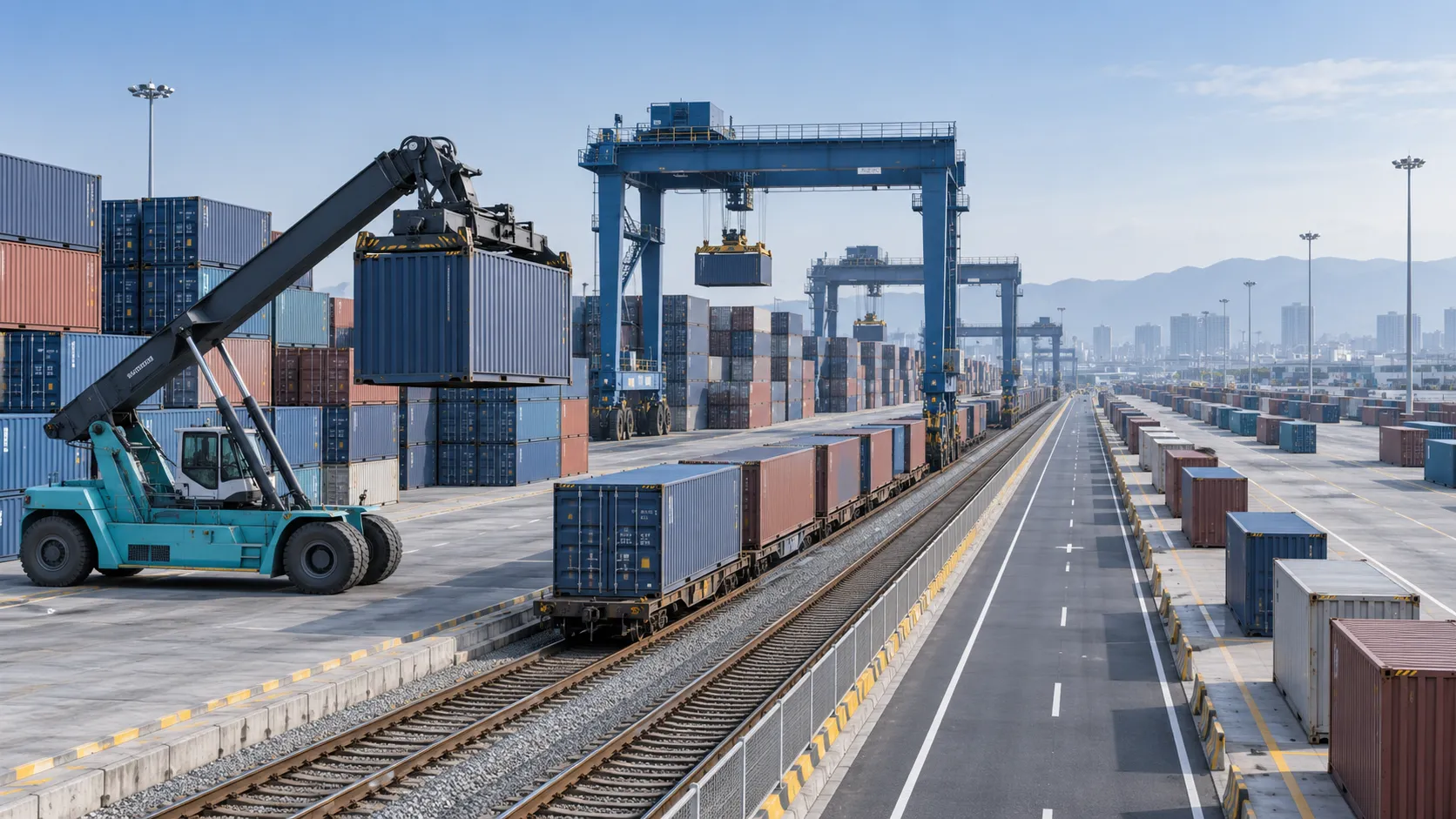
Selecting Intermodal Yard Equipment for Fast, Safe Container Transfers
Container handling equipment for intermodal yards: compare reach stackers, RTGs, automation, safety planning, and lifecycle costs to build faster, safer container flow.
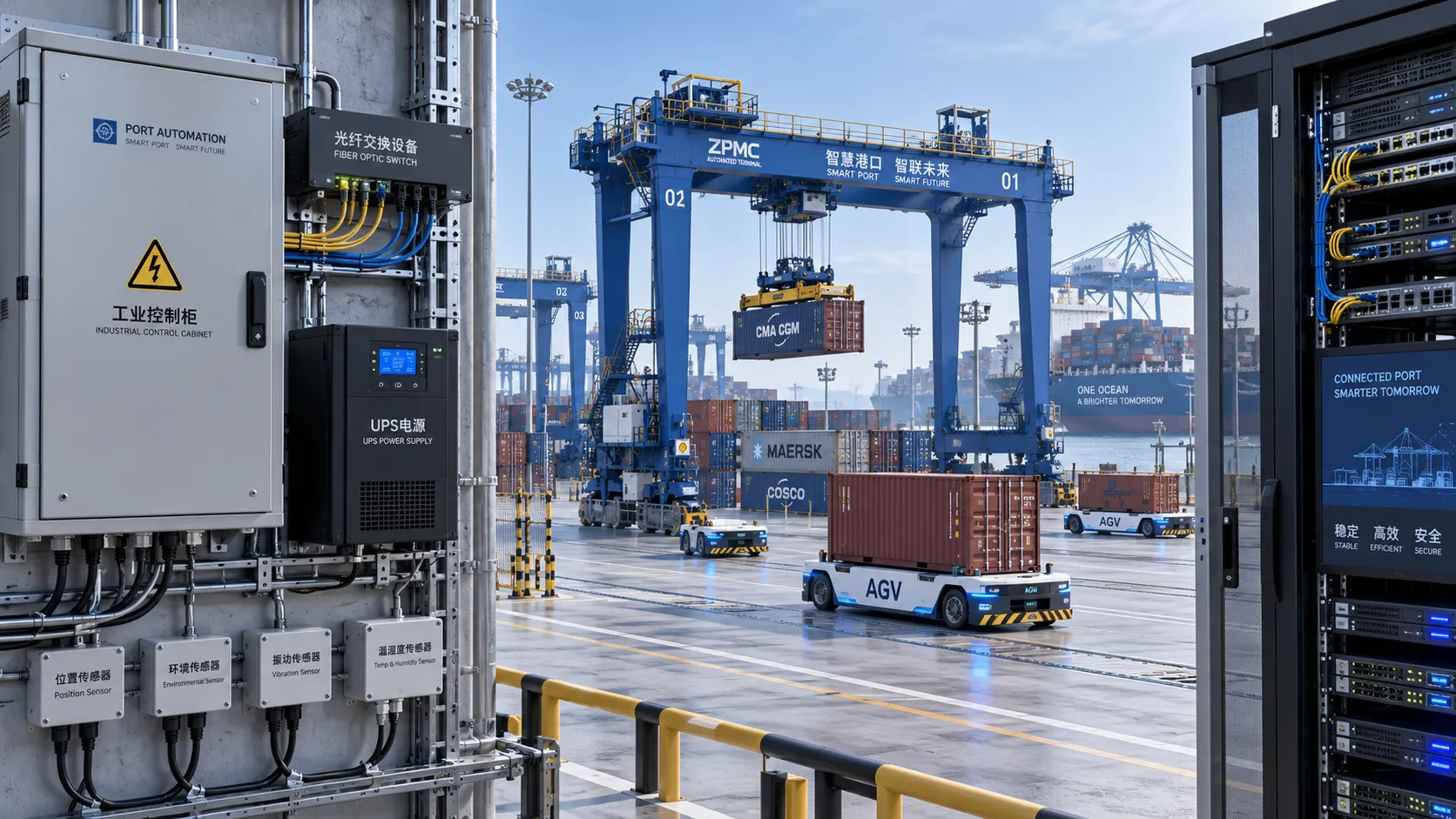
Terminal Control System Costs: Budgeting Hardware, Integration, and Lifecycle Support
Terminal control systems cost explained: budget hardware, integration, safety, cybersecurity, commissioning, and lifecycle support for resilient terminal operations.
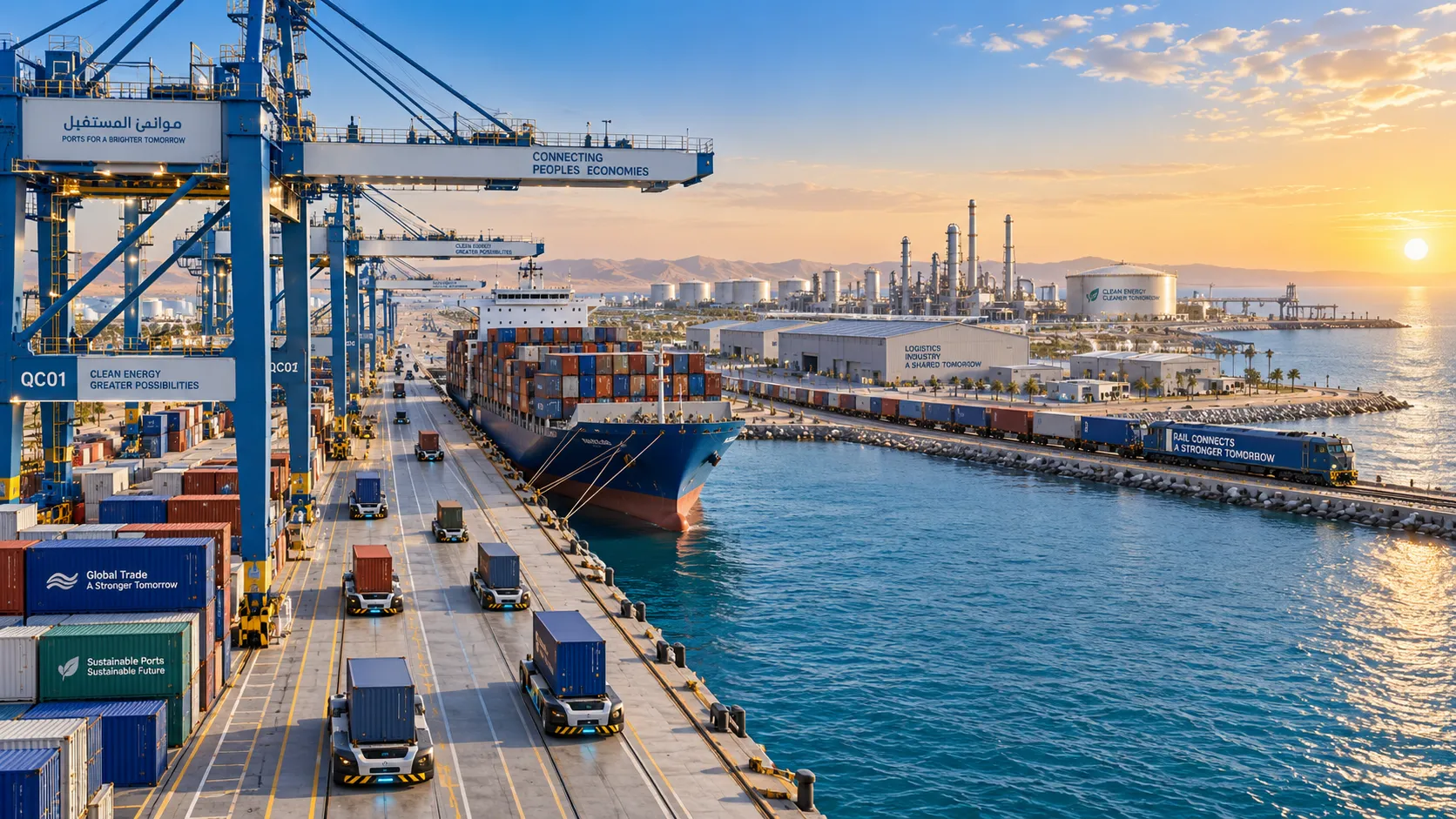
Smart Operations in the Middle East: Where Industrial Investment Is Growing
Smart operations Middle East investment is reshaping ports, industrial corridors, and logistics networks through connected data, automation, resilience, and smarter asset performance.
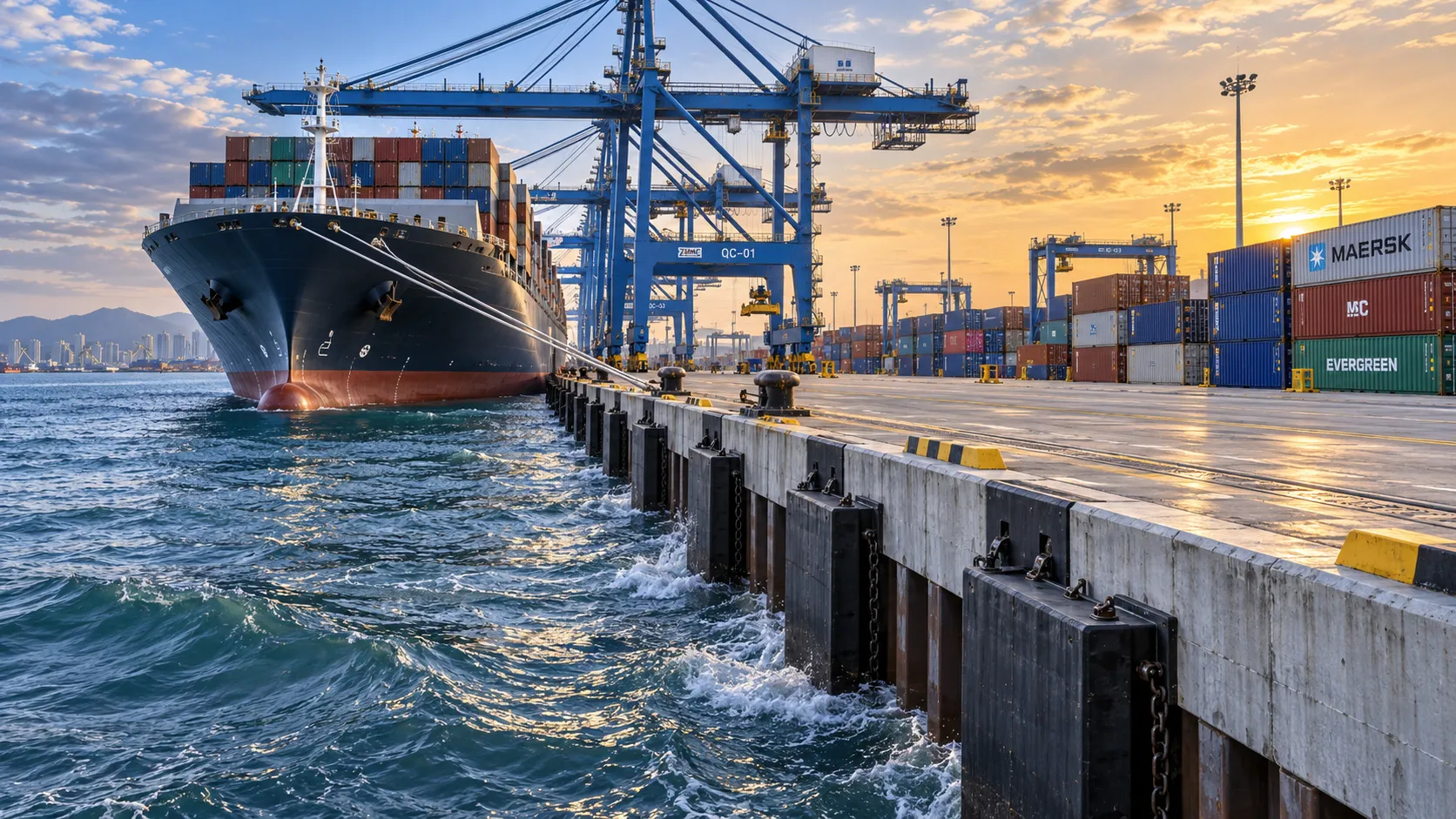
How to Select Harbor Structures for Quay Walls Under Berthing and Wave Loads
Harbor structure for quay wall selection: evaluate berthing energy, wave loads, soil conditions, durability, and lifecycle risk to build safer, adaptable terminals.
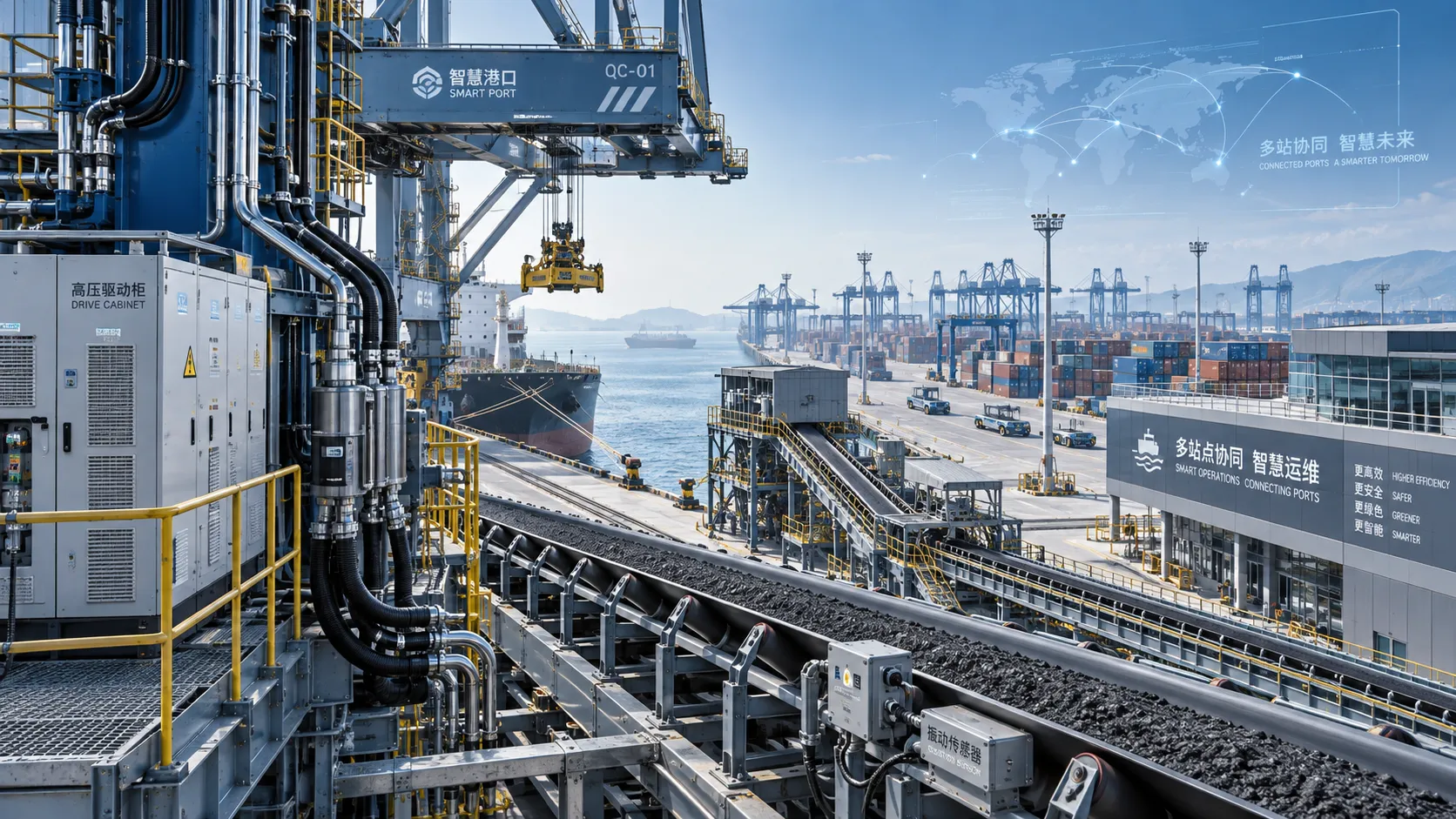
Selecting Smart Terminal Software for Multi-Site Field Service Operations
Smart terminal solutions software helps multi-site field service teams unify asset history, mobile maintenance, integrations, and reporting for safer, faster terminal operations.
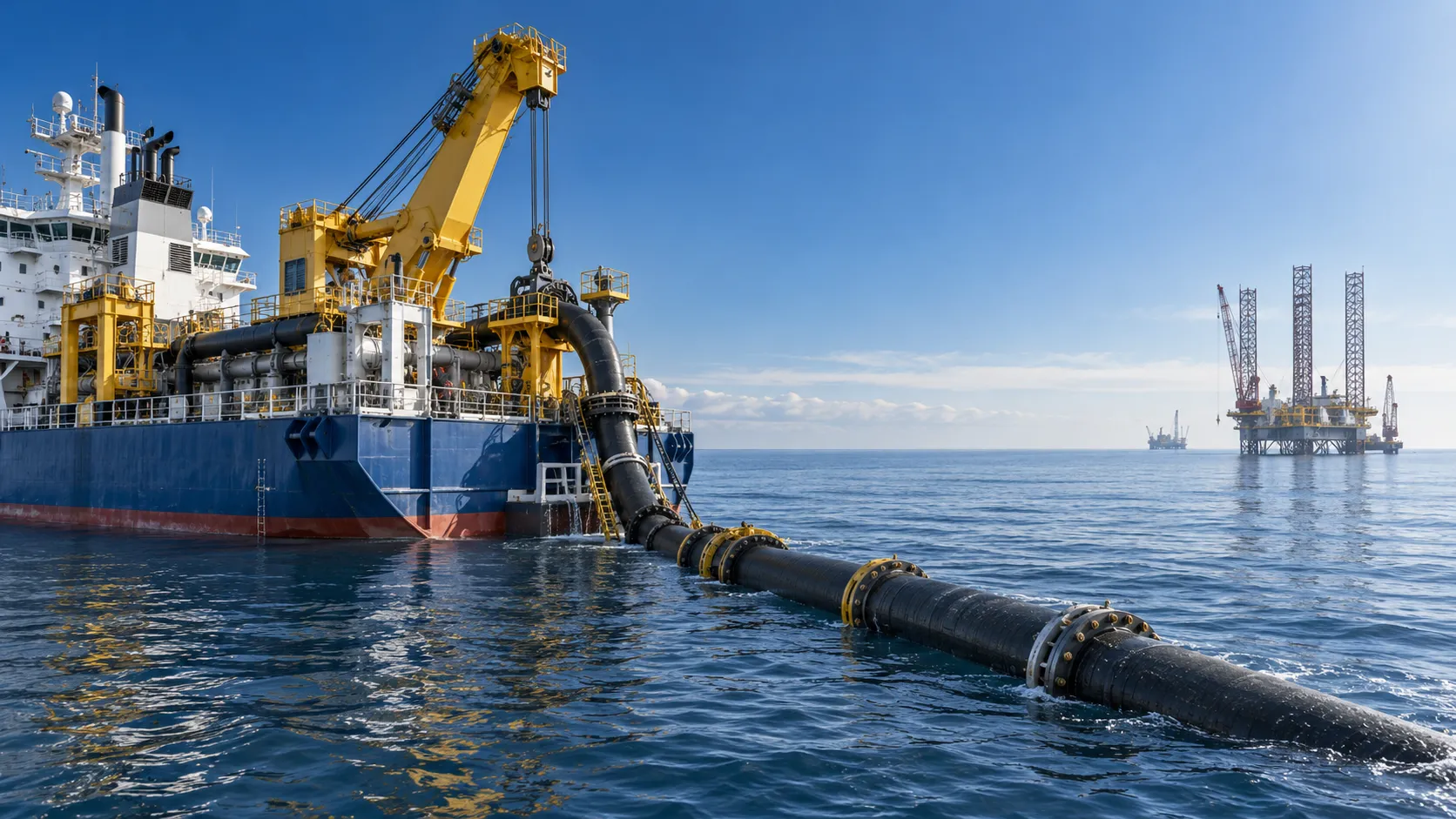
How to Specify Heavy-Duty Marine Engineering Equipment for Offshore Projects
Heavy duty marine engineering equipment: learn how to specify reliable offshore assets for safety, uptime, integration, lifecycle cost, and project success.
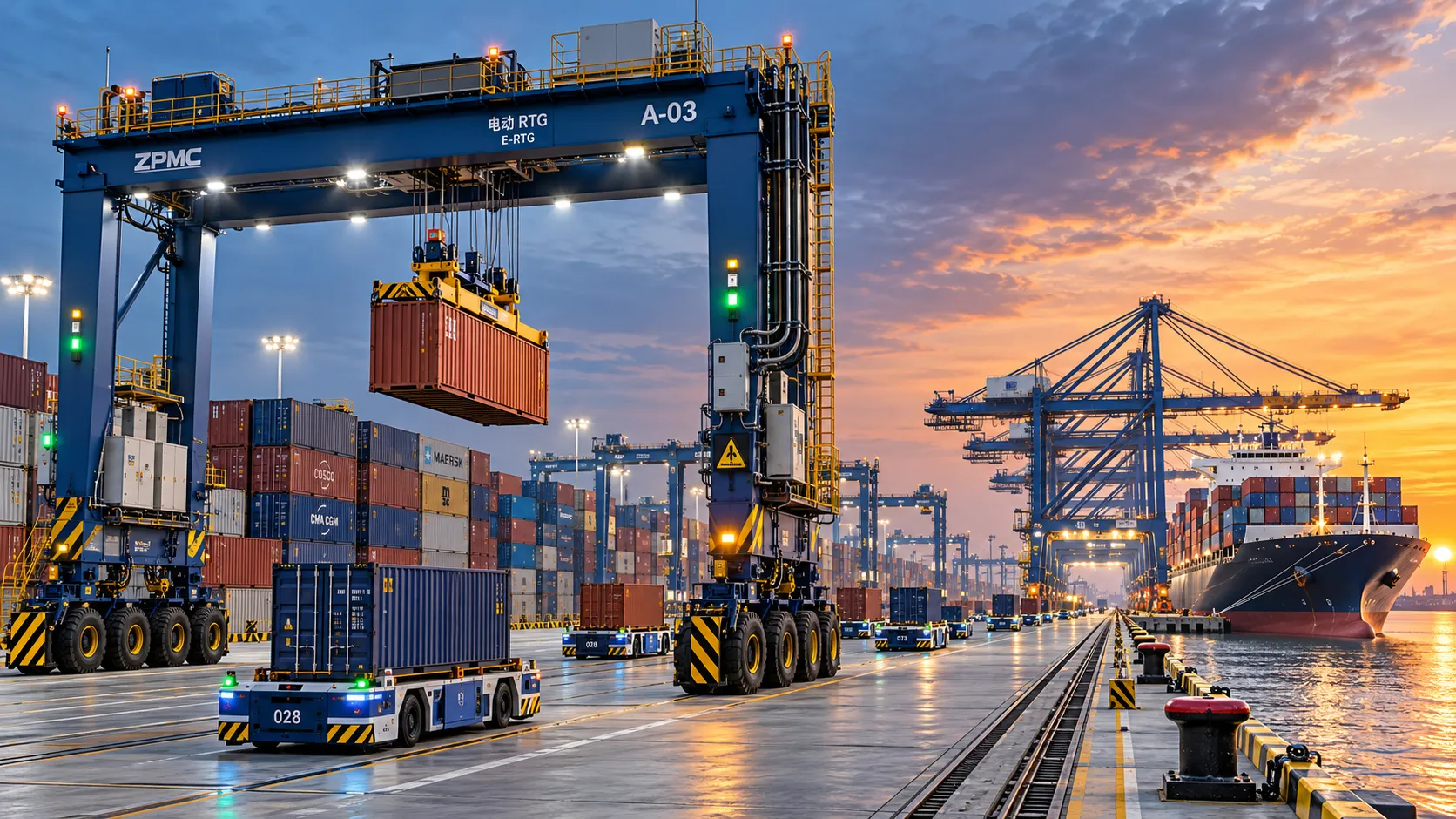
How to Evaluate a Container Handling Equipment Exporter for Port and Yard Projects
Choose the right container handling equipment exporter with a practical guide to compliance, automation, service support, delivery reliability, and lifecycle value.
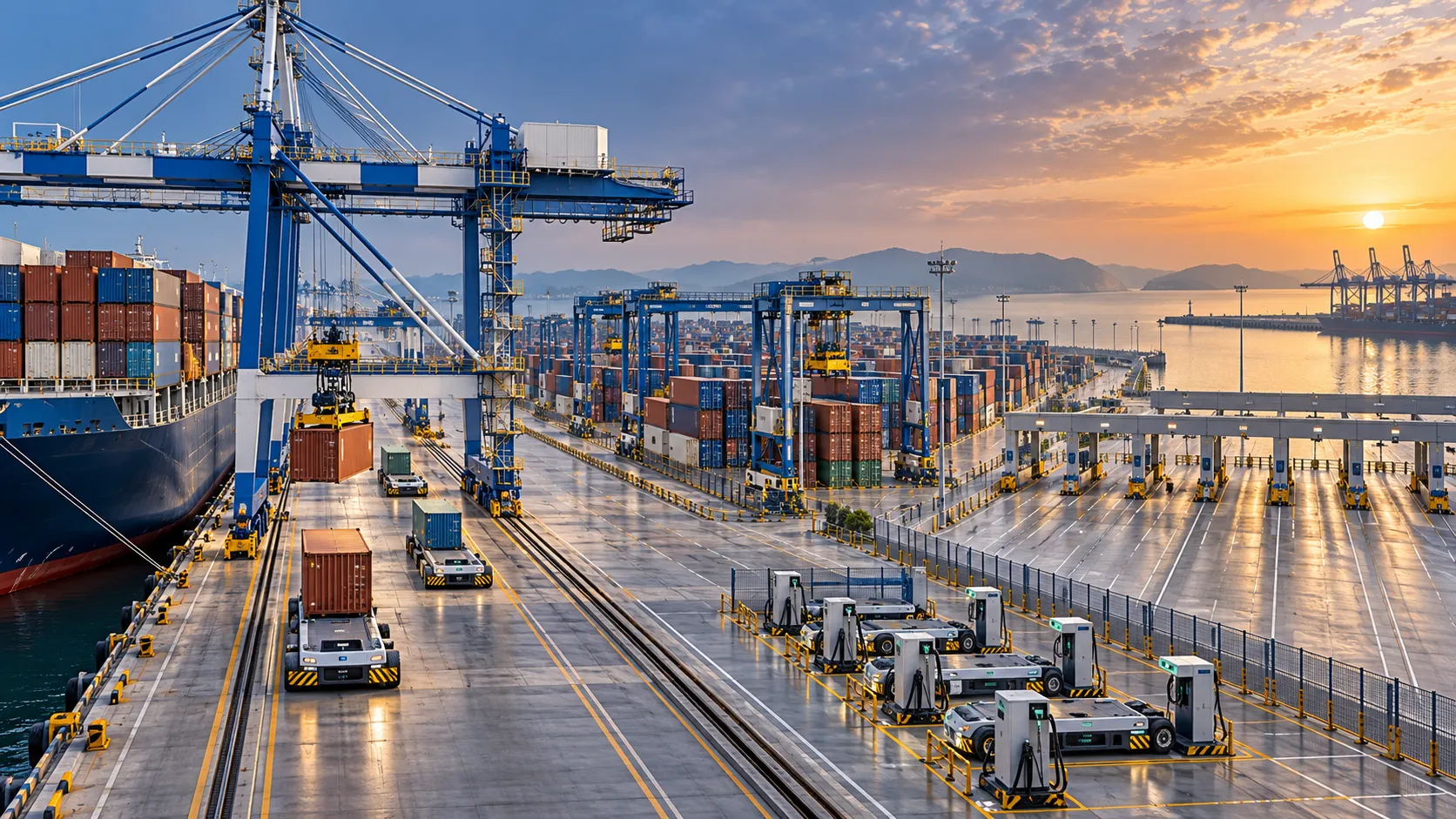
How to Select Automated Terminal Systems for High-Throughput Cargo Terminals
Automated terminal systems for cargo terminals: learn how to select scalable, resilient solutions that boost throughput, streamline integration, and control lifecycle risk.
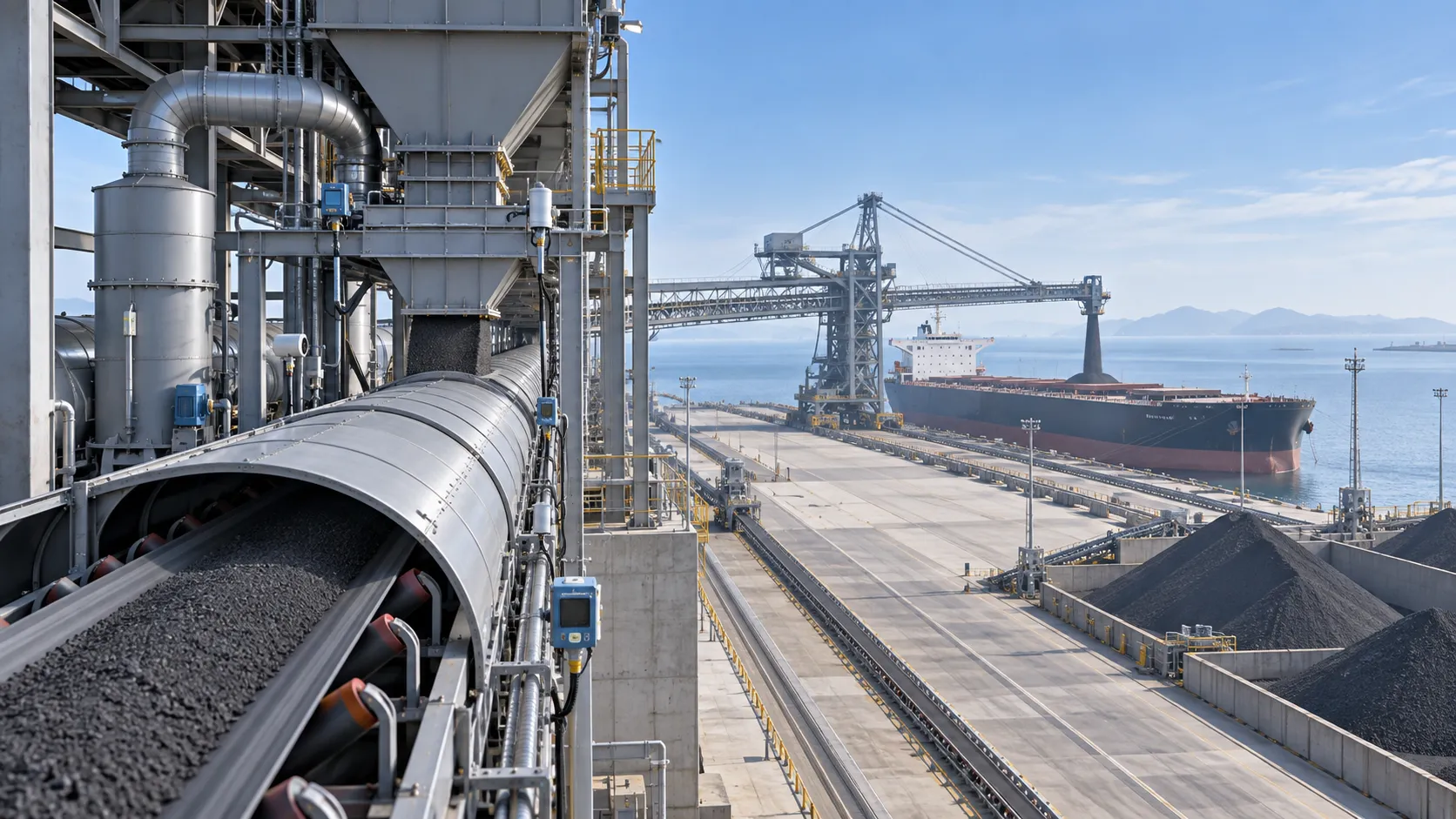
How Automated Bulk Cargo Handling Reduces Dust, Spillage, and Port Downtime
Automated cargo handling for bulk cargo cuts dust, spillage, and port downtime through stable flow control, smart sensing, and coordinated recovery.