Related News
- 00
0000-00
How to Select Harbor Structures for Quay Walls Under Berthing and Wave Loads - 00
0000-00
Selecting Smart Terminal Software for Multi-Site Field Service Operations - 00
0000-00
How to Specify Heavy-Duty Marine Engineering Equipment for Offshore Projects - 00
0000-00
How to Select Automated Terminal Systems for High-Throughput Cargo Terminals - 00
0000-00
How Automated Bulk Cargo Handling Reduces Dust, Spillage, and Port Downtime
Port Infrastructure Resilience: Assessing Climate, Power, and Cyber Risks
Port infrastructure resilience is assessed by asking a practical question: when a physical, electrical, or digital disturbance occurs, which functions must remain safe, which can degrade, and how quickly can the terminal return to controlled operation? The answer cannot be derived from the condition of a quay wall, a crane, or a network in isolation. Automated container handling, shore power, substations, drainage, vessel interfaces, gate systems, and control networks form operational dependencies. A failure in one layer can turn an otherwise manageable event into a cargo-flow interruption or a personnel hazard.
For technical assessment, resilience should be separated from simple asset reliability. Reliability concerns whether a component performs under expected conditions. Resilience concerns whether the port can absorb disruption, operate within safe limits during degraded conditions, isolate damage, and restore capability without creating a second failure. A diesel standby generator that starts correctly is reliable; it contributes to resilience only if its fuel supply, switchgear logic, load priorities, cooling, maintenance state, and connection to essential systems are also viable.
Start with operational functions, not an asset inventory
A port risk register often lists cranes, berths, transformers, pumps, servers, and buildings as individual assets. That is necessary for maintenance planning, but it does not reveal the real interruption path. The assessment should instead map critical functions such as vessel berthing, safe cargo transfer, container identification, traffic control, fire-water availability, drainage, reefer continuity, and controlled shutdown of automated equipment.
Each function should be traced across its dependencies. A container crane may appear mechanically available after a storm, yet remain unusable because the rail-mounted power supply is damaged, the wind-measuring system has lost communications, or the terminal operating interface cannot issue validated work orders. Similarly, a yard block may retain electrical power while becoming unavailable after a positioning-network outage prevents automated guided vehicles from establishing safe routes.
The most informative questions are specific:
- What condition causes the function to stop, and is that stop designed to be fail-safe or merely accidental?
- Which supporting utilities are shared by several systems, including low-voltage controls, communications cabinets, hydraulic pumps, drainage stations, and access-control devices?
- Can the function continue at reduced capacity without bypassing interlocks, losing cargo traceability, or exposing people to uncontrolled equipment movement?
- Does restoration depend on a single physical route, a specialist replacement part, a remote software service, or a manual approval that may be unavailable during an incident?
This functional view prevents a common error: assigning high criticality only to visibly large equipment. Small components such as cabinet air-conditioning units, fiber termination enclosures, uninterruptible power supply batteries, encoder cables, and sump-level sensors can stop larger systems while receiving much less inspection attention.
Climate exposure must be tied to failure mechanisms
Climate risk becomes actionable when a weather condition is connected to a material response, a structural limit, or a process failure. “Flood risk” is too broad to guide maintenance or design decisions. The relevant distinction may be between short-duration surface runoff at a yard, prolonged saline inundation at electrical rooms, wave overtopping at a berth, and groundwater rise around buried ducts. These mechanisms damage different assets and require different controls.
Saltwater exposure deserves particular care. A painted steel structure may show little visible change after limited splash exposure, while cable glands, junction-box seals, connector pins, brake components, and enclosure fasteners develop corrosion paths that later produce intermittent faults. Freshwater flooding primarily raises contamination and insulation concerns; saline water adds conductive deposits and accelerated corrosion after the water recedes. Re-energizing equipment solely because it has dried can therefore be unsafe. Deposits inside switchboards, variable-frequency drives, and cable trays require inspection, cleaning, insulation testing, and a defined acceptance process before return to service.
For quay cranes and rail-mounted gantries, wind is not only a structural loading issue. It can affect storm pins, rail clamps, tie-down points, boom latching, anemometer accuracy, braking performance, and the availability of a secure parking location. A crane that is structurally rated for a wind condition may still be vulnerable when its parking arrangement depends on a drainage channel that floods, a rail zone that accumulates debris, or a remotely commanded device with uncertain feedback status.
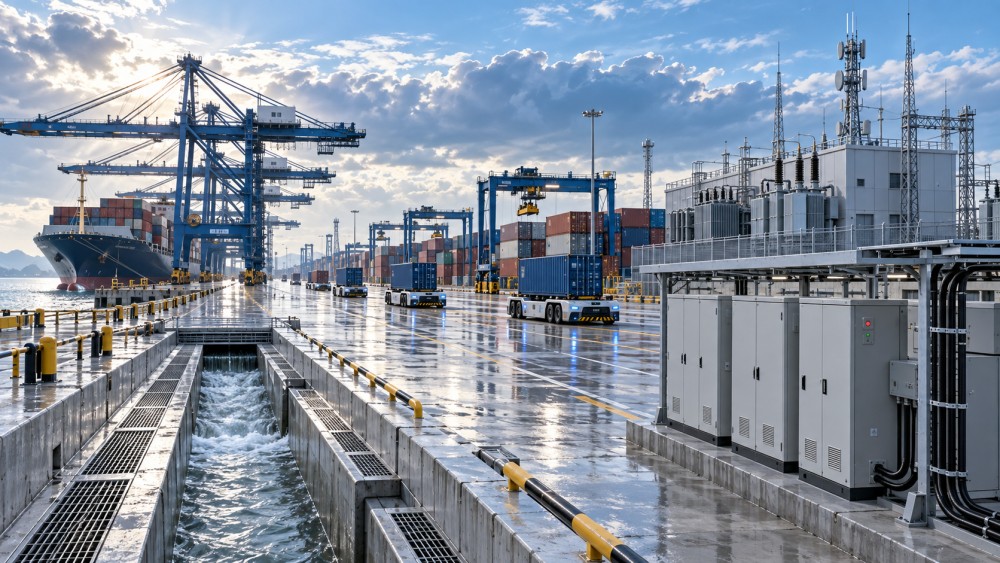
Heat creates a different set of vulnerabilities. Control cabinets located near machinery rooms or exposed to solar gain may exceed the temperature range assumed for electronics, batteries, network switches, and drive components. Recurrent heat alarms are sometimes treated as a ventilation nuisance, yet they can indicate an undersized cooling path, blocked filters, cabinet sealing changes, or increased thermal load after equipment modifications. Thermal cycling also loosens terminals and accelerates deterioration of insulating materials. Temperature trends should be interpreted alongside cabinet door-open events, fan run time, filter condition, and electrical loading rather than as a single alarm threshold.
Drainage resilience is frequently underestimated because it is distributed across grates, channels, culverts, pumps, outfalls, and level sensors. A pump with adequate nominal capacity cannot compensate for blocked upstream inlets or an outfall restricted by tide or sediment. Dredging, berth works, pavement repairs, and utility trenching can alter local water paths. Following such changes, the drainage layout should be verified against the as-built condition, especially where cable pits, transformer rooms, fuel areas, and automated equipment charging zones sit below surrounding grades.
Power continuity is a quality and safety problem
Power loss is rarely binary. Voltage dips, phase imbalance, harmonic distortion, transfer delays, and partial feeder failures can produce more difficult conditions than a clean blackout. A complete outage tends to trigger known shutdown sequences. A brief voltage disturbance may reset programmable controllers, drop communication links, trip drives, corrupt a transaction, or leave equipment in a state that requires inspection before restart.
Critical-load classification should therefore distinguish between loads that protect people and assets, loads required for controlled recovery, and loads that merely preserve throughput. Emergency lighting, fire detection, navigation aids, equipment braking, control-room communications, drainage alarms, and selected access routes often need continuity before cranes, reefer banks, charging systems, or general buildings. The classification must reflect the actual transfer sequence. An emergency generator with insufficient capacity for starting currents, or a battery system that supports controls but not the associated field devices, can create an apparently energized yet unusable system.
Testing should reproduce the transition that matters, not just verify individual components. A monthly generator exercise at no meaningful load says little about whether the terminal can transfer essential loads after a utility disturbance. Likewise, an uninterruptible power supply test is incomplete if it does not confirm the behavior of switches, servers, field controllers, and communications equipment across the transfer interval. Tests need controlled boundaries so that safety systems are not impaired, but they should expose real dependencies rather than validate an idealized diagram.
Manual fallback also needs definition. “Operate manually” is not a usable recovery strategy when electronic work orders, position data, radio dispatch, gate permissions, or container identity records are unavailable. A credible fallback specifies the minimum records needed to move cargo, the communication channel used to authorize movement, the equipment states that require physical verification, and the point at which normal automation can be safely resumed.
Cyber risk begins where digital control meets physical movement
Port cyber resilience is not limited to preventing unauthorized access to business systems. The highest-consequence exposures often occur at interfaces between enterprise networks, terminal operating applications, industrial control systems, remote maintenance connections, wireless equipment networks, and vendor-managed components. The technical concern is whether a compromise can alter, delay, conceal, or falsely confirm a physical action.
Network segmentation is meaningful only when the allowed paths are understood and enforced. A diagram showing separate IT and operational technology zones does not prove separation if shared credentials, unmanaged switches, dual-homed engineering laptops, broad remote-access rules, or temporary wireless bridges can bypass the intended boundary. The assessment should identify every route used for software updates, diagnostic access, data replication, camera feeds, crane telemetry, and remote support. Temporary connections deserve the same scrutiny as permanent architecture because they are often installed under time pressure and remain after the original task is complete.
Availability is especially important in automated terminals. A security control that blocks all traffic without distinguishing safe process communications from nonessential services can itself create disruption. Conversely, permissive rules intended to preserve availability may allow unsafe commands or malware propagation. The target state is controlled degradation: critical equipment enters a known safe state, essential monitoring remains available, and recovery does not require guessing which data or controller configuration is trustworthy.
Signals that require investigation
Several symptoms can look alike while having different causes. Repeated crane communication loss may stem from radio interference, water ingress in an enclosure, a damaged fiber route, clock synchronization drift, an overloaded switch, or unauthorized network activity. Treating every interruption as a cyber event wastes time; assuming every interruption is a hardware fault leaves a blind spot. Event logs should preserve timestamps from controllers, switches, servers, and physical access systems on a common time source. Without synchronized records, a sequence of cause and effect becomes difficult to establish.
Configuration drift is another material risk. Changes to programmable logic controllers, drive parameters, firewall rules, wireless access points, safety-zone maps, and server images should be traceable to an approved baseline. The aim is not paperwork for its own sake. After an incident, recovery depends on knowing whether the last-known-good configuration is genuinely compatible with the installed hardware and process state. Backups that have never been restored to a representative environment are only an assumption of recoverability.
Combining the three risk domains
The most severe disruptions usually cross domains. Floodwater can disable a substation, which removes power from network cabinets, which prevents orderly equipment shutdown. A heat event can degrade cooling in a server room and simultaneously raise electrical demand. A cyber incident during a storm can delay access to monitoring data or complicate remote diagnostics. Assessment scenarios should therefore combine a physical initiating event with the loss of one supporting capability.
A useful scenario is not a generic “major storm.” It defines a credible condition, the affected zone, the expected protective actions, and the evidence needed to release equipment back into service. For example: water reaches a cable trench near a yard substation; selected feeders are isolated; automated vehicles stop in their designated safe states; drainage alarms remain visible on independent power; cable insulation and enclosure condition are verified before switching; route restrictions remain until pavement settlement and sensor alignment are checked. The detail exposes gaps in ownership, access, spares, and decision authority.
Inspection intervals should also follow exposure and consequence, not calendar habit alone. Areas subject to salt spray, vibration, repeated opening of electrical enclosures, standing water, or construction activity need condition-based triggers. A repaired cable duct, modified drainage route, replaced network cabinet, or changed crane software version can invalidate assumptions made in an earlier resilience review.
Resilient port infrastructure is demonstrated through evidence: current single-line diagrams, verified isolation points, tested recovery sequences, readable event logs, maintained protective devices, and records showing that physical and digital changes were assessed together. When these elements are connected, disruption can be contained before it becomes an uncontrolled loss of cargo movement, equipment integrity, or safe operating conditions.
Related News
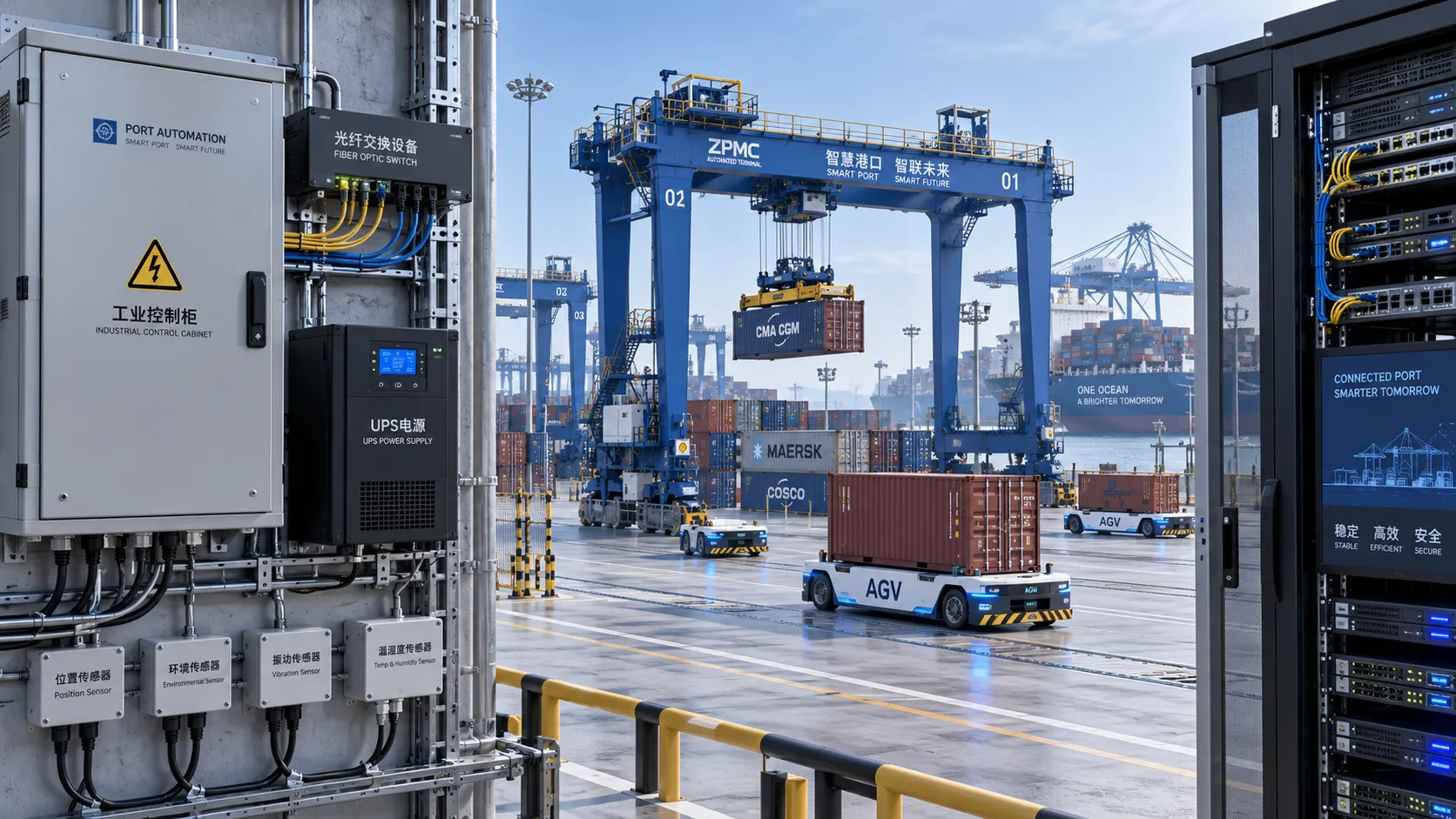
Terminal Control System Costs: Budgeting Hardware, Integration, and Lifecycle Support
Terminal control systems cost explained: budget hardware, integration, safety, cybersecurity, commissioning, and lifecycle support for resilient terminal operations.
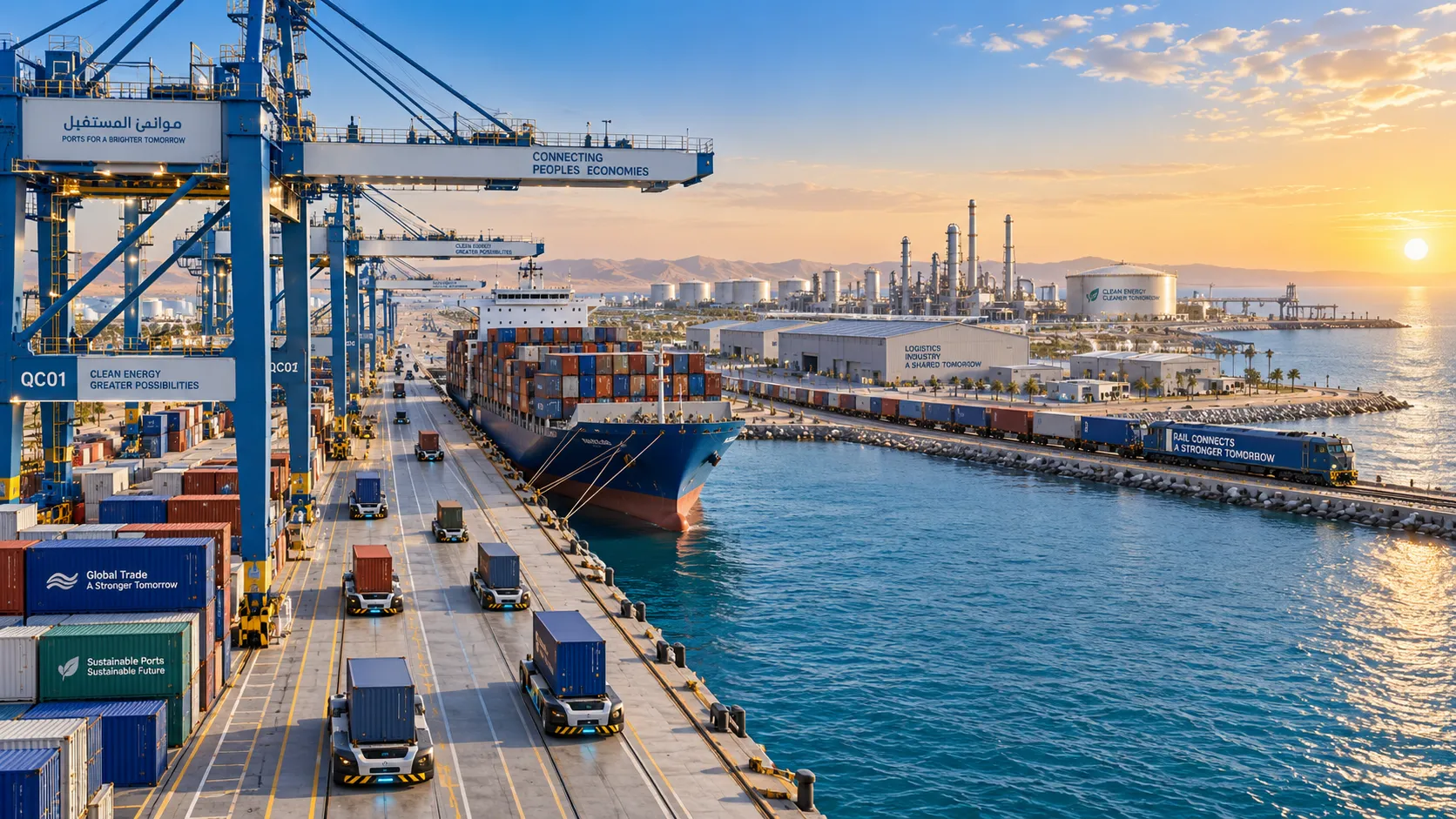
Smart Operations in the Middle East: Where Industrial Investment Is Growing
Smart operations Middle East investment is reshaping ports, industrial corridors, and logistics networks through connected data, automation, resilience, and smarter asset performance.
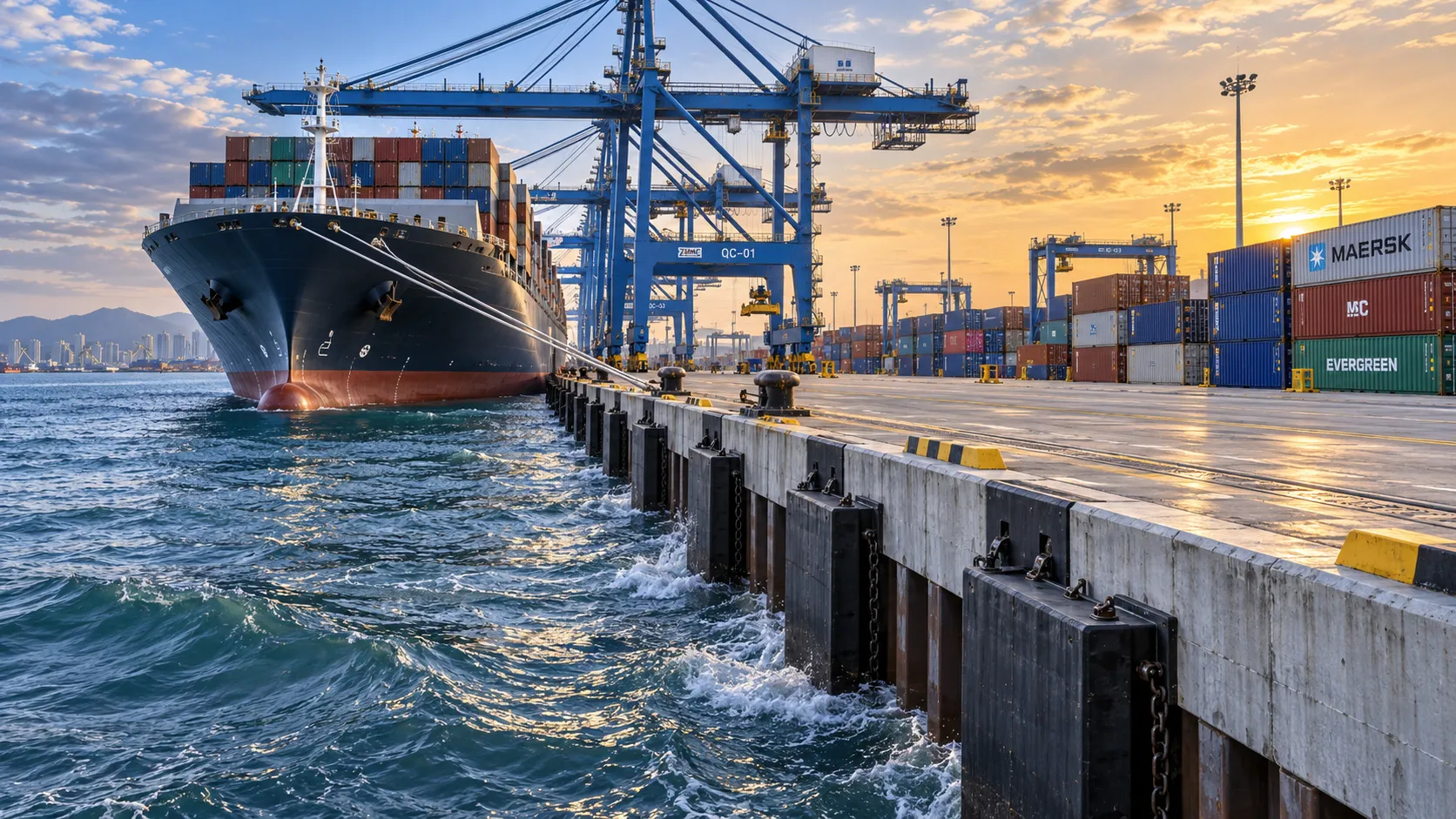
How to Select Harbor Structures for Quay Walls Under Berthing and Wave Loads
Harbor structure for quay wall selection: evaluate berthing energy, wave loads, soil conditions, durability, and lifecycle risk to build safer, adaptable terminals.
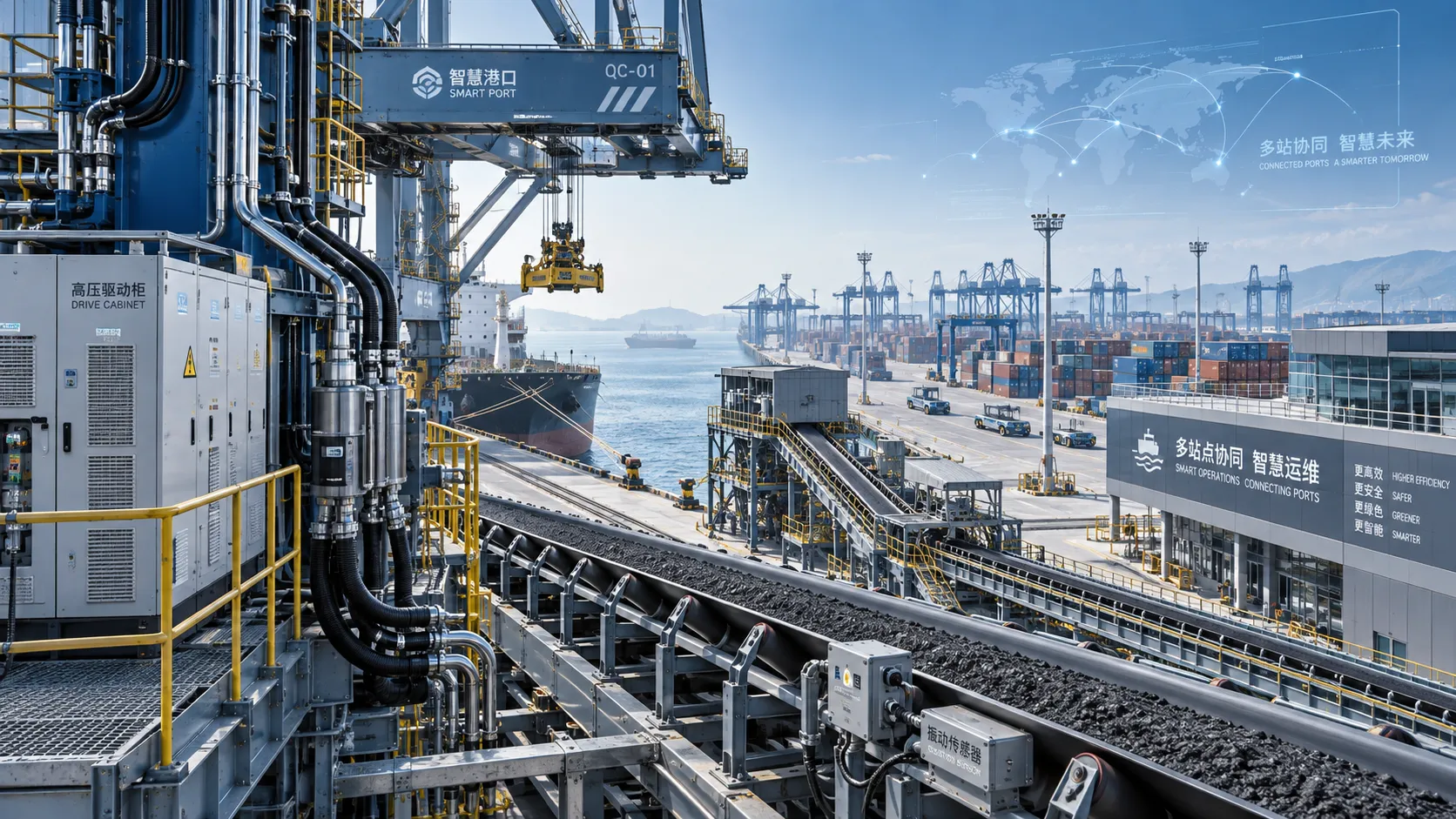
Selecting Smart Terminal Software for Multi-Site Field Service Operations
Smart terminal solutions software helps multi-site field service teams unify asset history, mobile maintenance, integrations, and reporting for safer, faster terminal operations.
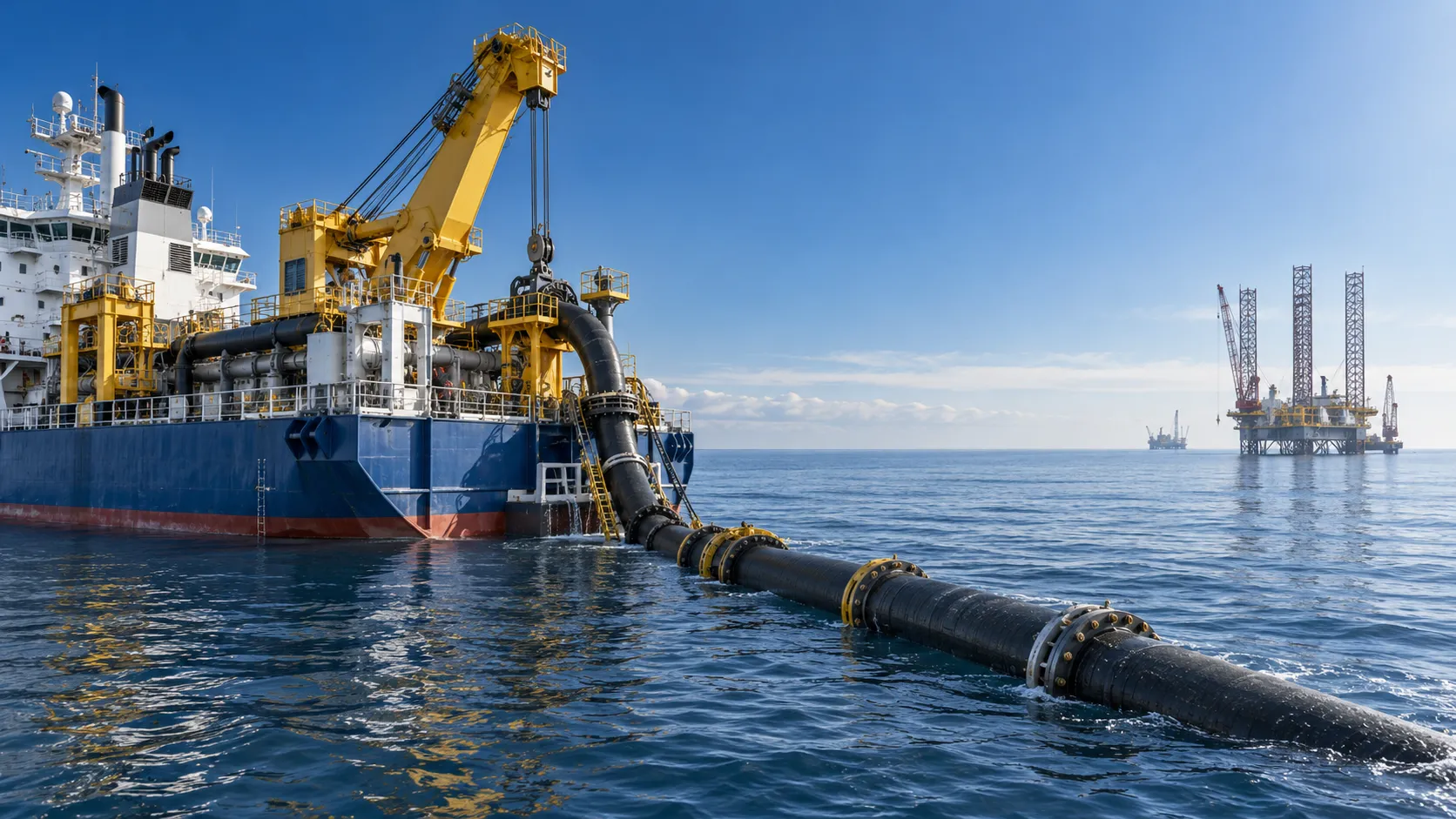
How to Specify Heavy-Duty Marine Engineering Equipment for Offshore Projects
Heavy duty marine engineering equipment: learn how to specify reliable offshore assets for safety, uptime, integration, lifecycle cost, and project success.
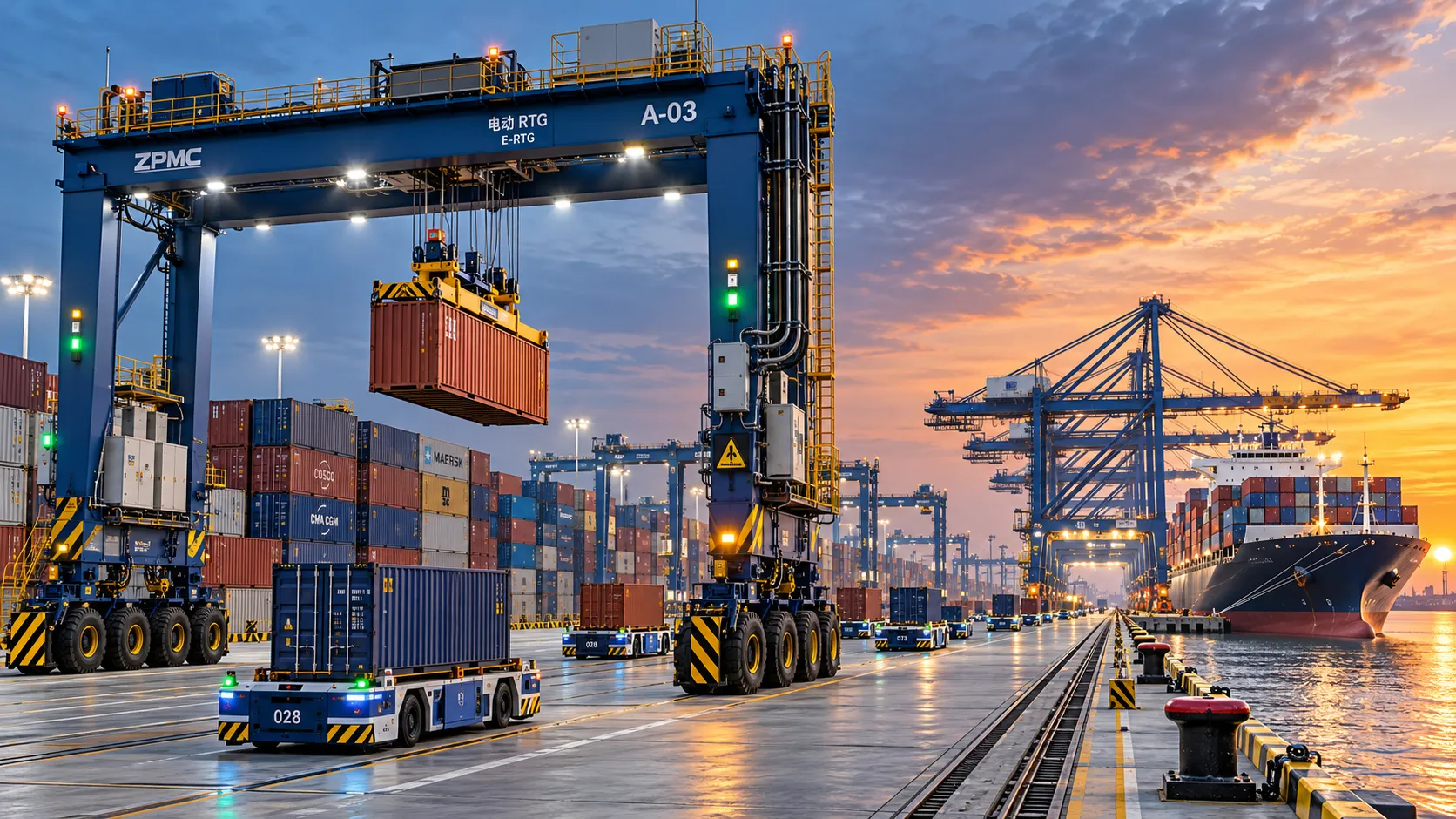
How to Evaluate a Container Handling Equipment Exporter for Port and Yard Projects
Choose the right container handling equipment exporter with a practical guide to compliance, automation, service support, delivery reliability, and lifecycle value.
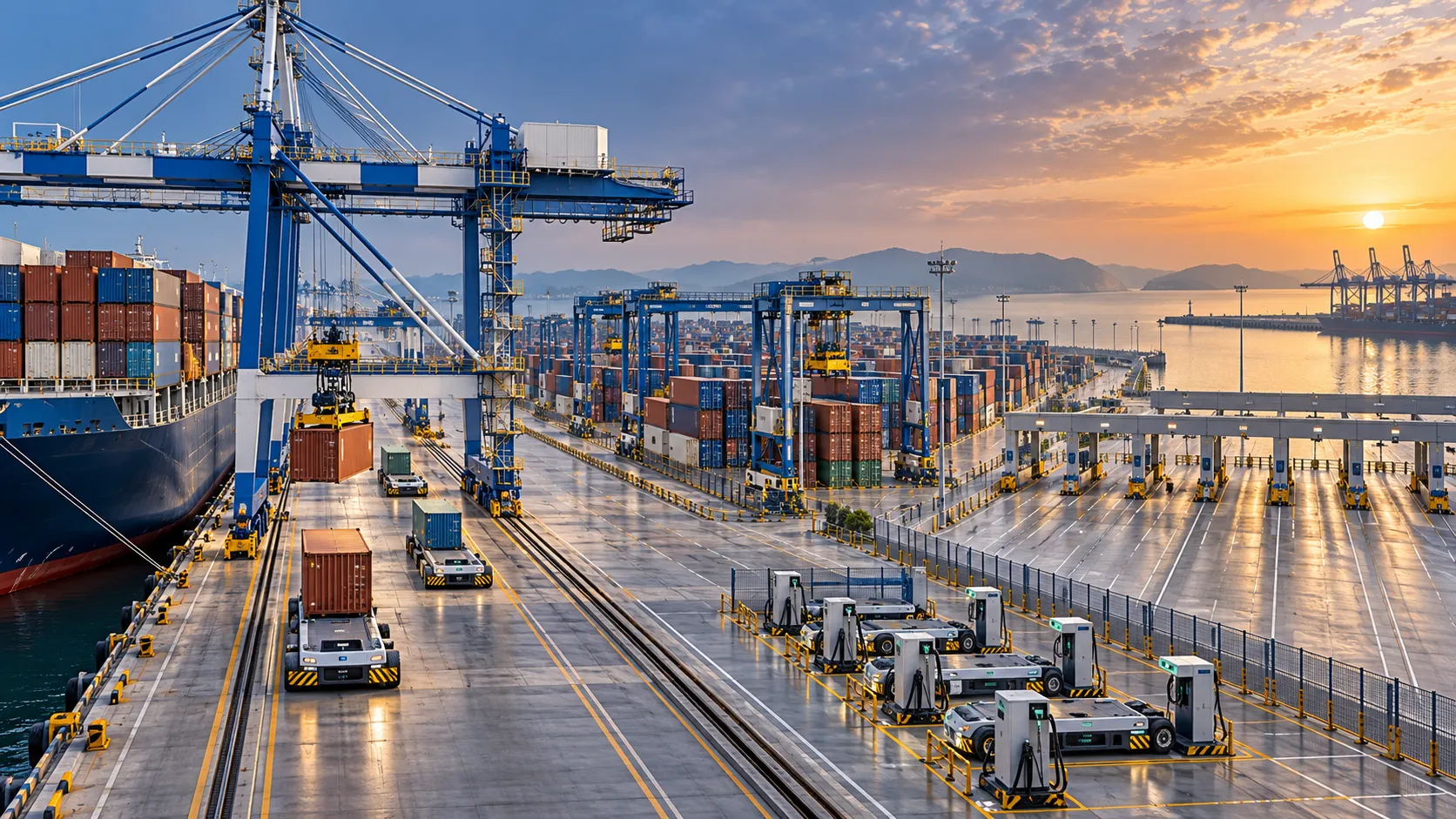
How to Select Automated Terminal Systems for High-Throughput Cargo Terminals
Automated terminal systems for cargo terminals: learn how to select scalable, resilient solutions that boost throughput, streamline integration, and control lifecycle risk.
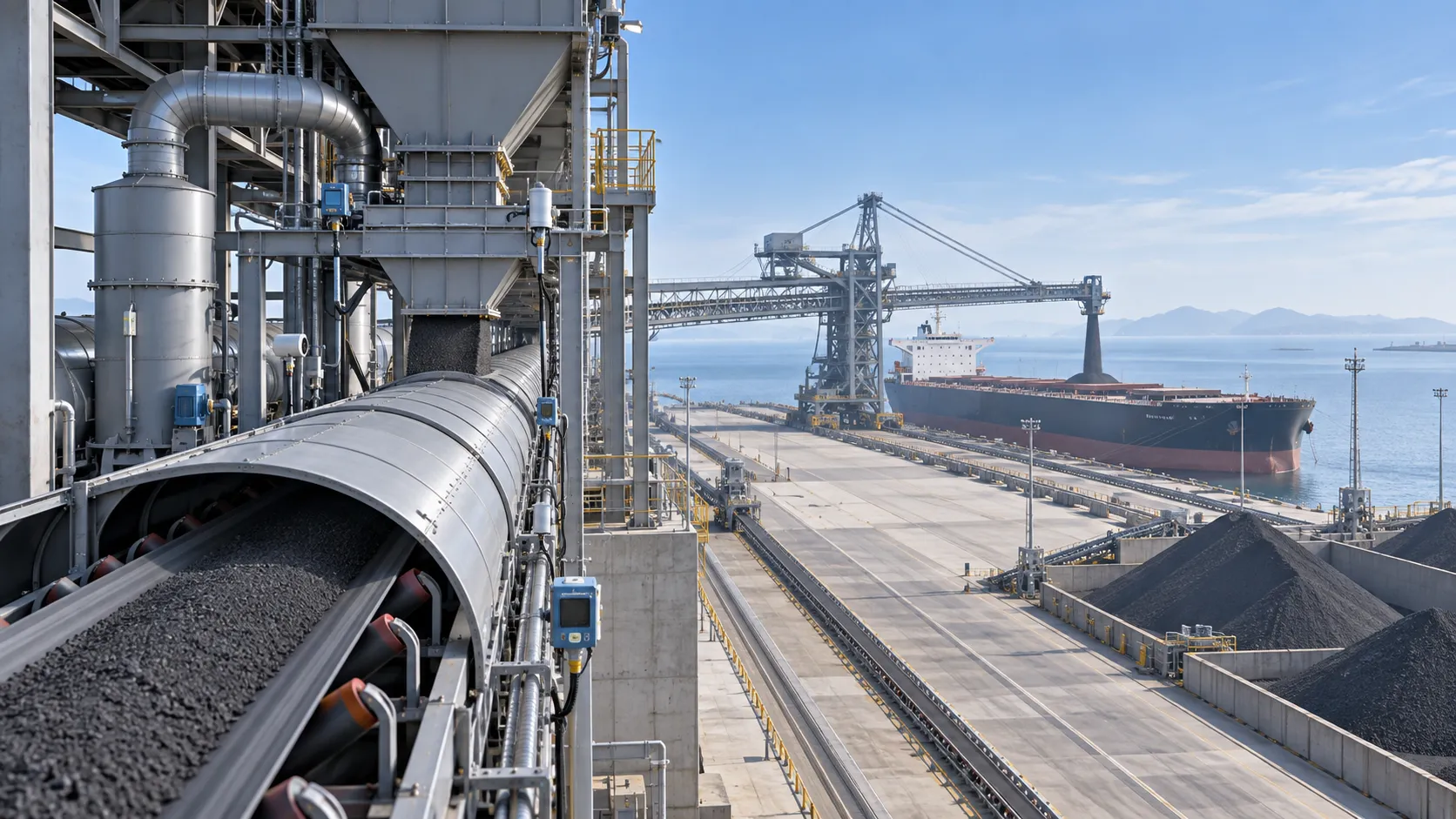
How Automated Bulk Cargo Handling Reduces Dust, Spillage, and Port Downtime
Automated cargo handling for bulk cargo cuts dust, spillage, and port downtime through stable flow control, smart sensing, and coordinated recovery.
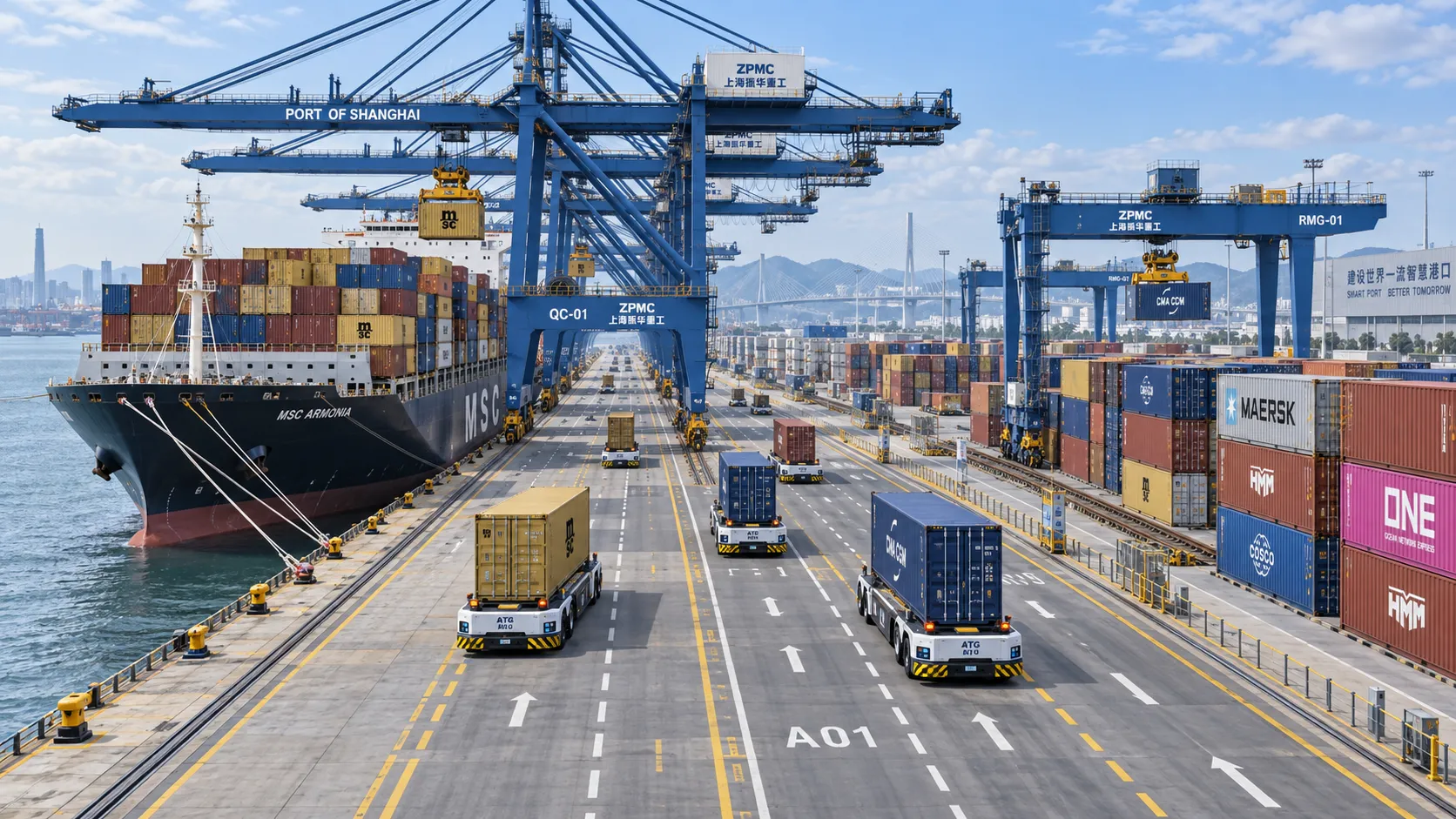
Designing an Integrated Port Handling System for Faster Yard-to-Vessel Transfers
Discover how an integrated port handling system aligns yard, transport, and vessel operations to reduce delays, improve flow reliability, and accelerate transfers.