Related News
- 00
0000-00
How to Select Harbor Structures for Quay Walls Under Berthing and Wave Loads - 00
0000-00
Selecting Smart Terminal Software for Multi-Site Field Service Operations - 00
0000-00
How to Specify Heavy-Duty Marine Engineering Equipment for Offshore Projects - 00
0000-00
How to Select Automated Terminal Systems for High-Throughput Cargo Terminals - 00
0000-00
How Automated Bulk Cargo Handling Reduces Dust, Spillage, and Port Downtime
Infrastructure Planning for Ports: Prioritizing Capacity, Access, and Utilities
A port expansion can appear straightforward on a layout drawing: add berth length, deepen the approach, purchase faster handling equipment, and extend the yard. In operation, that sequence often fails because the new constraint emerges somewhere else. A quay may be able to receive larger vessels while the gate complex cannot clear trucks, the yard cannot stage boxes, or the electrical network cannot support additional cranes and charging systems. The result is capital committed to visible assets without a corresponding increase in dependable flow.
Effective infrastructure planning for ports starts by treating capacity, access, and utilities as one operating system rather than separate civil, mechanical, and electrical work packages. The first priority is not the most impressive expansion item; it is the constraint that limits end-to-end cargo movement under realistic operating conditions. Project leaders should establish the target cargo flow, identify where that flow is interrupted, and then sequence quay, yard, channel, gate, rail, road, and utility investments around the actual bottleneck.
Begin with the cargo path, not the asset list
Port master plans often begin with an inventory of proposed assets: new berths, container blocks, conveyors, substations, dredging works, maintenance buildings, or access roads. Those assets are necessary, but they are not yet a capacity plan. Capacity only exists when cargo can move through each linked stage without creating an unmanageable queue upstream.
Map the physical and digital path for each major cargo stream. A container terminal may move from vessel discharge to quay transfer, stack block, inspection or reefer area, gate or rail interface, and outbound road corridor. A bulk terminal may move from berth to hopper, conveyor, stockpile, reclaiming system, rail loading station, or truck dispatch area. Each stream needs its own map because the limiting conditions differ.
The planning team should define a practical operating envelope before comparing projects. This includes:
- Expected vessel mix, call patterns, parcel sizes, and service windows;
- Target dwell time and storage behavior by cargo category;
- Required level of berth availability during maintenance, weather disruption, or equipment outage;
- Truck, rail, barge, or pipeline arrival patterns rather than average daily volumes alone;
- Inspection, customs, dangerous-goods segregation, reefer, and empty-container requirements;
- Planned equipment mode, including manual, remote-operated, semi-automated, or fully automated handling.
Averages can conceal the real problem. A gate designed around average truck arrivals may work well during quiet periods and fail during concentrated appointment windows. A yard sized around annual throughput may become saturated when cargo dwell rises for a short period. The relevant question is not simply “How much can this port handle in a year?” It is “Where does flow become unstable during the operating periods that matter most?”
Separate berth capacity from terminal throughput
Berth length and water depth are highly visible planning decisions, but they do not automatically determine terminal throughput. A berth can be physically available while ship operations are delayed by insufficient crane coverage, weak quay pavement, inadequate fender arrangement, limited mooring capacity, restricted air draft, or an unavailable channel window. Conversely, increasing crane productivity may have little benefit where the container transfer route or yard block cannot absorb the discharge rate.
For each berth, assess capacity through a chain of dependencies. Confirm the design vessel envelope, berth pocket geometry, approach and turning requirements, tidal restrictions, under-keel clearance criteria, tug needs, and navigation constraints. Then review the landside interface: crane rail condition, quay load ratings, equipment travel paths, maintenance access, reefer connections, and the available buffer between vessel operations and yard transfer activity.
Dredging requires the same systems view. Deepening a channel or berth pocket can unlock larger calls, but it also changes the project’s maintenance obligation. Sedimentation behavior, disposal or beneficial-use routes, dredger access, survey frequency, and operational windows should be considered before vessel assumptions are fixed. A design depth that can be achieved once but cannot be maintained within the operating plan is not dependable capacity.
Where berth expansion is proposed, compare alternatives on operational effect rather than on berth meters alone:
Test the yard before approving more waterfront capacity
Yard congestion is frequently mistaken for a crane productivity problem. When stacks are too dense, equipment spends more time reshuffling, locating units, waiting for access lanes, or recovering from conflicting moves. Adding waterside capacity under these conditions may only shift congestion inland faster.
Yard planning needs to reflect operating behavior, not only nominal storage slots. Separate space for imports, exports, empties, reefers, hazardous cargo, inspections, damaged units, customs holds, and equipment maintenance. The usable capacity of a block is reduced by segregation rules, access lanes, stack height limits, peak imbalance, and the need to retrieve particular units without excessive rehandles. A terminal that appears to have open slots may still have insufficient operational capacity for the cargo mix arriving that day.
Layout decisions should also follow the selected handling concept. Rubber-tyred gantry systems, rail-mounted gantries, reach stackers, straddle carriers, automated guided vehicles, terminal tractors, and shuttle systems impose different block geometry, pavement, charging or fueling, maintenance, communications, and safety requirements. It is risky to freeze civil dimensions before confirming equipment duty cycles and control logic. For example, an automated yard requires more than equipment lanes; it needs reliable localization, communications coverage, emergency access, segregation from people and conventional vehicles where applicable, and defined recovery areas for abnormal moves.
A useful planning exercise is to stress-test three operating conditions: a normal week, a high-call-concentration period, and a disrupted period with delayed vessel departure or slower inland evacuation. The last condition is especially important. Infrastructure that only works when every interface performs exactly as scheduled has little resilience.
Landside access is a capacity project, not an external assumption
Gate queues are often treated as a road authority issue, while terminal planners focus on the fence line. That division can obscure the real cause of poor truck turnaround. Delays may originate in appointment rules, documentation checks, radiation or inspection processes, insufficient interchange lanes, poorly placed empty depots, traffic signal timing, unsafe merging, or limited holding space. A wider gate alone will not solve a process bottleneck.
Start with the truck journey from the public road to the exit. Identify every point where a vehicle stops, merges, presents information, changes direction, waits for a container, or crosses equipment traffic. Then distinguish between traffic arriving at the terminal and traffic that can actually be processed at the gate. These are different capacities.
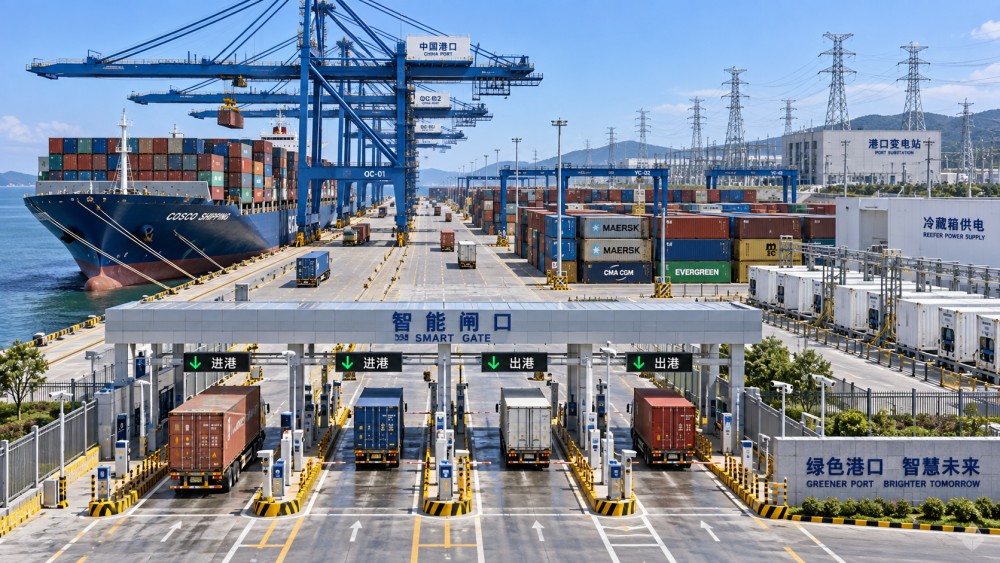
Access planning should account for peak arrivals, not only annual truck counts. Useful questions include whether the road network can absorb a queue without blocking public intersections, whether there is controlled staging space before the gate, whether outbound trucks conflict with inbound movements, and whether emergency access remains clear during congestion. Where rail is part of the operating model, rail tracks, crane reach, loading zones, inspection activities, and road crossings must be planned as a coordinated interface. A rail siding that is physically present but difficult to serve within the yard sequence contributes little to modal capacity.
Digital coordination also has a physical consequence. Appointment systems, pre-arrival documentation, gate automation, and equipment dispatch platforms can reduce avoidable stops only when lane layout, exception handling, and staff workstations support them. Planning should always retain a defined route for exceptions: damaged containers, documentation discrepancies, security interventions, oversized cargo, and vehicles that cannot use automated lanes. Without this, exceptions spill back into normal traffic.
Utilities must be sized for operating peaks and recovery modes
Power, water, drainage, communications, and fuel systems are sometimes left until late design because they are less visible than quay walls or buildings. This is a costly mistake, particularly where electrified cranes, automated equipment, reefer areas, shore power, workshops, and charging infrastructure are planned. Utility constraints can delay commissioning even after the civil works and handling equipment are complete.
Electrical planning should establish both the connected load and the realistic coincident demand. The question is not just how much power each crane or charger can draw individually, but which assets will operate at the same time during a peak vessel call, a heavy reefer period, or a recovery effort after an interruption. Assess incoming supply capacity, transformer locations, cable routes, protection coordination, harmonic effects where relevant, backup arrangements, and the time required to restore critical operations after a fault.
Resilience needs clear priorities. Identify which loads must remain available to protect cargo, vessels, people, or navigational operations, and which loads can be curtailed temporarily. Reefer monitoring, emergency lighting, communications, control rooms, critical pumping, access control, and selected maintenance systems may have different restoration needs from nonessential building loads. A backup system should be tested against the actual recovery sequence, not merely listed as available capacity.
Drainage and water management deserve equal attention. High pavement coverage, container wash areas, fuel handling zones, workshops, and dredging support activities can create different runoff conditions. The design must accommodate routine rainfall, contamination-control measures where needed, maintenance access to drainage assets, and the risk that ponding blocks equipment routes or gate lanes. Communications infrastructure should be planned with the same discipline: fiber routes, wireless coverage, edge equipment locations, redundancy, cybersecurity boundaries, and maintainable cabinet access all affect whether automation performs reliably.
Build a phased program around dependencies
Large port projects rarely proceed as a single uninterrupted build. Operations must continue, permits and marine works may have different lead times, utility upgrades can depend on external network decisions, and equipment procurement schedules may not align with civil completion. The program should therefore be built around dependencies and temporary operating arrangements.
Classify each investment by the constraint it removes and the assets it depends upon. A new automated block may depend on substation capacity, communications routes, pavement completion, control-system commissioning, and training. A new berth may depend on dredging, navigational approvals, fender installation, crane commissioning, and yard transfer capacity. This view prevents a common sequencing error: completing an asset that cannot yet be used at its intended operating level.
- Confirm the baseline: document current flows, queues, asset condition, maintenance limitations, utility loads, and operating rules.
- Define the future operating concept: specify vessel, cargo, equipment, gate, rail, and control-system assumptions that the infrastructure must support.
- Locate the first binding constraint: use peak and disruption scenarios, not only average throughput calculations.
- Compare interventions by flow released: evaluate whether each option improves the full cargo path or simply transfers delay to another interface.
- Stage enabling works early: protect corridors for power, fiber, drainage, roads, rail, and future expansion before surface areas are closed.
- Set commissioning gates: require physical works, utility readiness, control-system testing, operating procedures, and recovery arrangements to be ready together.
Use decision gates to prevent premature design lock-in
Early concepts should remain flexible where demand, vessel mix, automation choices, or utility availability are uncertain. Some decisions are difficult to reverse, including quay alignment, channel geometry, rail corridors, major drainage routes, substation locations, and yard block orientation. These should receive the strongest option analysis. Other elements, such as certain equipment quantities or operating rules, may be phased once actual demand and performance are clearer.
Before moving from concept to detailed design, ask whether the preferred scheme has a credible answer to four practical questions: Can it handle the intended peak flow? Can it continue operating during a planned maintenance event or a reasonable disruption? Can utilities support the equipment and control systems at the same time? Can cargo leave the port as reliably as it enters? A plan that cannot answer all four has not yet resolved its central infrastructure risk.
The strongest port plans are not those with the longest asset list. They are plans in which berth, yard, access, and utilities have been designed around the same operating logic, with enough flexibility to absorb changing cargo patterns without turning every delay into terminal-wide congestion.
Related News
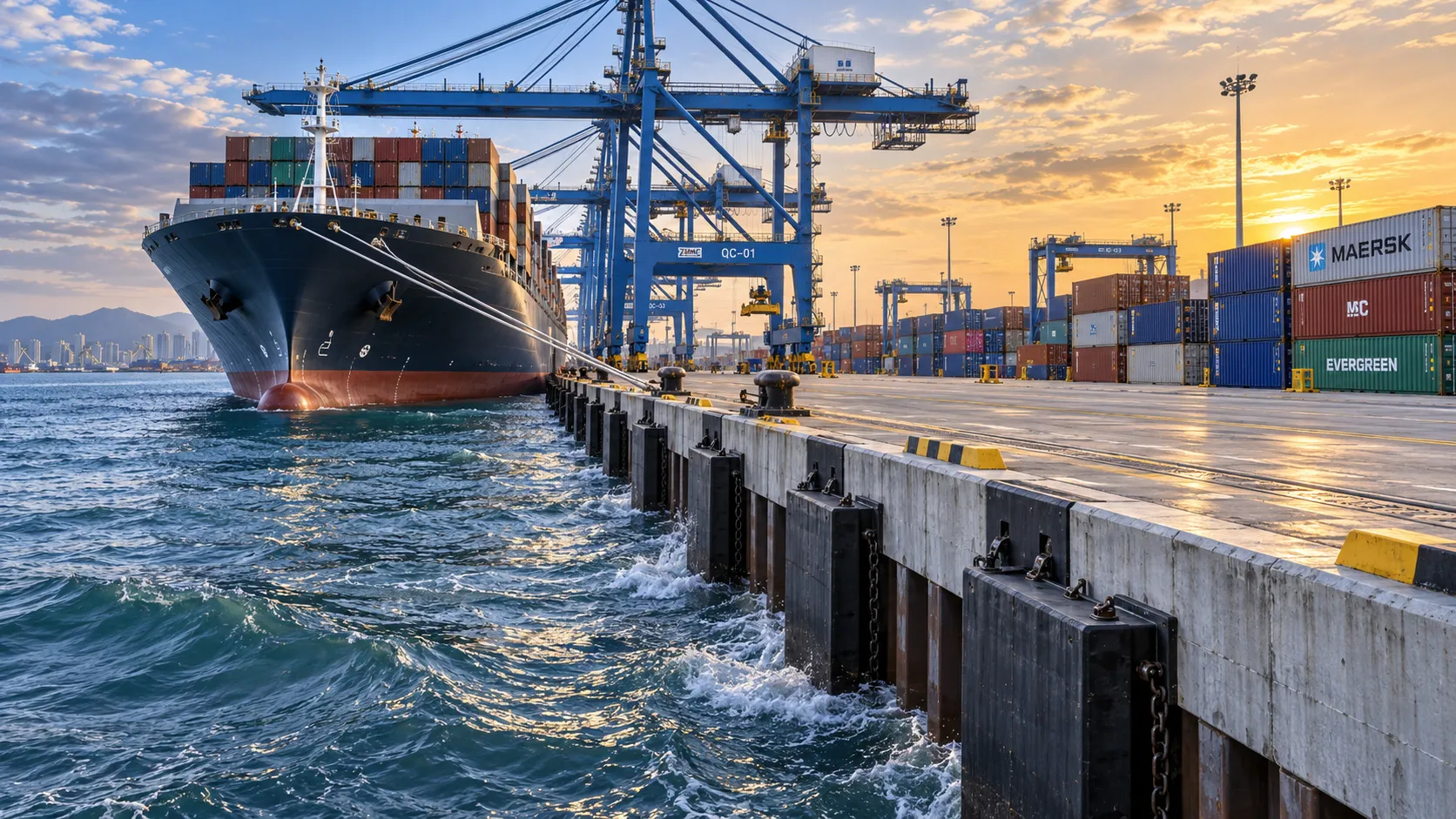
How to Select Harbor Structures for Quay Walls Under Berthing and Wave Loads
Harbor structure for quay wall selection: evaluate berthing energy, wave loads, soil conditions, durability, and lifecycle risk to build safer, adaptable terminals.
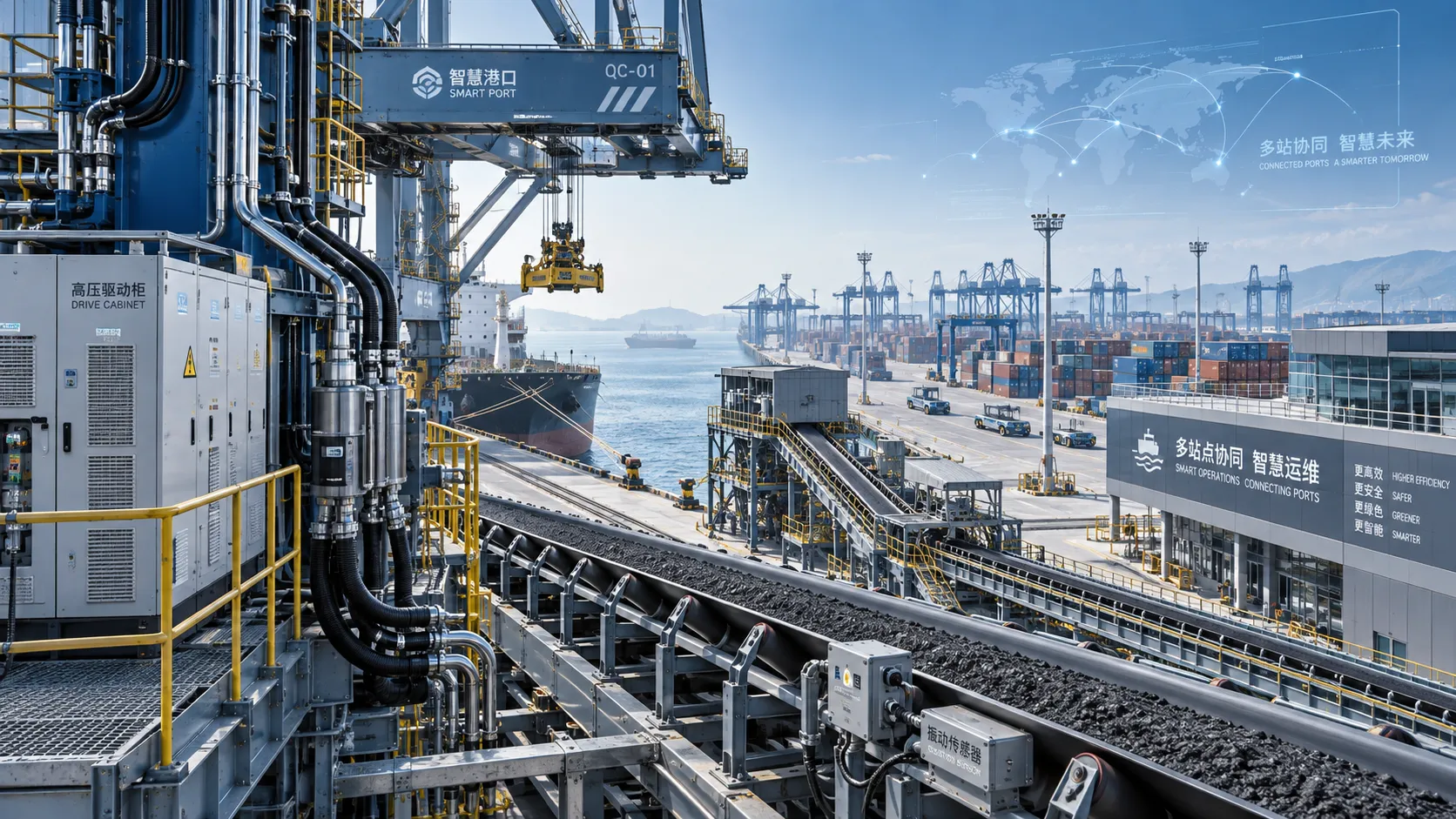
Selecting Smart Terminal Software for Multi-Site Field Service Operations
Smart terminal solutions software helps multi-site field service teams unify asset history, mobile maintenance, integrations, and reporting for safer, faster terminal operations.
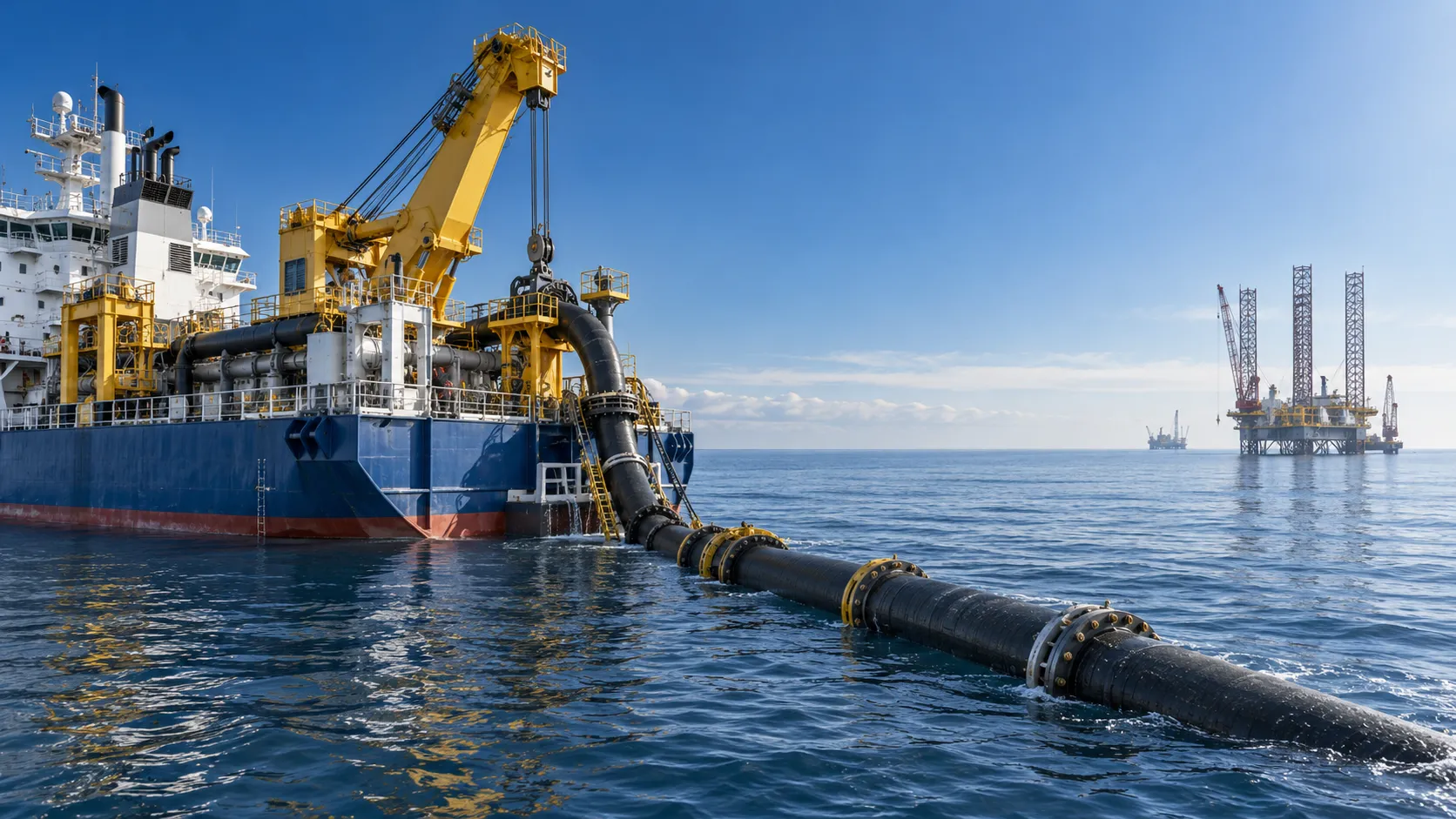
How to Specify Heavy-Duty Marine Engineering Equipment for Offshore Projects
Heavy duty marine engineering equipment: learn how to specify reliable offshore assets for safety, uptime, integration, lifecycle cost, and project success.
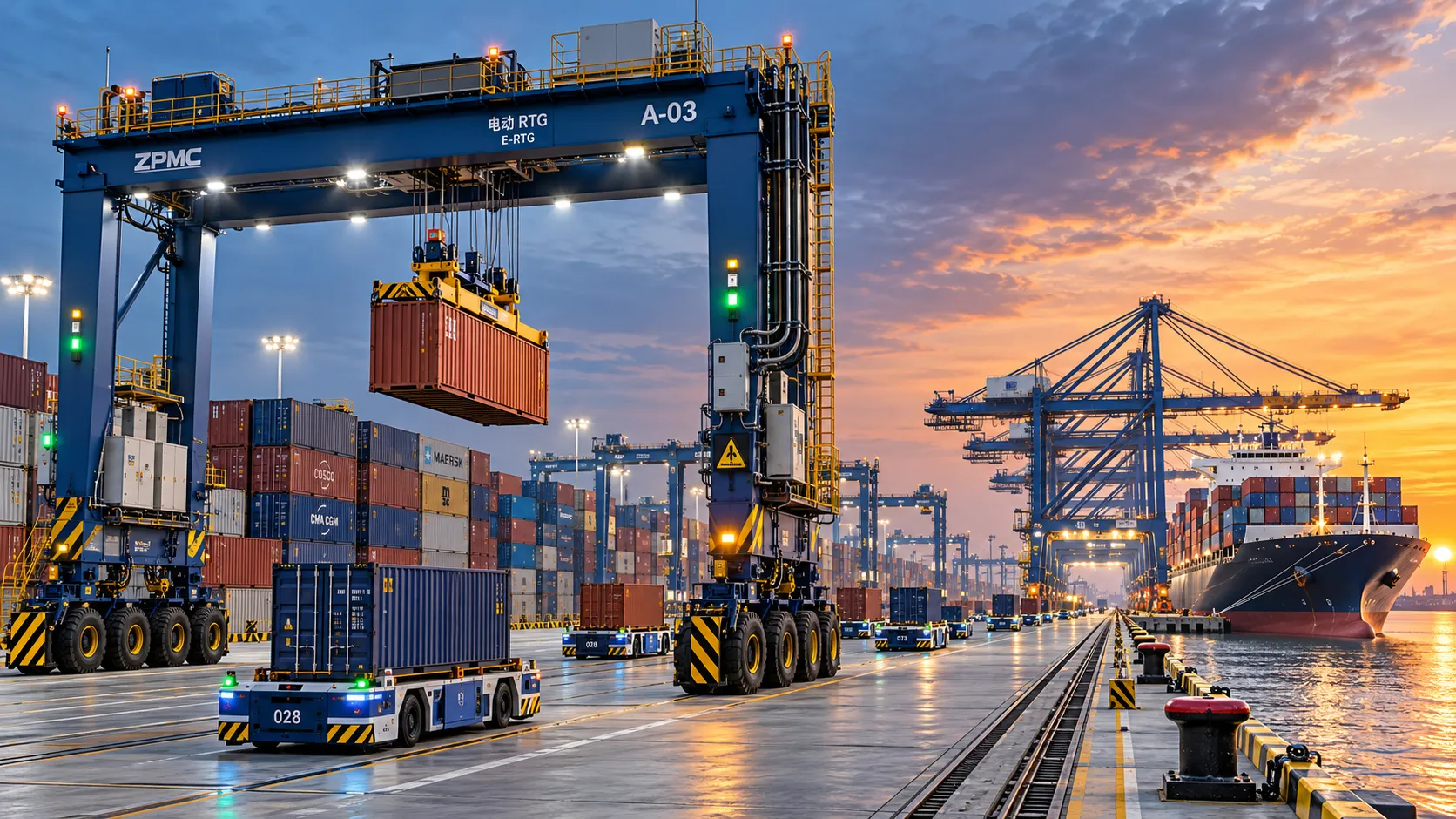
How to Evaluate a Container Handling Equipment Exporter for Port and Yard Projects
Choose the right container handling equipment exporter with a practical guide to compliance, automation, service support, delivery reliability, and lifecycle value.
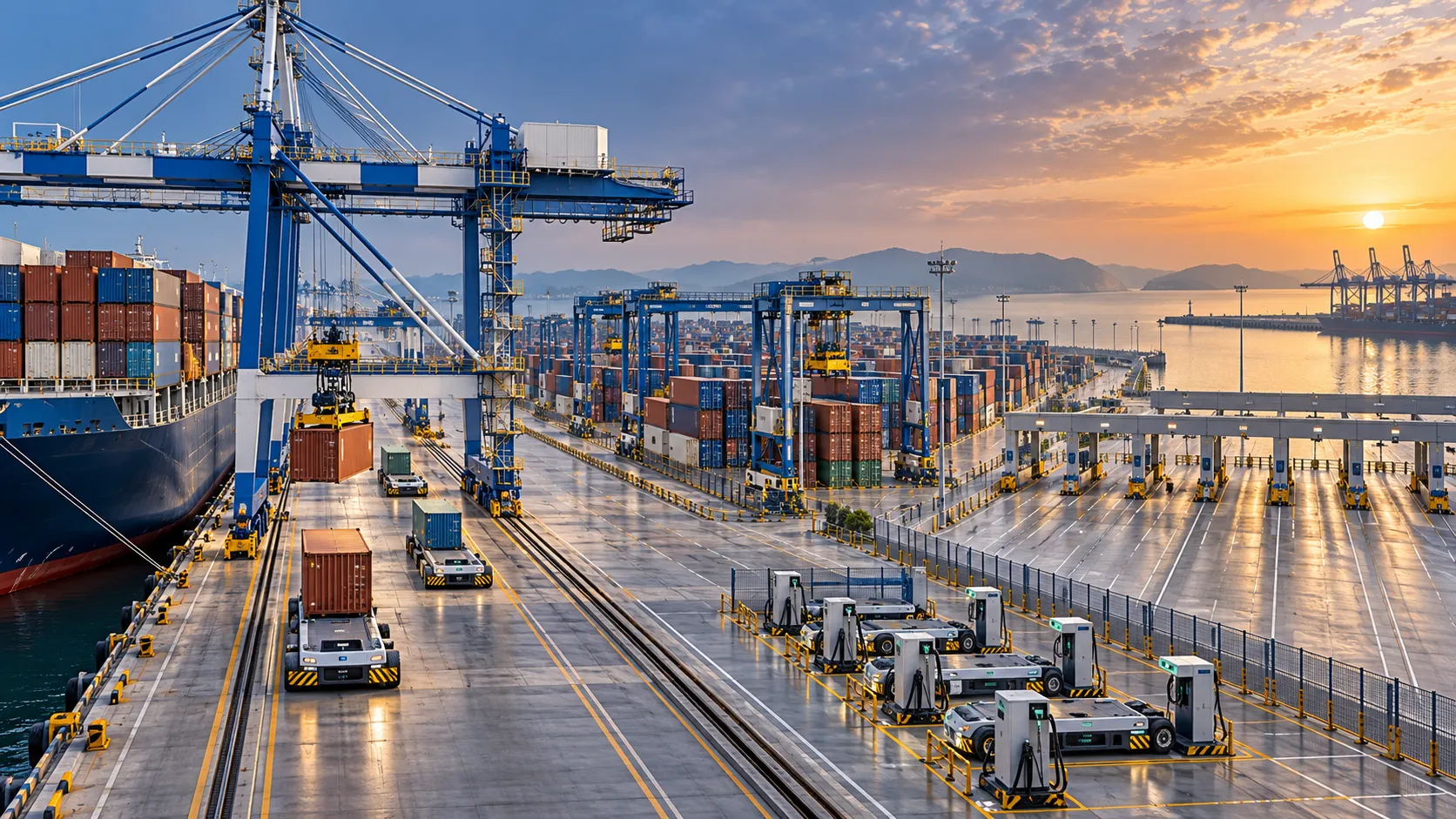
How to Select Automated Terminal Systems for High-Throughput Cargo Terminals
Automated terminal systems for cargo terminals: learn how to select scalable, resilient solutions that boost throughput, streamline integration, and control lifecycle risk.
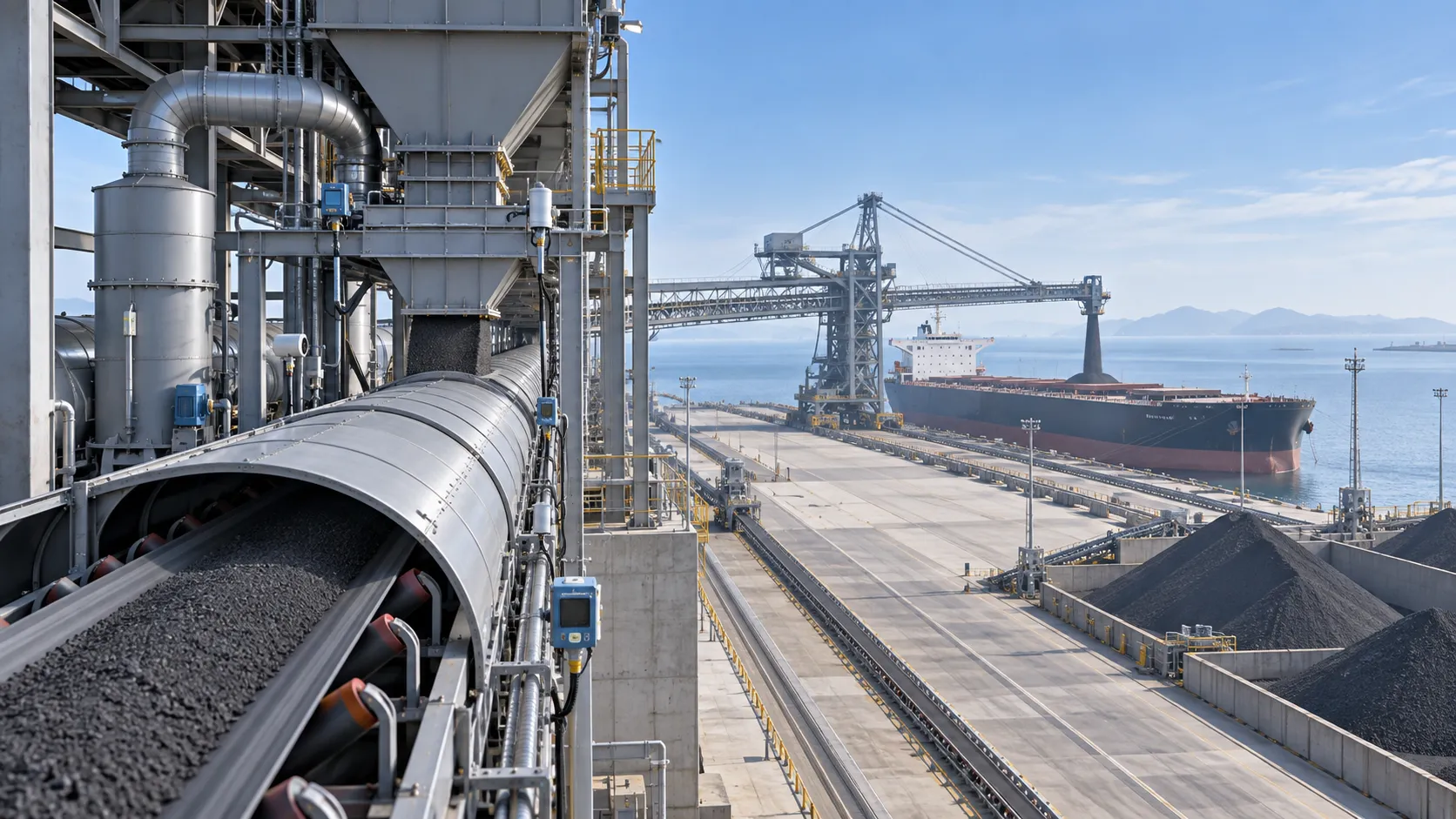
How Automated Bulk Cargo Handling Reduces Dust, Spillage, and Port Downtime
Automated cargo handling for bulk cargo cuts dust, spillage, and port downtime through stable flow control, smart sensing, and coordinated recovery.
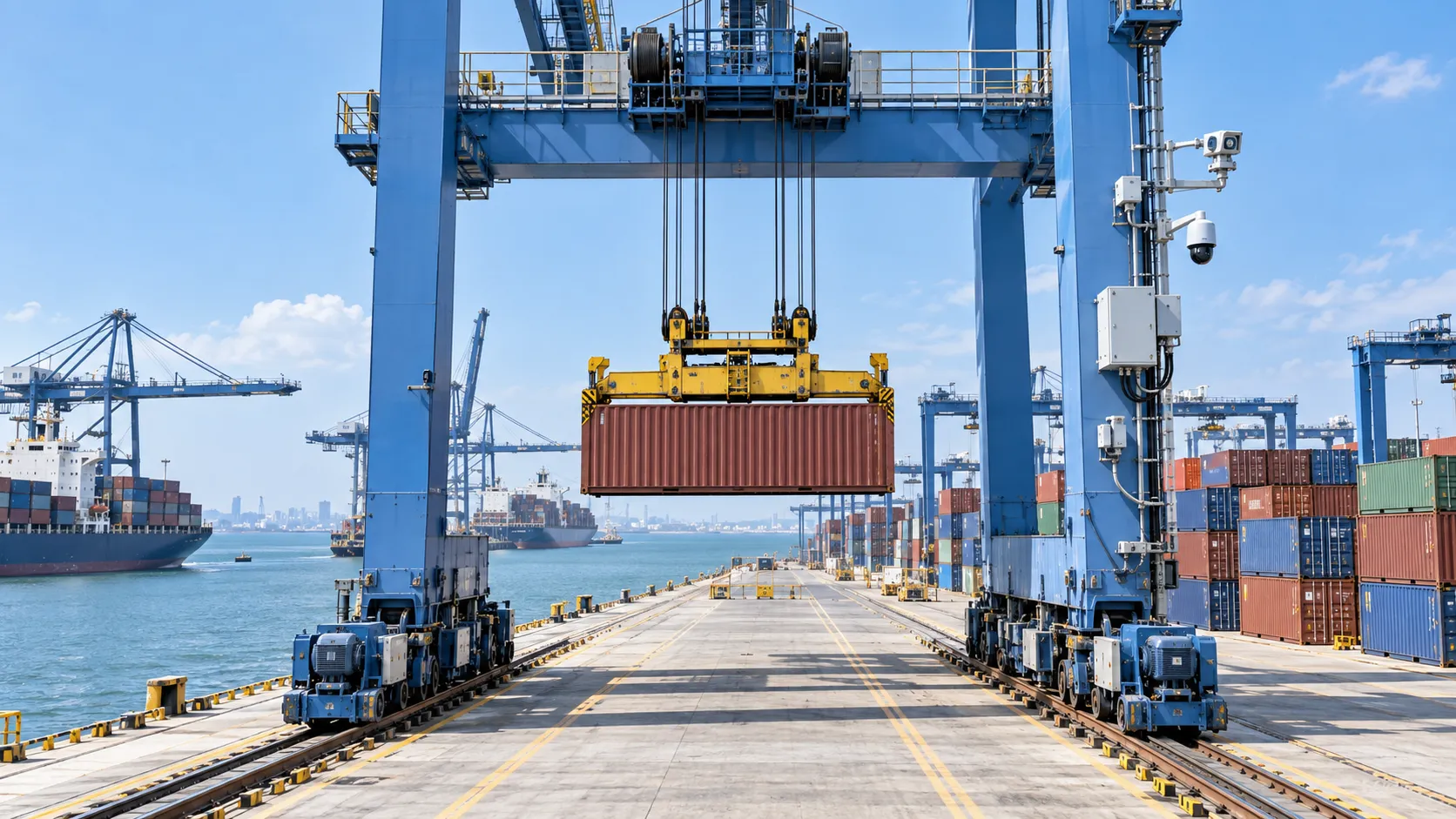
From Legacy Controls to AI: Planning a Port Equipment Intelligence Upgrade
Port equipment intelligence upgrade: turn legacy controls into reliable AI insights with safer data, smarter maintenance, and scalable port operations.
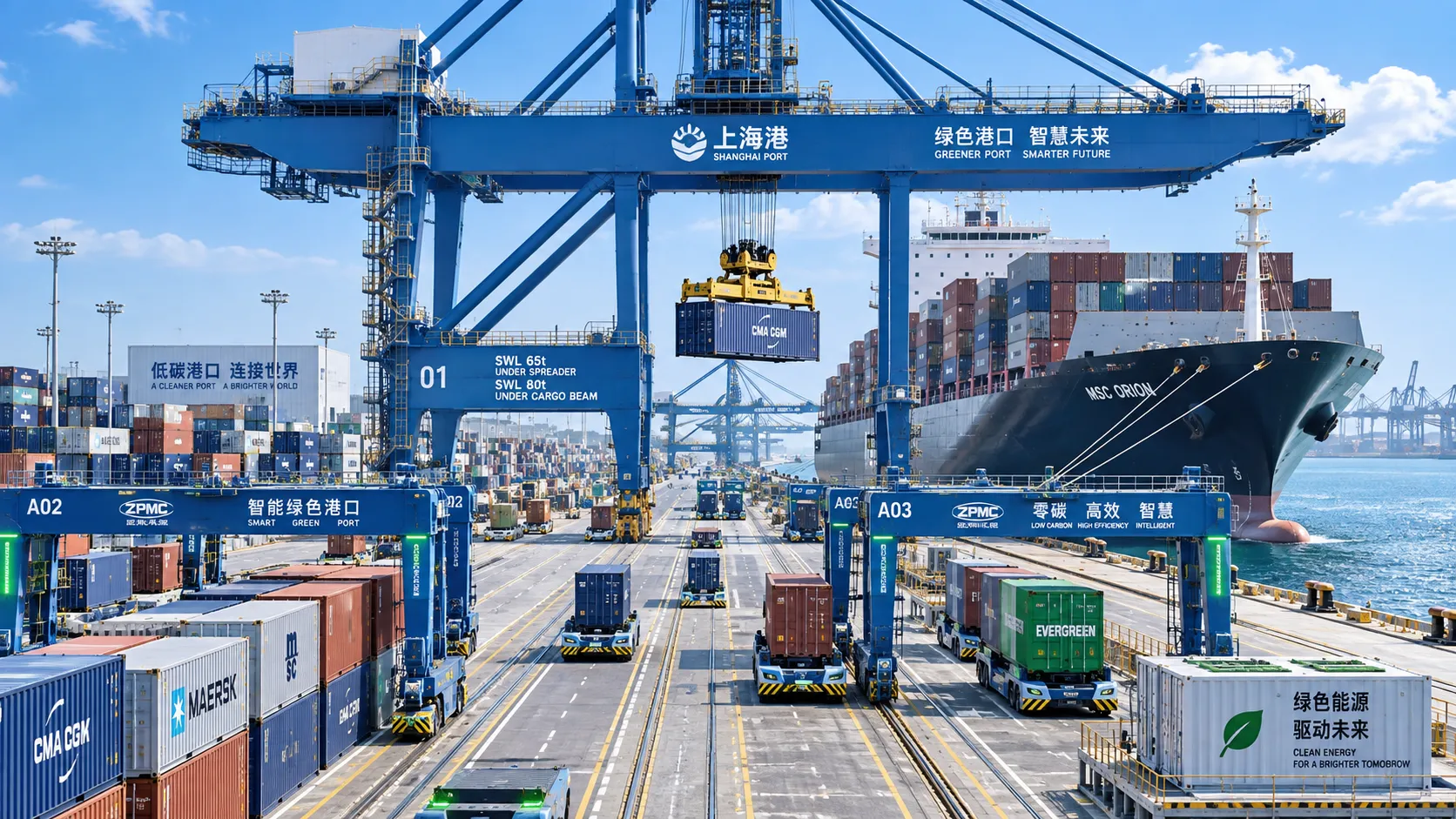
Port Equipment Market Outlook: Demand Drivers Shaping Crane and Handling Equipment Sales
Port equipment market outlook: Explore demand drivers for cranes, automation, electrification, bulk handling, and aftermarket services that create profitable sales opportunities.
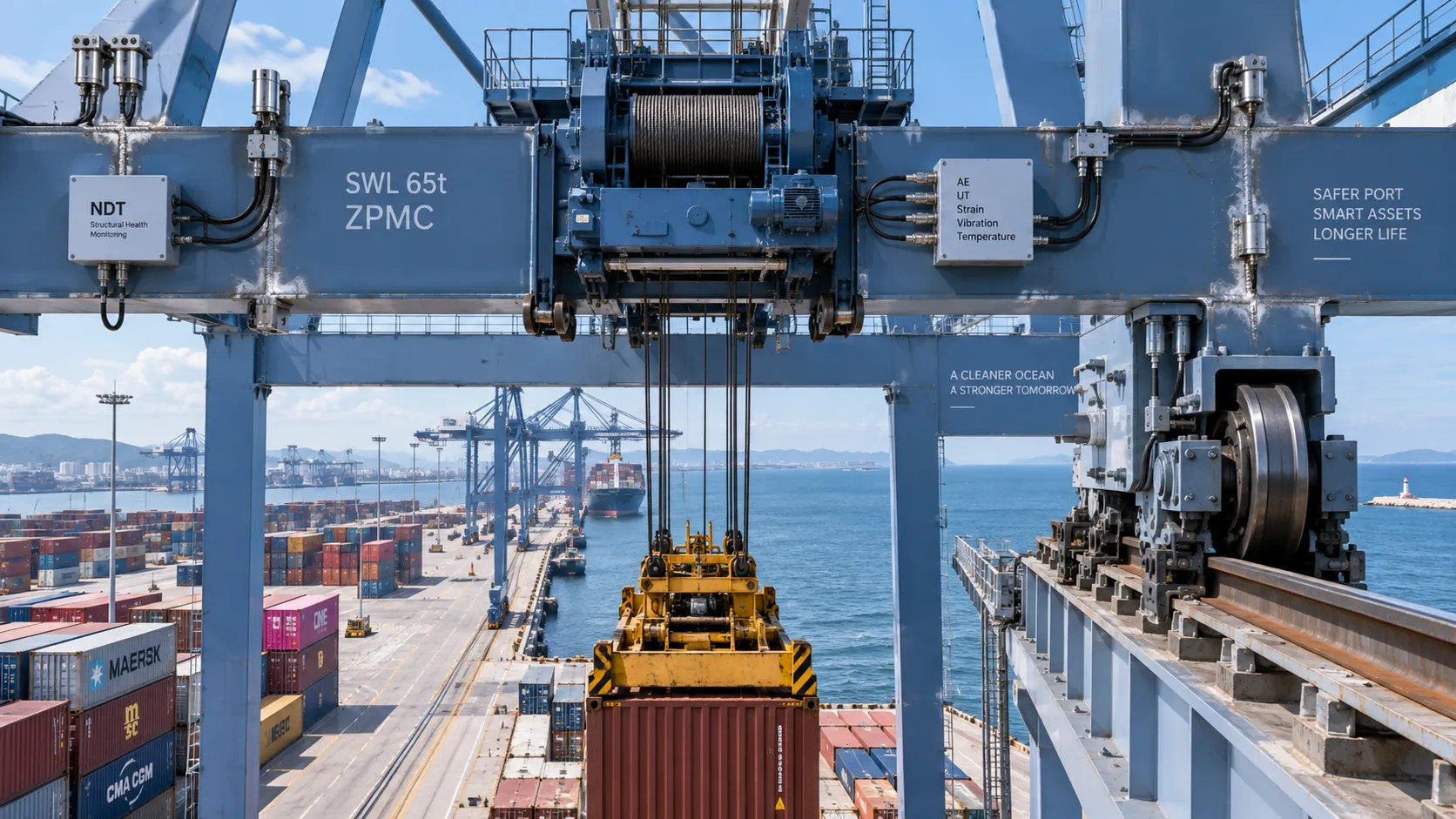
Technical Evaluation of Port Assets: Assessing Reliability, Condition, and Residual Life
Technical evaluation of port assets: assess reliability, condition, and residual life with actionable insights for safer operations and smarter investment decisions.