Related News
- 00
0000-00
How to Select Automated Terminal Systems for High-Throughput Cargo Terminals - 00
0000-00
How Automated Bulk Cargo Handling Reduces Dust, Spillage, and Port Downtime - 00
0000-00
Port Emissions Reduction Services: Building a Shore Power and Equipment Retrofit Plan - 00
0000-00
Selecting Port Control Systems for Vessel Traffic: Coverage and Fail-Safe Design - 00
0000-00
Selecting Automated Cargo Handling Systems for Terminal Throughput and Yard Limits
What Should Be Maintained First in an Automated Terminal?
The first maintenance priority in an automated terminal is not the largest crane, the newest vehicle, or the most visible piece of quay equipment. It is the chain of systems that allows the terminal to make safe operating decisions and keep cargo moving: operational control networks, position and safety sensors, electrical power and charging infrastructure, and the critical interfaces between software and handling equipment.
That priority reflects how automation changes downtime risk. In a conventional terminal, a local equipment failure may be contained by an operator’s judgement, manual dispatching, or alternative work practices. In an automated terminal, a network fault, degraded positioning signal, unsafe sensor reading, or power-quality event can stop multiple machines at once—or force the control system into a conservative safety state. Maintenance therefore has to start with operational criticality, not with the age or purchase value of an asset.
The practical question is: what failure would first interrupt safe, continuous cargo flow across more than one operating area? The answer identifies the maintenance work that should be protected, monitored, and scheduled before less consequential tasks.
Start with the systems that preserve safe control
Automated terminal operations depend on a continuous loop: the terminal operating system assigns work; equipment-control and fleet-management layers translate that work into movements; field devices report position and status; safety systems validate conditions; and cranes, automated guided vehicles (AGVs), automated straddle carriers, or rail-mounted gantry cranes execute the command.
A failure in any element can be serious, but not all failures have the same operational reach. The first maintenance tier should normally include systems whose loss affects dispatching, movement authority, collision prevention, or emergency response across a zone or the entire terminal.
These typically include:
- Industrial communication networks linking control rooms, field controllers, equipment, gates, and safety devices;
- Server, storage, interface, and time-synchronization infrastructure supporting terminal operating, equipment-control, and fleet-management functions;
- Wireless coverage and handover performance in equipment travel paths, transfer areas, and charging zones;
- Cybersecurity controls that protect remote access, identity management, segmentation, backup recovery, and software integrity;
- Emergency-stop circuits, safety PLCs, interlocks, access-control systems, and alarm paths;
- Positioning, obstacle-detection, and load-state sensors used to determine whether automated movement is permitted.
This does not mean all IT hardware should receive identical treatment. Office systems may be important to administration but have little immediate effect on vessel operations. By contrast, a switch, wireless access point, industrial firewall, controller, or interface gateway serving a key operational zone may have a far higher consequence of failure. Asset criticality must follow the operational dependency map, not the conventional distinction between “IT” and “equipment.”
Network health is a maintenance issue, not only an IT issue
In an automated terminal, communications quality directly affects physical movements. A brief loss of connection may trigger a controlled stop. Repeated packet loss, excessive latency, poor roaming between wireless cells, or inconsistent clock synchronization can create intermittent faults that are harder to diagnose than a complete outage. The machine may appear healthy during inspection, yet it may periodically fail to receive a route update, lose a position correction, or enter a safe-state alarm during live operations.
Network maintenance should therefore examine more than whether a connection is available. It should include the quality and resilience of that connection under operating conditions. Useful checks include redundant-path status, switch and access-point health, signal coverage in shadowed areas, antenna condition, cabinet cooling, connector corrosion, fiber integrity, power supply alarms, and event logs that reveal recurring drops or abnormal reconnection behavior.
Changes must also be controlled. A firmware update, network configuration adjustment, replacement radio, or modified firewall rule can alter equipment communications in unexpected ways. Operational technology environments should use tested change windows, documented rollback procedures, configuration backups, and clear approval paths. A maintenance action that restores one device but disrupts vehicle dispatch or crane control is not a successful intervention.
Cybersecurity belongs in this same priority group because remote operation and connected control networks expand the consequences of unauthorized access or corrupted configurations. The immediate maintenance concern is operational resilience: current backups, recoverable system images, protected credentials, tested restoration procedures, and separation between business networks and equipment-control environments. A backup that has never been restored in a controlled test is not evidence that the terminal can recover from a serious systems incident.
Maintain sensors before they become operational blind spots
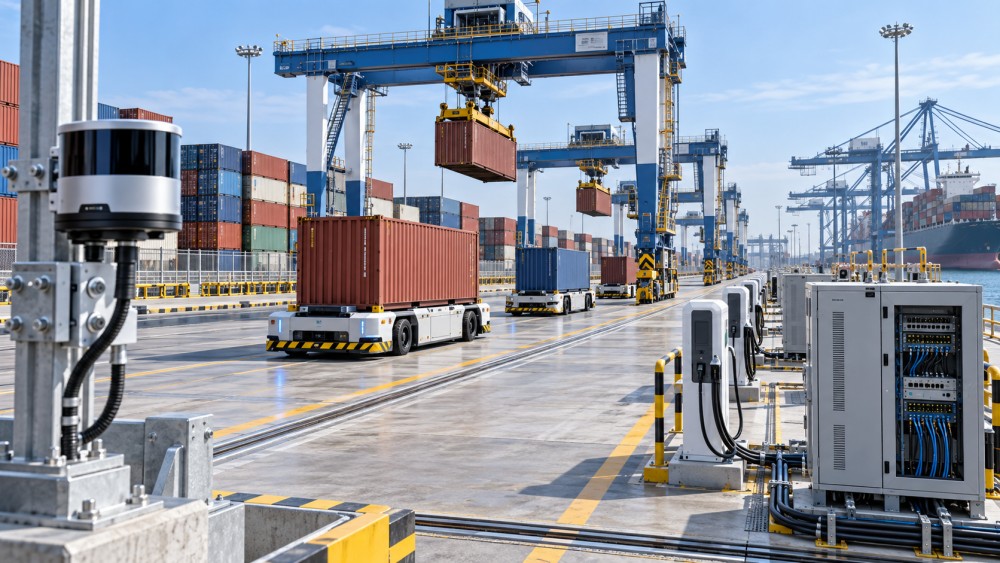
Sensors are often inexpensive relative to cranes and vehicles, but they can impose the greatest constraint on availability. Automated equipment does not act on visual judgement alone; it relies on data from encoders, lidar, radar, cameras, laser scanners, RFID readers, GNSS components, proximity sensors, load sensors, twistlock-status detectors, anti-sway devices, and limit switches. Their role is not simply to report information. They provide the evidence needed for the control system to permit or prohibit movement.
The maintenance priority is highest for sensors tied to safety envelopes and movement authority. If a sensor contributes to collision avoidance, personnel protection, container-position confirmation, vehicle localization, lane control, hoist limits, or safe load transfer, its condition should not be assessed only after a fault alarm occurs.
Common deterioration mechanisms are highly physical: salt-laden air can affect connectors and enclosures; dust or rain can obscure optical surfaces; vibration can loosen mountings; heat can shorten the life of electronics; cable flexing can damage conductors; and repeated impacts can shift alignment. A sensor can remain powered and communicating while producing unreliable measurements. That is why a simple “device online” status is insufficient.
Maintenance routines should verify cleanliness, mounting security, field of view, alignment, calibration status, cable protection, enclosure sealing, and consistency between sensor readings and known reference conditions. Where systems rely on sensor fusion, technicians also need to consider the interaction between devices. A camera, lidar, and encoder may each appear functional, yet small timing or calibration discrepancies can create false object detection, unstable localization, or unnecessary machine stops.
Alarm history is particularly valuable. Repeated nuisance alarms are sometimes treated as operational irritations and bypassed through workarounds. That is a risky approach. Nuisance alarms can indicate contamination, poor calibration, vibration, degraded communications, environmental interference, or a poorly tuned control threshold. They should be investigated before they train operators and maintenance teams to discount warnings that later prove significant.
Power quality and charging capacity can limit throughput long before a major breakdown
Electrified cranes, automated vehicles, battery charging stations, substations, cable reels, busbars, and power-conversion equipment form another first-line maintenance category. Their importance is obvious during a full outage, but partial degradation is often more damaging because it produces erratic operational behavior: slow charging, unavailable chargers, vehicle derating, repeated inverter trips, crane faults, or uneven availability across the fleet.
For battery-powered equipment, the maintenance question is not merely whether each charger turns on. It is whether charging capacity, charger reliability, battery condition, and dispatch logic remain matched to the operating plan. A terminal can have sufficient nominal charging hardware yet still experience vehicle shortages if charging windows are poorly sequenced, connectors are worn, charger bays are inaccessible, or battery health has reduced usable capacity.
Inspection should focus on electrical connections, thermal conditions, insulation integrity, grounding, cooling systems, cable and plug wear, protective-device status, harmonic and voltage-quality issues where relevant, and alarms from drives, transformers, chargers, and battery-management systems. Thermal scanning can help identify abnormal resistance or overloaded components, but findings need to be interpreted alongside load patterns. A connection that looks acceptable during low demand may overheat under sustained crane or charging loads.
Backup power also requires realistic attention. Uninterruptible power supplies, emergency generators, and fail-safe shutdown arrangements should be maintained according to their actual role in preserving safe control, communications, data integrity, and recovery. Their value is not only in keeping machines moving during a utility disturbance; it is also in allowing systems to stop predictably and restart without corrupted data or uncontrolled equipment states.
Then protect the equipment that creates the operational bottleneck
Once control, sensing, and power infrastructure are secured, maintenance should concentrate on the handling equipment whose failure would constrain the active cargo flow. This is not necessarily every machine of the same type. The critical asset may be a specific quay crane serving a vessel window, an ASC block with no practical bypass, a transfer platform connecting quay and yard operations, a vehicle fleet subgroup with specialized lifting capability, or a gate lane that handles a required transaction type.
Criticality changes with the operating plan. A crane may be non-critical during a low-volume period but become indispensable when a vessel stowage sequence leaves no equivalent alternative. A single yard block may matter more than a larger fleet if it contains time-sensitive export containers, refrigerated cargo connections, or constrained transshipment moves. Maintenance planning should therefore use the terminal’s current operating configuration, not only a fixed annual equipment ranking.
Mechanical maintenance remains essential: wire ropes, sheaves, brakes, gearboxes, bearings, spreaders, hydraulic systems, wheel assemblies, steering components, lubrication systems, structural connections, and anti-sway mechanisms all require disciplined inspection and condition monitoring. The difference in an automated environment is that mechanical defects may first appear as control anomalies—position deviations, repeated automatic retries, abnormal cycle times, alignment alarms, or unexpected stops.
Separating “mechanical” and “automation” fault ownership too rigidly can delay diagnosis. A crane positioning alarm may result from an encoder problem, wheel slip, rail condition, structural movement, communication delay, or control tuning. Maintenance teams need fault records that connect machine symptoms with control-system events, environmental conditions, and prior interventions.
A practical priority model: safety, flow impact, detectability, recovery
When maintenance resources are limited, work orders should not be ranked solely by preventive-maintenance interval or by the number of open alarms. A more useful order considers four questions:
- Safety consequence: Could the failure compromise personnel protection, collision avoidance, load control, or safe access?
- Flow consequence: Would it stop a single component, an operating zone, a fleet, a vessel interface, or the entire terminal control loop?
- Detectability: Is degradation visible through condition monitoring, or can it develop without a clear warning until failure?
- Recovery difficulty: Can operations switch to a redundant path or substitute asset, or does restoration require specialist access, a shutdown, reconfiguration, or vendor support?
A minor fault with low safety consequence and an available bypass may be scheduled around operations. A modest-looking issue in a redundant network pair, safety sensor, power distribution panel, or fleet-control interface may require immediate attention because recovery is difficult and the failure can propagate widely.
This model also helps avoid a common error: treating planned maintenance as inherently less urgent than corrective work. An overdue calibration, degraded UPS battery, recurring radio dropout, or intermittent charger fault may not yet stop operations, but it can be more consequential than a visible defect on equipment that has spare capacity.
Do not confuse redundancy with freedom to defer maintenance
Redundancy reduces the immediate impact of a single failure, but it also creates a maintenance obligation. When one path, server, controller, power feed, or communication link is unavailable, the terminal may continue operating in a degraded state. That is precisely when the remaining path becomes critical. Deferring repair because “the backup is still running” converts a protected architecture into a single-point exposure.
Redundant systems should be checked for genuine failover capability, not merely duplicated hardware. The standby component must have valid configurations, current software compatibility, functioning power, healthy communications, synchronized data where required, and a tested transition process. Maintenance records should state whether redundancy is restored after work, rather than simply recording that a failed component was replaced.
Maintenance windows must reflect cargo-flow dependencies
Automated terminals cannot safely treat maintenance scheduling as an isolated engineering calendar. A software patch, sensor recalibration, rail inspection, charging-station shutdown, or network change may affect berth productivity, yard capacity, gate flow, reefer handling, or equipment availability. The operational effect depends on what is happening elsewhere in the terminal.
Before taking a critical asset or system out of service, planners need a defined maintenance envelope: which functions will be unavailable, what alternatives exist, how long the work may take, what conditions trigger restoration, and who has authority to return the asset to service. For control-system work, the envelope should include functional tests that confirm not only that the system has restarted, but that commands, status feedback, alarms, interlocks, and fail-safe responses behave correctly.
The right first maintenance target in an automated terminal is therefore the weakest critical link in safe cargo flow. In many cases, that link is hidden in a communications cabinet, a sensor mount, a charging connection, a power panel, or an interface between control layers—not on the most prominent machine in the yard. Prioritizing those dependencies keeps maintenance aligned with the real operating risk of automation: not simply equipment failure, but the loss of coordinated, safe, recoverable movement across the terminal.
Related News
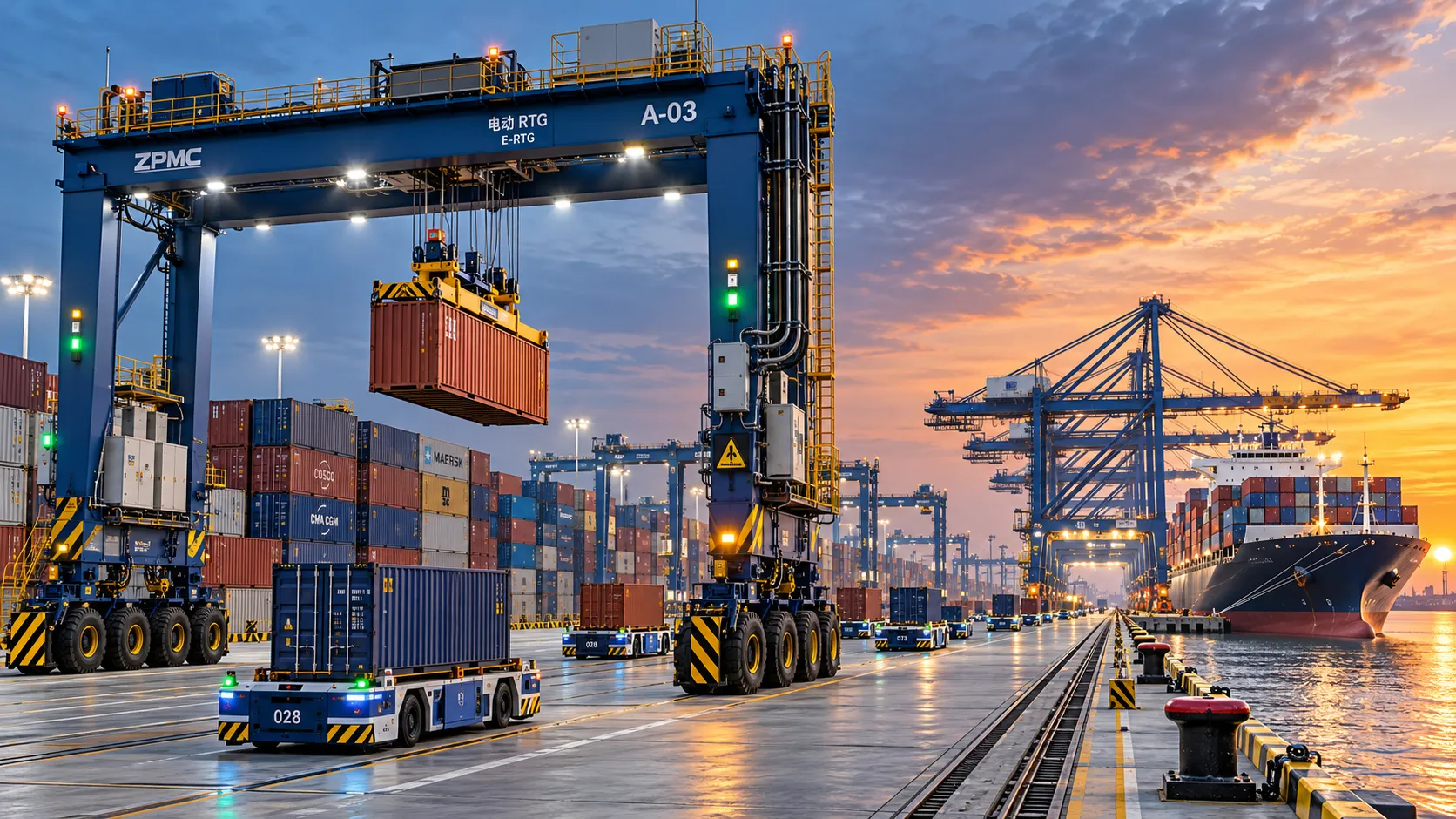
How to Evaluate a Container Handling Equipment Exporter for Port and Yard Projects
Choose the right container handling equipment exporter with a practical guide to compliance, automation, service support, delivery reliability, and lifecycle value.
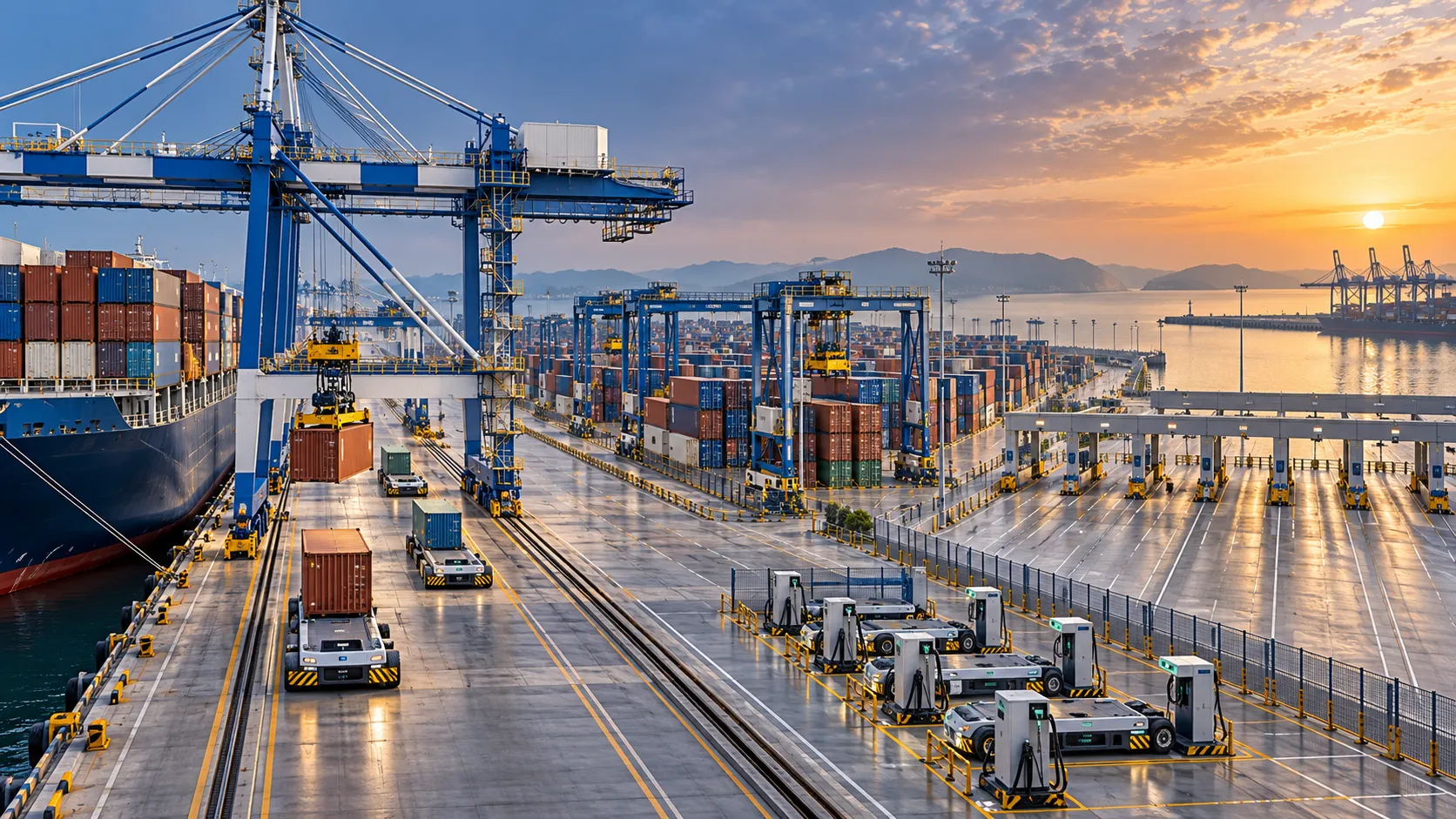
How to Select Automated Terminal Systems for High-Throughput Cargo Terminals
Automated terminal systems for cargo terminals: learn how to select scalable, resilient solutions that boost throughput, streamline integration, and control lifecycle risk.
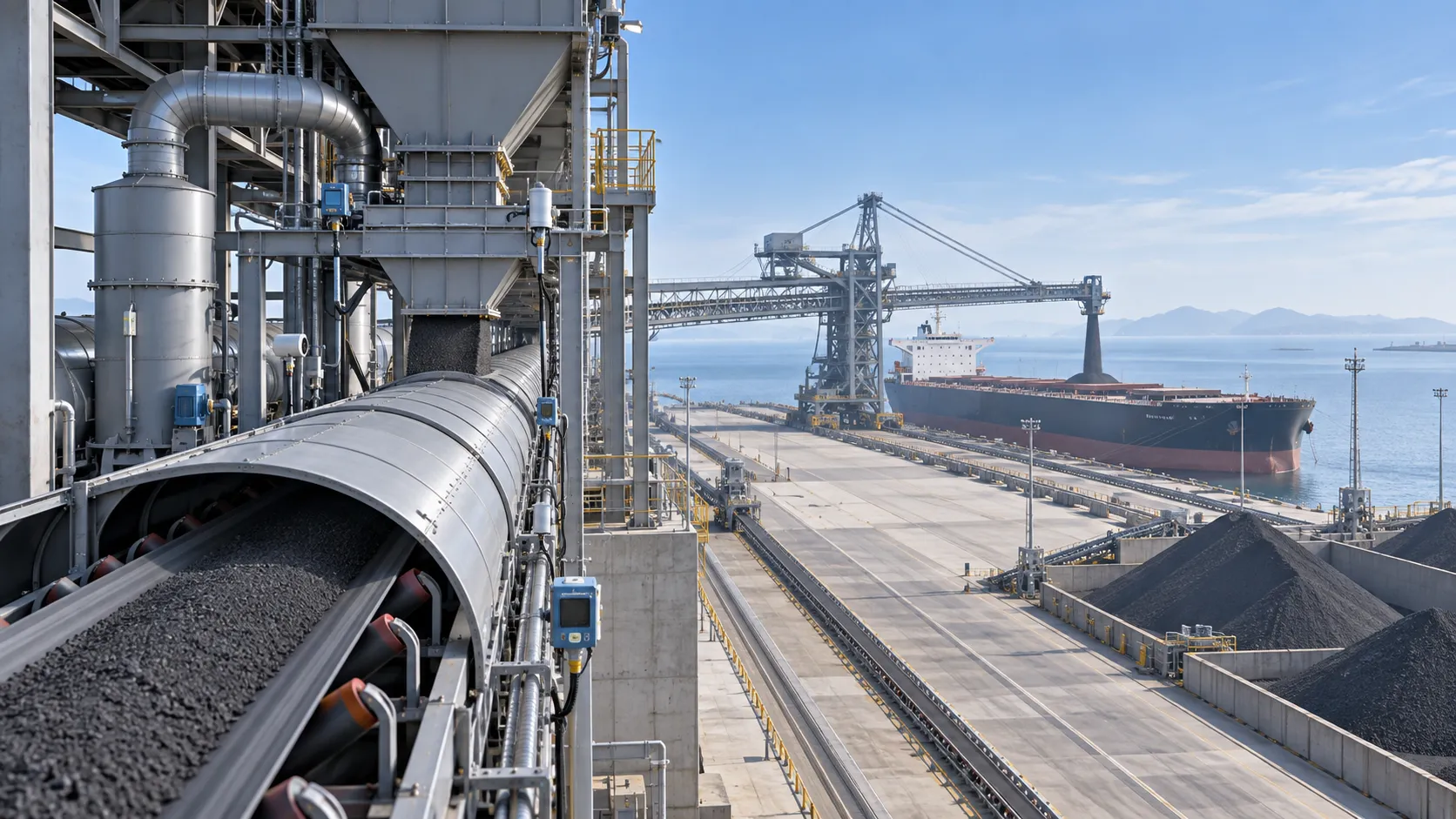
How Automated Bulk Cargo Handling Reduces Dust, Spillage, and Port Downtime
Automated cargo handling for bulk cargo cuts dust, spillage, and port downtime through stable flow control, smart sensing, and coordinated recovery.
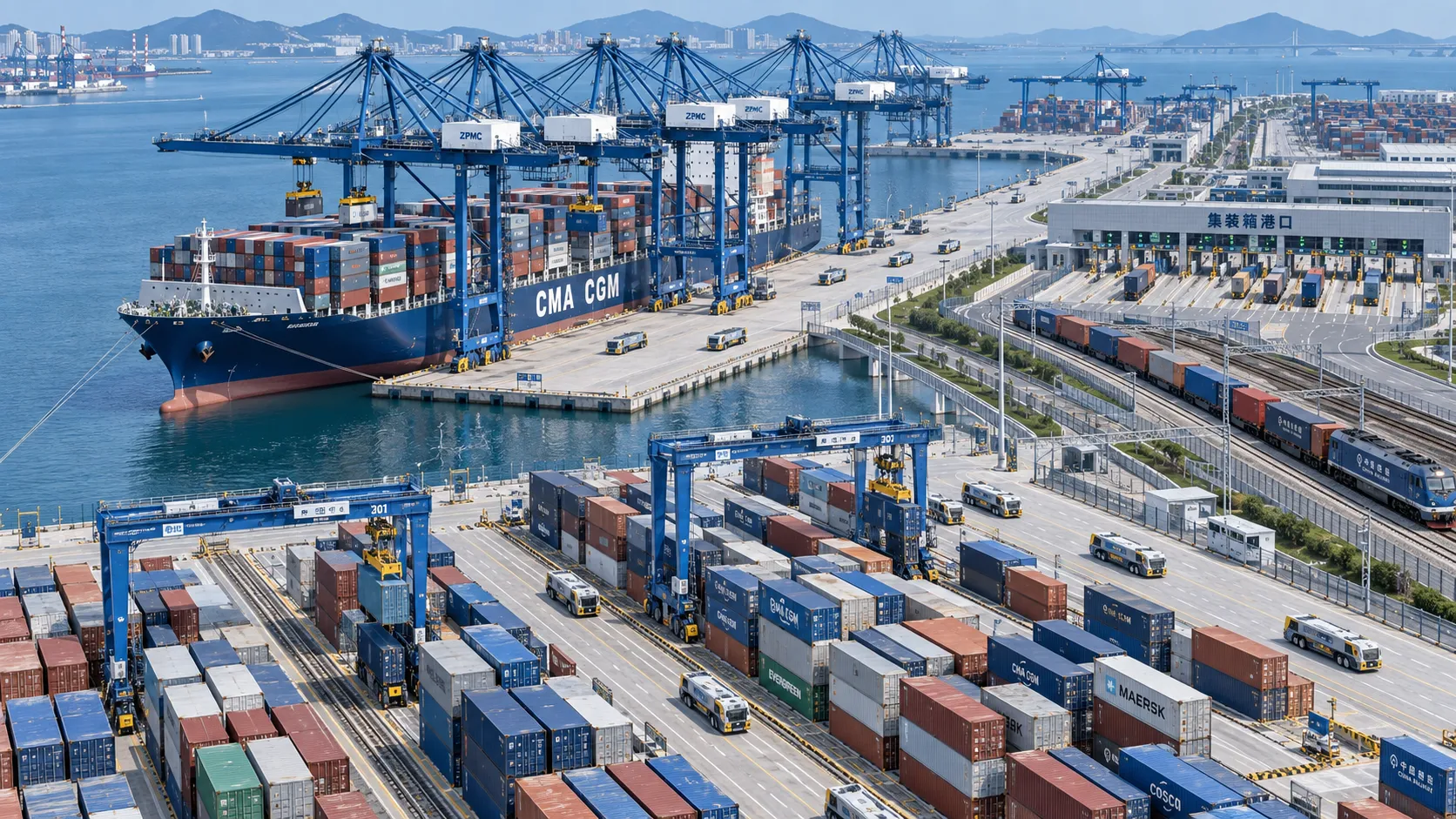
What Should a Port Capacity Plan Measure Before a New Berth or Crane Investment?
Port capacity planning: discover the metrics that reveal whether a new berth or quay crane will improve throughput, service reliability, and investment returns.
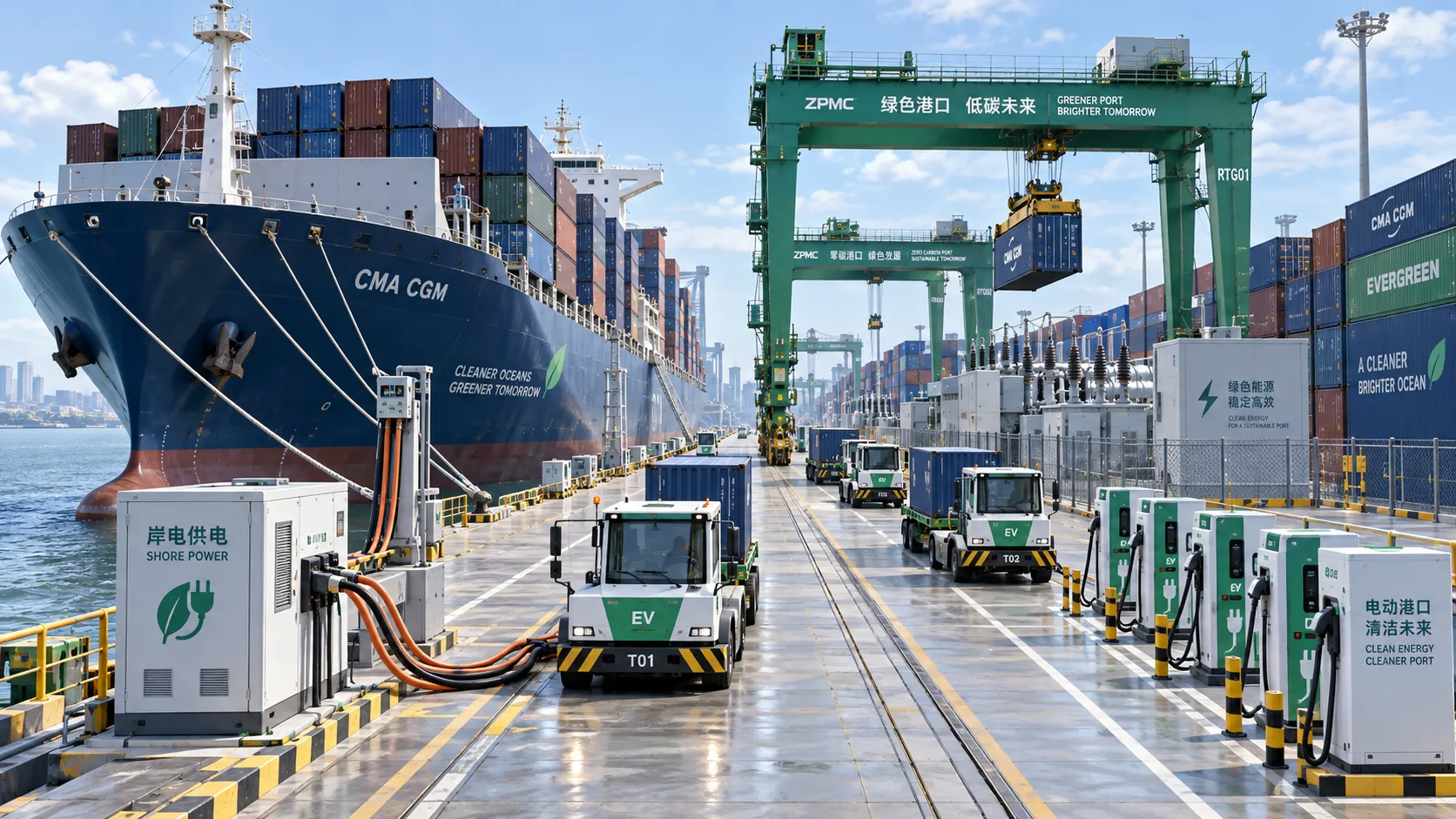
Port Emissions Reduction Services: Building a Shore Power and Equipment Retrofit Plan
Port emissions reduction services help terminals build practical shore power and equipment retrofit plans that cut emissions, protect throughput, and scale with confidence.
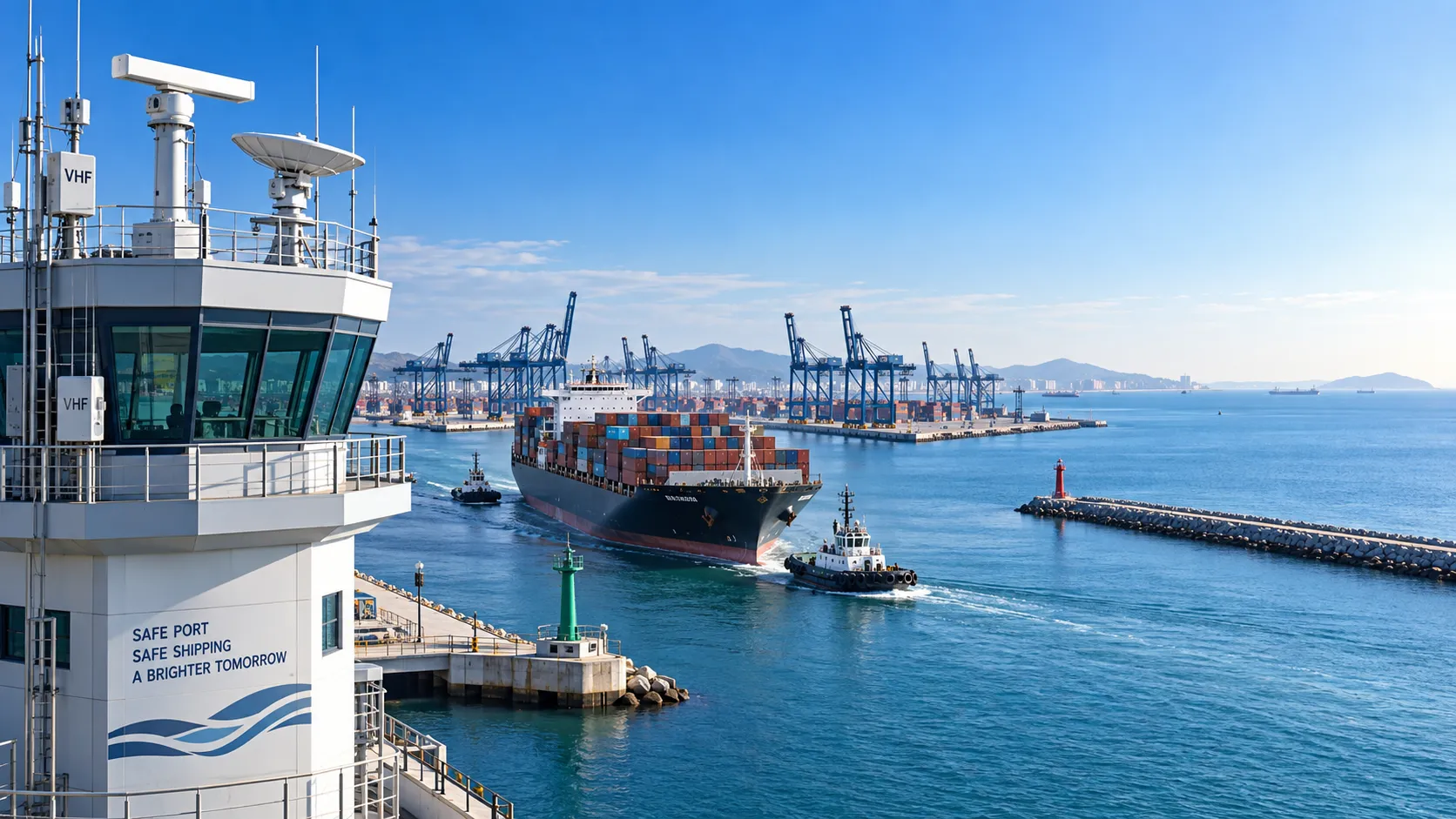
Selecting Port Control Systems for Vessel Traffic: Coverage and Fail-Safe Design
Port control systems for vessel traffic: learn how to assess coverage, redundancy, fail-safe recovery, cybersecurity, and operator workflows for safer port operations.
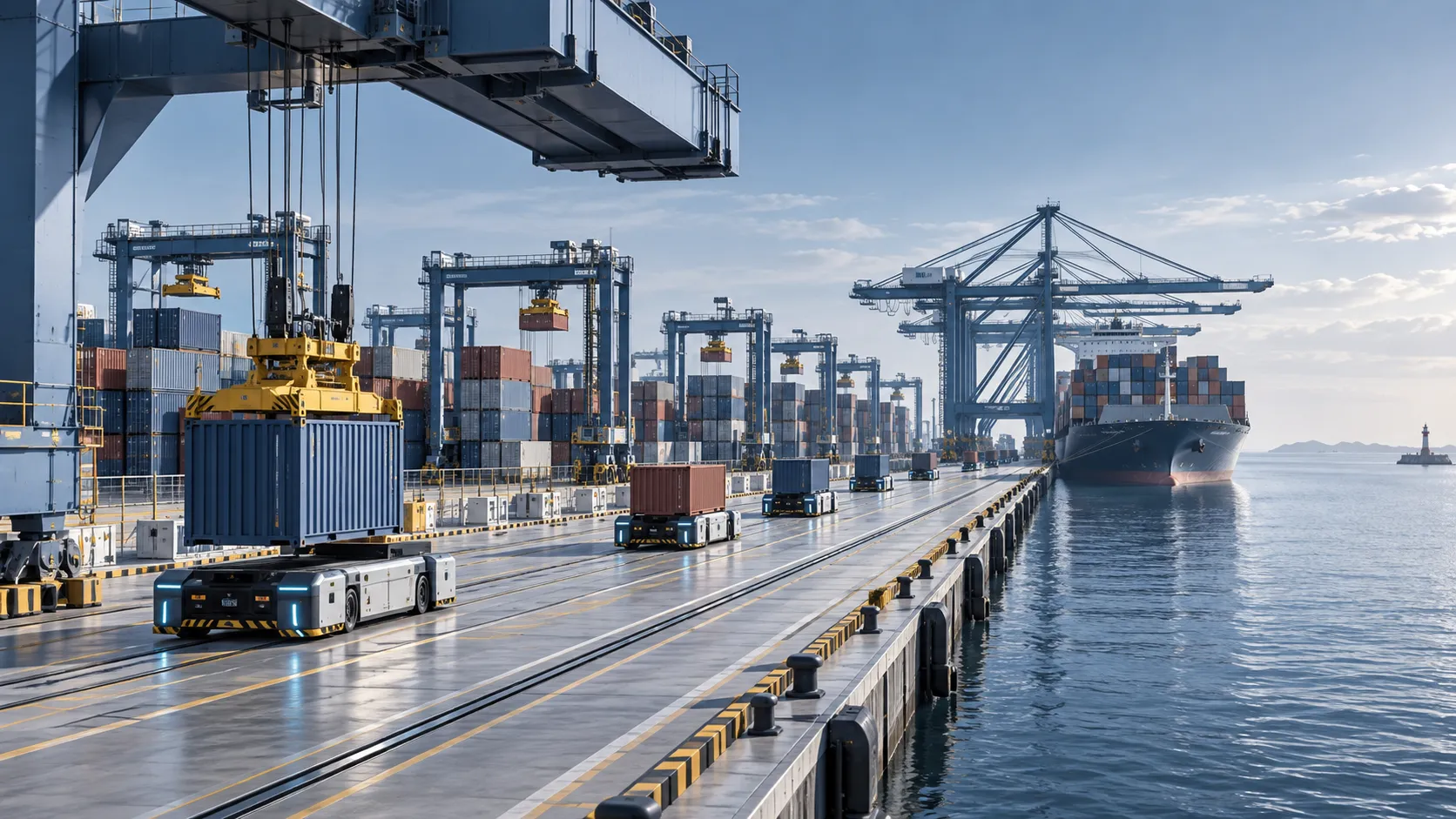
Selecting Automated Cargo Handling Systems for Terminal Throughput and Yard Limits
Automated cargo handling systems for maritime terminals: learn how to balance berth throughput, yard limits, automation software, and lifecycle costs for smarter terminal decisions.
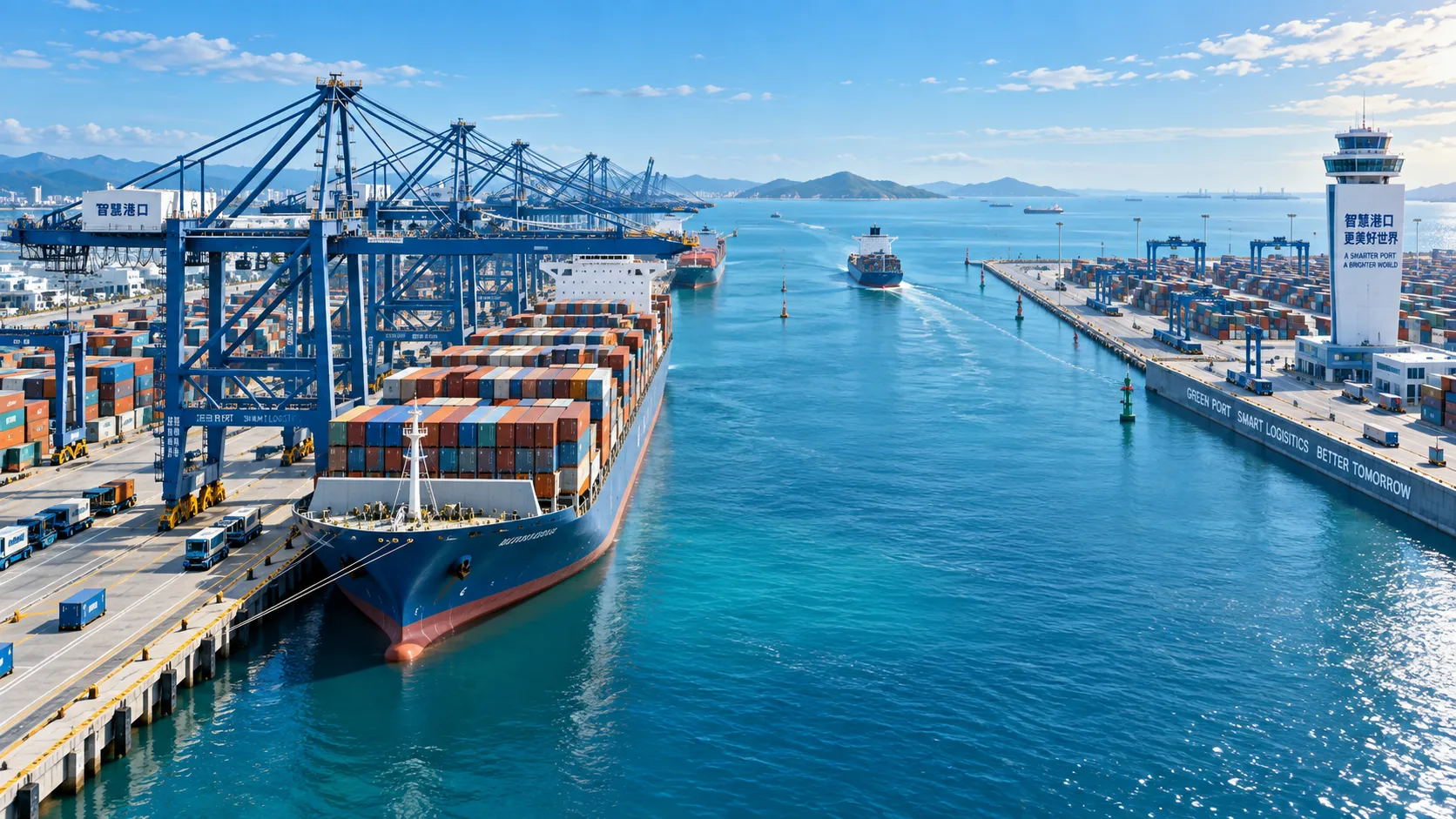
Smart Port Solutions for Berth Planning: Reducing Vessel Wait Times and Conflicts
Smart port solutions for berth planning reduce vessel wait times, prevent conflicts, and optimize quay, crane, and yard resources for faster turnarounds.
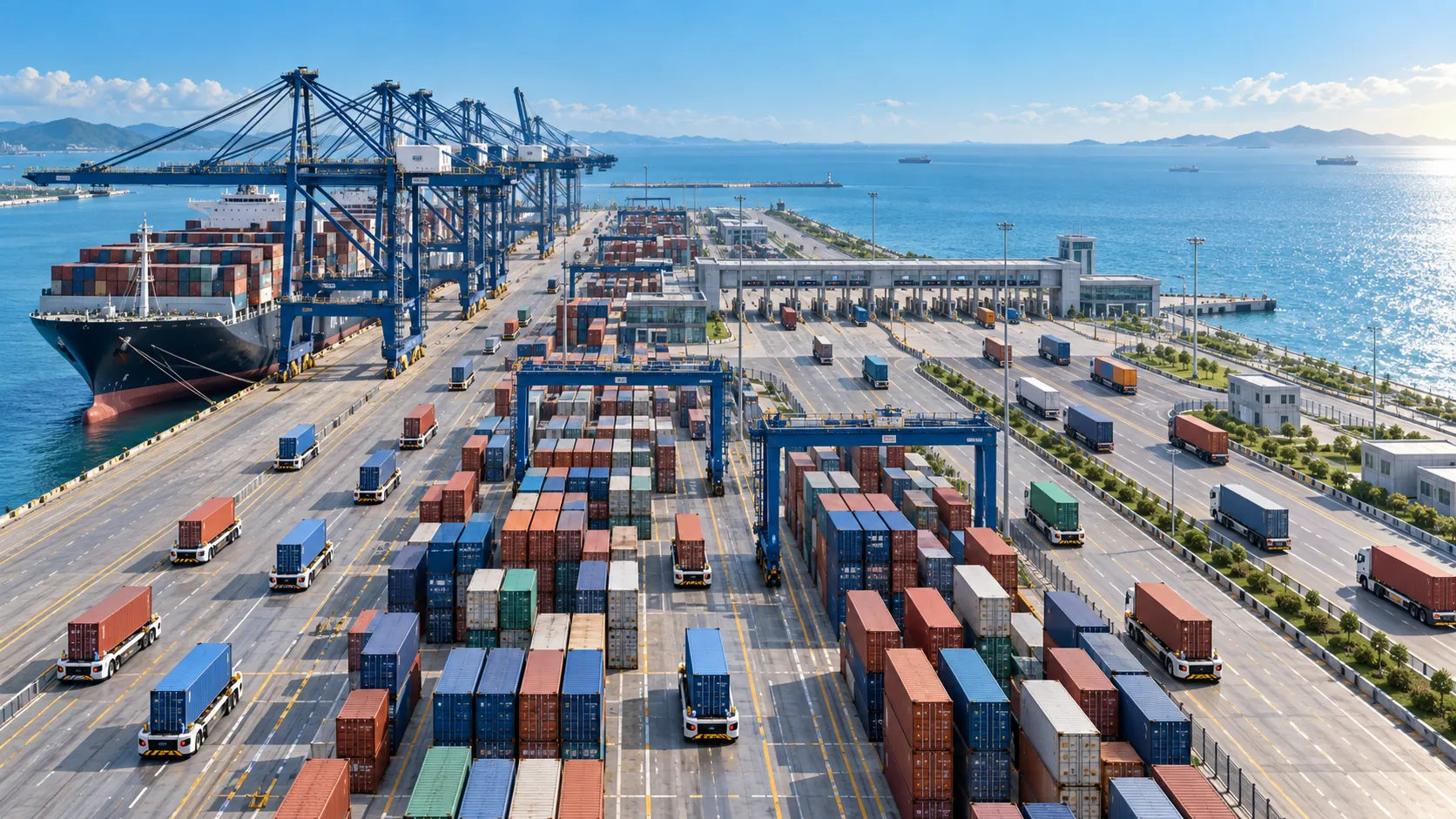
How AI Scheduling Improves Berth, Yard, and Gate Coordination at Terminals
Terminal automation systems with AI scheduling align berth, yard, and gate operations to reduce congestion, improve throughput, and strengthen terminal resilience.