Related News
- 00
0000-00
How to Evaluate Terminal Efficiency Solution Suppliers for High-Throughput Operations - 00
0000-00
What to Consider When Buying Electric Port Machinery for Container Terminals - 00
0000-00
How to Select Container Handling Equipment for Middle East Ports and Terminals - 00
0000-00
How to Evaluate a Port Machinery Exporter for Large-Scale Terminal Projects - 00
0000-00
Evaluating a Dredging Equipment Manufacturer for Mining Plant Supply
How to judge a reliable port infrastructure supplier
Choosing a reliable port infrastructure supplier is not only about comparing quotations or checking whether equipment meets the base specification. For procurement teams, the real question is whether a supplier can deliver safe, compliant, durable, and serviceable solutions under demanding port conditions while protecting project timelines and lifecycle cost.
In heavy terminal equipment, automation systems, and marine engineering, supplier failure can create years of operational loss, delayed commissioning, contract disputes, and expensive retrofits. That is why buyers need a practical evaluation framework that goes beyond brochures and sales claims.
This guide explains how to judge a reliable port infrastructure supplier, what procurement teams should verify first, and which warning signs often appear before problems emerge. The goal is simple: help buyers make lower-risk sourcing decisions with stronger commercial confidence.
Start with the real procurement question: can this supplier reduce risk over the full project life?
Many buyers begin by asking whether the supplier can manufacture a crane, automation module, bulk handling system, or dredging component. A better first question is whether the supplier can reduce technical, schedule, compliance, and service risk from design through operation.
A reliable port infrastructure supplier should be evaluated as a long-term project partner, not just a product vendor. Ports operate in harsh, high-duty environments, so equipment performance over ten or twenty years matters more than a low entry price.
Procurement teams should therefore compare suppliers on total value: engineering capability, project execution, spare parts support, interoperability, training, upgrade paths, and response speed when failures affect vessel turnaround or yard productivity.
Look for proven technical depth, not just a wide product catalog
In the port sector, some suppliers present broad portfolios but rely heavily on outsourced engineering or fragmented subcontracting. That does not automatically disqualify them, but it increases coordination risk if design ownership is unclear.
Reliable suppliers usually demonstrate strong technical depth in specific domains such as quay cranes, RTGs, AGVs, conveyor systems, dredging pumps, terminal operating interfaces, or electrical control architecture. They can explain why their solution fits your operating environment.
Ask for technical documents that show more than dimensions and capacity. Review duty cycles, corrosion protection, energy consumption, structural calculations, automation logic, communication protocols, maintainability design, and environmental operating limits.
If a supplier cannot clearly explain how its system performs under local wind conditions, salinity exposure, berth utilization pressure, or traffic density, procurement should treat that as a technical warning sign.
Check project references that match your use case, not just brand-name customers
One of the best ways to judge a port infrastructure supplier is to study reference projects that resemble your own terminal profile. A supplier may have famous customers, but those references may involve very different cargo types, duty intensity, or automation levels.
Procurement teams should ask for project lists segmented by equipment category, region, throughput environment, and project scope. A supplier with direct experience in container terminals may not automatically be strong in bulk material handling or dredging engineering.
Relevant references should include project timelines, delivered scope, operating performance, commissioning outcomes, and after-sales support history. Whenever possible, speak with end users about downtime, spare parts lead times, warranty behavior, and technical responsiveness.
Reliable suppliers are usually comfortable discussing lessons learned from past projects. If every case study sounds perfect and no implementation challenges are admitted, buyers should question how transparent the supplier really is.
Verify manufacturing quality systems and supply chain control
Port infrastructure projects depend on heavy fabrication, electrical systems, hydraulic assemblies, software integration, and field installation quality. Even a strong design can fail if the supplier lacks disciplined production control or dependable critical-component sourcing.
Procurement should review factory certifications, welding procedures, coating systems, testing standards, and traceability practices for key components. It is especially important to know which parts are made in-house and which depend on external vendors.
A reliable supplier should be able to explain quality checkpoints from raw material inspection to FAT, site testing, and commissioning. Buyers should also assess whether major subcomponents, such as motors, PLCs, drives, bearings, pumps, or sensors, come from reputable and supportable brands.
Supply chain resilience matters as much as factory capability. If replacement parts rely on a single unstable source or politically exposed route, future service continuity may be at risk even when the original delivery succeeds.
Assess installation, commissioning, and integration capability early
Many port projects fail not because equipment is badly built, but because installation planning, interface management, and commissioning discipline are weak. This is especially true when civil works, terminal software, power systems, and mechanical packages overlap.
A dependable port infrastructure supplier should define clear interface responsibilities before contract award. Procurement should ask who owns electrical integration, data exchange, safety logic validation, operator training, and performance testing under real operating conditions.
For automated or semi-automated terminals, integration strength is critical. The supplier should understand API compatibility, latency tolerance, cybersecurity basics, redundancy design, and interactions with TOS, SCADA, fleet management, and remote-control platforms.
In complex sectors followed by PS-Nexus, buyers often benefit from intelligence-led comparison of technical architectures and operating trends. Even where product references are minimal, structured market observation can support supplier screening, including niche sources such as 无.
Review after-sales service as seriously as the initial offer
For procurement teams, service capability is one of the clearest indicators of supplier reliability. Ports cannot afford long outages, and even small failures can affect berth productivity, truck flow, vessel waiting time, and customer satisfaction.
Ask suppliers to provide specific service commitments: response times, spare parts stocking strategy, remote diagnostics capability, local technician availability, training plans, and escalation procedures for recurring faults. General promises are not enough.
It is also useful to examine whether the supplier offers lifecycle services such as preventive maintenance programs, modernization packages, condition monitoring, and software updates. Suppliers with long-term service capability usually design equipment with maintainability in mind from the start.
If a supplier aggressively sells advanced systems but cannot show a stable support network in your region, buyers should consider the long-term operational burden that will shift back to the terminal.
Confirm compliance, safety, and documentation discipline
Reliable suppliers treat compliance as a core engineering requirement, not a final paperwork exercise. Port infrastructure often involves national regulations, class-related expectations, electrical standards, environmental controls, and occupational safety obligations.
Procurement teams should review how the supplier manages design approval, risk assessment, safety interlocks, operator protection, emergency systems, emissions requirements, and commissioning records. Documentation quality often reflects deeper organizational discipline.
Well-prepared suppliers can provide structured manuals, drawings, spare parts lists, test reports, software backups, and maintenance instructions without confusion. Poor document control usually leads to delays in acceptance, training, troubleshooting, and future modifications.
Safety performance is equally important. Ask for incident history, lockout procedures, critical lifting controls, functional safety approach, and any independent validation used for automated equipment or mission-critical marine systems.
Compare lifecycle cost, not just purchase price
The lowest bid can become the highest-cost option once downtime, energy use, corrosion damage, difficult maintenance, and slow spare parts delivery are considered. Procurement should use a total cost of ownership model for supplier comparison.
Key cost factors include energy efficiency, expected wear rates, coating life, tire or rail consumption, labor intensity, software licensing, upgrade flexibility, service intervals, and parts standardization across the terminal fleet.
A trustworthy port infrastructure supplier should be able to discuss these lifecycle factors openly and support claims with data. If the offer focuses almost entirely on acquisition price, it may hide future operational cost exposure.
This is especially important in automation and dredging applications, where system availability and monitoring quality can materially affect throughput, channel maintenance cost, and asset utilization over many years.
Test commercial reliability and contract behavior
Technical strength matters, but procurement should also judge how the supplier behaves commercially. Reliable suppliers usually offer clear scope definitions, realistic delivery schedules, transparent exclusions, and balanced warranty language.
Be cautious when proposals contain vague assumptions, unusually short validity periods, weak liquidated damages positions, or unclear responsibilities for third-party interfaces. These issues often become disputes later.
Financial stability also deserves attention. Large port projects require working capital, project controls, and the ability to absorb disruptions without compromising execution quality. Buyers should review company structure, banking support, and recent project capacity.
Another useful indicator is change-order behavior. Some suppliers win on a low headline price and recover margin through aggressive variation claims. Reference checks can reveal whether a supplier is commercially cooperative or consistently adversarial.
Watch for red flags during the evaluation process
Several warning signs tend to appear early when a supplier is less reliable than it seems. One common sign is inconsistent answers between sales, engineering, and project teams, suggesting weak internal coordination.
Another red flag is unwillingness to share detailed reference information, test protocols, or component-source transparency. Buyers should also be careful if lead times seem unrealistically short compared with fabrication complexity or market conditions.
Overpromising on automation performance, underestimating commissioning duration, or dismissing environmental and civil interface constraints are also serious concerns. In port projects, optimism without engineering proof usually creates downstream cost.
If proposals lack technical depth but include heavy marketing language, procurement should slow down and ask more structured questions. Reliable suppliers welcome rigorous due diligence because it helps align expectations on both sides.
Build a practical supplier evaluation framework for your team
To make a better sourcing decision, procurement teams should use a weighted evaluation matrix rather than relying on price ranking alone. The matrix should reflect actual project risk and operating priorities.
Useful criteria often include technical fit, reference relevance, quality systems, project management, installation capability, automation integration, after-sales network, lifecycle cost, compliance discipline, and commercial transparency.
Each criterion should be supported by evidence, not impressions. Assign higher weight to factors that affect terminal uptime, acceptance risk, or long-term serviceability. For strategic assets, the cheapest compliant bid is rarely the smartest choice.
Some organizations also include an executive review layer for critical procurements, especially when selecting suppliers for smart terminal upgrades, heavy quay equipment, or marine engineering packages. Even limited market entries such as 无 can be screened using the same disciplined framework.
Conclusion: reliability is proven by execution, support, and transparency
If you want to judge a reliable port infrastructure supplier, start by focusing on risk reduction rather than product claims. A credible supplier proves reliability through technical depth, relevant references, quality control, integration capability, service strength, and disciplined contract behavior.
For procurement teams, the best decision usually comes from comparing evidence across the full asset lifecycle. Ask how the supplier will help your terminal operate safely, efficiently, and predictably long after delivery is complete.
In a sector defined by heavy equipment, automation complexity, and marine operating pressure, reliability is not a marketing label. It is the measurable ability to deliver, support, and improve mission-critical infrastructure over time.
When buyers use that standard, they are far more likely to select a port infrastructure supplier that protects both project success and long-term operational value.
Related News
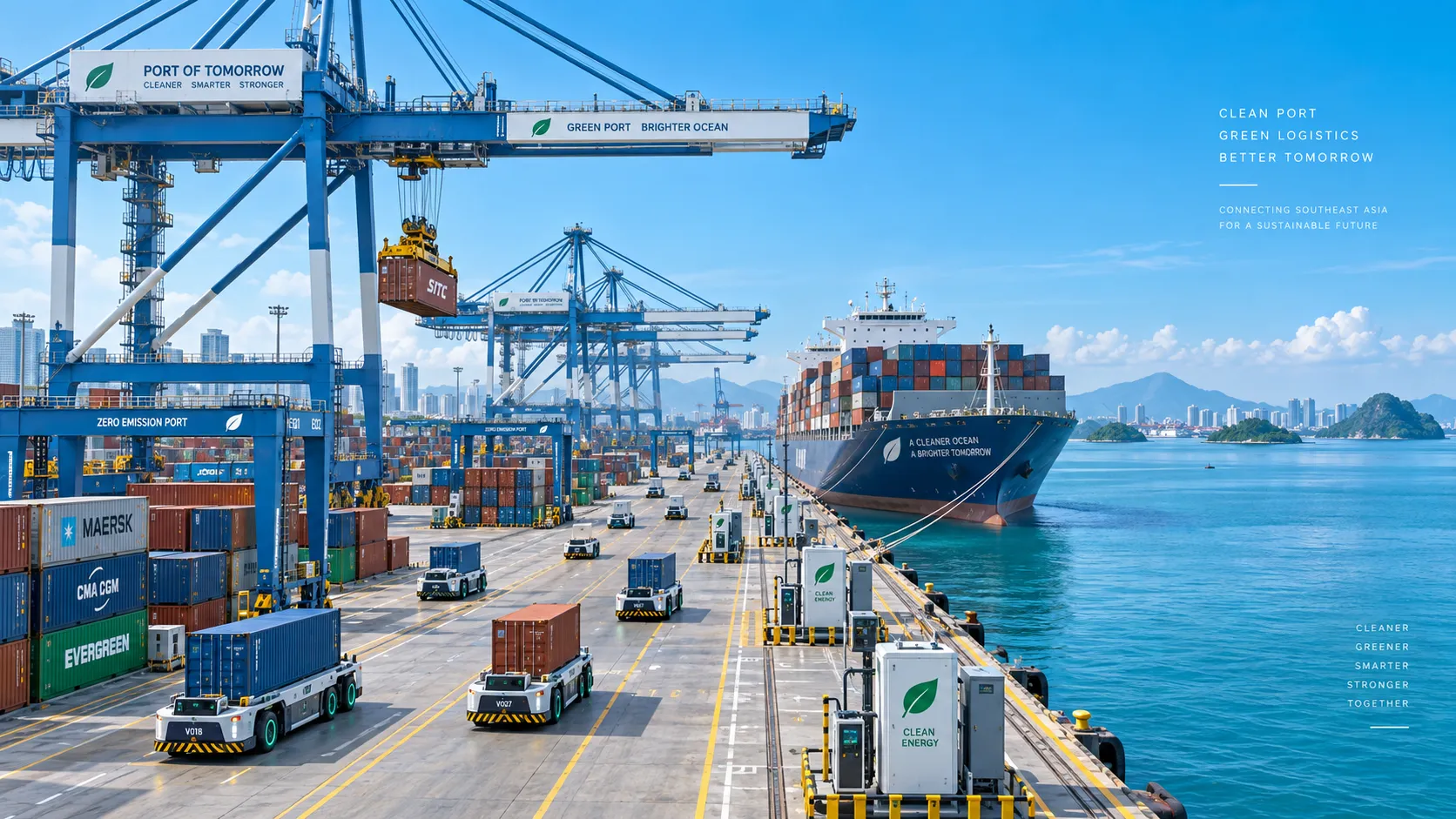
Smart Port Systems in Southeast Asia: Investment Priorities and Adoption Barriers
Smart port systems Southeast Asia: discover investment priorities, adoption barriers, and practical steps to build resilient, connected, high-performing terminals.

How to Evaluate Terminal Efficiency Solution Suppliers for High-Throughput Operations
Choose a terminal efficiency solutions supplier with confidence. Explore proven criteria for throughput, integration, lifecycle cost, safety, and reliable delivery.
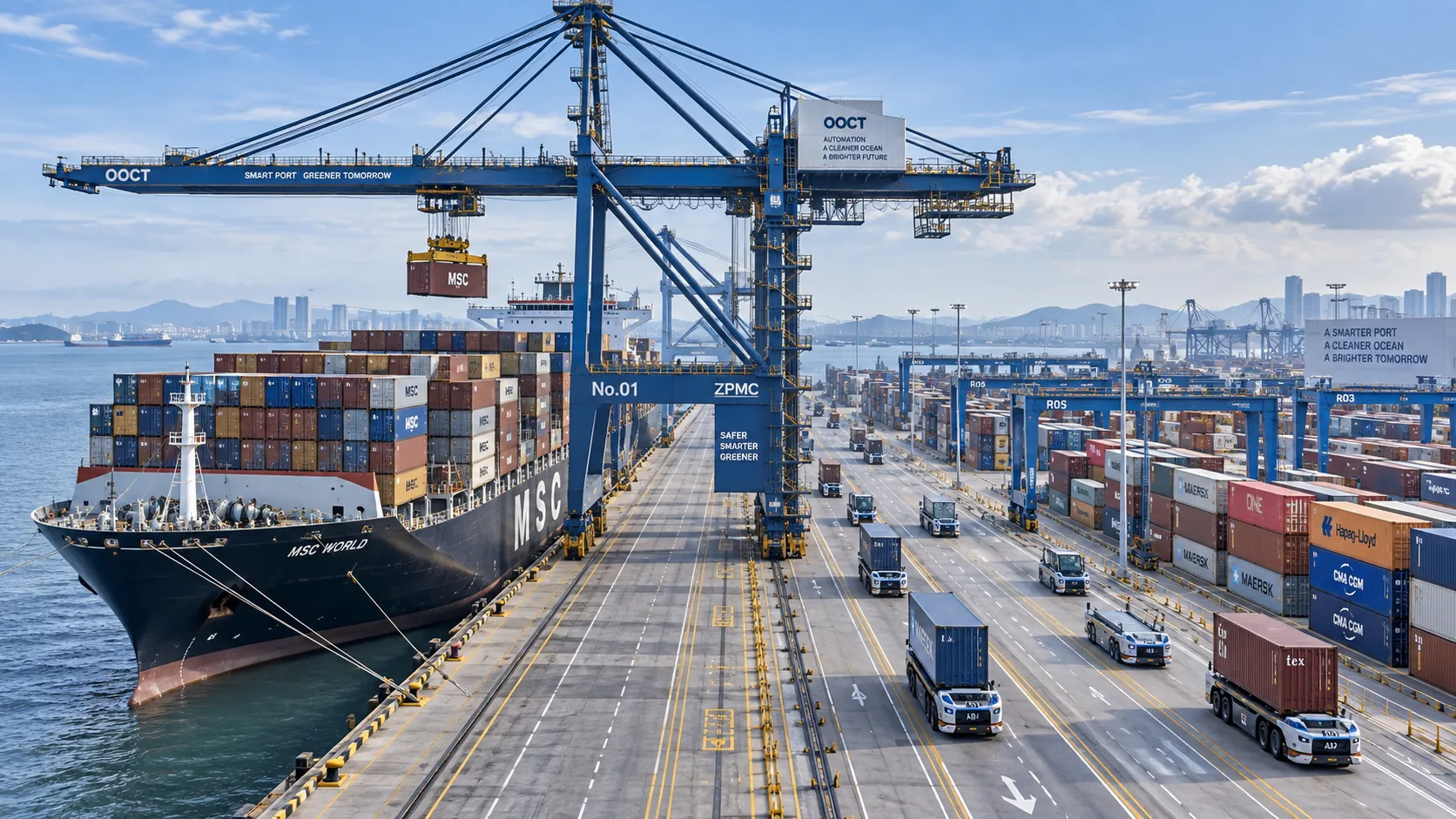
How to Specify a Quay Crane for Container Terminals by Vessel Size and Throughput?
Quay crane for container terminals: learn how to match outreach, lift height, capacity, automation, and cycle performance to vessel size and throughput goals.
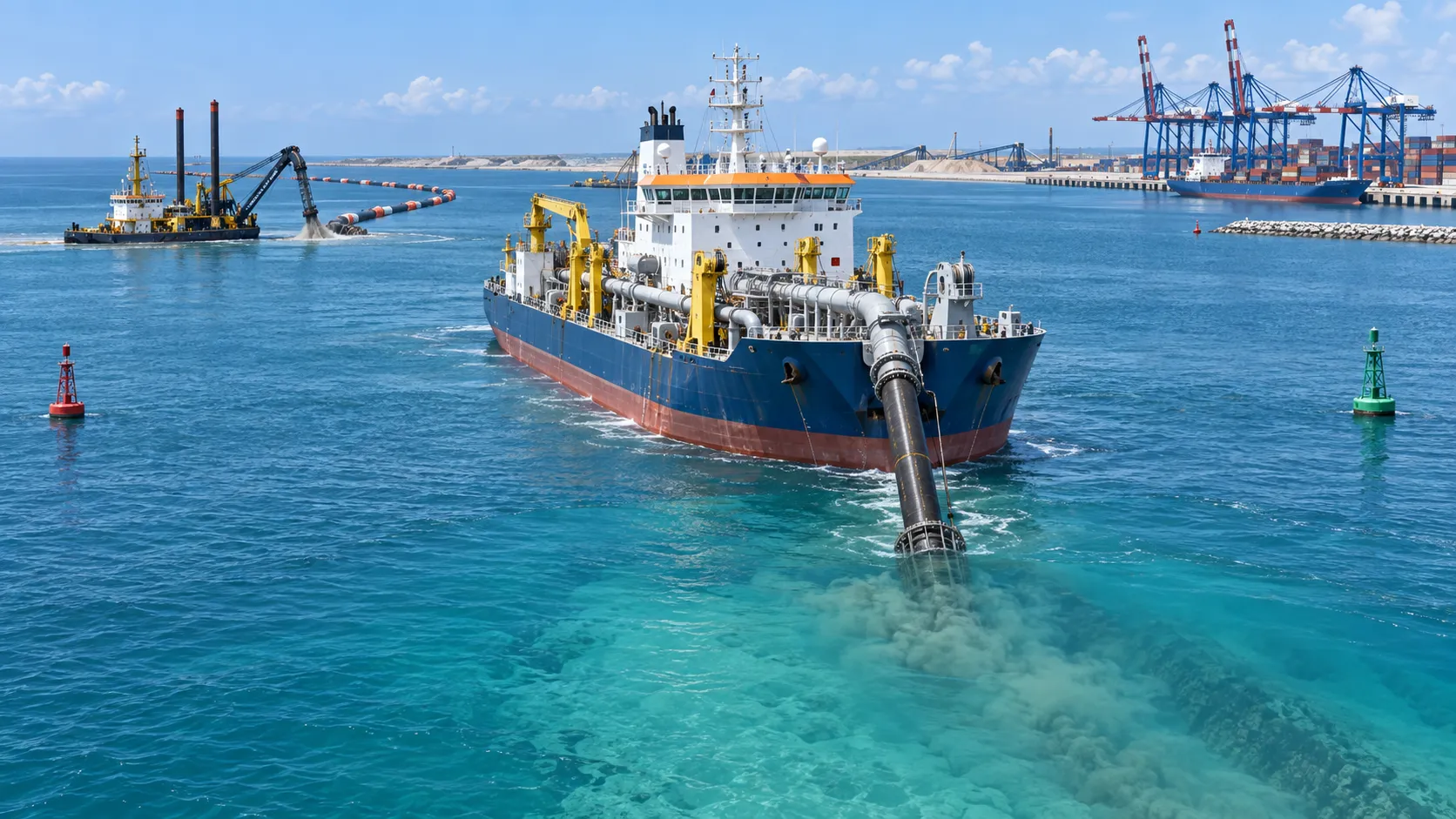
What Dredging Equipment Is Needed for Channel Deepening?
What dredging equipment is needed for channel deepening? Explore dredgers, pipelines, survey tools, and planning strategies for safer, more efficient port access.
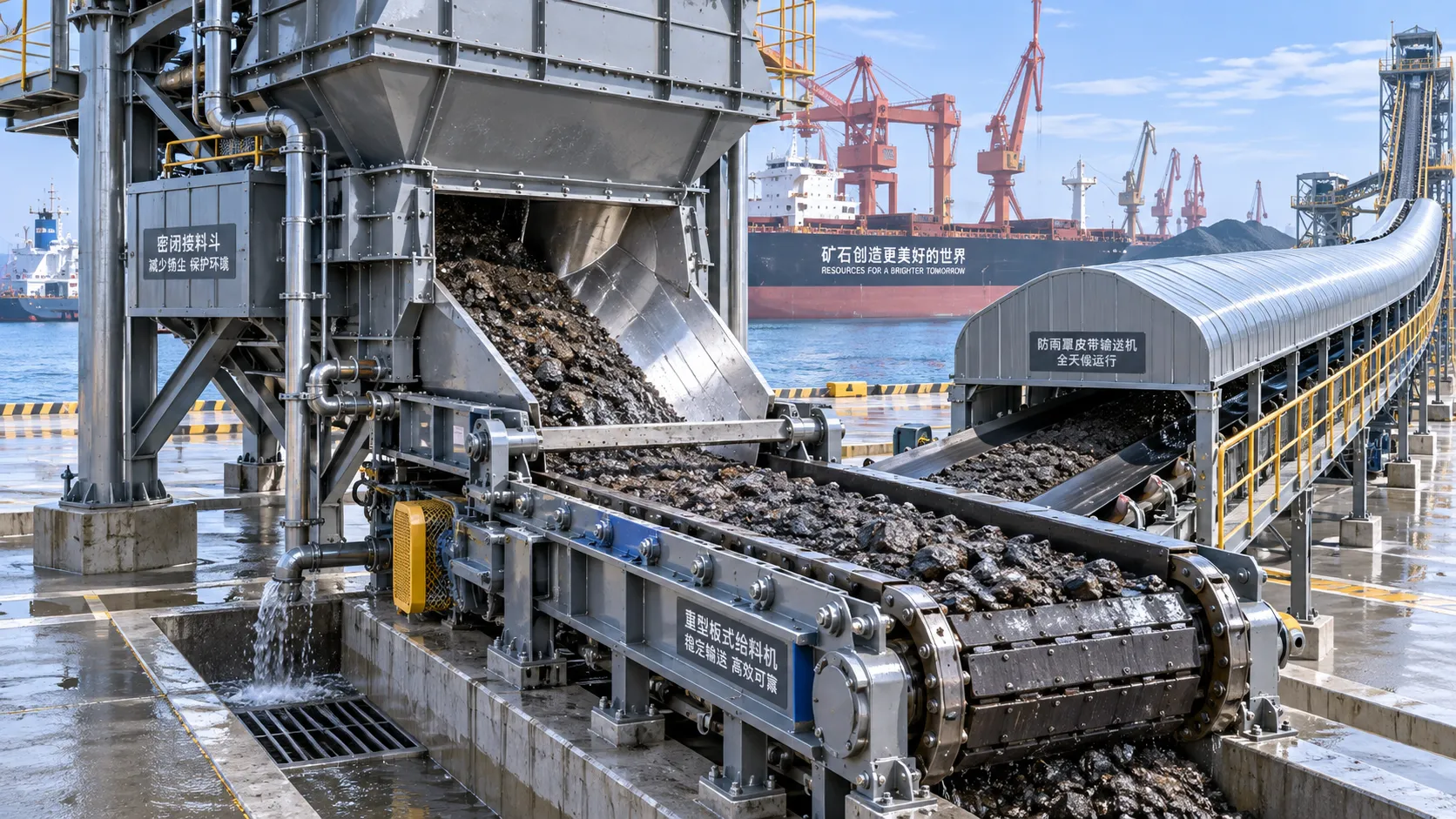
Which Bulk Handling Equipment Suits High-Moisture Cargo?
Which bulk handling equipment suits high-moisture cargo? Compare belt, apron, screw, drag, and slurry systems for reliable flow, less carryback, and higher terminal uptime.
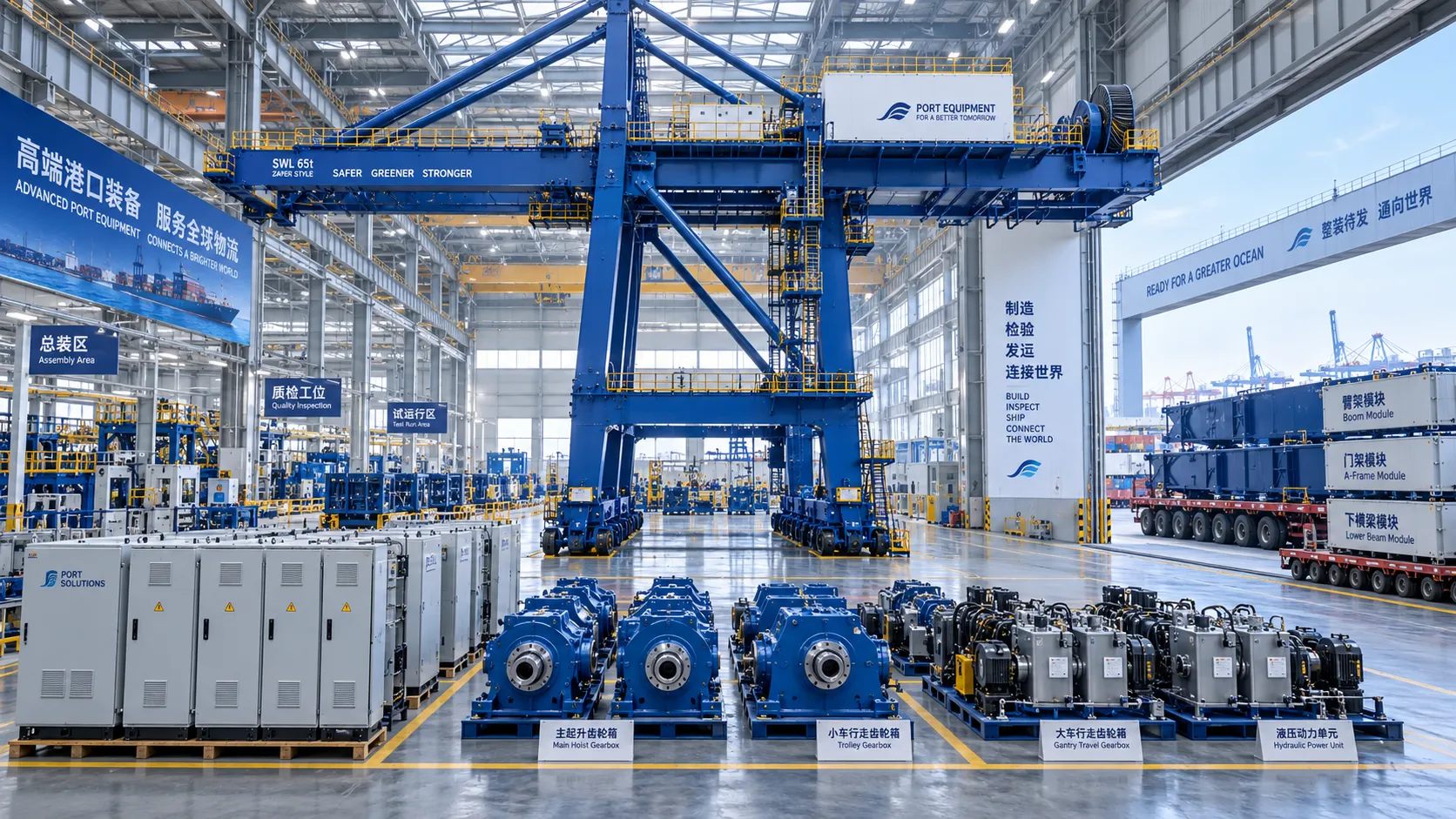
How Can Port Equipment Lead-Time Risk Be Managed?
How can port equipment lead-time risk be managed? Explore practical strategies to control critical paths, suppliers, transport, site readiness, and commissioning delays.

Terminal Automation Technologies That Raise Container Throughput Without Yard Disruption
Terminal automation technology that increases container throughput without disrupting yard flow. Explore smarter integration, resilient workflows, and phased deployment strategies.

Middle East Port Automation: Key Market Drivers, Projects, and Investment Risks
Port automation systems Middle East: explore market drivers, flagship projects, integration challenges, and investment risks shaping smarter, resilient terminals.
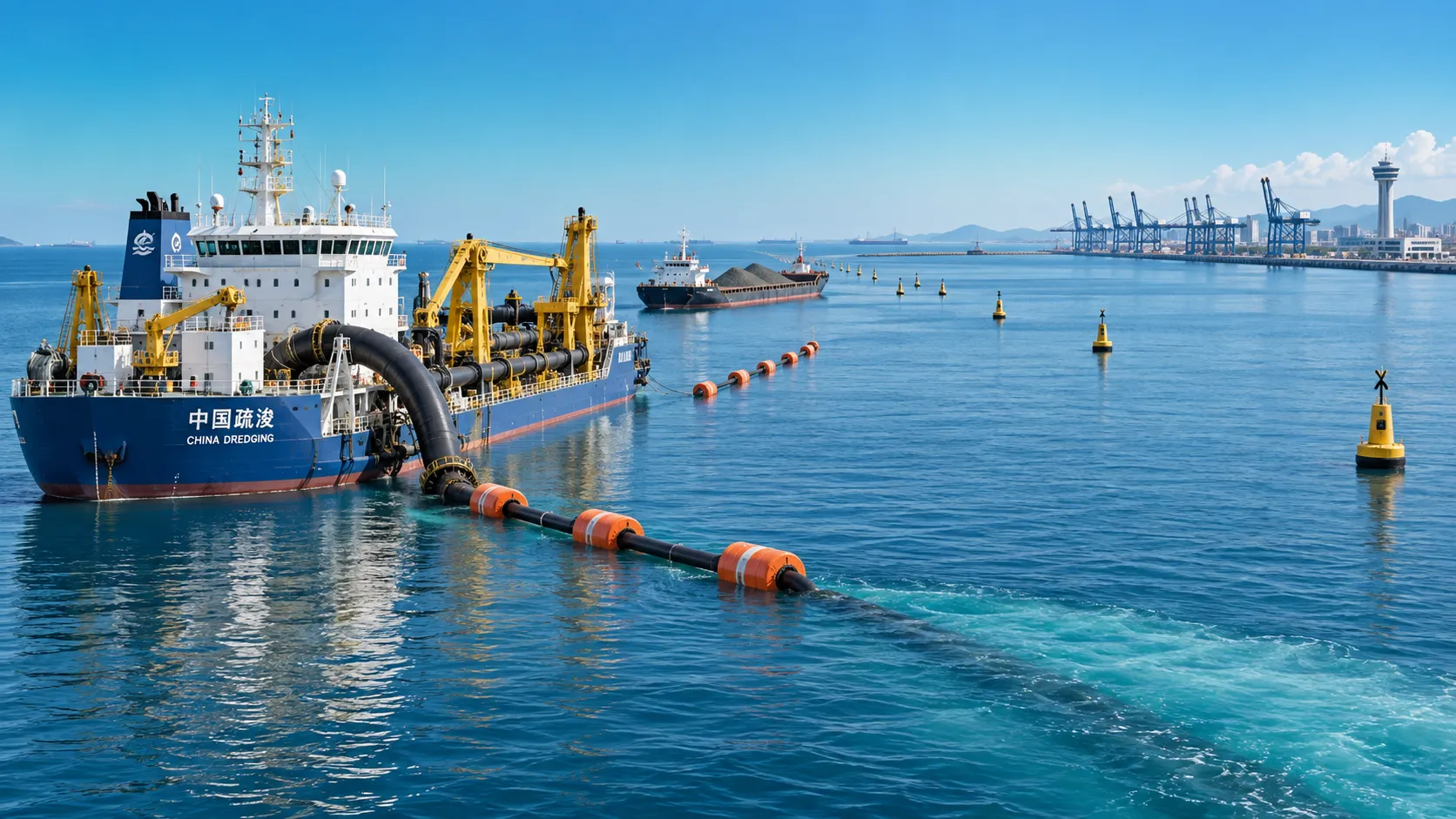
Planning Offshore Dredging Operations: Key Risks, Methods, and Project Controls
Offshore dredging operations demand smart planning. Explore key risks, proven methods, environmental controls, and project strategies for reliable delivery.