Related News
- 00
0000-00
Marine Engineering Solutions Pricing: What Should a Project Quote Include? - 00
0000-00
Terminal Control System Costs: Budgeting Hardware, Integration, and Lifecycle Support - 00
0000-00
Smart Port Systems Pricing: How to Compare Lifecycle Costs and ROI by Terminal Scale - 00
0000-00
What Drives Bulk Material Handling Pricing in Large Conveyor System Projects? - 00
0000-00
How Shipping Rate Analytics in Europe Help Importers Predict Costs and Route Risk
Marine Engineering Solutions Pricing: What Should a Project Quote Include?
A competitive marine engineering solutions price is only meaningful when the quote defines what will be delivered, how performance will be verified, and who pays when conditions change. A usable proposal should cover the design basis, engineering deliverables, equipment, installation, commissioning, approvals, schedule, warranties, and support, with explicit exclusions and commercial terms.
When comparing bids for a berth upgrade, terminal automation package, or dredging project, the lowest total may exclude surveys, temporary works, software integration, or disposal charges that another bidder has included. Those gaps can turn an apparent saving into change orders or delayed operations. Before negotiating the headline price, establish a common scope and separate firm commitments from estimates, allowances, and owner-supplied work.
Start with the design basis, not the equipment list
A quote cannot be dependable if the underlying operating conditions remain undefined. Ask the supplier to identify the specifications, drawings, surveys, and site information used to prepare its offer, including document revisions. Any assumptions made where information is missing should be visible beside the affected scope.
For quay equipment, relevant inputs may include vessel dimensions, outreach, lifting duty, rail geometry, allowable wheel loads, wind conditions, and available electrical supply. An automation package needs defined interfaces with existing terminal systems, communications infrastructure, and operating workflows. Dredging proposals depend on material characteristics, target levels, quantities, access constraints, and the proposed disposal or beneficial-use route.
The quote should state what happens if these inputs prove incorrect. For example, responsibility for confirming an existing structure’s capacity should not remain implicit. Identify who supplies the assessment, when it must be available, and whether modifications are included. Otherwise, an equipment price can be firm while the cost of making the site suitable remains open.
Require a breakdown that exposes scope gaps
A single lump sum may be acceptable as a contract price, but it is insufficient for evaluating scope completeness. Request a supporting breakdown that distinguishes engineering, supply, site activities, and recurring charges. The purpose is not necessarily to obtain every supplier cost; it is to make omissions and overlapping responsibilities visible.
Require quantities and units wherever payment depends on measured work. Dredging quantities, cable lengths, specialist attendance days, and equipment rental periods need stated measurement rules. An attractive unit rate is difficult to evaluate without knowing which activities it includes and how payable quantities will be established.
Make engineering deliverables contractual
“Engineering included” does not identify the design work being purchased. The offer should list applicable deliverables, such as structural calculations, geotechnical interpretations, equipment layouts, electrical diagrams, control narratives, interface schedules, and operation manuals. Specify the required formats and whether editable files are included.
Review obligations also affect cost. Clarify which parties review each submission, the assumed review period, and how comments are resolved. Distinguish corrections needed to meet the agreed requirements from owner-requested changes. Where existing equipment is involved, establish who verifies field dimensions and reconciles discrepancies with legacy drawings.
Price the work between delivery and operational use
Delivery to port is not the same as readiness for service. Heavy equipment may need unloading, assembly, lifting arrangements, alignment, electrical connections, and load testing. Marine works may require working platforms, support vessels, navigation coordination, or temporary protection. Each activity needs a responsible party and an identified price basis.
An interface schedule is useful when several contractors share the site. It should identify who provides foundations, rails, ducts, power, network connections, access routes, and installation resources. Check both sides of every boundary: a supplier excluding cabling and a civil contractor excluding equipment connections can leave the same task unpriced.
For automation, distinguish hardware installation from operational integration. Confirm responsibility for interface development, data mapping, software configuration, cybersecurity requirements, system testing, and licenses. A proposal that connects equipment to a network does not necessarily include integration with terminal dispatch or maintenance systems.
Live-terminal conditions need explicit assumptions about shutdown windows, working hours, security access, and segregation from operating traffic. The quote should explain how restricted access or unavailable work areas affect standby charges and completion dates, rather than leaving those consequences to later negotiation.
Resolve marine and dredging uncertainties before calling a price fixed
Some marine risks cannot be eliminated during tendering, but they can be allocated clearly. Ground conditions, underwater obstructions, sediment characteristics, weather exposure, and disposal acceptance can materially change execution costs. A fixed price based on narrow assumptions does not remove these uncertainties; it may simply transfer them into exclusions.
For dredging, request a stated survey basis, quantity calculation method, target depth, tolerances, and treatment of overdepth. Clarify whether payment uses in-situ measured volume or another defined basis. Bulking, transport distance, dewatering, and disposal charges should not be left for either party to interpret.
- Ground conditions: identify the information supporting the selected method and the procedure for materially different conditions.
- Obstructions: define whether debris, boulders, or unidentified underwater objects are included or separately valued.
- Environmental controls: allocate monitoring, sampling, mitigation, and reporting duties.
- Weather and standby: state the operational assumptions, applicable standby rates, and conditions for schedule relief.
Where evidence is insufficient, request targeted investigation or a transparent provisional allowance rather than an unsupported fixed commitment. Any allowance should identify what it covers, how expenditure is authorized, and how the final amount will be reconciled.
Specify approval duties and acceptance evidence
“Compliant with applicable requirements” is too broad to establish a reliable budget. The quote should identify the governing technical requirements and anticipated approval process for the location and asset. Allocate responsibility for submissions, supporting calculations, inspections, authority fees, and responses to review comments.
Approval obligations vary with the project. Port authority requirements, environmental permissions, electrical inspections, and classification involvement may apply, but should not be assumed universally. Have the project’s responsible engineering and permitting leads confirm the approval matrix before award.
Acceptance criteria deserve equal attention. Define factory testing where applicable, site acceptance testing, commissioning, and operational demonstration as distinct activities. Identify who supplies test loads, vessels, utilities, operators, instruments, and witnessing personnel.
A throughput commitment, for example, needs a defined operating configuration and measurement method. Dredging completion needs an agreed survey and acceptance procedure. Include the treatment of failed tests, corrective work, retesting, and outstanding minor defects so payment is tied to verifiable completion rather than an undefined “successful commissioning” milestone.
Read the commercial terms as part of the price
Two technically comparable proposals can carry different financial exposure. Currency, validity period, escalation, taxes, duties, payment timing, and delivery terms all affect the buyer’s eventual cost. Where Incoterms are used, identify the rule, named place, and edition; separately confirm obligations such as unloading and installation.
Payment milestones should correspond to identifiable progress or deliverables. Review the proposed advance, manufacturing payments, shipment payment, and acceptance balance against the protection provided by agreed security, title provisions, or retention. Payment, ownership, custody, and risk transfer may occur at different points and should be addressed separately.
Ask for a written variation procedure covering authorization, supporting evidence, labor and equipment rates, markups, and schedule effects. Unpriced changes should not proceed merely because a site instruction was informal. Also check delay provisions, liability limits, insurance responsibilities, and termination charges for consistency with the intended risk allocation.
Contingency should be distinguishable from a supplier allowance. The buyer may retain contingency for residual project risks, while an allowance funds a defined but unresolved scope item. Combining them obscures both the expected contract value and the budget available for uncertainty.
Separate warranty promises from support costs
A warranty needs a start date, duration, coverage boundary, and remedy process. Confirm whether it begins at shipment, installation, or acceptance, and whether prolonged storage changes coverage. For marine equipment, exclusions concerning corrosion, wear, consumables, and operating conditions deserve close examination.
“Parts covered” may still leave the owner paying for technicians, travel, lifting equipment, vessel access, or freight. Ask which costs are included in a valid claim and whether response commitments concern acknowledgment, remote diagnosis, attendance, or restoration. These are different service obligations.
Evaluate support beyond warranty using a stated operating profile. Request recommended spares, maintenance intervals, training scope, software subscription terms, and any required specialist tools. Compare operating costs only where bidders disclose comparable assumptions about duty, utilization, energy consumption, and maintenance. Unsupported lifetime-saving claims should not offset a documented purchase cost.
Normalize bids before negotiating the award
Build a comparison sheet using one scope structure and a common pricing date. For each bidder, record the offered amount, exclusions, provisional sums, recurring charges, and buyer-funded interfaces. Keep confirmed adjustments separate from unresolved risks so an estimated allowance is not mistaken for a supplier commitment.
- Issue the same clarification questions to bidders wherever requirements are shared.
- Obtain priced additions for missing mandatory scope and identify optional enhancements separately.
- Align delivery boundaries, operating assumptions, acceptance tests, and warranty start points.
- Calculate a comparable acquisition cost, including owner-side work, logistics, taxes, and commissioning resources without double-counting.
- Evaluate lifecycle costs separately over the same period and operating profile, showing uncertainty where inputs remain unverified.
A revised total alone does not close a clarification. Before award, incorporate agreed answers into the contract scope, responsibility schedule, pricing schedule, and document hierarchy. Any remaining unknown should have a named owner, a resolution deadline, and an agreed commercial mechanism. That is what makes a project quote usable as a budget commitment rather than merely an opening offer.
Related News
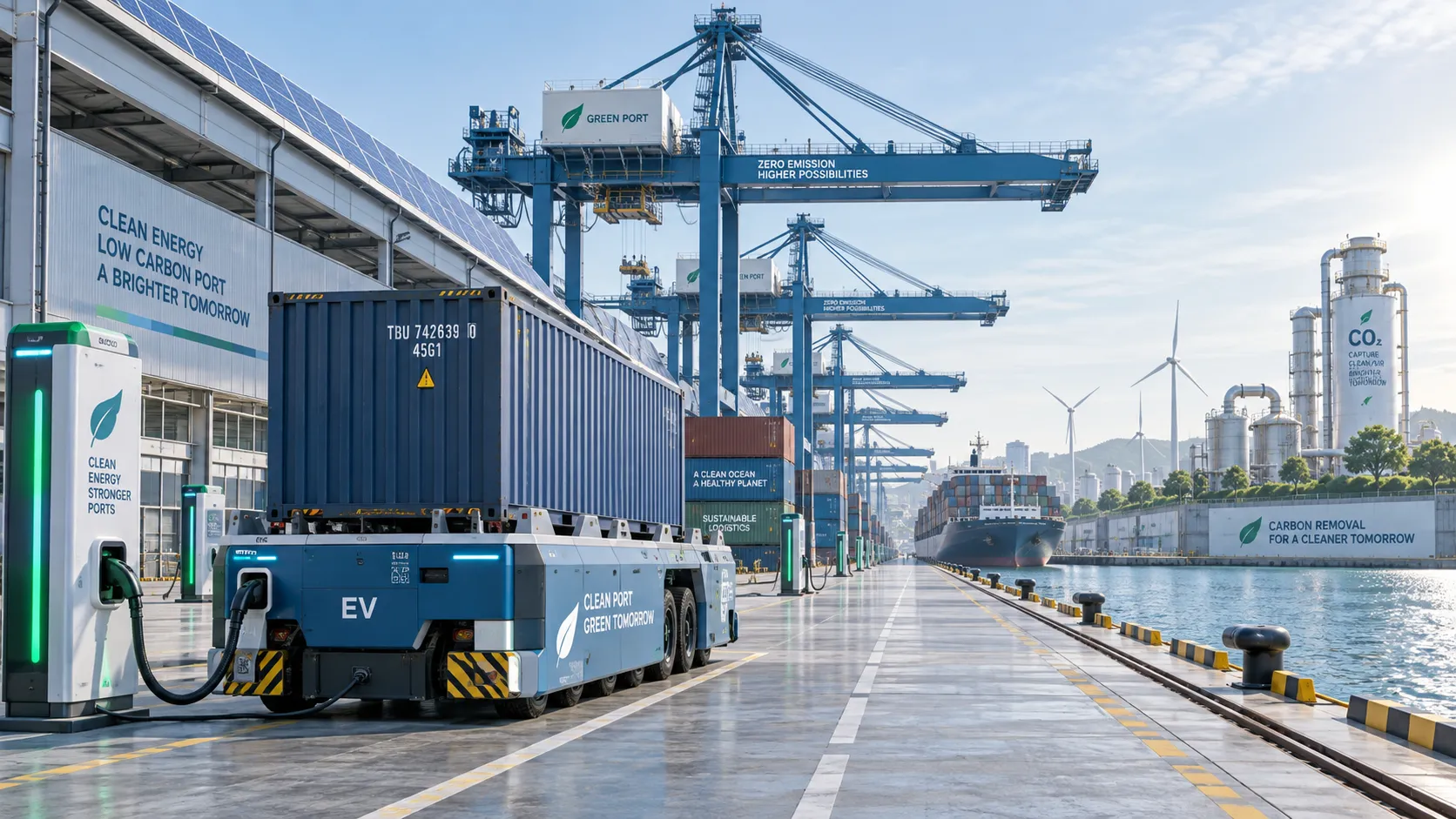
What Does Net-Zero Emissions Mean, and How Does It Differ from Carbon Neutrality?
Discover what net-zero emissions means and how it differs from carbon neutrality. Learn to assess reductions, offsets, and climate claims to make informed business decisions.
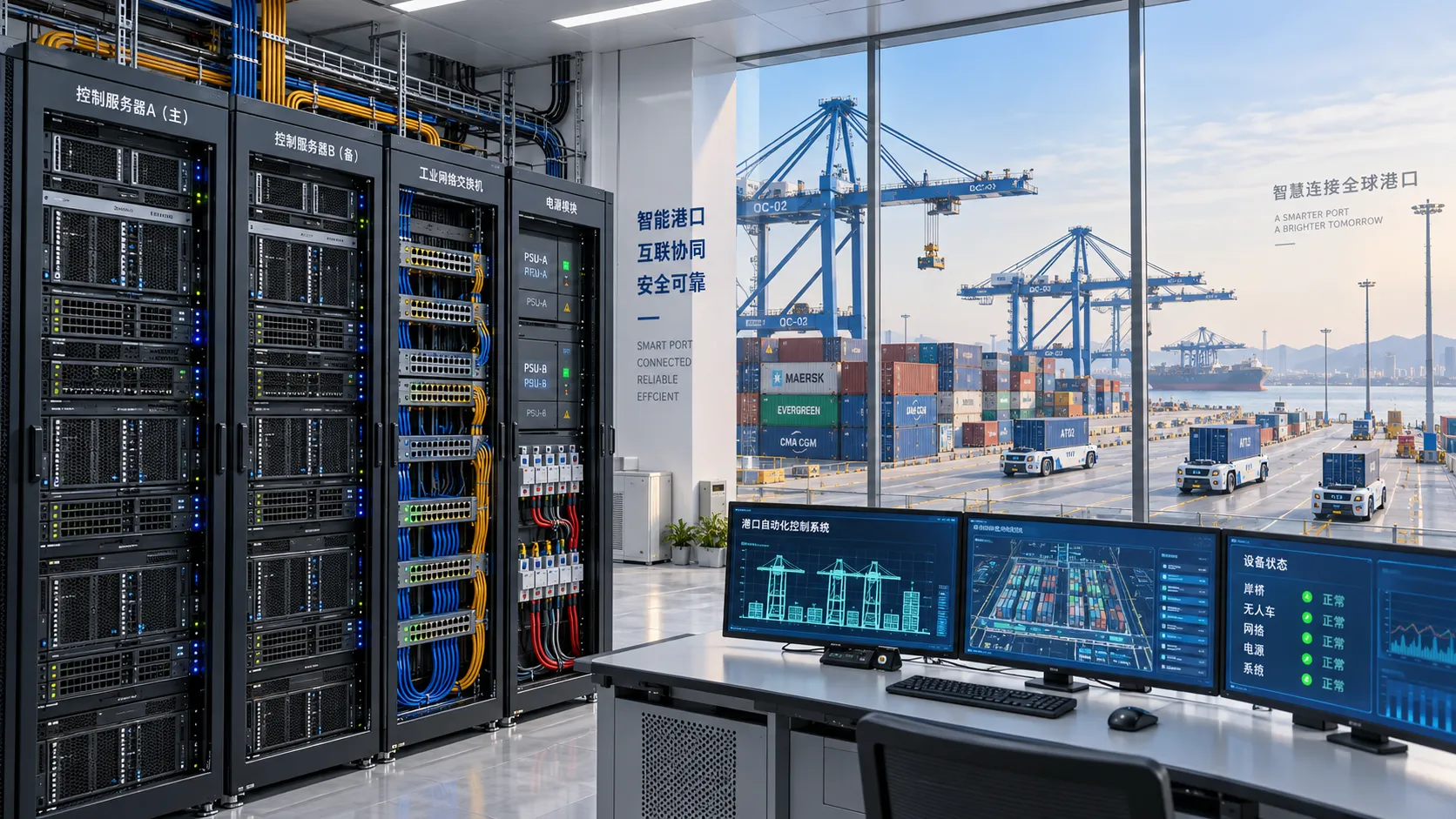
Port Control System Integration Checklist: Compatibility, Security, and Failover
What should be checked before integrating port control systems? Explore a practical checklist for compatibility, security, and failover to reduce risk and commission with confidence.
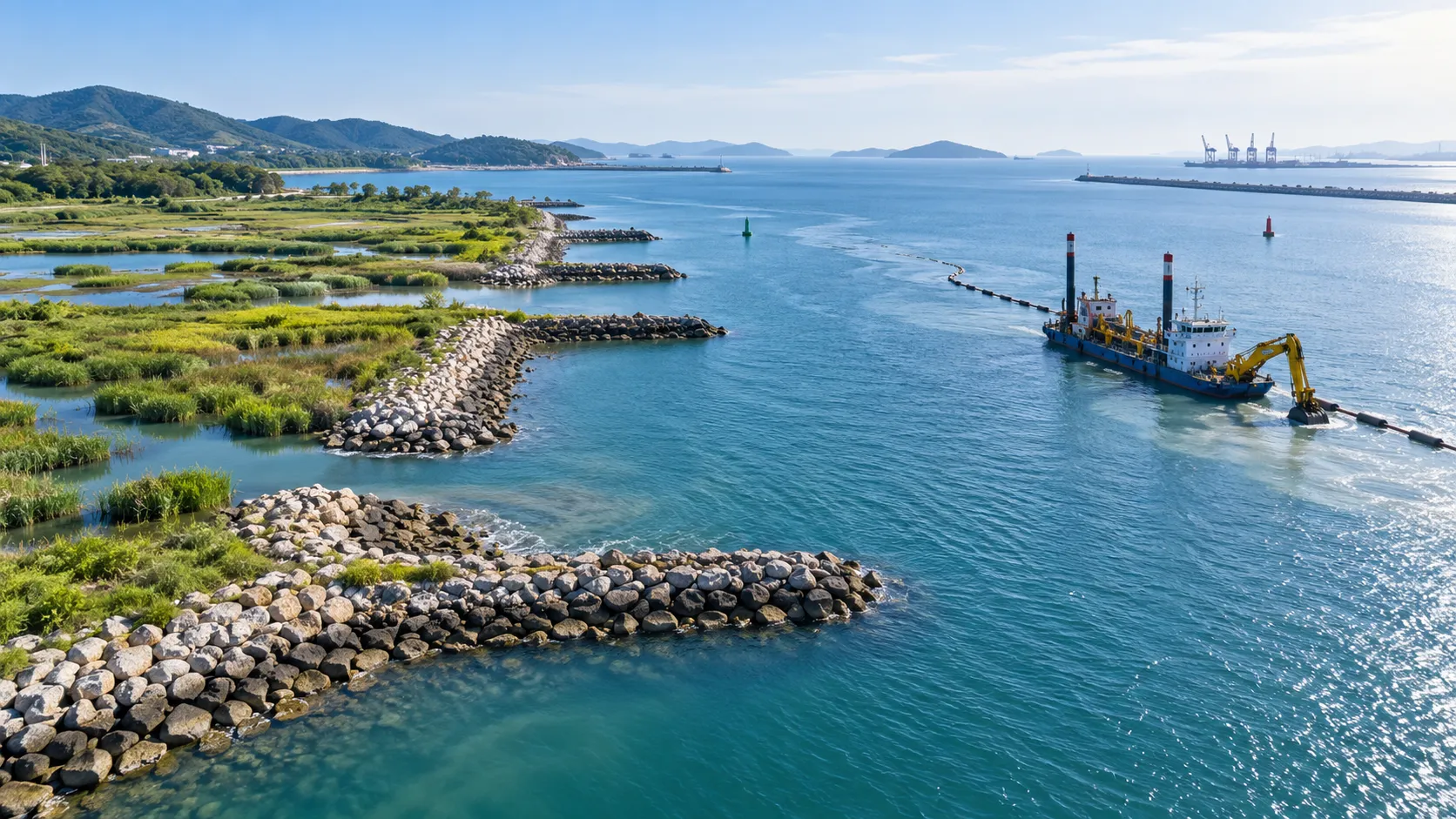
Sustainable Harbor Engineering: Balancing Erosion Control and Habitat Protection
Explore sustainable harbor engineering solutions that balance erosion control, habitat protection, and smarter dredging. Discover practical strategies for resilient harbors.
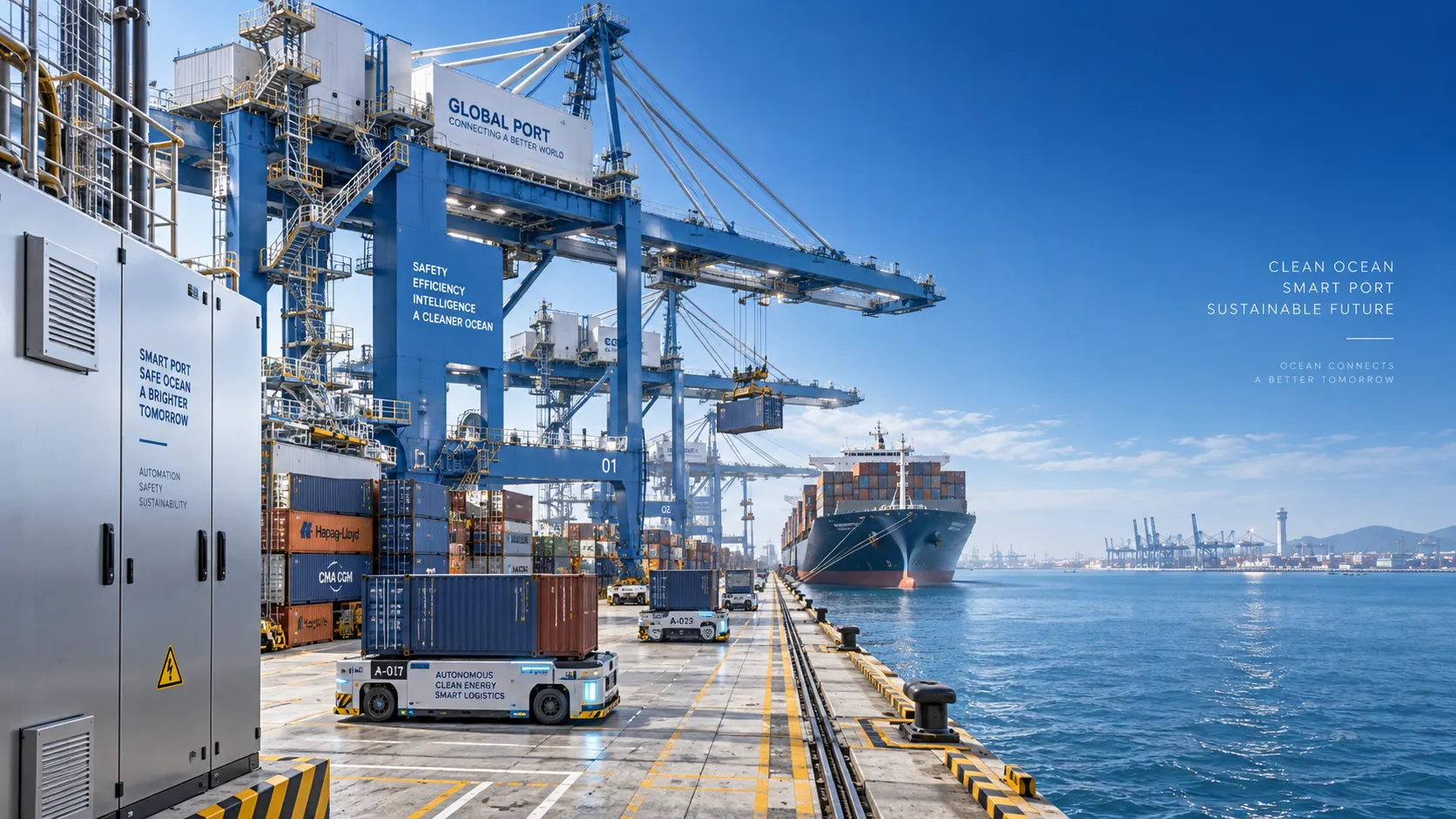
Which ISO Certifications Matter When Specifying Maritime Infrastructure?
Maritime infrastructure ISO certified suppliers: discover which certifications matter, how to assess scope, and what project evidence protects port performance.
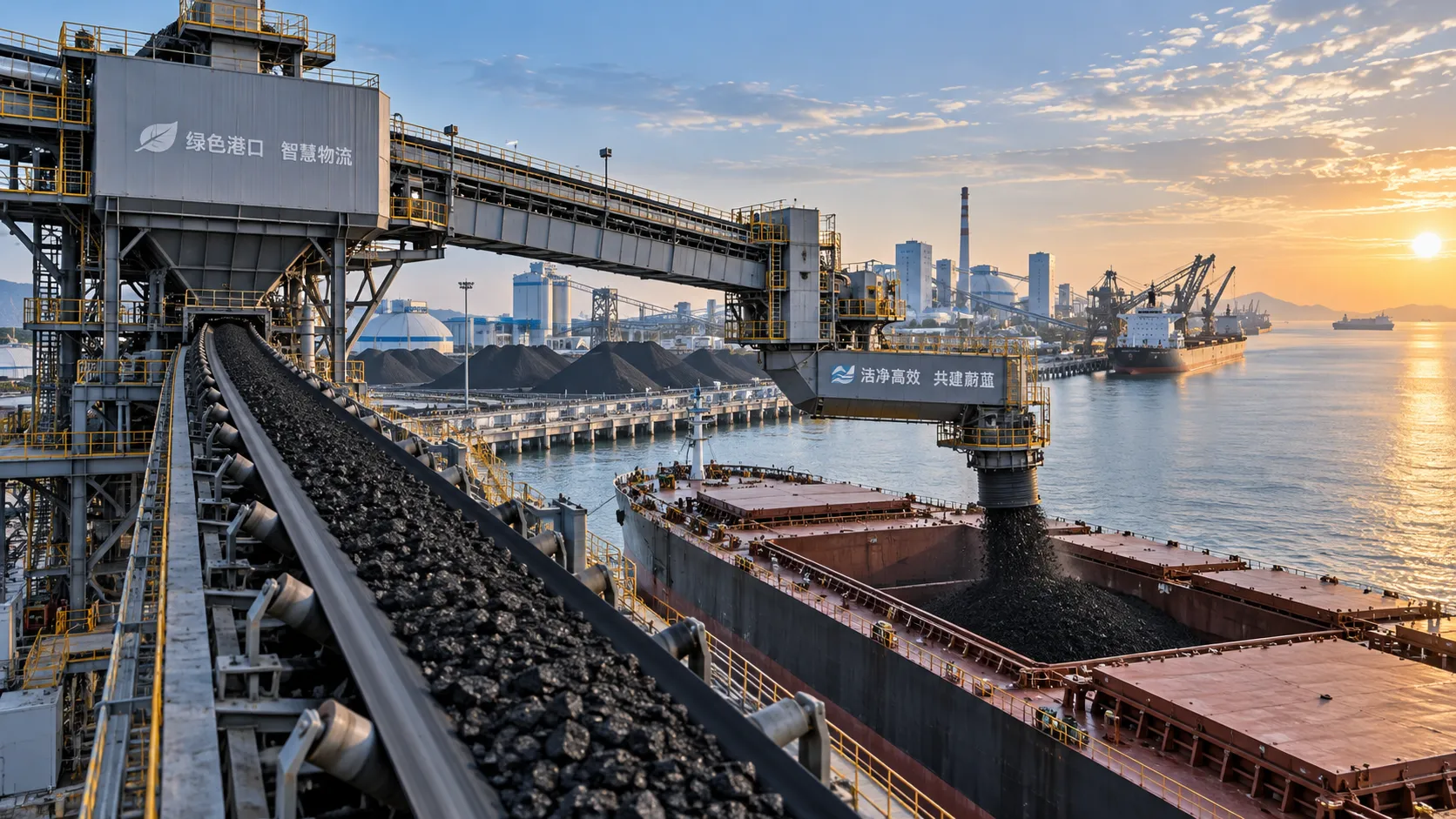
How to Evaluate a Bulk Handling Equipment Exporter for Port and Plant Projects
Bulk handling equipment exporter evaluation guide for port and plant projects—compare engineering, references, delivery reliability, and lifecycle support.

How to Evaluate a Yard Mobility Solutions Manufacturer for High-Throughput Sites
Yard mobility solutions manufacturer evaluation guide for high-throughput terminals: assess performance, integration, service, lifecycle costs, and delivery risk.
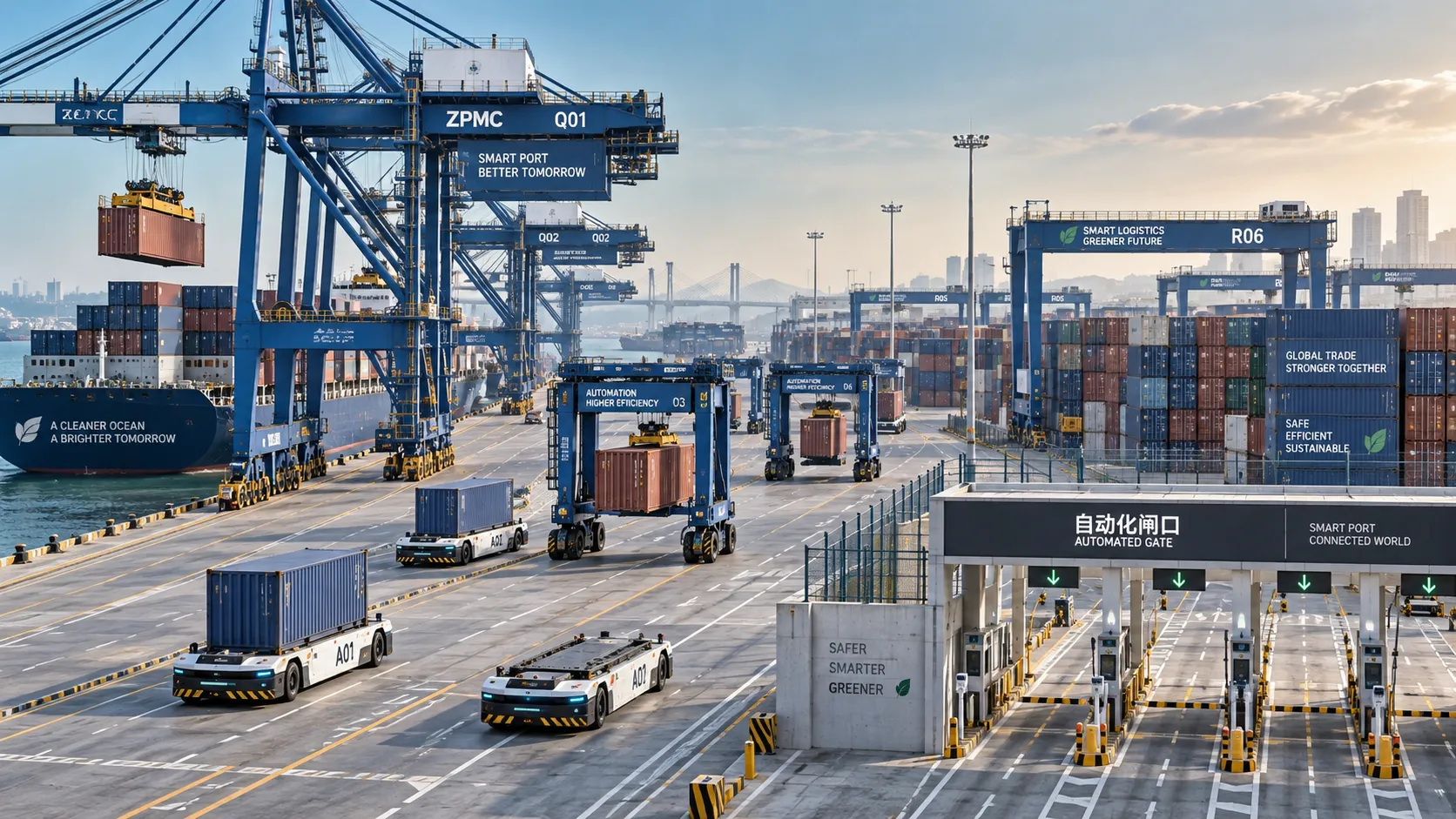
Automated Port Systems in Latin America: Investment Priorities for Container Terminals
Automated port systems Latin America: discover investment priorities for container terminals, from smart gates and remote cranes to resilient digital control layers.

Selecting Intermodal Yard Equipment for Fast, Safe Container Transfers
Container handling equipment for intermodal yards: compare reach stackers, RTGs, automation, safety planning, and lifecycle costs to build faster, safer container flow.
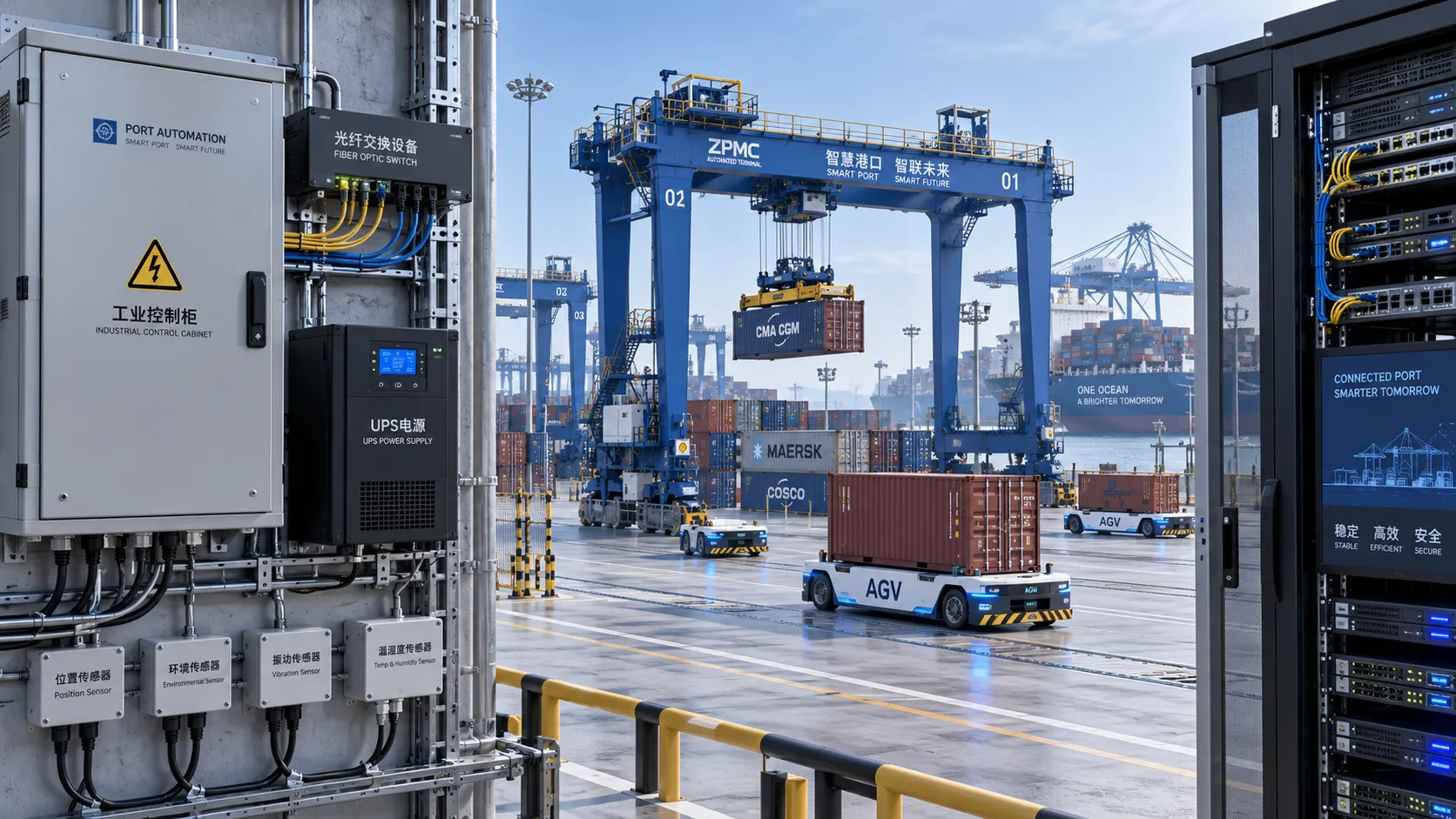
Terminal Control System Costs: Budgeting Hardware, Integration, and Lifecycle Support
Terminal control systems cost explained: budget hardware, integration, safety, cybersecurity, commissioning, and lifecycle support for resilient terminal operations.