Safety Acceptance Checks for Port Terminal Cargo Handling Equipment Before Commissioning
Before commissioning, port terminal cargo handling equipment must pass rigorous safety acceptance checks to protect personnel, safeguard assets, and support uninterrupted cargo flow.
For quality control and safety managers, acceptance is the final decision gate between installation and live operations, not merely a documentation exercise.
The central question is simple: can this equipment operate safely under realistic terminal conditions, including abnormal events, operator error, weather exposure, and system failures?
Start With a Commissioning Decision, Not a Visual Inspection
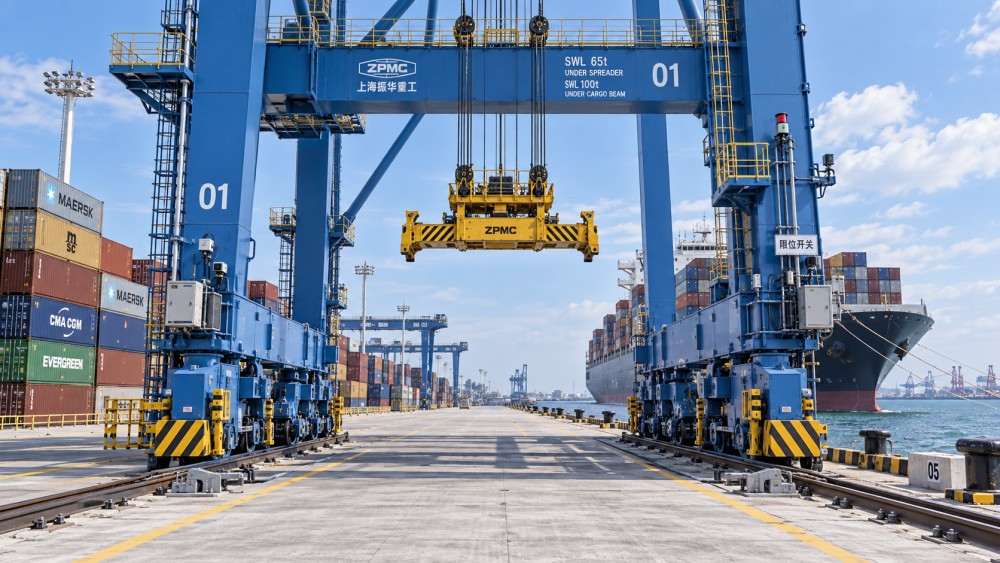
Safety acceptance should establish whether the equipment is ready for controlled operational use, whether limitations remain, and who formally accepts the associated risk.
A clean paint finish, completed installation, and successful no-load movement do not prove that port terminal cargo handling equipment is ready for service.
Quality teams should treat acceptance as evidence-based verification against approved drawings, specifications, regulations, risk assessments, and the terminal's operating procedures.
The acceptance boundary must be defined early. It should state which assets, interfaces, operating modes, software versions, and emergency functions are included.
This prevents a common problem: mechanical equipment is accepted while its interlocks, remote controls, communications links, or safety zones remain incomplete.
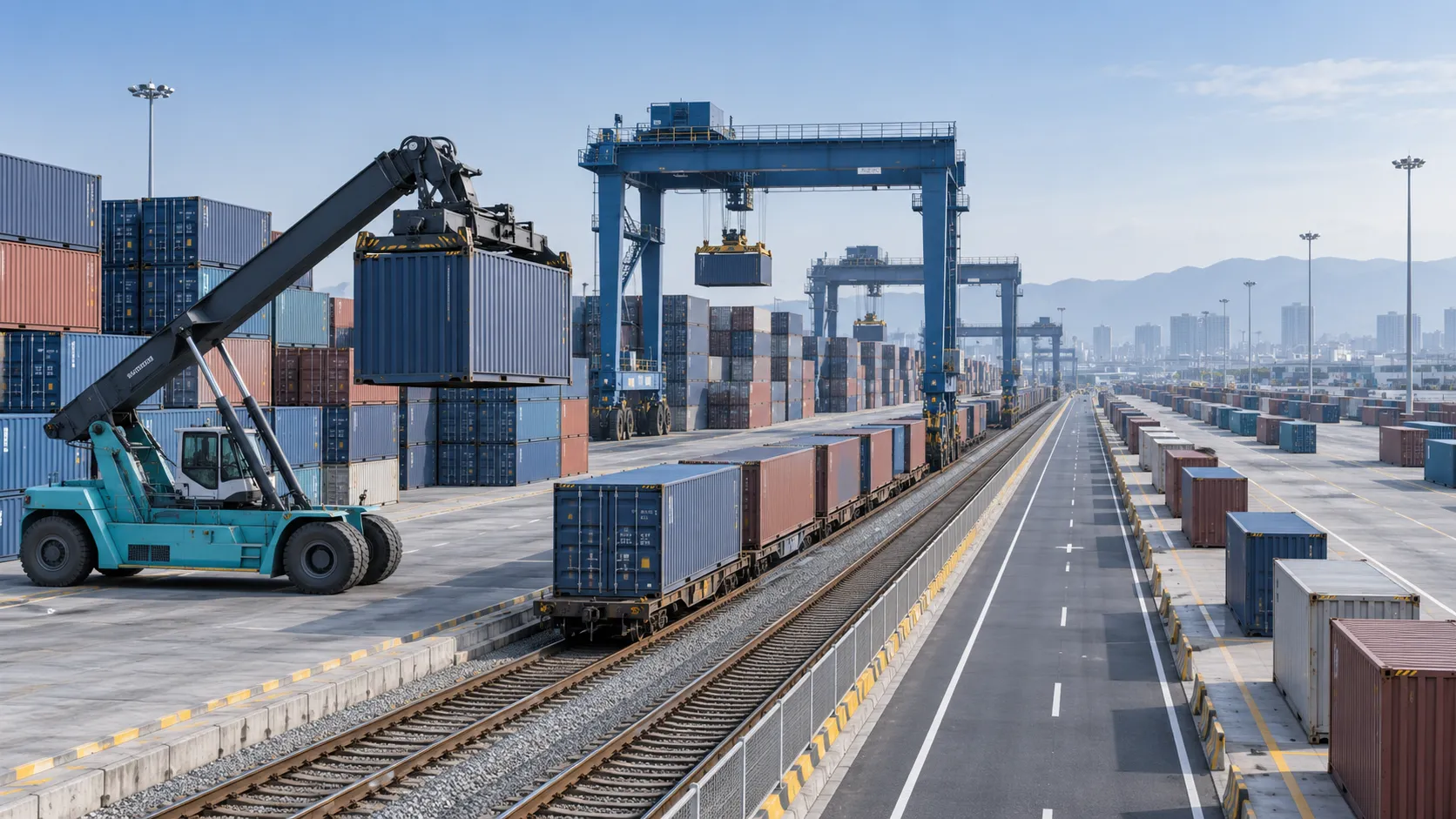
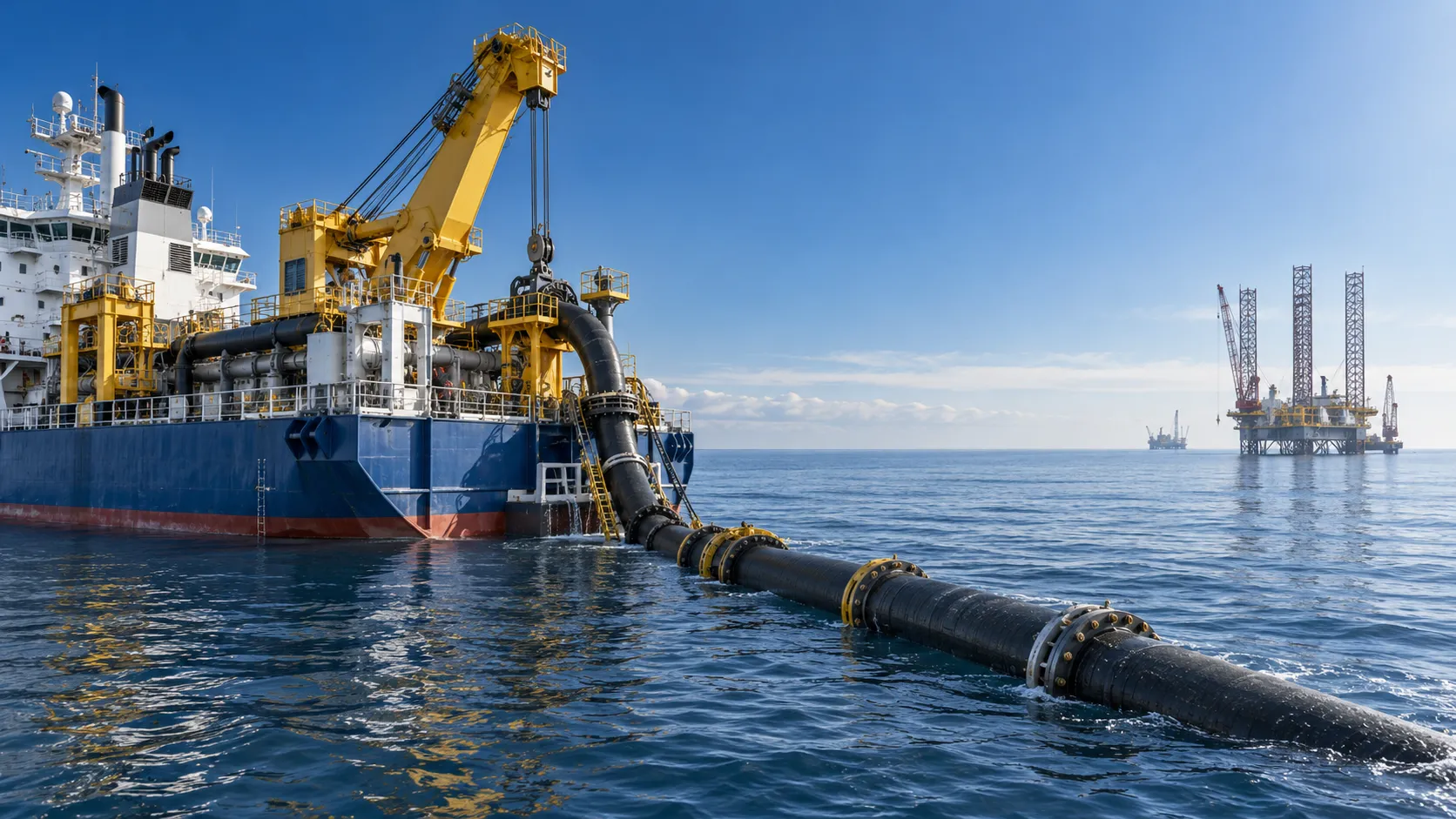
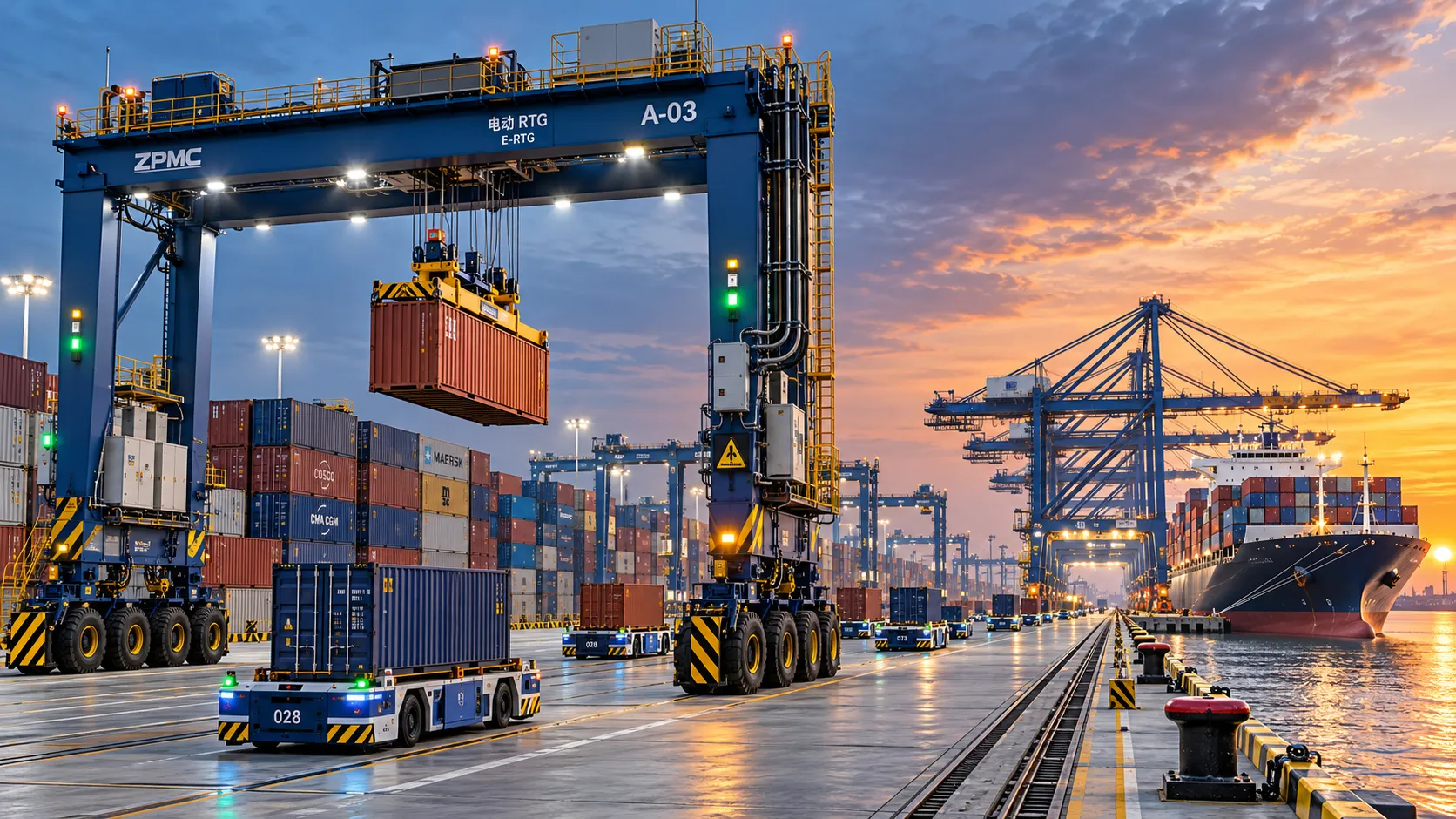
For cranes, conveyors, ship loaders, reach stackers, automated guided vehicles, and dredging support equipment, acceptance must reflect actual operating duty rather than ideal conditions.
Safety managers should require a signed acceptance plan before testing begins. The plan should identify responsible parties, hold points, test methods, records, and escalation routes.
Where defects are found, classify them by risk. Critical defects should block commissioning, while lower-risk items require ownership, deadlines, and compensating controls.
Verify Structural Integrity and Mechanical Condition First
Structural failures in terminal equipment can cause severe injury, vessel damage, cargo loss, lengthy berth closures, and major disruption across the supply chain.
Begin with a detailed comparison between the installed machine and approved engineering documentation, including structural drawings, load charts, welding records, and material certificates.
Inspect boom sections, gantry structures, portals, trolley rails, spreader frames, conveyor galleries, access platforms, ladders, guards, and anchoring arrangements.
Inspectors should look for deformation, corrosion, damaged coatings, unauthorized modifications, incomplete welds, loose fasteners, cracked components, and missing locking devices.
Particular attention is needed around high-stress zones, including boom hinges, slewing rings, trolley wheel assemblies, rope terminations, sheaves, and lifting attachment connections.
For newly assembled equipment, confirm that bolt torque records are available and that critical fasteners have been marked, secured, and independently checked.
Load-bearing structures should be examined using the non-destructive testing methods specified by the manufacturer, project engineer, classification authority, or applicable local regulation.
Mechanical checks must also confirm lubrication, alignment, brake adjustment, gearbox condition, travel clearances, wheel condition, and protection from unintended movement.
For conveyor systems, verify pulley alignment, belt tracking, scraper installation, transfer chutes, emergency pull wires, nip-point guarding, and spill containment arrangements.
Acceptance should include proof-load or functional-load tests where required. Test conditions, applied loads, measured deflections, and observed responses must be recorded clearly.
Confirm Electrical Safety, Controls, and Energy Isolation
Electrical and control-system defects are frequently hidden until equipment enters production, when pressure to maintain throughput can discourage proper fault investigation.
Verify that electrical installation matches approved single-line diagrams, cable schedules, grounding layouts, panel drawings, and protection coordination studies.
Inspect cable routes for mechanical protection, correct termination, water ingress prevention, bend radius compliance, labeling, segregation, and secure support in vibrating areas.
Grounding and bonding tests should confirm continuity across moving structures, rails, cable reels, equipment frames, control cabinets, and exposed conductive parts.
Check insulation resistance, earth-fault protection, overload protection, phase monitoring, short-circuit protection, and the settings of protective relays or circuit breakers.
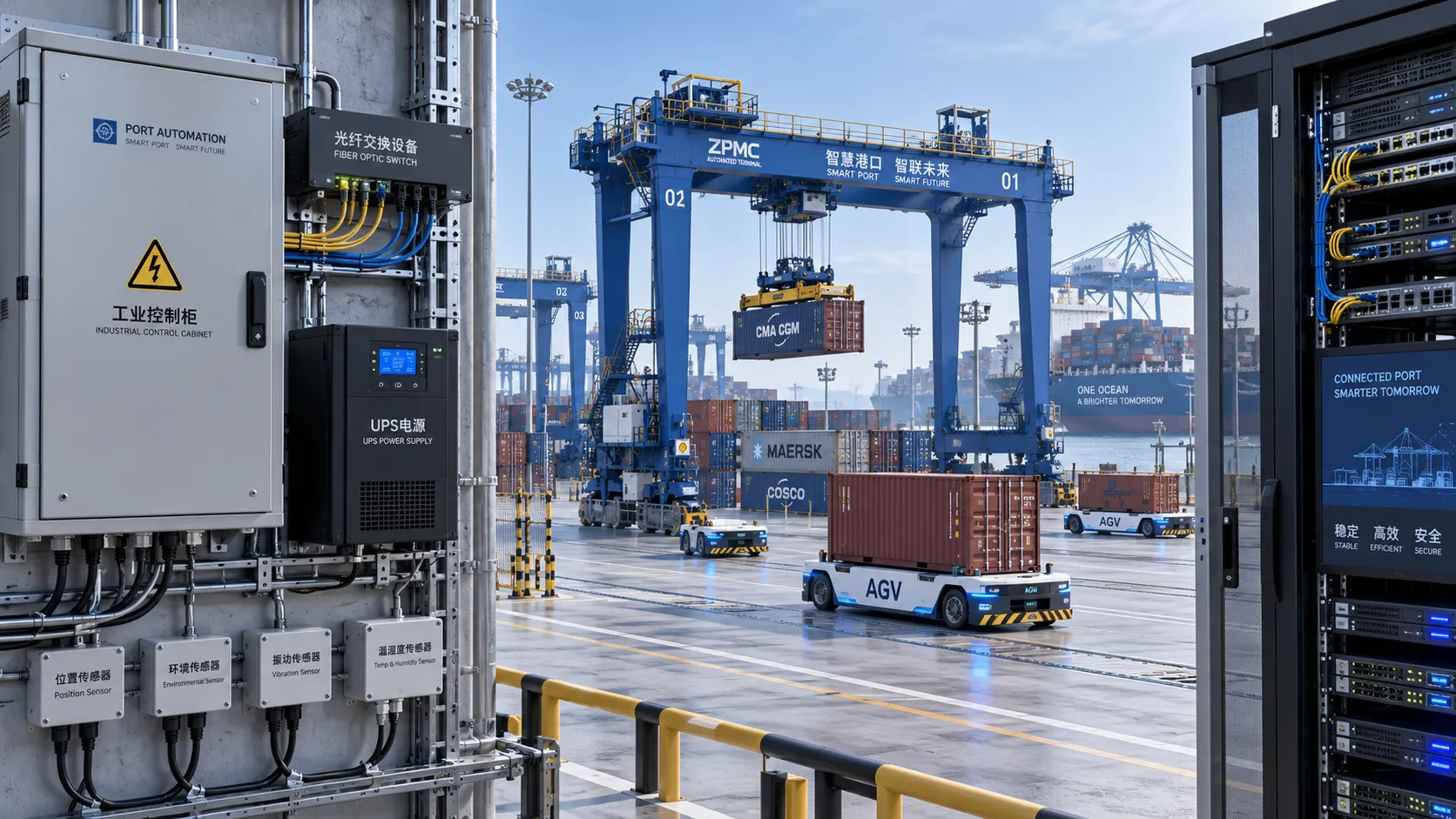
Control cabinets require practical inspection. Doors, seals, cooling systems, internal labeling, spare terminals, wiring ferrules, and enclosure ratings should be suitable for marine exposure.
Operators must be able to identify active alarms and equipment status quickly. Alarm messages should be understandable, prioritized, time-stamped, and traceable in system logs.
Test every control station, including cabin controls, pendant controls, local maintenance panels, remote terminals, and backup operating positions where fitted.
For remote-operated or automated port terminal cargo handling equipment, verify loss-of-communication behavior, network redundancy, command authority, and safe recovery after reconnection.
Lockout-tagout provisions must be tested in practice. Authorized workers should be able to isolate electrical, hydraulic, pneumatic, gravity, and stored mechanical energy safely.
Test Emergency Functions Under Realistic Failure Scenarios
Emergency systems should not be accepted solely because a button changes a status indicator. Their required safety state must be demonstrated physically.
Test emergency stops from every accessible operating location. Confirm that each device stops the intended hazardous motion and prevents unintended automatic restart.
Verify reset logic carefully. Restart should require deliberate action from the correct location after the cause of the emergency stop has been addressed.
For lifting equipment, test hoist upper and lower limits, trolley travel limits, gantry travel limits, anti-collision devices, overload protection, and anti-two-block systems.
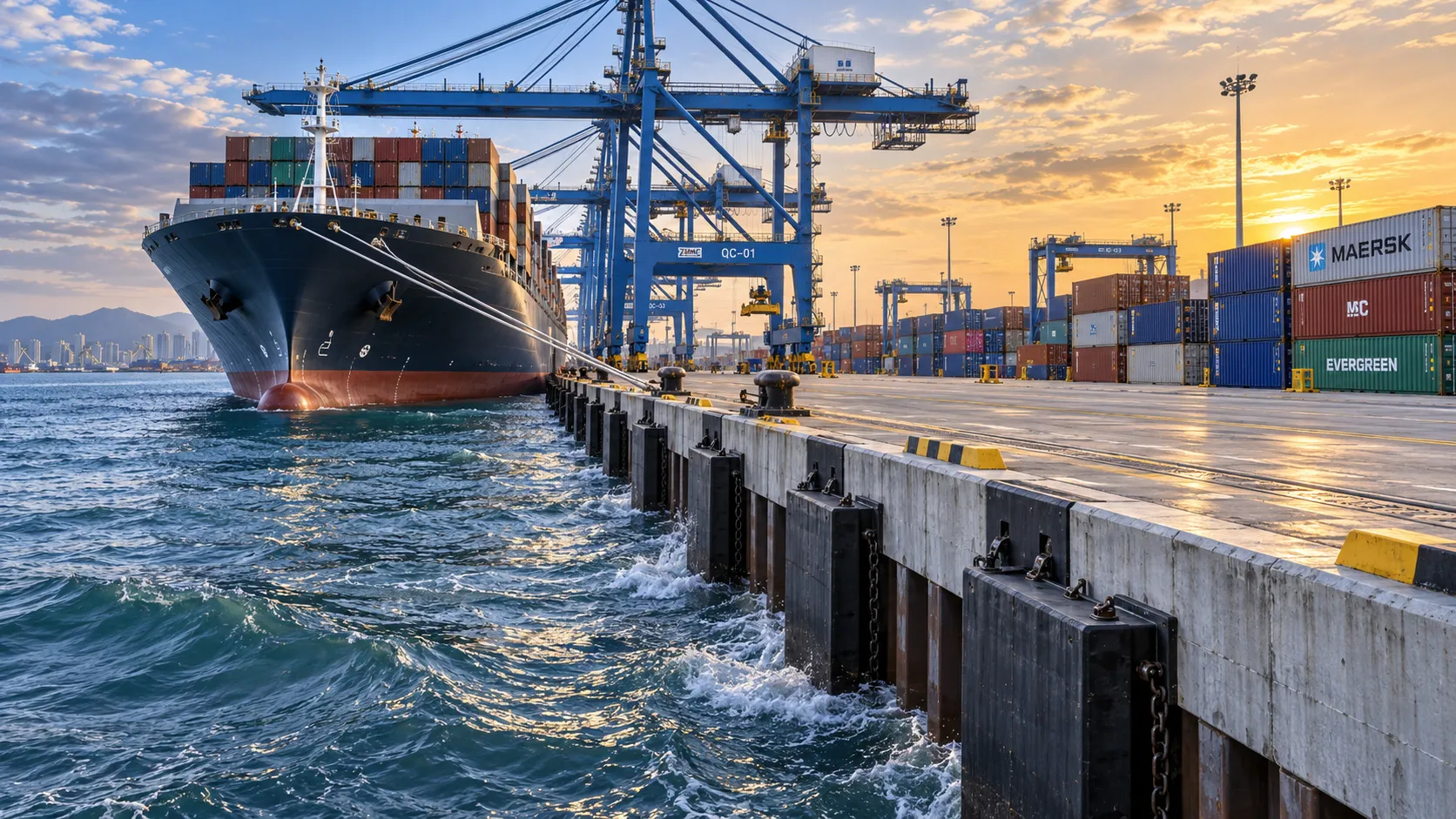
Where wind hazards apply, test wind alarms, storm locking, rail clamps, tie-downs, anchoring systems, and the procedures for securing equipment during severe weather.
Emergency braking performance should be checked under representative loads and travel speeds. Braking distances must remain within the approved operating design assumptions.
Test power-loss response. Equipment should enter a defined safe state, protect suspended loads where applicable, retain necessary records, and avoid uncontrolled movement.
Fire detection, suppression interfaces, emergency lighting, evacuation alarms, and rescue access arrangements require functional testing before routine operation begins.
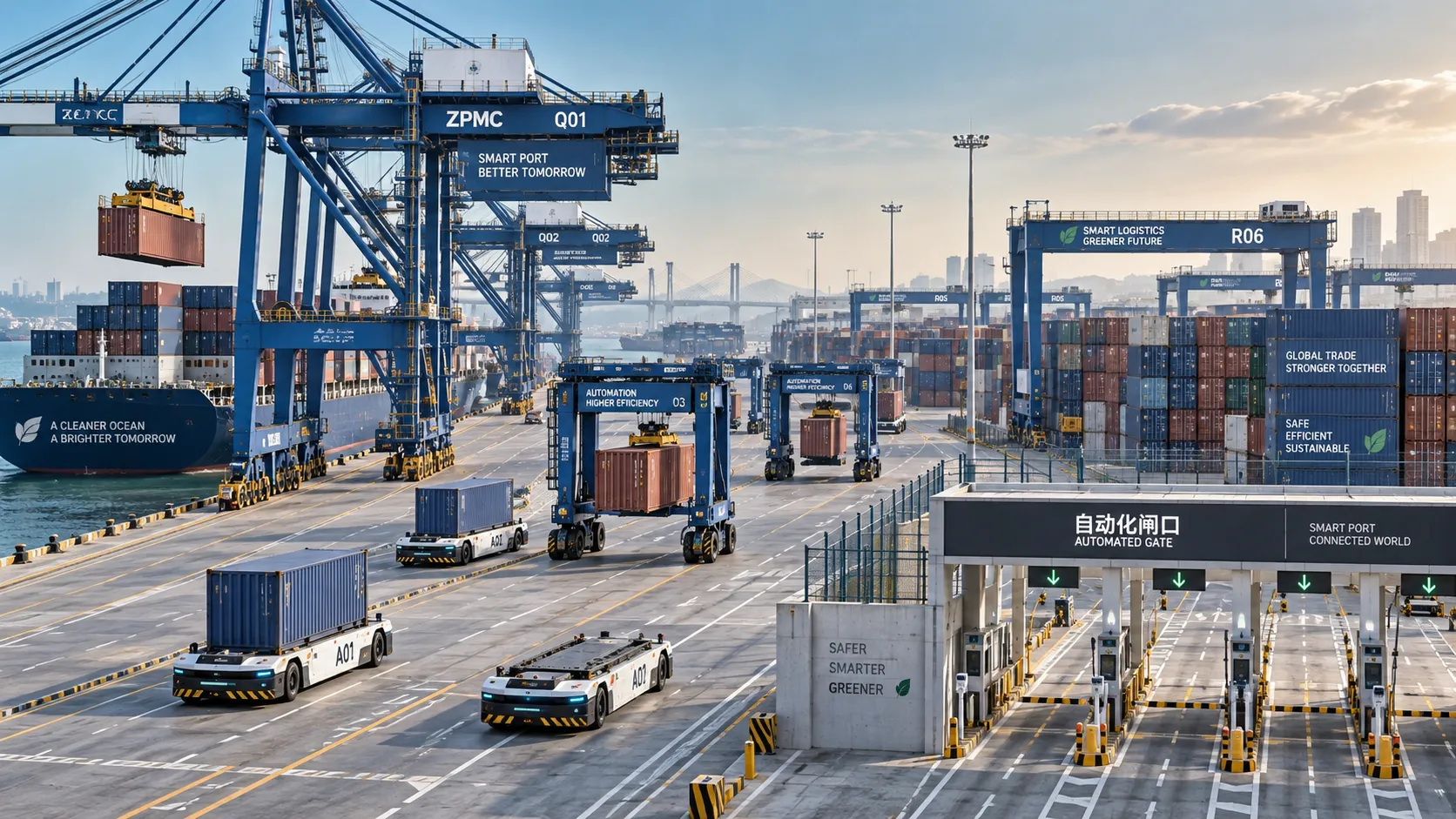
Automated equipment requires scenario testing for obstacle detection, personnel intrusion, geofence violations, sensor disagreement, navigation failure, and degraded operating modes.
Document each scenario, expected result, actual result, corrective action, retest result, and final acceptance decision. This creates a defensible commissioning record.
Validate Operating Limits, Interlocks, and Human Factors
Many commissioning failures arise not from component defects, but from unclear operating limits, poorly designed controls, or unsafe interactions between people and machines.
Confirm that rated capacities, wind restrictions, travel speeds, stacking limits, outreach limits, and prohibited operating conditions are visible and consistent with approved manuals.
Load charts should be installed in the operator's working position, legible in available lighting, and written in the language required by terminal personnel.
Verify interlocks that prevent incompatible actions, such as travel with unsecured booms, lifting outside permitted geometry, or automatic movement into occupied restricted areas.
Operators should participate in acceptance testing. Their feedback often identifies restricted sightlines, unreachable controls, unclear displays, glare, vibration, excessive noise, or poor seating.
Cabin and workstation checks should include visibility, wiper operation, demisting, lighting, communication devices, climate control, access safety, and emergency escape routes.
For yard machinery, confirm cameras, proximity sensors, reversing alarms, mirrors, lighting, speed controls, and pedestrian-separation measures under normal terminal traffic conditions.
Automation should not remove human-factor checks. Remote operators need clear video coverage, manageable alarm loads, reliable latency performance, and defined intervention authority.
Acceptance teams should witness operating cycles that reflect real cargo handling, including ship interface, container transfer, bulk material flow, empty travel, and maintenance positioning.
Check Documentation, Competence, and Maintenance Readiness
Equipment cannot be considered fully accepted when the machine is technically complete but the terminal lacks the information, competencies, and resources to operate it safely.
Required documentation should include approved drawings, manuals, certificates, inspection reports, test records, software versions, spare-parts lists, and manufacturer recommendations.
Confirm that legal inspection certificates, lifting appliance registrations, electrical approvals, pressure-system records, and environmental permits are valid for the operating jurisdiction.
Quality managers should ensure that as-built documentation reflects actual installation conditions, including revised cable routes, equipment interfaces, control settings, and approved modifications.
Training records must show that operators, maintenance personnel, supervisors, and emergency responders understand their relevant duties before handover takes place.
Training should include abnormal conditions, not only standard operation. Workers need practical competence in isolation, alarm response, emergency shutdown, communication failures, and safe recovery.
Maintenance readiness includes lubricants, filters, critical spares, special tools, diagnostic access, inspection schedules, and service-provider contact arrangements.
A computerized maintenance management system should contain the new asset hierarchy, preventive maintenance tasks, inspection frequencies, criticality ranking, and initial baseline readings.
Without this preparation, terminals often accept equipment that performs well initially but becomes unreliable because early warning signs and routine care requirements are missed.
Use a Clear Defect Closure and Handover Process
A disciplined defect process allows the project to move forward without allowing commercial pressure to hide unresolved safety risks in informal action lists.
Each defect should have a unique reference number, clear location, risk classification, supporting evidence, responsible owner, target completion date, and verification method.
Critical defects include failures affecting structural strength, emergency stopping, load control, machine stability, electrical protection, fire safety, or personnel separation.
Such defects should prevent commissioning until corrected and independently retested. Temporary workarounds should never substitute for essential engineered safety functions.
Non-critical items may be accepted conditionally only when their risk is documented, compensating controls are workable, and senior management approves the residual exposure.
The final handover meeting should confirm operating boundaries, outstanding actions, warranty contacts, maintenance obligations, inspection dates, and authority for future modifications.
For complex port terminal cargo handling equipment, preserve commissioning evidence in a controlled digital repository accessible to operations, maintenance, safety, and engineering teams.
This record is valuable during incidents, audits, warranty claims, later upgrades, and periodic inspections because it establishes the equipment's original accepted condition.
Conclusion: Commission Only When Evidence Supports Safe Operation
Safety acceptance is the point where a terminal proves that installed equipment can move from project status into controlled, reliable, and legally defensible operation.
For quality control and safety managers, the strongest approach combines structural inspection, electrical testing, emergency verification, operational trials, documentation review, and formal defect closure.
The objective is not to eliminate every minor punch-list item. It is to prevent unverified hazards from entering a live port environment.
When acceptance checks are planned early and performed against realistic operating conditions, terminals reduce injury exposure, protect capital assets, and avoid disruptive post-commissioning corrections.
Ultimately, port terminal cargo handling equipment should be commissioned only when the evidence demonstrates that people, systems, and equipment can perform safely together.