Related News
- 00
0000-00
How to Specify a Quay Crane for Container Terminals by Vessel Size and Throughput? - 00
0000-00
Which Bulk Handling Equipment Suits High-Moisture Cargo? - 00
0000-00
Terminal Automation Technologies That Raise Container Throughput Without Yard Disruption - 00
0000-00
Planning Offshore Dredging Operations: Key Risks, Methods, and Project Controls - 00
0000-00
Where Do Automated Guided Vehicles Deliver the Fastest Warehouse Gains in the Middle East?
Mega Port Terminal Design: Automation, Crane Reach, and Throughput Metrics
A mega port terminal is no longer defined by quay length alone—it is measured by automation maturity, crane reach, berth productivity, yard synchronization, and real-time throughput intelligence. For enterprise decision makers, terminal design now determines not only vessel turnaround but also supply chain resilience, capital efficiency, and long-term competitiveness. This article examines how advanced handling systems, automated control architecture, and performance metrics shape the next generation of high-capacity port hubs.
For operators, investors, equipment suppliers, and logistics strategists, the central question is practical: which design choices convert berth capacity into dependable commercial performance? A mega port terminal must align civil engineering, crane envelope, automated yard logic, dredged access, energy systems, and data governance into one operating model.
Designing a Mega Port Terminal Around Real Throughput
Throughput is often simplified as annual TEU capacity, yet operational reality is more demanding. A 4 million TEU facility can underperform if cranes, yard blocks, gates, and vessel schedules are not synchronized within minutes, not hours.
A mega port terminal should therefore be designed from the vessel call backward. The berth must handle peak exchange, the yard must absorb surge volume, and control systems must prevent bottlenecks from migrating downstream.
From Static Capacity to Dynamic Flow
Static capacity describes what infrastructure can theoretically hold. Dynamic flow measures how fast containers move through quay, transfer, yard, gate, rail, and empty container processes during real operating windows.
Decision makers should assess at least 6 connected metrics: berth occupancy, crane moves per hour, yard dwell time, truck turn time, rail loading cycle, and equipment availability.
Core Design Questions
- Can the quay safely accommodate 20,000 TEU to 24,000 TEU class vessels with required under-keel clearance?
- Is crane outreach sufficient for 24-row or wider vessel profiles without excessive cycle loss?
- Can automated yard blocks maintain flow during 2-hour peak discharge windows?
- Are power supply, communications, and maintenance zones sized for 24/7 operations?
These questions help prevent a common mistake: buying high-capacity equipment without redesigning the surrounding system. In a mega port terminal, isolated equipment productivity rarely equals terminal productivity.
Crane Reach, Berth Geometry, and Vessel Interface
Quay crane specification is one of the most visible capital decisions in a mega port terminal project. However, outreach, lift height, rail gauge, backreach, and waterside clearance must be evaluated together.
For large container vessels, common crane outreach ranges from 22 to 26 container rows, while lift height above rail may exceed 50 meters depending on vessel class and lashing bridge configuration.
Matching Crane Envelope to Vessel Mix
A terminal serving mixed regional and ultra-large container vessels needs flexible crane deployment. Oversizing every crane may increase capital cost, while undersizing limits future route competitiveness.
The following table outlines typical design considerations for enterprise-level planning. Values should be validated through site simulation, vessel forecasts, and supplier engineering review.
The key conclusion is that crane reach must be treated as part of a vessel interface system. A mega port terminal gains value when berth depth, crane spacing, fendering, mooring, and transfer lanes are designed as one asset.
Crane Density and Operating Interference
Adding more quay cranes does not automatically shorten vessel time. If cranes interfere with each other or yard handoff points become saturated, the fourth or fifth crane may add limited productivity.
A practical planning model should evaluate crane split by bay, hatch cover sequence, twin-lift potential, safe separation rules, and horizontal transport capacity within 5-minute dispatch intervals.
Automation Architecture as the Terminal Nervous System
Automation in a mega port terminal is not simply unmanned equipment. It is a control architecture that coordinates decisions across cranes, AGVs, automated stacking cranes, rail cranes, gates, and maintenance systems.
The most resilient designs use layered control: terminal operating system, equipment control system, fleet management, safety PLCs, positioning systems, and data platforms. Each layer must fail safely.
Levels of Automation Maturity
Automation maturity should be evaluated by operational decision quality, not only by the number of autonomous machines. A terminal can be highly automated yet inefficient if planning logic remains fragmented.
For procurement discussions, it is useful to classify automation into 4 maturity levels: assisted operation, remote operation, semi-automated orchestration, and fully integrated autonomous flow.
The table shows why integration risk is often greater than equipment risk. A mega port terminal should specify interface responsibilities early, preferably before civil works freeze layout options.
Low-Latency Control and Safety
Remote crane control and automated vehicle dispatch depend on reliable communications. Many projects evaluate private 5G, industrial Wi-Fi, fiber backbones, or hybrid networks for different zones.
Latency tolerance varies by function. Video-assisted crane operation may require near real-time response, while yard inventory updates can tolerate longer intervals if reconciliation remains accurate.
Risk Controls for Automation Projects
- Define system boundaries across at least 3 parties: civil contractor, equipment supplier, and software integrator.
- Run digital simulation before procurement, then update the model during commissioning.
- Test degraded modes, including network loss, vehicle blockage, sensor failure, and manual override.
- Establish cybersecurity zoning for operations technology, business systems, and external data exchange.
Throughput Metrics That Matter to Enterprise Decision Makers
In a mega port terminal, performance dashboards should support investment decisions, not just operational reporting. The best metrics reveal where capital produces flow and where hidden constraints reduce returns.
Common headline indicators include annual TEU, berth productivity, crane productivity, yard density, equipment utilization, and gate turnaround. Yet executives also need resilience metrics during disruption.
A Practical KPI Framework
A balanced KPI framework should connect 3 layers: asset productivity, process reliability, and commercial responsiveness. This avoids over-optimizing one function while degrading another.
- Berth productivity: moves per berth hour, crane intensity, and vessel waiting time.
- Yard synchronization: stack rehandles, dwell distribution, block occupancy, and transfer queue length.
- Equipment reliability: mean time between failures, maintenance response time, and spare part availability.
- Customer performance: truck turn time, rail departure punctuality, and customs documentation exceptions.
Typical truck turn time targets may range from 30 to 60 minutes depending on gate automation, appointment systems, customs procedures, and local road access conditions.
Why Yard Dwell Time Can Decide Profitability
A terminal may achieve strong quay performance but still lose capacity through long dwell. If import containers remain 5 to 7 days, yard density pressure rises quickly.
For a mega port terminal, dwell management is a commercial issue. It affects storage revenue, congestion risk, carrier satisfaction, and ability to accept additional vessel calls.
Executive Dashboard Priorities
Senior management should ask whether dashboards explain causality. A red KPI is useful only if it points to vessel bunching, crane downtime, road queue, customs hold, or yard planning imbalance.
Real-time visibility should be paired with weekly and monthly trend reviews. A 15-minute operations view and a 90-day investment view serve different decisions.
Procurement Criteria for Equipment, Software, and Dredging Interface
Procurement for a mega port terminal should not be reduced to unit price. The real comparison is lifecycle value across energy use, maintainability, integration effort, spare parts, training, and upgrade path.
For decision makers, supplier evaluation should include technical compliance, delivery risk, commissioning support, digital compatibility, and long-cycle service capability over 10 to 20 years.
Key Evaluation Dimensions
The following comparison supports early-stage tender planning. It can be adapted for quay cranes, automated stacking cranes, AGVs, terminal tractors, dredging equipment, or software platforms.
The procurement lesson is straightforward: the winning proposal is not always the lowest priced. It is the offer that protects terminal flow under real constraints.
Dredging and Access Channel Considerations
Deep-water access is a strategic condition for a mega port terminal. Channel depth, turning basin geometry, sedimentation pattern, and maintenance dredging frequency influence vessel reliability.
A capital dredging plan should be connected with marine geotechnical data, environmental permitting, dredger availability, disposal route, and expected maintenance intervals, often reviewed annually or seasonally.
Implementation Roadmap and Common Mistakes
Mega port terminal delivery requires a phased roadmap. Without sequencing discipline, software, equipment, civil works, and operator training can arrive at different maturity levels.
A typical implementation plan includes 5 stages: strategic concept, simulation and layout validation, procurement and interface definition, commissioning, and performance stabilization.
Five-Step Deployment Logic
- Concept validation: define target vessel mix, annual TEU range, automation level, and energy strategy.
- Simulation: test berth occupancy, yard block size, AGV fleet quantity, and gate demand scenarios.
- Interface freeze: clarify data formats, safety responsibilities, civil tolerances, and acceptance tests.
- Commissioning: validate equipment cycles, remote operations, exception recovery, and maintenance access.
- Stabilization: tune algorithms, review KPIs weekly, and train teams for abnormal operations.
Mistakes That Reduce Terminal Value
One common mistake is designing for average volume instead of peak stress. Vessel bunching, weather disruption, labor transition, and customs delays can expose hidden weaknesses in 24 hours.
Another mistake is treating automation as a procurement package rather than an operating transformation. Remote crane rooms, maintenance skills, data governance, and exception management all require organizational change.
Practical Risk Checklist
- Confirm that civil tolerances support automated equipment positioning requirements.
- Reserve sufficient charging, battery swap, or power distribution capacity for future fleet expansion.
- Verify that maintenance access does not interrupt critical crane or yard lanes.
- Define acceptance tests using operational scenarios, not only factory performance figures.
Strategic Intelligence for Smarter Port Investment
Enterprise decision makers need more than equipment catalogs. They need structured intelligence linking mechanical capability, algorithmic scheduling, coastal engineering, and global trade movement.
PS-Nexus supports this need by observing heavy terminal gear, automated container handling, bulk machinery, port control systems, and dredging engineering from a commercial and technical perspective.
Where Intelligence Adds Value
For a mega port terminal project, intelligence reduces uncertainty in 3 ways: it clarifies technology direction, benchmarks procurement choices, and connects infrastructure planning with logistics demand.
This is especially valuable where investment cycles exceed 10 years and design decisions must remain competitive through vessel upsizing, emissions pressure, and regional trade realignment.
Decision Support Use Cases
- Comparing automated yard models before finalizing land utilization strategy.
- Assessing whether crane outreach upgrades justify structural and electrical modifications.
- Evaluating AGV, terminal tractor, and straddle carrier options against labor and energy constraints.
- Understanding dredging equipment requirements for channel expansion and maintenance planning.
A modern mega port terminal succeeds when berth design, crane reach, automation control, yard synchronization, and throughput metrics reinforce each other. The strongest projects convert technical specifications into measurable vessel reliability, faster cargo flow, and resilient supply chain performance.
For port authorities, terminal investors, logistics enterprises, and equipment distributors, PS-Nexus provides high-authority intelligence to support long-cycle infrastructure decisions. To explore tailored insights for your next mega port terminal strategy, contact us to get a customized solution, consult product details, or learn more about integrated port automation and marine engineering solutions.
Related News
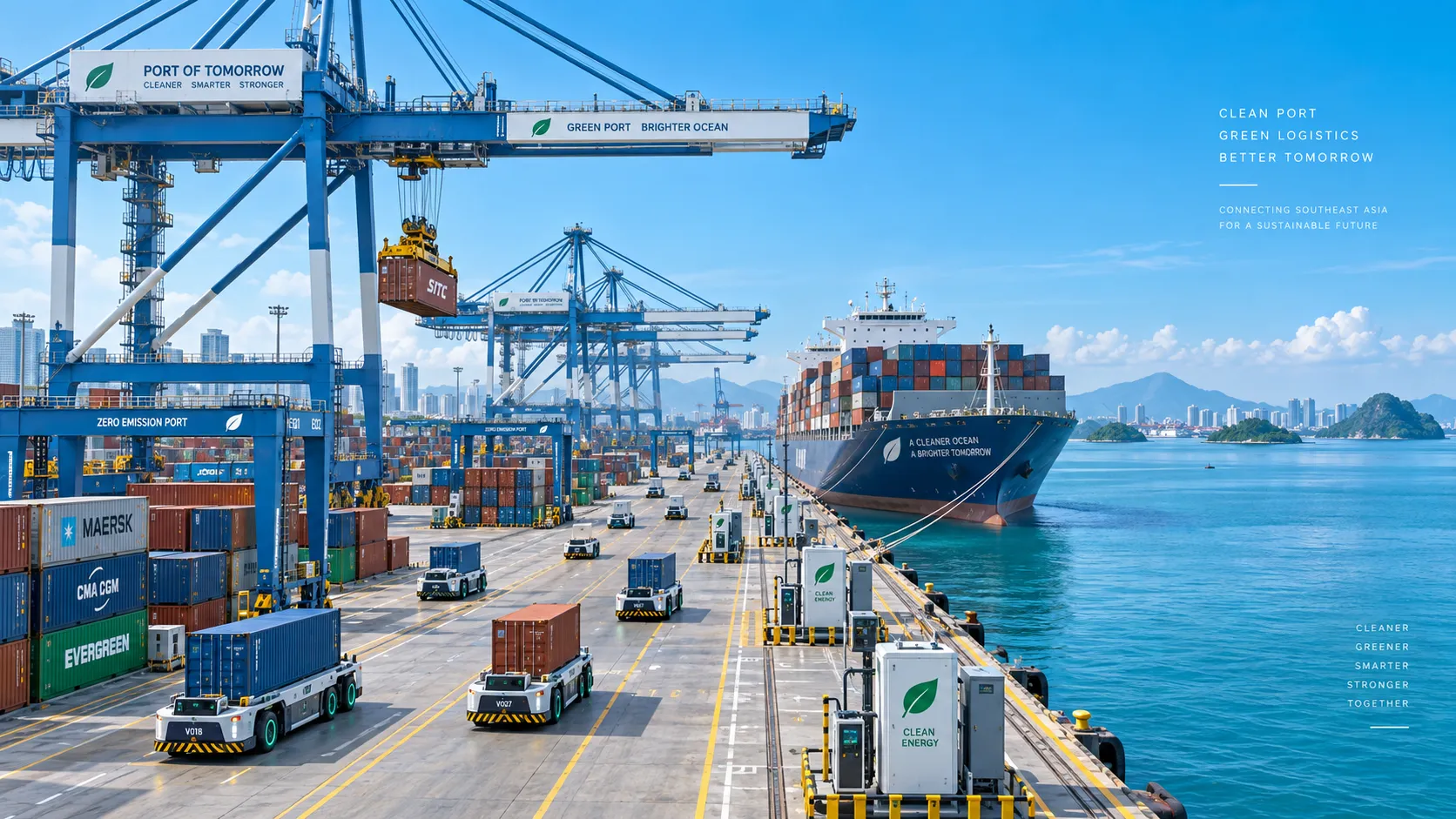
Smart Port Systems in Southeast Asia: Investment Priorities and Adoption Barriers
Smart port systems Southeast Asia: discover investment priorities, adoption barriers, and practical steps to build resilient, connected, high-performing terminals.

How to Evaluate Terminal Efficiency Solution Suppliers for High-Throughput Operations
Choose a terminal efficiency solutions supplier with confidence. Explore proven criteria for throughput, integration, lifecycle cost, safety, and reliable delivery.
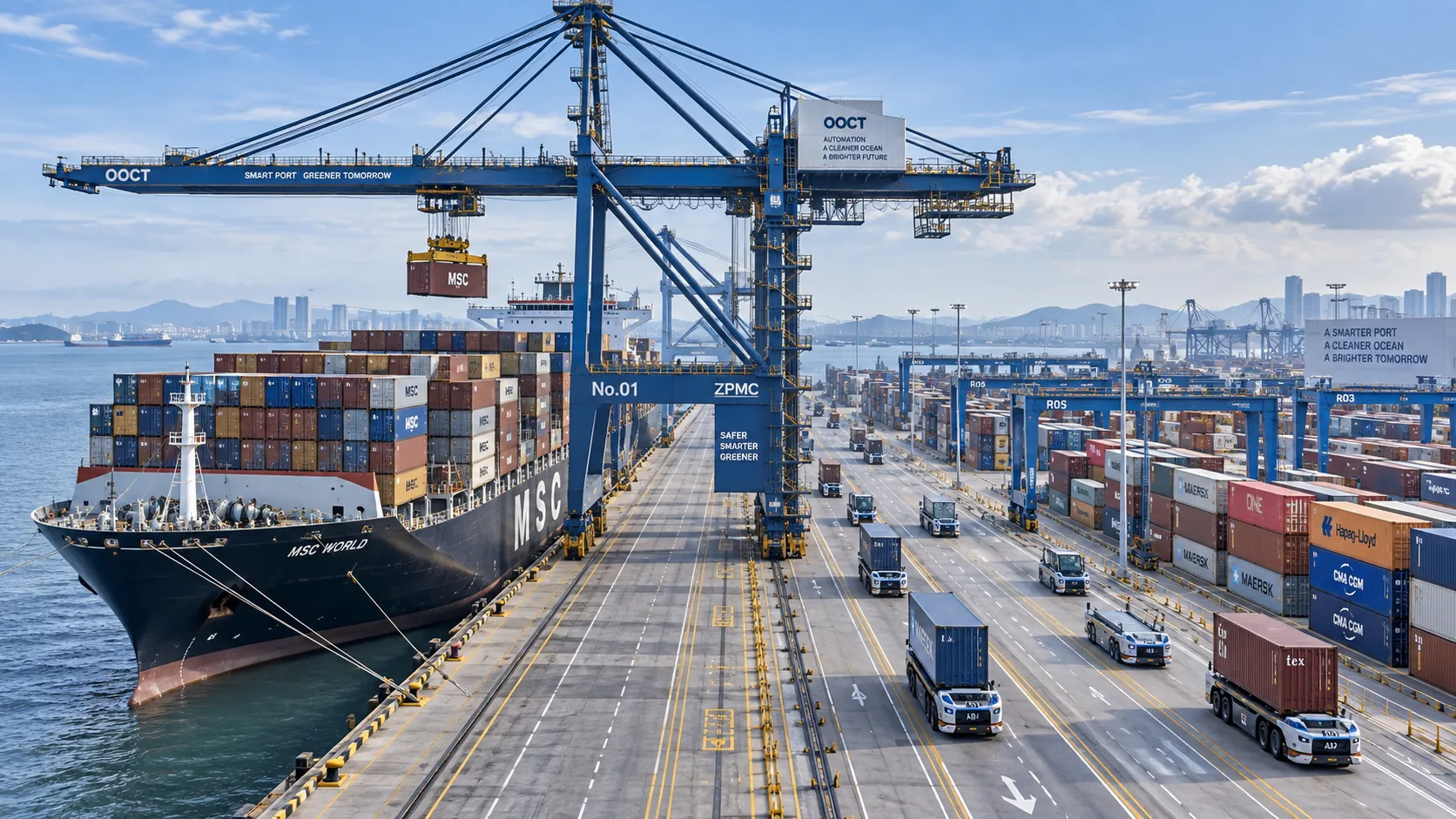
How to Specify a Quay Crane for Container Terminals by Vessel Size and Throughput?
Quay crane for container terminals: learn how to match outreach, lift height, capacity, automation, and cycle performance to vessel size and throughput goals.
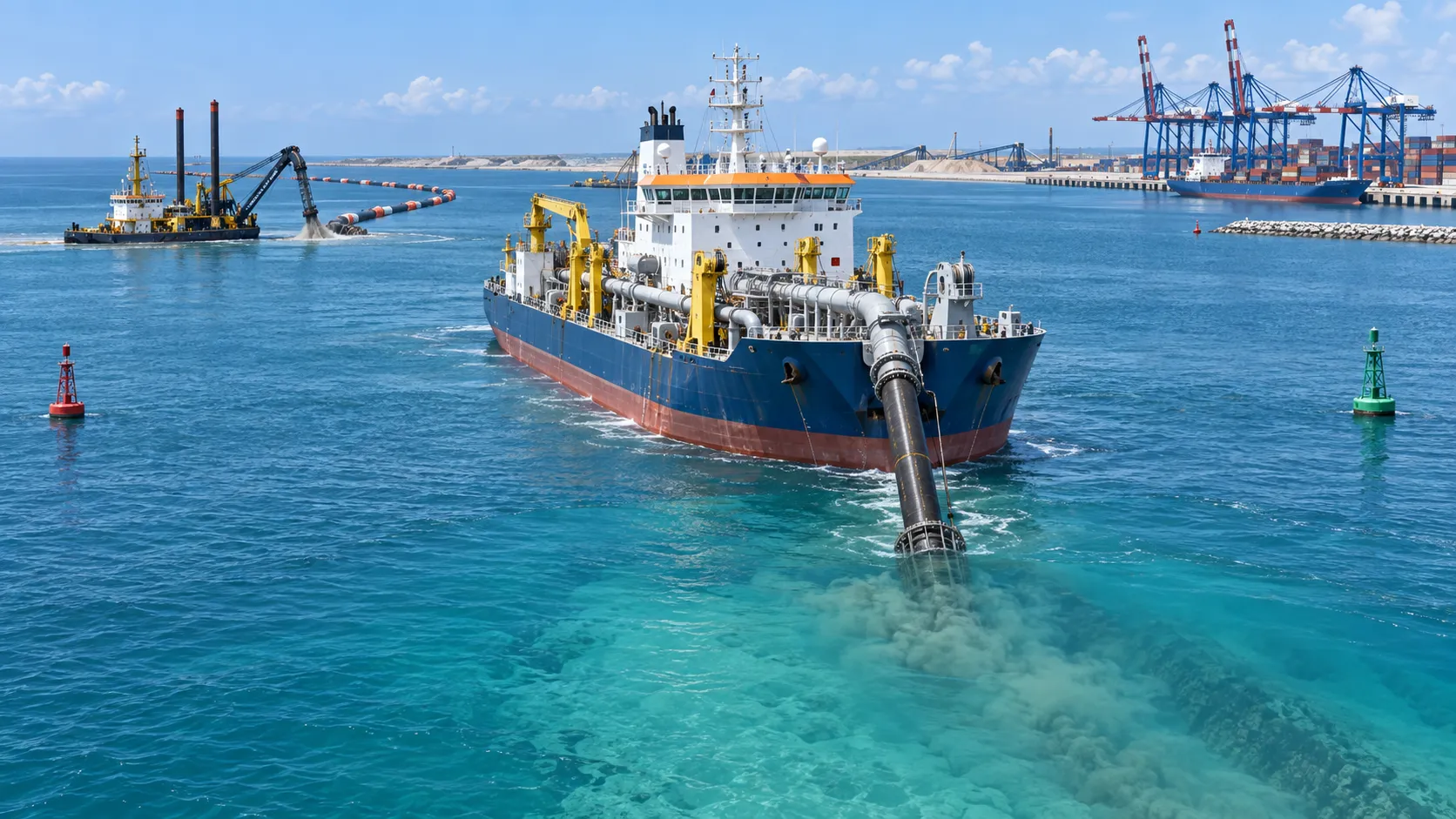
What Dredging Equipment Is Needed for Channel Deepening?
What dredging equipment is needed for channel deepening? Explore dredgers, pipelines, survey tools, and planning strategies for safer, more efficient port access.
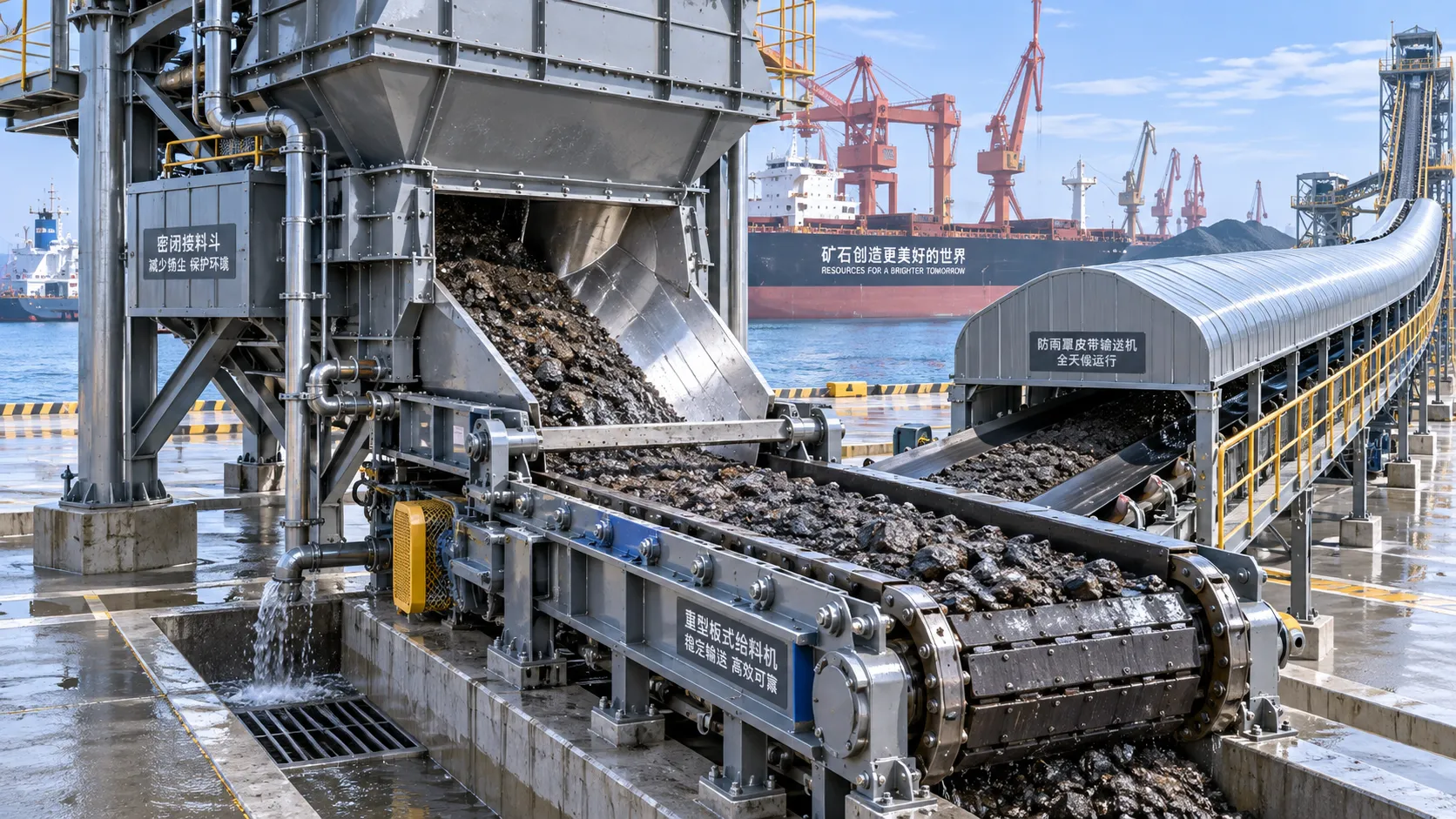
Which Bulk Handling Equipment Suits High-Moisture Cargo?
Which bulk handling equipment suits high-moisture cargo? Compare belt, apron, screw, drag, and slurry systems for reliable flow, less carryback, and higher terminal uptime.
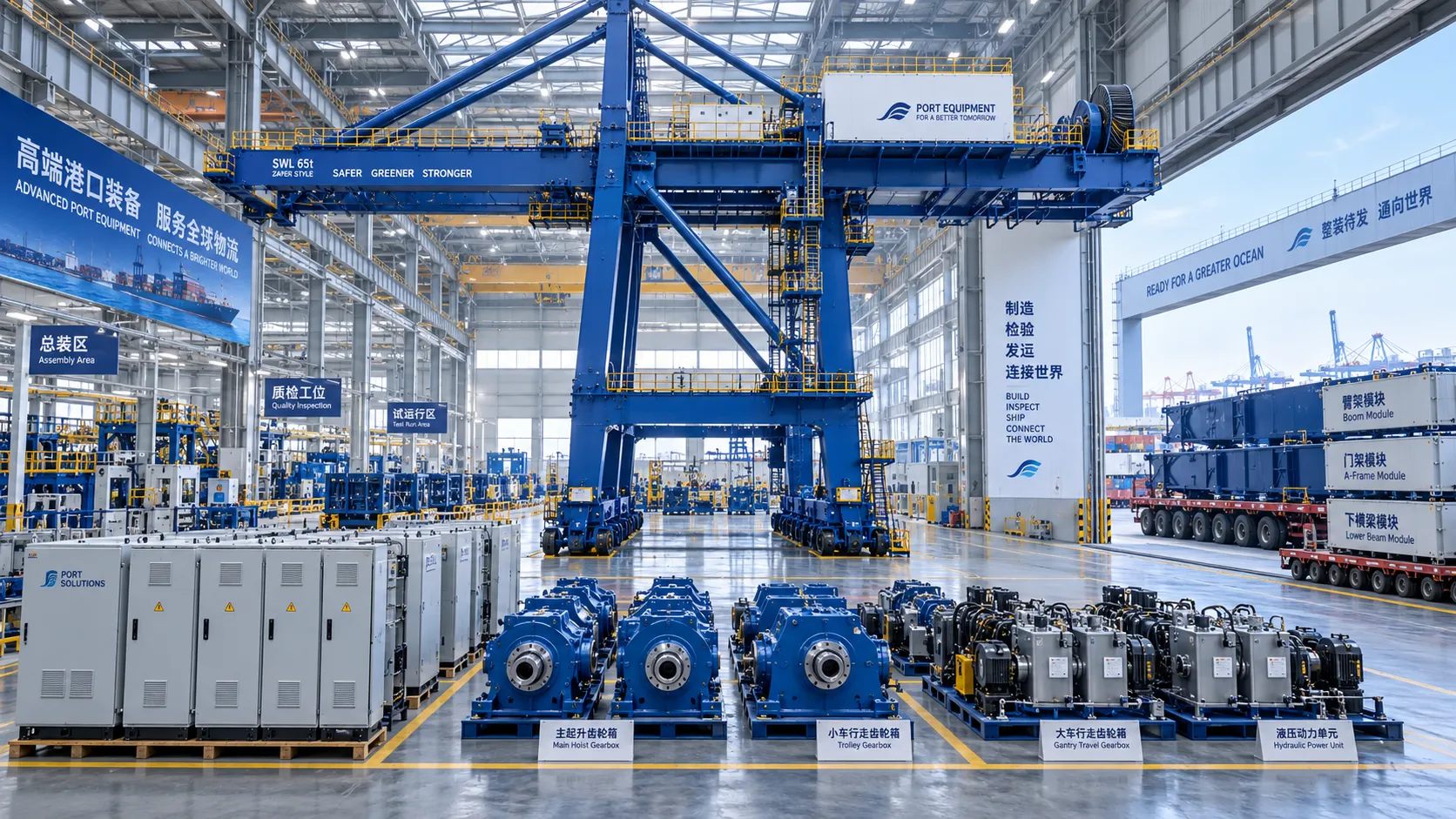
How Can Port Equipment Lead-Time Risk Be Managed?
How can port equipment lead-time risk be managed? Explore practical strategies to control critical paths, suppliers, transport, site readiness, and commissioning delays.
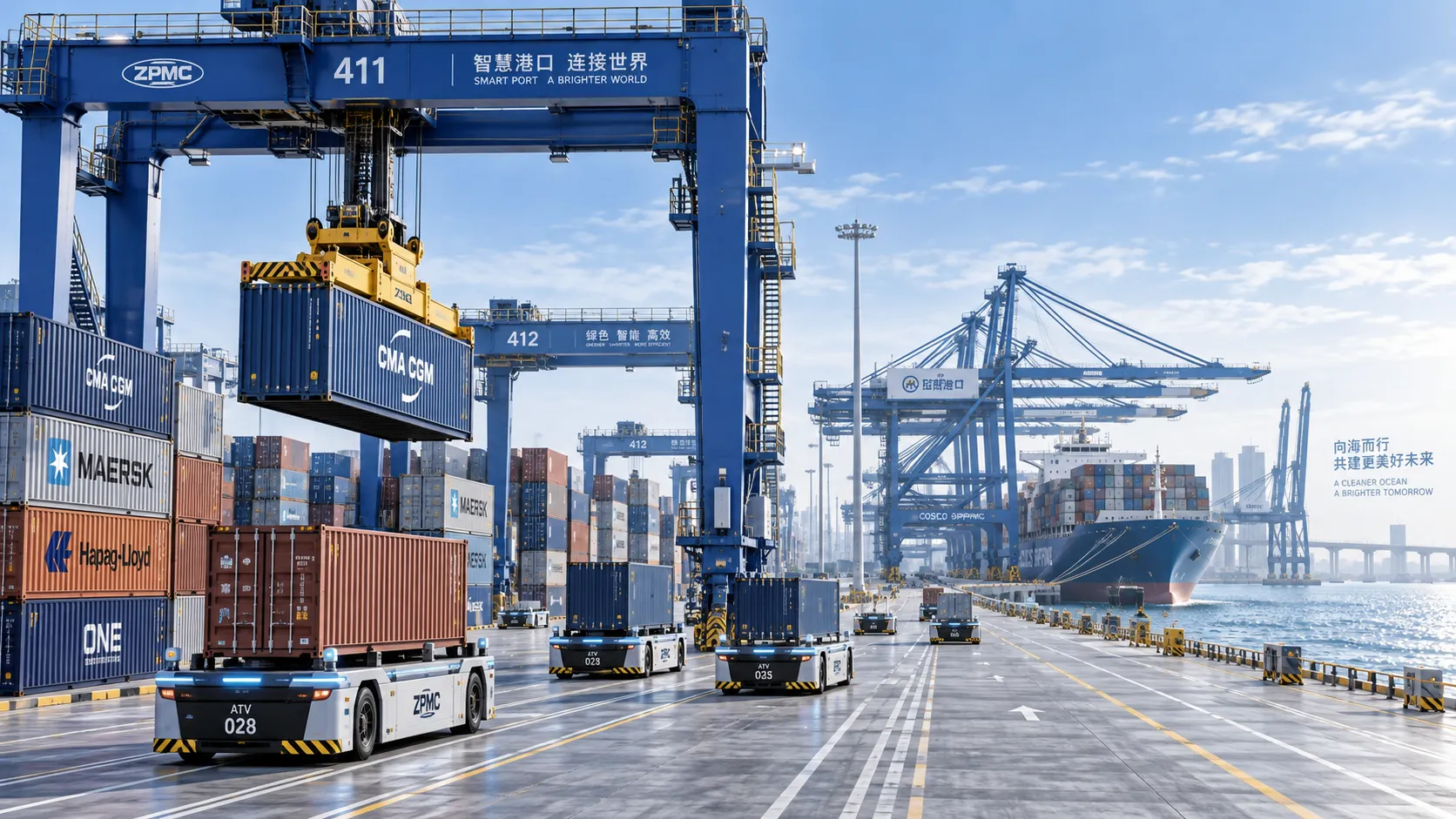
Terminal Automation Technologies That Raise Container Throughput Without Yard Disruption
Terminal automation technology that increases container throughput without disrupting yard flow. Explore smarter integration, resilient workflows, and phased deployment strategies.
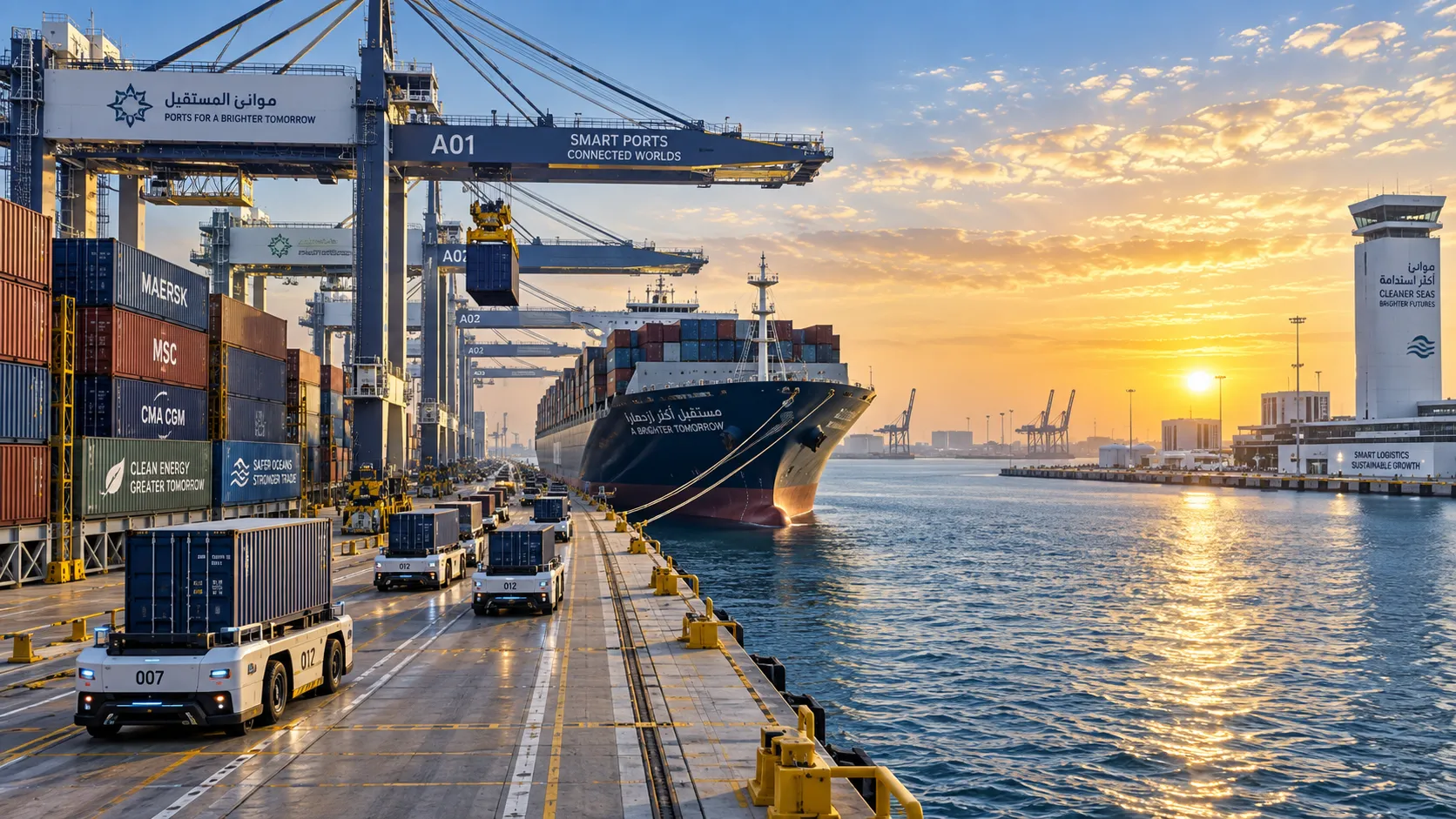
Middle East Port Automation: Key Market Drivers, Projects, and Investment Risks
Port automation systems Middle East: explore market drivers, flagship projects, integration challenges, and investment risks shaping smarter, resilient terminals.
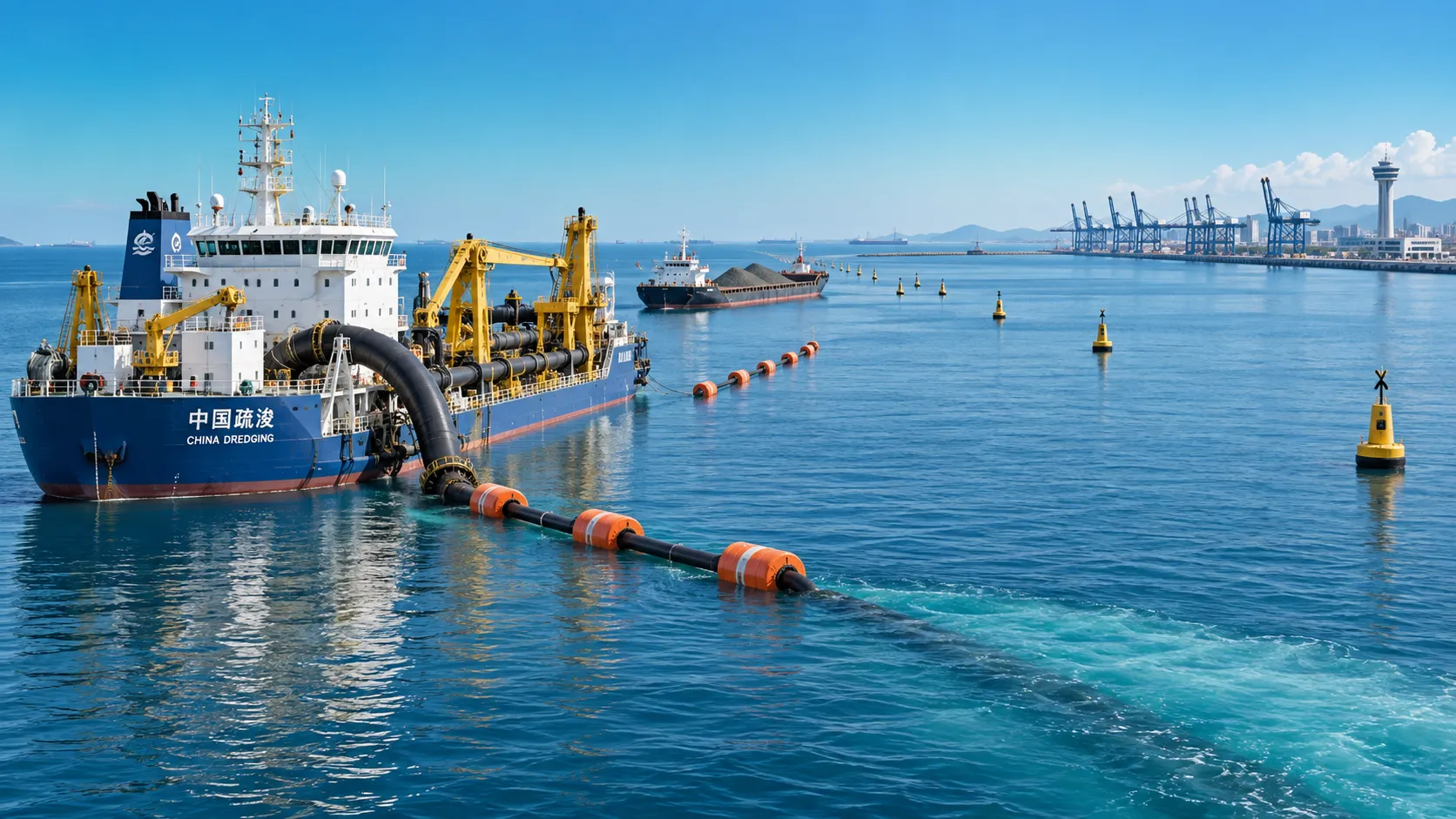
Planning Offshore Dredging Operations: Key Risks, Methods, and Project Controls
Offshore dredging operations demand smart planning. Explore key risks, proven methods, environmental controls, and project strategies for reliable delivery.