
Related News
- 00
0000-00
How to Specify a Quay Crane for Container Terminals by Vessel Size and Throughput? - 00
0000-00
Which Bulk Handling Equipment Suits High-Moisture Cargo? - 00
0000-00
Terminal Automation Technologies That Raise Container Throughput Without Yard Disruption - 00
0000-00
Planning Offshore Dredging Operations: Key Risks, Methods, and Project Controls - 00
0000-00
Where Do Automated Guided Vehicles Deliver the Fastest Warehouse Gains in the Middle East?
Full Automation vs Semi-Automation: When the Extra Investment Makes Sense
Full Automation vs Semi-Automation: When the Extra Investment Makes Sense
For technical evaluators in port operations, the decision between semi-automation and full automation is rarely about technology alone.
It is about throughput ceilings, labor volatility, safety exposure, system integration, and long-term asset strategy.
Semi-automated systems can deliver targeted gains with lower upfront risk and faster operational acceptance.
Yet full automation may justify its extra investment when terminal complexity, 24/7 utilization, and predictable process control become critical.
This article examines where the business case shifts from optional upgrade to strategic necessity.
Scenario Background: Why the Automation Choice Depends on Operating Reality
Ports, bulk terminals, logistics yards, and dredging support bases do not share the same automation trigger points.
A terminal with stable vessel calls may gain enough from semi-automation through remote crane operation and assisted dispatching.
A transshipment hub facing dense yard exchanges may need full automation to remove variability from every container move.
The difference is not whether machines can work without operators.
The real question is whether the process can produce value only when human intervention becomes exceptional.
Full automation becomes compelling when delays spread quickly across quay cranes, AGVs, yard cranes, gates, and vessel planning.
Semi-automation works best when risk is localized and manual recovery can remain efficient.
Scenario One: High-Density Container Terminals with Tight Berth Windows
High-density container terminals are the clearest proving ground for full automation.
The business case strengthens when berth windows are short, vessel sizes are large, and yard buffers are limited.
In this scenario, semi-automation may improve individual equipment productivity.
However, full automation improves the entire chain by synchronizing quay cranes, horizontal transport, yard stacking, and truck release.
The extra investment makes sense when missed berth productivity causes vessel delays, crane idle time, or rehandling growth.
Predictable sequencing becomes more valuable than isolated equipment speed.
Core judgment point
If yard congestion repeatedly forces operational compromises, full automation should be evaluated as a system-level capacity tool.
If congestion is seasonal or caused by planning discipline, semi-automation may be the safer first step.
Scenario Two: 24/7 Facilities Facing Labor Volatility
Labor volatility changes the economics of automation more than many financial models suggest.
When operations depend on continuous shifts, skill availability, overtime rules, and safety restrictions, full automation can stabilize output.
Semi-automation reduces physical burden and improves operator visibility, especially through remote-control cabins.
But it does not remove dependence on staffing continuity.
Full automation becomes attractive when workforce gaps directly affect crane utilization, gate flow, and truck turnaround.
Its value is strongest where night operations must match daytime consistency.
Core judgment point
If labor uncertainty is a structural constraint, full automation can convert staffing risk into software-managed process risk.
If labor pressure is temporary, semi-automation can preserve flexibility while improving ergonomics and safety.
Scenario Three: Safety-Critical Zones with Heavy Equipment Interaction
Ports and heavy logistics sites involve cranes, terminal tractors, AGVs, reach stackers, bulk conveyors, and service vehicles.
Where people and machines share operating space, safety exposure can define the automation case.
Semi-automation helps by adding cameras, sensors, assisted control, and remote workstations.
Full automation goes further by separating personnel from repetitive high-risk movements.
The investment becomes easier to justify when incidents trigger downtime, insurance pressure, or regulatory scrutiny.
The decision should include near-miss records, restricted-zone breaches, and maintenance access patterns.
Core judgment point
Full automation is most persuasive when safety improvement also improves process regularity.
If hazards are limited to specific tasks, semi-automation may deliver sufficient risk reduction.
Scenario Four: Greenfield Terminals Built Around Digital Control
Greenfield projects can design civil works, power supply, data networks, equipment interfaces, and traffic logic together.
This makes full automation more practical than in legacy retrofit environments.
A greenfield terminal can reserve space for automated stacking blocks, charging zones, sensor coverage, and maintenance bypasses.
Semi-automation still has value where demand growth is uncertain or financing requires staged deployment.
However, underbuilding digital infrastructure can create costly constraints later.
Full automation should be considered when the long-term terminal model depends on dense stacking and unmanned horizontal transport.
Core judgment point
If the site is being engineered from zero, full automation can be cheaper across the asset lifecycle.
If volume ramp-up is uncertain, design for future full automation even if deployment starts semi-automated.
Scenario Five: Brownfield Sites with Legacy Equipment and Mixed Traffic
Brownfield automation is often harder because old layouts rarely support clean machine logic.
Mixed traffic, manual exceptions, legacy cranes, and limited shutdown windows can weaken the full automation case.
Semi-automation frequently delivers better near-term returns in these environments.
Remote operation, automated gate recognition, dispatch optimization, and equipment health monitoring can reduce friction quickly.
Full automation still makes sense when the brownfield site can isolate operating zones or rebuild major process flows.
Without that isolation, exceptions may overwhelm automated logic and reduce expected savings.
Core judgment point
Choose full automation only where the operating envelope can be controlled.
Where manual traffic remains dominant, semi-automation is often the stronger transition path.
Different Scenario Requirements: Where the Investment Threshold Changes
The table shows why full automation should not be judged by equipment price alone.
Its value depends on whether automated control can reshape the whole operating rhythm.
Scenario Fit Recommendations for a Practical Automation Roadmap
- Map bottlenecks by process chain, not by equipment type.
- Calculate delay costs from vessel waiting, rehandling, idle cranes, and truck queues.
- Separate structural constraints from temporary operating discipline issues.
- Test whether full automation can reduce exceptions, not merely automate normal moves.
- Design data architecture before selecting cranes, AGVs, or yard systems.
- Use semi-automation where it protects optionality without blocking future integration.
A strong roadmap should include technology, civil design, power planning, cybersecurity, maintenance strategy, and workforce transition.
Full automation fails when it is treated as equipment procurement rather than operating model redesign.
Common Misjudgments That Distort the Full Automation Business Case
Mistaking peak speed for system throughput
A faster crane does not guarantee higher terminal output.
Full automation creates value when it reduces waiting time between connected assets.
Ignoring exception management
Every terminal has damaged containers, late trucks, vessel changes, weather disruption, and maintenance windows.
Full automation requires clear rules for exceptions before abnormal events become daily productivity losses.
Underestimating integration depth
Terminal operating systems, equipment control, positioning, surveillance, and energy management must exchange trusted data.
If interfaces remain fragmented, full automation may add complexity instead of removing it.
Treating semi-automation as a dead end
Semi-automation can be a valuable bridge when designed with scalable interfaces and future unmanned zones.
The risk appears when short-term upgrades create incompatible control islands.
When the Extra Investment in Full Automation Makes Sense
The extra investment makes sense when four conditions appear together.
- Throughput is limited by coordination, not single-machine performance.
- Labor volatility threatens operational continuity or cost predictability.
- Safety exposure can be reduced through controlled unmanned zones.
- The layout and data architecture can support repeatable automated decisions.
When these conditions are weak, semi-automation may deliver better capital discipline.
When they are strong, full automation becomes a strategic platform for capacity, safety, and service reliability.
For maritime logistics and coastal infrastructure, the decision increasingly affects competitive positioning.
Automated container handling, remote cranes, AGV routing, and digital dredging support are converging into one intelligence layer.
Action Guide: Turning Scenario Assessment into the Next Step
Start with a scenario audit covering flow density, labor stability, safety risk, energy demand, and system integration readiness.
Then model three pathways: targeted semi-automation, staged migration, and full automation from the operating core.
Each pathway should include lifecycle cost, downtime risk, maintenance capability, cybersecurity exposure, and expansion flexibility.
PS-Nexus tracks port automation, heavy terminal gear, control systems, and intelligent logistics patterns across global maritime trade.
The practical goal is not to choose the most advanced system.
The goal is to identify where full automation converts complexity into stable, measurable, and scalable operational advantage.
When that conversion is visible, the premium is no longer a technology luxury.
It becomes the foundation for smarter hubs, safer operations, and synchronized global supply chains.
Related News
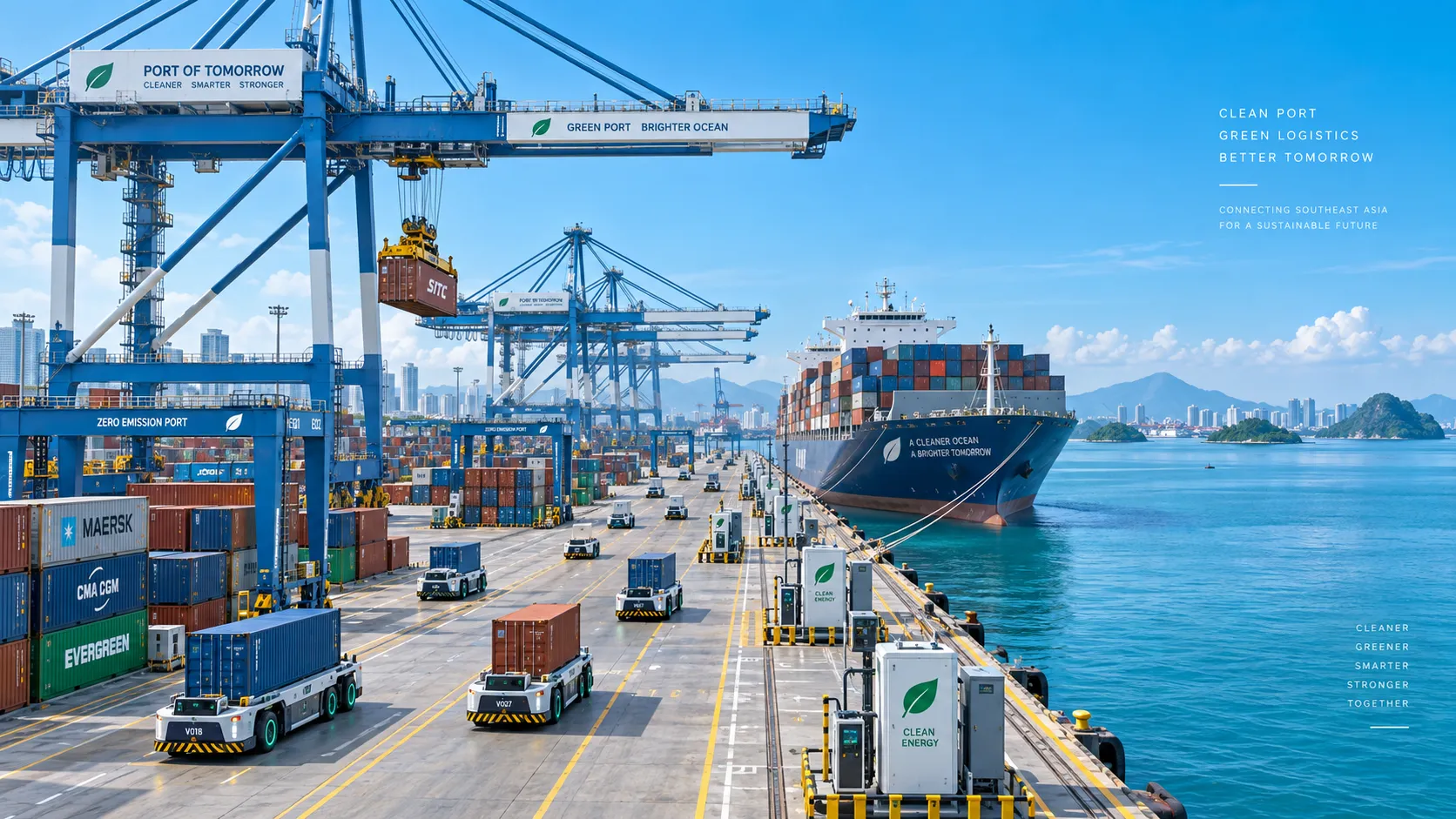
Smart Port Systems in Southeast Asia: Investment Priorities and Adoption Barriers
Smart port systems Southeast Asia: discover investment priorities, adoption barriers, and practical steps to build resilient, connected, high-performing terminals.
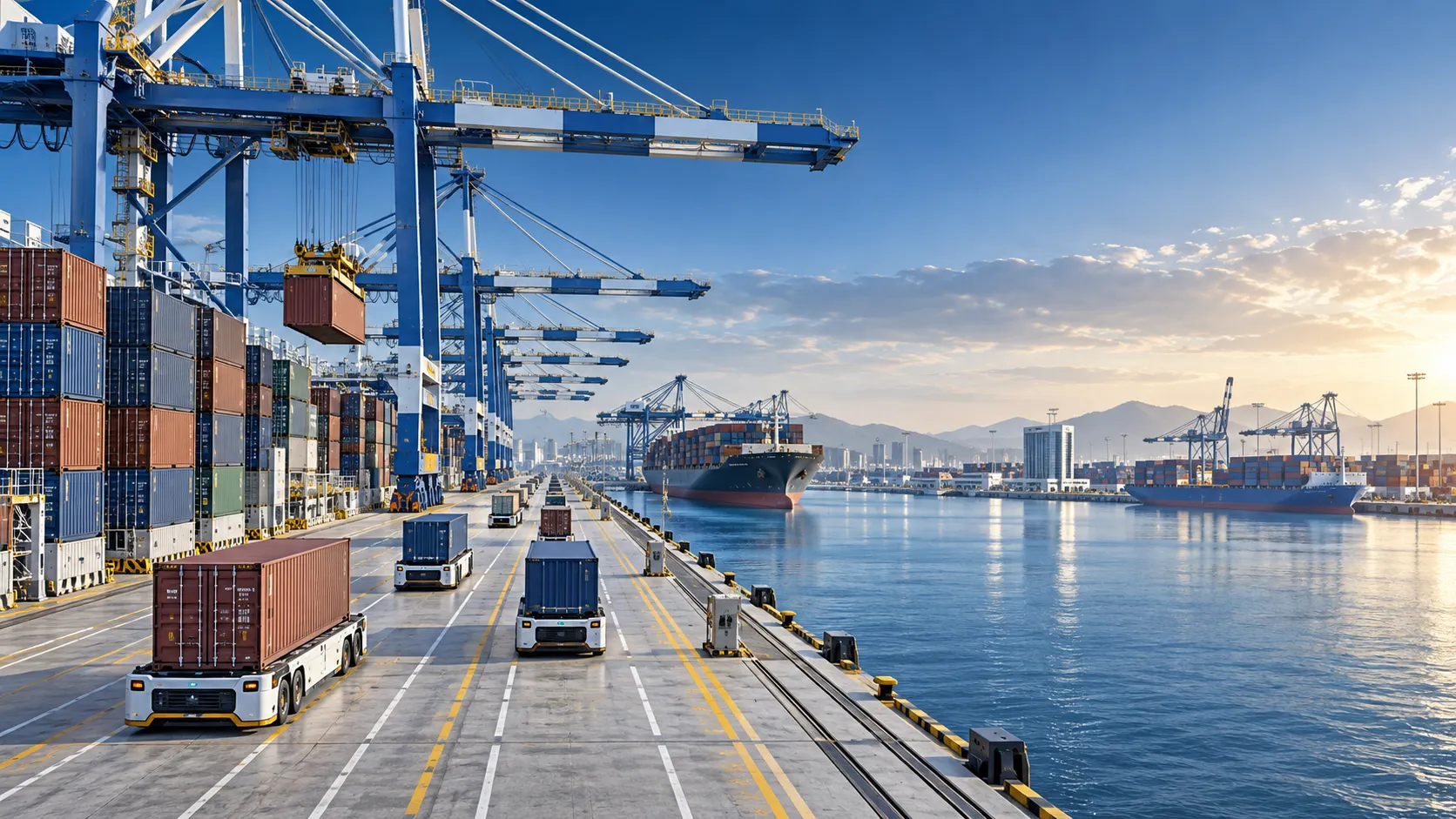
How to Evaluate Terminal Efficiency Solution Suppliers for High-Throughput Operations
Choose a terminal efficiency solutions supplier with confidence. Explore proven criteria for throughput, integration, lifecycle cost, safety, and reliable delivery.
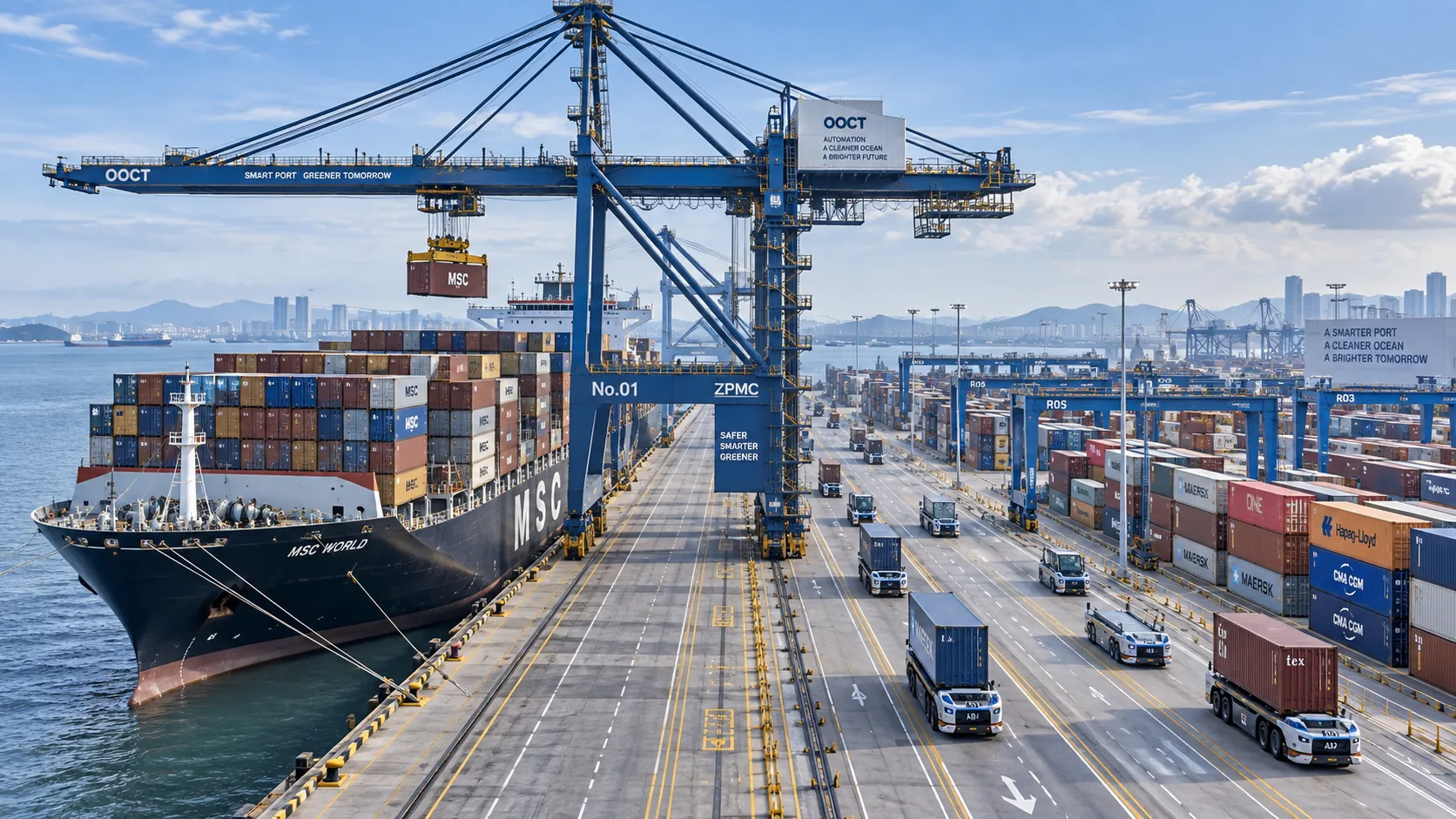
How to Specify a Quay Crane for Container Terminals by Vessel Size and Throughput?
Quay crane for container terminals: learn how to match outreach, lift height, capacity, automation, and cycle performance to vessel size and throughput goals.
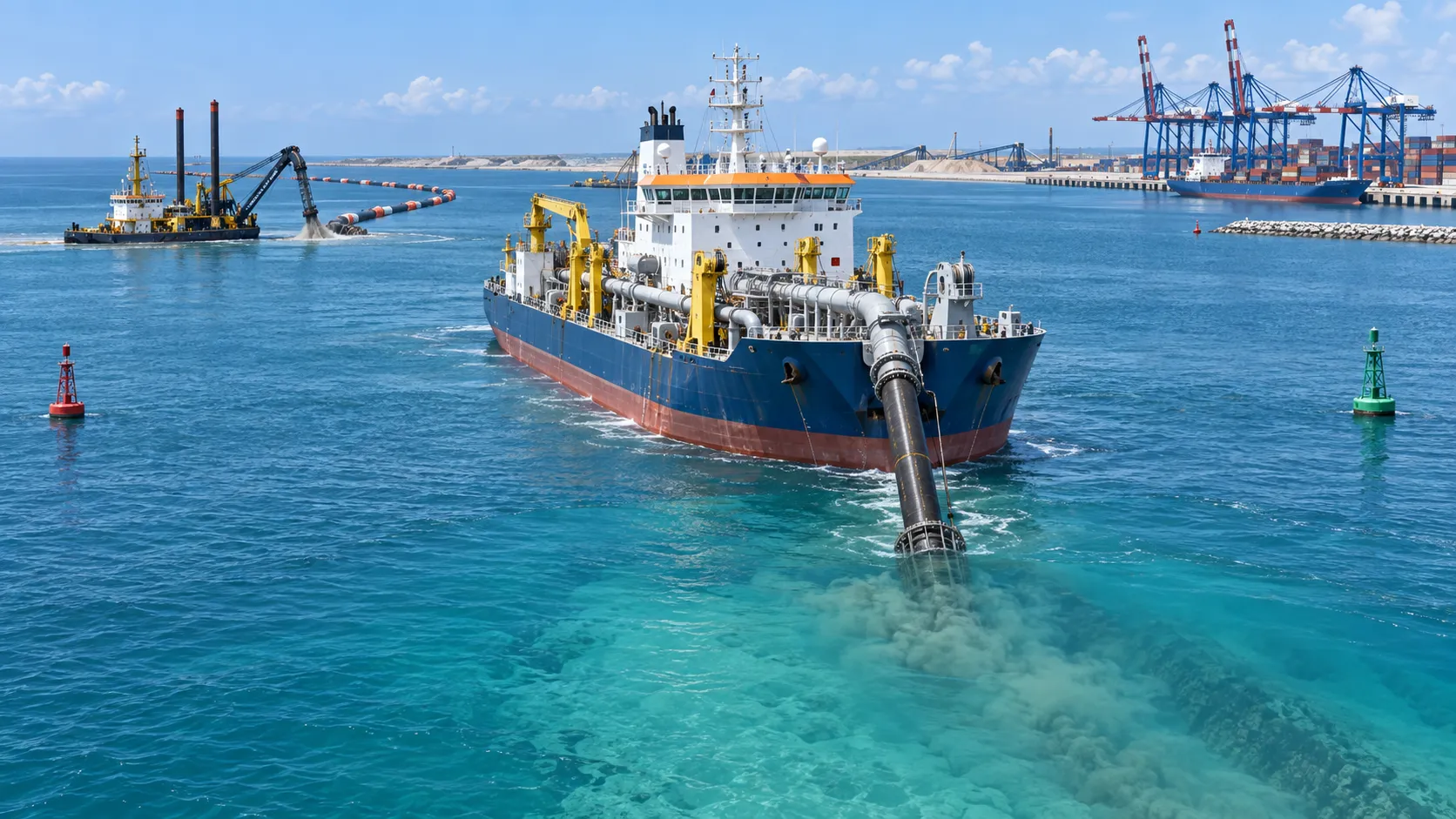
What Dredging Equipment Is Needed for Channel Deepening?
What dredging equipment is needed for channel deepening? Explore dredgers, pipelines, survey tools, and planning strategies for safer, more efficient port access.
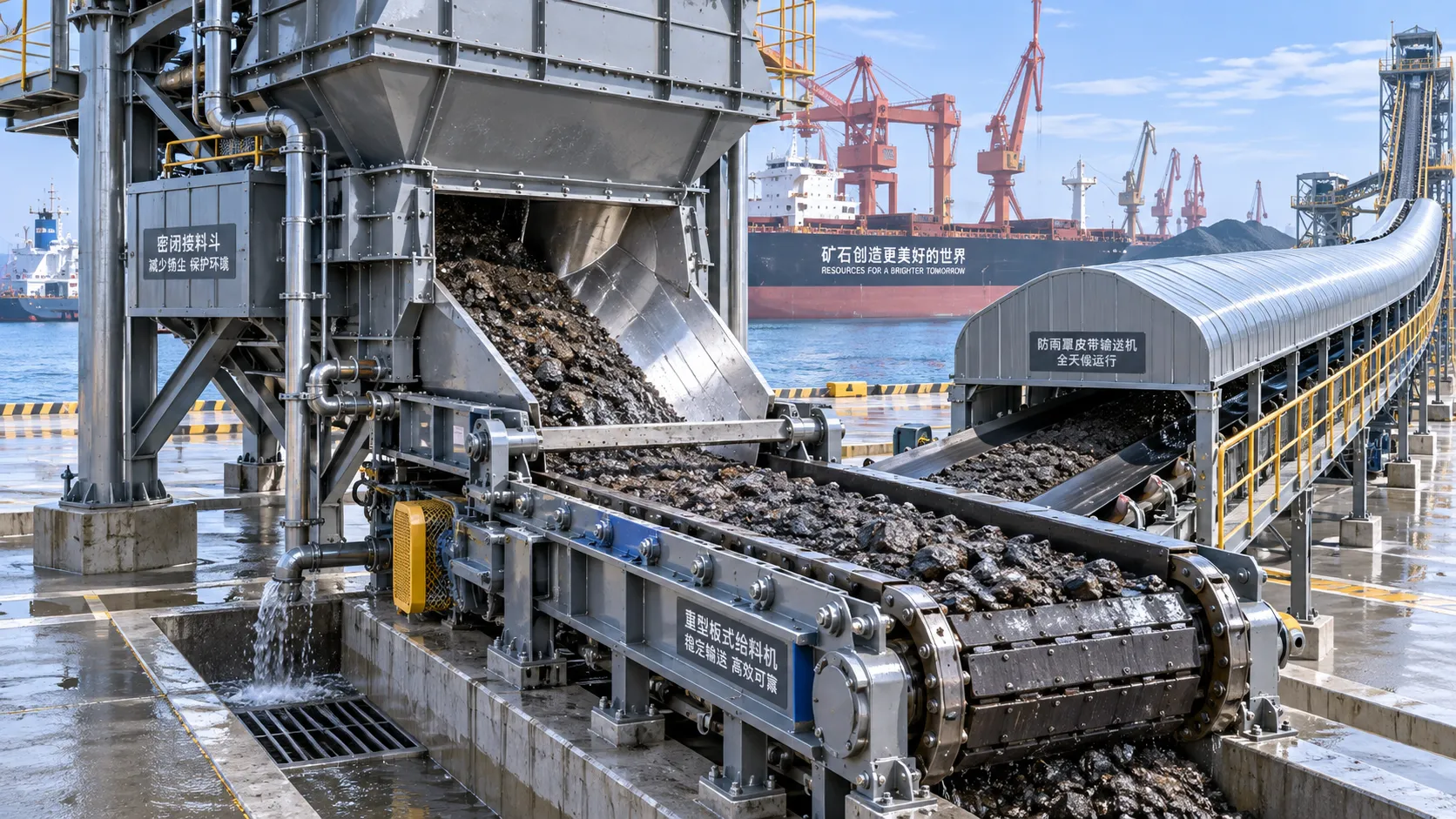
Which Bulk Handling Equipment Suits High-Moisture Cargo?
Which bulk handling equipment suits high-moisture cargo? Compare belt, apron, screw, drag, and slurry systems for reliable flow, less carryback, and higher terminal uptime.
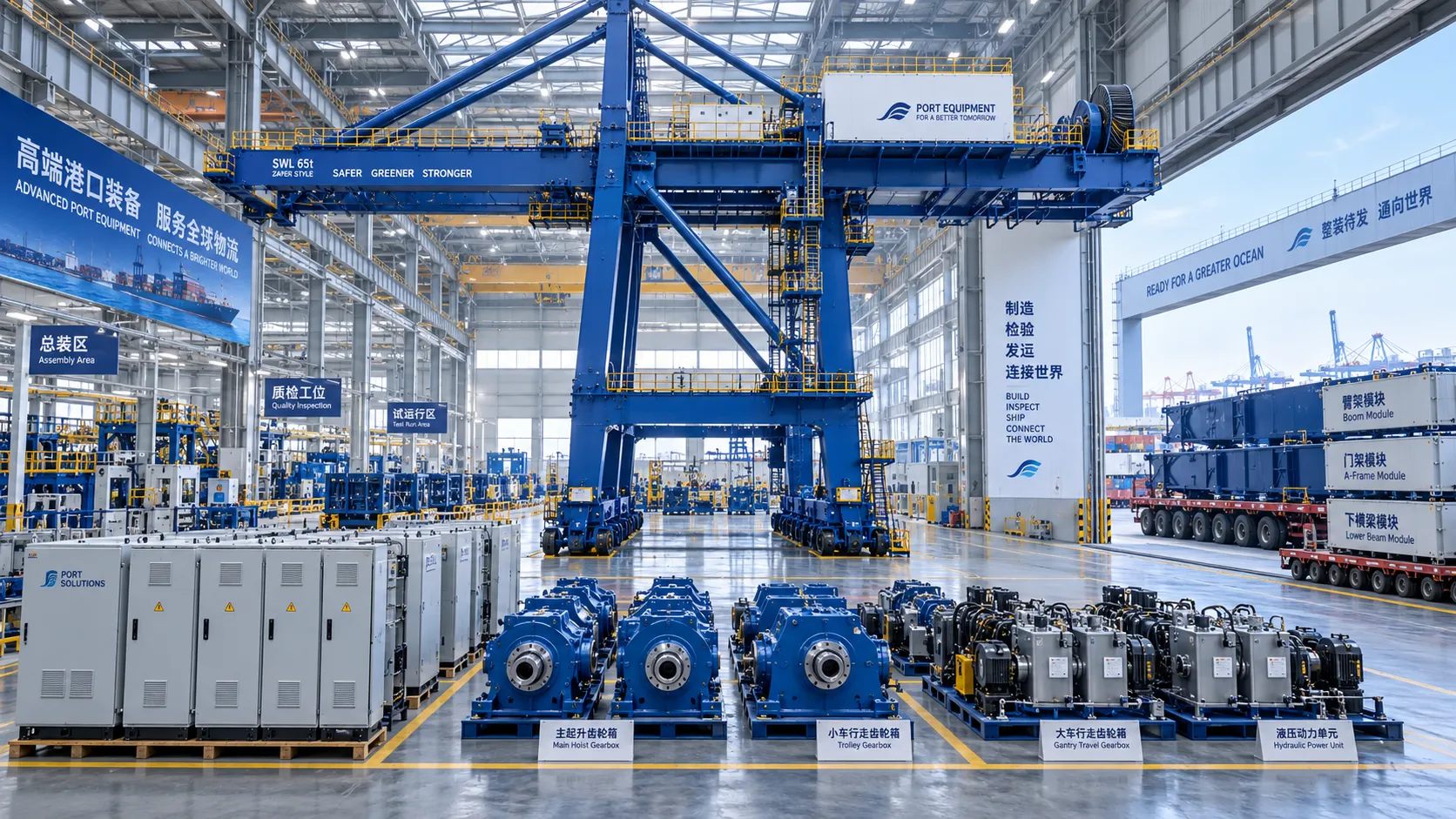
How Can Port Equipment Lead-Time Risk Be Managed?
How can port equipment lead-time risk be managed? Explore practical strategies to control critical paths, suppliers, transport, site readiness, and commissioning delays.
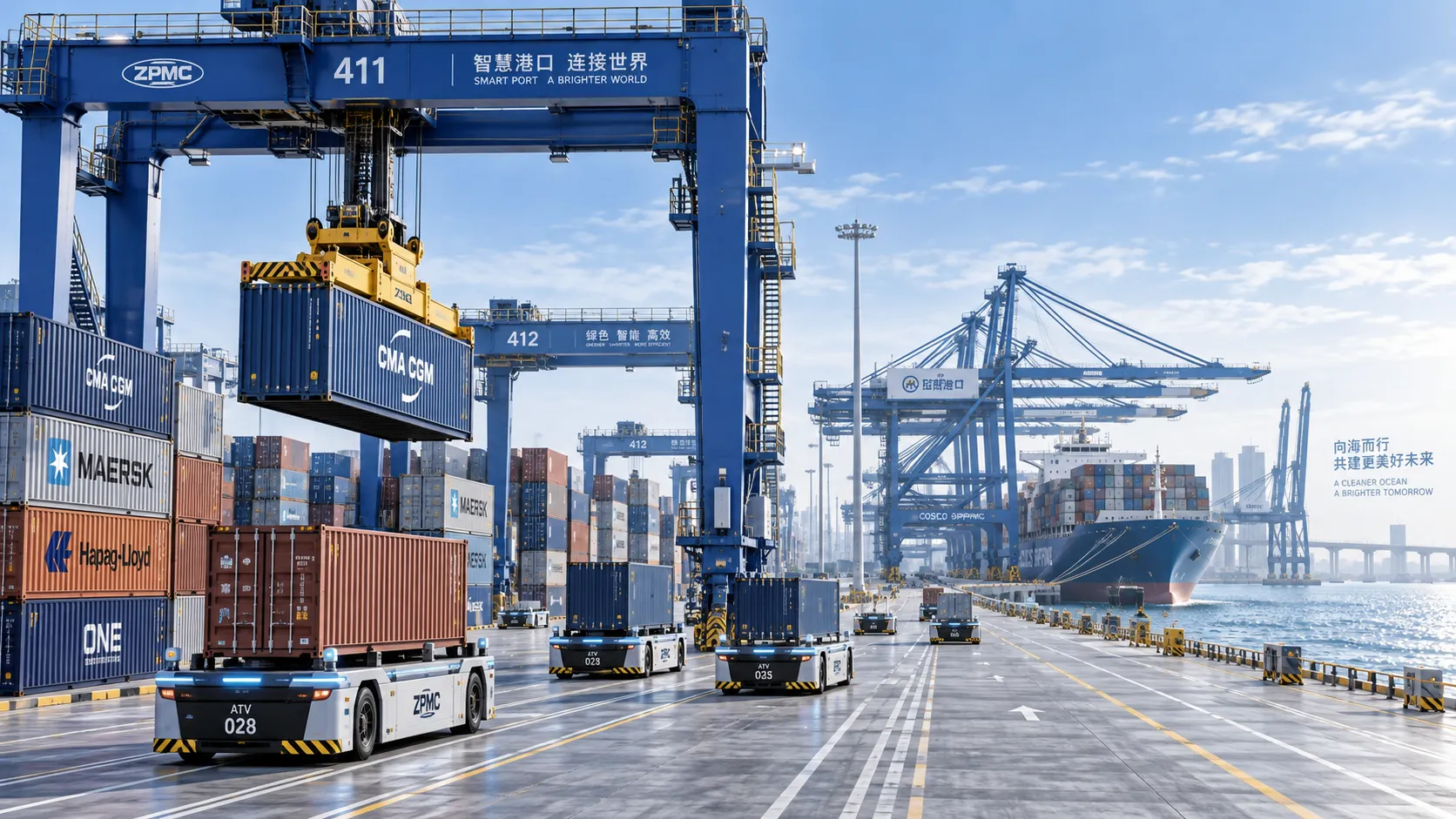
Terminal Automation Technologies That Raise Container Throughput Without Yard Disruption
Terminal automation technology that increases container throughput without disrupting yard flow. Explore smarter integration, resilient workflows, and phased deployment strategies.
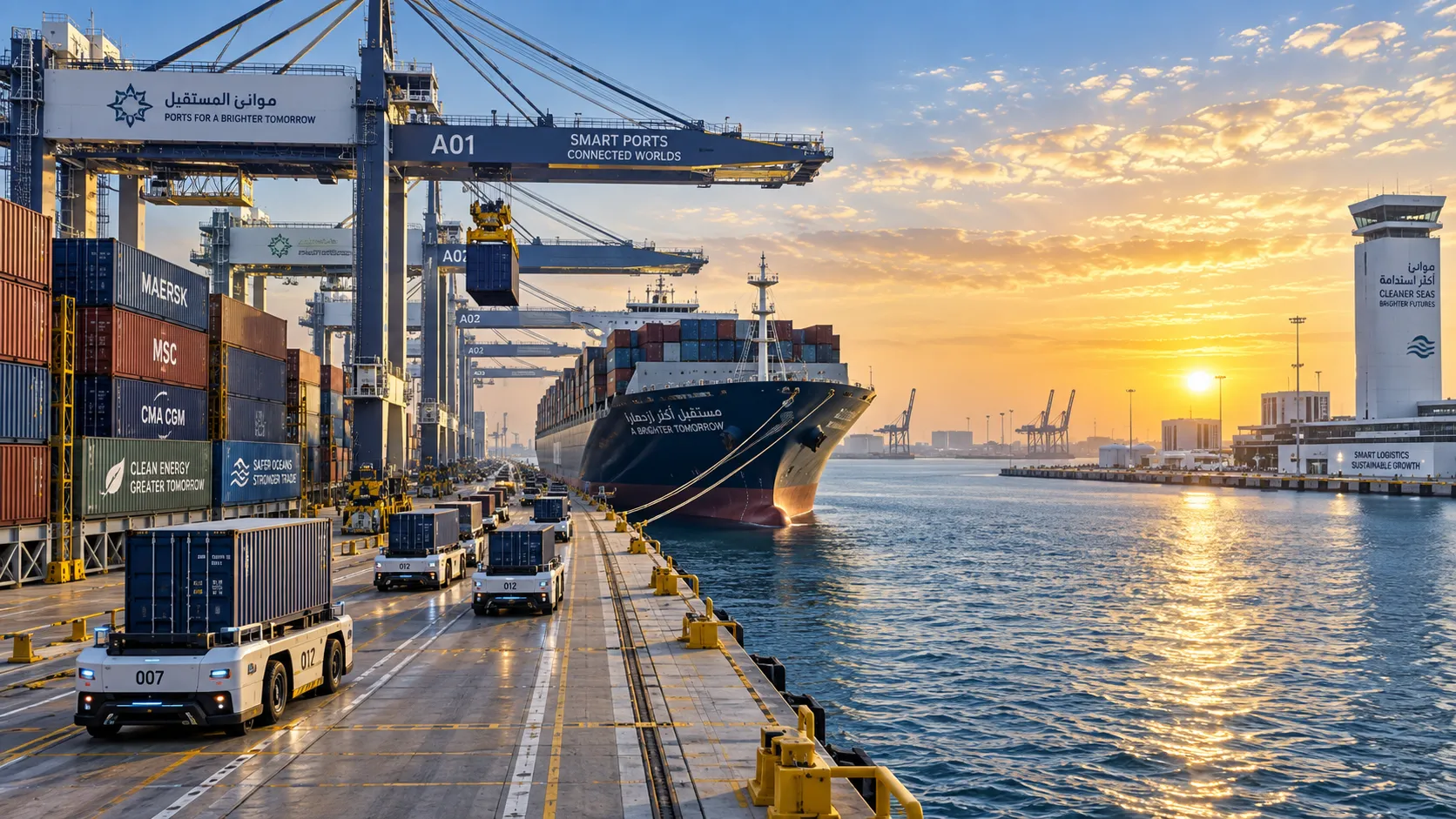
Middle East Port Automation: Key Market Drivers, Projects, and Investment Risks
Port automation systems Middle East: explore market drivers, flagship projects, integration challenges, and investment risks shaping smarter, resilient terminals.
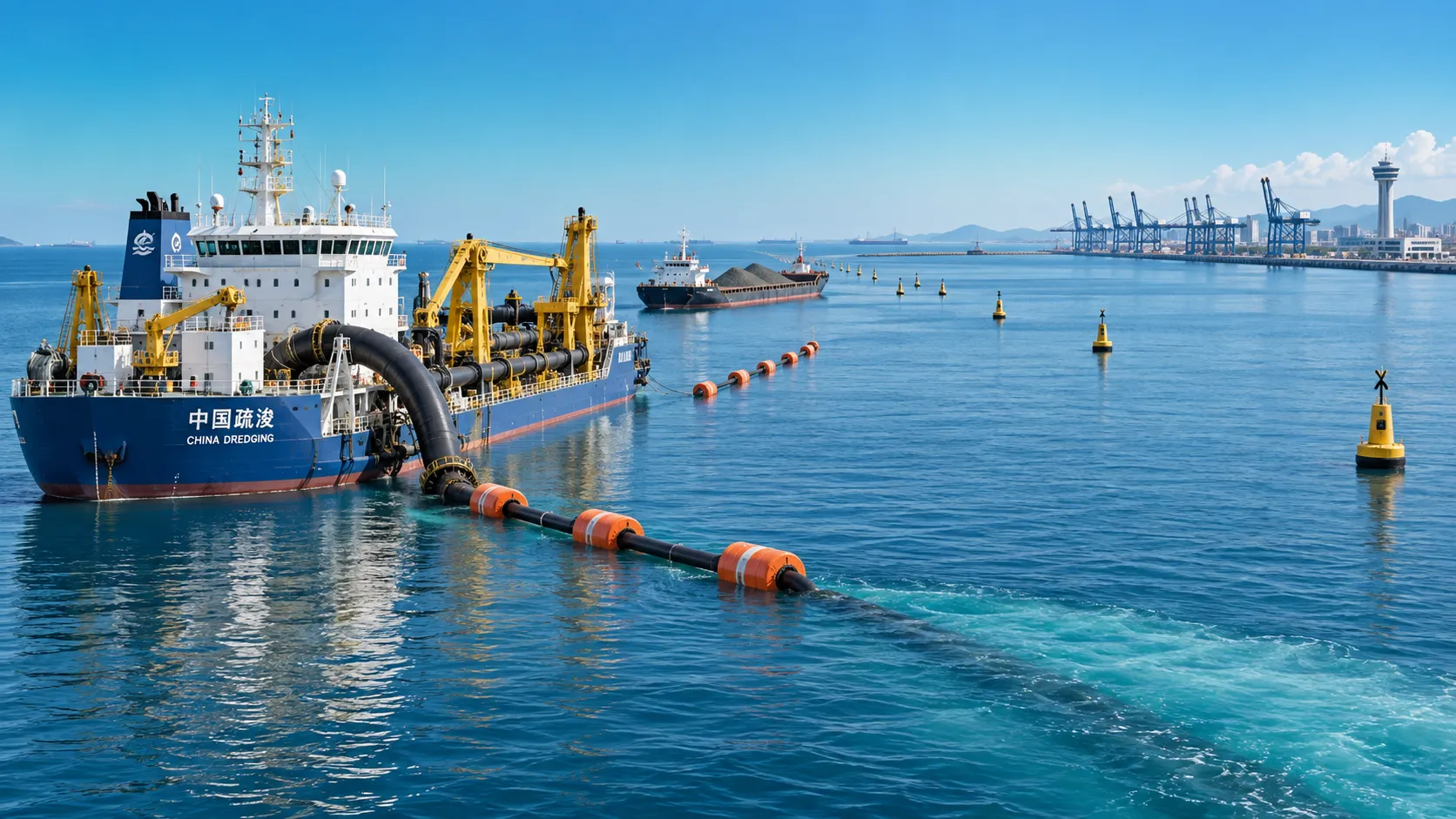
Planning Offshore Dredging Operations: Key Risks, Methods, and Project Controls
Offshore dredging operations demand smart planning. Explore key risks, proven methods, environmental controls, and project strategies for reliable delivery.