Related News
- 00
0000-00
How to Specify a Quay Crane for Container Terminals by Vessel Size and Throughput? - 00
0000-00
Which Bulk Handling Equipment Suits High-Moisture Cargo? - 00
0000-00
Terminal Automation Technologies That Raise Container Throughput Without Yard Disruption - 00
0000-00
Planning Offshore Dredging Operations: Key Risks, Methods, and Project Controls - 00
0000-00
Where Do Automated Guided Vehicles Deliver the Fastest Warehouse Gains in the Middle East?
How Will Smart Oceans Technology Change Port Planning?
As global trade hubs face rising vessel sizes, tighter emissions targets, and mounting pressure for faster cargo flows, smart oceans technology is becoming a strategic force in port planning. For enterprise decision makers, the question is no longer whether digital intelligence will shape terminals, but how quickly infrastructure, automation, dredging, and coastal economics must align. From predictive berth allocation to data-driven dredging and autonomous equipment coordination, the next generation of ports will be planned as connected, adaptive systems built for resilience and competitive growth.
For port authorities, terminal operators, equipment distributors, and infrastructure investors, this shift changes procurement logic. Planning is moving from isolated assets toward synchronized systems measured across 5–10 year capacity cycles.
PS-Nexus tracks this transition across heavy terminal gear, automated container handling, marine dredging engineering, and port control systems. The central question is how smart oceans technology converts maritime complexity into practical planning decisions.
Smart Oceans Technology Redefines the Port Planning Baseline
Traditional port planning often starts with land, quay length, crane count, storage density, and channel depth. Smart oceans technology adds a dynamic layer: real-time operating intelligence.
Instead of designing for a fixed annual throughput figure, planners can model 3–5 demand scenarios, vessel arrival volatility, weather disruption, and equipment availability within one digital planning environment.
From Static Master Plans to Adaptive Port Systems
A modern port master plan must consider berth windows, yard congestion, hinterland connections, emissions exposure, and dredging windows together. These variables interact every hour.
Smart oceans technology helps planners test operational outcomes before civil works begin. A terminal can simulate 2,000–6,000 container moves per day under different crane, AGV, and gate configurations.
- Berth planning models can compare average waiting time under normal, peak, and disruption conditions.
- Yard algorithms can evaluate block density, truck turns, and reefer plug allocation before equipment procurement.
- Dredging data can be linked with channel maintenance cycles of 6, 12, or 24 months.
Why This Matters for Capital Allocation
A quay crane, automated stacking crane, dredger, or control platform is not only a purchase item. It is part of a 15–30 year infrastructure commitment.
By using smart oceans technology early, enterprises can reduce the risk of overbuilding civil infrastructure while underinvesting in automation, connectivity, or maintenance intelligence.
Where Digital Intelligence Changes Infrastructure Decisions
Enterprise decision makers usually need to justify port investment through capacity, safety, lifecycle cost, and regulatory readiness. Smart oceans technology makes these criteria more measurable.
The following comparison shows how digital planning changes core infrastructure decisions across terminal gear, dredging equipment, and control systems.
The key conclusion is that planning accuracy improves when physical assets and operating data are evaluated together. Smart oceans technology turns capital planning into a live performance model.
Implications for Heavy Terminal Gear
Mega port terminal gear now requires more than rated lifting capacity. Buyers increasingly evaluate hoisting cycles, sensor readiness, fault diagnostics, and compatibility with terminal operating systems.
For example, remote-controlled quay cranes may require communication latency targets below 50–100 milliseconds for stable operator response in high-density operating zones.
Implications for Dredging Engineering
Channel deepening and land reclamation can no longer be planned only by estimated cubic meters. Sediment behavior, turbidity limits, and fleet utilization must be tracked continuously.
Digital pump monitoring, positioning systems, and hydrographic survey integration help reduce rework. In many projects, progress checks occur daily rather than at monthly milestones.
Automation, Control Systems, and the New Port Operating Logic
A smart port is not simply an automated port. It is a coordinated decision network where cranes, AGVs, yard systems, gates, vessels, and dredging assets exchange operational signals.
Smart oceans technology gives this network the ability to predict bottlenecks 15–60 minutes before they become costly delays.
Three Control Layers Enterprise Leaders Should Evaluate
- The equipment layer, including quay cranes, RTGs, ASCs, AGVs, conveyors, and dredging machinery.
- The scheduling layer, including berth planning, yard planning, equipment dispatch, and gate appointment systems.
- The intelligence layer, including data lakes, simulation engines, predictive maintenance, and performance dashboards.
When these 3 layers are separated during procurement, integration costs rise. When they are planned together, automation can scale across terminals more safely.
AGV Path Planning and Yard Density
Automated guided vehicles are most effective when path planning is aligned with berth sequence, crane productivity, and yard slot availability. Small algorithmic delays can accumulate quickly.
In high-throughput yards, a 2–3 minute delay per vehicle cycle may create noticeable queue pressure across hundreds of daily moves.
Remote Operation and Safety Design
Remote crane operation requires camera coverage, redundant communication, ergonomic control rooms, and cyber-secure access. These requirements should be included before civil layout approval.
Smart oceans technology also supports safer interfaces between automated zones and manual traffic, especially during phased upgrades where legacy equipment remains in service.
Procurement Criteria for Smart Port Investment
For B2B buyers, the challenge is selecting systems that remain useful across changing trade lanes, emissions rules, and cargo profiles. Procurement must look beyond initial price.
Before committing to smart oceans technology, enterprises should define evaluation criteria across equipment compatibility, data quality, cybersecurity, service capability, and lifecycle economics.
This table highlights a practical procurement rule: every digital feature should connect to a measurable operational outcome, not just a technology label.
A 5-Step Decision Framework
- Map current constraints across berth, yard, gate, channel, energy, and maintenance functions.
- Define target performance indicators, such as moves per hour, vessel waiting time, or dredging accuracy.
- Assess equipment readiness for sensors, automation interfaces, remote control, and data exchange.
- Run phased simulations covering base demand, peak demand, and disruption scenarios.
- Set procurement requirements for integration, training, maintenance, cybersecurity, and upgrade paths.
A phased framework is especially useful for brownfield terminals. Many operators need 12–36 months to transition from manual workflows to semi-automated operations.
Risk Control: Avoiding Common Smart Port Planning Mistakes
Smart oceans technology can deliver strong value, but poor planning can create expensive complexity. The main risks are usually organizational, not purely technical.
A port may buy advanced equipment but fail to prepare data governance, maintenance teams, control room procedures, or supplier integration responsibilities.
Four Mistakes That Delay Returns
- Treating automation as a single equipment purchase rather than a full operating model change.
- Planning dredging, berth upgrades, and terminal automation on separate timelines.
- Underestimating data cleaning, sensor calibration, and operator training requirements.
- Ignoring cybersecurity and redundancy until late-stage commissioning.
Data Quality Is a Planning Asset
In many projects, the most valuable early task is establishing a trusted data baseline. This may include 6–12 months of equipment logs and vessel call records.
Smart oceans technology depends on reliable inputs. Inconsistent naming, incomplete maintenance records, or uncalibrated sensors can reduce simulation credibility and weaken executive confidence.
Change Management Must Start Before Commissioning
Operators, engineers, dispatchers, and maintenance teams need training before automated systems go live. A 4–8 week trial period can expose workflow gaps.
Decision makers should require suppliers and integrators to define acceptance tests, escalation rules, and handover documentation in commercial contracts.
How PS-Nexus Supports Enterprise Decision Makers
PS-Nexus positions port intelligence at the intersection of heavy machinery, automation logic, dredging engineering, and global trade movement. This perspective is valuable for long-cycle decisions.
Enterprise buyers need more than news. They need structured intelligence that translates smart oceans technology into equipment choices, investment timing, and competitive positioning.
Strategic Intelligence for the Blue Economy
Through analysis of terminal gear, bulk handling machinery, specialized container handling, control systems, and dredging equipment, PS-Nexus helps leaders compare practical pathways.
Insights may include 3-stage automation roadmaps, AGV path-planning considerations, digital pump monitoring practices, and commercial demand signals for equipment distributors.
- For port operators, intelligence supports capacity planning, modernization sequencing, and supplier evaluation.
- For equipment manufacturers, intelligence clarifies demand for automation-ready mechanical systems.
- For distributors, intelligence strengthens technical communication and brand premium positioning.
Planning for Resilience and Net-Zero Operations
Future ports must accommodate trade volatility, climate exposure, and stricter emissions requirements. Smart oceans technology supports resilience by linking forecasts with asset deployment.
Electrified equipment, shore power, hybrid dredging fleets, and energy-aware scheduling can be phased across 2–5 investment cycles rather than forced into one project.
Planning the Next Port as a Connected System
Smart oceans technology will change port planning by making every quay, yard, channel, machine, and control node part of a connected decision environment.
The strongest projects will not be defined by the most expensive assets alone. They will be defined by accurate data, compatible systems, staged implementation, and measurable operating gains.
For enterprise decision makers, now is the time to evaluate readiness across infrastructure, equipment, dredging, automation, cybersecurity, and emissions strategy.
PS-Nexus helps organizations interpret these moving parts with high-authority maritime intelligence and practical sector insight. To explore smarter planning options, get a customized solution or consult product details today.
- heavy terminal gear
- automated container handling
- marine dredging engineering
- coastal economics
- mega port terminal
- bulk handling machinery
- specialized container handling
- control systems
- dredging equipment
- blue economy
- AGVs
- digital pump monitoring
- smart oceans
- quay crane
- smart oceans technology
- terminal operating systems
- automated guided vehicles
- terminal equipment
Related News
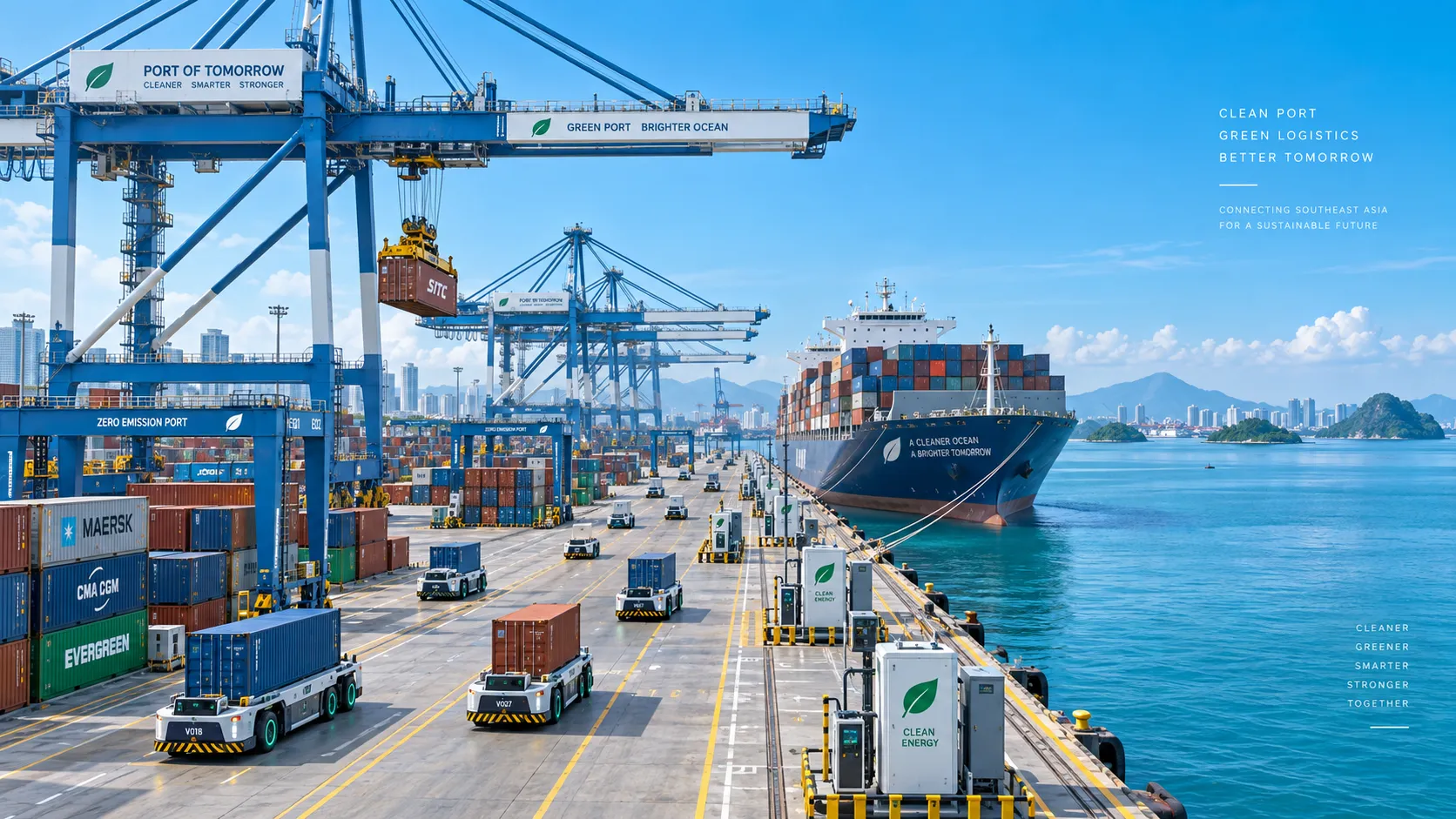
Smart Port Systems in Southeast Asia: Investment Priorities and Adoption Barriers
Smart port systems Southeast Asia: discover investment priorities, adoption barriers, and practical steps to build resilient, connected, high-performing terminals.
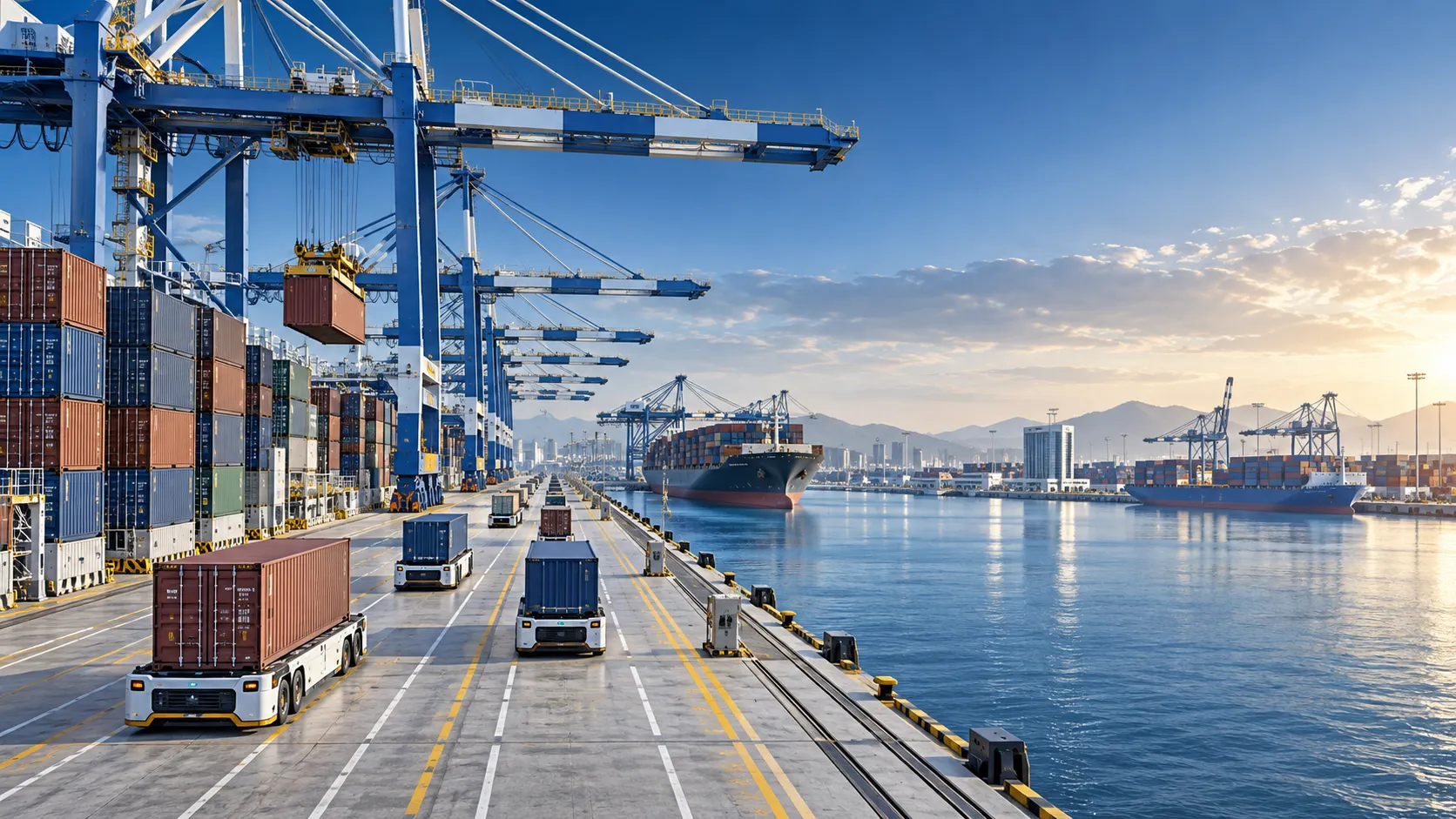
How to Evaluate Terminal Efficiency Solution Suppliers for High-Throughput Operations
Choose a terminal efficiency solutions supplier with confidence. Explore proven criteria for throughput, integration, lifecycle cost, safety, and reliable delivery.
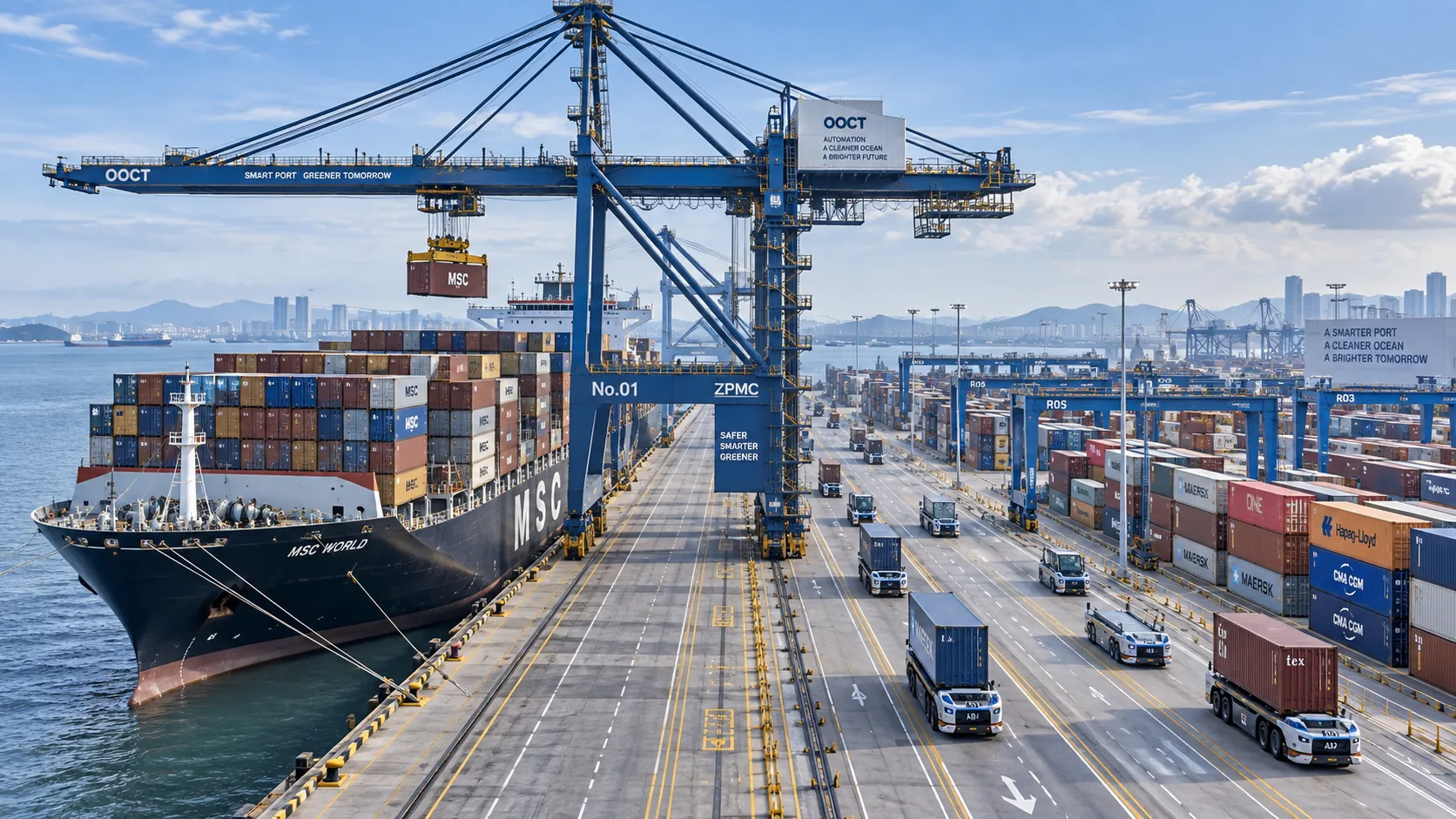
How to Specify a Quay Crane for Container Terminals by Vessel Size and Throughput?
Quay crane for container terminals: learn how to match outreach, lift height, capacity, automation, and cycle performance to vessel size and throughput goals.
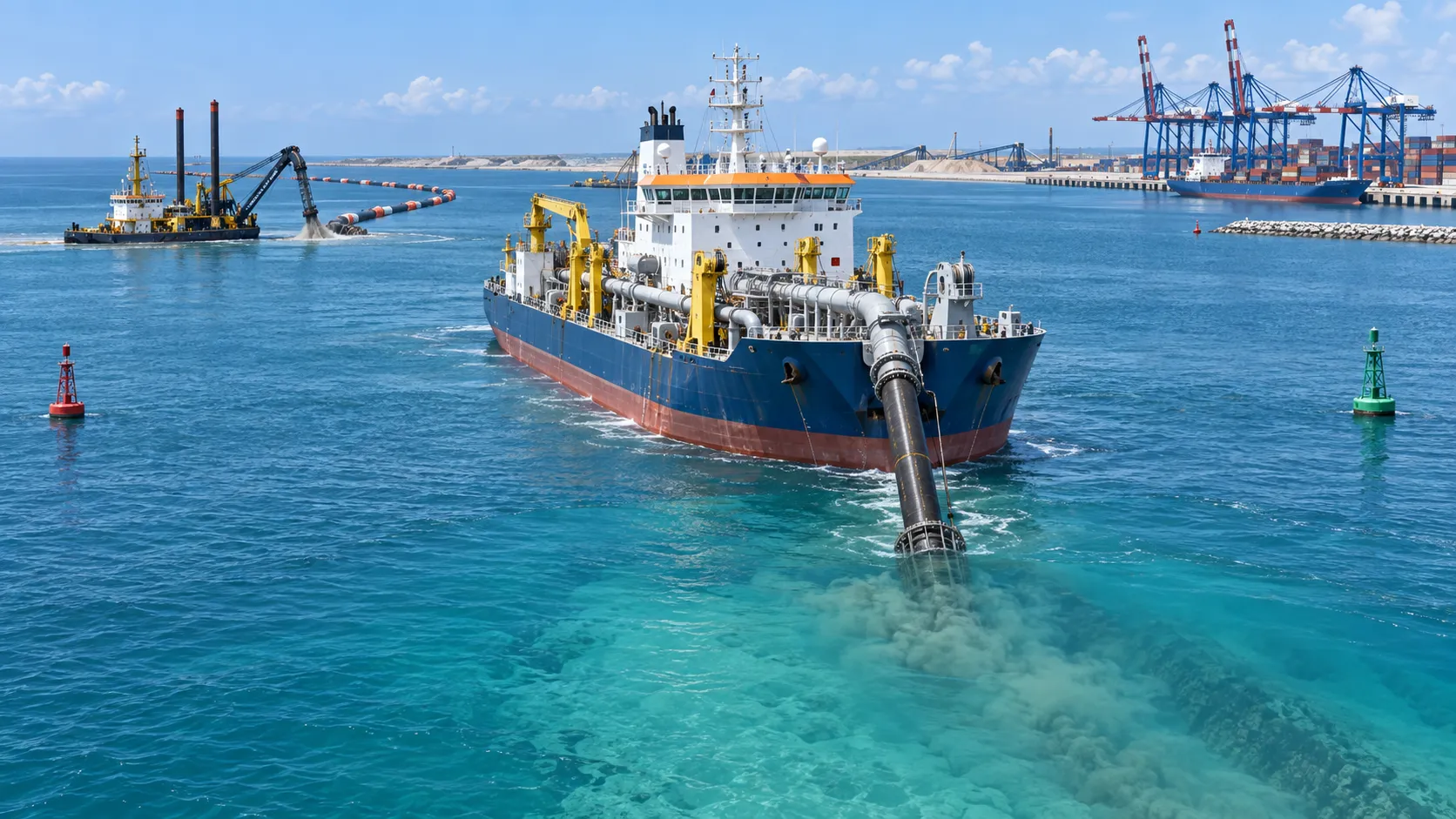
What Dredging Equipment Is Needed for Channel Deepening?
What dredging equipment is needed for channel deepening? Explore dredgers, pipelines, survey tools, and planning strategies for safer, more efficient port access.
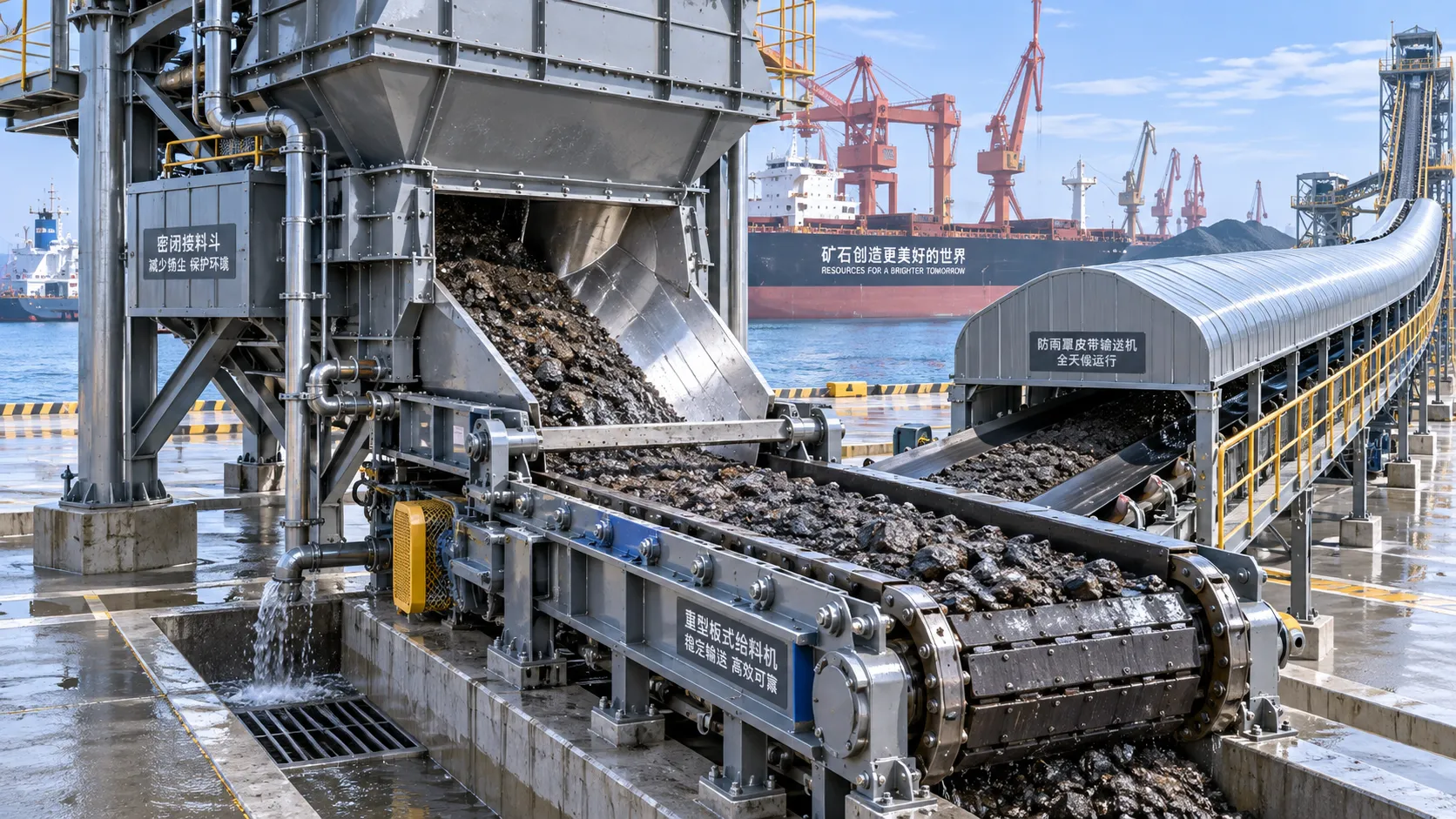
Which Bulk Handling Equipment Suits High-Moisture Cargo?
Which bulk handling equipment suits high-moisture cargo? Compare belt, apron, screw, drag, and slurry systems for reliable flow, less carryback, and higher terminal uptime.
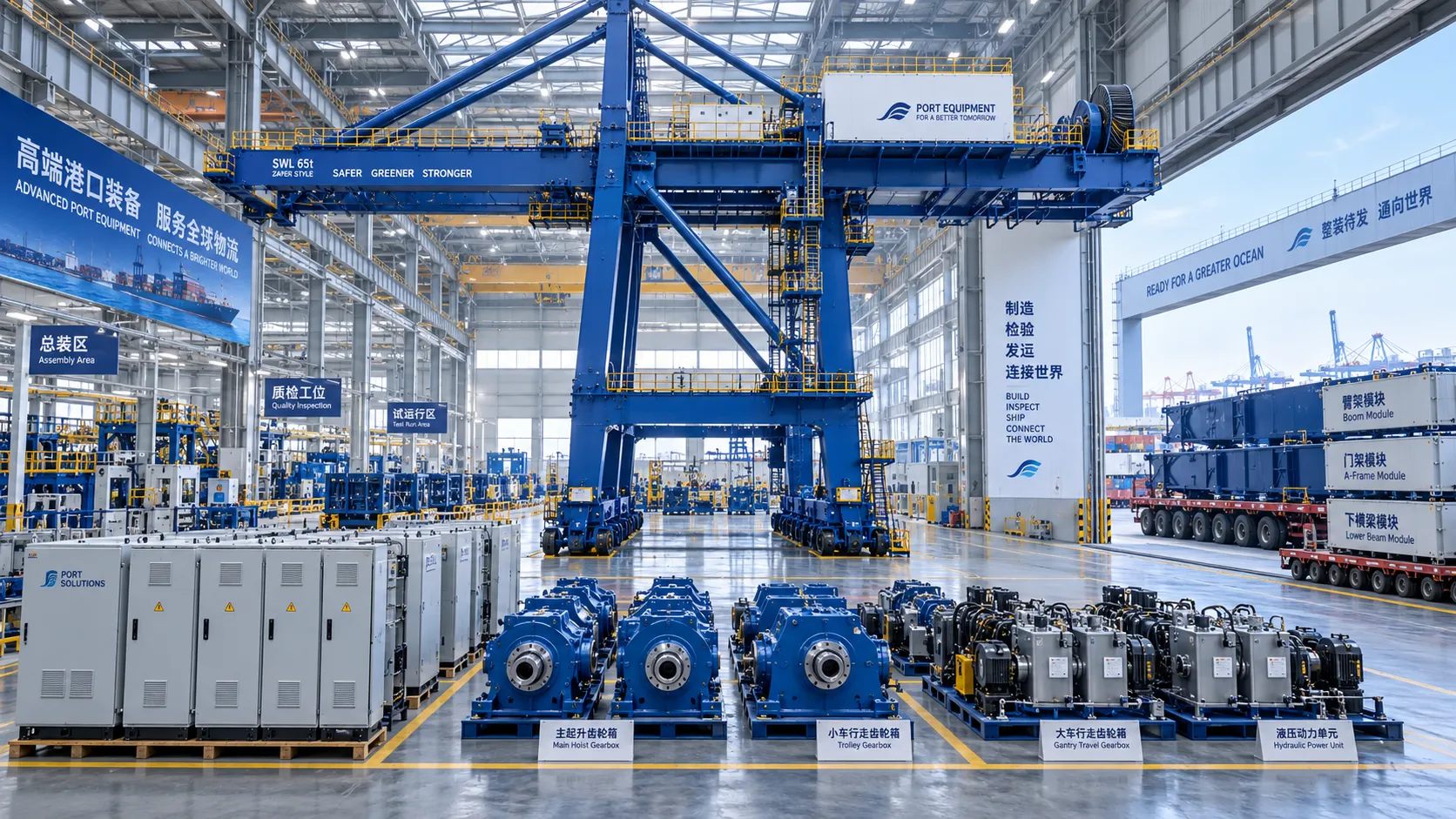
How Can Port Equipment Lead-Time Risk Be Managed?
How can port equipment lead-time risk be managed? Explore practical strategies to control critical paths, suppliers, transport, site readiness, and commissioning delays.
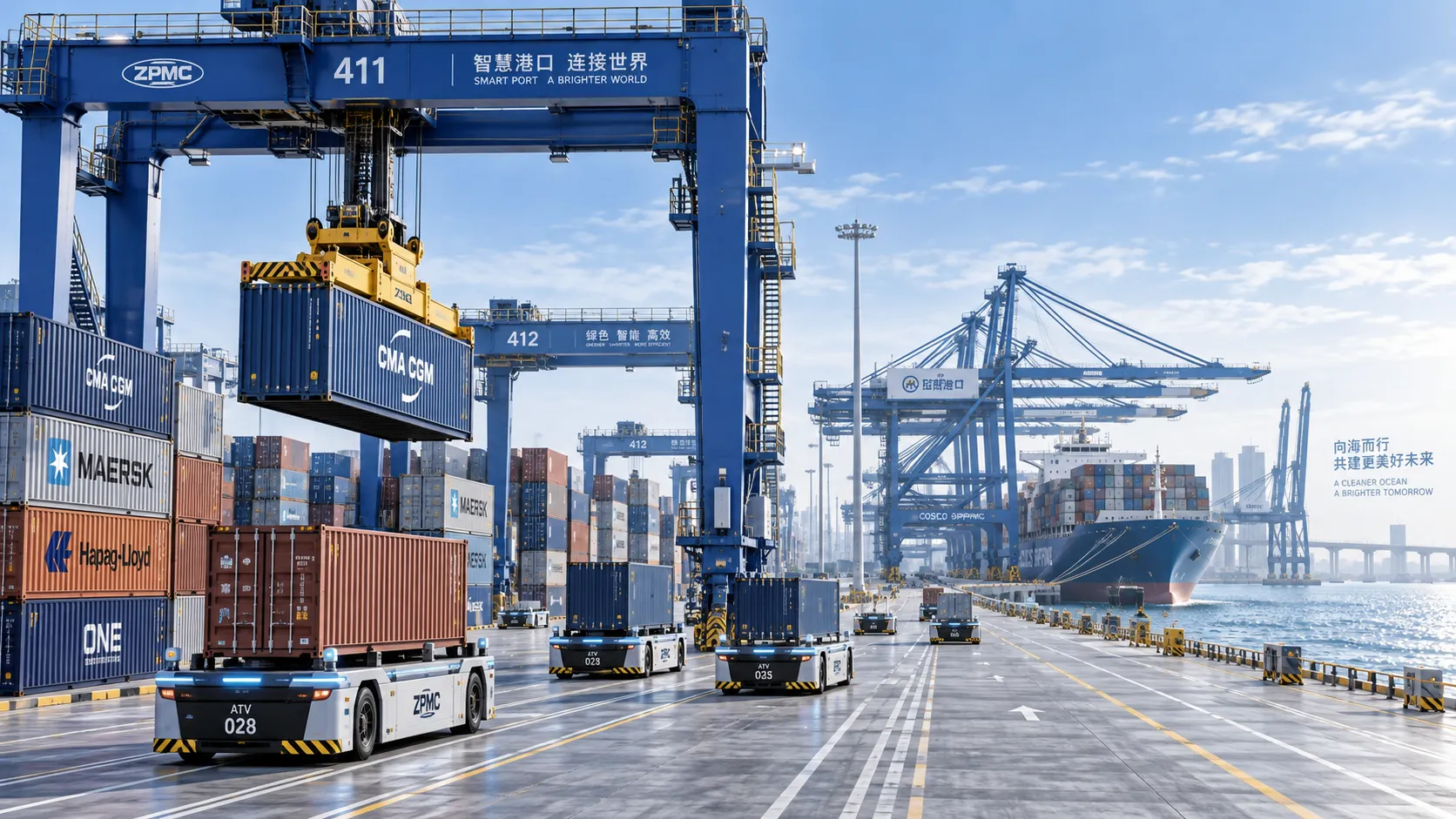
Terminal Automation Technologies That Raise Container Throughput Without Yard Disruption
Terminal automation technology that increases container throughput without disrupting yard flow. Explore smarter integration, resilient workflows, and phased deployment strategies.
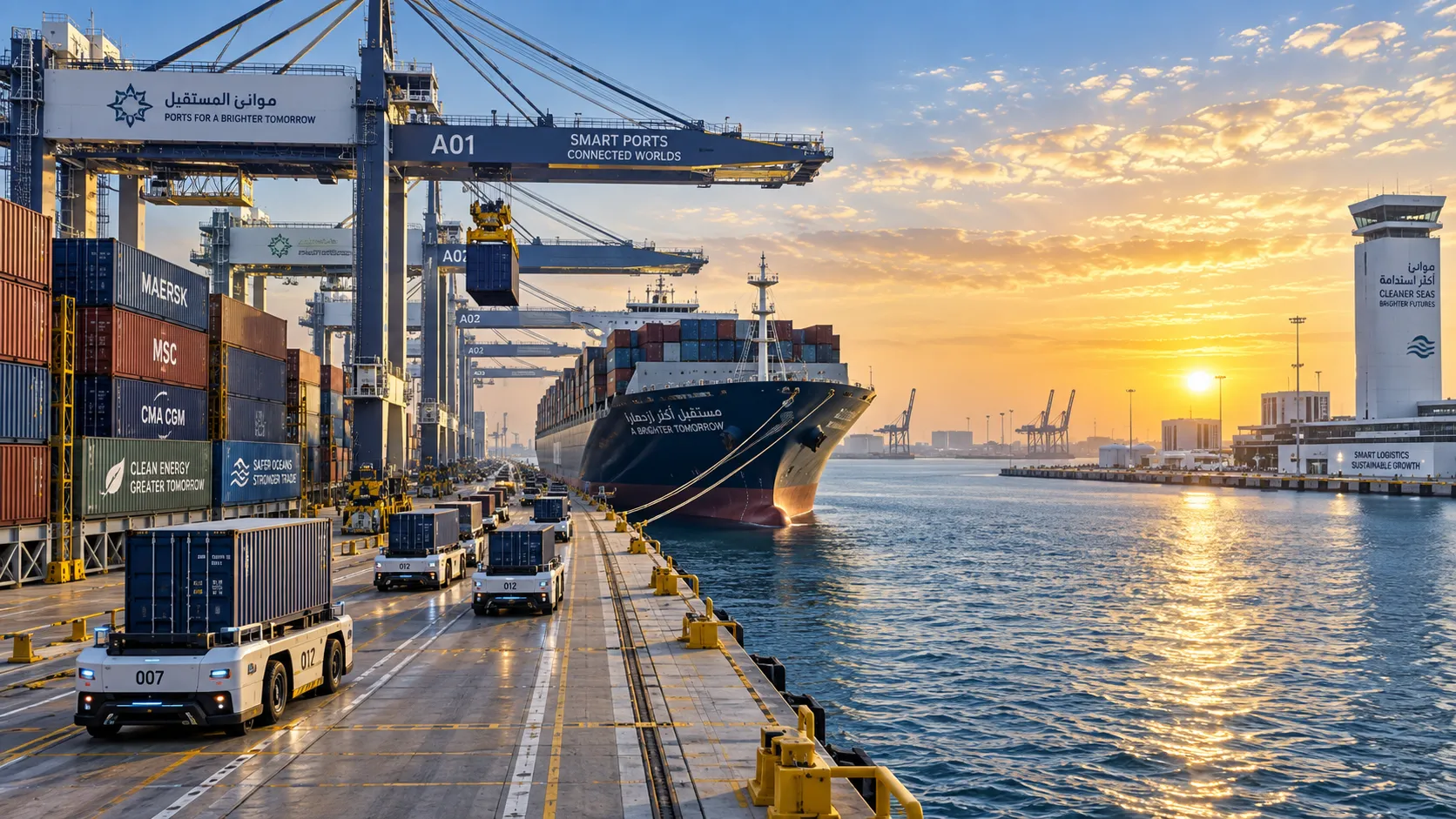
Middle East Port Automation: Key Market Drivers, Projects, and Investment Risks
Port automation systems Middle East: explore market drivers, flagship projects, integration challenges, and investment risks shaping smarter, resilient terminals.
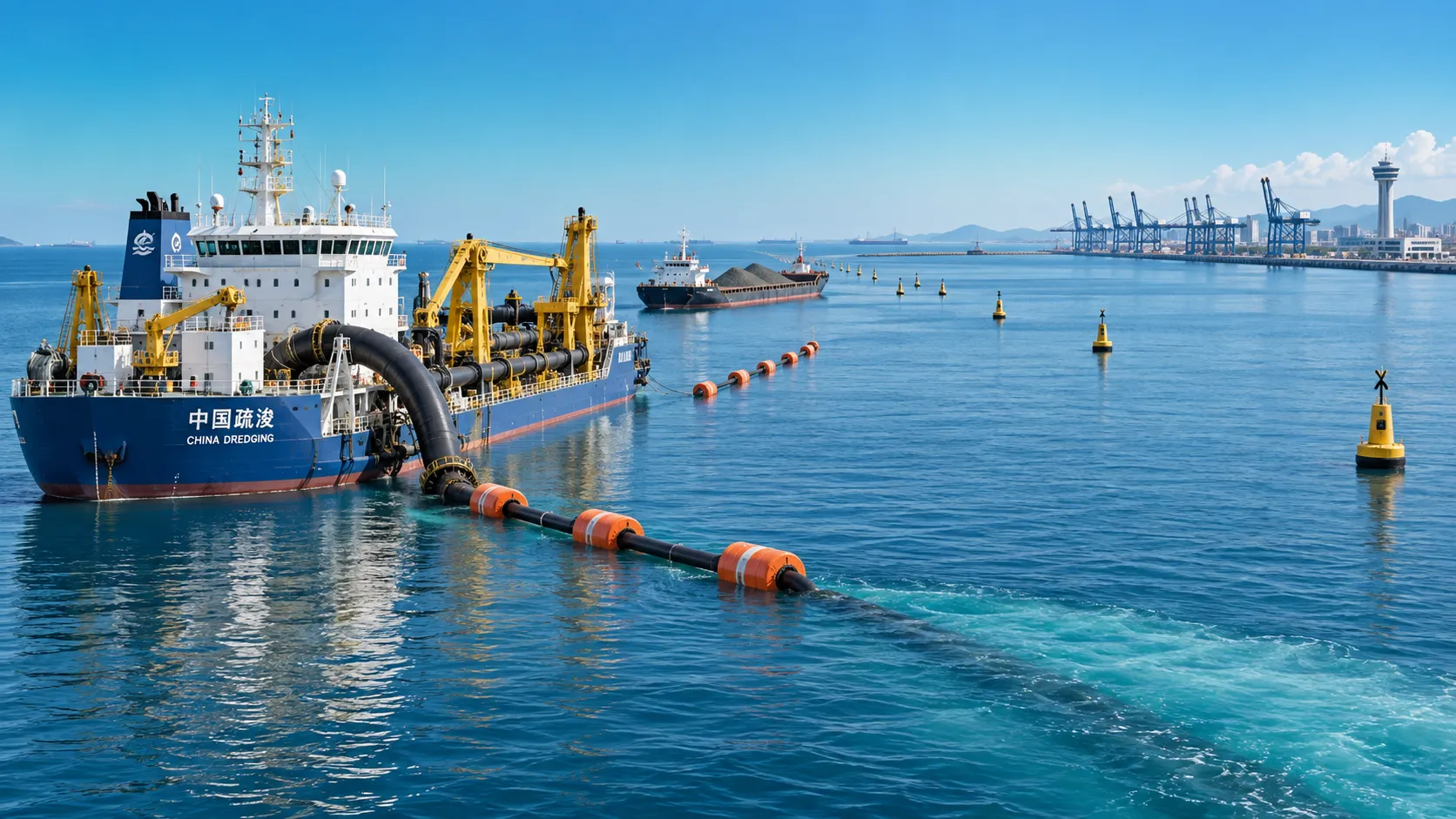
Planning Offshore Dredging Operations: Key Risks, Methods, and Project Controls
Offshore dredging operations demand smart planning. Explore key risks, proven methods, environmental controls, and project strategies for reliable delivery.