Related News
- 00
0000-00
How to Specify a Quay Crane for Container Terminals by Vessel Size and Throughput? - 00
0000-00
Which Bulk Handling Equipment Suits High-Moisture Cargo? - 00
0000-00
Terminal Automation Technologies That Raise Container Throughput Without Yard Disruption - 00
0000-00
Planning Offshore Dredging Operations: Key Risks, Methods, and Project Controls - 00
0000-00
Where Do Automated Guided Vehicles Deliver the Fastest Warehouse Gains in the Middle East?
Digital Pump Monitoring System Selection Guide: Which Data Points Actually Matter?
Choosing a digital pump monitoring system is not about collecting more data—it is about identifying the signals that truly affect pump reliability, energy efficiency, and dredging or terminal performance. For technical evaluators, this guide highlights the data points that matter most, helping you compare systems with greater clarity and avoid costly decisions based on impressive but low-value metrics.
Why technical evaluators often overbuy data and underbuy insight
In ports, bulk terminals, container yards, and dredging operations, pumps rarely fail in isolation. A pump issue can reduce slurry transport efficiency, destabilize hydraulic subsystems, delay vessel turnaround, or increase energy draw across an already tight operating schedule.
That is why a digital pump monitoring system should be assessed as an operational decision tool, not as a sensor count contest. For technical evaluators, the real question is simple: which data points improve maintenance timing, process control, and asset life?
At PS-Nexus, this matters because pump data does not live alone. It connects to terminal automation, marine equipment duty cycles, remote diagnostics, and the broader economics of throughput. A monitoring platform becomes valuable when it links mechanical condition with scheduling and commercial impact.
- A system with many variables but weak alarm logic can overwhelm operators and still miss early failure signals.
- A system with fewer but better-prioritized measurements can support faster intervention and stronger lifecycle economics.
- The most useful digital pump monitoring system is the one that aligns with the pump’s duty, process medium, and integration environment.
Which data points actually matter in a digital pump monitoring system?
The table below summarizes the core measurements that usually carry the highest decision value when evaluating a digital pump monitoring system for terminal machinery, dredging units, and heavy industrial pumping applications.
If a digital pump monitoring system captures only one category, it should not be marketed as comprehensive. The strongest evaluation candidates combine hydraulic, mechanical, and electrical indicators so engineers can separate process disturbances from equipment faults.
The three measurements that usually deserve top priority
For most technical assessment teams, vibration, differential pressure, and power draw are the first three measurements to scrutinize. Together, they reveal whether the pump is healthy, whether the process path is stable, and whether the machine is working harder than it should.
These three are especially useful in marine dredging and terminal environments where operating conditions shift with sediment density, suction depth, line blockage, seawater exposure, and intermittent high-load demand.
How application scenario changes the best monitoring package
A digital pump monitoring system for a clean-water utility pump should not be evaluated with the same weighting as one used in slurry transport, hydraulic power, or dewatering at a bulk terminal. The operating medium changes the signal value.
The scenario comparison below helps technical evaluators define which measurements deserve higher importance during system selection.
The main lesson is that technical evaluators should rank measurements by operational consequence. A missed vibration alert on a dredging pump is not equal to a missed runtime count on a low-duty drainage unit. The asset criticality changes the monitoring architecture.
What this means for ports and marine equipment teams
PS-Nexus follows equipment intelligence in environments where downtime cascades into berth delays, yard inefficiency, and higher contract risk. In such settings, a digital pump monitoring system should support central visibility, not just local alarms.
If your operation already uses automated scheduling, remote crane supervision, AGV routing, or centralized maintenance planning, pump monitoring data should be available in a format that fits those digital workflows.
What to compare beyond sensor lists
Many procurement reviews stop at the number of sensors, communication interfaces, or dashboard screens. That is not enough. Two systems may report the same variables but differ sharply in decision usefulness, integration effort, and long-term maintainability.
Core comparison dimensions for a digital pump monitoring system
- Data quality: Ask about sampling rate, noise filtering, timestamp consistency, and sensor drift management. Low-trust data creates false alarms and weakens adoption.
- Alarm intelligence: Threshold alarms are useful, but contextual alarms are better. The system should distinguish startup transients from abnormal steady-state behavior.
- Historical trend depth: A monitoring platform must store enough history to reveal seasonal load changes, progressive wear, and post-maintenance performance shifts.
- Integration capability: Verify compatibility with PLC, SCADA, historian platforms, industrial Ethernet, and remote fleet monitoring tools where relevant.
- Environmental suitability: Marine humidity, salt exposure, vibration, and dust can degrade field devices. Enclosure rating and installation design matter.
- Usability for maintenance teams: Dashboards should turn measurements into decisions, not force technicians to interpret raw data without context.
A technically strong digital pump monitoring system is one that shortens diagnostic time. If the platform can tell you that rising vibration coincides with falling flow and rising power draw, it is far more valuable than a tool that shows each trend separately without correlation.
A practical procurement guide for technical evaluators
When teams evaluate monitoring solutions under budget pressure, they often need a structured way to avoid over-specifying low-risk pumps and under-specifying mission-critical units. The checklist below supports a more disciplined selection path.
- Define pump criticality by production consequence, not replacement cost alone. A moderately priced pump can still be operationally critical if it creates process bottlenecks.
- Map failure modes first. Decide whether the main risks are cavitation, seal failure, wear, overload, clogging, misalignment, or control instability.
- Select measurements that directly address those failure modes. Do not approve data channels that nobody will use in diagnosis or maintenance planning.
- Check integration with existing operational systems. A standalone display may be acceptable for isolated assets, but networked operations often need central visibility.
- Review installation constraints. Sensor location, wiring path, hazardous area requirements, and shutdown windows can materially affect project feasibility.
- Evaluate vendor support scope. Clarify whether the offer includes commissioning logic, alarm tuning, dashboard setup, and training for maintenance personnel.
Selection matrix: what to prioritize by evaluation objective
This matrix helps align the digital pump monitoring system with the business outcome your team is actually trying to improve.
This approach prevents vague comparisons. It pushes the procurement team to tie every requested feature to an operational result, which is especially important in long-cycle infrastructure projects where digital add-ons can inflate cost without proportional value.
Common mistakes when selecting a digital pump monitoring system
Mistake 1: treating dashboards as performance proof
An attractive interface does not guarantee reliable sensing, useful analytics, or maintainable integration. Technical evaluators should validate data architecture before they react to visualization quality.
Mistake 2: ignoring process context
A pump can show abnormal pressure because of downstream line conditions rather than internal damage. The monitoring logic should support contextual interpretation, especially in systems connected to valves, hoppers, dredge lines, or variable process media.
Mistake 3: underestimating alarm tuning
Poor alarm configuration leads to alarm fatigue. In harsh marine and industrial environments, teams need practical thresholds, delay logic, and escalation rules that reflect real operating cycles.
Mistake 4: forgetting lifecycle support
Sensors require calibration checks, communication devices need firmware management, and data mapping may change when control architecture evolves. The best digital pump monitoring system is sustainable after commissioning, not just during procurement.
Standards, integration, and compliance points worth checking
Technical evaluators in port and marine-related sectors often face mixed infrastructure: legacy PLCs, newer automation platforms, remote monitoring layers, and strict maintenance documentation requirements. This makes interoperability and compliance review essential.
- Check communication support for commonly used industrial protocols where your site requires them.
- Confirm enclosure and environmental suitability for outdoor, humid, dusty, or salt-laden installations.
- Review cybersecurity handling if the digital pump monitoring system connects to wider terminal or fleet networks.
- Ask how data records can support maintenance traceability, incident review, and internal technical audits.
Where operations are moving toward smart port models, monitoring systems should also be judged on how easily they export reliable data to enterprise decision layers. That broader view is where intelligence portals like PS-Nexus add value—linking asset-level signals to operational planning and infrastructure strategy.
FAQ: practical questions technical evaluators ask
How many data points should a digital pump monitoring system include?
There is no universal number. For many critical pumps, a solid baseline includes flow, suction or discharge pressure, power, vibration, temperature, and speed where variable operation exists. More channels are justified only when they improve diagnosis or control decisions.
Is vibration always necessary?
Not always, but often yes for mission-critical or high-duty pumps. In dredging, bulk handling, and heavy terminal support systems, vibration is one of the most valuable early-warning signals for mechanical degradation. For low-duty utility pumps, it may be optional depending on consequence of failure.
What matters more: real-time alarms or long-term trends?
Both matter, but they serve different purposes. Real-time alarms protect current operations. Long-term trends reveal efficiency drift, wear progression, and maintenance effectiveness. A good digital pump monitoring system should support both, not force a tradeoff.
Can the same monitoring strategy be used across all pumps in a terminal or dredging fleet?
Usually no. Standardization is useful, but the monitoring depth should reflect duty cycle, medium, accessibility, redundancy, and production risk. Technical evaluators often get better results by defining two or three monitoring tiers rather than one universal package.
Why informed selection matters more as ports become smarter
As terminals and marine infrastructure adopt deeper automation, the value of a digital pump monitoring system increases. Pump data is no longer just maintenance data. It becomes part of uptime forecasting, energy management, remote support, and capital planning.
For technical evaluators, that means the right selection process should balance present equipment needs with future data use. A system that supports reliable measurements, clean integration, and actionable analytics will remain useful as operations scale toward smarter and lower-emission asset management.
Why choose us for intelligence-led evaluation support
PS-Nexus helps technical teams evaluate digital pump monitoring system options in the context that actually matters: heavy terminal equipment, automated logistics assets, and marine dredging operations where mechanical performance, control architecture, and trade efficiency are tightly connected.
If you are comparing monitoring solutions, you can consult us on parameter confirmation, selection criteria by pump duty, integration questions for control environments, delivery planning constraints, environmental suitability, and the practical difference between feature-rich proposals and decision-ready systems.
You can also reach out for support on customized evaluation frameworks, requirement mapping for remote monitoring, alarm strategy review, certification and compliance checkpoints, and structured quotation discussions for long-cycle infrastructure procurement. The goal is not to collect more signals. It is to choose the signals that protect uptime and improve operational judgment.
Related News
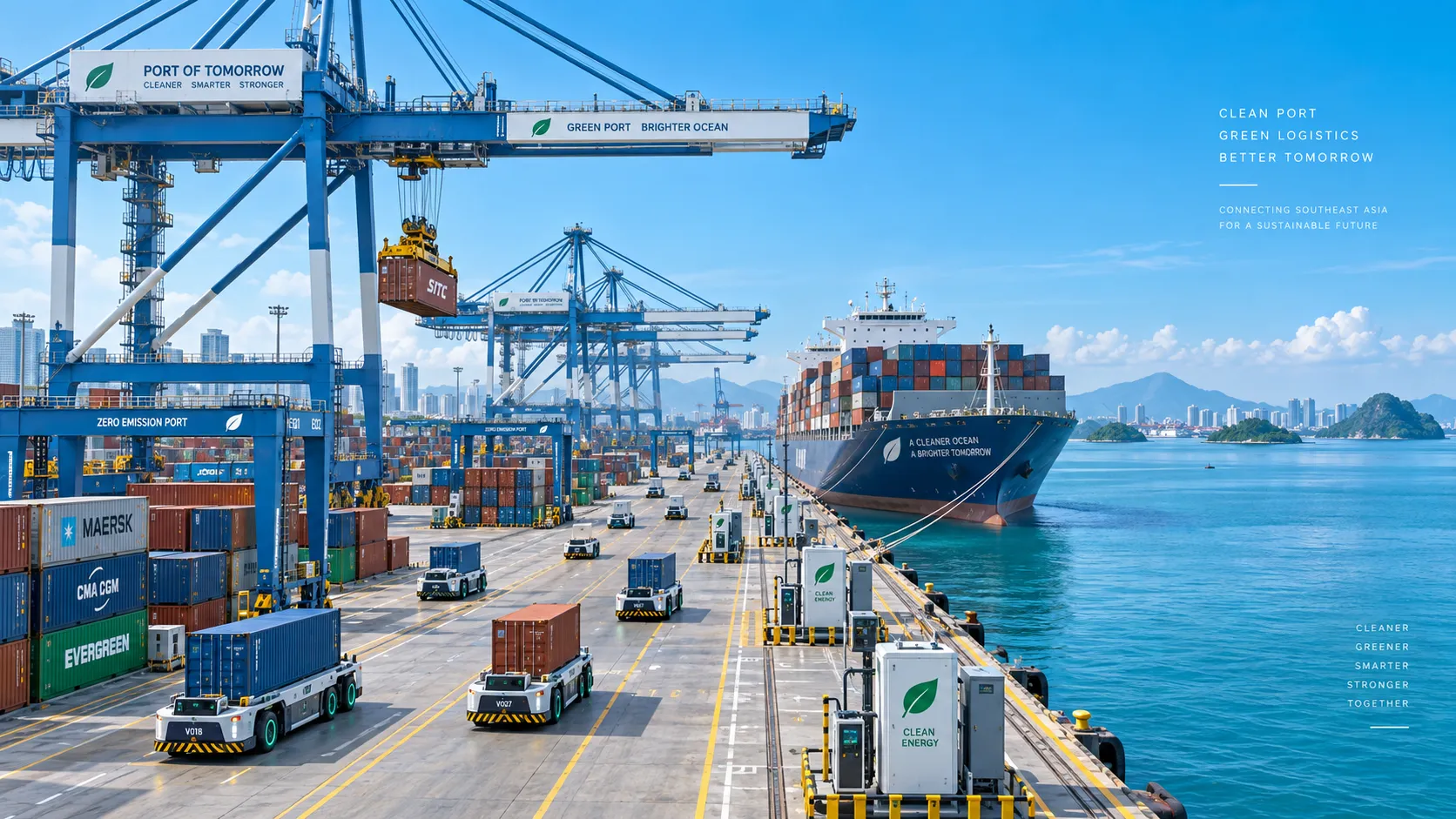
Smart Port Systems in Southeast Asia: Investment Priorities and Adoption Barriers
Smart port systems Southeast Asia: discover investment priorities, adoption barriers, and practical steps to build resilient, connected, high-performing terminals.

How to Evaluate Terminal Efficiency Solution Suppliers for High-Throughput Operations
Choose a terminal efficiency solutions supplier with confidence. Explore proven criteria for throughput, integration, lifecycle cost, safety, and reliable delivery.
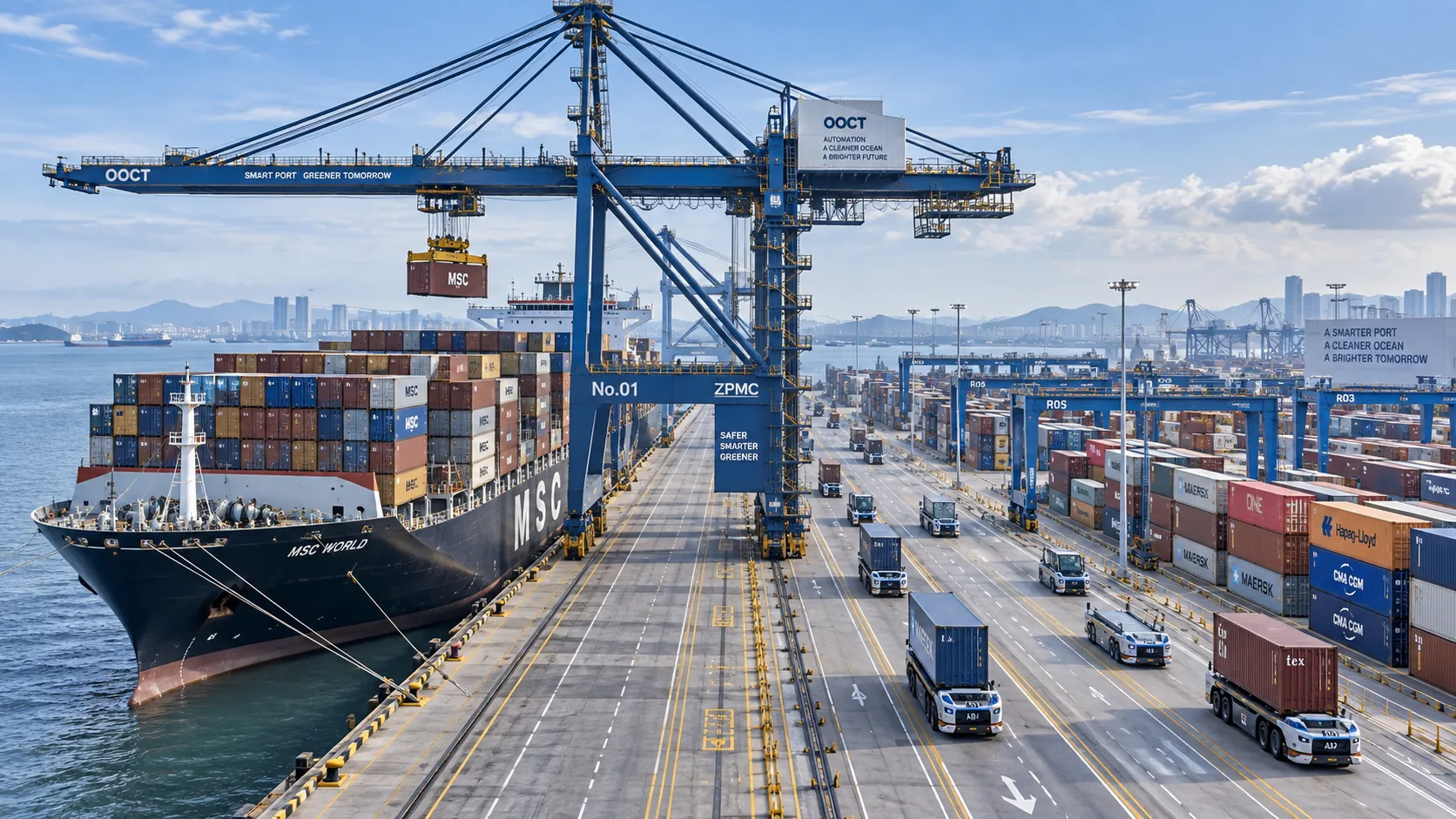
How to Specify a Quay Crane for Container Terminals by Vessel Size and Throughput?
Quay crane for container terminals: learn how to match outreach, lift height, capacity, automation, and cycle performance to vessel size and throughput goals.
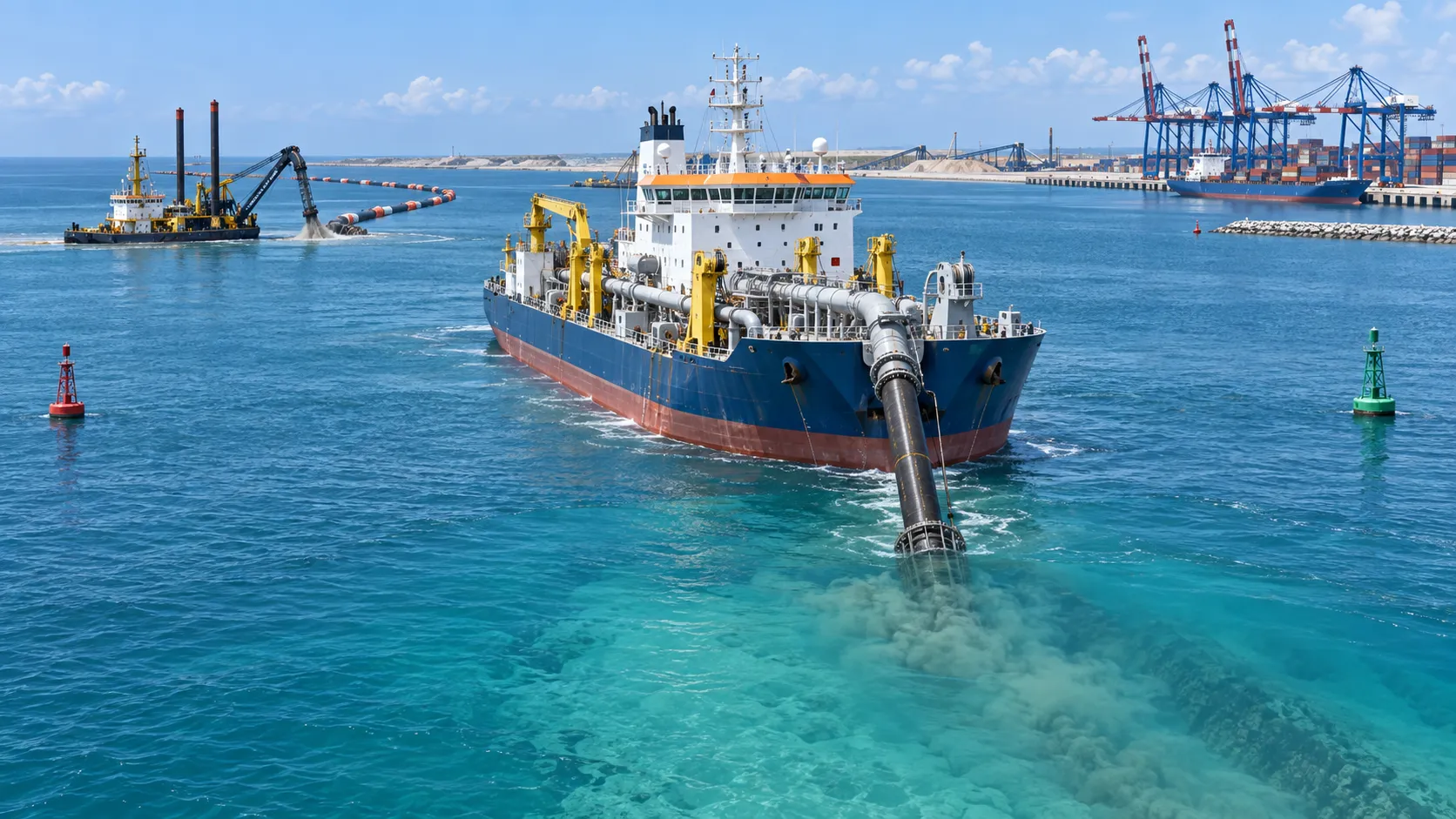
What Dredging Equipment Is Needed for Channel Deepening?
What dredging equipment is needed for channel deepening? Explore dredgers, pipelines, survey tools, and planning strategies for safer, more efficient port access.
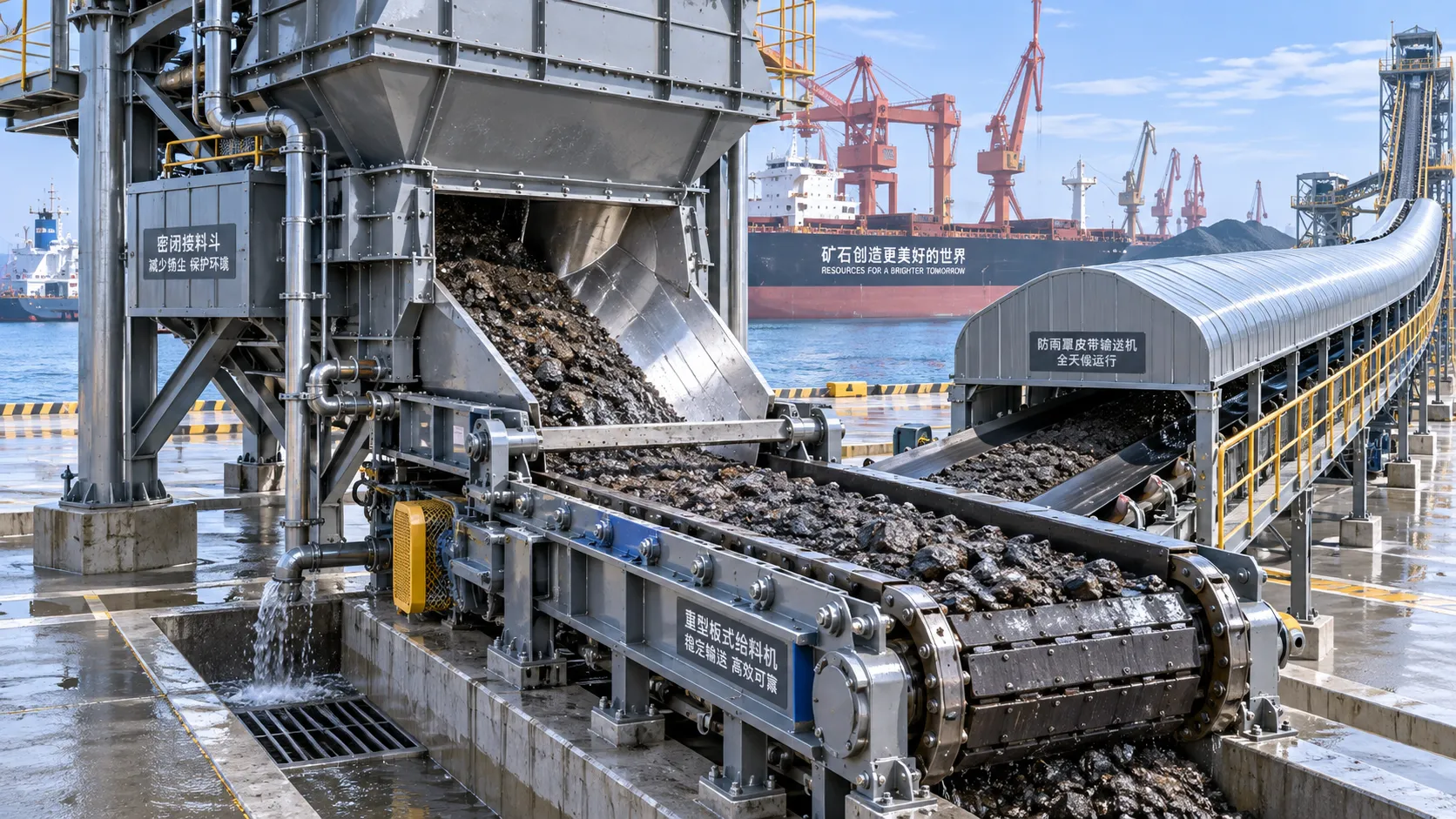
Which Bulk Handling Equipment Suits High-Moisture Cargo?
Which bulk handling equipment suits high-moisture cargo? Compare belt, apron, screw, drag, and slurry systems for reliable flow, less carryback, and higher terminal uptime.
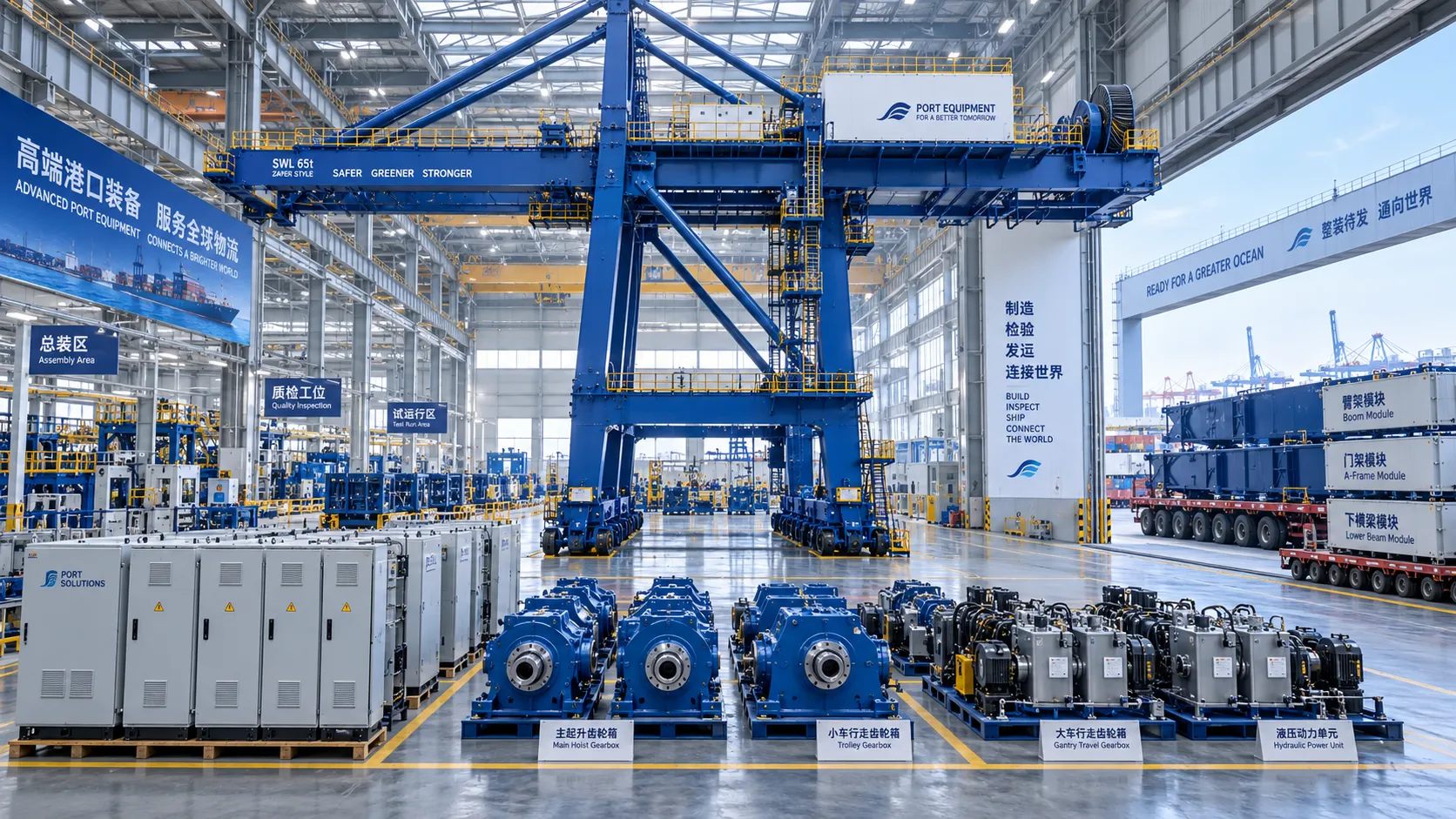
How Can Port Equipment Lead-Time Risk Be Managed?
How can port equipment lead-time risk be managed? Explore practical strategies to control critical paths, suppliers, transport, site readiness, and commissioning delays.
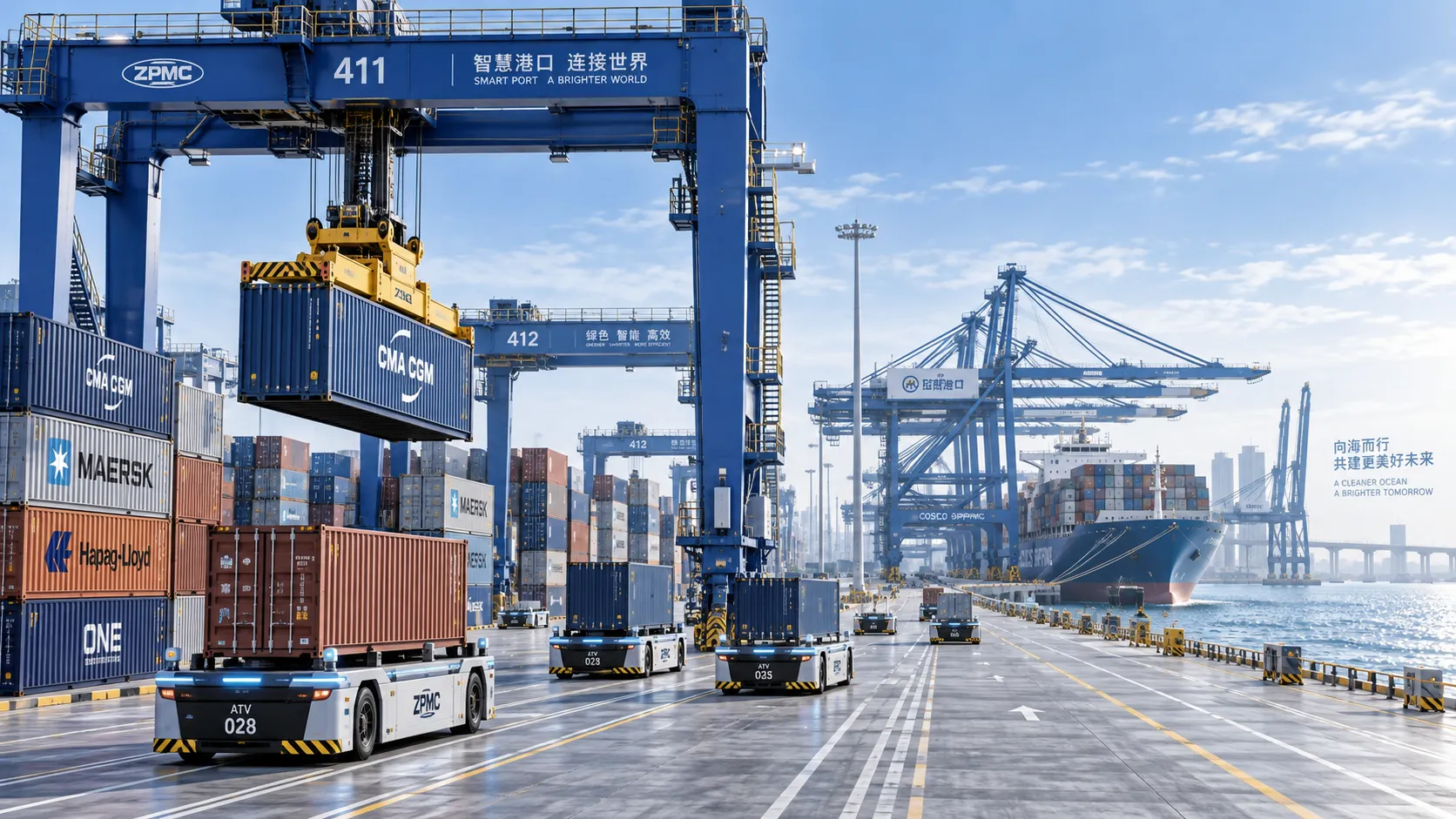
Terminal Automation Technologies That Raise Container Throughput Without Yard Disruption
Terminal automation technology that increases container throughput without disrupting yard flow. Explore smarter integration, resilient workflows, and phased deployment strategies.

Middle East Port Automation: Key Market Drivers, Projects, and Investment Risks
Port automation systems Middle East: explore market drivers, flagship projects, integration challenges, and investment risks shaping smarter, resilient terminals.
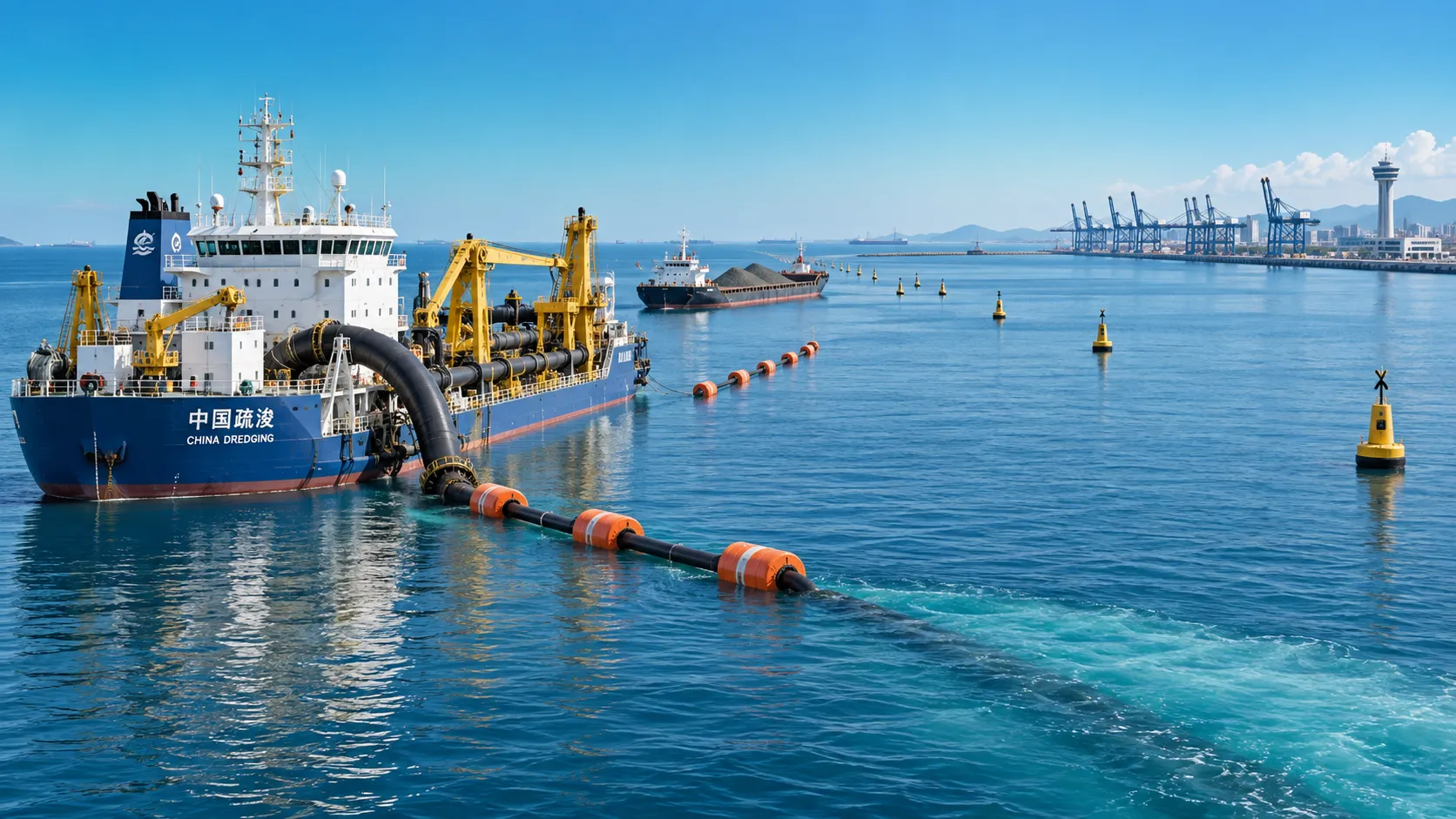
Planning Offshore Dredging Operations: Key Risks, Methods, and Project Controls
Offshore dredging operations demand smart planning. Explore key risks, proven methods, environmental controls, and project strategies for reliable delivery.