Related News
- 00
0000-00
How to Specify a Quay Crane for Container Terminals by Vessel Size and Throughput? - 00
0000-00
Which Bulk Handling Equipment Suits High-Moisture Cargo? - 00
0000-00
Terminal Automation Technologies That Raise Container Throughput Without Yard Disruption - 00
0000-00
Planning Offshore Dredging Operations: Key Risks, Methods, and Project Controls - 00
0000-00
Where Do Automated Guided Vehicles Deliver the Fastest Warehouse Gains in the Middle East?
Automated Guided Vehicles vs Forklifts: Which Fits Your Warehouse Flow and Budget?
Choosing between automated guided vehicles and forklifts is rarely a simple equipment decision. For procurement teams, it is a trade-off between throughput, labor structure, safety performance, flexibility, and capital discipline.
In most warehouses, forklifts remain the practical choice for variable tasks, uneven demand, and lower upfront budgets. Automated guided vehicles deliver stronger value when flows are repeatable, labor pressure is high, and the site is ready for process standardization.
The key is not asking which technology is better in general. The right question is which option fits your warehouse flow, budget horizon, and operational risk profile with the least regret over five to ten years.
What procurement teams are really trying to decide
Search intent behind “automated guided vehicles vs forklifts” is highly practical. Buyers want a decision framework, not a generic technology overview. They need to compare cost, fit, deployment risk, and expected operational gains.
For procurement professionals, the biggest concern is whether automation will create measurable value or simply shift costs from labor to software, maintenance, and integration. That makes total cost of ownership more important than sticker price.
They also want clarity on where each option performs best. A warehouse with repetitive pallet transfers, stable routes, and tight labor availability faces a very different decision from one handling mixed loads and frequent exceptions.
As a result, the most useful comparison is one built around throughput patterns, layout constraints, labor economics, safety targets, systems readiness, and payback timing. Those are the factors that should drive the buying decision.
Start with warehouse flow, not with equipment preference
Before comparing suppliers, procurement teams should map how materials actually move. The economics of automated guided vehicles depend heavily on repeatable point-to-point routes, consistent loads, and predictable process timing.
If your warehouse runs fixed loops between receiving, storage, staging, and shipping, AGVs can reduce manual travel, smooth handoffs, and support 24/7 movement. The more routine the flow, the stronger the automation case becomes.
Forklifts are typically better where flow changes often. If operators frequently reposition loads, handle nonstandard pallets, support urgent jobs, or move across mixed indoor and outdoor areas, forklifts preserve flexibility with fewer process restrictions.
For many sites, the answer is not fully one or the other. A hybrid model often works best, with automated guided vehicles covering repetitive transport and forklifts reserved for exceptions, peak shifts, and complex handling tasks.
Where automated guided vehicles create the strongest value
Automated guided vehicles perform best in structured environments. They are especially effective in facilities that move high volumes of similar unit loads across defined travel lanes with limited decision complexity at each transfer point.
Typical high-fit use cases include pallet movement from production to buffer storage, repetitive transfer between warehouse zones, feeding outbound staging lanes, and line-side replenishment where timing and route discipline are critical.
AGVs also become more attractive when labor is expensive or difficult to retain. In these cases, reducing dependency on driver availability can support more stable operations, particularly during night shifts and seasonal demand windows.
Another advantage is process consistency. Automated guided vehicles follow programmed rules, maintain controlled speed, and record task execution data. That can improve visibility, reduce travel variance, and support continuous improvement in material flow design.
In advanced operations, AGVs can also connect with warehouse management systems, manufacturing execution systems, or traffic control platforms. This creates tighter orchestration between inventory status, routing logic, and transport execution.
Where forklifts still make more business sense
Forklifts remain the more economical and operationally forgiving choice for many warehouses. They require less infrastructure change, lower initial capital in most cases, and faster deployment when the site needs immediate capacity.
They are especially strong in facilities with varied product dimensions, irregular storage patterns, mixed pallet quality, changing aisle usage, or frequent ad hoc tasks that depend on operator judgment rather than fixed routing rules.
Forklifts also support a wider range of roles with one asset base. The same fleet may unload trailers, replenish racks, support cross-docking, recover exceptions, and handle outdoor transfers without major system redesign.
For smaller or mid-scale operations, that flexibility often outweighs the labor-saving promise of automation. If process discipline is still maturing, automating too early can lock in inefficiency instead of removing it.
Procurement teams should remember that a forklift purchase is not only about equipment cost. It is often a lower-risk choice because the operation already understands training, spare parts, service support, and workflow adaptation.
Budget comparison: Capex is only the first layer
AGVs usually involve higher upfront investment than forklifts. Beyond the vehicles themselves, buyers may need navigation infrastructure, charging systems, software licenses, fleet control, integration services, and layout adjustments.
Forklifts often win on initial affordability, especially for operations that can scale by adding units gradually. The purchase process is simpler, and many facilities already have charging, refueling, maintenance, and operator management in place.
But procurement should not stop at capital expense. Automated guided vehicles can lower long-term labor reliance, reduce accident exposure, improve asset utilization, and support continuous operation with fewer shift-related productivity swings.
Forklifts, by contrast, can carry higher recurring labor costs, more variable productivity, and a greater chance of damage from human error. In high-volume environments, these ongoing costs can exceed the initial savings over time.
A useful comparison period is five to seven years. That window is long enough to capture labor trends, service contracts, battery replacement cycles, software support, training, and the financial impact of downtime or safety incidents.
How to evaluate total cost of ownership realistically
Total cost of ownership should include more than purchase price and maintenance. For automated guided vehicles, include software updates, integration support, traffic management, site modifications, cybersecurity, and internal change management.
For forklifts, include operators, supervision, training, accidents, product damage, fuel or electricity, battery care, spare parts, and productivity losses caused by inconsistent travel patterns or labor shortages.
Procurement teams should also price operational disruption during implementation. AGV projects may require route testing, sensor calibration, system commissioning, and process redesign. Those transition costs can materially affect early-stage ROI.
Likewise, forklift fleets can look cheaper than they are if the business underestimates overtime, temporary labor, and damage claims. A realistic TCO model should reflect actual peak-period behavior, not only average daily conditions.
Where possible, compare cost per pallet move, cost per operating hour, and cost per error or incident. These activity-based metrics are more useful than broad annual averages when making a warehouse transport decision.
Safety, compliance, and operational risk
Safety is often one of the strongest arguments for automated guided vehicles. AGVs operate with controlled navigation logic, obstacle detection, and repeatable travel behavior, which can reduce certain categories of collision and handling risk.
This matters even more in busy facilities where pedestrians, pallet traffic, and fixed equipment interact constantly. A safer transport layer can lower incident rates, reduce insurance pressure, and support broader ESG or compliance objectives.
However, AGVs do not eliminate risk. Poor route design, weak exception handling, or inadequate integration with manual traffic can create new bottlenecks and unsafe interactions. Automation shifts the risk profile; it does not remove risk by default.
Forklifts rely heavily on operator discipline, training quality, and supervision. In environments with high turnover or rushed peak operations, that dependence can translate into more variable safety outcomes and higher exposure to product damage.
For procurement, the right question is not which system is theoretically safer, but which one will produce safer results in your actual operating conditions, staffing model, and facility layout.
Flexibility versus standardization: the central trade-off
The core difference between automated guided vehicles and forklifts is not simply automation. It is the trade-off between process standardization and operational adaptability.
AGVs reward warehouses that can define stable rules. If pickup points, drop-off points, load types, and travel priorities can be standardized, automated transport becomes easier to optimize and scale.
Forklifts reward warehouses that need improvisation. Skilled drivers can respond instantly to blocked aisles, urgent replenishment, unusual loads, or shifting outbound priorities without waiting for process redesign or software updates.
That is why procurement teams should assess process maturity honestly. If the warehouse still depends on frequent human workarounds, forklifts may be the better fit today, even if automation is part of the long-term roadmap.
On the other hand, if management wants to reduce variance and enforce cleaner workflow logic, AGV adoption can become a catalyst for stronger operational discipline as well as labor efficiency.
Questions buyers should ask before choosing AGVs
First, how repeatable is the transport task? If the same movements happen every shift with minimal variation, automated guided vehicles are far easier to justify from both an operational and financial perspective.
Second, are upstream and downstream processes reliable enough to support automation? AGVs perform best when pickup timing, pallet quality, labeling, and destination readiness are consistent.
Third, is the warehouse layout suitable? Narrow turns, mixed traffic, uneven flooring, and frequent route obstruction can complicate deployment and reduce the performance gains expected from automation.
Fourth, can your systems support integration? If warehouse control, inventory visibility, and exception management are weak, AGVs may face preventable delays that limit utilization and extend payback periods.
Finally, what happens during exceptions? Procurement should require suppliers to explain manual override procedures, traffic conflict logic, uptime commitments, and support response times before evaluating ROI assumptions.
Questions buyers should ask before expanding a forklift fleet
If forklifts appear to be the better near-term choice, procurement should still challenge the economics carefully. The first question is whether labor availability will remain stable over the fleet’s useful life.
If recruitment, retention, or overtime costs are already rising, a low-capex forklift decision may create a larger structural cost burden over time. Short-term affordability should not mask long-term operating pressure.
Buyers should also examine how much travel is non-value-added. If operators spend too much time on repetitive horizontal transport, that is often a sign that some portion of movement could be automated later.
Another key question is whether safety incidents, product damage, or congestion are increasing. If the site is adding more manual vehicles into already crowded lanes, the operational cost of flexibility may be growing too high.
Finally, procurement should assess whether forklift selection matches the actual duty cycle. Overspecified fleets tie up capital, while underspecified fleets generate service issues and reduce throughput during peak demand.
A practical decision framework for procurement teams
Choose automated guided vehicles when your warehouse has stable, repetitive flows; meaningful labor constraints; clear safety objectives; and enough process maturity to support standardization and systems integration.
Choose forklifts when task variability is high, implementation speed matters, budget flexibility is limited, and operators must handle diverse movements that cannot be reduced to fixed transport logic.
Choose a hybrid approach when repetitive internal transport exists alongside complex exception work. This model often delivers the best balance of automation value and operational resilience without forcing an all-or-nothing transition.
In procurement terms, the winning option is the one that lowers total movement cost while preserving service levels and reducing execution risk. That answer depends more on your flow design than on technology branding.
Conclusion: fit the tool to the flow, then test the economics
There is no universal winner in the debate over automated guided vehicles versus forklifts. Each serves a different operating model, and the best decision comes from matching equipment strategy to process reality.
For procurement teams, forklifts usually win on flexibility, speed of adoption, and lower initial spend. Automated guided vehicles win where predictable flows, labor pressure, and long-term optimization justify greater upfront investment.
The smartest path is to begin with flow mapping, quantify total cost of ownership, and test realistic operational scenarios. When buyers evaluate both technologies through that lens, the right warehouse transport decision becomes much clearer.
Related News
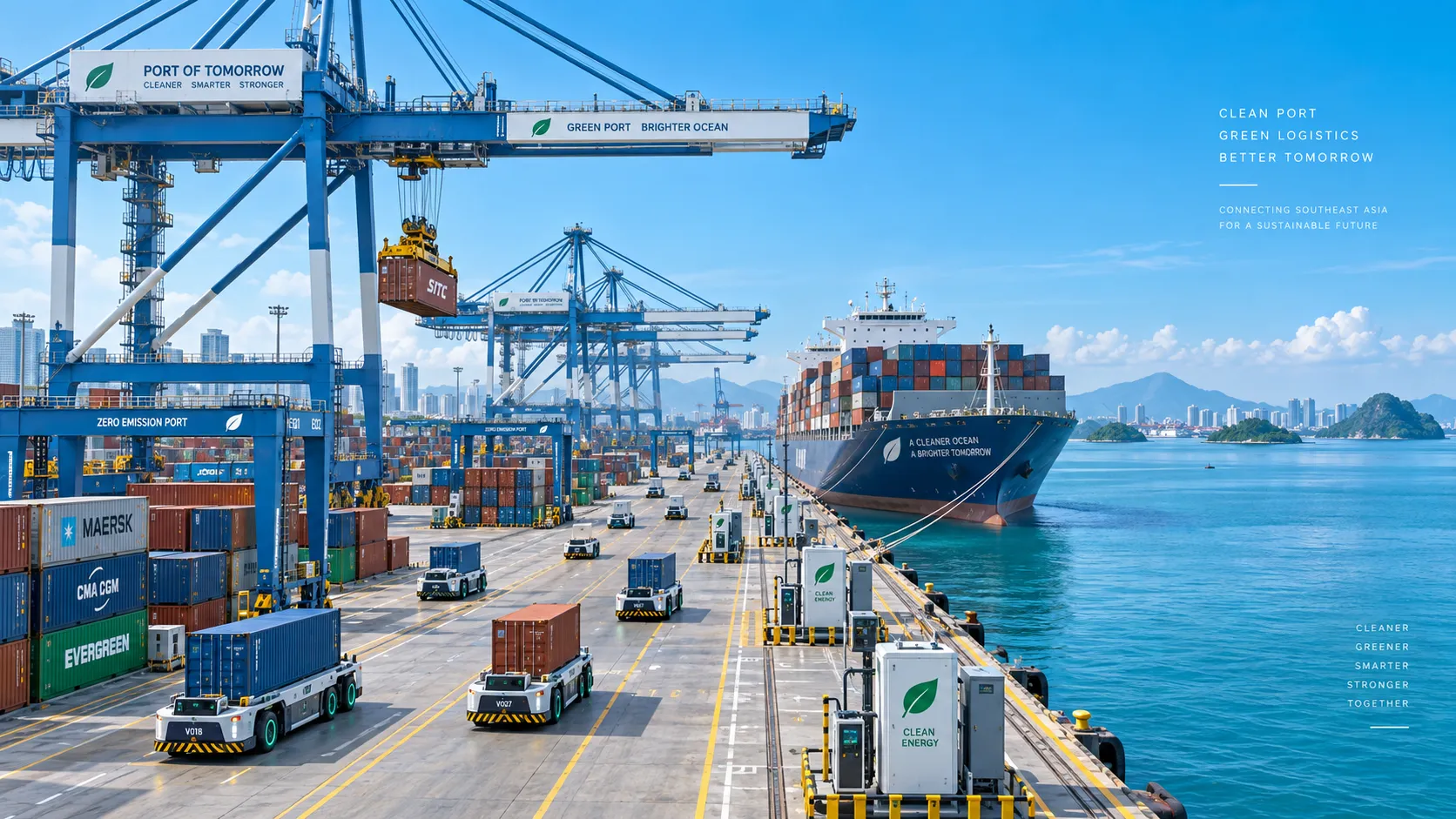
Smart Port Systems in Southeast Asia: Investment Priorities and Adoption Barriers
Smart port systems Southeast Asia: discover investment priorities, adoption barriers, and practical steps to build resilient, connected, high-performing terminals.
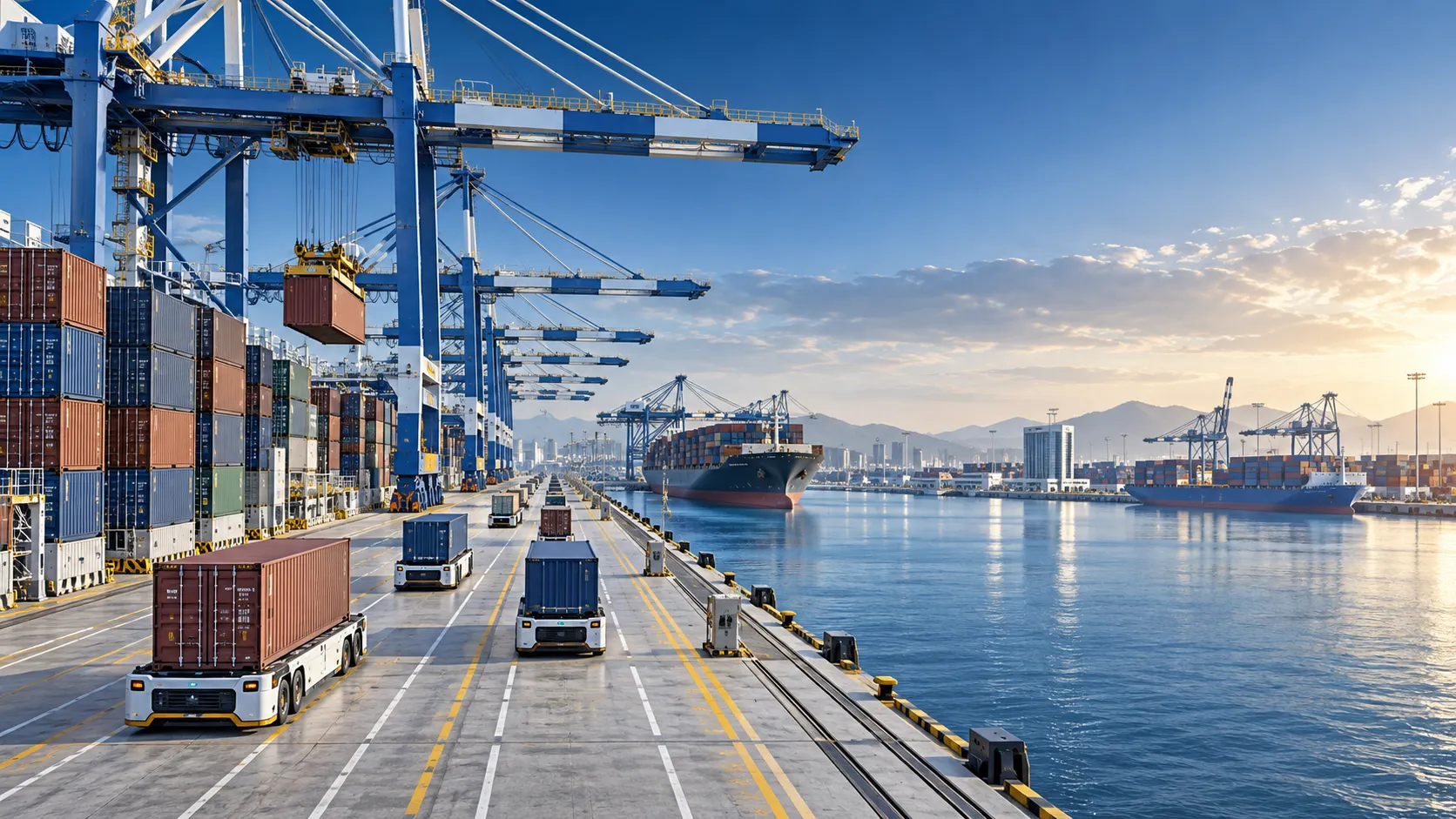
How to Evaluate Terminal Efficiency Solution Suppliers for High-Throughput Operations
Choose a terminal efficiency solutions supplier with confidence. Explore proven criteria for throughput, integration, lifecycle cost, safety, and reliable delivery.
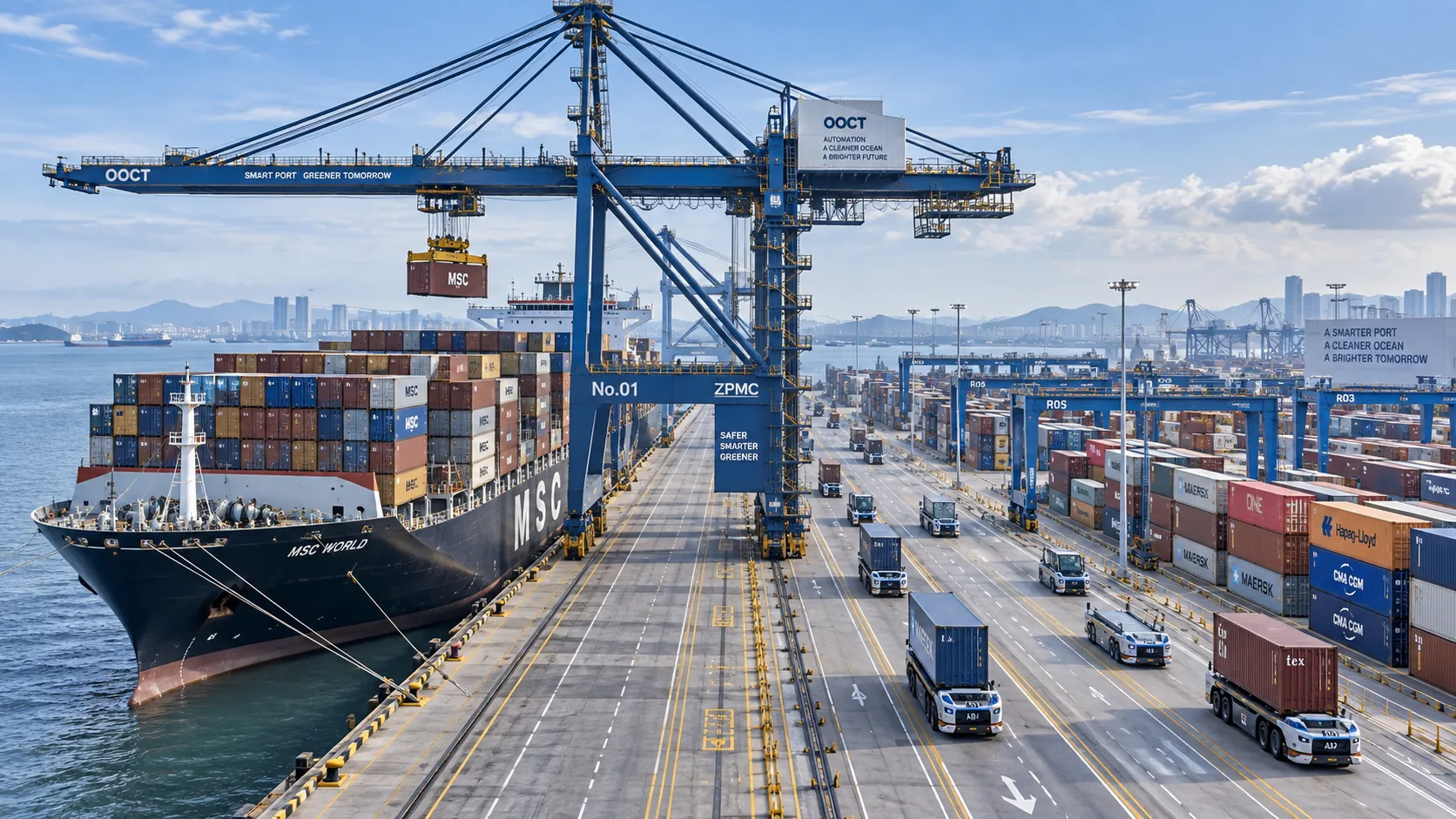
How to Specify a Quay Crane for Container Terminals by Vessel Size and Throughput?
Quay crane for container terminals: learn how to match outreach, lift height, capacity, automation, and cycle performance to vessel size and throughput goals.
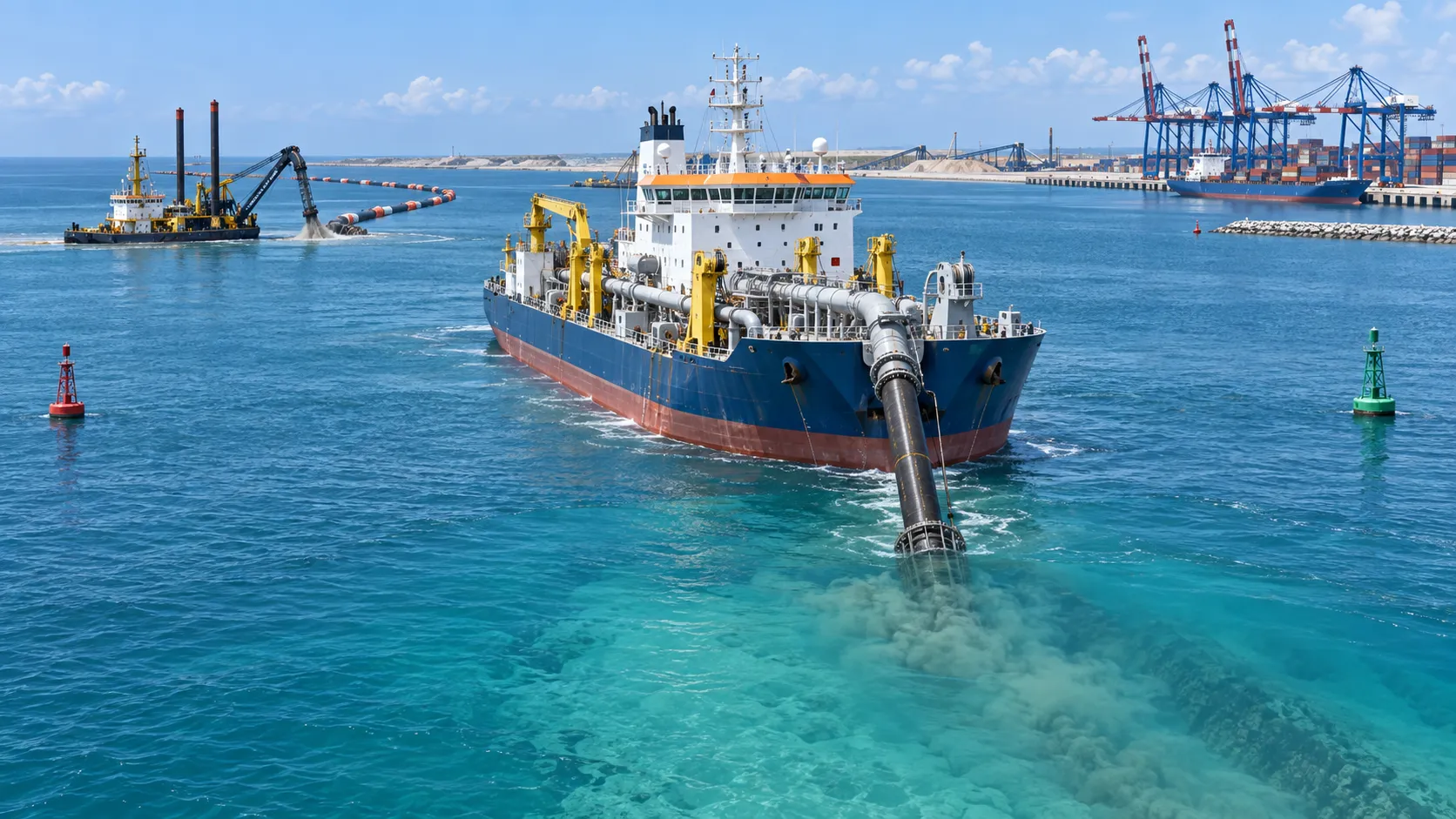
What Dredging Equipment Is Needed for Channel Deepening?
What dredging equipment is needed for channel deepening? Explore dredgers, pipelines, survey tools, and planning strategies for safer, more efficient port access.
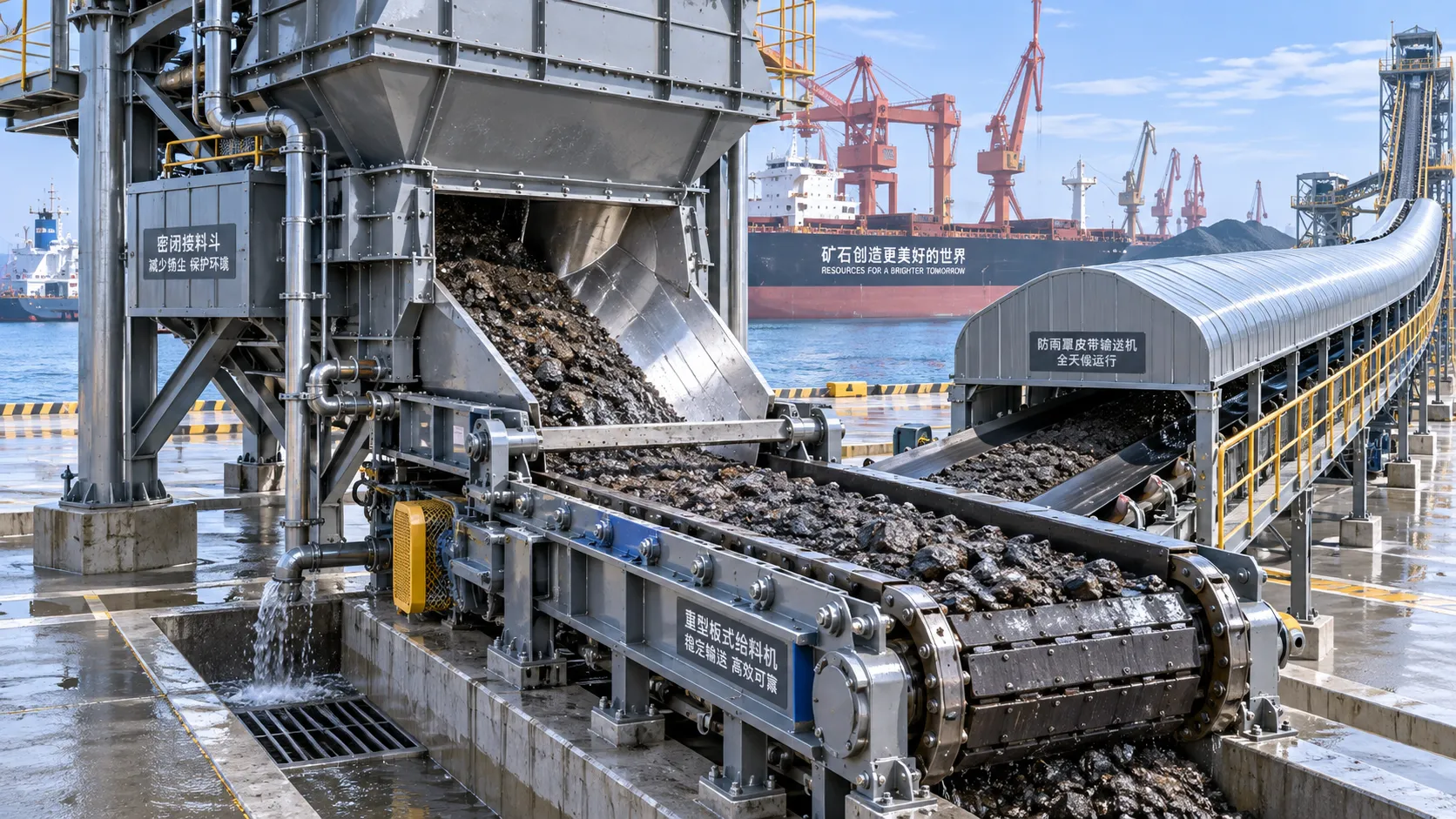
Which Bulk Handling Equipment Suits High-Moisture Cargo?
Which bulk handling equipment suits high-moisture cargo? Compare belt, apron, screw, drag, and slurry systems for reliable flow, less carryback, and higher terminal uptime.
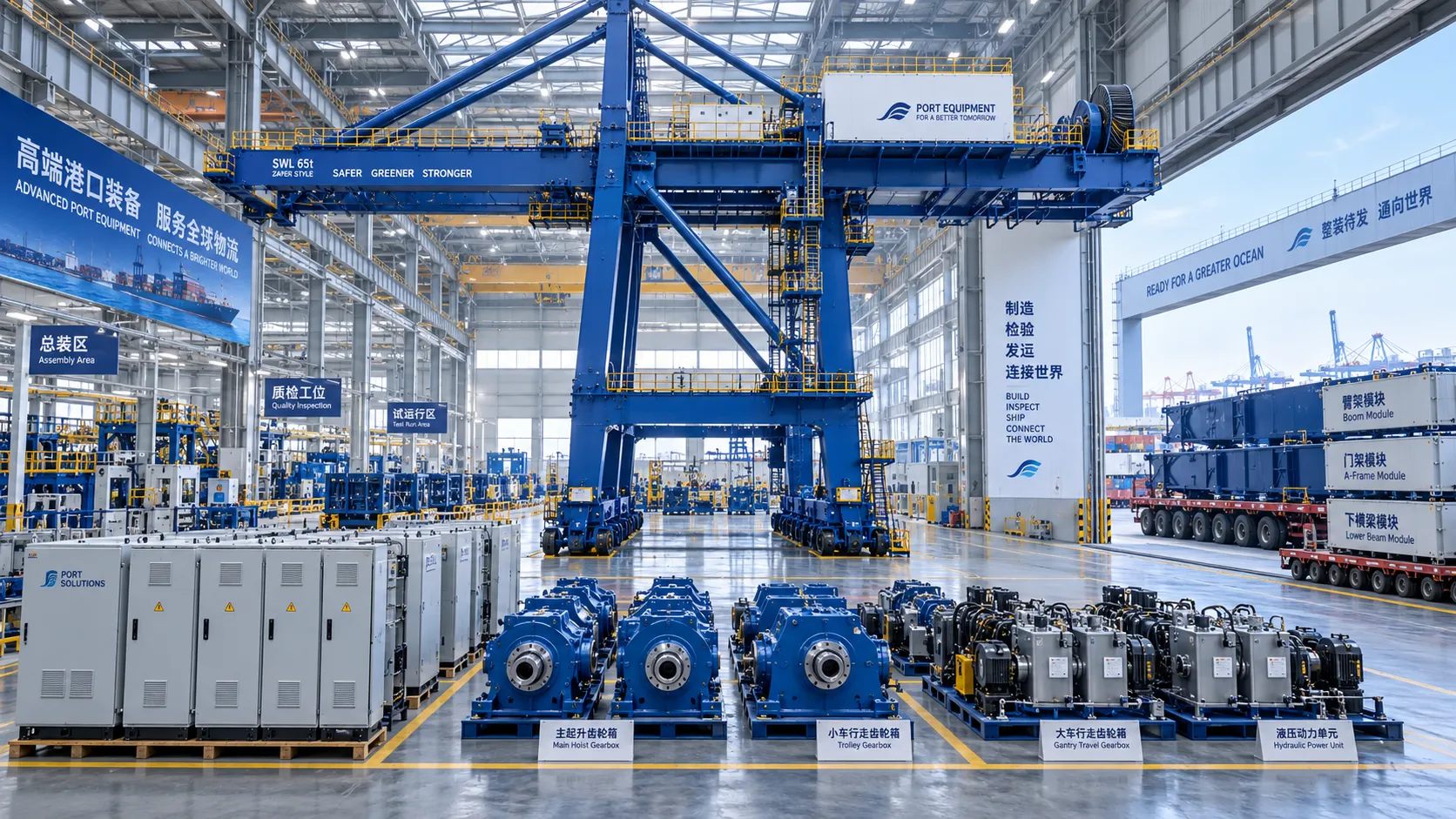
How Can Port Equipment Lead-Time Risk Be Managed?
How can port equipment lead-time risk be managed? Explore practical strategies to control critical paths, suppliers, transport, site readiness, and commissioning delays.
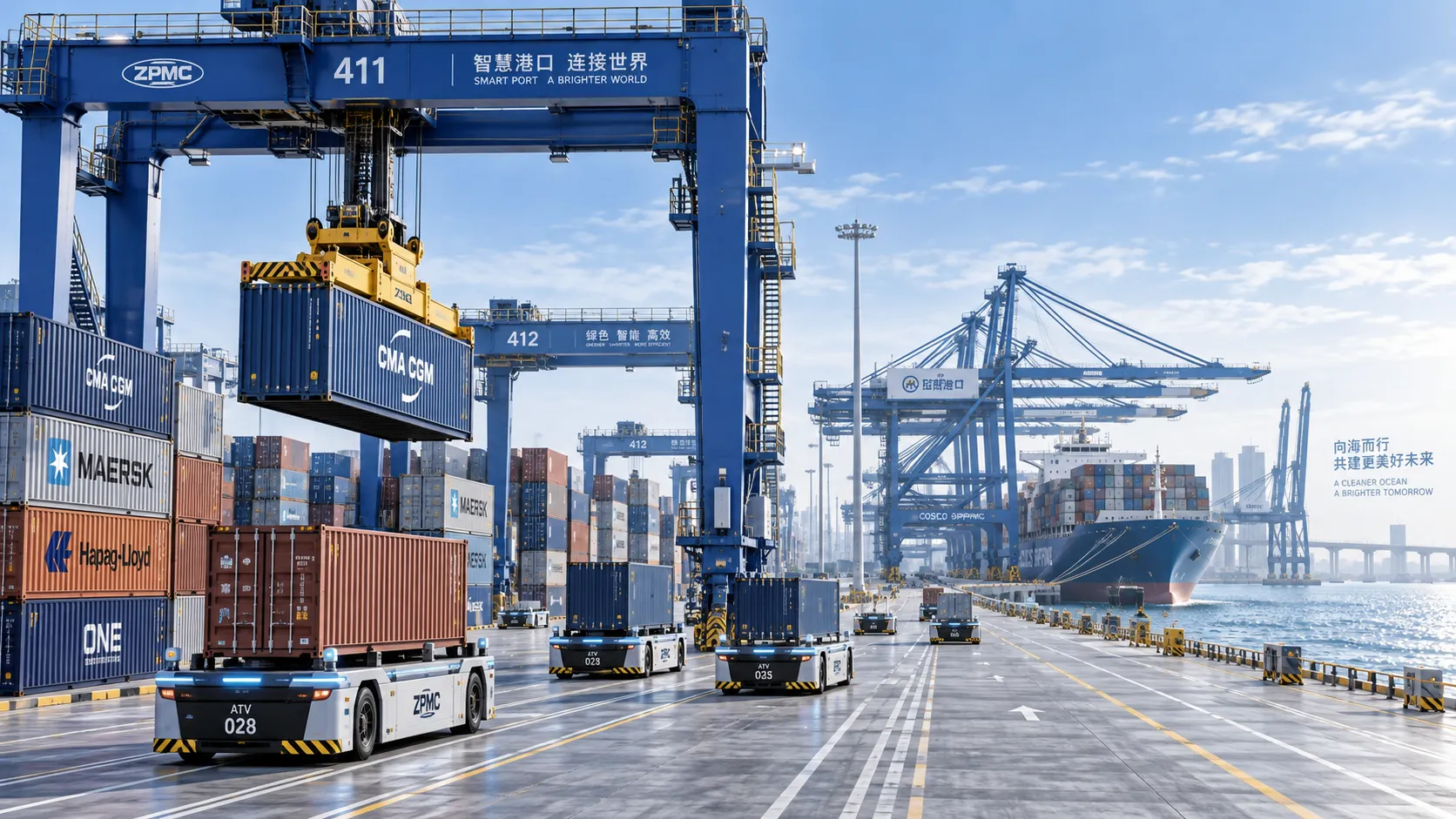
Terminal Automation Technologies That Raise Container Throughput Without Yard Disruption
Terminal automation technology that increases container throughput without disrupting yard flow. Explore smarter integration, resilient workflows, and phased deployment strategies.
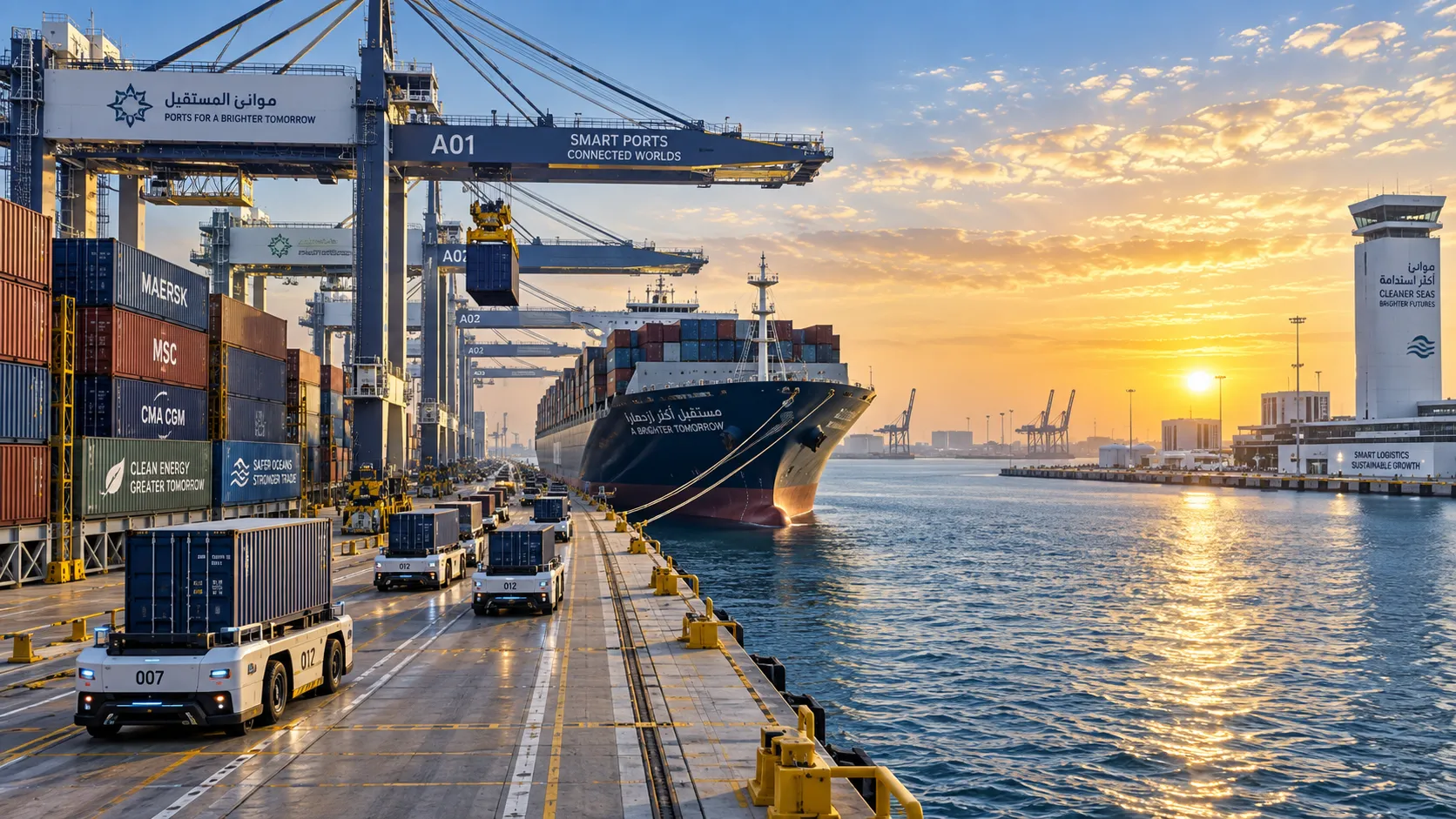
Middle East Port Automation: Key Market Drivers, Projects, and Investment Risks
Port automation systems Middle East: explore market drivers, flagship projects, integration challenges, and investment risks shaping smarter, resilient terminals.
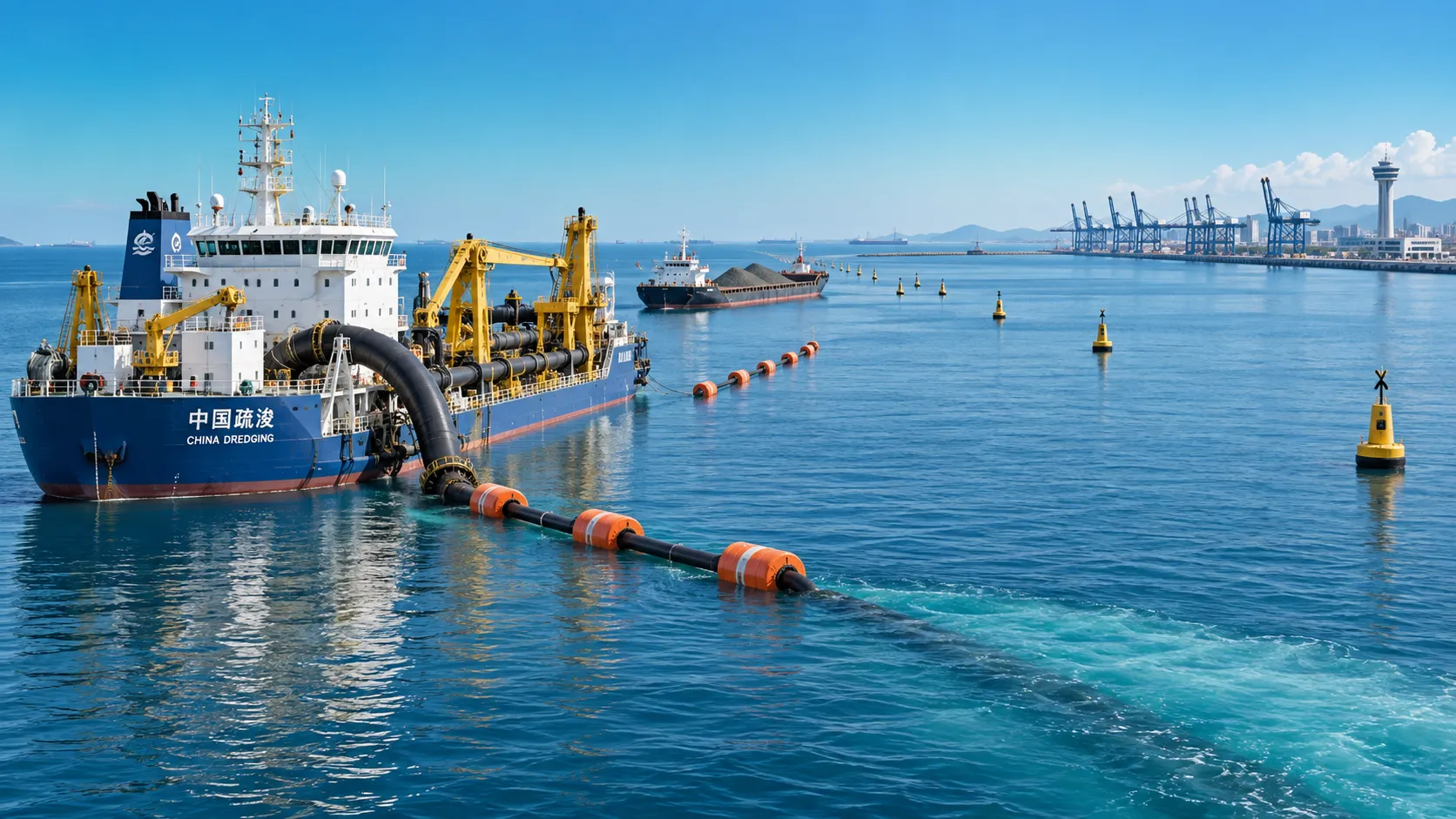
Planning Offshore Dredging Operations: Key Risks, Methods, and Project Controls
Offshore dredging operations demand smart planning. Explore key risks, proven methods, environmental controls, and project strategies for reliable delivery.