Related News
- 00
0000-00
How Soil Type and Discharge Distance Affect Cutter Dredger Selection - 00
0000-00
What Dredging Equipment Is Needed for Channel Deepening? - 00
0000-00
Digital Pump Monitoring for Ports: Which Data Points Matter for Early Fault Detection? - 00
0000-00
Why digital pump monitoring system data gets ignored - 00
0000-00
Digital Pump Monitoring: Early Warning Signs Worth Tracking
How Soil Type and Discharge Distance Affect Cutter Dredger Selection
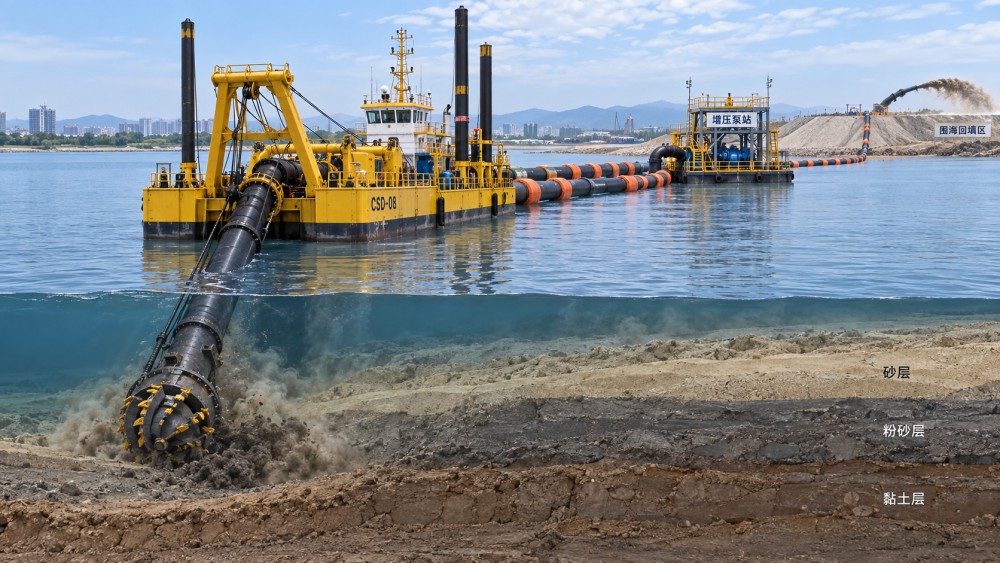
Choosing a cutter suction dredger on the basis of nominal pump size or engine power alone can create problems long before commissioning. Two projects with similar production targets may require very different dredging arrangements when one involves loose sand discharged to a nearby reclamation area and the other involves compact clay or mixed material pumped through a long floating and shore pipeline.
For project managers, soil type and discharge distance should be treated as linked selection inputs. Soil controls how easily material can be excavated, broken up and kept in suspension. Discharge distance determines the hydraulic resistance the slurry system must overcome after the material leaves the suction line. A dredger that performs acceptably in soft silt at a short distance may lose output, suffer repeated pipeline blockages or require costly auxiliary equipment when moved into a harder formation or a longer discharge route.
The practical question is not simply, “What size dredger is needed?” It is whether the complete dredging system—cutter head, ladder, dredge pump, pipeline, booster arrangement, anchors or spuds, and shore discharge point—can maintain a workable solids transport condition throughout the expected operating window.
Soil type determines the excavation challenge
A cutter suction dredger works by rotating a cutter head at the end of the ladder to loosen material, while the suction system draws the water-soil mixture into the pump. The cutter is not only an excavation tool. Its ability to fragment and present material to the suction mouth directly affects the slurry concentration, particle size distribution and continuity of feed to the pump.
Project specifications often use broad descriptions such as “sand,” “silt” or “clay.” These descriptions are useful at an early stage but are not detailed enough for equipment selection. The dredging team needs to understand whether the material is uniform or layered, whether it contains shells, gravel, cobbles, debris, vegetation, hardpan or boulders, and whether the soil is likely to become cohesive when disturbed.
Harder or more cohesive material does not automatically mean that the largest available dredger is appropriate. An oversized hydraulic system can still underperform if the cutter head cannot fragment the formation effectively, or if the excavation method produces intermittent chunks rather than a transportable slurry. Conversely, a smaller unit can become the better project choice where access is constrained, production requirements are moderate and discharge distances are short.
Laboratory soil information is helpful, but project teams should compare it with actual site conditions. Borehole logs may not fully represent local lenses of gravel, construction debris, buried timber, weathered rock or changes in sediment moisture. Before final selection, the excavation zone should be reviewed with the survey team, geotechnical personnel and the contractor responsible for pipeline routing.
Discharge distance is a system-head problem, not a map measurement
Distance affects dredger selection because every section of pipeline consumes pump energy. Friction rises as slurry travels through floating pipe, shore pipe, bends, reducers, valves and elevation changes. The pump must provide sufficient head to overcome those losses while still maintaining a slurry velocity high enough to keep solids moving. If velocity falls too far, heavier particles can settle, leading to partial blockage, difficult restart procedures and possible pipeline damage during clearing.
The route length shown on a site drawing is only the starting point. The engineering calculation should also consider vertical lift at the discharge end, tidal variation, the number and geometry of bends, pipe internal diameter, pipeline roughness, fittings, intended solids concentration and expected changes in discharge location. A reclamation project may require the discharge point to move as filling progresses, turning a short initial route into a longer and more demanding system later in the work.
Fine, low-density material often remains suspended more readily than coarse sand or gravel-rich slurry, but its hydraulic behavior should still be assessed. A high-water mixture may move easily through the line while delivering less useful solid material per operating hour. For managers, this can create a misleading production picture: the dredger appears to be pumping continuously, yet the placement area receives less fill than expected. Production should be evaluated using an agreed measurement basis, such as in-situ volume, dry solids, placed volume or another contract-defined method, rather than pump operating time alone.
When a booster becomes part of the selection
On longer discharge routes, a booster pump may be needed to add head partway along the pipeline. This can extend the reach of the system, but it does not eliminate the need for proper matching. The booster, main dredge pump, pipeline diameter and operating controls must be coordinated. Poor coordination can cause pressure surges, unstable flow, high wear, cavitation risk or difficulty maintaining the desired transport velocity.
A booster also changes project logistics. It may need electrical power or its own diesel power source, a stable location, access for inspection, communications with the dredger operator and protection from flooding or vessel movement. The added equipment can be justified where it avoids frequent pipeline relocation or enables a more suitable disposal area, but it should be evaluated as part of the whole work method rather than as a late-stage remedy for an undersized pumping arrangement.
Matching cutter, pump and pipeline to the actual material
Selection works best when excavation and transport are evaluated together. The cutter head must loosen the material at a rate the suction system can accept. The pump must pass the slurry without excessive wear or loss of head. The pipeline must transport that mixture at a stable operating condition. A weakness in any one stage limits the output of the entire dredging spread.
For soft material and short discharge lines, the operating constraint may be maintaining an adequate solids concentration without drawing excessive water. In denser sand, the limiting factor may shift toward pipeline velocity and wear. In cohesive soils, cutter penetration and torque control may become more important than theoretical pump capacity. Where the material includes larger particles, teams should check the complete flow path for restrictions, including pump passage, suction inlet, pipe connections and discharge fittings.
Model names can help organize an initial technical comparison, but they should not replace duty-point confirmation. When a procurement team is comparing a YLCSD350 cutter suction dredger with other cutter suction dredger configurations, the useful questions are whether its proposed cutter arrangement is appropriate for the expected soil, whether the pump duty matches the discharge pipeline calculation, and whether the quoted configuration includes the equipment needed for the planned route. The linked model reference should be read alongside the project’s material data and hydraulic design, not as a substitute for them.
A technical submittal should clearly separate standard equipment from project-specific additions. Items such as floating pipeline, shore pipeline, booster pumps, anchors, spuds, discharge hoses, electrical cables, navigation lights, operator cabin systems, spares and commissioning support can materially affect both capital cost and mobilization time. Ambiguity at this stage often appears later as a variation, a delayed start or an equipment gap between dredging and placement operations.
Build the selection around a realistic duty envelope
Rather than asking suppliers to quote against one optimistic production number, project managers can prepare a duty envelope. This describes the range of conditions the dredger may encounter, including minimum and maximum excavation depth, estimated material categories, normal and maximum discharge distance, expected elevation changes, water-level variation, working hours, access constraints and the need to relocate the pipeline.
The duty envelope should include foreseeable changes during the project. A channel deepening contract may encounter a soft surface layer and firmer material below. A land-reclamation project may start with a direct discharge route but later require a longer shore connection. A pond-cleaning job may have limited space for anchors, pipelines or service vehicles. These conditions influence whether a compact arrangement, a heavier-duty cutter system, additional discharge support or a staged dredging plan is more appropriate.
- Define the material by particle size, cohesion, abrasive content and possible obstructions where information is available.
- Map the full discharge route, including floating sections, shore crossings, bends, elevation and future extensions.
- Set a required production basis and distinguish between slurry flow and useful solids delivery.
- Identify operating limitations such as water depth, navigation restrictions, power availability, weather exposure and site access.
- Specify how the system will be measured, tested and accepted before final handover.
This approach also makes quotations easier to compare. A lower initial equipment price may not represent the lower project cost if the offered configuration requires more shutdowns, more frequent wear-part changes, extra pipeline support or a later booster addition. The same principle applies to fuel and power: operating consumption should be assessed in relation to expected material delivery under the actual hydraulic duty, not only at a nominal equipment rating.
Inspection checks before placing an order
An order should not be treated as complete when the principal dredger dimensions and power ratings are agreed. Inspection planning is more effective when it begins before manufacture, while technical clarifications can still be incorporated into drawings, material lists and test procedures.
Start with documentation. The purchaser should request general arrangement drawings, pipeline layout assumptions, equipment lists, major component specifications, electrical diagrams where applicable, operating manuals, recommended spare-parts lists and a defined inspection and test plan. The documents should identify the intended duty conditions and state any assumptions used in the supplier’s selection.
Physical inspection should focus on the parts that will determine reliability in abrasive, wet and continuously loaded service. Check the cutter head assembly, ladder structure, pump casing and wear components, pipe joints, floats, winches, spud or anchoring equipment, hose connections, guards, access platforms and lifting points. Weld quality, coating preparation, corrosion protection and drainage details deserve attention because these affect long-term serviceability, especially where the dredger will operate in saline or contaminated water.
Factory acceptance testing should be defined in advance and witnessed when the contract requires it. The scope may include functional checks of pumps, drives, controls, winches, alarms, instrumentation and safety interlocks. A no-load run is not equivalent to proving performance under the project’s actual soil and discharge conditions, so acceptance documents should state what was tested at the factory and what must be verified during site commissioning.
Safety requirements should be reviewed against the jurisdiction and the intended installation. ISO 12100 provides a recognized framework for machinery risk assessment and risk reduction, while IEC 60204-1 addresses electrical equipment of machines; their applicability depends on the equipment scope, local rules and contract requirements. For pressure-bearing pipeline elements, lifting arrangements, electrical systems and marine operations, project teams should also identify applicable local authority, class, occupational safety and environmental obligations before release for shipment. Sources: ISO 12100:2010, Safety of machinery—General principles for design—Risk assessment and risk reduction; IEC 60204-1:2016, Safety of machinery—Electrical equipment of machines—Part 1: General requirements.
Common selection errors that surface during operation
One recurring error is using maximum advertised discharge distance as the project design point. A quoted maximum may depend on assumptions about pipe diameter, material, concentration, elevation and auxiliary pumping. Unless those assumptions match the site, the figure has limited planning value.
Another is treating soil investigation as a procurement formality. If clay, coarse sand or debris is discovered after mobilization, the project may need revised cutter tools, a different operating sequence, more wear spares or changes to the discharge line. Early uncertainty should be recorded in the procurement documents, together with an agreed process for dealing with materially different ground conditions.
Finally, managers sometimes separate dredger selection from disposal planning. Yet the discharge area can determine the needed pipeline route, whether a booster is practical, how often the outlet must move and whether water return must be managed. The dredger should be selected for the material it must excavate and the complete route through which that material must travel.
A sound cutter dredger decision begins with the soil, but it ends with the full operating system. When excavation resistance, slurry transport and discharge geometry are assessed together, the selected configuration is more likely to match the project’s actual constraints rather than only its headline production target.
Related News
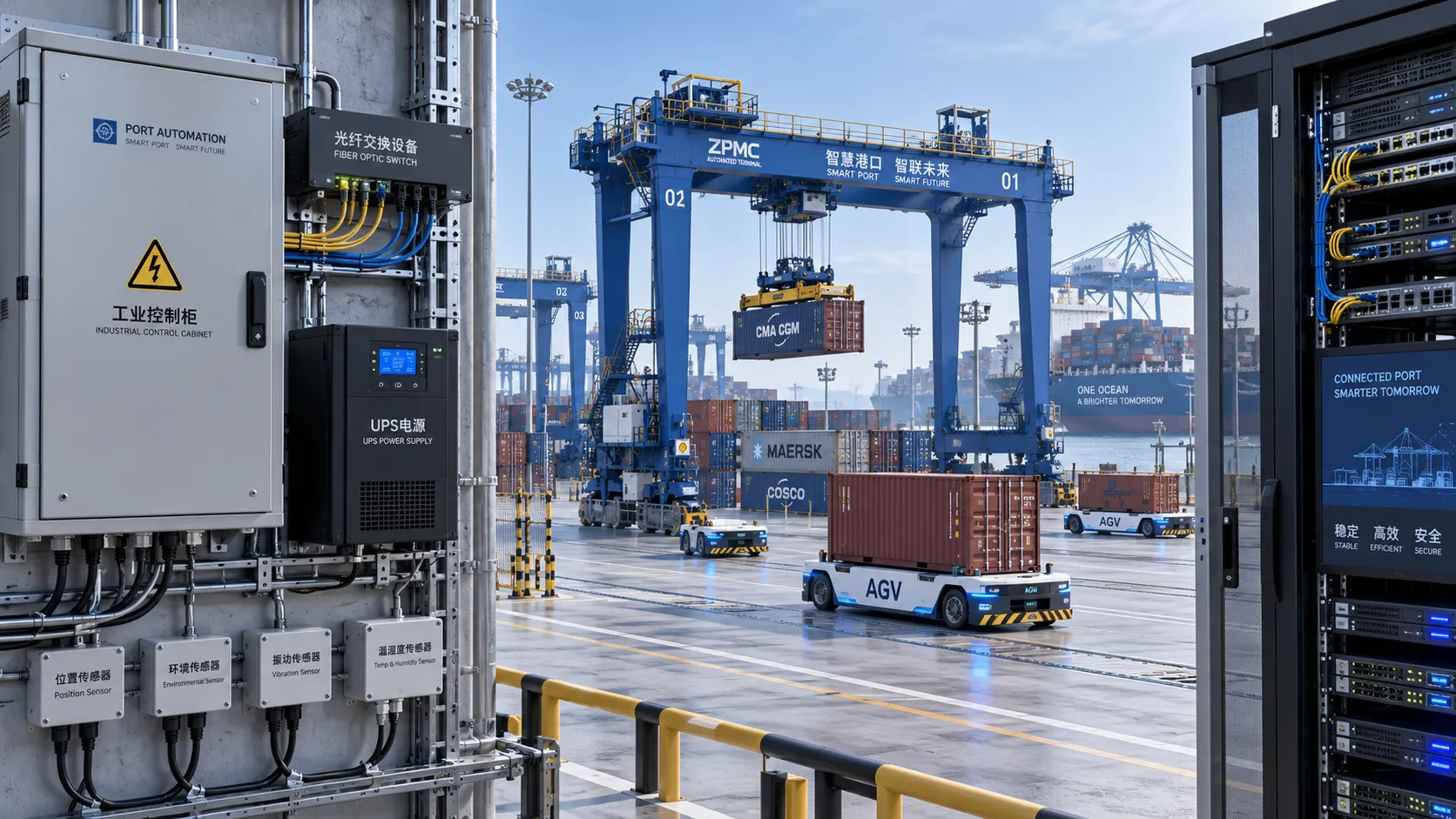
Terminal Control System Costs: Budgeting Hardware, Integration, and Lifecycle Support
Terminal control systems cost explained: budget hardware, integration, safety, cybersecurity, commissioning, and lifecycle support for resilient terminal operations.
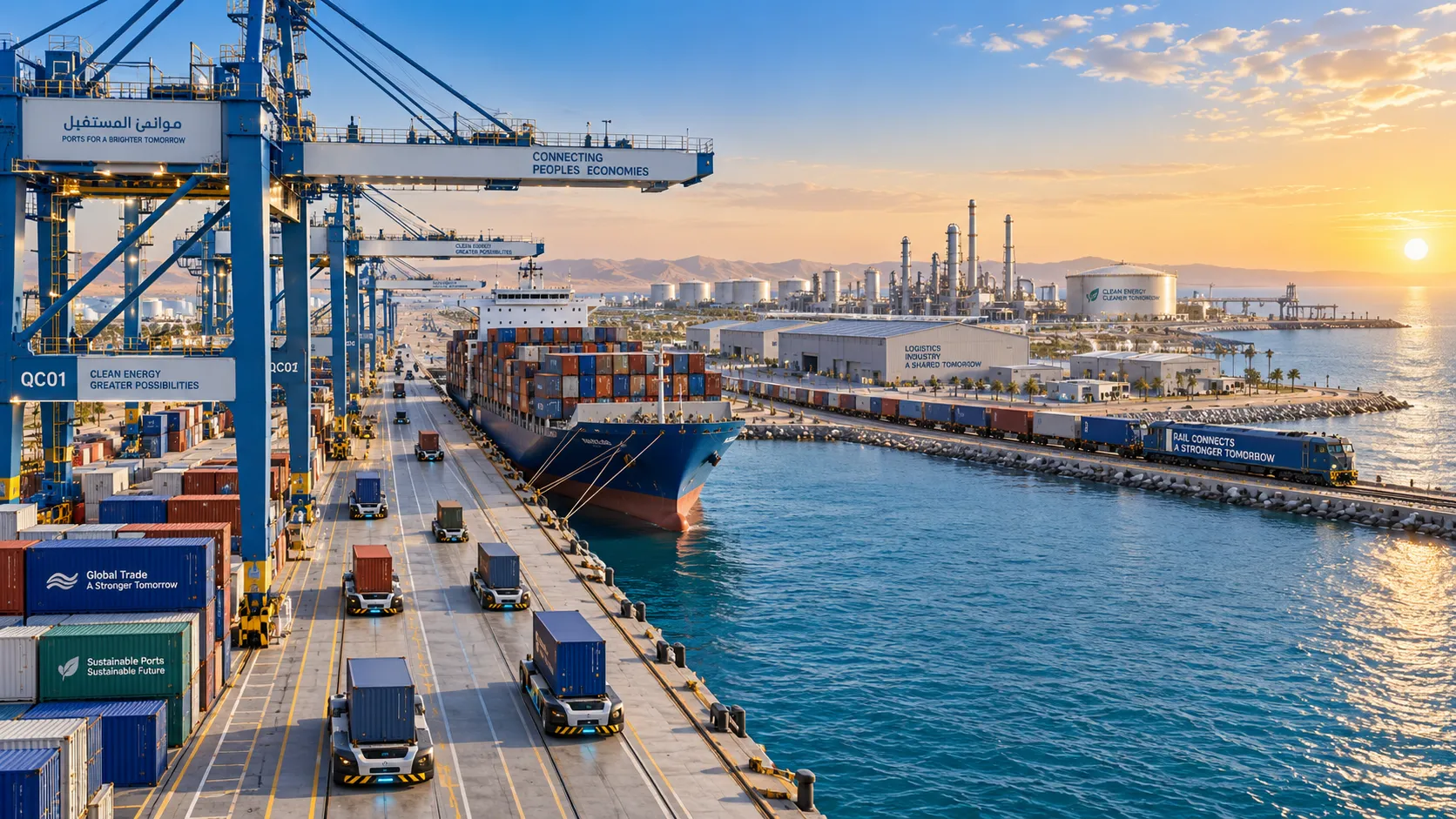
Smart Operations in the Middle East: Where Industrial Investment Is Growing
Smart operations Middle East investment is reshaping ports, industrial corridors, and logistics networks through connected data, automation, resilience, and smarter asset performance.
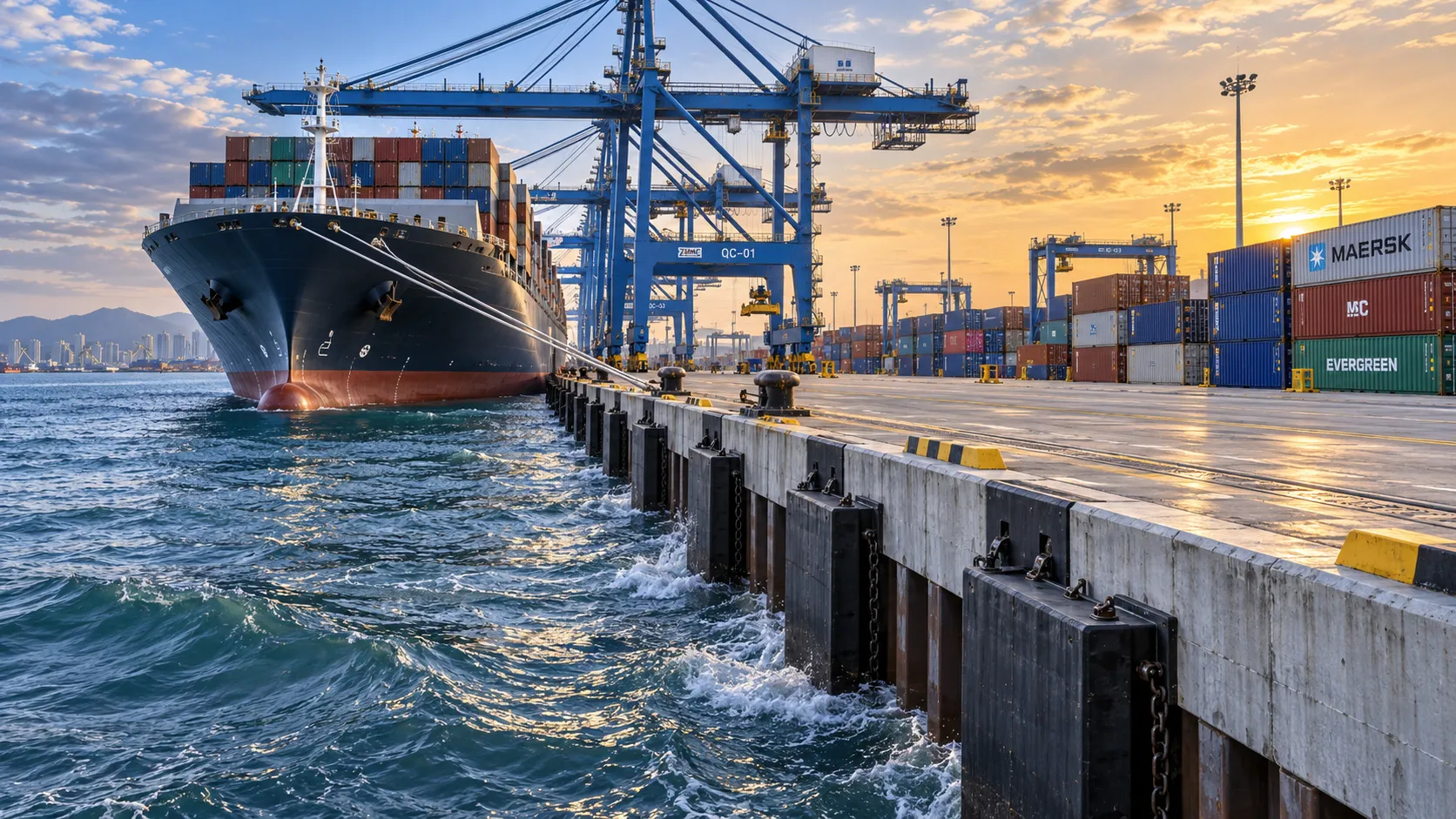
How to Select Harbor Structures for Quay Walls Under Berthing and Wave Loads
Harbor structure for quay wall selection: evaluate berthing energy, wave loads, soil conditions, durability, and lifecycle risk to build safer, adaptable terminals.
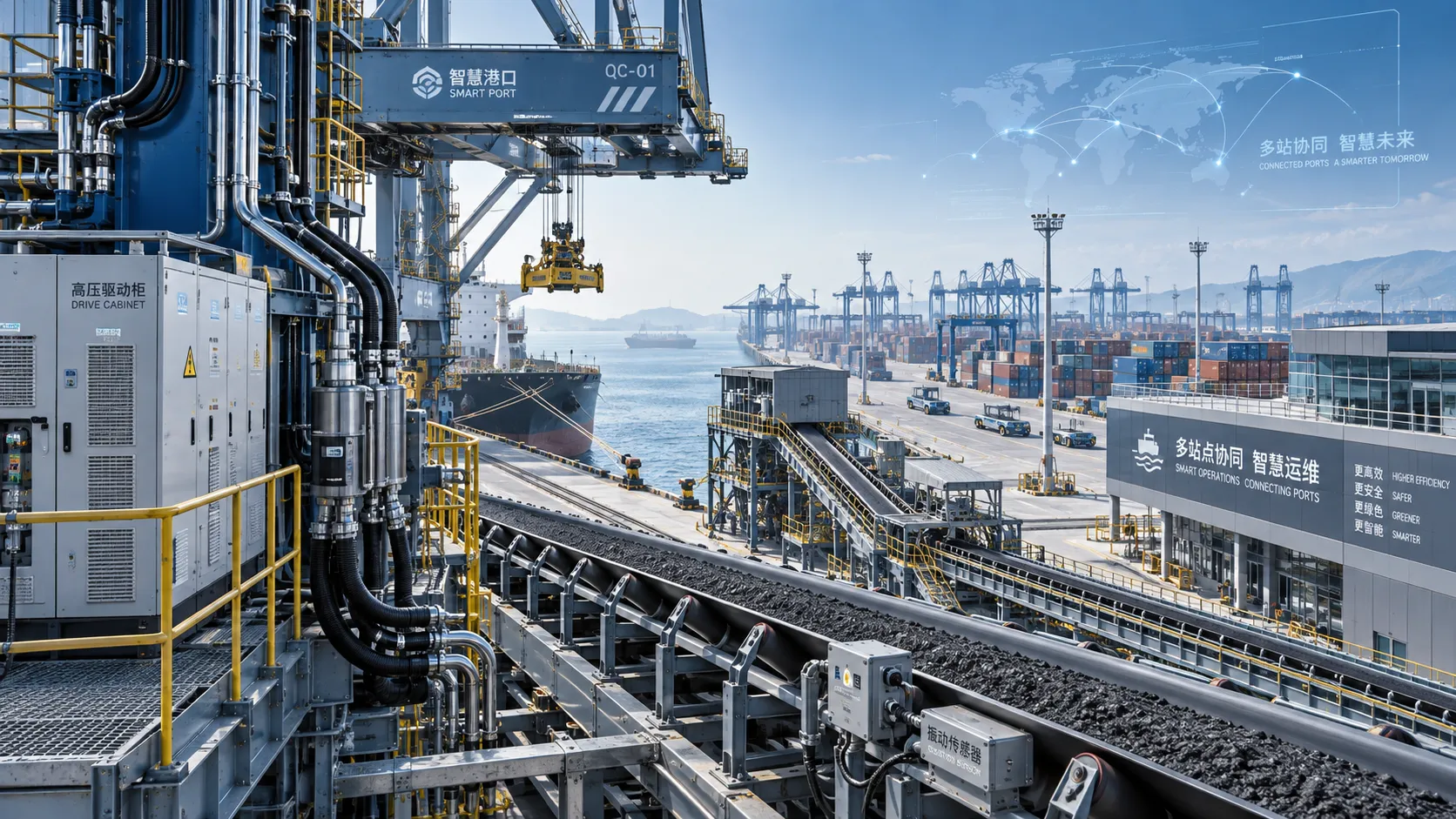
Selecting Smart Terminal Software for Multi-Site Field Service Operations
Smart terminal solutions software helps multi-site field service teams unify asset history, mobile maintenance, integrations, and reporting for safer, faster terminal operations.
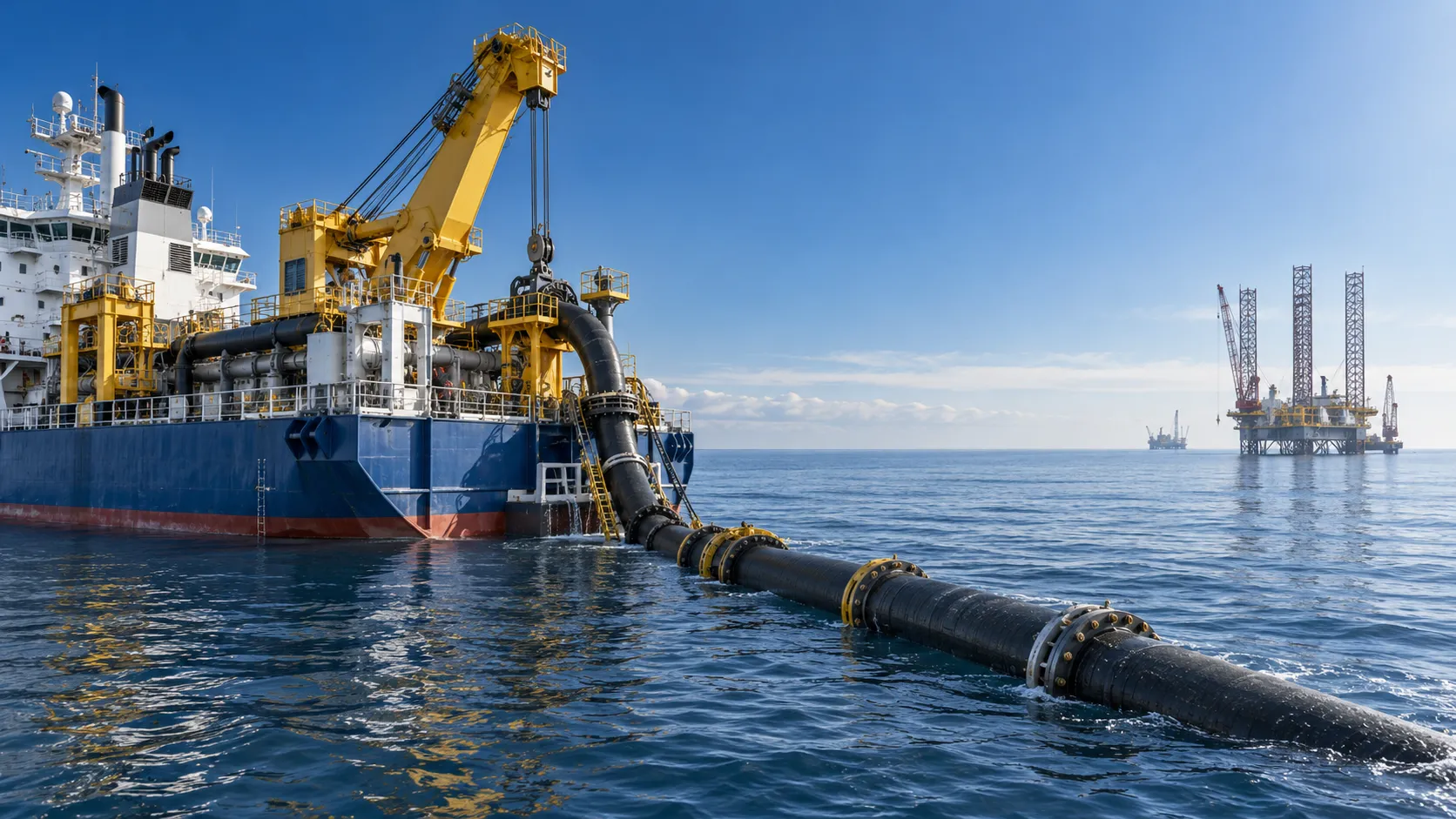
How to Specify Heavy-Duty Marine Engineering Equipment for Offshore Projects
Heavy duty marine engineering equipment: learn how to specify reliable offshore assets for safety, uptime, integration, lifecycle cost, and project success.
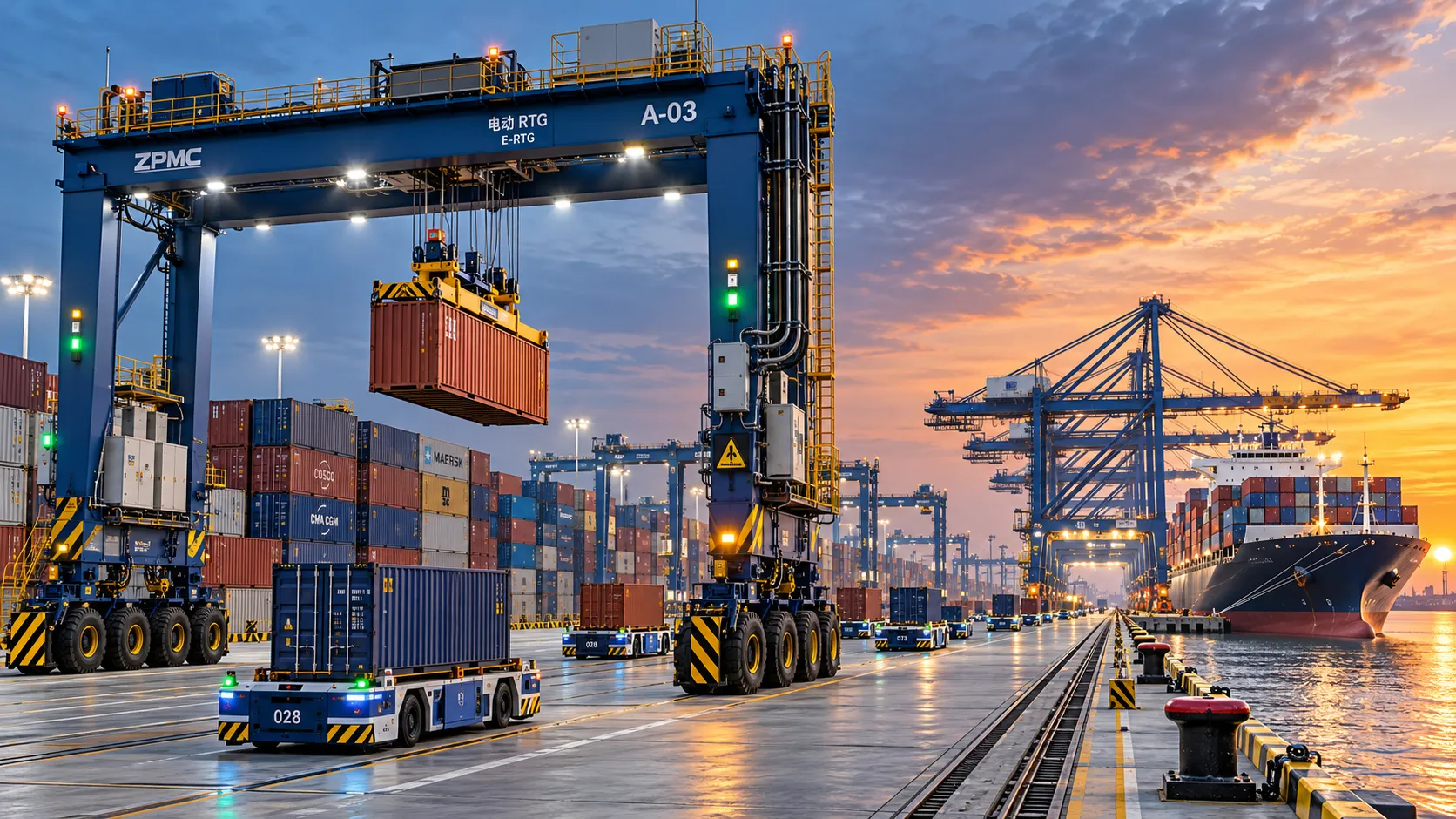
How to Evaluate a Container Handling Equipment Exporter for Port and Yard Projects
Choose the right container handling equipment exporter with a practical guide to compliance, automation, service support, delivery reliability, and lifecycle value.
How to Select Automated Terminal Systems for High-Throughput Cargo Terminals
Automated terminal systems for cargo terminals: learn how to select scalable, resilient solutions that boost throughput, streamline integration, and control lifecycle risk.
How Automated Bulk Cargo Handling Reduces Dust, Spillage, and Port Downtime
Automated cargo handling for bulk cargo cuts dust, spillage, and port downtime through stable flow control, smart sensing, and coordinated recovery.
Designing an Integrated Port Handling System for Faster Yard-to-Vessel Transfers
Discover how an integrated port handling system aligns yard, transport, and vessel operations to reduce delays, improve flow reliability, and accelerate transfers.