
Related News
Digital Pump Monitoring for Ports: Which Data Points Matter for Early Fault Detection?
Digital pump monitoring in ports: what should you watch first?
Digital pump monitoring matters because port pumps rarely fail without warning. The warning signs are usually present, but they are often scattered across different signals.
In terminal utilities, dredging systems, ballast support units, and hydraulic skids, small pump issues can quickly grow into cargo delays and repair overruns.
That is why digital pump monitoring has become more than a dashboard feature. It is now part of practical fault prevention in marine operations.
For a platform like PS-Nexus, which tracks heavy terminal gear, automation systems, and dredging engineering, this topic sits at the intersection of mechanics, controls, and uptime risk.
The useful question is not whether to collect data. It is which data points reveal early faults before seals, bearings, impellers, or drives cross into real damage.
Which data points usually reveal pump trouble before downtime starts?
In real port conditions, five signals usually deserve priority. They are vibration, suction and discharge pressure, flow rate, motor current, and temperature.
These are not the only values available in digital pump monitoring, but they are the most reliable early indicators across mixed fleets and harsh marine duty cycles.
- Vibration helps detect imbalance, misalignment, looseness, bearing wear, and cavitation patterns before visible leakage appears.
- Pressure trends show whether the pump is struggling to draw, restricted on discharge, or drifting away from normal system resistance.
- Flow rate reveals performance loss that pressure alone can hide, especially in partially blocked lines or worn impellers.
- Motor current exposes overload, drag, hydraulic instability, and mechanical binding that may not yet trigger an alarm.
- Temperature at bearings, casing, seals, or motor windings highlights friction, lubrication loss, and cooling problems.
A common mistake is to focus only on one alarm threshold. Early fault detection works better when digital pump monitoring compares signal relationships, not single values.
For example, rising current with falling flow often points somewhere else than rising current with stable flow. The context changes the diagnosis.
How do these signals point to different fault types?
This is where digital pump monitoring becomes genuinely useful. The same pump can show different fault signatures depending on how multiple values move together.
The table below is a practical shortcut for interpreting common signal combinations in port and dredging environments.
More often than not, the earliest warning is not a dramatic spike. It is a slow drift away from the pump’s normal operating fingerprint.
Are vibration and pressure enough, or is that too narrow?
They are important, but on their own they are usually too narrow. Many teams start there because those values are easy to understand.
The limitation appears when marine conditions distort the picture. Salinity, variable loads, sediment, and intermittent duty can make one signal look worse than it is.
Digital pump monitoring works best when it separates mechanical behavior from process behavior. Vibration tells you something is changing. Pressure and flow explain where that change sits in the hydraulic path.
Current and temperature add a second layer of confirmation. That is especially useful when pumps support dredging lines, cooling loops, firefighting systems, or automated terminal utilities.
A practical rule is simple. If one variable moves, verify it with at least two related variables before making a maintenance decision.
What mistakes make digital pump monitoring less useful in marine environments?
Most problems do not come from lack of sensors. They come from weak interpretation, poor baselines, or harsh installation conditions.
- Using generic alarm limits instead of equipment-specific baselines gathered under stable operating conditions.
- Ignoring duty context, such as startup surges, tide-related load changes, slurry density shifts, or intermittent standby operation.
- Mounting sensors in locations exposed to corrosion, splash, cable stress, or excessive structural resonance.
- Treating every anomaly as a pump fault when the real issue sits in valves, inlets, filters, controls, or pipework.
- Looking only at alarms instead of trend slopes, recurring patterns, and change rates over weeks.
In actual port operations, digital pump monitoring should reflect the full system. A dredger transfer pump behaves differently from a clean-water utility pump, even if both share the same motor class.
That system view is very much aligned with PS-Nexus thinking, where mechanical assets and control logic are evaluated together, not as separate worlds.
How should you set thresholds for early fault detection without creating alarm fatigue?
Early warning thresholds should be layered. One threshold should indicate drift. Another should indicate inspection priority. A final threshold should trigger intervention.
That approach is more effective than one hard alarm point, especially when pumps operate under changing marine loads.
A sensible setup often includes these steps:
- Capture a healthy baseline for each pump at known duty points.
- Track both absolute values and rate of change.
- Group alarms by fault severity, not just by sensor type.
- Review nuisance alarms after the first operating cycle.
- Adjust limits after maintenance confirms real fault causes.
If thresholds are too tight, teams stop trusting the system. If they are too loose, digital pump monitoring becomes a historical record instead of a preventive tool.
When does digital pump monitoring deliver the most value in port operations?
The highest value usually appears where failure consequences extend beyond the pump itself. In ports, that includes delayed vessel turnaround, interrupted cargo flows, and lost automation efficiency.
It is especially valuable in three situations. First, on pumps that are difficult to inspect physically. Second, on pumps exposed to variable solids, corrosive moisture, or heavy cycling. Third, on pumps tied to critical workflows.
This is why digital pump monitoring is increasingly discussed alongside crane control, AGV path logic, and low-latency terminal systems. Reliability now depends on connected decisions across the asset chain.
For ports pursuing smarter operations and lower waste, early pump diagnostics also support cleaner energy use. A degrading pump often consumes more power long before it fails.
What is the best next step if your data already looks noisy or incomplete?
Do not start by adding every possible sensor. Start by checking signal quality, baseline accuracy, and whether the current data reflects real operating states.
Then prioritize a short list of assets where early failure would disrupt port throughput, dredging schedules, or safety support systems.
From there, build a compact digital pump monitoring model around the most diagnostic points: vibration, pressure, flow, current, and temperature.
If trend reviews are done regularly, even a modest setup can expose cavitation risk, wear progression, seal distress, and developing bearing issues early enough to plan intervention.
The most effective path is usually practical, not oversized. Define the fault modes that matter most, align the signals to those modes, and refine thresholds from confirmed field findings.
That keeps digital pump monitoring useful, credible, and closely tied to the operating reality of modern ports.
Related News
Smart Port Systems in Southeast Asia: Investment Priorities and Adoption Barriers
Smart port systems Southeast Asia: discover investment priorities, adoption barriers, and practical steps to build resilient, connected, high-performing terminals.

How to Evaluate Terminal Efficiency Solution Suppliers for High-Throughput Operations
Choose a terminal efficiency solutions supplier with confidence. Explore proven criteria for throughput, integration, lifecycle cost, safety, and reliable delivery.
How to Specify a Quay Crane for Container Terminals by Vessel Size and Throughput?
Quay crane for container terminals: learn how to match outreach, lift height, capacity, automation, and cycle performance to vessel size and throughput goals.
What Dredging Equipment Is Needed for Channel Deepening?
What dredging equipment is needed for channel deepening? Explore dredgers, pipelines, survey tools, and planning strategies for safer, more efficient port access.
Which Bulk Handling Equipment Suits High-Moisture Cargo?
Which bulk handling equipment suits high-moisture cargo? Compare belt, apron, screw, drag, and slurry systems for reliable flow, less carryback, and higher terminal uptime.
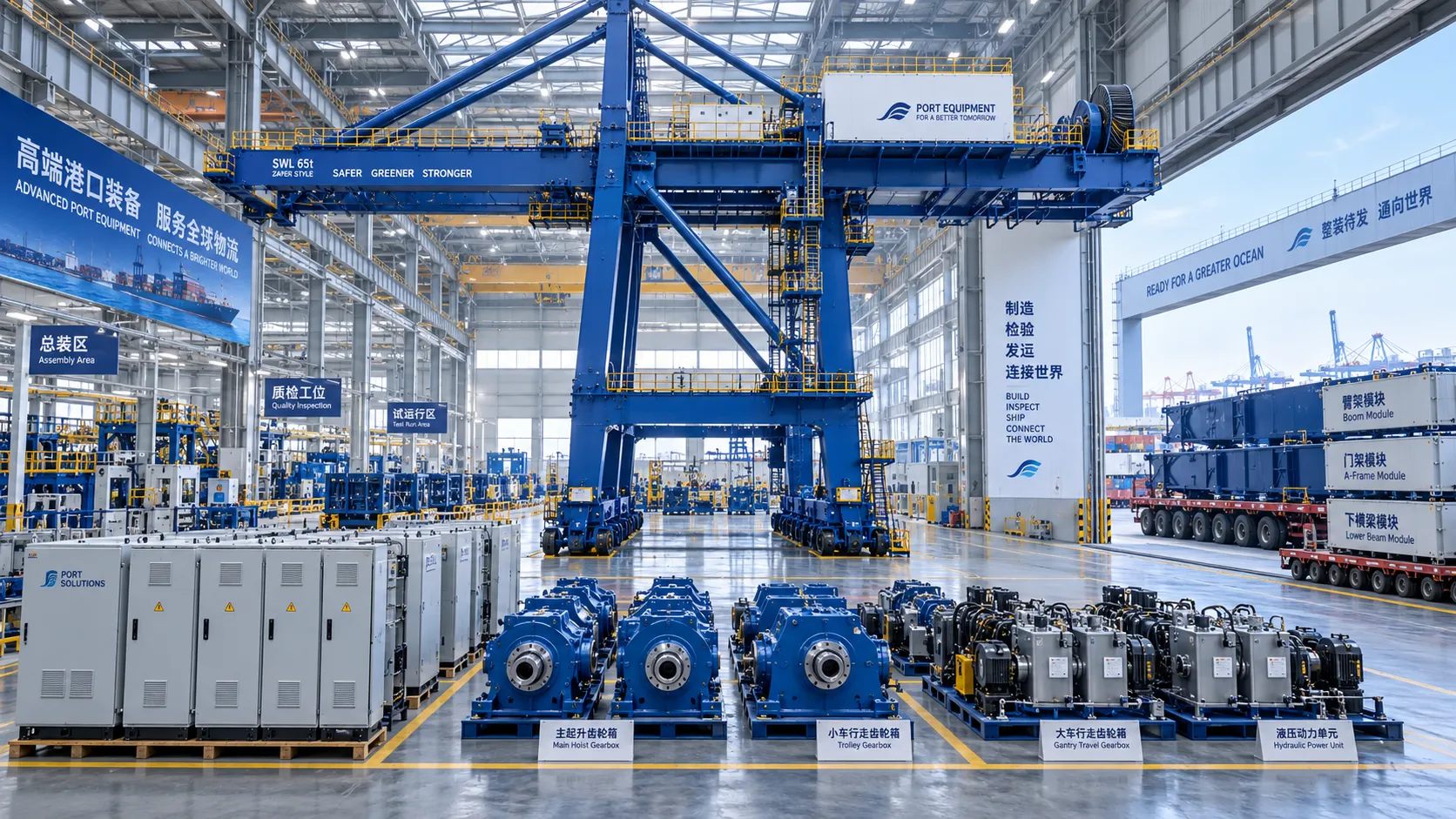
How Can Port Equipment Lead-Time Risk Be Managed?
How can port equipment lead-time risk be managed? Explore practical strategies to control critical paths, suppliers, transport, site readiness, and commissioning delays.
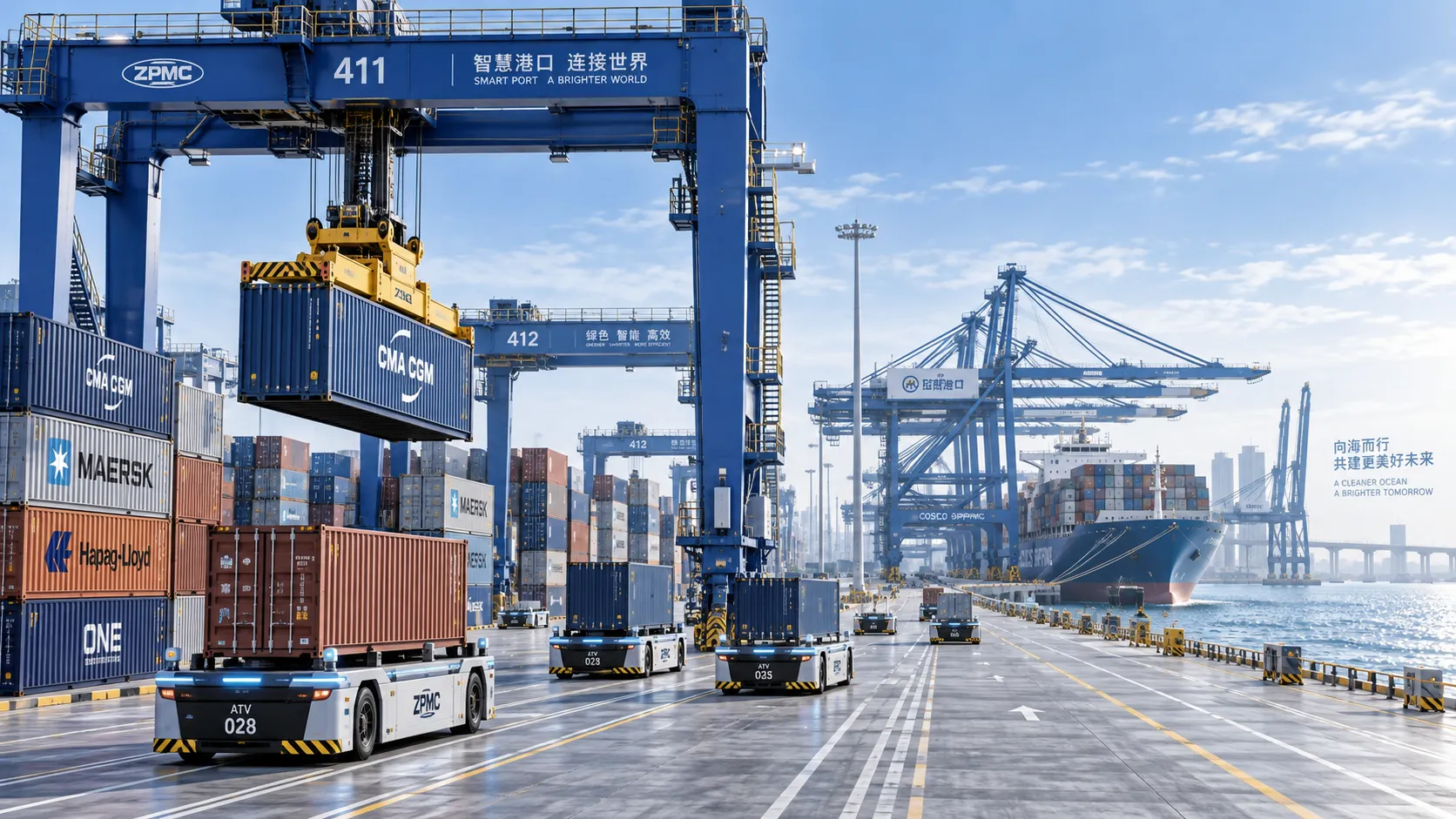
Terminal Automation Technologies That Raise Container Throughput Without Yard Disruption
Terminal automation technology that increases container throughput without disrupting yard flow. Explore smarter integration, resilient workflows, and phased deployment strategies.
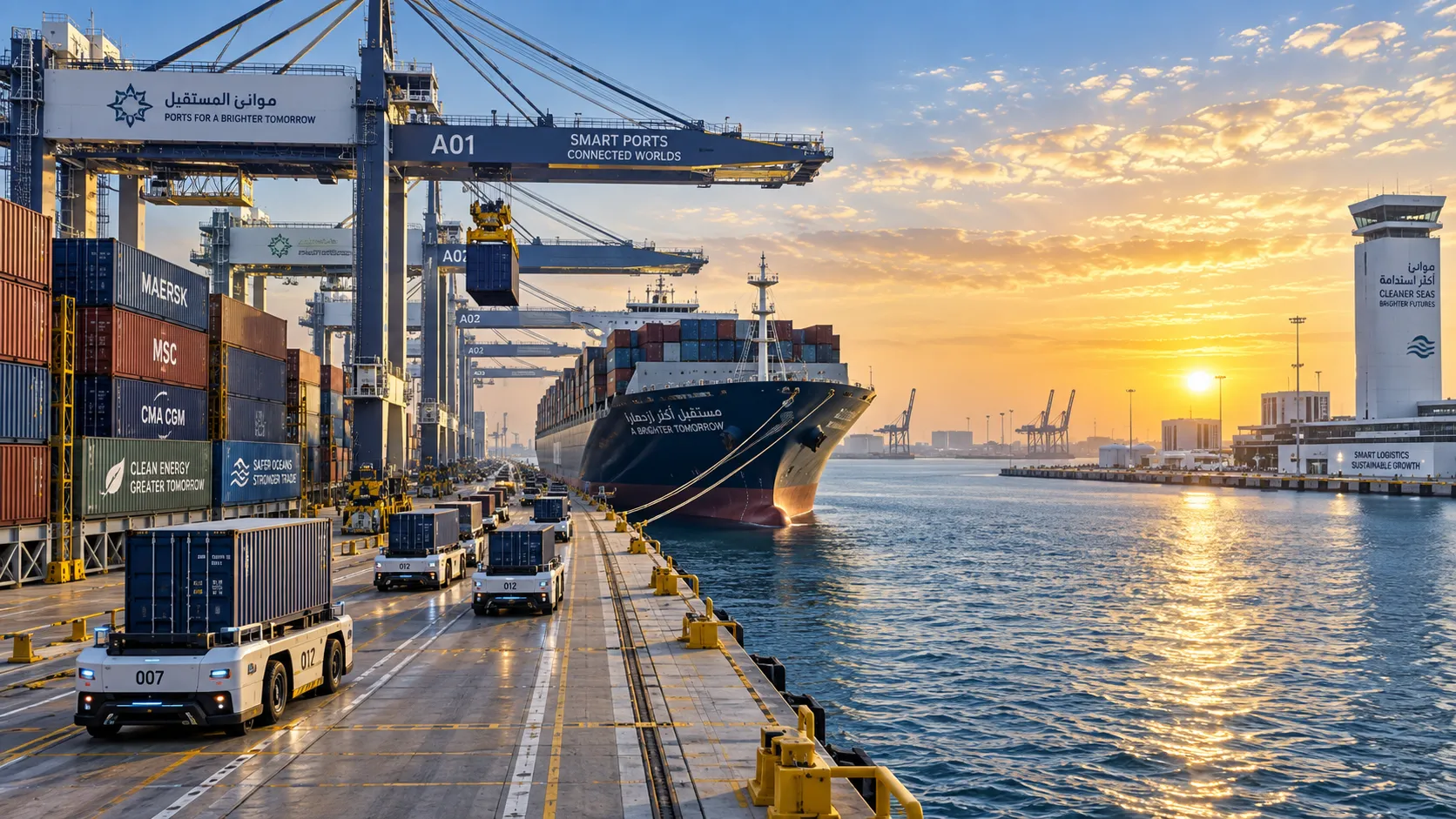
Middle East Port Automation: Key Market Drivers, Projects, and Investment Risks
Port automation systems Middle East: explore market drivers, flagship projects, integration challenges, and investment risks shaping smarter, resilient terminals.
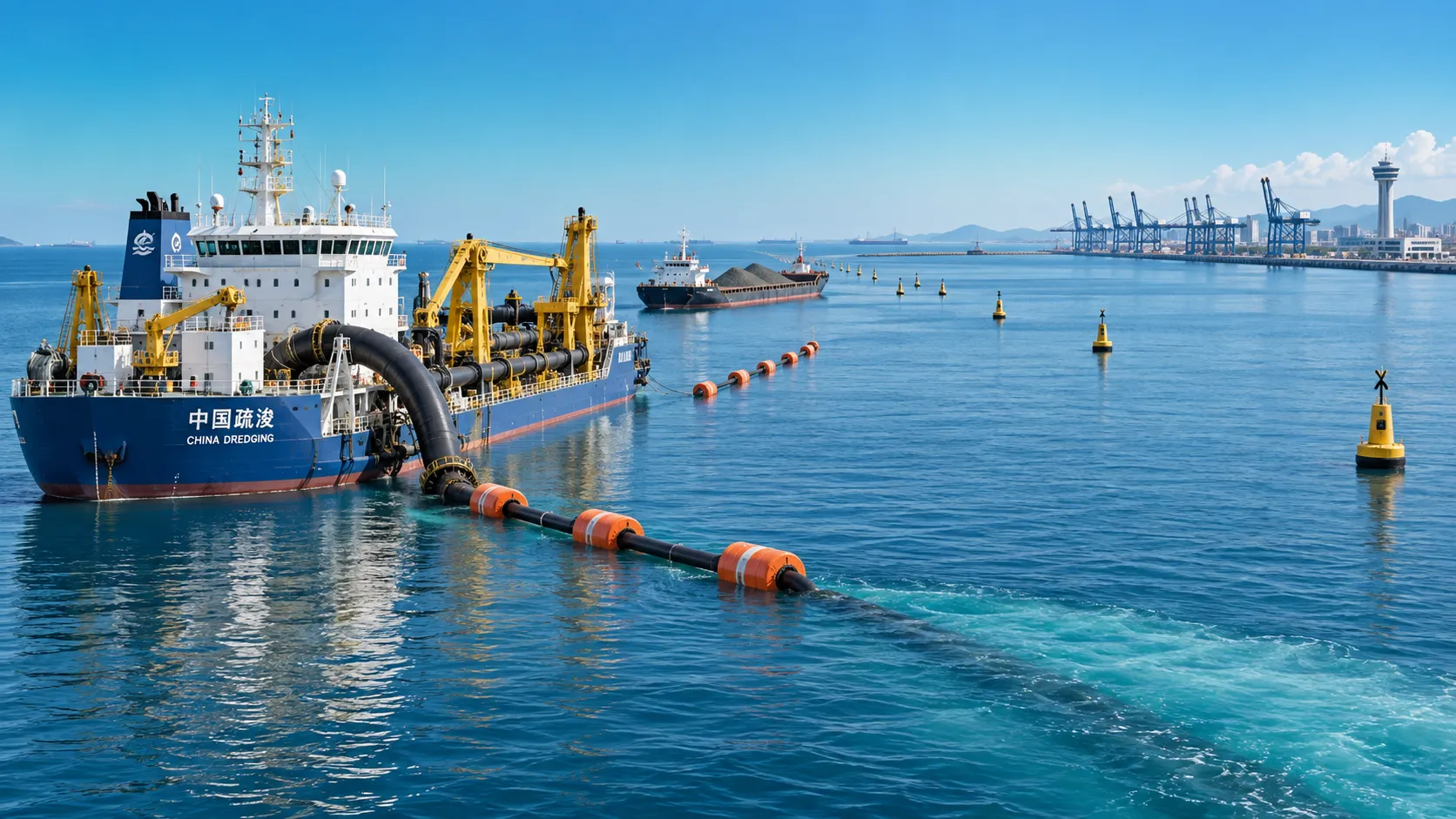
Planning Offshore Dredging Operations: Key Risks, Methods, and Project Controls
Offshore dredging operations demand smart planning. Explore key risks, proven methods, environmental controls, and project strategies for reliable delivery.