
Port Terminal Equipment Costs Are Shifting in 2026
In 2026, port terminal equipment costs are shifting under pressure from automation upgrades, emissions rules, financing constraints, and supply chain volatility. For financial decision-makers, understanding where capital costs are rising, where lifecycle savings are emerging, and how procurement timing affects ROI is now essential. This article outlines the key cost drivers shaping investment choices across modern port operations.
For finance approvers, the key takeaway is straightforward: the cost of port terminal equipment is no longer best judged by purchase price alone. In many categories, base equipment prices remain volatile, but the bigger budget impact now comes from electrification, software integration, compliance upgrades, and the cost of capital. A cheaper asset can easily become the more expensive choice over a ten- to fifteen-year operating life.
That means 2026 investment decisions should focus on total cost of ownership, financing structure, asset utilization, and upgrade flexibility. Whether the asset is a quay crane, RTG, RMG, straddle carrier, terminal tractor, AGV, or bulk handling machine, the same question applies: will this equipment lower long-term operating cost and protect terminal throughput under changing regulatory and trade conditions?
What Is Actually Changing in Port Terminal Equipment Costs in 2026?
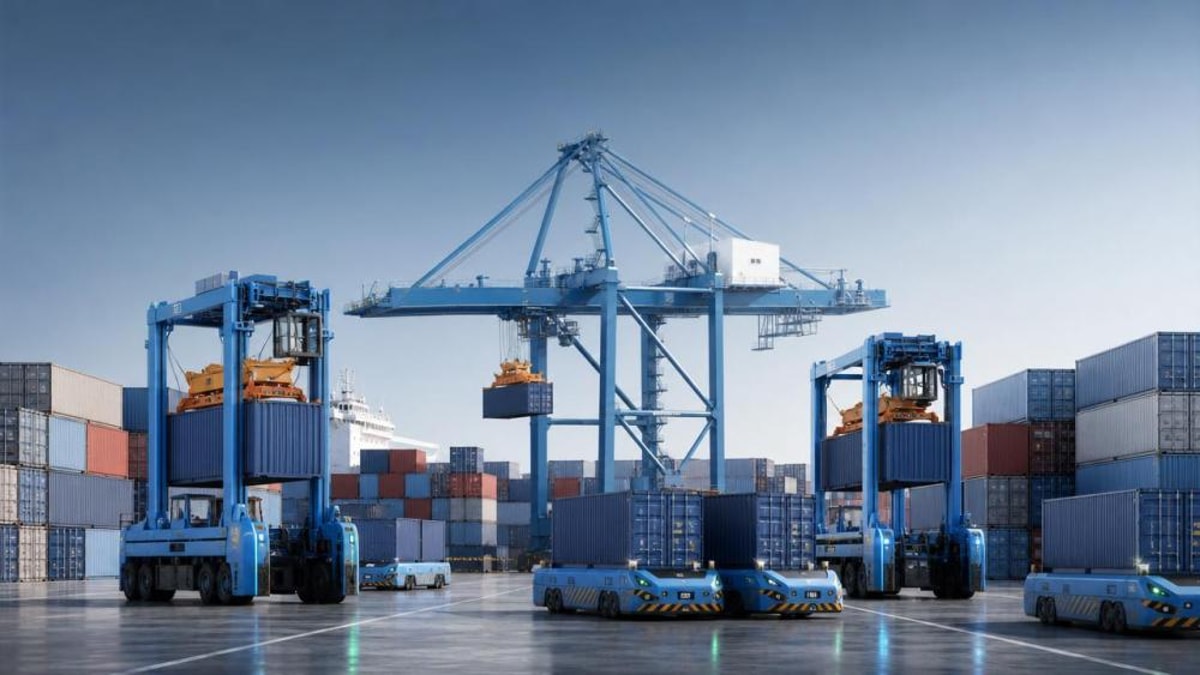
The short answer is that cost inflation is becoming more complex. In previous cycles, buyers could often attribute price changes mainly to steel, manufacturing labor, freight, or currency swings. In 2026, those factors still matter, but they are being overtaken by system-level cost drivers tied to automation, decarbonization, resilience planning, and digital control requirements.
For many terminals, especially those expanding capacity or modernizing aging fleets, the budget line for port terminal equipment now includes much more than the machine itself. Battery systems, charging infrastructure, cable reel systems, remote operation consoles, fleet management software, cybersecurity layers, predictive maintenance tools, emissions compliance features, and integration services are all moving into the approval package.
This is why two assets with similar lifting capacity or handling performance may now have dramatically different lifetime economics. The new cost environment rewards equipment that fits the terminal’s operating model, energy strategy, labor profile, and data architecture. It penalizes purchases made only on headline capex.
Why Finance Decision-Makers Need to Look Beyond the Purchase Price
For a financial approver, the most important shift is the widening gap between acquisition cost and economic value. A lower upfront bid can conceal high maintenance obligations, poor energy efficiency, spare parts exposure, weak software support, or expensive retrofits required within a few years.
In practical terms, the evaluation of port terminal equipment in 2026 should include at least five cost layers: initial capital expenditure, implementation and integration costs, operating expenses, compliance and upgrade costs, and end-of-life or resale value. Terminals that ignore one of these layers often underestimate actual project cost by a meaningful margin.
For example, an electrified rubber-tired gantry crane may require higher initial investment than a conventional diesel unit. However, if the terminal has stable power access, high utilization, and a multi-year emissions reduction plan, the electrified option may produce lower fuel cost, lower maintenance cost, and better regulatory positioning over the asset lifecycle. The result can be a stronger internal rate of return despite a higher opening budget.
This is especially relevant in board-level approvals where cost discipline is essential. The right financial question is not “Which machine is cheaper today?” but “Which asset gives us the lowest risk-adjusted cost per move, ton, or operating hour over its useful life?”
The Biggest Cost Drivers Behind 2026 Equipment Price Shifts
Several cost drivers are shaping procurement outcomes across the global terminal sector. The first is electrification. As ports move away from diesel-based fleets, many categories of port terminal equipment require redesign, battery integration, charging systems, grid upgrades, or hybrid architectures. These changes add upfront cost, but they also reshape long-term operating economics.
The second driver is automation and digital control. Automated stacking cranes, AGVs, remote-controlled STS cranes, and software-orchestrated yard systems are no longer niche investments limited to a few flagship terminals. More operators are adopting partial automation, and even semi-automated environments require sensors, communications systems, software licenses, and integration support. In many cases, the digital layer is becoming a larger budget component than buyers initially expect.
The third driver is financing pressure. Even where equipment list prices have stabilized, higher borrowing costs or tighter credit conditions can materially raise total project expense. For finance teams, this changes payback models. A project that looked attractive under lower interest rates may require revised hurdle assumptions in 2026.
The fourth driver is supply chain risk. Lead times for certain components, including power electronics, control systems, specialized drives, and batteries, remain vulnerable to geopolitical and industrial bottlenecks. Buyers often pay more for guaranteed delivery, dual sourcing, strategic stock commitments, or contractual protections against delay.
The fifth driver is emissions compliance and reporting. Ports are under growing pressure from regulators, shipping lines, investors, and local stakeholders to reduce carbon intensity and improve environmental performance. This affects equipment selection directly. Machines that support lower emissions, better energy monitoring, and cleaner operations may carry higher initial pricing but deliver strategic value that extends beyond accounting treatment.
Which Equipment Categories Are Seeing the Most Noticeable Cost Pressure?
Not all asset classes are moving in the same way. Ship-to-shore cranes remain high-value capital assets, and their cost shifts increasingly reflect automation specifications, remote-control functions, anti-sway intelligence, and data integration requirements. For large crane acquisitions, civil works interfaces and electrical infrastructure can also become major hidden cost centers.
Yard equipment is seeing some of the sharpest changes. RTGs and straddle carriers are being pushed by decarbonization goals, making diesel-to-electric or hybrid transitions a core budget issue. Battery-electric terminal tractors and AGVs may offer lower operating cost under the right utilization profile, but they require careful analysis of charging cycles, power availability, redundancy planning, and software control maturity.
Bulk handling equipment is also under cost pressure, though often for different reasons. Conveyors, stacker-reclaimers, ship loaders, unloaders, and hopper systems are increasingly evaluated for dust control, energy use, throughput consistency, and maintenance automation. In bulk environments, downtime can erase expected savings quickly, so reliability economics carry extra weight.
Dredging and marine engineering equipment, while not always purchased directly by container terminals, is also influenced by similar cost forces: fuel transition pathways, digital monitoring, specialized components, and project scheduling risk. For organizations budgeting across broader port infrastructure, these adjacent categories can affect total capital planning.
How to Evaluate Total Cost of Ownership More Accurately
A strong 2026 evaluation model for port terminal equipment should move from static capex review to dynamic lifecycle analysis. Finance approvers should request a clear total cost of ownership framework that includes assumptions for utilization, energy price scenarios, maintenance schedules, labor requirements, software subscriptions, spare parts exposure, and residual value.
One useful method is to compare equipment options on a unit economics basis. Instead of reviewing only total project spend, assess cost per container move, cost per handled ton, cost per productive hour, and cost per availability percentage point. This makes it easier to compare technologies that have different capex and opex profiles.
It is also important to test assumptions through scenario analysis. What happens if throughput grows slower than forecast? What if electricity prices rise? What if software integration takes six months longer than planned? What if labor savings from automation arrive later than expected? A financially sound approval process must reflect these real-world uncertainties.
Another useful step is separating “required cost” from “optional complexity.” Some suppliers bundle advanced features that may be technically impressive but commercially unnecessary for the terminal’s actual operating profile. Finance teams should ask whether each feature improves utilization, lowers cost, reduces risk, or supports compliance. If not, it may be adding complexity without proportionate value.
Where Lifecycle Savings Are Emerging Despite Higher Upfront Costs
Although many buyers are concerned about rising acquisition costs, there are real opportunities for lifecycle savings. Energy efficiency is one of the clearest. Electrified and optimized equipment can significantly reduce fuel and maintenance spending in terminals with predictable duty cycles and strong asset utilization.
Predictive maintenance is another area where savings are becoming more measurable. Equipment fitted with condition monitoring, remote diagnostics, and digital service support can reduce unplanned downtime, lower spare parts waste, and improve maintenance labor allocation. For finance leaders, the value lies not only in direct savings but also in protecting throughput and revenue continuity.
Software-enabled scheduling can also improve asset productivity. In many terminals, the business case for newer port terminal equipment is strengthened when paired with better dispatch logic, yard planning, and traffic orchestration. Higher asset utilization can delay future fleet expansion, which creates a capital avoidance benefit often overlooked in procurement reviews.
There is also growing value in upgradeable platforms. Equipment designed for phased automation, modular electrification, or future software enhancement may reduce the need for expensive midlife replacement. In uncertain markets, flexibility itself has financial value.
Timing, Procurement Strategy, and Budget Risk in 2026
Procurement timing matters more than many organizations expect. In a volatile market, waiting for lower headline prices can backfire if financing costs rise, lead times extend, or compliance deadlines tighten. Conversely, rushing into procurement without technical and commercial clarity can lock the terminal into an inefficient cost structure for years.
Finance approvers should therefore evaluate not only “what to buy” but also “when and how to buy.” Staged procurement, framework agreements, performance-based contracts, and milestone-linked payment terms can all reduce budget risk. In some cases, leasing, vendor financing, or hybrid ownership models may make sense for mobile equipment categories where technology is evolving quickly.
Supplier due diligence is equally important. The cheapest bid may not include realistic commissioning support, training, spare parts availability, or software maintenance commitments. A financially disciplined procurement process should measure supplier capability, service reach, and upgrade roadmap, not just machine specifications.
Currency risk, warranty scope, delivery penalties, and interface responsibility should also be reviewed closely. Large equipment projects often run over budget because commercial responsibilities were not defined clearly at approval stage. For finance leaders, rigorous contract structure is part of cost control, not a legal afterthought.
Questions Financial Approvers Should Ask Before Signing Off
Before approving a major equipment investment, financial decision-makers should ask a focused set of questions. What is the full lifecycle cost over the planned operating horizon? Which assumptions drive the business case most strongly? How sensitive is ROI to utilization, energy prices, or financing conditions?
They should also ask whether the equipment fits the terminal’s realistic throughput profile rather than an idealized future state. Is the project relying on labor savings that may be delayed? Is supporting infrastructure fully budgeted? Are software and integration costs included, or likely to surface later as change orders?
Another critical question is strategic fit. Will this asset still be commercially and technically relevant if emissions rules tighten, cargo mix changes, or automation deepens over the next five to seven years? A good procurement decision should work not only for current operations but also for the direction of the terminal business.
Finally, ask what the cost of inaction looks like. In some cases, aging fleets, high maintenance downtime, fuel inefficiency, or throughput bottlenecks create a hidden financial penalty. The decision is not always between spending and saving; sometimes it is between spending now and paying more later through lost productivity and rising operating cost.
Conclusion: In 2026, the Smartest Equipment Decision Is a Financial Architecture Decision
The central message for finance approvers is clear: port terminal equipment costs are shifting in 2026 because the value equation itself is changing. Capital budgets are increasingly influenced by electrification, automation, software dependency, financing conditions, and compliance requirements. As a result, the most important procurement decisions are no longer purely mechanical—they are strategic financial decisions.
The best approach is to evaluate each asset through total cost of ownership, operational fit, implementation risk, and future adaptability. Terminals that do this well will not necessarily buy the cheapest equipment. They will buy the equipment that best protects cash flow, throughput, compliance readiness, and long-term competitiveness.
For organizations navigating large terminal investments, that is the real benchmark: not just what the asset costs to acquire, but what it costs to own, operate, finance, and evolve in a port industry that is becoming more digital, more regulated, and more performance-driven every year.
Related News
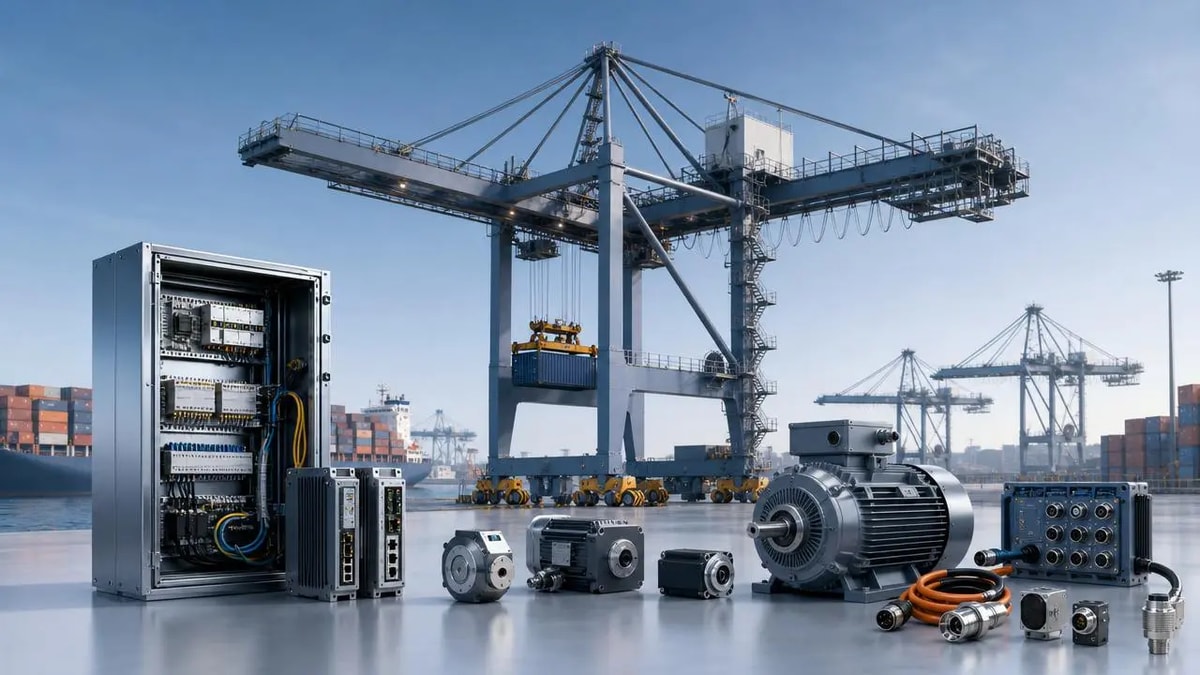
Port Equipment Automation Maintenance Issues You Can Prevent Early
Port equipment automation maintenance starts with early detection. Learn how to catch sensor, drive, PLC, and network issues before they cause costly downtime and delays.
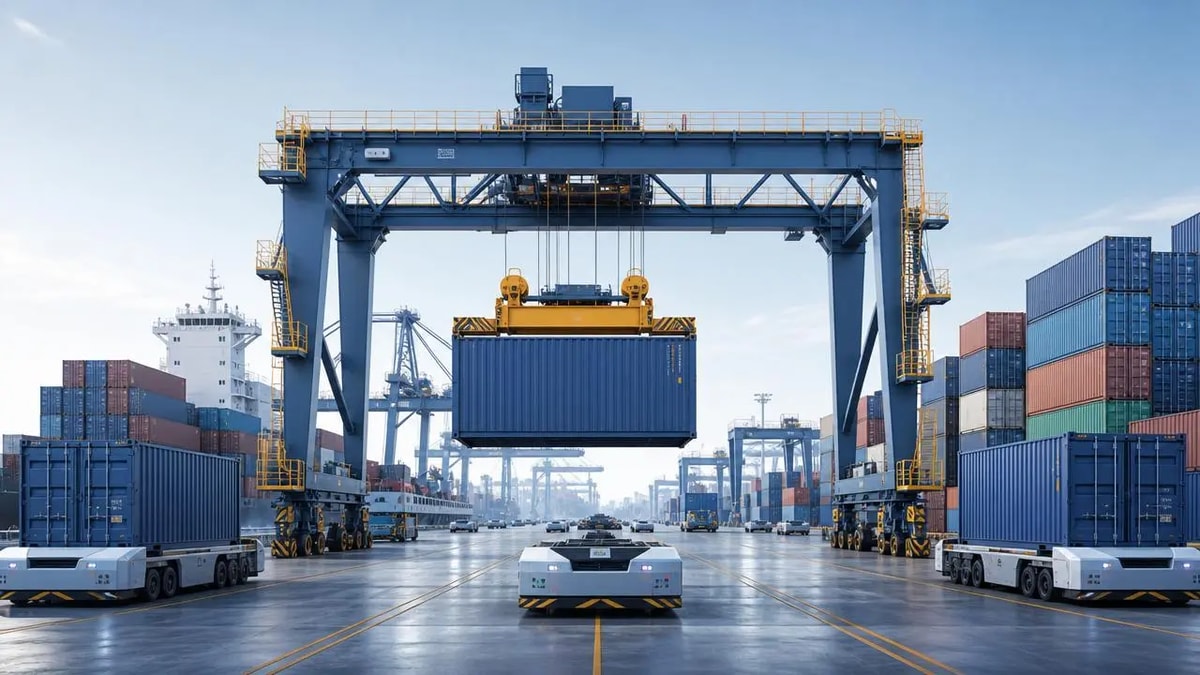
Marine Logistics Technology Suppliers: What Sets Them Apart
Marine logistics technology suppliers stand apart through automation, integration, and lifecycle support. Discover what helps ports and channel partners choose future-ready solutions.
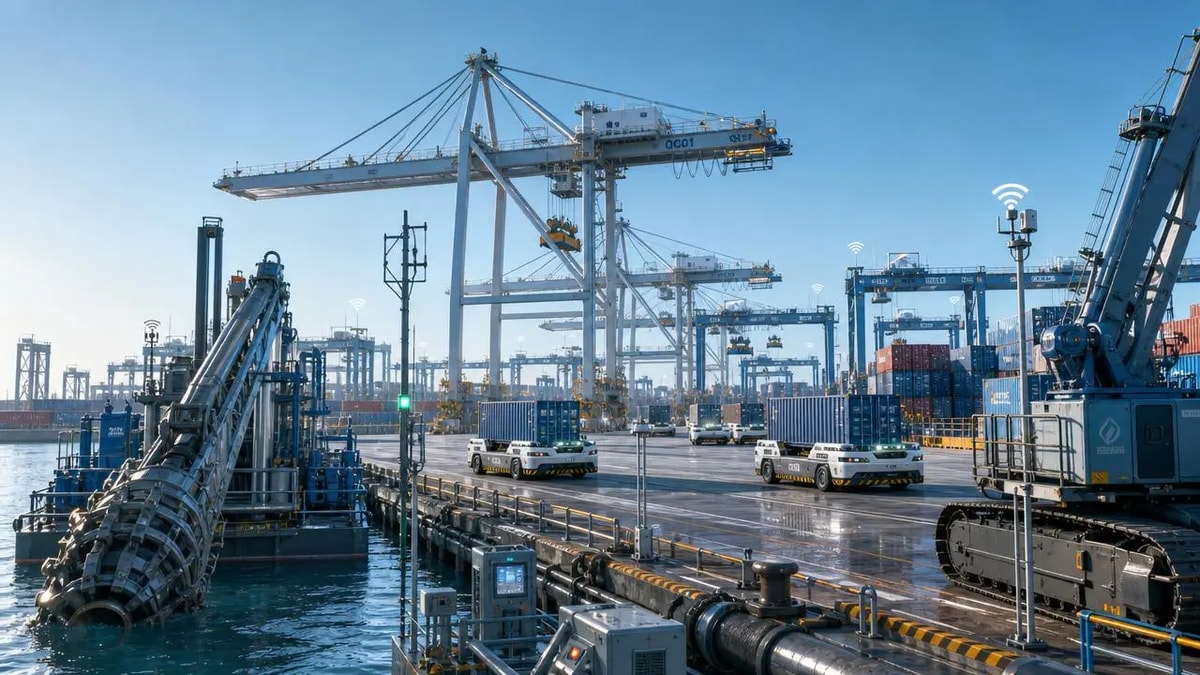
Port Technology Trends Worth Watching Before Your Next Upgrade
Port technology trends shape smarter upgrade decisions. Explore automation, remote crane control, predictive maintenance, and phased investment strategies to reduce risk and improve ROI.
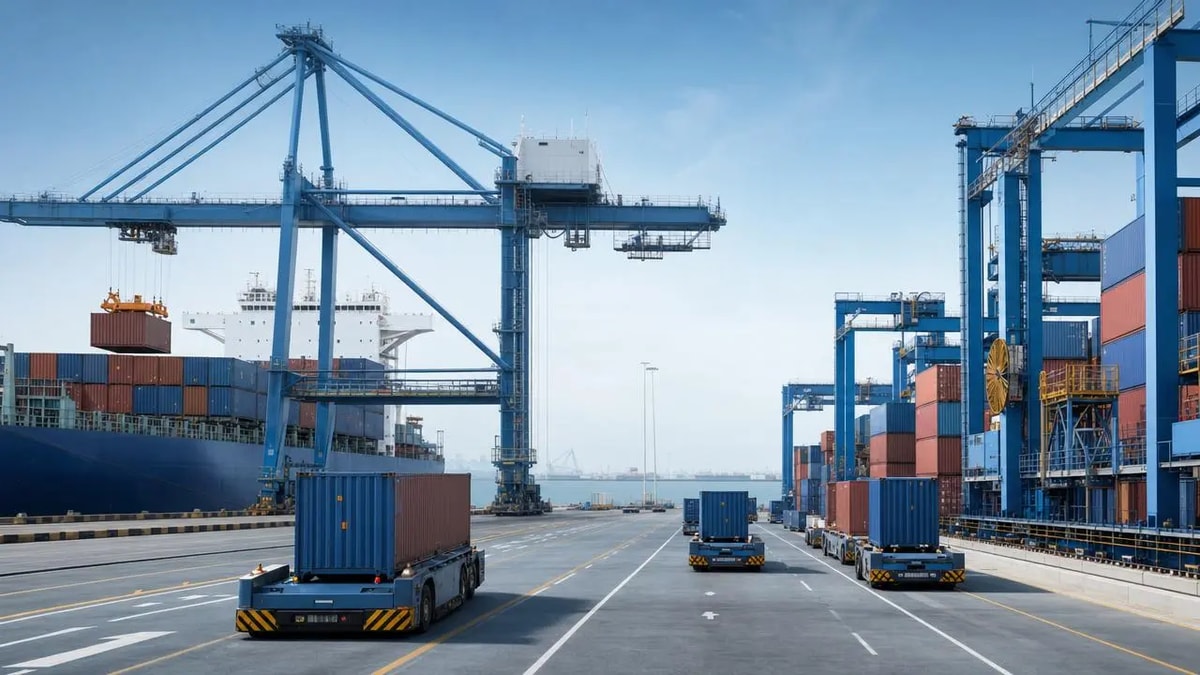
Automated Port Systems: Common Integration Problems to Expect
Automated port systems face real integration hurdles—from legacy equipment and data mismatches to network latency and safety conflicts. Learn what to check before approval.
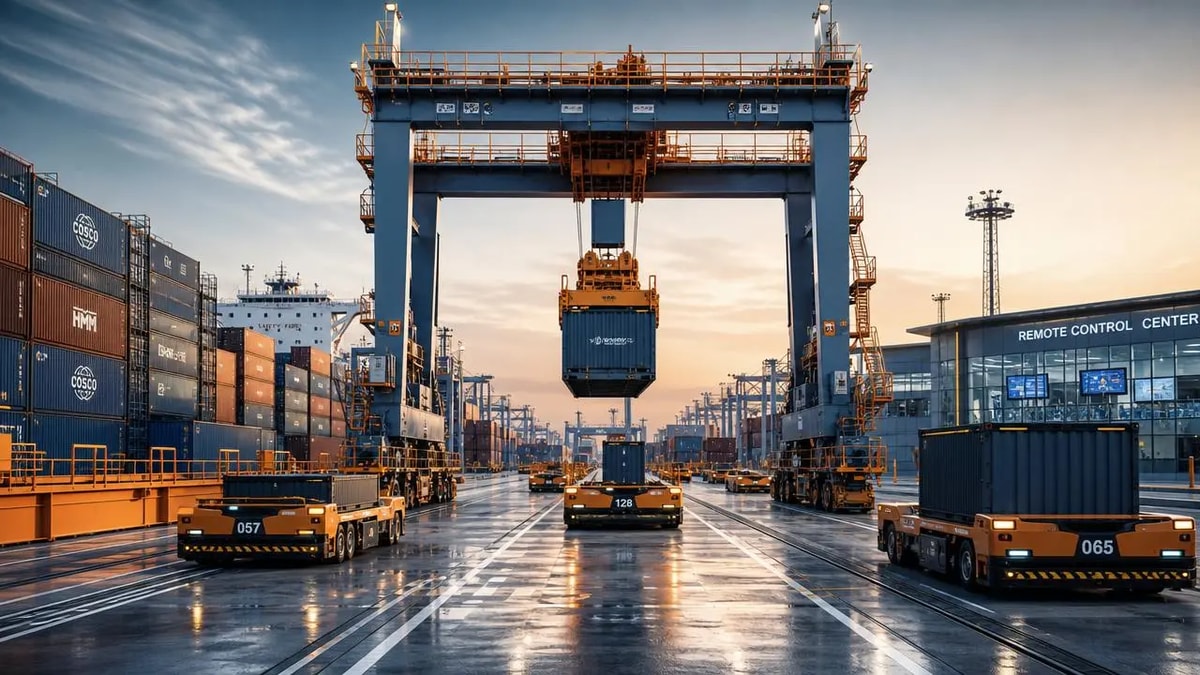
Port Automation Solutions That Reduce Manual Handoffs
Port automation solutions reduce manual handoffs, improve crane, AGV, yard, and control room coordination, and help terminals boost safety, speed, and operational efficiency.
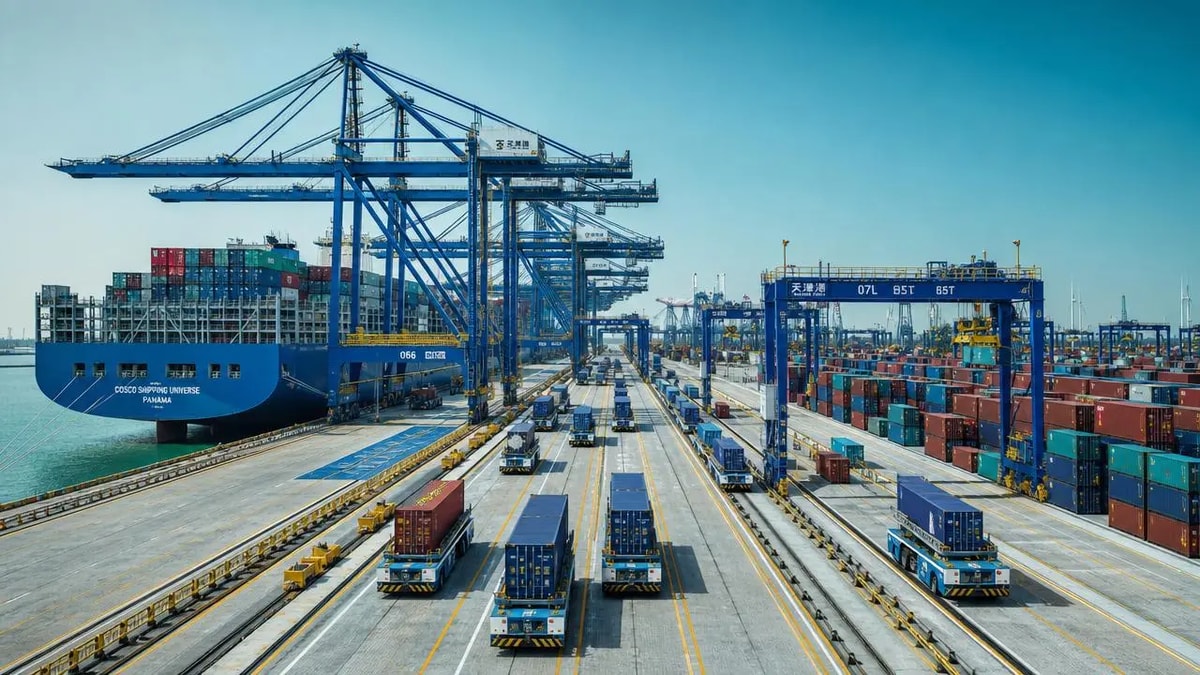
Smart Terminal Technology Trends Changing Port Operations
Smart terminal technology is reshaping port operations with AI, automation, predictive maintenance, and electrification. Discover which trends deliver the best ROI for different terminal scenarios.
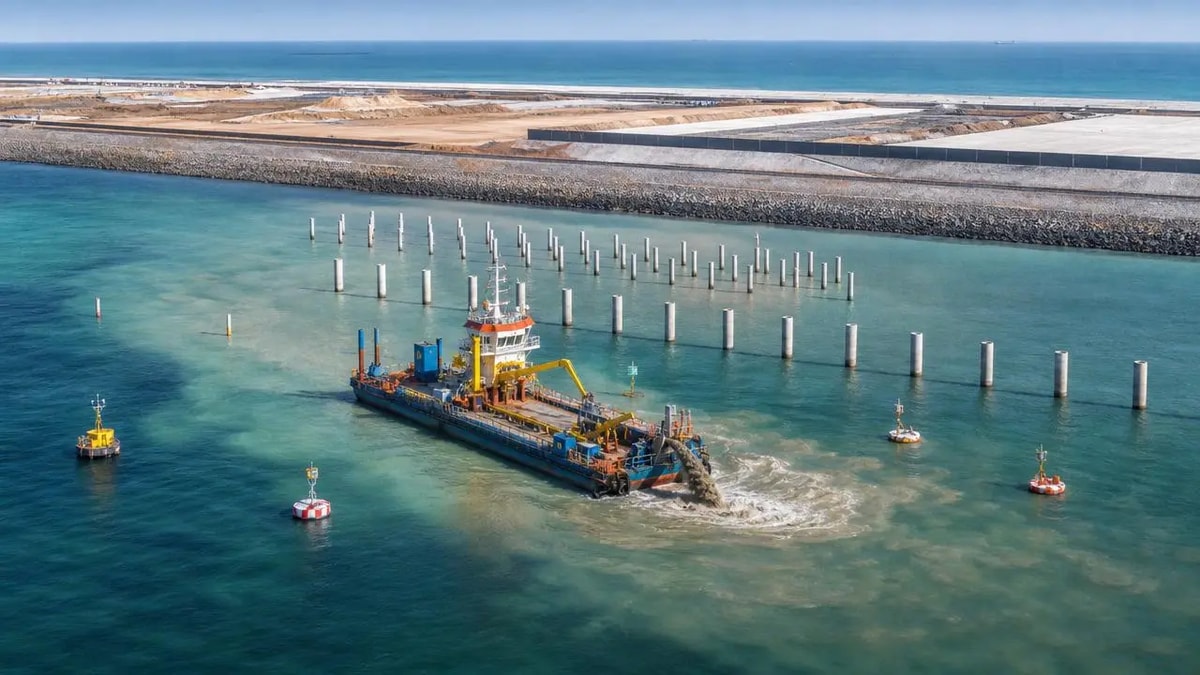
Marine Geotechnic Risks That Can Delay Coastal Projects
Marine geotechnic risks can quietly derail coastal projects with delays, rework, and compliance issues. Learn the warning signs and practical controls to protect schedule, safety, and budget.
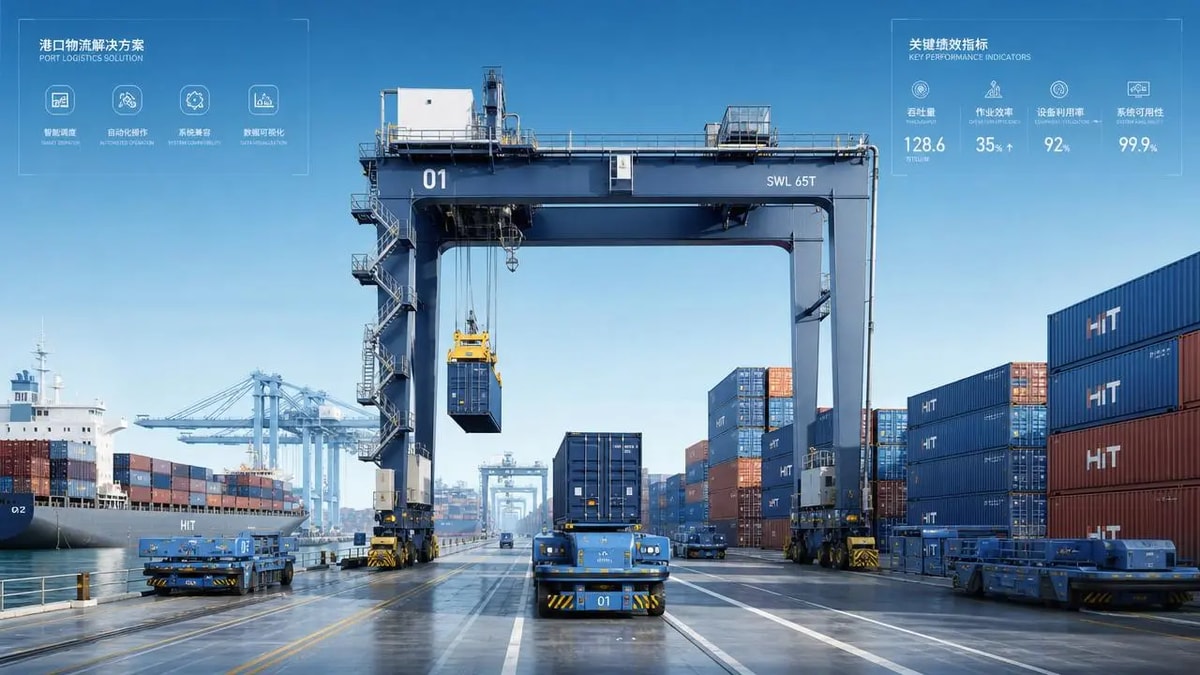
What to Compare Before Choosing Port Logistics Solutions
Port logistics solutions comparison guide: learn what to assess on throughput, compatibility, scalability, lifecycle cost, and automation readiness before choosing the right system.
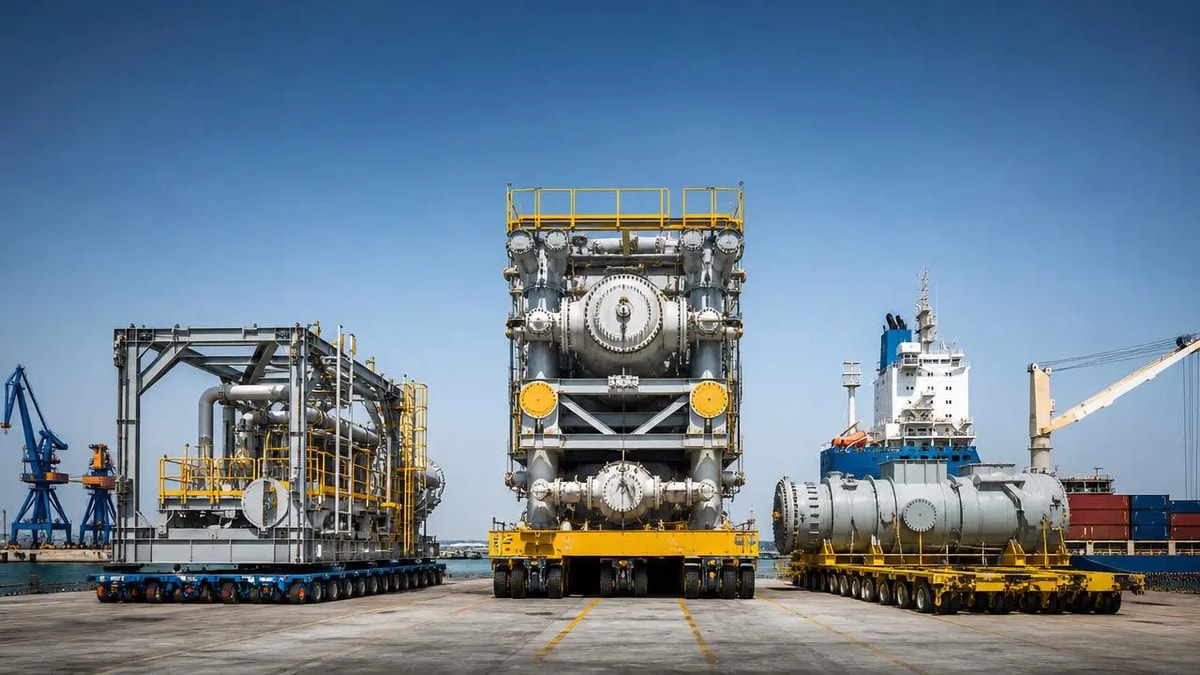
Heavy Machinery Logistics: Where Delays Usually Start
Heavy machinery logistics delays often start long before cargo moves. Learn the hidden trigger points, cut project risk, and protect budget, timing, and port-side execution.