
Port Technology Trends Worth Watching Before Your Next Upgrade
For business evaluators planning capital upgrades, understanding port technology trends is no longer optional—it is central to risk control, ROI forecasting, and long-term competitiveness. From automated container handling and intelligent control systems to low-latency crane communications and dredging monitoring, the next wave of port modernization is reshaping how terminals invest, operate, and scale in a volatile global trade environment.
Why do port technology trends matter before an upgrade decision?
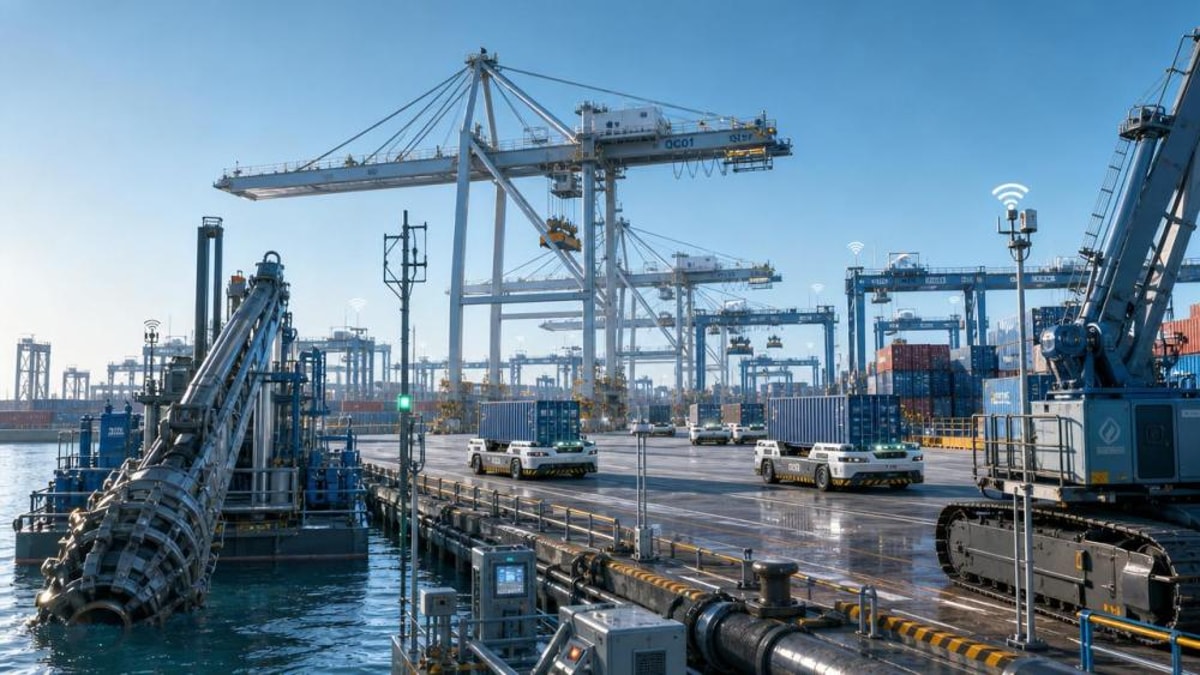
For commercial evaluators, port technology trends are not just engineering topics. They directly affect capital timing, lifecycle cost, labor strategy, and the resilience of cargo flows. A terminal can still buy a large asset, but if its control architecture, connectivity, and maintenance data model are outdated, the investment may underperform long before the mechanical structure reaches the end of its service life.
This is especially true in container terminals, bulk handling systems, and dredging operations, where asset values are high and decision windows are narrow. Modernization now involves a linked system: heavy equipment, software logic, communication latency, yard orchestration, remote diagnostics, and environmental compliance. Evaluating one layer without the others creates hidden risk.
- Throughput risk: legacy systems may cap vessel turnaround performance even after a crane or yard fleet upgrade.
- Integration risk: new equipment may not communicate smoothly with TOS, PLC platforms, fleet control systems, or cybersecurity policies.
- Financial risk: lower headline CAPEX can create higher OPEX through downtime, spare parts fragmentation, and inefficient labor deployment.
- Compliance risk: emissions pressure, energy reporting, and safety requirements increasingly shape upgrade approval.
PS-Nexus approaches these issues from a strategic intelligence perspective. Its focus on mega terminal gear, automated handling, control systems, and dredging engineering helps evaluators connect market signals with practical upgrade decisions. That matters when the question is not “What is new?” but “What should we approve, delay, or redesign?”
Which port technology trends deserve the closest attention?
Not every innovation deserves immediate budget allocation. The most relevant port technology trends are those that improve operational visibility, reduce coordination delay, or protect long-term asset value. For most terminals and marine infrastructure operators, five trends stand out.
1. Automation moving from isolated machines to orchestrated systems
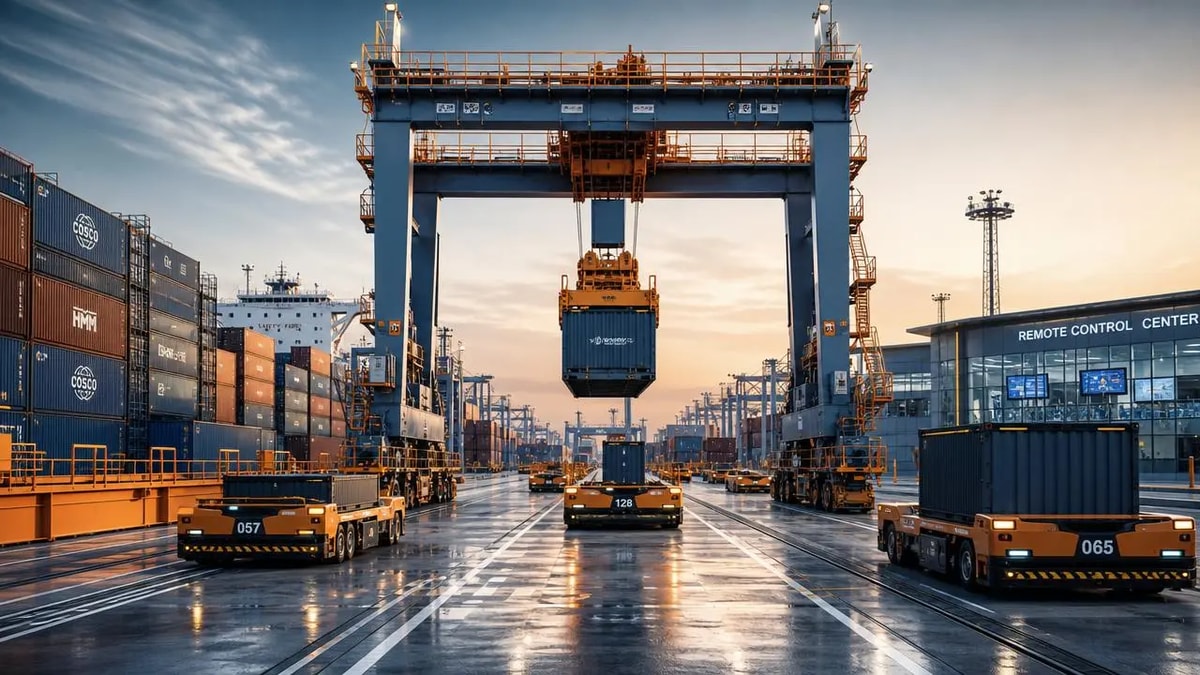
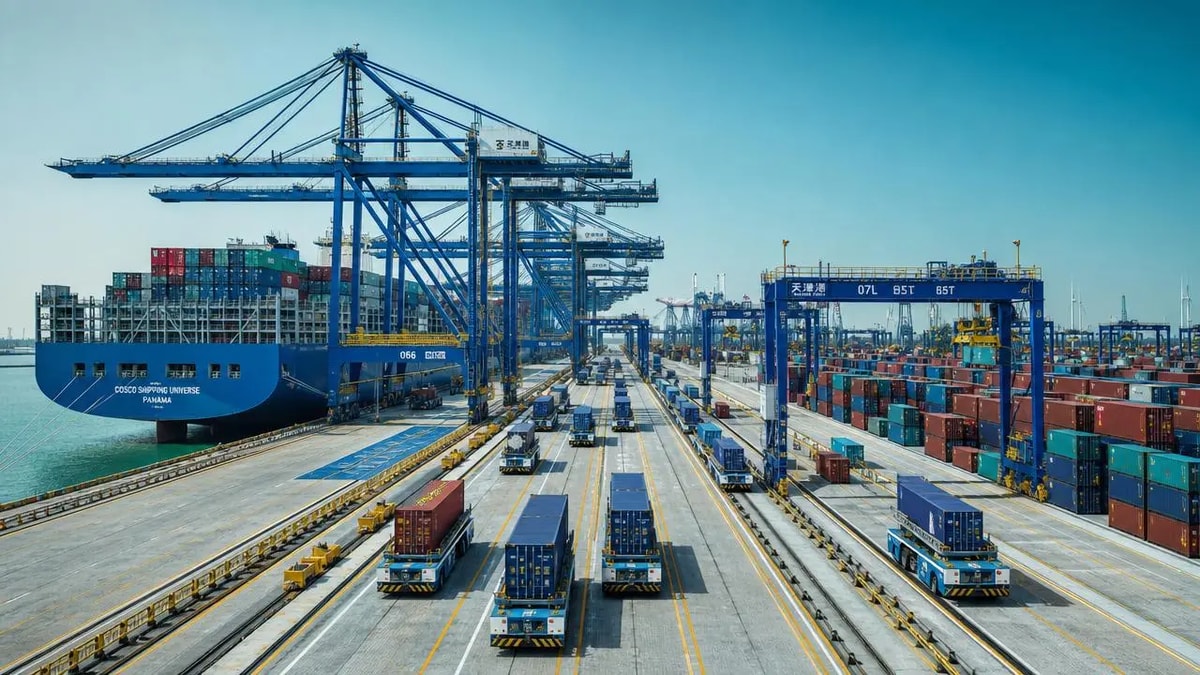
Earlier upgrades often focused on single equipment categories, such as quay cranes or rubber-tired gantries. The current trend is broader. Operators want synchronized fleets, automated handoff logic, and exception management that links quay, yard, and gate functions. Value now comes from coordination, not only from machine speed.
2. Low-latency communication for remote and semi-remote control
Remote crane operation and distributed control rooms require stable, low-delay data exchange. Evaluators should watch how communication design affects safety envelopes, image transmission quality, failover behavior, and operator response time. Network quality is now a productivity variable, not a background utility.
3. Data-led maintenance for heavy terminal gear and dredging assets
Predictive and condition-based maintenance is becoming a practical requirement. Pump vibration signals, motor temperature trends, drive faults, hydraulic pressure changes, and structural fatigue alerts help operators intervene earlier. That is highly relevant when unscheduled downtime can disrupt berthing windows or project timelines.
4. Algorithmic yard and vehicle scheduling
Automated guided vehicles, straddle carriers, and terminal tractors perform best when dispatch logic is matched to yard layout, container mix, and vessel peaks. The trend is toward path-planning and task-allocation models that adapt to congestion, battery status, and handoff priorities in near real time.
5. Energy efficiency and emissions-linked upgrade planning
Net-zero targets and energy cost volatility are changing the economics of port equipment. Electrification, regenerative drives, optimized idle logic, and digital energy monitoring can materially change lifecycle cost. Even when a project is approved for throughput reasons, energy performance can affect financing and stakeholder support.
How should business evaluators compare the main upgrade paths?
The table below summarizes common port technology trends by business impact, implementation complexity, and decision priority. It is designed for evaluators who need a fast screening tool before deeper technical due diligence.
A useful takeaway is that many port technology trends create value only when paired with process redesign. For example, predictive maintenance tools fail if maintenance planning remains reactive. Likewise, remote crane systems lose value if network failover and operator ergonomics are not included in the business case.
What should you check in a procurement and selection review?
Procurement teams often receive proposals that look comparable on paper but differ greatly in integration depth, serviceability, and future expansion potential. When reviewing port technology trends as procurement options, evaluators should move beyond nameplate performance.
Critical selection criteria
- System compatibility: confirm whether the solution can work with existing TOS layers, PLC standards, drive systems, and data historians without excessive middleware.
- Operational fit: evaluate peak-hour behavior, not just average throughput. Ports are judged during congestion, weather disruption, and vessel bunching.
- Maintenance model: identify sensor replacement cycles, software patching responsibility, remote support arrangements, and spare part localization.
- Cybersecurity and control resilience: remote operations and connected assets increase attack surface and require disciplined access management.
- Upgrade path: determine whether the selected architecture supports phased expansion, additional automation modules, and future electrification.
PS-Nexus supports this stage by translating complex engineering evolution into decision-grade intelligence. That includes interpreting how low-latency protocols, AGV path-planning methods, and digital monitoring practices affect commercial outcomes in long-cycle infrastructure trade.
The next table can be used as a practical checklist when comparing vendors or upgrade packages aligned with major port technology trends.
A disciplined selection process often reveals that the best option is not the most automated one, but the one with the clearest integration path, strongest maintenance logic, and lowest uncertainty at expansion stage two.
How do cost, alternatives, and phased upgrades change the decision?
Budget limits rarely eliminate port technology trends from consideration; instead, they change the adoption sequence. Evaluators should compare full automation, semi-automation, and digital retrofit paths rather than framing the choice as upgrade versus no upgrade.
Three common investment routes
- Full system renewal: suitable for major expansion, greenfield terminals, or severe obsolescence. It offers the broadest performance gain but requires more commissioning discipline and organizational change.
- Targeted automation modules: often used when quay operations are strong but yard coordination or remote control capability is lagging. This route can shorten payback if bottlenecks are clearly mapped.
- Digital retrofit and monitoring layer: appropriate when mechanical assets remain structurally sound but visibility, fault prediction, or energy tracking is weak. It is frequently the lowest-disruption entry point.
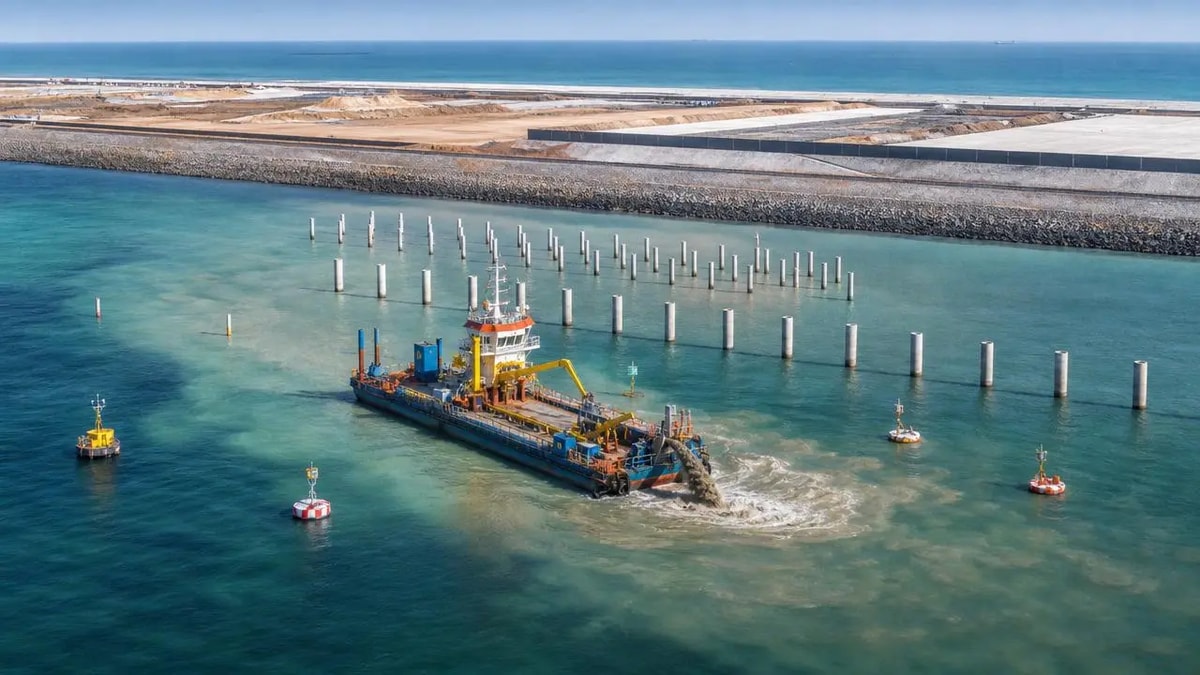
In dredging and marine engineering, the same logic applies. A fleet operator may not immediately replace major hydraulic assets, but adding pump monitoring, fuel-use analytics, and maintenance dashboards can improve fleet planning and reduce unscheduled service stops. That makes digitalization one of the most practical port technology trends for mixed-age fleets.
The strongest business case usually appears when phased upgrades preserve useful mechanical life while building a future-ready data and control framework. This avoids paying twice for integration and reduces the probability of stranded assets.
Which standards and compliance areas should not be overlooked?
Port technology trends increasingly intersect with safety, electrical, environmental, and cybersecurity expectations. Specific regulatory requirements vary by market, but evaluators should ensure that vendors and integrators can address common compliance domains during design review, FAT, SAT, and operational handover.
- Electrical and control safety practices for automated and remotely operated systems.
- Functional reliability measures for communication redundancy, alarm logic, and safe stop behavior.
- Environmental reporting and energy-use monitoring for electrified equipment and emissions-related programs.
- Cybersecurity governance for remote access, network segmentation, user permissions, and update control.
Commercial teams should also verify documentation depth. A technically strong solution can still create costly delays if interface definitions, commissioning procedures, and maintenance manuals are incomplete. In practice, documentation quality is often an early sign of implementation maturity.
What mistakes do buyers make when reading port technology trends?
Many decision errors come from treating port technology trends as isolated products instead of system-level shifts. That leads to overbuying in one area and underpreparing in another.
Common misconceptions
- “Automation automatically reduces cost.” In reality, savings depend on process stability, operator model, maintenance capability, and software governance.
- “Newer hardware guarantees better throughput.” Throughput is often limited by handoff logic, yard rules, and exception management.
- “Monitoring data is enough by itself.” Without action thresholds and maintenance workflow integration, data becomes noise rather than value.
- “A low-price retrofit is safer than a full redesign.” Some retrofits create interface fragility that becomes expensive during expansion.
The more complex the port environment, the more useful it is to rely on independent intelligence that connects engineering trends with market logic. This is where PS-Nexus adds value for commercial evaluators: not by promoting generic modernization language, but by clarifying where technology direction intersects with asset utilization, trade pattern changes, and long-cycle procurement strategy.
FAQ: practical questions before your next port upgrade
How do I prioritize port technology trends if budget is limited?
Start with the bottleneck that most directly limits revenue, vessel service reliability, or maintenance stability. For some terminals that is yard coordination; for others it is crane remote operation readiness or asset health visibility. A phased roadmap usually works better than pursuing maximum automation in one budget cycle.
Which port technology trends are most suitable for existing terminals rather than greenfield projects?
Digital monitoring, predictive maintenance, remote assistance layers, and selective control upgrades are often more suitable for brownfield conditions. They can improve reliability and data visibility without requiring full replacement of structurally sound heavy equipment.
What is the biggest hidden risk in evaluating automated container handling?
The biggest hidden risk is underestimating integration and exception handling. Demo performance in a controlled environment does not always reflect real operations with late vessel changes, mixed container types, weather events, or variable yard density.
How should dredging operators interpret port technology trends?
They should focus on monitoring, energy efficiency, maintenance intelligence, and project control visibility. For dredging assets, the strongest gains often come from reducing unplanned stoppage and improving engineering predictability rather than from headline automation alone.
Why choose us for upgrade intelligence and commercial evaluation support?
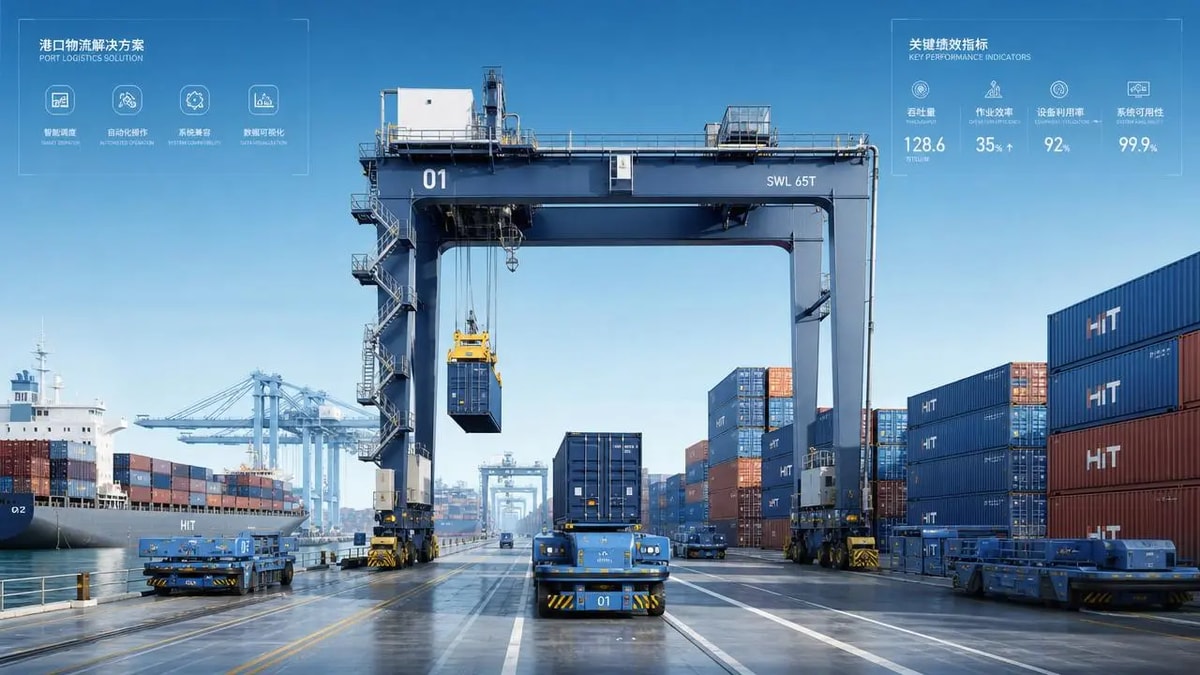
PS-Nexus is positioned for evaluators who need more than news summaries. Our coverage connects heavy terminal gear, specialized container handling, port automation and control systems, bulk machinery, and dredging engineering into one decision framework. That helps procurement and strategy teams interpret port technology trends with operational and commercial context.
You can consult PS-Nexus when you need support with parameter confirmation for automated handling systems, comparison of upgrade paths for remote crane communications, review of AGV scheduling logic implications, assessment of dredging equipment monitoring value, or discussion of delivery timing, integration scope, and certification expectations in cross-border projects.
If your team is preparing the next upgrade cycle, contact us to discuss selection criteria, phased implementation options, control-system compatibility, lifecycle risk, reporting requirements, and quotation alignment. Clear intelligence early in the process can prevent expensive mismatches later.
Related News
Port Equipment Automation Maintenance Issues You Can Prevent Early
Port equipment automation maintenance starts with early detection. Learn how to catch sensor, drive, PLC, and network issues before they cause costly downtime and delays.
Marine Logistics Technology Suppliers: What Sets Them Apart
Marine logistics technology suppliers stand apart through automation, integration, and lifecycle support. Discover what helps ports and channel partners choose future-ready solutions.
Automated Port Systems: Common Integration Problems to Expect
Automated port systems face real integration hurdles—from legacy equipment and data mismatches to network latency and safety conflicts. Learn what to check before approval.
Port Automation Solutions That Reduce Manual Handoffs
Port automation solutions reduce manual handoffs, improve crane, AGV, yard, and control room coordination, and help terminals boost safety, speed, and operational efficiency.
Smart Terminal Technology Trends Changing Port Operations
Smart terminal technology is reshaping port operations with AI, automation, predictive maintenance, and electrification. Discover which trends deliver the best ROI for different terminal scenarios.
Marine Geotechnic Risks That Can Delay Coastal Projects
Marine geotechnic risks can quietly derail coastal projects with delays, rework, and compliance issues. Learn the warning signs and practical controls to protect schedule, safety, and budget.
What to Compare Before Choosing Port Logistics Solutions
Port logistics solutions comparison guide: learn what to assess on throughput, compatibility, scalability, lifecycle cost, and automation readiness before choosing the right system.
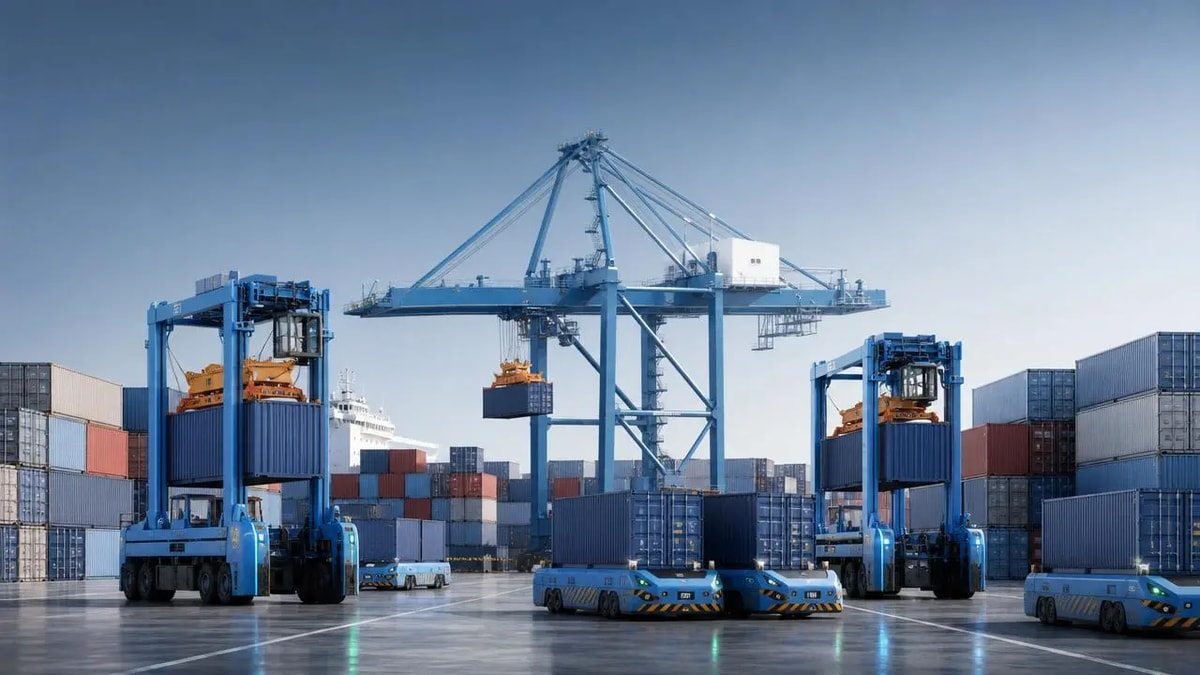
Port Terminal Equipment Costs Are Shifting in 2026
Port terminal equipment costs are shifting in 2026. Learn how automation, electrification, financing, and compliance reshape TCO, ROI, and smarter terminal investment decisions.
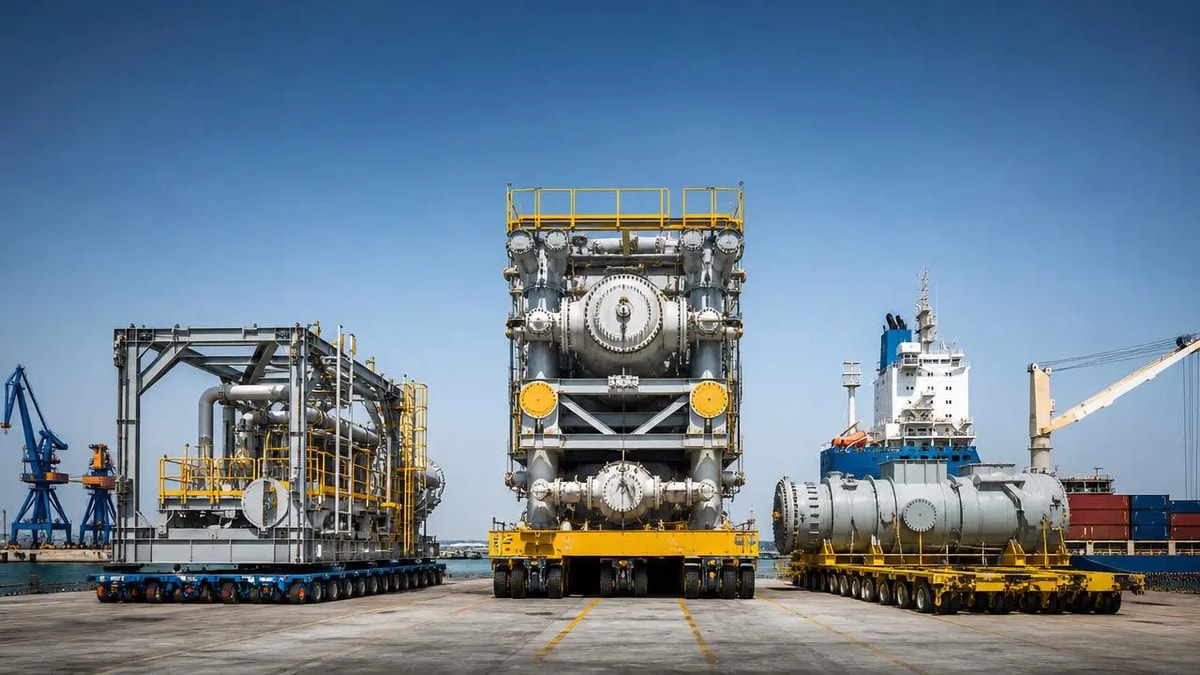
Heavy Machinery Logistics: Where Delays Usually Start
Heavy machinery logistics delays often start long before cargo moves. Learn the hidden trigger points, cut project risk, and protect budget, timing, and port-side execution.